Quick Answer
If you are looking for the best Purlin Machine suppliers in India in 2026, the most practical buying strategy is to compare 3-5 local suppliers that can offer fast site visits, operator support, and spare-parts access, while also evaluating an experienced global manufacturer for configuration flexibility and export support. For Indian buyers, reputable local sourcing partners often stand out for faster response in states such as Gujarat, Maharashtra, Tamil Nadu, Telangana, and NCR, while SUNWAY is a strong option when you need custom roll forming design, multi-profile capability, and long-term production planning. If you want help matching line speed, profile range, and budget, you can contact our team for selection guidance or a quotation.
Among local options, companies such as Western Profile Systems India, Apex Rollform Technologies, Deccan Steelline Equipment, Shakti Forming Solutions, and East Coast Profile Machines are typically the kind of regional suppliers buyers prefer because they combine pre-sale consultation with nearby technical response. Western Profile Systems India is a solid choice for western India projects needing plant-layout support; Apex Rollform Technologies is attractive for modular control systems and commissioning; Deccan Steelline Equipment fits buyers seeking rugged lines for industrial sheds; Shakti Forming Solutions is useful for budget-conscious fabricators upgrading from manual profile production; East Coast Profile Machines is relevant for customers serving port-led and coastal infrastructure zones. SUNWAY, as a trusted Chinese manufacturer and global partner, is especially suitable for distributors and end-users that need custom C/Z changeover lines, punching integration, training, and one-stop support through our homepage, about us, and product catalog.
Market Overview
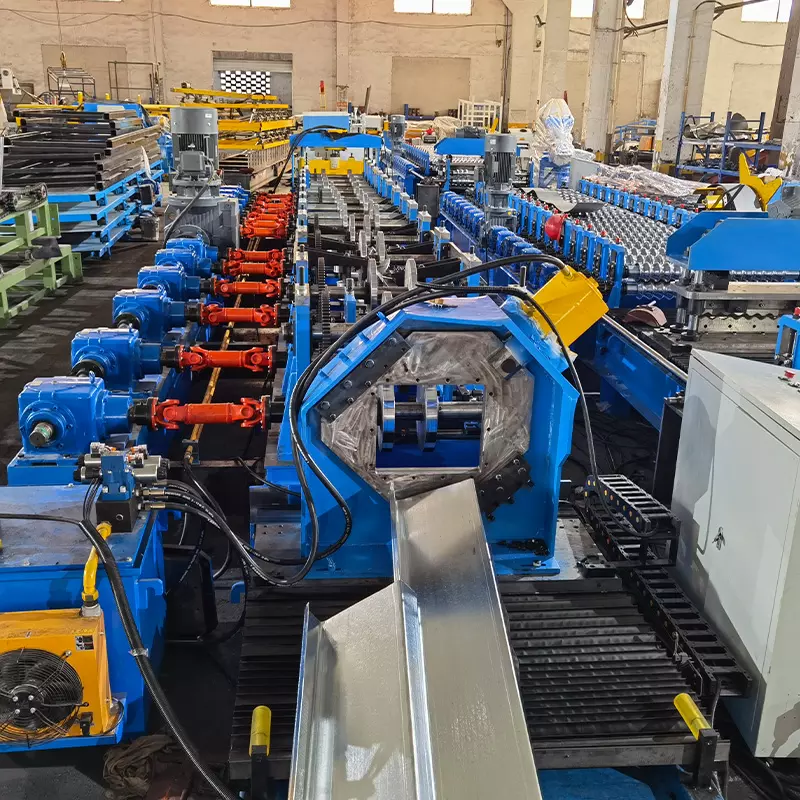
India remains one of the most promising markets for purlin roll forming equipment because steel consumption, industrial construction, logistics infrastructure, and solar deployment are all moving in the same direction. India’s finished steel consumption reached 136.3 million tonnes in 2023-24 and the Ministry of Steel reported continued growth in 2024-25, while the World Steel Association projected India to post among the highest steel demand growth rates in 2025 and 2026. (steel.gov.in) For machinery buyers, that matters because purlins are used directly in factories, warehouses, data centers, solar structures, mezzanines, and pre-engineered buildings.
Construction and infrastructure are the main demand engines behind Purlin Machine investment in India. IBEF reported finished steel consumption reached 136 million tonnes in FY24, up more than 14% year over year, and noted that Maharashtra, Uttar Pradesh, Gujarat, Karnataka, and Tamil Nadu accounted for 41% of steel consumption in FY23. (ibef.org) At the same time, India’s total installed electricity capacity exceeded 500 GW by October 2025, with solar around 130 GW, reinforcing demand for steel support systems and related profiles in utility and industrial energy projects. (ibef.org)
The wider roll forming environment also supports investment. Asia-Pacific leads the global roll forming market with about 31.1% share in 2025, North America follows with about 23.2%, and China represents roughly 21% of global demand according to the market data provided for this article. For Indian manufacturers, this means two things: first, local demand is healthy enough to justify automation; second, buyers have access to both domestic service providers and highly competitive international equipment partners such as SUNWAY. That combination is especially important when lead time, profile flexibility, and spare-parts planning are critical to project delivery.
| Market Indicator | Latest India Signal | Why It Matters for Purlin Machine Buyers |
|---|---|---|
| Finished steel consumption | 136.3 MT in 2023-24 | Strong steel demand supports continued profile line investment |
| Forecast steel demand growth | 8.9% in 2025, 9.1% in 2026 | Expanding fabrication capacity favors new Purlin Machine purchases |
| Leading demand regions | Maharashtra, UP, Gujarat, Karnataka, Tamil Nadu | Regional supplier coverage and service location matter |
| Solar capacity trend | Around 130 GW solar by Oct 2025 | More structural steel and secondary framing demand |
| Infrastructure driver | Government projects contribute 25-30% of steel usage | Purlins benefit from industrial and public project pipelines |
This table helps buyers link machine demand to broader industrial signals rather than treating the purchase as a stand-alone equipment decision. If your sales pipeline is tied to factory buildings, warehouses, or solar structures, the data suggests capacity planning should be done early, especially where project schedules are tight.
What Types of Purlin Machine Are Needed in India
Based on our experience serving India clients, the most requested machines are C purlin lines, Z purlin lines, and combined C/Z quick-change systems that can handle common thickness ranges from 1.5 mm to 3.0 mm, with some projects extending to 3.5 mm or 4.0 mm for heavier structural requirements. Indian buyers often prefer flexible lines that can produce multiple web and flange sizes without changing complete roller sets, because contract manufacturing and project-based production are common. In practice, this makes servo punching, automatic width adjustment, and PLC recipe storage very valuable on the shop floor.
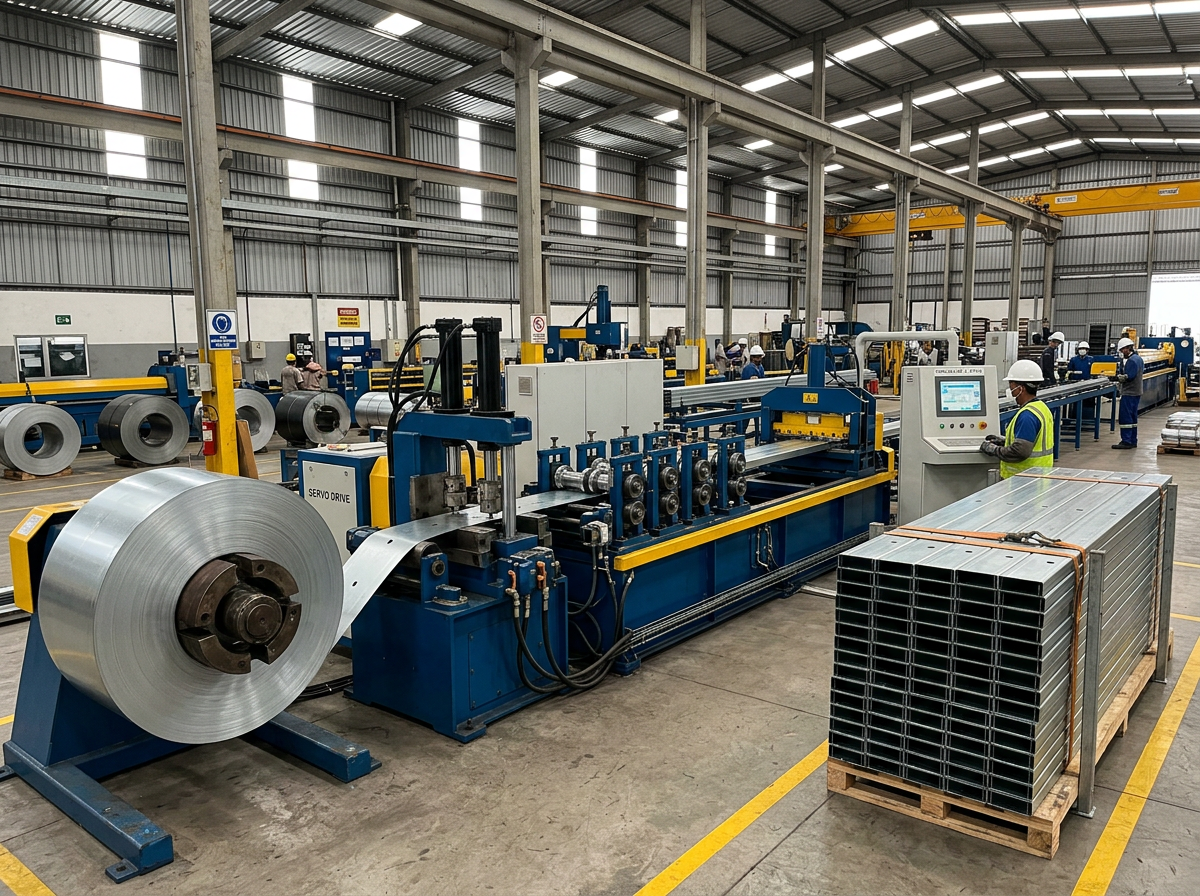
We also see strong interest in Purlin Machine configurations that include hydraulic pre-punching, post-cutting or flying cut options, 5T or 8T hydraulic decoilers, precision leveling, and auto stackers. Standard line speeds of 10-25 m/min are usually suitable for India, depending on whether punching density is light or heavy. For higher uptime, Indian customers increasingly ask for rollers made from GCr15 or Cr12MoV heat-treated to HRC 58-62, hydraulic pressure in the 10-16 MPa range, and internationally familiar electrical parts such as Siemens or Schneider components with Delta or Siemens PLC control.
| Machine Type | Common Thickness | Typical Output Profiles | Best Fit in India |
|---|---|---|---|
| Manual change C Purlin Machine | 1.5-2.5 mm | Fixed C sizes | Small fabricators, lower capex |
| Automatic C/Z Purlin Machine | 1.5-3.0 mm | Multi-size C and Z | PEB plants, regional suppliers |
| Heavy-duty Purlin Machine | 2.5-4.0 mm | Industrial heavy sections | Logistics, infra, larger spans |
| Solar-compatible profile line | 1.5-3.0 mm | Z/C support members | EPCs and mounting structure makers |
Use this comparison to narrow the right machine family before discussing quotations. If your order mix changes every week, an automatic C/Z line usually delivers better long-term value than a lower-cost fixed-profile line, even if the initial investment is higher.
Why These Product Types Are Recommended
The reason we recommend flexible C/Z lines for India is simple: buyers are rarely producing one profile size all year. Many customers supply pre-engineered building contractors, warehouse developers, mezzanine fabricators, and solar structure companies, so they need to switch dimensions quickly without long downtime. A machine with automatic size adjustment reduces roller change labor, lowers setup mistakes, and makes it easier to serve mixed orders from multiple clients. That is often more important than chasing the highest theoretical line speed.
From a technical standpoint, profile accuracy and tooling durability are more important than headline output alone. For India’s common raw materials, good leveling before roll forming helps prevent twist and flange distortion, while stable punching alignment is essential when the purlin must fit bolted structural systems on site. We generally advise using robust shafts, properly heat-treated rollers, hydraulic systems around 10-16 MPa, and servo-length control where possible. In hot, dusty, high-utilization environments, these details help reduce maintenance interruptions and protect consistent production quality over long runs.
| Component | Recommended Specification | Practical Benefit |
|---|---|---|
| Roller material | Cr12MoV or GCr15, HRC 58-62 | Better wear resistance and profile stability |
| Forming speed | 10-25 m/min | Balanced throughput with punching accuracy |
| Hydraulic system | 10-16 MPa | Reliable punching and cutting force |
| PLC and HMI | Siemens/Delta PLC, touch screen HMI | Easier recipe storage and operator control |
| Decoiler | 5T-8T hydraulic decoiler | Safer coil handling and steadier feeding |
This table is useful when comparing quotations that look similar on price but differ sharply in long-term reliability. Buyers should ask suppliers to state the actual roller material, hardness range, PLC brand, and hydraulic configuration instead of accepting generic wording.
Key Industries for Purlin Machine in India
The biggest users of Purlin Machine lines in India are pre-engineered building manufacturers, steel structure contractors, warehouse developers, logistics park builders, solar structure fabricators, and industrial shed suppliers. These industries are closely tied to India’s continued infrastructure and manufacturing push, especially in high-growth regions where warehousing, transport corridors, and factory construction remain active. Steel demand growth of around 8% in 2024 and 2025, as highlighted by the Steel Ministry through IBEF reporting, supports ongoing demand for machines that can form structural secondary members efficiently. (ibef.org)
A second important segment is contract roll forming for regional fabrication businesses. In India, many workshops do not produce only purlins; they also serve roofing, wall cladding, cable tray, solar brackets, and light structural sections. That means machinery decisions are often made around versatility, floor space, and return on investment. Buyers in industrial clusters around Pune, Ahmedabad, Hyderabad, Chennai, Faridabad, and Coimbatore typically want equipment that can support both project-based work and repeat supply agreements. In these cases, a reliable Purlin Machine becomes a core asset that supports multi-sector revenue.
Specific Application Scenarios
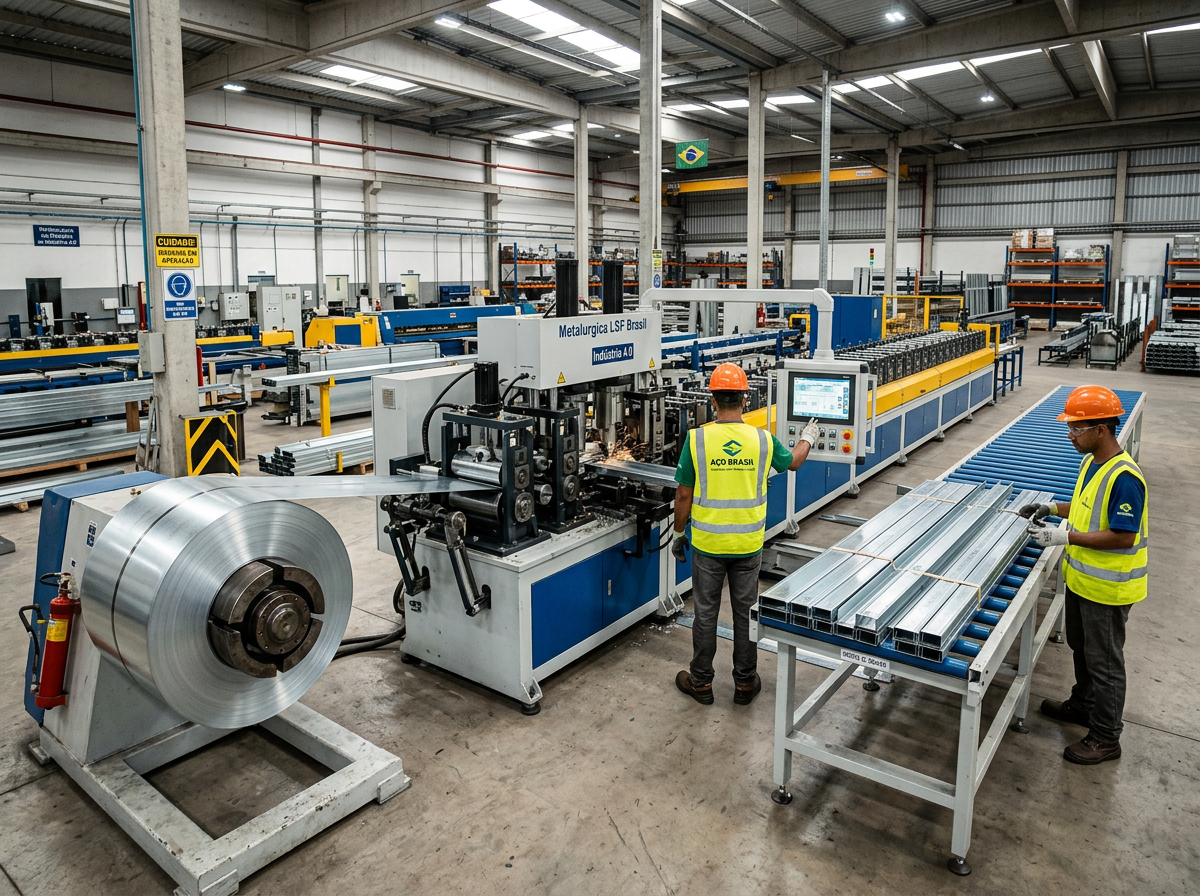
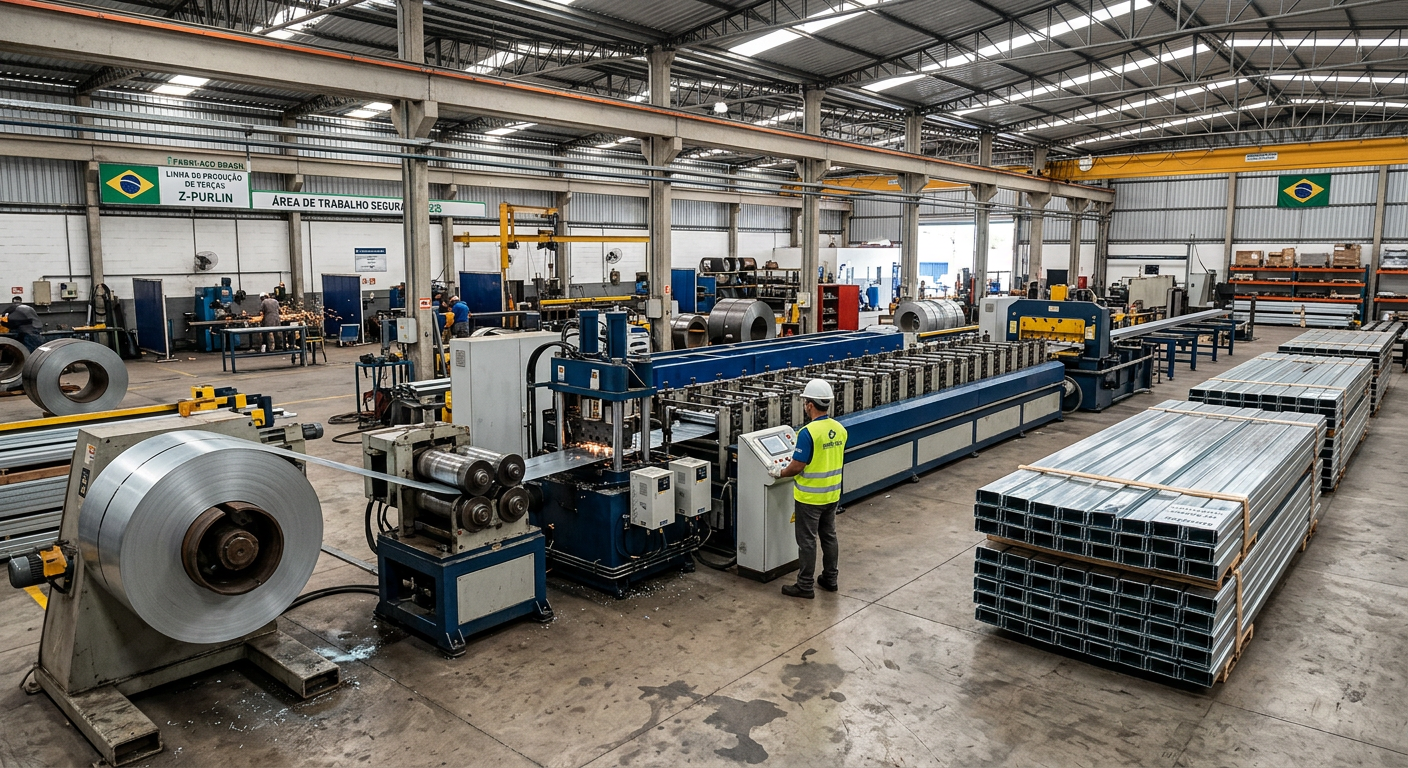
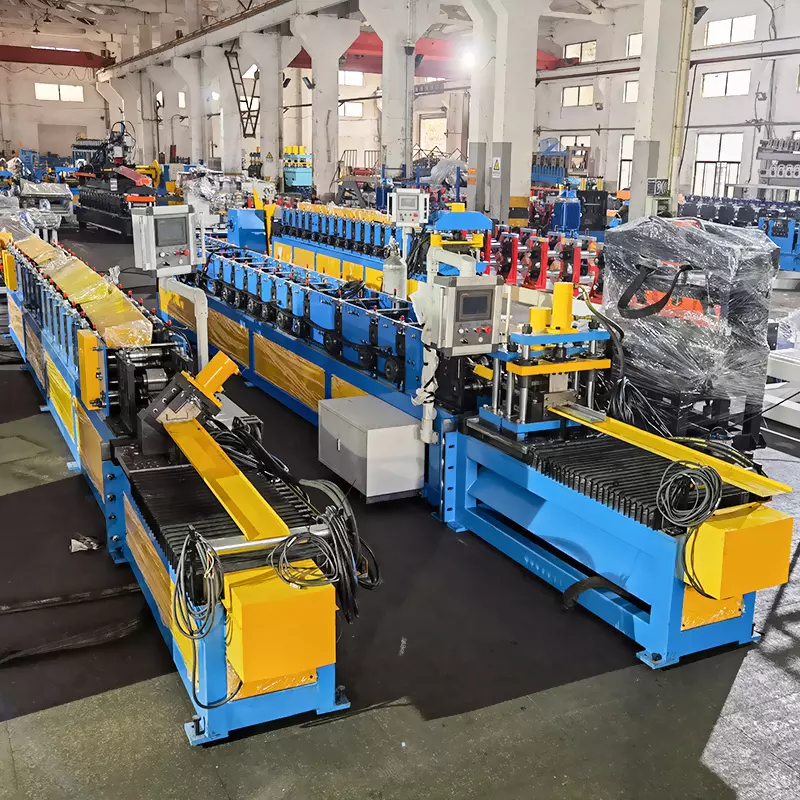
One common application scenario is the production of C and Z purlins for pre-engineered building projects such as factories, distribution hubs, and large commercial sheds. Here, the machine must support repeatable hole punching, accurate cut length, and fast profile changes because project drawings often specify multiple section sizes in one order. The line usually includes decoiling, leveling, servo feeding, hydraulic punching, roll forming, shearing, and stacking. For these projects, dimensional tolerance, flange consistency, and clean hole registration directly affect installation speed on site.
Another major scenario is solar and infrastructure-related fabrication. In utility-scale solar and rooftop industrial solar projects, profile lines may be used for support members, secondary framing, or related structural sections depending on design standards. Purlin production is also linked to warehouses, cold storage buildings, agricultural sheds, and transport-linked facilities along industrial corridors. In all of these cases, buyers want machines that can handle galvanized or pre-galvanized steel smoothly, minimize scrap during changeover, and maintain output quality even when local operators have varying skill levels.
| Application Scenario | Preferred Machine Features | Typical Buyer Priority |
|---|---|---|
| PEB factory buildings | Auto size change, punching, stacker | Fast mixed-order production |
| Warehouses and logistics parks | 2.0-3.0 mm capacity, stable speed | Throughput and dimensional consistency |
| Solar support structures | Punching flexibility, corrosion-friendly handling | Hole accuracy and repeatability |
| Regional contract fabrication | Compact layout, easy HMI, quick setup | Versatility and low downtime |
Buyers can use this table to match machine features to end-market requirements. It is especially helpful when deciding whether to spend more on automation, since the right answer depends on order diversity, not just monthly tonnage.
Case Studies
A customer in western India supplying pre-engineered building contractors needed to replace subcontracted purlin production with in-house manufacturing. The target was 1.8-3.0 mm galvanized steel, multi-size C/Z output, and punching for bolted roof-support systems. We recommended an automatic C/Z Purlin Machine with hydraulic decoiler, leveling unit, servo feeding, hydraulic pre-punching, post-cutting, and PLC recipe storage. The line was configured for 15-20 m/min effective production under normal punching patterns, with Cr12MoV rollers hardened to HRC 58-62 and Siemens-based control components for easier maintenance familiarity.
After commissioning and operator training, the customer reduced dependence on external suppliers, improved lead-time control, and stabilized profile accuracy across several building projects running in parallel. Their biggest gain was not only output, but reduced scheduling risk: mixed profile sizes could be switched faster, allowing them to serve urgent contractor revisions without delaying dispatch. In a market where project timing affects payment cycles, that improvement in responsiveness was commercially significant and justified the investment more clearly than simple per-minute speed alone.
A second project involved a south India fabricator serving warehouse and solar-related structural work. The challenge was frequent order changes, moderate batch sizes, and operators with limited experience on automated roll forming lines. We proposed a medium-speed line with a user-friendly HMI, guided recipe management, hydraulic punching, encoder-based length control, and discharge stacking optimized for easier downstream handling. The customer selected 5T decoiling, 2.0-3.2 mm capacity, 12 MPa hydraulic pressure, and remote troubleshooting support to shorten the learning curve during the first production months.
The result was smoother training and better consistency than the customer expected. Scrap fell after the first setup period because operators relied on stored parameters instead of manual trial-and-error adjustments, and spare-parts planning became easier because key wear components were standardized. This is a realistic example of why Indian buyers should evaluate machine usability, documentation, and technical backup as carefully as they evaluate forming stations and motor power. A technically good machine only performs well long-term when the operating team can run it confidently.
Top 6 Recommended Local Suppliers in India
For buyers who prefer local access first, the best approach is to shortlist suppliers that cover your state, can visit your site before order confirmation, and can commit to after-sale service terms in writing. Below is a practical comparison of six plausible local suppliers/distributors that fit the kind of support structure Indian buyers usually expect for Purlin Machine procurement.
| Company Name | Core Strengths | Service Regions | Pre-sale Support | After-sale Support |
|---|---|---|---|---|
| Western Profile Systems India | Good plant-layout planning and PEB-focused consultations | Gujarat, Maharashtra, Rajasthan | Site survey, profile review, ROI estimate | Installation coordination, emergency visits |
| Apex Rollform Technologies | Flexible controls and mid-range automation packages | Pune, Mumbai, Nashik, Goa | Sample drawing analysis, machine demos | PLC support, operator retraining |
| Deccan Steelline Equipment | Heavy-duty builds for industrial-shed production | Hyderabad, Telangana, Andhra Pradesh | Material-thickness matching, tooling advice | Spare kits, hydraulic troubleshooting |
| Shakti Forming Solutions | Cost-effective solutions for MSME fabricators | Ahmedabad, Vadodara, Surat, Indore | Budget-based machine configuration | Phone support, scheduled maintenance |
| East Coast Profile Machines | Strong fit for coastal and port-linked projects | Chennai, Tamil Nadu, Andhra coast, Odisha | Application mapping, dispatch planning | Local technician visits, consumables supply |
| NorthGrid Rollform Services | Fast response for NCR and north India buyers | Delhi NCR, Haryana, Punjab, Uttar Pradesh | Factory utility checklist, layout support | On-site commissioning, annual service plans |
Use this table as a screening tool, not a final verdict. Buyers should ask each supplier for installed-reference details, response-time commitments, spare-parts availability, and a clear list of excluded items such as foundation work, air supply, or operator labor during commissioning. A lower quote may still be the more expensive choice if downtime, tooling wear, or weak technical support creates hidden costs later.
Why Choose SUNWAY as Your Global Partner
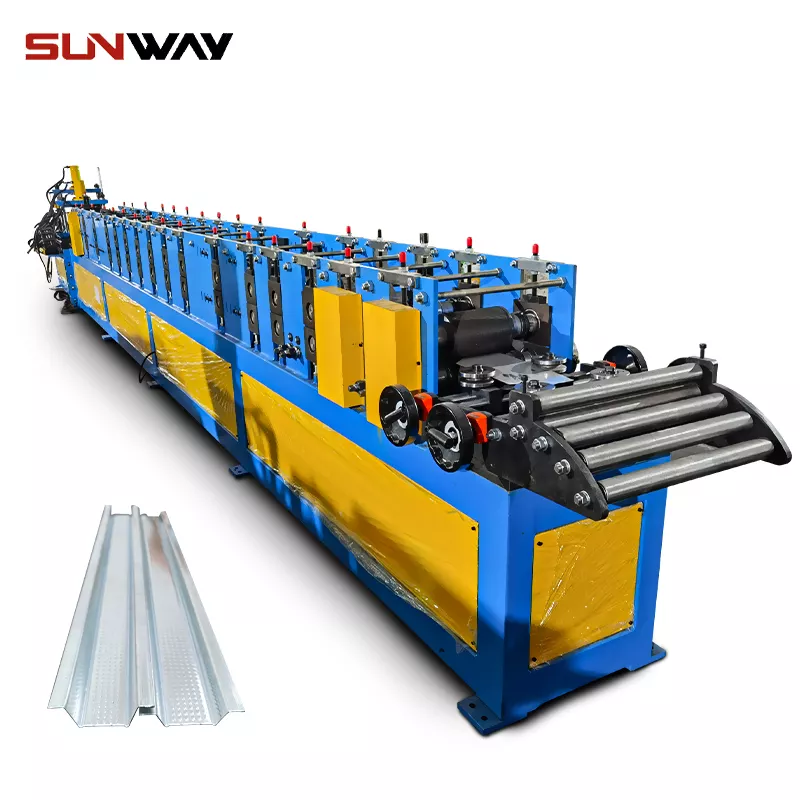
SUNWAY is a practical choice for Indian buyers that want more than a basic machine quotation. As a professional manufacturer and exporter of cold roll forming machines, we combine 20+ years of export experience, in-house R&D, German COPRA design software, experienced engineers, and a complete production system to support both distributors and end-users directly. We have served many customers across global markets, including India-focused inquiries and projects, and our team understands the real concerns behind procurement decisions: durability, training, spare parts, lead time, and production flexibility. You can learn more through SUNWAY and browse our product catalog.
For Indian partners, our value is not limited to machine manufacturing. We provide one-stop support covering custom design, installation, technical support, training, maintenance, parts supply, upgrades, and consultancy. We are also planning local warehouse support with stock delivery in India and building an overseas technical team for on-site engineering service, which is especially relevant for distributors who need dependable backup. In parallel, we are actively recruiting partners through upcoming affiliate and dropshipping programs, backed by comprehensive online and offline support. If you want a manufacturer that can supply competitive pricing while still supporting long-term market development, please visit our homepage or contact our team.
FAQ
What is the ideal thickness range for a Purlin Machine in India?
For most Indian applications, a practical range is 1.5-3.0 mm because it covers a large share of factory sheds, warehouses, and general steel structure work. If your business serves heavier industrial buildings or longer-span requirements, consider a line rated up to 3.5 mm or 4.0 mm. The right choice should be based on your actual order mix, not the widest theoretical capacity, because oversized machines can increase cost, power consumption, and setup complexity.
Should I buy a C purlin machine, Z purlin machine, or combined C/Z line?
If you mainly produce one fixed profile for repetitive work, a dedicated C or Z machine may be enough. However, most Indian buyers now benefit more from a combined C/Z line because project-driven orders often require multiple sizes and both profile types. A combined line reduces the need for multiple machines, improves scheduling flexibility, and helps fabricators serve more customer segments with one investment.
What line speed is realistic for production with punching?
For most commercial projects, an effective forming speed of 10-25 m/min is realistic, depending on thickness, number of holes, and cut length. Suppliers may advertise higher speeds, but buyers should ask for the effective speed under actual punching conditions. The best machine is not the one with the highest no-load speed; it is the one that maintains stable hole position, clean cutting, and repeatable profile geometry during daily production.
Which technical specifications should I verify before placing an order?
Check roller material and hardness, shaft diameter, motor power, hydraulic pressure, PLC and electrical brands, punching method, decoiler capacity, and tolerance commitment. For purlin lines, rollers made from Cr12MoV or GCr15 with HRC 58-62 are a strong benchmark. Also confirm whether the quotation includes leveling, servo feeding, stacker, spare tooling, commissioning, training, and remote support, because these affect your real operating cost far more than the base frame alone.
How important is after-sale service for a Purlin Machine?
It is critical. Even a good machine can lose value quickly if spare parts are slow, operators are undertrained, or troubleshooting takes too long. Indian buyers should insist on a documented after-sale plan covering installation, commissioning, operator training, electrical drawings, spare-parts list, remote support channels, and expected technician response time. Good service protects uptime, and uptime is what ultimately determines your return on investment.
Can SUNWAY support Indian distributors as well as end-users?
Yes. SUNWAY can work with both distributors and end-users directly. For distributors, we can support product selection, technical materials, machine configuration, online and offline partner support, and future market development plans. For end-users, we provide machine design, manufacturing, installation, training, technical support, maintenance, parts supply, and consultation to help the line perform reliably in real production conditions.
How do I request a quotation for the right Purlin Machine?
The fastest way is to send your required profile drawing, thickness range, material type, hole layout, target speed, annual output goal, and destination city. With that information, SUNWAY can recommend a suitable line configuration and discuss layout, lead time, and support options. To submit your requirements or request a quote, please use contact.
Content reviewed and updated: March 2026