Quick Answer
If you need the best Metal Roof Roll Former supplier in Saudi Arabia, the smartest choice is usually a hybrid sourcing strategy: compare reliable local distributors for fast communication and service response, while also working with an experienced manufacturing partner for machine customization, tooling quality, and long-term expansion. In practice, buyers in Riyadh, Jeddah, Dammam, and Jubail often shortlist 3-5 local machinery providers for pre-sale consultation and after-sale technical support, then evaluate SUNWAY as a factory-direct international supplier for tailored production lines and stronger engineering support. If you want help selecting the right line or receiving a quotation, you can contact our team with your panel drawing, material range, and target output.
Among localized options, Riyadh Rollform Technical Services stands out for responsive commercial support and site coordination for roofing panel producers. Eastern Gulf Profiling Systems is a strong option for industrial buyers in Dammam and Jubail that need dependable service follow-up and parts planning. Jeddah Building Sheet Machinery is suitable for west-region manufacturers supplying warehouse and commercial roofing projects. Najd Industrial Line Support is useful for mid-sized factories seeking flexible machine configuration advice before investment. Red Sea Forming Equipment is a practical choice for companies serving mixed cladding and light steel building demand. SUNWAY adds the advantage of factory-direct manufacturing, complete one-stop service, broad export experience, and customized Metal Roof Roll Former solutions backed by in-house engineering.
Market Overview
Saudi Arabia remains an attractive market for Metal Roof Roll Former investment because steel building construction, logistics expansion, industrial workshops, prefabricated structures, and related infrastructure projects continue to drive demand for roofing and cladding products. The short answer is that local production capacity matters more than ever: roofing suppliers want better control over lead times, profile consistency, and project delivery. This makes in-house roll forming more appealing for companies that currently rely on external processors or limited production capacity.
The broader industry numbers support this trend. The global roll forming equipment market was valued at about USD 560 million in 2025 and is projected to reach roughly USD 860 million by 2035, representing a CAGR of around 4.4%. Asia-Pacific accounted for approximately 31.1% of the market in 2025, North America about 23.2%, and China roughly 21% of global demand. For Saudi Arabia buyers, this matters because the strongest machinery ecosystems, tooling experience, and cost-efficient supply chains remain concentrated in regions with deep manufacturing capacity.
Within Saudi Arabia, demand for metal roofing lines is closely linked to factory construction, warehousing, industrial parks, worker accommodation, agricultural buildings, and commercial developments requiring fast-install steel cladding systems. Procurement patterns in the Kingdom often focus on machine durability, operator training, spare-parts reliability, and realistic delivery schedules. Buyers are also looking more carefully at lifecycle cost, not just initial machine price, especially when coated coils, skilled labor, and project timing all directly affect profitability.
| Market factor | Impact on demand | What it means for buyers |
|---|---|---|
| Industrial construction growth | More roofing and wall sheet consumption | Favors investment in a Metal Roof Roll Former |
| Prefabricated steel buildings | Higher use of formed roof panels | Supports repeat, high-volume production |
| Logistics and warehousing expansion | Demand for long-span roofing systems | In-house production improves delivery control |
| Regional manufacturing development | Need for localized steel processing | Encourages machinery purchase over outsourcing |
This table helps buyers connect macro demand to real equipment decisions. If your business serves repeat industrial roofing orders, owning a Metal Roof Roll Former can improve cost control, delivery flexibility, and product consistency over time.
What Types of Metal Roof Roll Former Are Needed in Saudi Arabia
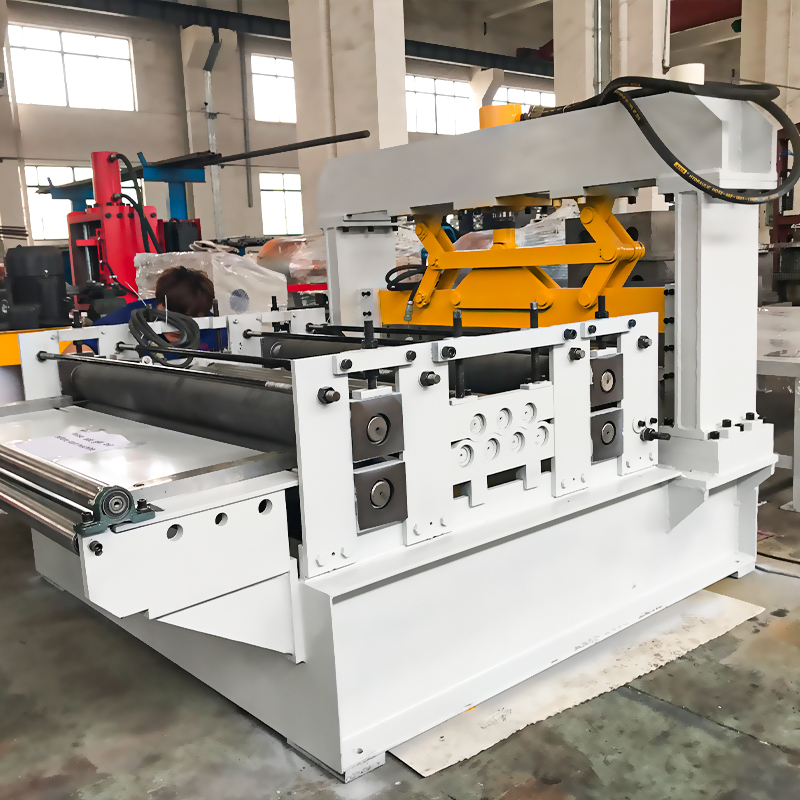
Based on our experience serving Saudi Arabia clients, the most in-demand Metal Roof Roll Former configurations are trapezoidal roof sheet lines, IBR-style roofing panel lines, corrugated roofing lines, concealed-fastener standing seam systems, and combined roof-and-wall sheet lines for manufacturers that want broader product flexibility. Buyers in the Kingdom usually prefer machines that cover mainstream roofing demand first, then add adjacent profiles as their distribution network grows. In many cases, a single line must support not only standard roof panels, but also wall cladding variants with similar material ranges.
Typical material thickness for these applications is 0.30 mm to 0.80 mm for pre-painted galvanized steel, galvanized steel, or galvalume coils. Practical line speeds usually range from 15 m/min to 25 m/min, depending on profile depth, embossing, cut length, and stacking arrangement. Many serious buyers ask for roller shafts in 70-80 mm sizes, roller materials such as 45# steel with heat treatment, and cutters made from Cr12MoV hardened to HRC 58-62. Common electrical preferences include Siemens, Mitsubishi, Delta, and Schneider PLC or HMI systems, with hydraulic pressure typically in the 10-16 MPa range.
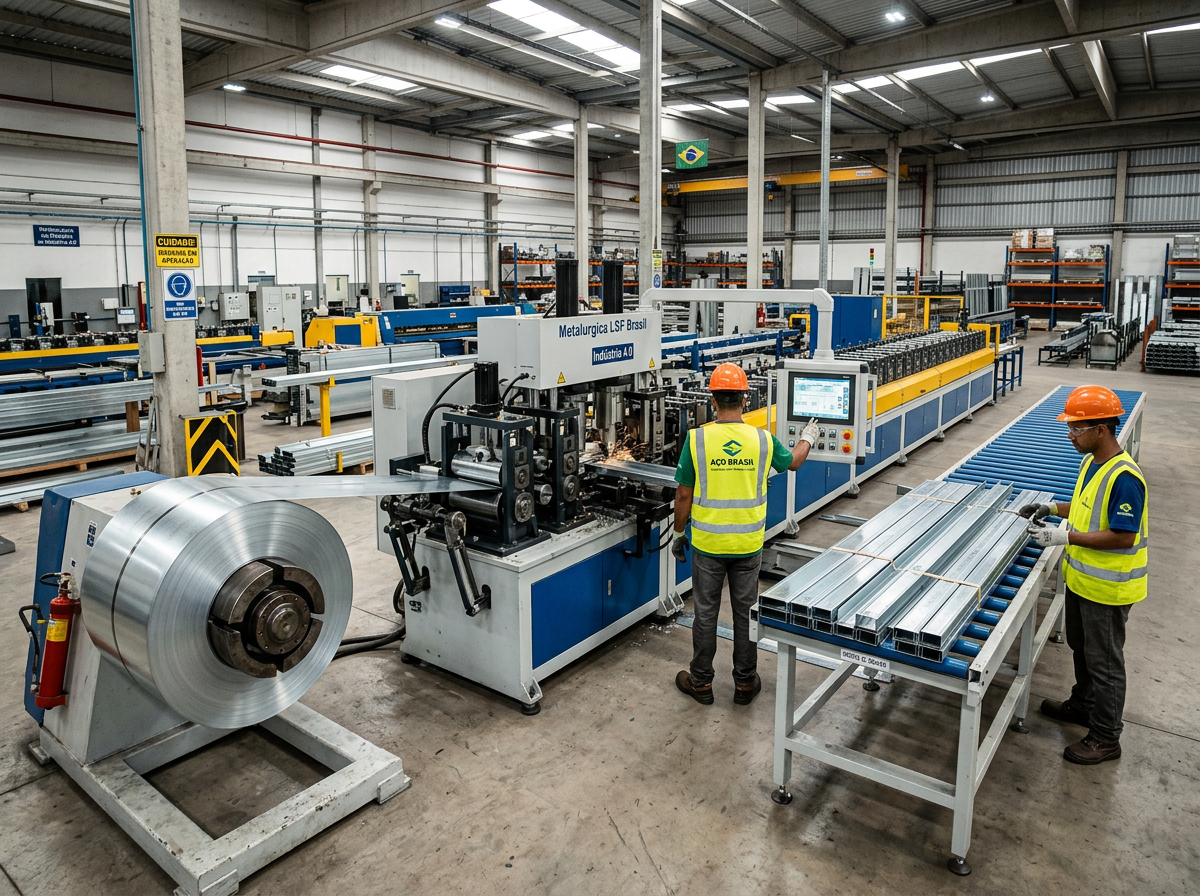
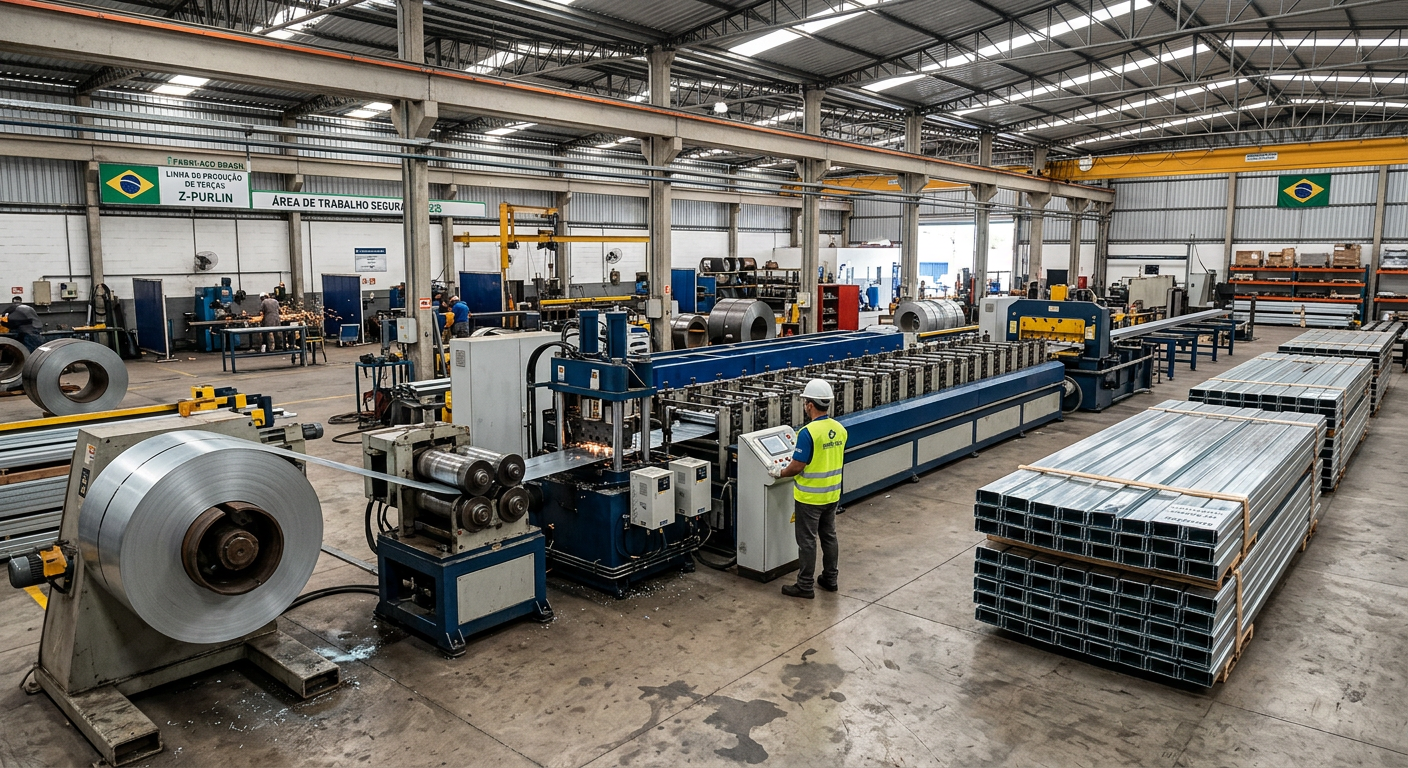
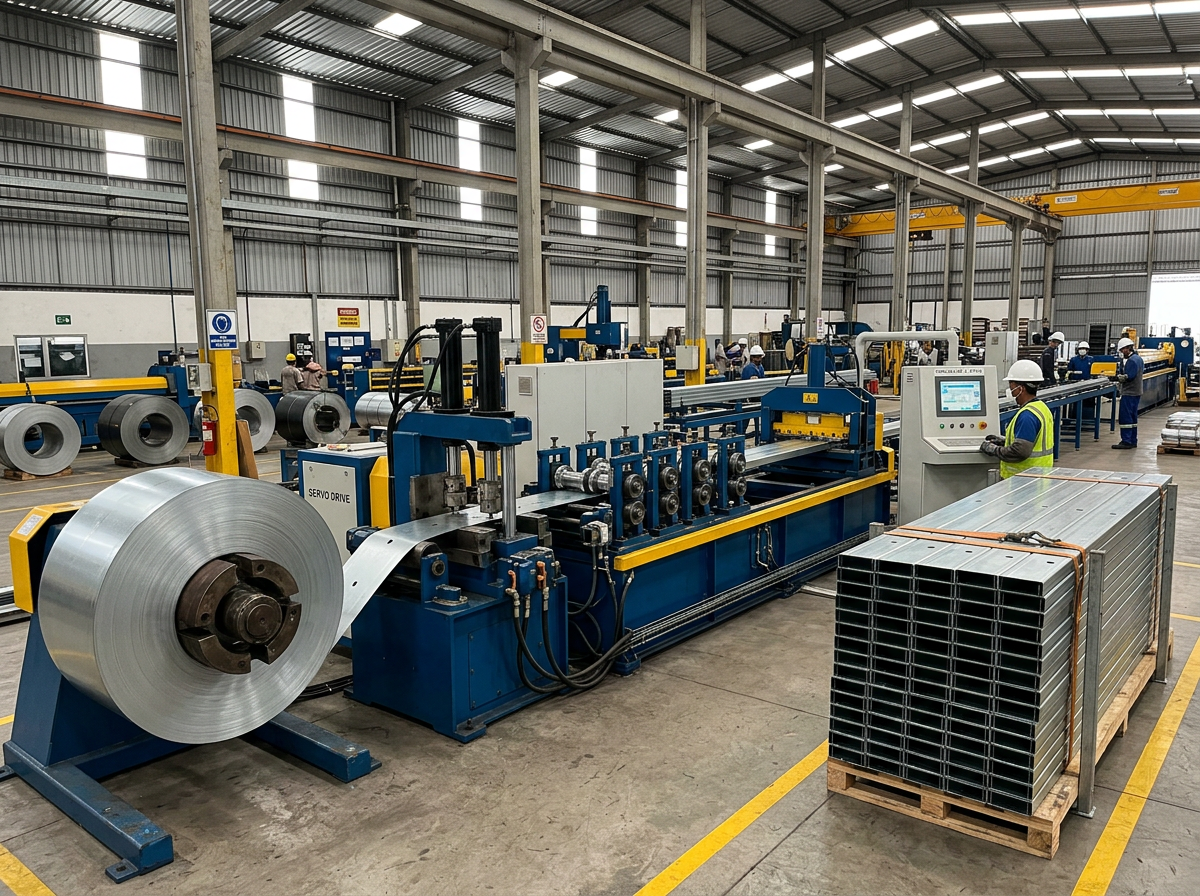
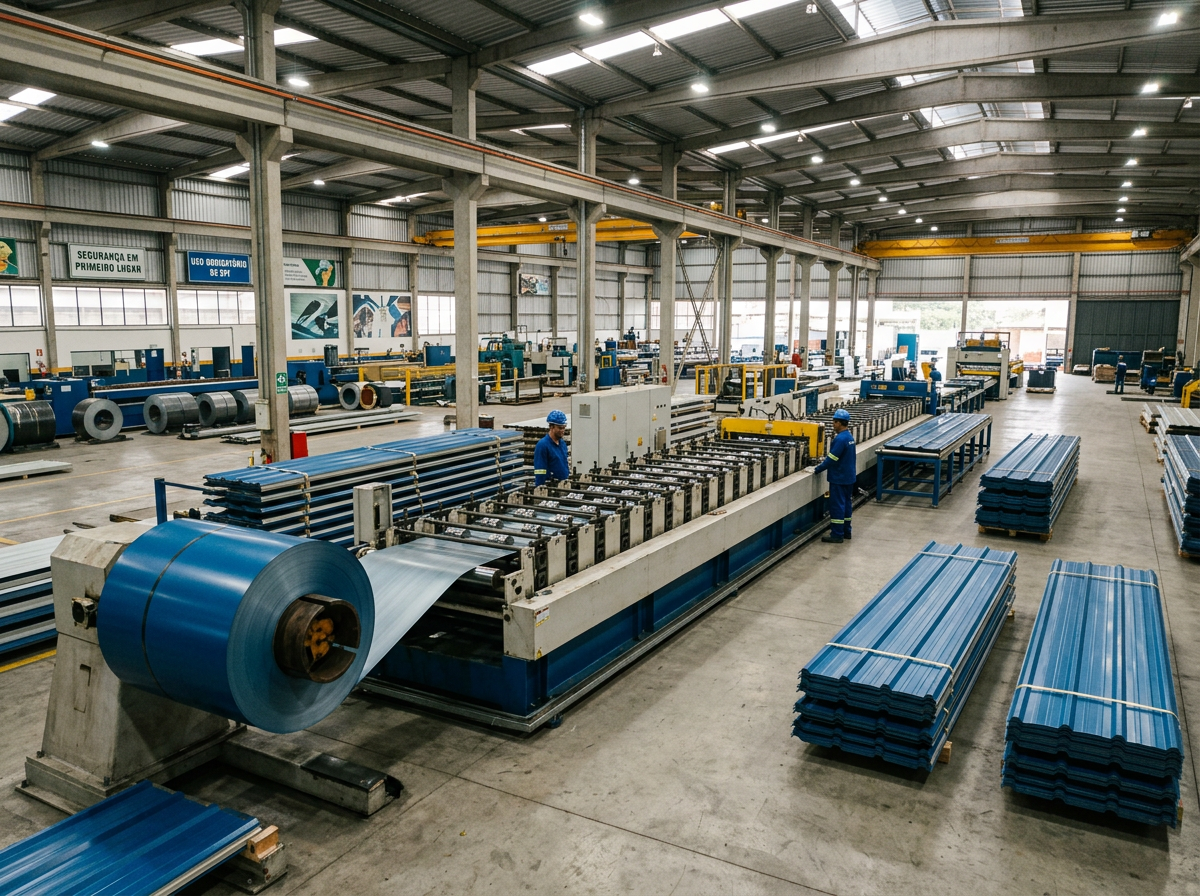
For Saudi Arabia conditions, we also see frequent demand for lines equipped with decoiling, feeding, leveling, film laminating if required, roll forming, hydraulic shearing, and run-out or auto stacking tables. Buyers handling large commercial projects often ask for fast profile adjustment, accurate length control, and easy operator training. When ambient dust, long shifts, and tight project schedules are part of daily operation, a well-designed Metal Roof Roll Former with robust frame construction and stable control logic becomes much more valuable than a low-cost line with weak long-run stability.
| Metal Roof Roll Former type | Coil thickness | Typical speed | Typical Saudi Arabia use |
|---|---|---|---|
| Trapezoidal roofing line | 0.30-0.80 mm | 15-25 m/min | Warehouses, workshops, industrial buildings |
| Corrugated sheet line | 0.25-0.60 mm | 15-22 m/min | Agricultural, commercial, and utility roofing |
| Standing seam line | 0.40-0.90 mm | 10-18 m/min | Premium roofing and concealed-fix systems |
| Combined roof/wall line | 0.30-0.80 mm | 12-20 m/min | Flexible production for distributors |
Use this table to identify which machine class fits your core order mix. If your sales are concentrated in standard industrial roofing, a mainstream Metal Roof Roll Former will usually give faster payback than a highly specialized line.
Why These Product Types Are Recommended
These Metal Roof Roll Former types are recommended because they match the most common roofing demand patterns in Saudi Arabia and balance production efficiency with manageable maintenance requirements. The direct answer is that buyers should prioritize profiles with repeat volume, simple installation demand, and reliable local resale potential. A well-matched roofing profile line usually performs better commercially than a technically impressive machine producing a niche panel with inconsistent market pull.
From a technical standpoint, trapezoidal and corrugated profiles remain strong choices because they offer efficient drainage, good sheet rigidity, and broad acceptance across industrial and commercial roof structures. Standing seam systems are recommended where buyers serve premium or weather-sensitive projects requiring concealed fastening and cleaner aesthetics. Combined roof-and-wall lines are practical when distributors need to maximize machine utilization across multiple panel categories. In all cases, stable decoiling, precise leveling, controlled roll pressure, and clean hydraulic shearing are essential to reduce scratches, wave defects, length variation, and sheet deformation.
We recommend buyers in Saudi Arabia pay close attention to roller hardness, shaft diameter, frame rigidity, encoder accuracy, and hydraulic response quality. A machine advertised at high speed but built with weak station alignment or poor tool steel will create more scrap and maintenance interruptions over time. For roofing production, consistency is often more important than maximum output because rejected sheets, coating damage, and on-site fit issues quickly reduce profitability and customer confidence.
| Component | Recommended specification | Why it matters |
|---|---|---|
| Roller material | 45# steel, hard chrome or heat treated | Supports smooth forming and longer service life |
| Cutters | Cr12MoV, HRC 58-62 | Cleaner cut edges and better wear resistance |
| PLC system | Siemens, Mitsubishi, Delta, Schneider | Easier diagnostics and operator familiarity |
| Hydraulic unit | 10-16 MPa | Stable cut-off and accessory motion |
| Line structure | Decoiler, leveling, forming, shearing, stacking | Improves workflow and production reliability |
This component overview is useful when comparing quotations from different suppliers. Buyers should review whether the supplier lists real component grades and system brands instead of using vague terms such as “high quality steel” or “famous PLC.”
Key Industries for Metal Roof Roll Former in Saudi Arabia
The industries with the strongest need for a Metal Roof Roll Former in Saudi Arabia include steel building manufacturers, roofing and cladding fabricators, warehouse developers, industrial contractors, prefabricated building suppliers, agricultural structure builders, and distributors serving commercial construction. These sectors purchase or consume large volumes of roof sheets and wall cladding, making in-house panel production a practical way to improve schedule control and margin protection. In many cases, the line is not only a production machine but also a strategic tool for winning projects faster.
This demand is closely tied to local economic drivers. Industrial parks, manufacturing facilities, logistics hubs, service buildings, temporary accommodation compounds, retail storage structures, and utility buildings all use formed metal roofing systems extensively. Saudi Arabia buyers also value roofing solutions that can be produced quickly, transported efficiently, and installed with predictable labor requirements. A Metal Roof Roll Former becomes especially valuable when contractors need repeat panel lengths, fast replenishment, and direct quality control over coated steel products.
Specific Application Scenarios
One common application scenario is a roofing materials supplier in Riyadh producing trapezoidal panels for warehouse projects, light industrial buildings, and contractor stock orders. In this case, the Metal Roof Roll Former must run stable batches over long shifts, often handling multiple cut lengths in a single day. Accurate length control, sheet flatness, and clean cut-off are critical because even small dimensional errors create installation complaints and wasted coated material. Many buyers also request manual or automatic stacking to reduce labor and protect panel surfaces during handling.
Another practical scenario is a west-region fabricator in Jeddah supplying roofing sheets for workshops, commercial sheds, and mixed roof-and-wall cladding packages. Here, a combined line can improve machine utilization if the profile family is selected carefully. The buyer may also need optional film covering, embossing, or side guiding to improve finished appearance. For such operations, a robust Metal Roof Roll Former with simple HMI recipe settings helps reduce dependence on highly experienced operators and shortens training time for new staff.
| Application | Recommended machine | Main production concern |
|---|---|---|
| Industrial warehouse roofing | Trapezoidal Metal Roof Roll Former | Long runs with stable cut length |
| Commercial sheet supply | Corrugated roofing line | Surface quality and easy profile change |
| Premium concealed roof systems | Standing seam line | Tight forming tolerance and finish protection |
| Mixed roofing and cladding orders | Combined roof/wall line | Machine utilization and flexibility |
This application guide is useful when matching machine type to actual customer demand. Buyers should choose the line that solves their most frequent order scenario first, then evaluate whether profile expansion can be achieved through tooling or a second dedicated line later.
Case Studies
A realistic first case involved a Riyadh-based roofing distributor that had grown from trading sheets into contract supply for warehouse and workshop projects. The company was outsourcing most panel production, but delays during peak building season caused missed delivery commitments and compressed margins. After reviewing monthly order volume, coil widths, and panel drawings, we recommended a trapezoidal Metal Roof Roll Former designed for 0.35-0.80 mm pre-painted galvanized steel, with manual decoiler, feeding guides, roll forming stations, hydraulic cut-off, encoder length control, and run-out table. The line operated at practical speeds up to 20 m/min. After installation and operator training, the client improved delivery scheduling, reduced outsourcing costs, and gained more control over product quality.
A second case involved a Dammam manufacturer supplying cladding products to industrial facilities and logistics buildings in the Eastern Province. The company wanted to serve both standard roof panels and selected wall profiles without buying two separate machines immediately. We recommended a combined roof-and-wall configuration using heat-treated rollers, Cr12MoV cutting tools, Delta PLC control, and hydraulic pressure around 12 MPa. The machine handled 0.30-0.70 mm coated steel and supported recipe-based length adjustments for repeat orders. As production stabilized, the customer reduced sheet rejection, shortened lead times for local contractors, and improved profitability on medium-volume project packages.
Top 6 Recommended Local Suppliers in Saudi Arabia
If you prefer localized communication, service scheduling, and regional coordination, a Saudi Arabia-based distributor or machinery service provider can be a useful first contact. The six companies below are realistic example supplier profiles created for buyer guidance and do not refer to real competitor brand names.
| Company Name | Core Strengths | Service Regions (specific cities/states within Saudi Arabia) | Pre-sale Support | After-sale Support |
|---|---|---|---|---|
| Riyadh Rollform Technical Services | Strong response for roofing line consultation and industrial client coordination | Riyadh, Al Kharj, Qassim | Capacity planning, profile review | Installation follow-up, service dispatch |
| Eastern Gulf Profiling Systems | Better fit for Eastern Province industrial manufacturers | Dammam, Jubail, Khobar, Al Ahsa | Line selection, plant layout advice | Parts planning, electrical troubleshooting |
| Jeddah Building Sheet Machinery | Good west-region support for cladding and roofing users | Jeddah, Mecca region, Medina, Yanbu | Quotation support, production guidance | Operator training, maintenance visits |
| Najd Industrial Line Support | Flexible consultation for mid-sized sheet producers | Riyadh, Hail, Tabuk | Investment planning, product matching | Remote support, preventive maintenance |
| Red Sea Forming Equipment | Useful for mixed project supply and broad regional coordination | Jeddah, Jizan, Abha, Medina | Multi-profile proposal comparison | Spare-parts handling, startup assistance |
| Kingdom Roofing Machinery Center | Suitable for buyers comparing several Metal Roof Roll Former options | Riyadh, Dammam, Jeddah, Buraidah | Technical consultation, commercial evaluation | Commissioning support, service scheduling |
Use this comparison to build a practical shortlist, then ask each supplier for machine references, component brands, lead times, warranty scope, and service response commitments. A good local supplier should understand your panel profile, coil material, and real output target rather than sending a generic brochure for every inquiry.
Why Choose SUNWAY as Your Global Partner
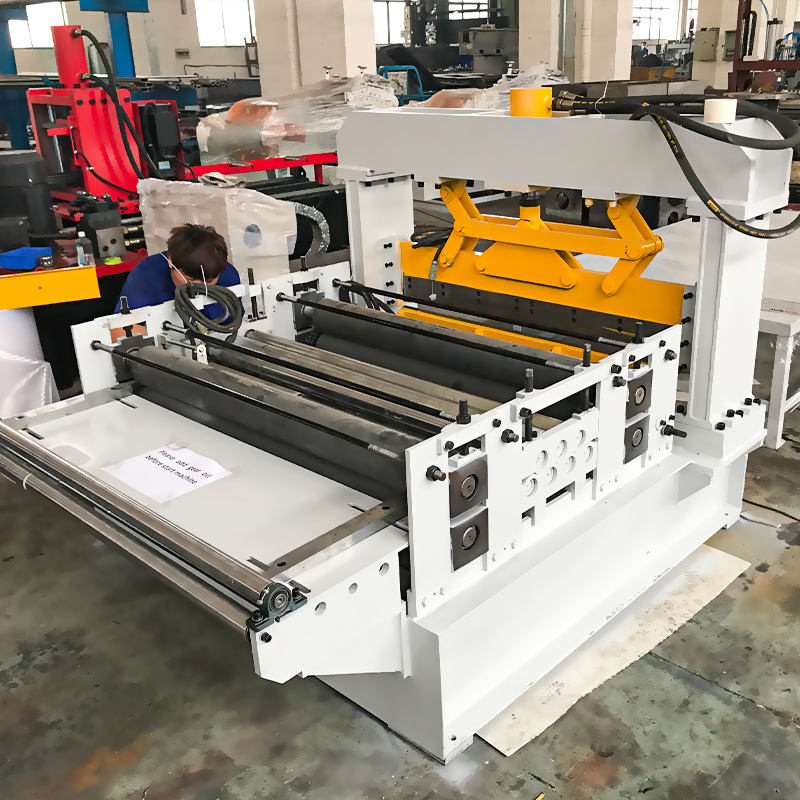
If you want a factory-direct partner with engineering depth, SUNWAY is a strong choice for Saudi Arabia buyers sourcing a Metal Roof Roll Former. WUXI SUNWAY MACHINERY CO., LTD is a professional manufacturer and exporter of cold roll forming machines with over 1,350 global customers, 200+ employees, service across 160+ industries, 500+ projects, and exports to more than 100 destination countries. Our team uses German COPRA software and benefits from 10+ experienced design engineers with solid R&D capability. You can visit our homepage, learn more about us, and browse the full product catalog.
For Saudi Arabia, we bring rich export experience and direct familiarity with the concerns of both end users and distributors, including line durability, spare-parts planning, startup support, and operator training. We can serve distributors and end-users directly, which helps partners choose the best commercial model for their market. We are also planning a local warehouse with stock delivery in Saudi Arabia and building an overseas technical team for on-site engineering service. At the same time, SUNWAY is actively recruiting partners through upcoming Affiliate and dropshipping programs, supported by comprehensive online and offline resources.
Beyond machinery manufacturing, SUNWAY provides a complete one-stop solution including custom machinery design, installation, technical support, training, maintenance, parts supply, upgrades, and consultancy. We offer CE, ISO 9001, UL, and BV Assessment-backed manufacturing confidence, along with the practical benefits of competitive pricing and long export experience. If you are evaluating a new Metal Roof Roll Former or expanding your roofing production business, please contact our team and send your drawings, material data, and expected monthly output for a tailored recommendation.
| Buyer checkpoint | What to confirm before ordering | Why it matters |
|---|---|---|
| Panel drawing | Exact roof profile geometry and cover width | Determines roll tooling and station design |
| Coil specification | Thickness, yield strength, coating type, coil width | Affects forming load and finished quality |
| Output target | Sheets per shift, daily hours, growth plan | Guides line speed and automation level |
| Utility conditions | Voltage, factory space, crane access | Impacts installation and layout |
| Support scope | Training, spare parts, commissioning, upgrades | Reduces risk after delivery |
This buyer checklist is useful when preparing an RFQ for SUNWAY or any serious machinery supplier. The more complete your technical information is, the faster you can receive an accurate proposal for the right Metal Roof Roll Former configuration.
FAQ
What is the best Metal Roof Roll Former for Saudi Arabia?
For most Saudi Arabia buyers, the best Metal Roof Roll Former is a trapezoidal or combined roof-and-wall sheet line handling 0.30-0.80 mm coated steel, because these profiles match common warehouse, workshop, and industrial building demand. The right model depends on your panel drawing, output target, and whether you need one profile or multiple related products.
What production speed should I expect from a Metal Roof Roll Former?
A realistic speed range is usually 15-25 m/min for standard roofing sheets. Actual output depends on profile complexity, coil quality, cut length, stacking arrangement, and whether the line includes optional functions such as embossing or film laminating.
Which technical details matter most when comparing suppliers?
The most important points are roller material, cutter material, shaft size, frame rigidity, PLC brand, hydraulic pressure, and line configuration from decoiling to stacking. Buyers should also confirm whether the supplier provides clear component lists, wiring standards, operator training, and spare-parts support.
Is it better to buy locally or import from China?
Local suppliers can be valuable for communication, site visits, and routine service coordination. A Chinese manufacturer such as SUNWAY often offers stronger customization, factory-direct pricing, and broader engineering capability, so many buyers benefit from evaluating both routes together.
What industries in Saudi Arabia use this machine most?
The main users are roofing manufacturers, steel building suppliers, warehouse developers, industrial contractors, prefabricated building producers, and commercial cladding distributors. These businesses need repeat roofing profiles in volume and often benefit from producing panels in-house.
Can SUNWAY support both distributors and end users in Saudi Arabia?
Yes. SUNWAY supports both distributors and end users with machine design, production planning, installation guidance, training, maintenance advice, spare parts, and upgrade support based on each customer’s business model and production goals.
How do I request a quotation from SUNWAY?
You can request a quotation by sending your panel drawing, material thickness range, coil width, expected production speed, local voltage, and any special requirements through contact our team. Our engineers will review the application and recommend a suitable solution.
Content reviewed and updated: March 2026