Quick Answer
The best Glazed Tile Machine suppliers in Brazil are typically a mix of responsive local distributors and one experienced overseas manufacturer that can support customization, commissioning, and long-term expansion. For buyers that want pre-sale consultation and after-sale technical support inside Brazil, good local options include PerfilMax Equipamentos, TelhaForma Brasil, Inova Perfiladeiras, SulMetal Linhas, and Nordeste Rollform Service. For companies that also want factory-direct engineering, broader customization, and one-stop support, SUNWAY is a strong Chinese manufacturing partner with global export experience and a complete range of roll forming solutions. If you want help matching profile design, capacity, and budget, you can contact our team for machine selection guidance and a quotation.
PerfilMax Equipamentos is a practical choice for buyers who need local communication, standard profile advice, and coordinated startup support in the South and Southeast. TelhaForma Brasil is well suited to companies focused on roofing products and decorative steel tile profiles for residential and light commercial projects. Inova Perfiladeiras is attractive for workshops that want line planning, coil handling advice, and maintenance coordination. SulMetal Linhas is a good fit for industrial fabricators needing reliable service scheduling and technical follow-up. Nordeste Rollform Service works well for growing regional buyers that value installation assistance and operator training. SUNWAY complements these local options with custom engineering, stable manufacturing quality, and a broad product catalog for roofing, wall, purlin, solar, deck, and structural roll forming lines.
Market Overview
Brazil remains a promising market for Glazed Tile Machine investment because decorative steel roofing is widely used in residential upgrades, villas, churches, schools, retail buildings, and light commercial construction where appearance matters as much as weather protection. The short answer is that the market is supported by a combination of construction activity, industrial investment, and continued demand for durable roofing systems with lower installation weight than traditional clay tile. According to IBGE, Brazil’s GDP grew 3.4% in 2024, with industry up 3.3% and services up 3.7%, which signals a favorable environment for building materials and equipment investment. These conditions help support demand for steel roofing products, especially in urban and peri-urban areas where quick installation and visual appeal are both important. (agenciadenoticias.ibge.gov.br)
Construction momentum also supports machinery demand. The Brazilian Chamber of the Construction Industry reported that Brazil’s construction sector grew 4.1% in 2024, which is relevant because decorative roofing sheet demand is closely tied to housing improvement, commercial renovation, and low-rise building activity. Brazil’s steel supply base remains important as well: Instituto Aço Brasil reported crude steel production of about 33.7 million tons in 2024, helping support availability of galvanized and pre-painted coil for roof tile production. In parallel, solar-linked building activity continues to expand; ABSOLAR reported Brazil reached 64 GW of operational solar capacity after adding 10.6 GW in 2025, reflecting broader demand for industrial and commercial roofing systems and related building envelopes. (acobrasil.org.br)
| Market Indicator | Latest Figure | Relevance to Glazed Tile Machine Buyers |
|---|---|---|
| Brazil GDP growth | 3.4% in 2024 | Indicates healthy industrial and construction investment conditions |
| Industry growth | 3.3% in 2024 | Supports machinery purchases and steel processing activity |
| Construction sector growth | 4.1% in 2024 | Drives demand for roofing profiles and decorative metal tile |
| Brazil crude steel production | About 33.7 million tons in 2024 | Supports coil supply for Glazed Tile Machine production |
| Brazil solar operational capacity | 64 GW after 10.6 GW added in 2025 | Expands building demand for roofs and metal-clad structures |
This table helps buyers relate machine investment to real demand indicators instead of evaluating equipment only by price. A Glazed Tile Machine usually performs best in markets where roofing demand is driven by both new construction and recurring renovation work.
What Types of Glazed Tile Machine Are Needed in Brazil
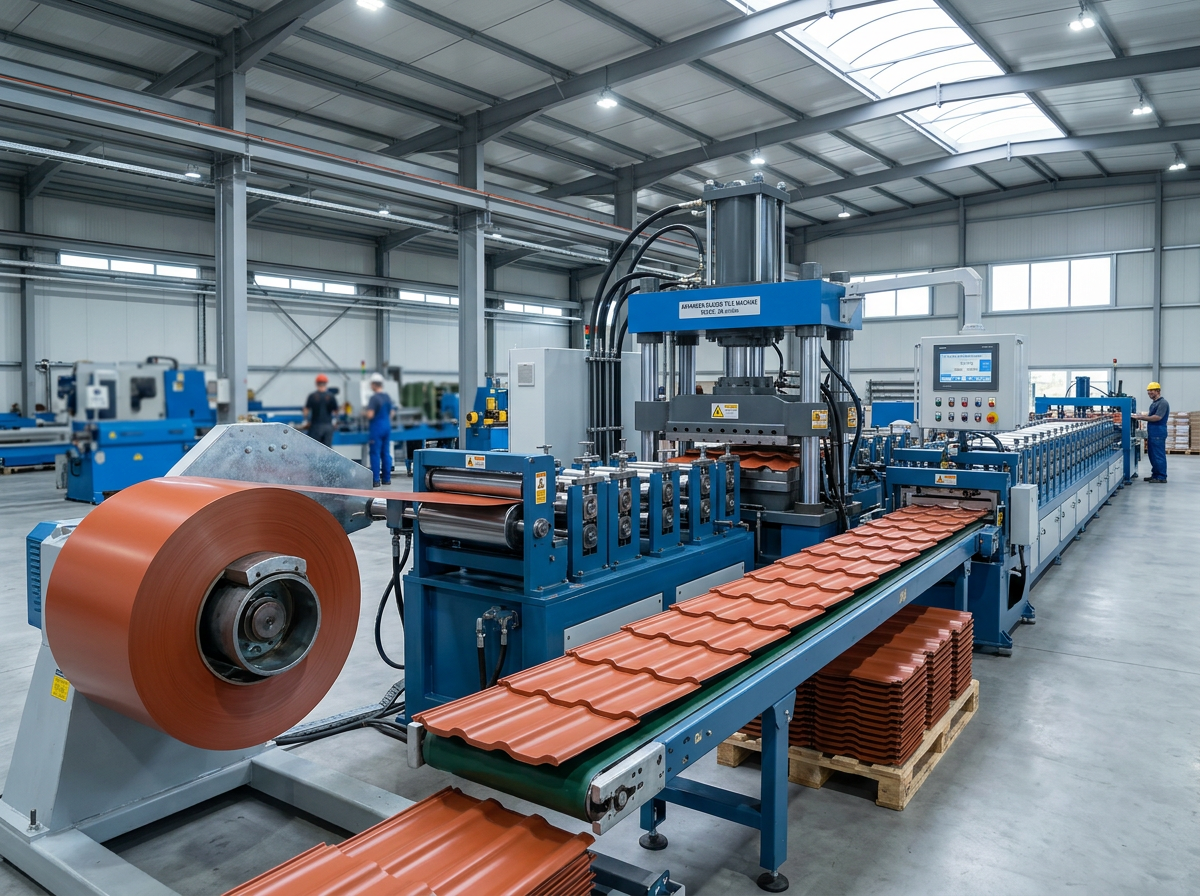
Based on our experience serving Brazil clients, the most requested Glazed Tile Machine configurations are classic step-tile roof sheet lines for residential buildings, larger-width decorative tile lines for villas and churches, and combined roofing solutions that pair standard trapezoidal roofing with glazed tile output. Brazilian buyers often want machines that can process galvanized steel, galvalume, and pre-painted steel in thickness ranges from 0.3 mm to 0.6 mm, with common feed widths around 1000 mm, 1200 mm, and 1220 mm depending on the final tile design. In many projects, appearance is a decisive factor, so customers focus not only on output speed but also on tile step uniformity, clean embossing, and protection of the painted surface during forming.
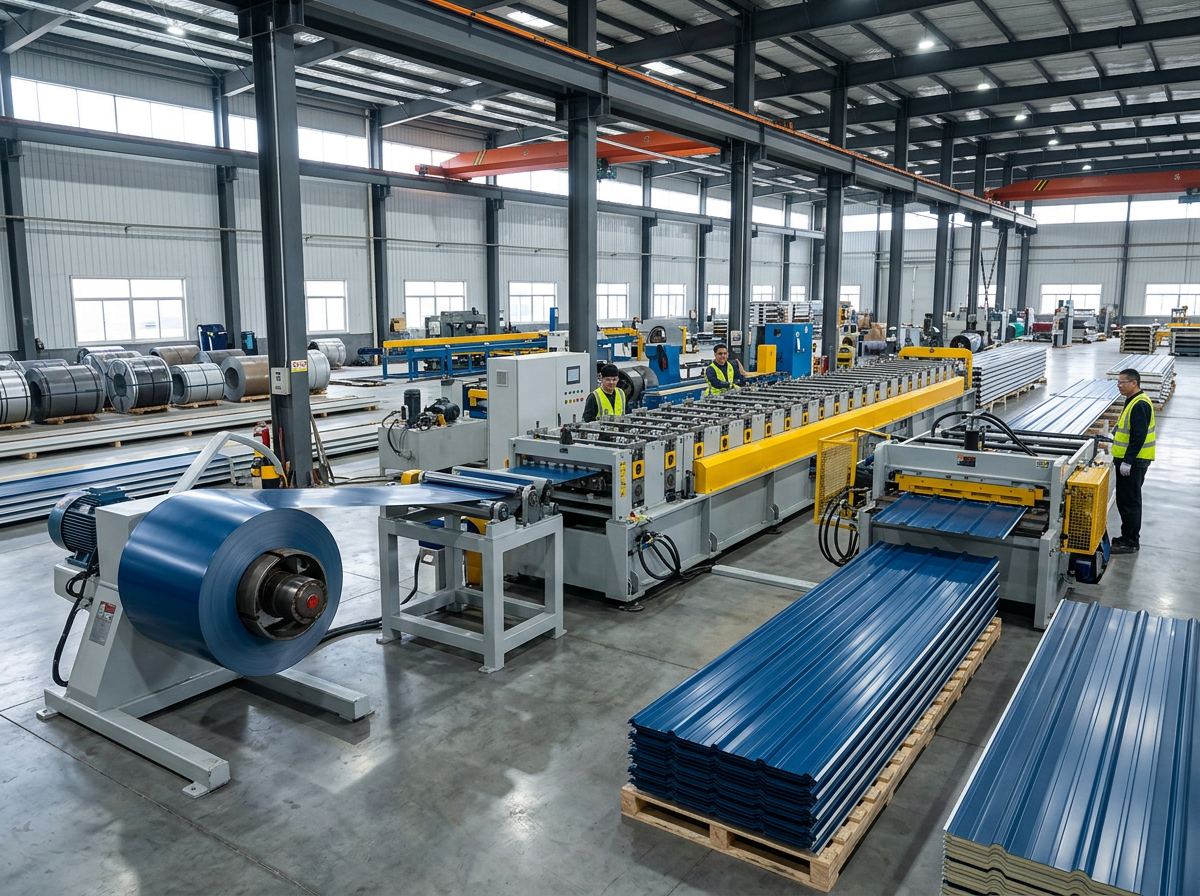
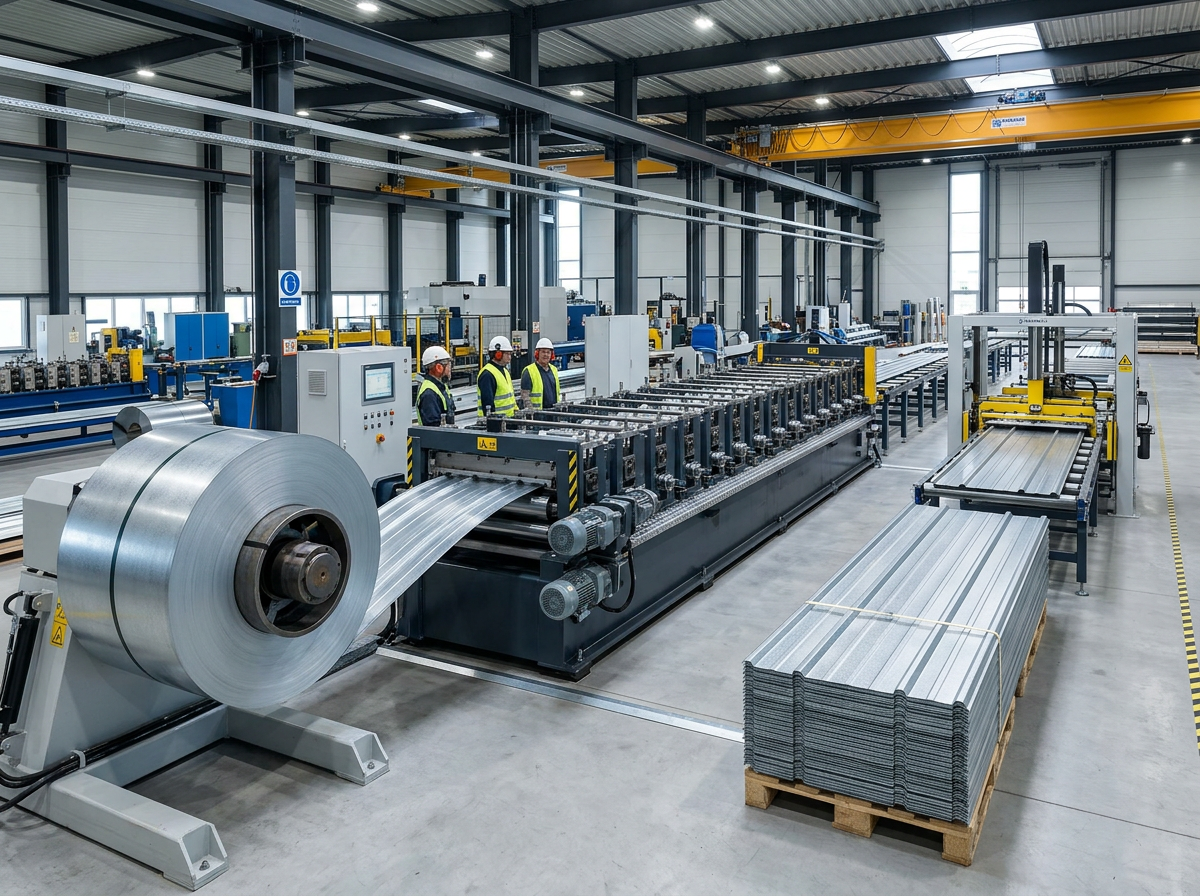
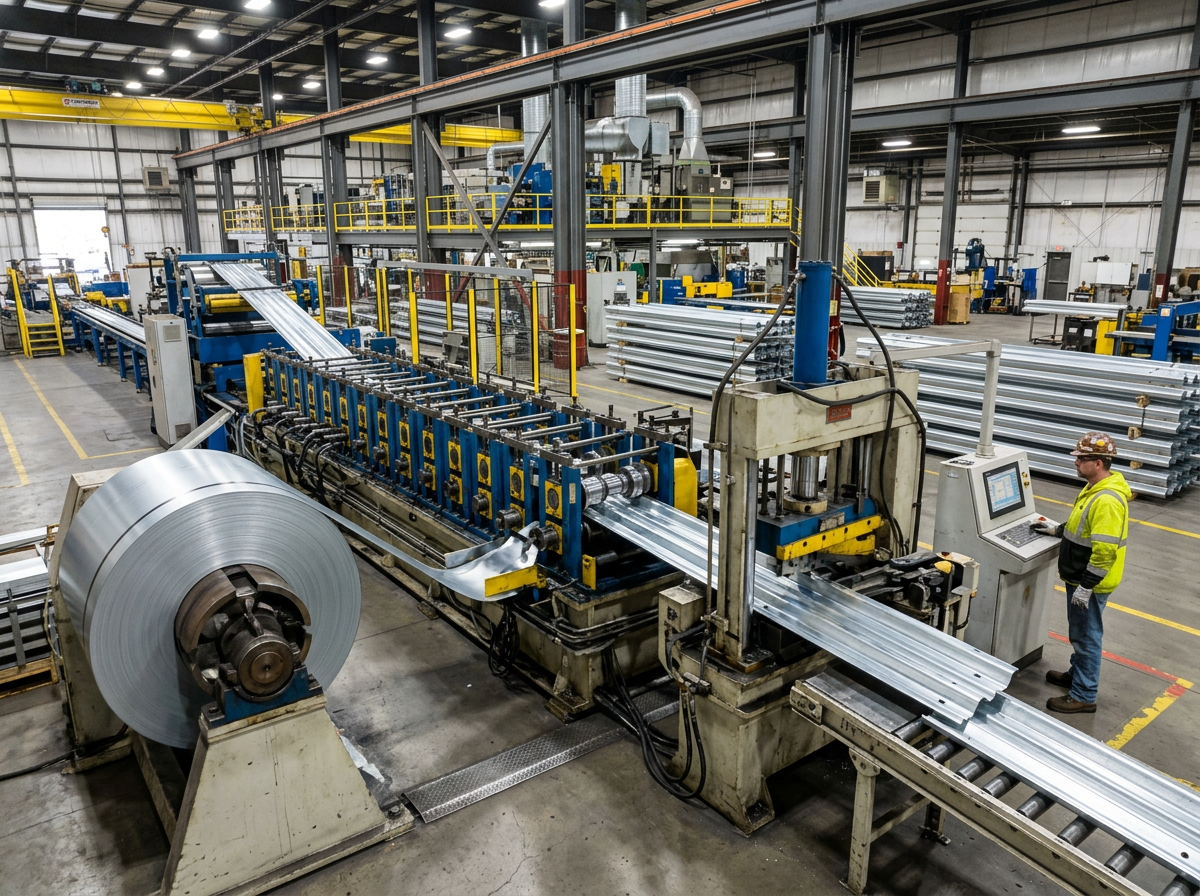
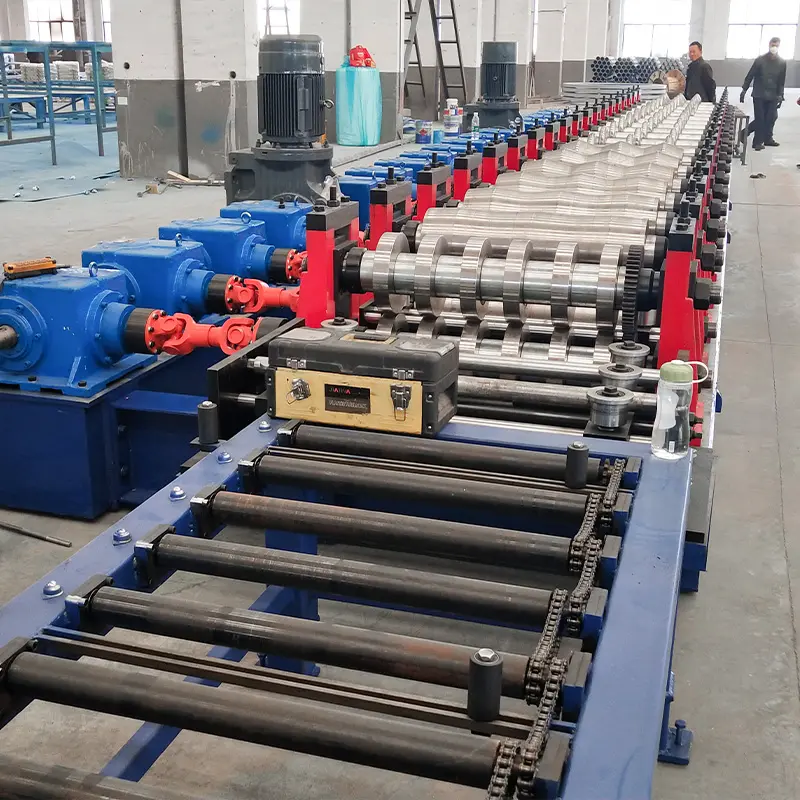
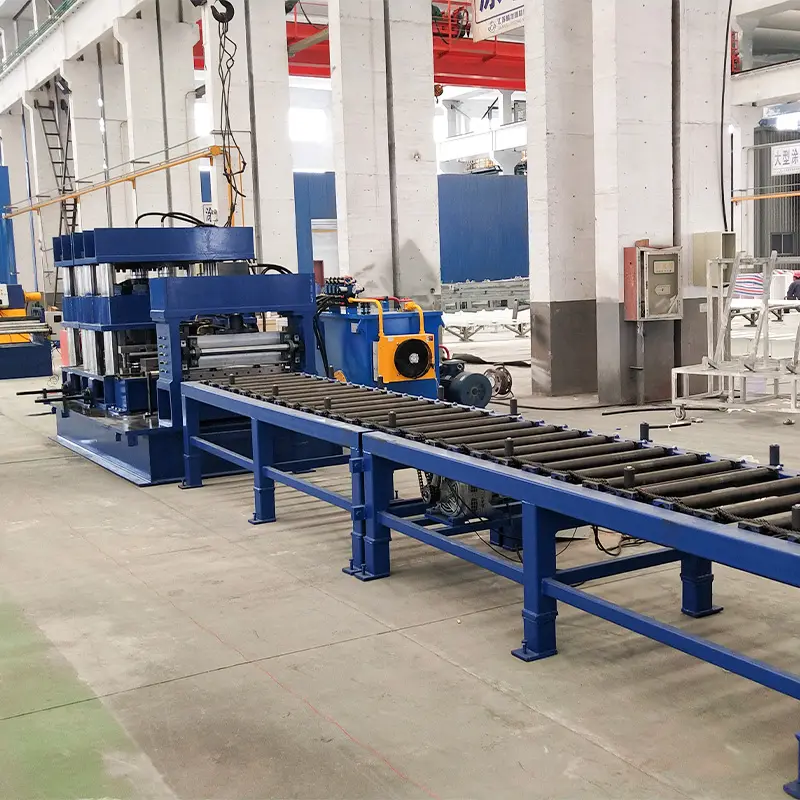
We also see strong interest in complete lines that include hydraulic decoiler, feeding and leveling, main roll forming section, servo or hydraulic pressing for tile steps, post-cutting, PLC control, and output stacking. In Brazil, buyers usually prefer practical production speeds around 2-6 m/min for glazed tile because the pressing action and decorative step forming naturally reduce throughput compared with plain roofing sheet lines. A Glazed Tile Machine with accurate encoder tracking, stable pressure control, and good mold alignment is more valuable than a nominally faster machine with unstable tile spacing. For distributors and fabricators entering the decorative roofing segment, we often recommend starting with a mainstream residential profile before expanding into premium architectural variations.
| Machine Type | Material Range | Typical Speed | Typical Brazil Use |
|---|---|---|---|
| Standard residential glazed tile line | 0.3-0.5 mm | 3-6 m/min | Houses, villas, schools, churches |
| High-step Glazed Tile Machine | 0.35-0.6 mm | 2-5 m/min | Premium decorative roofing projects |
| Wide-cover glazed tile line | 0.3-0.5 mm | 3-5 m/min | Light commercial and retail roofing |
| Roofing combo line | 0.3-0.6 mm | Profile-dependent | Mixed roofing distributors |
| Pressing-type Glazed Tile Machine | 0.3-0.6 mm | 2-4 m/min | Customers prioritizing tile definition |
This table is useful when comparing profile demand with realistic output expectations. A Glazed Tile Machine should be selected based on your target customer segment, tile appearance requirements, and available coil supply rather than on speed alone.
Why These Product Types Are Recommended
These product types are recommended because the Brazilian market values both functional roofing performance and the appearance of the finished building. The direct answer is that standard and premium glazed tile profiles offer a good balance between sales potential, visual appeal, and manageable production complexity. In many regions, end users want the look of traditional tile roofing but prefer lighter steel products that are easier to transport and faster to install. That makes Glazed Tile Machine investment attractive for distributors, roofing sheet producers, and metal building suppliers looking to move into higher-value decorative profiles without entering a completely unfamiliar product category.
From a technical perspective, glazed tile production requires tighter control than standard corrugated or trapezoidal roofing. We usually recommend roller material such as Cr12MoV with hardness around HRC 58-62, heat-treated 45# steel shafts, hydraulic pressure in the 10-16 MPa range, and PLC systems from brands such as Delta, Siemens, or Mitsubishi. A dependable Glazed Tile Machine should include careful entry guiding, stable leveling, precise step pressing, and encoder-based cutting because painted coil can scratch, slip, or show visual defects if the process is not synchronized. For Brazil buyers, this is especially important because decorative products are judged immediately by appearance, and small defects can translate into returns, slow-moving stock, or contractor complaints.
| Component Area | Recommended Specification | Why It Matters |
|---|---|---|
| Roller material | Cr12MoV, HRC 58-62 | Improves wear resistance and tile definition |
| Shaft material | 45# steel, heat-treated | Supports stable forming and longer line life |
| Hydraulic system | 10-16 MPa | Ensures clean pressing and consistent cutting |
| PLC control | Delta, Siemens, or Mitsubishi | Enables repeatable tile spacing and easy operation |
| Production sequence | Decoiling, leveling, roll forming, pressing, shearing, stacking | Protects coating and improves finished appearance |
Use this component overview when reading quotations in detail. For a decorative roofing line, disclosed technical data is a strong sign that the supplier understands how glazed tile production differs from basic sheet forming.
Key Industries for Glazed Tile Machine in Brazil
The main industries that need Glazed Tile Machine equipment in Brazil are residential building materials, light commercial construction, roofing distribution, prefab structure supply for architectural projects, and renovation-focused metal roofing businesses. The short answer is that this equipment is most valuable where visual appearance drives purchasing decisions. Glazed metal tile is commonly used in houses, gated communities, vacation properties, schools, churches, roadside businesses, and small retail developments where a more traditional roof style is preferred but the owner still wants the speed, weight, and durability advantages of formed steel. For fabricators, this creates an opportunity to move beyond commodity roofing and supply more differentiated products.
Regional demand patterns also matter. São Paulo, Minas Gerais, Paraná, Santa Catarina, Goiás, Bahia, and Pernambuco all present opportunities because they combine urban housing demand, regional commercial construction, and active building material distribution networks. In Brazil, buyers often procure equipment only after confirming steady local contractor demand, coil availability, and service support. That is why Glazed Tile Machine projects are frequently led by existing roofing sheet sellers, steel service centers, or building-products distributors that already understand local procurement behavior. Once decorative roofing demand is validated, the machine can become a margin-enhancing addition to an existing product line rather than a standalone speculative investment.
Specific Application Scenarios
One common application scenario in Brazil is a regional roofing distributor that already sells corrugated and trapezoidal sheets but wants to enter the decorative residential segment. In this setup, a Glazed Tile Machine allows the distributor to process pre-painted coil into tile-style roofing sheets that can be sold to builders, roofing installers, and home improvement dealers. The line typically includes decoiling, leveling, roll forming, tile-step pressing, hydraulic cutting, and output support. This gives the distributor better control over length customization, batch planning, and visual quality while reducing dependence on outside processors. It is especially useful in cities where homeowners want premium-looking roofs but contractors still expect short lead times.
Another frequent scenario is a metal building or fabrication company that serves schools, churches, villas, and light commercial sites and wants a better-looking roof option for visible projects. In this case, a Glazed Tile Machine is used not for mass commodity output, but for selective higher-value jobs where appearance influences winning the contract. These customers usually care about tile spacing consistency, anti-scratch entry design, and straightforward operator controls because they run shorter batches with multiple colors and lengths. In practice, a well-configured line lets the company bid more complete roofing packages, improve gross margin on custom orders, and avoid delays caused by purchasing decorative profiles from distant suppliers.
| Application Scenario | Recommended Setup | Main Benefit | Priority Metric |
|---|---|---|---|
| Roofing distributor | Standard residential Glazed Tile Machine | Enter higher-value decorative segment | Product margin |
| Fabrication contractor | Pressing-type glazed tile line | Better project aesthetics | Profile accuracy |
| Church and school supplier | Wide-cover glazed tile line | Faster installation with traditional look | Coverage width |
| Building materials wholesaler | Roofing combo line | Serve mixed market demand | Product flexibility |
| Regional custom roofer | High-step Glazed Tile Machine | Premium visual finish | Surface quality |
This application guide is most useful when you already know who your end customers are. The right Glazed Tile Machine is the one that matches your order pattern, roof style demand, and service capability after installation.
Case Studies
A realistic project example from Paraná involved a building-products distributor that mainly sold standard roofing sheets and trims but noticed rising demand for decorative steel tile in suburban housing projects. After reviewing its order history and local dealer feedback, we recommended a Glazed Tile Machine for 0.35-0.5 mm pre-painted steel with hydraulic decoiler, leveling section, main forming rollers, hydraulic pressing station, encoder control, and post-cutting. The customer selected a mainstream residential tile profile to minimize market-entry risk. Once production started, the company could offer made-to-order tile lengths, reduce subcontracted purchases, and improve delivery reliability during seasonal demand peaks. The machine also helped the distributor cross-sell flashings, ridge caps, and accessories with better overall project margin.
A second realistic example involved a Minas Gerais fabricator serving churches, schools, and small commercial buildings that wanted a premium-looking roof system for visible public-facing projects. Space was limited, so the customer needed a compact yet stable line with dependable pressing accuracy and simple operator control. We recommended a Glazed Tile Machine using Cr12MoV rollers, heat-treated shafts, Delta PLC, hydraulic pressure tuned near 12-14 MPa, and operating speed around 3-5 m/min depending on profile and coating condition. The result was cleaner tile definition, fewer appearance defects, and more confidence when bidding decorative roofing packages. Instead of competing only on price with plain sheet suppliers, the company could position itself as a provider of higher-finish roofing solutions.
Top 6 Recommended Local Suppliers in Brazil
If your priority is local communication, site coordination, and easier service response, working with a Brazil-based distributor or machinery integrator can be a practical first step. The six companies below are realistic examples of the types of local suppliers that buyers should compare for Glazed Tile Machine projects.
| Company Name | Core Strengths | Service Regions | Pre-sale Support | After-sale Support |
|---|---|---|---|---|
| PerfilMax Equipamentos | Strong for decorative roofing line selection and local coordination | São Paulo, Campinas, Sorocaba, Santos | Profile review, budget planning, line matching | Startup assistance, maintenance scheduling, parts follow-up |
| TelhaForma Brasil | Suitable for residential and light commercial glazed roofing products | Belo Horizonte, Contagem, Betim, Vitória | Tile profile consultation and material checks | Operator training and troubleshooting support |
| Inova Perfiladeiras | Good for workshop layout, coil handling, and entry-level investment planning | Curitiba, Joinville, Florianópolis, Porto Alegre | Capacity analysis and utility planning | Local service scheduling and process guidance |
| SulMetal Linhas | Useful for industrial buyers wanting steady technical follow-up | Caxias do Sul, Porto Alegre, Chapecó, Criciúma | Equipment configuration advice and ROI discussion | Parts support and adjustment visits |
| Nordeste Rollform Service | Attractive for expanding regional distributors and fabricators | Recife, Salvador, Fortaleza, Natal | Investment guidance and phased rollout support | Installation assistance and remote diagnosis |
| Atlas Coberturas Equipamentos | Strong for complete Glazed Tile Machine planning with auxiliary equipment matching | Rio de Janeiro, Duque de Caxias, Goiânia, Brasília | System integration review and production planning | Spare parts, upgrades, and post-installation support |
Use this table to compare service depth, not just sales language. The best local supplier is usually the one that confirms your profile drawing, defines installation scope clearly, and can support operators after commissioning instead of disappearing once the machine is delivered.
Why Choose SUNWAY as Your Global Partner
SUNWAY is a strong global partner for Glazed Tile Machine buyers in Brazil because it combines factory-direct manufacturing with broad export experience, in-house design capability, and complete project support. We have served many end-users and distributors in Brazil and can support both channels directly, whether the requirement is a standard glazed tile line, a decorative roofing solution with accessories, or a wider roll forming package. Our team uses German COPRA software, works with more than 10 experienced design engineers, and provides custom machinery design, installation, technical support, training, maintenance, parts supply, upgrades, and consultancy. Buyers can explore our homepage and review related systems in our product catalog.
SUNWAY also offers long-term value for partners that want more than a one-time purchase. With 1,350+ global customers, 200+ employees, service across 160+ industries, 500+ projects, and exports to more than 100 countries, we bring more than 20 years of export experience together with one-stop solutions and competitive pricing. We are planning a local warehouse with stock delivery in Brazil, building an overseas technical team for on-site engineering service, and actively recruiting partners through upcoming Affiliate and dropshipping programs. For distributors and end-users, this means both online and offline support as business grows. If you want to compare profile options or receive a tailored quotation, please contact our team.
| Buyer Checklist | What to Confirm | Positive Sign | Warning Sign |
|---|---|---|---|
| Profile validation | Has the supplier confirmed your tile drawing and cover width? | Approved profile before order | Generic quotation with no drawing review |
| Surface protection | Can the line process painted steel without scratching? | Clear entry guiding and leveling details | No mention of coating protection |
| Technical transparency | Are roller, shaft, PLC, and hydraulic specs listed? | Cr12MoV, 45# steel, branded PLC disclosed | Missing or vague specifications |
| Service scope | Are installation, training, and spare parts defined clearly? | Written support commitment | Unclear post-sale responsibility |
| Expansion path | Can the supplier support trims, ridge caps, or other lines later? | Broad product catalog | Narrow upgrade options |
This checklist gives buyers a consistent way to compare local distributors and overseas manufacturers. In practice, the right partner is the one that can verify your product plan, train your operators, and keep your line running over time.
FAQ
What is the best Glazed Tile Machine for a new buyer in Brazil?
For most new buyers, the best starting point is a standard residential glazed tile line for 0.3-0.5 mm pre-painted steel. It serves the widest market, is easier to sell through distributors and installers, and reduces risk compared with highly specialized premium profiles.
What production speed is realistic for a Glazed Tile Machine?
A realistic operating speed is usually about 2-6 m/min. Glazed tile lines are slower than plain roofing sheet machines because the pressing and tile-step forming stages require precise synchronization to maintain appearance and spacing.
Which materials can a Glazed Tile Machine process?
Most machines for Brazil should be designed for galvanized steel, galvalume, and pre-painted steel coil. The common working thickness is around 0.3 mm to 0.6 mm, depending on the tile profile, coating, and final use.
Why is roller material so important in glazed tile production?
Roller material affects wear resistance, profile consistency, and surface finish. Cr12MoV rollers hardened to about HRC 58-62 are commonly recommended because decorative roofing profiles require better dimensional stability and cleaner finished appearance.
Is a Glazed Tile Machine suitable only for residential roofing?
No. Although residential housing is a major application, glazed tile steel roofing is also used on churches, schools, resorts, villas, retail buildings, and light commercial projects where roof appearance influences the buyer’s decision.
What should Brazilian buyers ask about after-sale support?
They should ask whether installation, commissioning, operator training, spare parts supply, and troubleshooting response are clearly included. Lead time for replacement components and the availability of remote or on-site service can strongly affect total operating cost.
How can I request a quote from SUNWAY?
You can send your profile drawing, material thickness, coil width, target output, power supply details, and any preferred control or stacking options through contact our team. Our team will review your requirements and recommend a suitable Glazed Tile Machine solution.
If you are planning to expand decorative roofing production in Brazil, now is a good time to compare local support with SUNWAY’s factory-direct customization and export capability. Submit your requirements or request a quotation through contact our team and we will help you select the right solution for your market and production goals.
Content reviewed and updated: March 2026