Quick Answer
If you need a direct answer first, the best Floor Deck Machine suppliers in the United States are usually regional roll forming equipment companies that can provide profile confirmation, line layout advice, commissioning, and fast after-sale technical support. For most U.S. buyers, the practical sourcing strategy is to compare several local suppliers for response speed and service access, then evaluate SUNWAY as a trusted Chinese manufacturer for customized machine design, full-line integration, and stronger price-performance. If you want help matching a deck profile, material range, or target capacity, please contact our team for machine selection support and a quotation.
Among local options, Midwest Deck Forming Solutions is a strong choice for central U.S. manufacturers that need practical pre-sale consultation and plant-ready delivery planning. Atlantic Structural Roll Systems is a good fit for East Coast buyers seeking responsive support for commercial and composite deck applications. Lone Star Steel Deck Equipment serves southern states well where warehouse, data center, and industrial projects drive demand for floor deck production. Pacific Profile Machinery Group is attractive for western buyers that need custom tooling discussion and field service coordination. Great Lakes Metal Form Service is well suited to customers focused on controls support, maintenance, and line upgrades. We also recommend SUNWAY as a dependable global partner because we provide custom machinery design, installation, training, parts supply, technical support, and one-stop solutions for complete floor deck production projects.
| Supplier Type | Best Fit | Main Advantage | Main Limitation |
|---|---|---|---|
| Local Floor Deck Machine distributor | Buyers needing domestic communication and quick visits | Faster local service response | Usually higher equipment cost |
| U.S. line integrator | Plants needing layout and automation integration | Better workflow planning | Less customization depth in some cases |
| Overseas Floor Deck Machine manufacturer | Buyers seeking tailored profiles and cost-performance | Broader engineering flexibility | Longer shipping and import timeline |
This table helps buyers decide how to balance service speed and capital budget. In many U.S. purchasing cycles, the most effective approach is to compare one local supplier and one export manufacturer before making a final investment decision.
Market Overview
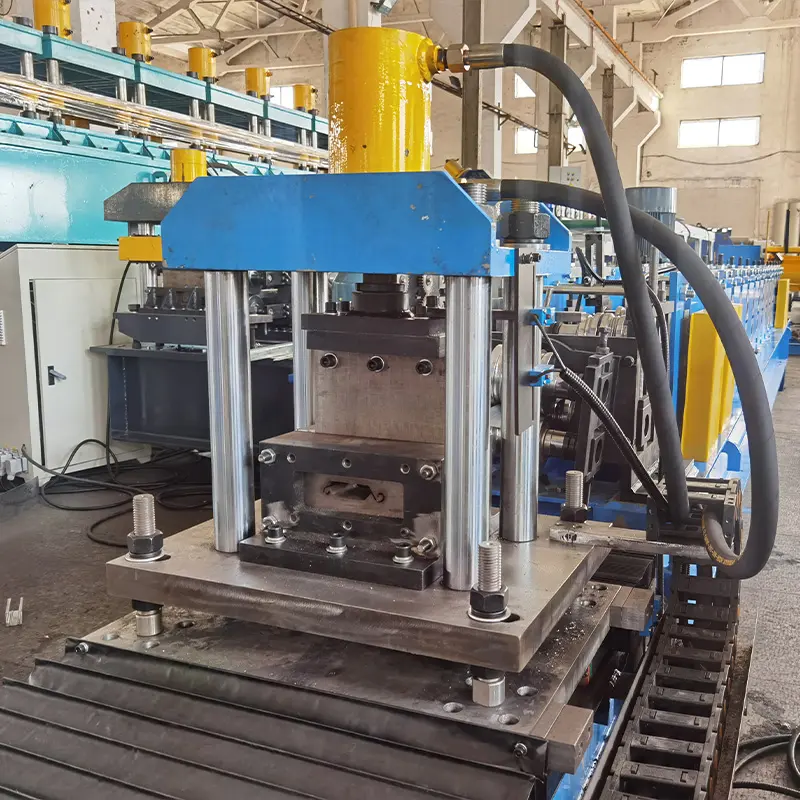
The U.S. market for Floor Deck Machine equipment is supported by commercial building activity, manufacturing expansion, logistics facilities, institutional construction, and steady demand for multi-story steel-framed structures. According to the U.S. Census Bureau, total construction spending reached a seasonally adjusted annual rate of USD 2.1752 trillion in October 2025, with private nonresidential construction at USD 737.4 billion. Those numbers matter because floor deck and composite deck systems are heavily used in warehouses, distribution hubs, manufacturing plants, offices, parking structures, schools, and mixed-use developments where speed of erection and structural efficiency are priorities. citeturn0search0turn0search1
Industrial and infrastructure-related trends also support demand for deck forming lines. The Dodge Construction Network’s 2026 outlook reported that U.S. construction starts were expected to improve modestly after a softer 2025 environment, while manufacturing, data center, healthcare, and institutional segments continued to attract capital. At the same time, warehouse and data center development remain strong drivers for steel framing packages that include roof and floor decking. For equipment buyers, this means demand is less dependent on one sector and more tied to broad project categories that favor fast, repeatable steel deck supply. citeturn0search2turn0search3
| U.S. Market Indicator | Latest Figure | Relevance to Floor Deck Machine Demand |
|---|---|---|
| Total construction spending | USD 2.1752 trillion annual rate in Oct. 2025 | Supports broad structural steel and decking demand |
| Private nonresidential construction | USD 737.4 billion annual rate in Oct. 2025 | Directly linked to steel deck use in commercial and industrial buildings |
| Manufacturing construction | Elevated compared with pre-2022 levels | Supports plant and expansion projects using steel framing systems |
| Data center and logistics growth | Continued project pipeline in 2025-2026 | Increases need for structural deck products and fast installation systems |
This market table is useful for timing equipment investment and understanding demand fundamentals. Buyers should combine national indicators with local project pipelines, fabricator order books, and regional contractor demand before confirming machine capacity.
What Types of Floor Deck Machine Are Needed in United States
Based on our experience serving United States clients, the most in-demand Floor Deck Machine configurations are heavy-duty structural deck lines, composite metal deck lines, deep deck profile machines for longer spans, and high-output automatic lines with decoiling, feeding, roll forming, shearing, and stacking. U.S. buyers usually need machines that can run galvanized steel in thickness ranges around 0.8-1.5 mm, and in some projects even thicker depending on deck profile and structural requirement. In practical terms, buyers are looking for reliable shape accuracy, stable embossing or profile definition where required, and repeatable cut lengths for fast site installation.
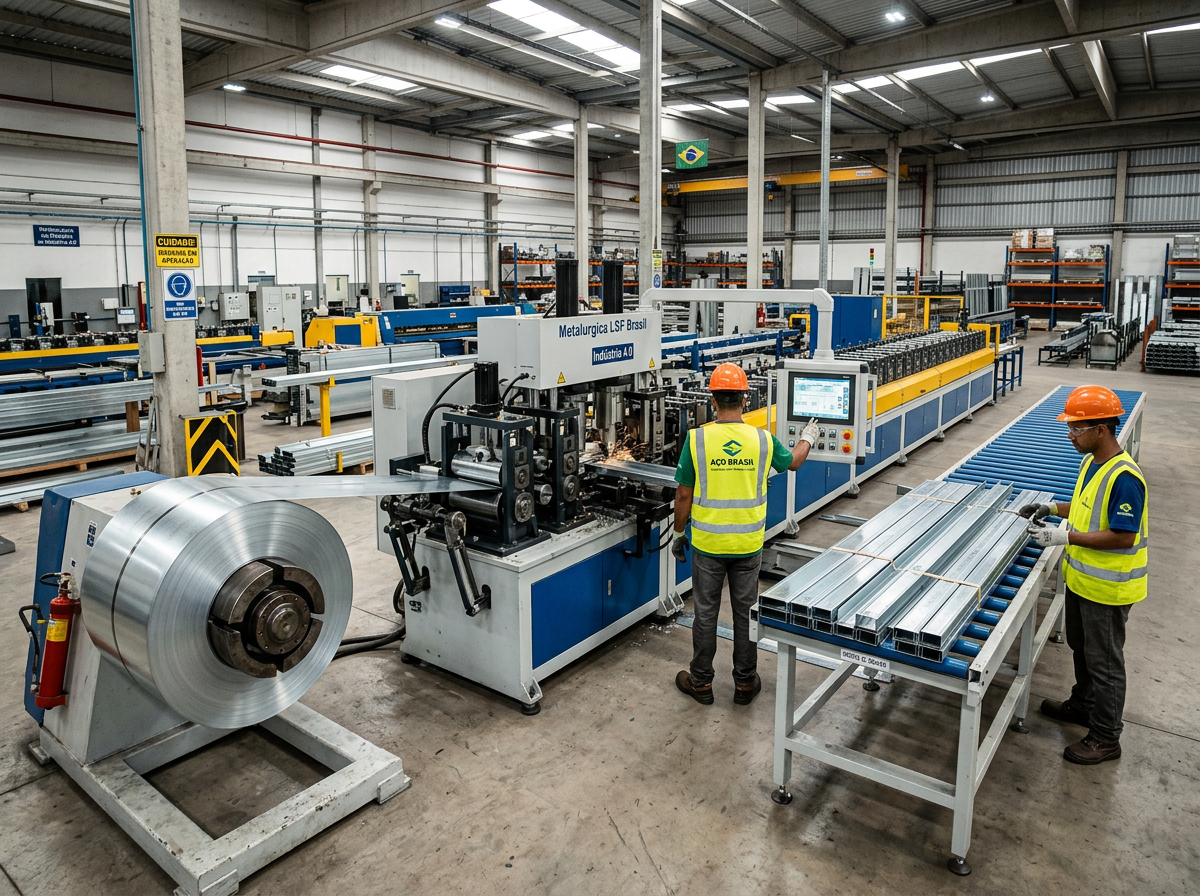
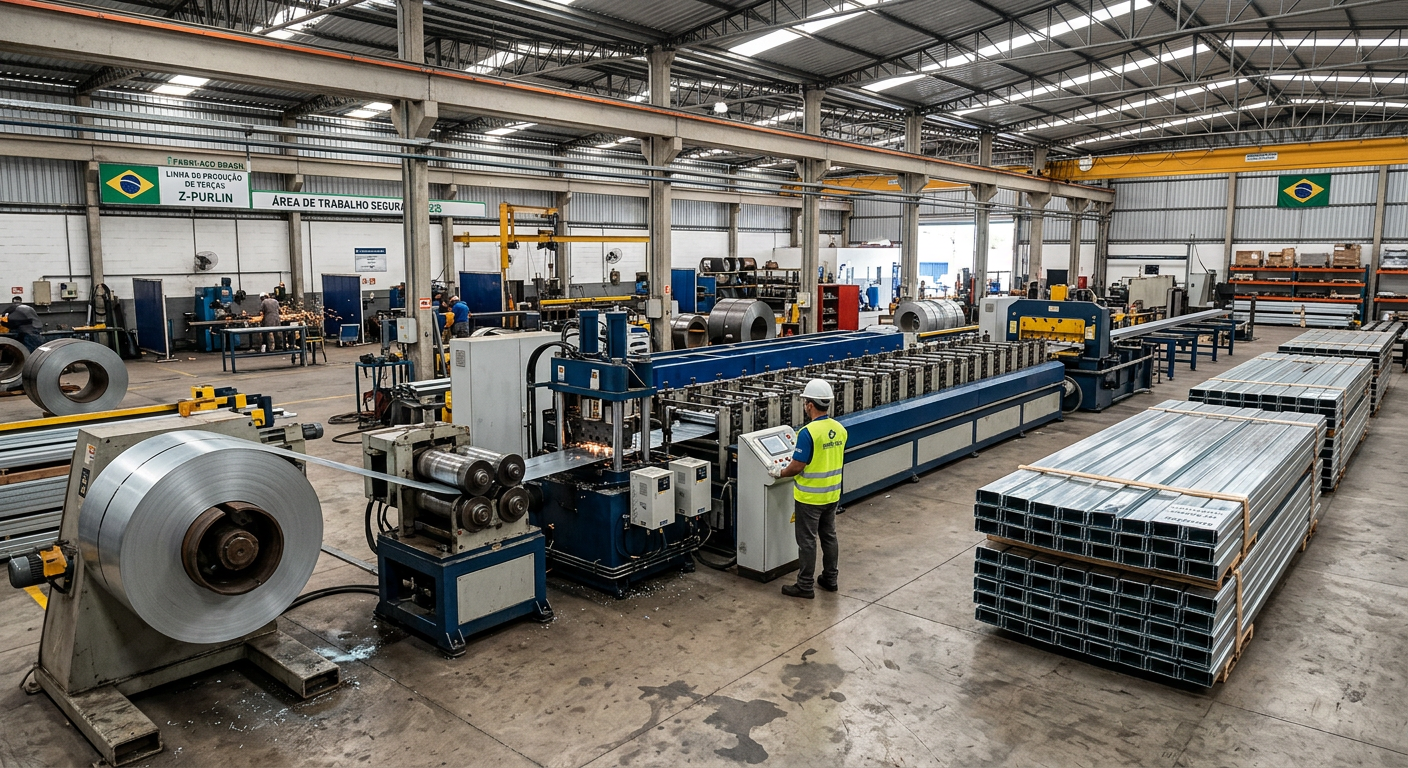
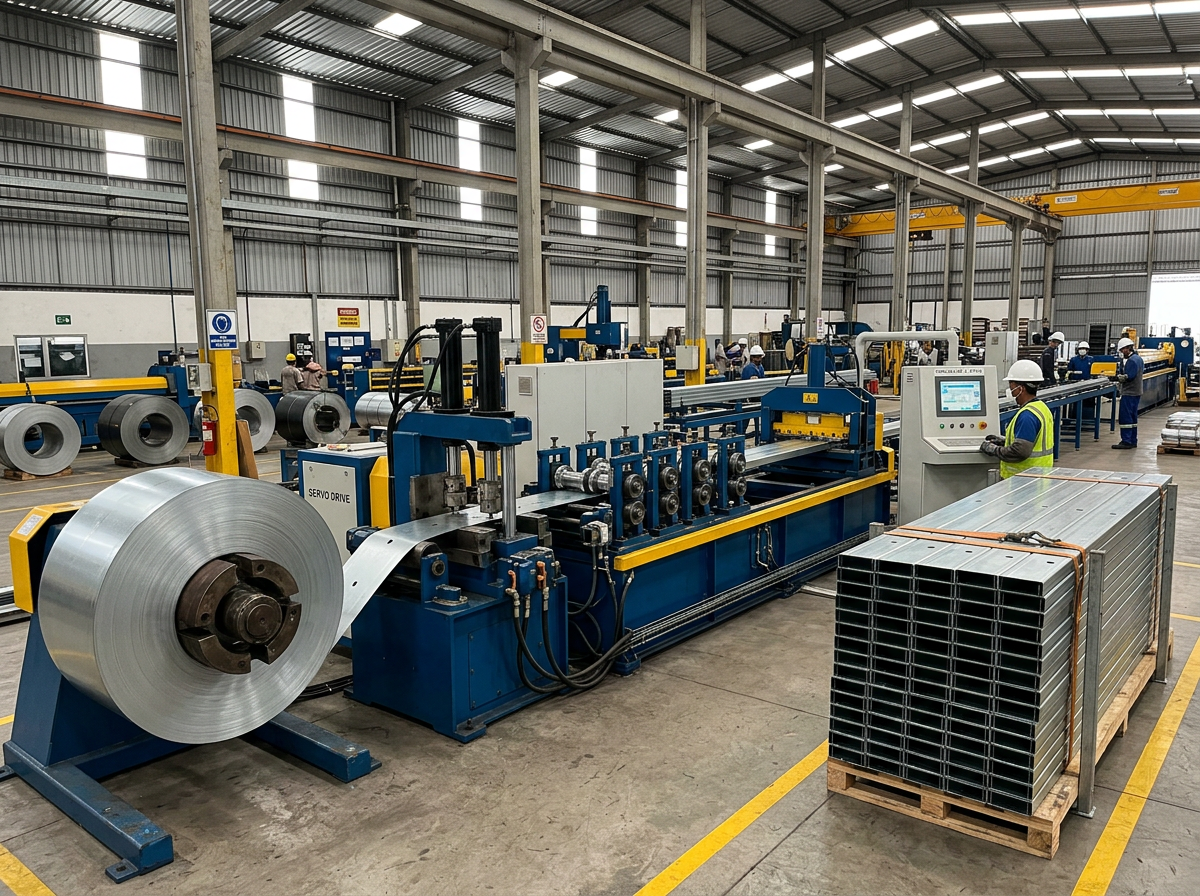
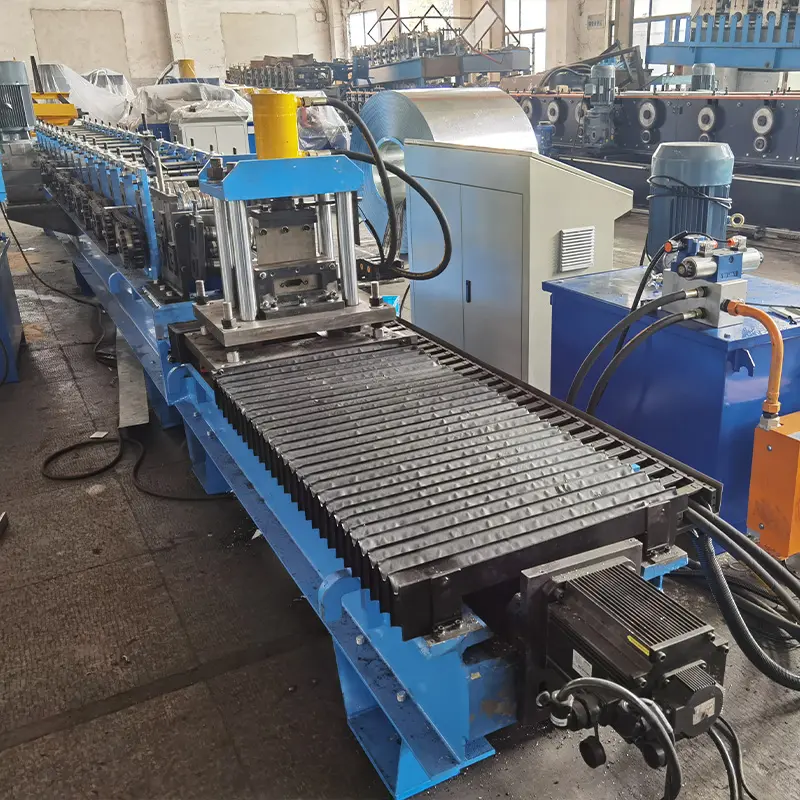
For many U.S. projects, the preferred line includes hydraulic decoiler, entry leveling, servo feeding or accurate guiding, roll forming stations, hydraulic or servo cutting, and output support for manual or automatic stacking. Typical forming speeds are 10-25 m/min, but the exact target depends on profile complexity and sheet thickness. We also see strong interest in machine frames built for long-term stability, rollers made from Cr12MoV with HRC 58-62 hardness, hydraulic pressure between 10-16 MPa, and PLC control from Siemens, Mitsubishi, or Delta. Buyers in the U.S. care not only about output speed, but also about uptime, operator training, spare parts, and realistic lead-time control.
| Floor Deck Machine Type | Typical Thickness | Typical Speed | Common U.S. Use |
|---|---|---|---|
| Structural Floor Deck Machine | 0.8-1.2 mm | 12-20 m/min | Warehouses, offices, schools, parking structures |
| Composite deck line | 0.9-1.5 mm | 10-18 m/min | Multi-story commercial and mixed-use buildings |
| Deep deck profile machine | 1.0-1.5 mm | 10-16 m/min | Longer-span industrial and institutional projects |
| High-output automatic deck line | 0.8-1.2 mm | 15-25 m/min | Regional manufacturers and steel package suppliers |
Use this table to match your target project type with the right machine category. A standard structural Floor Deck Machine may be ideal for repeat supply, while deeper or heavier profiles often require stronger frames and more conservative line speeds.
Why These Product Types Are Recommended
These machine types are recommended because they reflect how steel deck is actually purchased and installed in the United States. Most buyers are not simply looking for any deck profile machine; they need equipment that matches the deck specifications commonly used by structural engineers, steel fabricators, and general contractors. A machine that can hold profile accuracy under thicker material and higher loads is more valuable than one that only looks fast in a basic demo. For U.S. producers serving multiple project categories, flexibility in deck type and stable operation under long production runs are major advantages.
From a technical standpoint, floor deck production puts real demands on line rigidity, roller precision, feeding stability, and cut accuracy. When material thickness increases, weak machine structures can create profile deviation, side flare, camber, or uneven ribs that complicate installation on site. That is why we recommend robust machine bases, carefully designed forming passes, hardened rollers, and reliable hydraulic and control systems. In our experience, even small weaknesses in leveling or roll pass design can lead to poor nesting, difficult handling, and customer complaints from steel erectors who need deck sheets to fit quickly and consistently.
| Core Component | Recommended Specification | Practical Benefit |
|---|---|---|
| Roller material | Cr12MoV, HRC 58-62 | Better wear resistance under heavy-gauge deck production |
| Shaft diameter | 85-100 mm | Improves stability for thicker steel and deeper deck profiles |
| PLC control | Siemens / Mitsubishi / Delta | Easier recipe setting and reliable diagnostics |
| Hydraulic system | 10-16 MPa | Stable cutting and auxiliary motion control |
| Cutting unit | Hydraulic post-cut or servo tracking cut | Better length precision and cleaner production flow |
This component table is especially useful when comparing quotations that seem similar on price. It helps buyers focus on what affects profile quality, long-term machine life, and maintenance cost rather than relying on general sales descriptions.
Key Industries for Floor Deck Machine in United States
The industries that most need Floor Deck Machine equipment in the United States are structural steel fabrication, commercial building supply, warehouse and logistics construction, manufacturing plant development, institutional construction, and parking structure projects. These sectors depend on metal decking because it supports fast installation, efficient concrete slab systems, and reliable integration with steel framing. In the U.S. market, deck demand is often linked to projects where schedule pressure is high and contractors want consistent supply from regional manufacturers rather than uncertain long-distance sourcing.
Economic drivers vary by region, but several patterns are clear. The continued growth of logistics hubs, advanced manufacturing investment, healthcare expansion, data center construction, and school modernization all support demand for steel deck products. In states such as Texas, Georgia, Ohio, Tennessee, Arizona, Florida, and North Carolina, many buyers want local or regional deck production to reduce freight cost and improve delivery timing. This is why machine buyers often prioritize not just machine speed, but also tooling life, coil handling reliability, and straightforward operator training for sustained daily output.
| Industry Segment | Main Product Need | Machine Priority | Typical Buying Goal |
|---|---|---|---|
| Structural steel fabricators | Floor and composite deck sheets | Profile accuracy and line durability | Faster package delivery to project sites |
| Building material suppliers | Repeated deck profile production | Throughput and cut accuracy | Better regional service and stock planning |
| Industrial project contractors | Heavy deck for plant structures | Robust forming and reliable handling | Reduced schedule risk |
| Parking and institutional builders | Consistent deck supply | Stable dimensions and nesting quality | Easier site installation and fewer callbacks |
Use this application guide to connect your target end market with the machine features that matter most. It is particularly helpful when deciding whether a standard Floor Deck Machine is sufficient or a heavier customized line is necessary.
Specific Application Scenarios
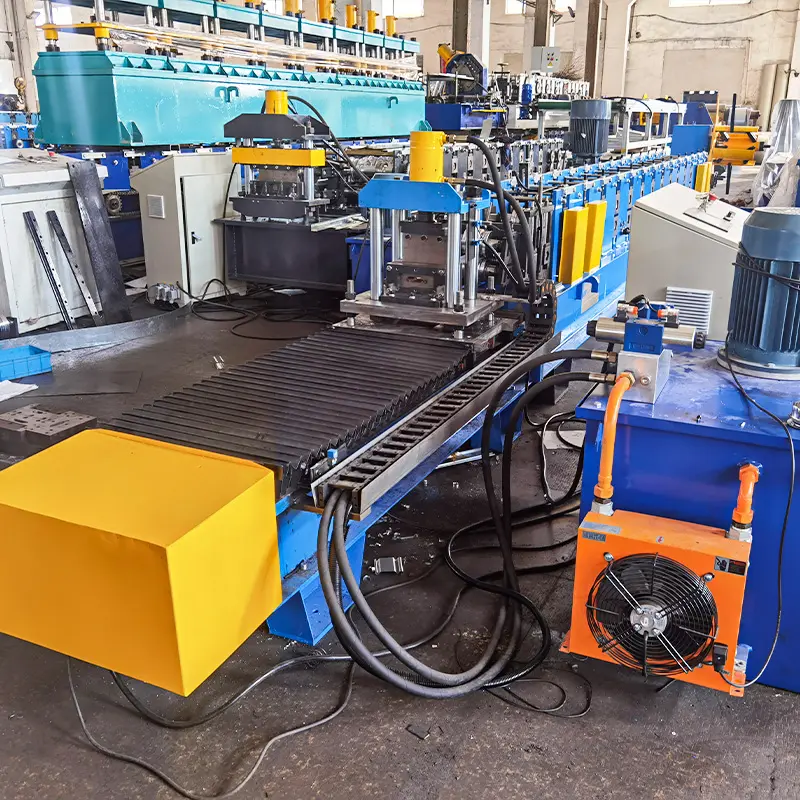
One common U.S. scenario is a structural steel fabricator supplying floor deck for warehouses, retail centers, and mid-rise office buildings. In this setup, the Floor Deck Machine is installed in a fixed production area with hydraulic decoiler, feeding and leveling, roll forming, cut-to-length, and discharge support. The goal is to produce long, repeatable deck sheets that arrive on site ready for fast placement over steel framing. Buyers in this segment care about line stability over long runs, reduced scrap, and minimal dimensional variation because erection teams expect deck bundles to fit cleanly under schedule pressure.
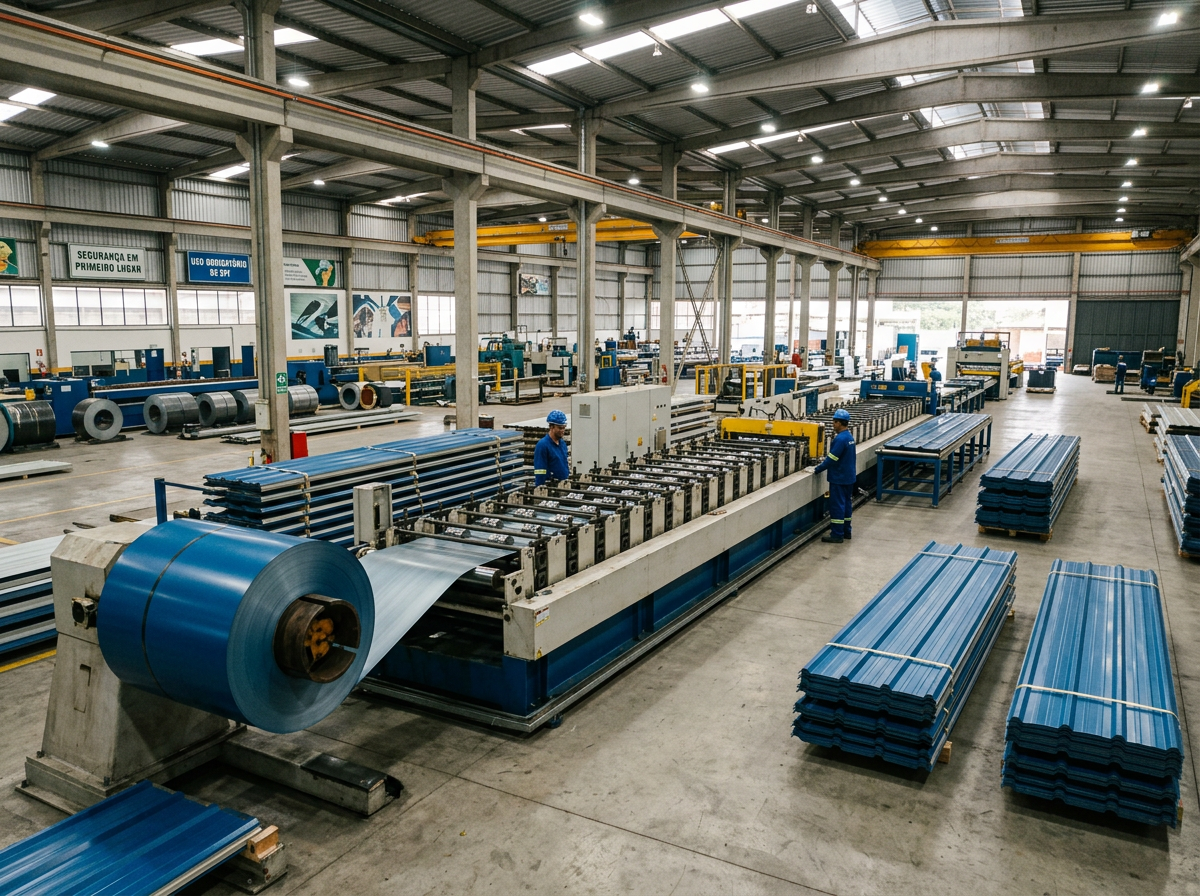
Another typical scenario is a regional building materials producer serving multiple contractors across several states. This buyer may need to switch between structural deck and composite deck orders while managing varying lengths and batch sizes. A third scenario involves industrial expansion projects, where heavy deck profiles are required for manufacturing plants, mezzanines, or utility structures. In each case, the machine must handle galvanized coil smoothly, maintain rib definition, and support efficient shearing and stacking. U.S. buyers consistently focus on durability, operator training, spare-parts planning, and the ability to maintain production during peak construction periods.
Case Studies
A realistic project example from Texas involved a regional steel package supplier serving warehouse and light industrial developments in Dallas, Houston, and San Antonio. The customer needed a Floor Deck Machine capable of running 0.9-1.2 mm galvanized steel with stable profile accuracy and enough capacity for contractor-driven schedules. We recommended a heavy-duty line with hydraulic decoiler, entry leveling, precision guiding, reinforced roll forming stands, PLC control, hydraulic post-cutting, and extended run-out support. After startup, the customer reduced dependency on external deck sourcing, improved delivery control, and shortened lead times for structural steel packages tied to logistics and manufacturing projects.
A second realistic example comes from the Midwest, where a building materials manufacturer wanted to add composite deck production for school, parking, and mixed-use projects around Chicago, Indianapolis, and Columbus. The key challenge was keeping rib shape consistent while running thicker coated steel and mixed order lengths. We proposed a customized Floor Deck Machine with optimized roll pass design, hardened Cr12MoV rollers, recipe-based PLC control, and operator training focused on leveling adjustment, profile inspection, and preventive maintenance. The outcome was more stable output, lower scrap during changeovers, and stronger confidence when quoting larger institutional and commercial jobs.
Top 6 Recommended Local Suppliers in United States
| Company Name | Core Strengths | Service Regions (specific cities/states within United States) | Pre-sale Support | After-sale Support |
|---|---|---|---|---|
| Midwest Deck Forming Solutions | Strong consultation for structural deck profiles and plant layouts | Chicago, IL; Indianapolis, IN; Milwaukee, WI | Profile review, layout planning, budget guidance | Commissioning, maintenance visits, parts support |
| Atlantic Structural Roll Systems | Responsive support for East Coast commercial and composite deck buyers | Philadelphia, PA; Baltimore, MD; Newark, NJ | Process matching, project planning, sample review | Remote diagnostics, startup service, spare parts |
| Lone Star Steel Deck Equipment | Practical service for fast-growth southern construction markets | Dallas, TX; Houston, TX; Austin, TX | Capacity analysis, machine selection, ROI discussion | Training, field troubleshooting, maintenance support |
| Pacific Profile Machinery Group | Useful for custom tooling discussion and western-state field coordination | Los Angeles, CA; Phoenix, AZ; Las Vegas, NV | Tooling planning, technical consultation, line advice | Preventive service, upgrades, response coordination |
| Great Lakes Metal Form Service | Strong controls knowledge and retrofit capability | Detroit, MI; Cleveland, OH; Toledo, OH | Upgrade planning, automation advice, output review | PLC support, hydraulic repair, replacement components |
| Southeast Deck Production Systems | Good fit for distributors and steel package manufacturers | Atlanta, GA; Charlotte, NC; Nashville, TN | Cost planning, profile confirmation, integration support | On-site service, training, scheduled maintenance |
Use this supplier table as a screening tool, not as a fixed ranking. The best local partner is the one that can clearly explain profile tolerance, included commissioning scope, lead time, operator training, spare-parts readiness, and what happens if production issues appear after acceptance. Always ask for references from projects similar in thickness, profile depth, and daily output.
Why Choose SUNWAY as Your Global Partner
SUNWAY is a strong option for buyers who want a complete manufacturing partner rather than a basic equipment seller. Through our homepage, SUNWAY, and product catalog, buyers can review our capabilities as a professional manufacturer and exporter of cold roll forming machines. We have served 1,350+ global customers across 160+ industries, supported 500+ projects, and reached 100+ destination countries. Our team includes 200+ employees and 10+ experienced design engineers using German COPRA software to support profile development, custom line design, and complete production planning.
For U.S. buyers, we bring rich export experience serving both distributors and end-users directly, which makes us flexible in different purchasing and partnership models. We are planning a local warehouse with stock delivery in the United States, building an overseas technical team for on-site engineering service, and actively recruiting partners through upcoming Affiliate and dropshipping programs. With comprehensive online and offline partner support, one-stop solutions, competitive pricing, and more than 20 years of export experience, SUNWAY is ready to support floor deck projects from concept to commissioning. If you want to discuss your project, send drawings, or request a tailored quotation, please contact our team.
| Buyer Checklist Item | What to Confirm | Why It Matters |
|---|---|---|
| Deck profile | Structural, composite, depth, effective width | Ensures the Floor Deck Machine matches target specifications |
| Material range | Thickness, yield strength, coating type, coil width | Prevents profile issues and unstable forming |
| Line configuration | Decoiling, leveling, roll forming, shearing, stacking | Determines labor efficiency and throughput |
| Service package | Installation, training, parts, remote support | Reduces startup risk and downtime |
| Expansion plan | Future profile changes, automation upgrades, extra tooling | Protects long-term investment value |
This buyer checklist is best used during quotation comparison and final technical confirmation. It keeps the procurement discussion focused on production reality, service readiness, and life-cycle value instead of headline price alone.
FAQ
What is the best Floor Deck Machine for the U.S. market?
The best Floor Deck Machine for the U.S. market is the one that matches your required deck profile, steel thickness, daily output, and installation environment. For standard commercial and warehouse projects, a heavy-duty structural deck line is often the most practical choice. For multi-story buildings using concrete over steel deck, a composite deck machine is usually more appropriate. Buyers should confirm the profile drawing, coil specification, and production target before final selection.
What steel thickness can a Floor Deck Machine usually handle?
A typical Floor Deck Machine for U.S. applications usually handles galvanized steel from about 0.8 mm to 1.5 mm, depending on the profile design and machine strength. Some standard structural deck lines focus on the lower end of that range, while composite or deeper deck profiles may need a heavier configuration. The correct range should always be confirmed against the project specification and the material’s yield strength.
What forming speed is realistic for floor deck production?
A realistic forming speed is usually 10-25 m/min, depending on deck profile depth, material thickness, and whether the line includes automatic stacking or more advanced cut control. Heavier profiles normally run at more conservative speeds to maintain shape accuracy and reduce stress on the equipment. In production, stable quality and lower scrap are more valuable than chasing an unrealistic peak speed figure.
Which machine details matter most when comparing suppliers?
The most important details include roller material, roller hardness, shaft diameter, frame rigidity, PLC brand, hydraulic stability, and cutting accuracy. For example, Cr12MoV rollers with HRC 58-62 hardness, shaft diameters around 85-100 mm, and PLC systems from Siemens, Mitsubishi, or Delta are good indicators of a durable industrial line. These factors directly affect profile consistency, machine life, and maintenance cost.
Is automatic stacking necessary on a Floor Deck Machine?
Automatic stacking is not always necessary, but it is highly valuable for medium- to high-volume production where labor efficiency and output consistency matter. It helps reduce manual handling, improves bundle organization, and can lower the risk of sheet damage during discharge. For smaller shops or lower output environments, manual receiving tables may still be acceptable if labor is available and order volume is manageable.
How long does installation and operator training usually take?
Installation and training time depends on line complexity, but many standard floor deck lines need several days for mechanical setup and basic training, followed by additional time for operators to become fully comfortable with parameter adjustment, inspection, and routine maintenance. More complex automatic lines can require longer commissioning. Good documentation, remote assistance, and on-site support are important for faster ramp-up and fewer startup mistakes.
What should buyers prepare before requesting a quotation?
Before asking for a quotation, buyers should prepare the deck profile drawing, material thickness range, steel grade, coil width, target speed, power supply standard, expected order volume, and whether they need hydraulic decoiling, leveling, stacking, or other automation. It is also helpful to share photos of the planned workshop space and any preferred control brands. Clear technical input leads to a more accurate and useful quotation.
Please submit your requirements or request a quote via contact our team.
Content reviewed and updated: March 2026