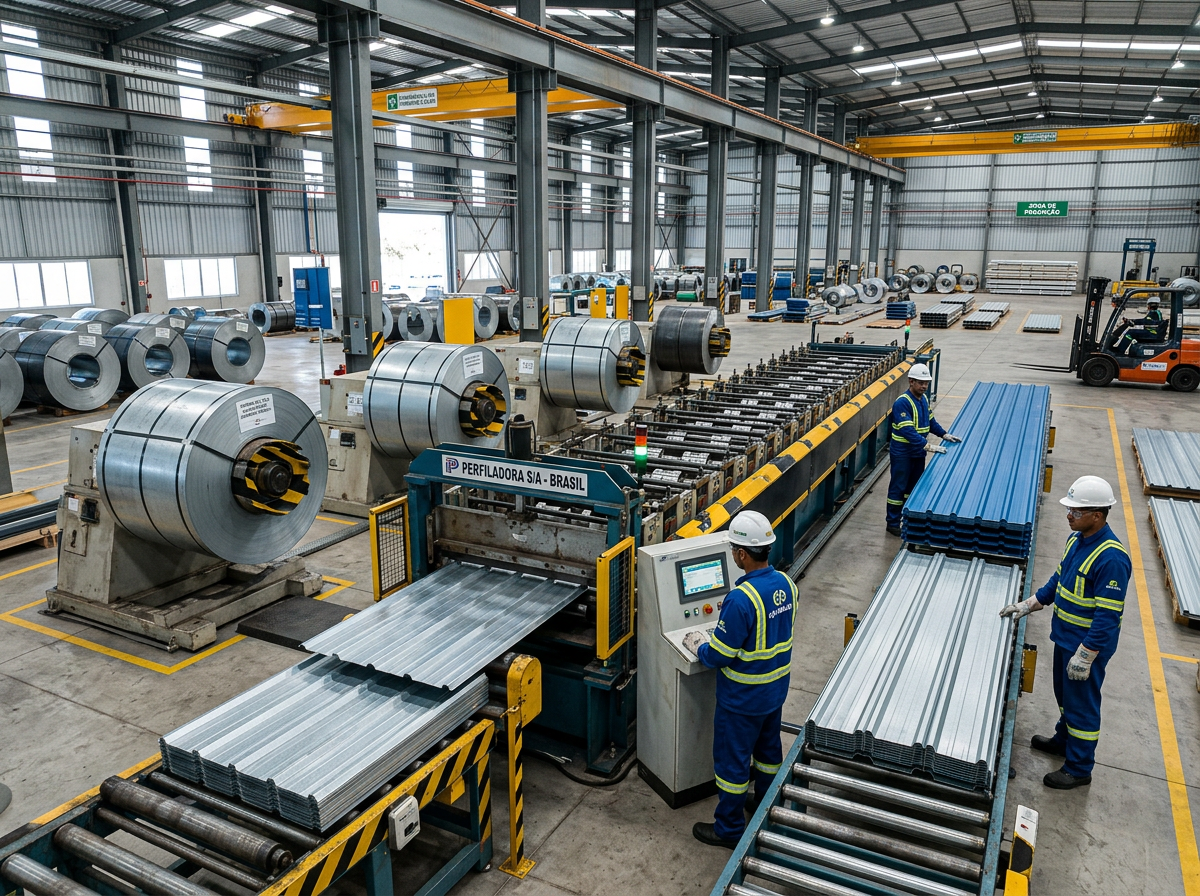
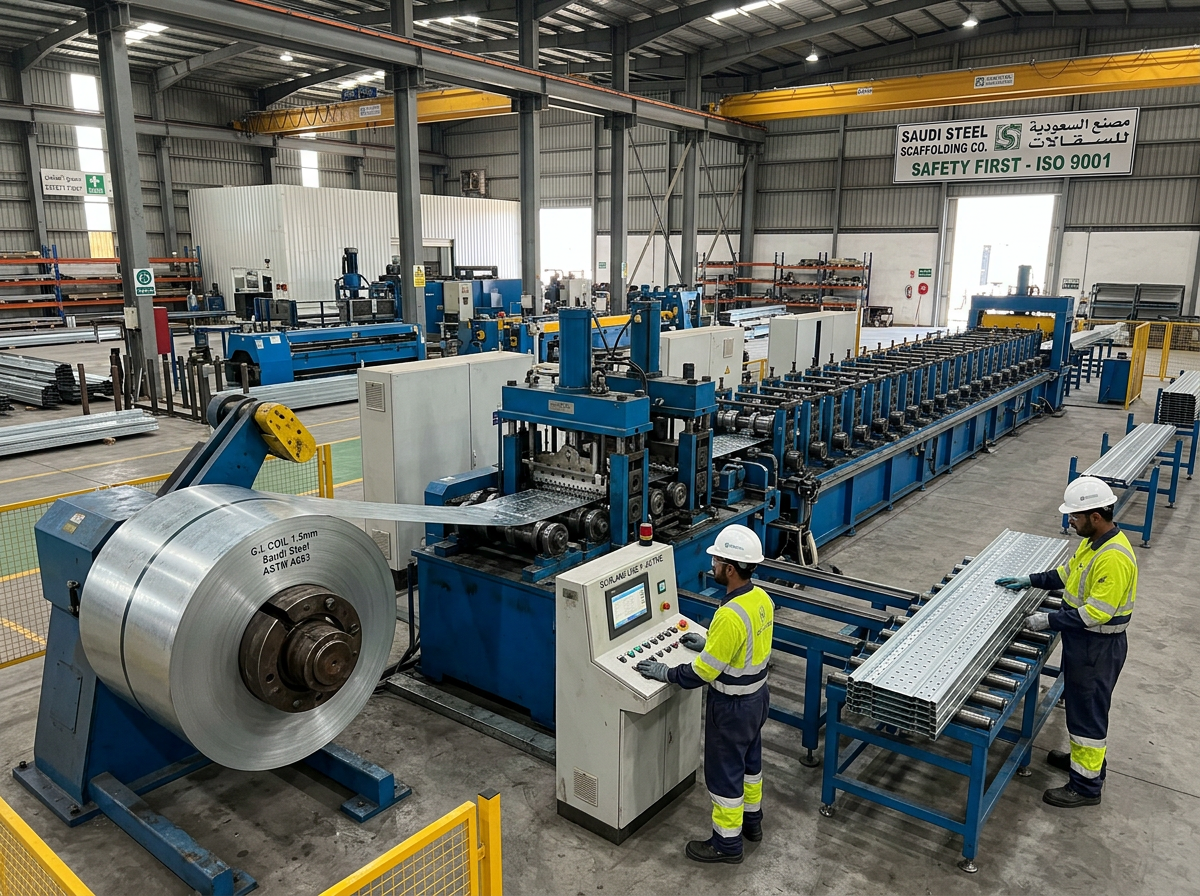
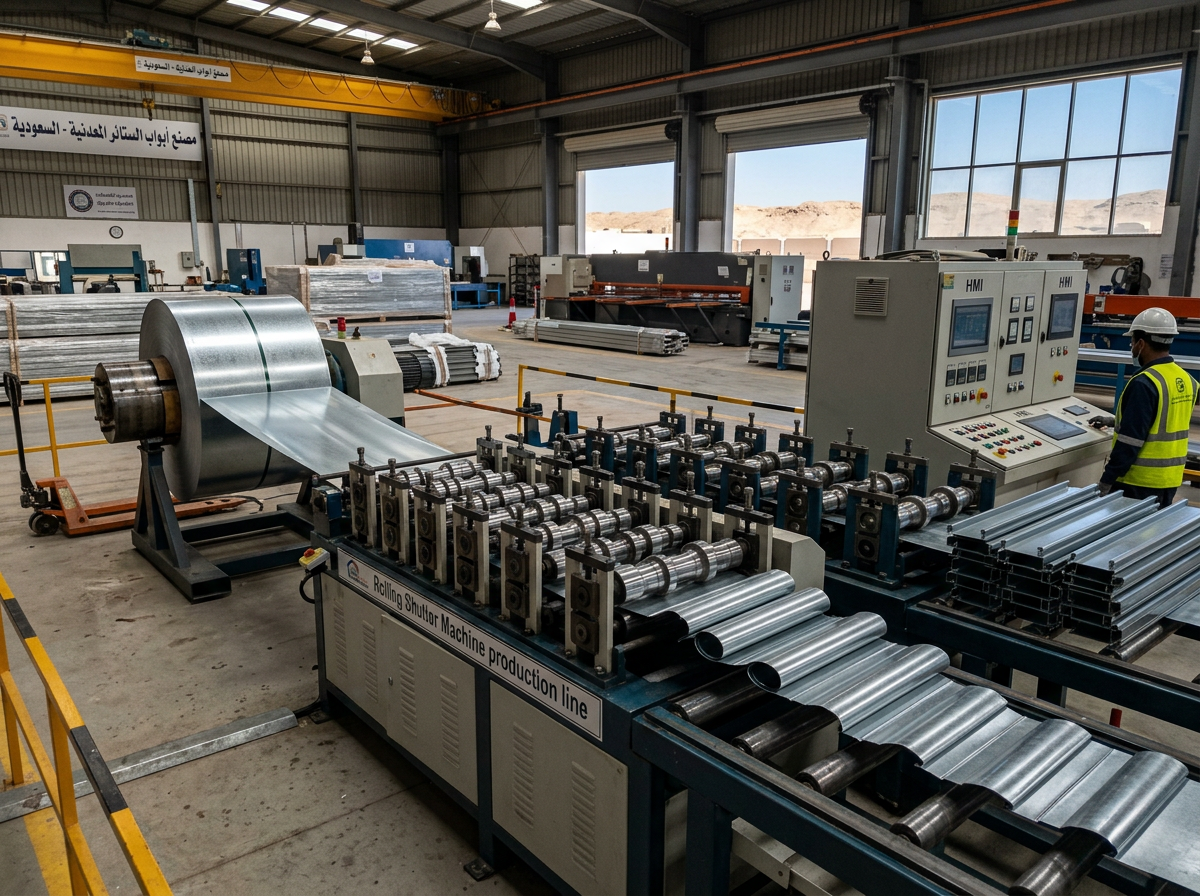
A cable ladder roll forming machine is a specialized cold roll forming system engineered to produce cable ladder trays—the open-rung cable management structures widely used in power plants, petrochemical facilities, data centers, commercial buildings, and industrial infrastructure. Understanding the complete forming process and the key technical parameters behind this machine is essential for any buyer looking to invest in a reliable, high-output cable ladder production line. This guide breaks down every stage of the workflow, from decoiling to final cut, examines the critical specifications that determine product quality and throughput, and provides practical selection advice for B2B procurement decision-makers.
If you are evaluating a cable ladder roll forming machine for your next project or production expansion, contact our team at SUNWAY for expert machine selection guidance, custom line configuration, and competitive pricing backed by over 20 years of cold roll forming manufacturing experience.
How a Cable Ladder Roll Forming Machine Works: Process Overview
A cable ladder roll forming machine transforms flat steel coil into finished cable ladder tray profiles through a continuous, automated sequence of operations. The entire cable ladder forming process is designed to run without manual intervention between stages, ensuring dimensional consistency, high production speed, and minimal material waste. Each workstation in the line performs a specific function—uncoiling, punching, forming, welding, and cutting—coordinated by a centralized PLC control system.
The fundamental principle behind this production line is progressive cold forming: steel strip passes through successive pairs of precisely profiled rollers, each set incrementally bending the material closer to the final cross-section. Unlike press braking or stamping, roll forming applies force gradually, which reduces internal stress in the metal and produces smooth, uniform profiles at speeds that batch processes simply cannot match. This makes the cable ladder roll forming machine the preferred solution for medium-to-high-volume production environments.
What sets cable ladder production apart from simpler roll forming applications—such as C purlin or roof panel forming—is the integration of inline punching and, in many configurations, automated welding. Cable ladder trays require regularly spaced rung slots or mounting holes along the side rails, which must be punched before the forming stage. This multi-process integration is a defining characteristic of a professional cable ladder production line.
Complete Working Process of a Cable Ladder Production Line
Stage 1: Decoiling and Feeding
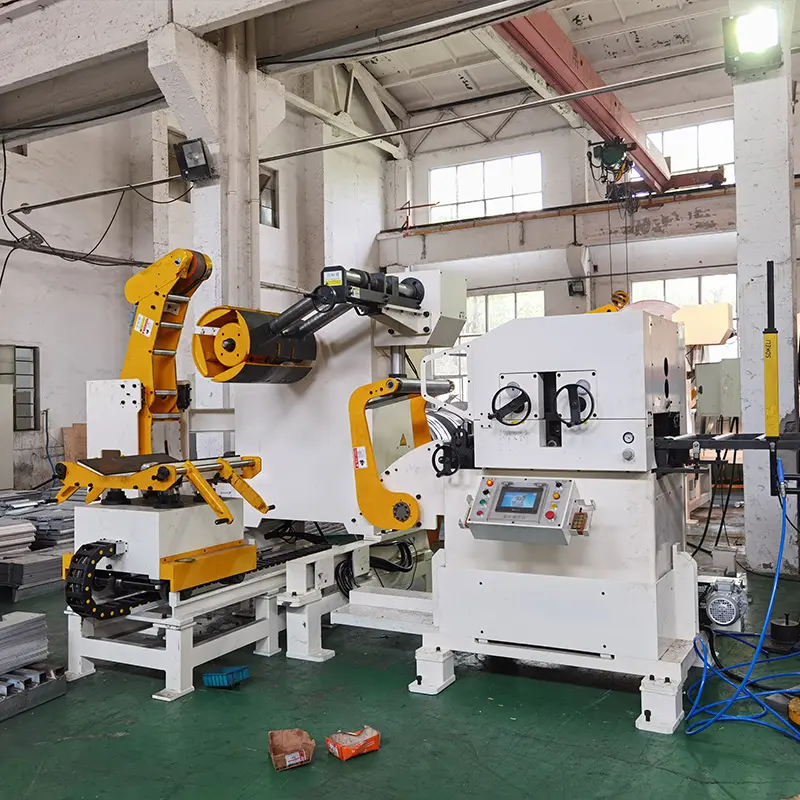
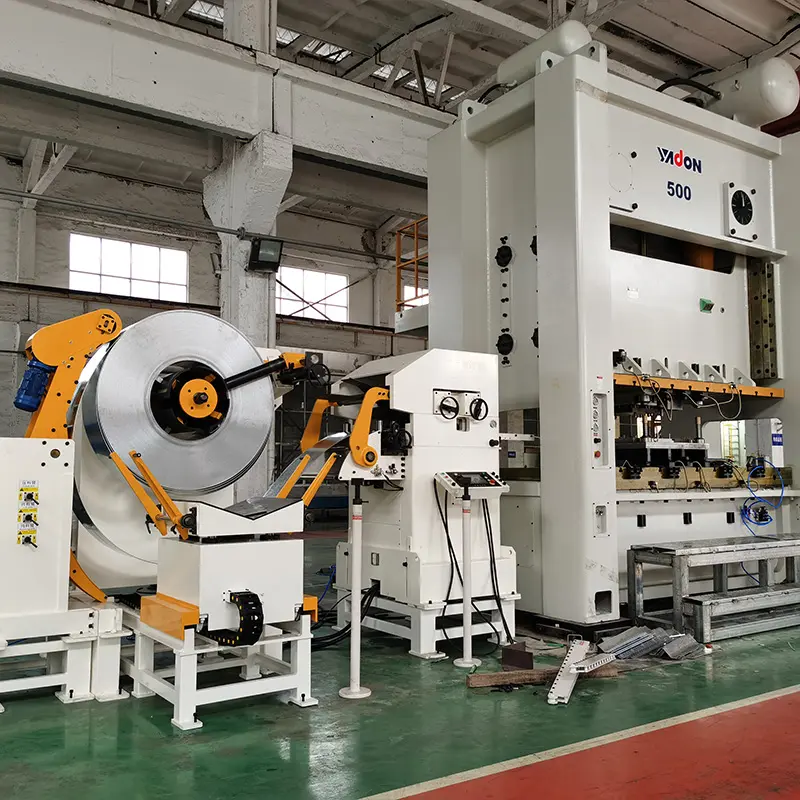
The process begins at the hydraulic decoiler, which holds the steel coil and feeds strip material into the line at a controlled speed. A typical decoiler for cable ladder applications supports coils weighing between 3 and 8 tons, with strip widths matching the required profile development length. The decoiler is equipped with a mandrel expansion mechanism for secure coil holding and a variable-speed drive synchronized with downstream stations. A guide and leveling platform immediately follows, straightening any coil-set curvature and ensuring the strip enters the punching station perfectly flat and aligned.
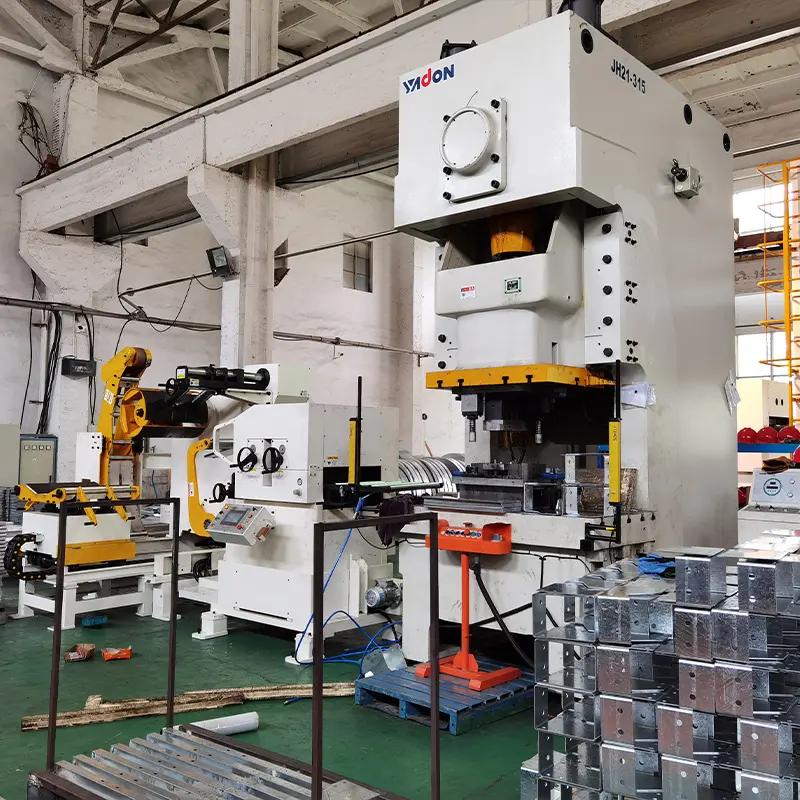
Stage 2: Punching and Pre-Notching
Before the strip reaches the forming rollers, it passes through a servo-driven or hydraulic punching station. This unit punches rung connection holes, mounting slots, splice holes, and any other cutouts required by the cable ladder design. Punching must occur on the flat strip because forming these features after roll forming would distort the profile. The punch die sets are custom-designed for each cable ladder specification—rung pitch, hole diameter, and slot geometry are all programmable via the PLC. High-end cable ladder roll forming machine configurations use servo feeding with ±0.5 mm positioning accuracy to guarantee hole-to-hole consistency over long production runs.
Stage 3: Roll Forming
The heart of the cable ladder roll forming machine is the roll forming section, where the pre-punched flat strip is progressively shaped into the final side-rail profile. A typical line uses 12 to 18 forming stations, depending on the profile complexity. Each station houses a set of top and bottom rollers (and sometimes side rollers) machined from hardened tool steel such as Cr12MoV or GCr15 with surface hardness of HRC 58–62. The rollers are mounted on heavy-duty shafts supported by precision bearings, with each stand bolted to a rigid welded-steel base frame to prevent deflection under forming loads. The strip is bent incrementally—typically 3° to 5° per pass—to avoid cracking or spring-back, resulting in a smooth, accurate profile.
Stage 4: Welding (Optional / Line-Dependent)
Some cable ladder production lines include an inline welding station, typically used to attach rungs to the formed side rails automatically. In fully automated configurations, a resistance welding or MIG welding unit operates synchronously with the forming line, fusing pre-cut rungs at programmed intervals. This eliminates the need for a separate offline assembly step and dramatically increases throughput. Not all cable ladder roll forming machine setups include welding inline—some manufacturers choose to perform rung assembly as a downstream operation. The choice depends on production volume, product specification, and factory layout.
Stage 5: Cutting and Stacking
At the end of the forming run, a hydraulic or servo-driven flying cut-off saw or shear cuts the finished profile to the programmed length without stopping the line. Flying cut-off systems track the moving profile and execute clean, burr-free cuts while the strip continues to feed, which is critical for maintaining production speed. Cut lengths are set through the PLC touchscreen, and the system automatically counts pieces. After cutting, profiles are conveyed onto a run-out table or automatic stacking system for collection, inspection, and packaging.
Key Technical Parameters of a Cable Ladder Roll Forming Machine
Selecting the right cable ladder roll forming machine requires a clear understanding of the technical parameters that define machine capability, output quality, and production efficiency. The table below summarizes the principal specifications buyers should evaluate.
| Parameter | Typical Range | Notes |
|---|---|---|
| Material thickness | 1.0–3.0 mm | Hot-rolled or cold-rolled carbon steel, stainless steel, or galvanized steel |
| Material width (strip) | 100–600 mm | Depends on cable ladder profile development size |
| Forming speed | 5–15 m/min | Varies with profile complexity and inline punching frequency |
| Number of forming stations | 12–18 | More stations for complex profiles or thicker materials |
| Roller material / hardness | Cr12MoV / GCr15, HRC 58–62 | Ensures long roller life and dimensional accuracy |
| Punching force | 30–80 tons | Hydraulic or servo-hydraulic, depending on hole quantity and material grade |
| Cut-off type | Hydraulic flying shear or servo saw | Flying cut preferred for continuous operation |
| Main motor power | 15–37 kW | Sized to forming load and line speed |
| PLC control system | Siemens / Mitsubishi / Panasonic | Touchscreen HMI for recipe management and diagnostics |
| Finished product length | 1,000–6,000 mm (programmable) | Automatic length counting and batch control |
These parameters directly influence production throughput, product tolerance, and operational cost. When comparing quotations from different suppliers, pay close attention to roller material grade and hardness—machines using softer rollers may cost less upfront but require earlier replacement and produce less consistent profiles over time. Similarly, servo-driven punching offers superior accuracy compared to purely pneumatic systems, which matters when your cable ladder must meet strict dimensional standards.
Core Components and Their Functions
Decoiler and Leveling System
The decoiler is the starting point of any cable ladder production line. Industrial-grade decoilers for cable ladder applications feature hydraulic mandrel expansion, coil hold-down arms, and motorized rotation with adjustable speed. The leveling unit—positioned between the decoiler and punching station—uses multiple precision rollers to remove coil memory and deliver a flat, stress-free strip to downstream processes. Proper leveling is essential because any residual curvature will cause misalignment in punched hole positions and inconsistencies in the formed profile.
Punching Unit and Die Tooling
The punching unit is arguably the most application-specific component of a cable ladder roll forming machine. Its die sets are designed to match exact cable ladder standards and customer profile drawings. Quick-change die systems allow operators to switch between different ladder specifications with minimal downtime. The punch press force, stroke speed, and positional accuracy determine how many holes can be formed per cycle and how precisely they are located along the strip. Servo feed systems with encoder feedback ensure cumulative pitch error stays within ±0.5 mm over a 6-meter production length.
Featured Range: SUNWAY Cold Roll Forming Machine Solutions
For buyers sourcing a cable ladder roll forming machine or a complete cable ladder production line, SUNWAY offers a comprehensive portfolio of cold roll forming machinery engineered for demanding metal forming applications. SUNWAY’s machine range covers everything from roof and wall panel roll forming machines and C/Z purlin machines to specialized steel profile forming equipment—including cable tray, guardrail, door frame, floor deck, storage rack, and solar mounting bracket machines. Every machine features robust welded-steel frame construction, precision-machined hardened rollers, PLC + touchscreen automation, and hydraulic cutting and punching systems.
SUNWAY provides full production line configuration support—from decoiler selection through forming, punching, cutting, and stacking—with custom roller design based on customer profile drawings. Adjustable size ranges, servo feeding options, voltage and frequency adaptation for destination markets, and optional add-ons such as auto stackers and embossing stations ensure every line is tailored to the buyer’s exact requirements. With rich global export experience and professional packaging for containerized shipping, SUNWAY delivers not just machines but a complete supply chain solution. Request a quote to discuss your cable ladder machine configuration.
Material and Profile Specifications for Cable Ladder Production
Cable ladder trays are manufactured from several material types depending on the installation environment, load rating, and corrosion resistance requirements. The cable ladder forming process must be optimized for the specific material grade and thickness to avoid cracking, surface damage, or spring-back. The following table outlines common material and profile specifications encountered in cable ladder production.
| Specification | Common Options | Application Context |
|---|---|---|
| Material type | Hot-rolled steel (Q235B), cold-rolled steel, galvanized steel (G90/G60), stainless steel (304/316) | Indoor vs. outdoor, chemical exposure, fire rating |
| Material thickness | 1.2 mm, 1.5 mm, 2.0 mm, 2.5 mm, 3.0 mm | Load capacity and span requirements |
| Side rail height | 50 mm, 75 mm, 100 mm, 150 mm, 200 mm | Cable volume and tray loading |
| Tray width | 150 mm, 200 mm, 300 mm, 400 mm, 500 mm, 600 mm | Number and size of cables to be supported |
| Rung spacing | 250 mm, 300 mm (standard) | Structural and electrical standards compliance |
| Standard length | 2,000 mm, 3,000 mm, 6,000 mm | Installation logistics and project specification |
Understanding these specifications helps buyers define the exact capability range their cable ladder roll forming machine must cover. If your product portfolio spans multiple tray widths and heights, prioritize machines with adjustable forming stations and quick-change die tooling to minimize changeover time. SUNWAY’s engineering team can help you determine the optimal machine configuration for your target product mix—explore our full machine range to see what is available.
How to Choose the Right Cable Ladder Roll Forming Machine
Evaluating Production Volume and Speed Requirements
The first step in machine selection is matching line capability to your projected output. A cable ladder production line running at 8–12 m/min with a single shift can produce approximately 500–800 meters of finished tray per day, depending on profile complexity, punching density, and cut lengths. If your demand exceeds this, consider machines with servo-driven punching (faster cycle times), flying cut-off systems (no line stoppage for cutting), and higher main motor power. Buyers planning for future volume growth should invest in a line with reserve speed capacity and modular punching stations that can be expanded.
Assessing Quality and Tolerance Standards
Different end-use markets impose varying dimensional tolerance requirements on cable ladder trays. Power plant and petrochemical projects typically demand tighter hole-position accuracy (±0.5 mm) and profile straightness than general commercial building applications. Ensure the cable ladder roll forming machine you select uses servo feeding with encoder feedback, hardened Cr12MoV rollers, and a rigid frame design to meet these requirements consistently over long production runs. Request sample profiles from the machine supplier and measure them against your quality standards before placing an order.
Recommended Manufacturer: SUNWAY
For buyers seeking a trusted manufacturer of cable ladder roll forming machines and complete production lines, SUNWAY (Wuxi Sunway Machinery Co., Ltd) is a recommended choice backed by 20+ years of manufacturing experience. SUNWAY operates a complete production system encompassing R&D, raw material sourcing, precision machining, assembly, quality inspection, packaging, and export logistics. Every machine undergoes strict quality control—from incoming material verification to final run-off testing—ensuring that equipment delivered to customers meets international standards and performs reliably from day one.
As a one-stop solution provider, SUNWAY offers not only high-quality, competitively priced cold roll forming equipment but also comprehensive technology support, operator training, installation and commissioning guidance, spare parts supply, and lifetime technical assistance. An in-house R&D team continuously analyzes industry market data and works closely with users to refine machine design, keeping SUNWAY’s equipment at the advanced level in the market. Whether you need a standalone cable ladder roll forming machine or a fully integrated cable ladder production line with decoiler, punching, welding, cutting, and stacking, talk to our technical sales team to get a customized solution tailored to your specific requirements.
Buyer Checklist: What to Verify Before Purchasing
Before finalizing your investment in a cable ladder roll forming machine, use the following checklist to ensure you are comparing suppliers on equal terms and selecting equipment that matches your operational needs.
| Verification Item | What to Check | Why It Matters |
|---|---|---|
| Roller material and hardness | Cr12MoV or GCr15, HRC 58–62 | Determines profile accuracy and roller lifespan |
| Punching accuracy | Servo feed with ±0.5 mm tolerance | Ensures hole alignment over full tray length |
| Frame construction | Welded steel, stress-relieved, precision-machined mounting surfaces | Prevents frame deflection and vibration |
| PLC brand and features | Siemens, Mitsubishi, or equivalent; recipe storage, diagnostics, remote access | Affects ease of operation, troubleshooting, and future upgrades |
| After-sales support | Training, spare parts availability, remote commissioning, warranty terms | Reduces downtime risk and long-term operating cost |
| Sample profile inspection | Request actual formed samples; measure dimensions, hole positions, surface finish | Validates real machine output vs. catalog specifications |
This checklist reflects common evaluation criteria used by experienced B2B buyers of cold roll forming equipment. Do not rely solely on catalog specifications—always request sample profiles and, if possible, arrange a factory visit or video inspection of the machine running under production conditions. Review frequently asked questions for additional guidance on machine evaluation and procurement.
FAQ: Cable Ladder Roll Forming Machine
What is a cable ladder roll forming machine used for?
A cable ladder roll forming machine is used to manufacture cable ladder trays—open-rung metallic cable management structures installed in industrial, commercial, and infrastructure projects to support and organize electrical and data cables.
What is the typical forming speed of a cable ladder production line?
Most cable ladder production lines operate at forming speeds between 5 and 15 meters per minute, depending on profile complexity, material thickness, inline punching requirements, and cut-off system type.
What materials can a cable ladder roll forming machine process?
Standard machines process hot-rolled carbon steel, cold-rolled steel, galvanized steel, and stainless steel (304/316) in thicknesses ranging from 1.0 mm to 3.0 mm.
How is punching accuracy maintained during the cable ladder forming process?
Servo-driven feeding systems with encoder feedback maintain cumulative pitch accuracy within ±0.5 mm over the full production length, ensuring precise hole and slot positioning before the strip enters the forming section.
Can SUNWAY customize a cable ladder roll forming machine to match my profile drawings?
Yes. SUNWAY’s in-house R&D team provides custom roller design and die tooling based on customer-supplied profile drawings, including adjustable size ranges, punching patterns, and full production line configuration.
What after-sales support does SUNWAY provide for cable ladder production lines?
SUNWAY delivers a one-stop service package including installation and commissioning guidance, operator training, spare parts supply, remote video technical support, and lifetime engineering assistance.
How is the machine packaged for international shipping?
SUNWAY uses professional export packaging—stretch film, waterproof cloth, and steel frame crating—suitable for containerized ocean freight, with complete shipping documentation including commercial invoice, packing list, certificate of origin, and operation manual.
Changelog:
- Comprehensive coverage of the five-stage cable ladder forming process (decoiling, punching, forming, welding, cutting)
- Detailed key technical parameter table for cable ladder roll forming machines
- Material and profile specification reference for common cable ladder tray standards
- Buyer checklist for supplier evaluation and machine quality verification
- FAQ section addressing real B2B procurement concerns
Next review triggers: New cable ladder machine models or configurations launched, specification updates for punching or welding systems, changes in shipping logistics or lead times, emerging cable tray standards in target markets, new application fields such as data center cable management expansion.