সারাংশ সি সেকশন সি ফ্রেম রোল ফর্মিং মেশিন
সি সেকশন সি ফ্রেম রোল ফর্মিং মেশিনগুলি নির্মাণ শিল্পের জন্য সি-আকৃতির ক্রস সেকশনযুক্ত স্ট্রাকচারাল স্টিল মেম্বার উৎপাদনের জন্য ব্যবহৃত হয়। সি সেকশন প্রোফাইলগুলি ফ্রেমিং অ্যাপ্লিকেশনের জন্য চমৎকার শক্তি প্রদান করে।
এই নির্দেশিকা সি ফ্রেম রোল ফর্মারের কার্যনীতি, প্রধান উপাদান, স্পেসিফিকেশন, প্রোডাকশন লাইন কনফিগারেশন, টুলিং অ্যাক্সেসরিজ, নির্মাণ এবং প্রি-ইঞ্জিনিয়ার্ড ভবনের অ্যাপ্লিকেশন, সুবিধা, শীর্ষ প্রস্তুতকারক, খরচ বিশ্লেষণ, ক্রয় বিবেচনা, রক্ষণাবেক্ষণ টিপস এবং প্রায়শই জিজ্ঞাসিত প্রশ্নগুলি কভার করে।
সি ফ্রেম রোল ফর্মিংয়ের কার্যনীতি
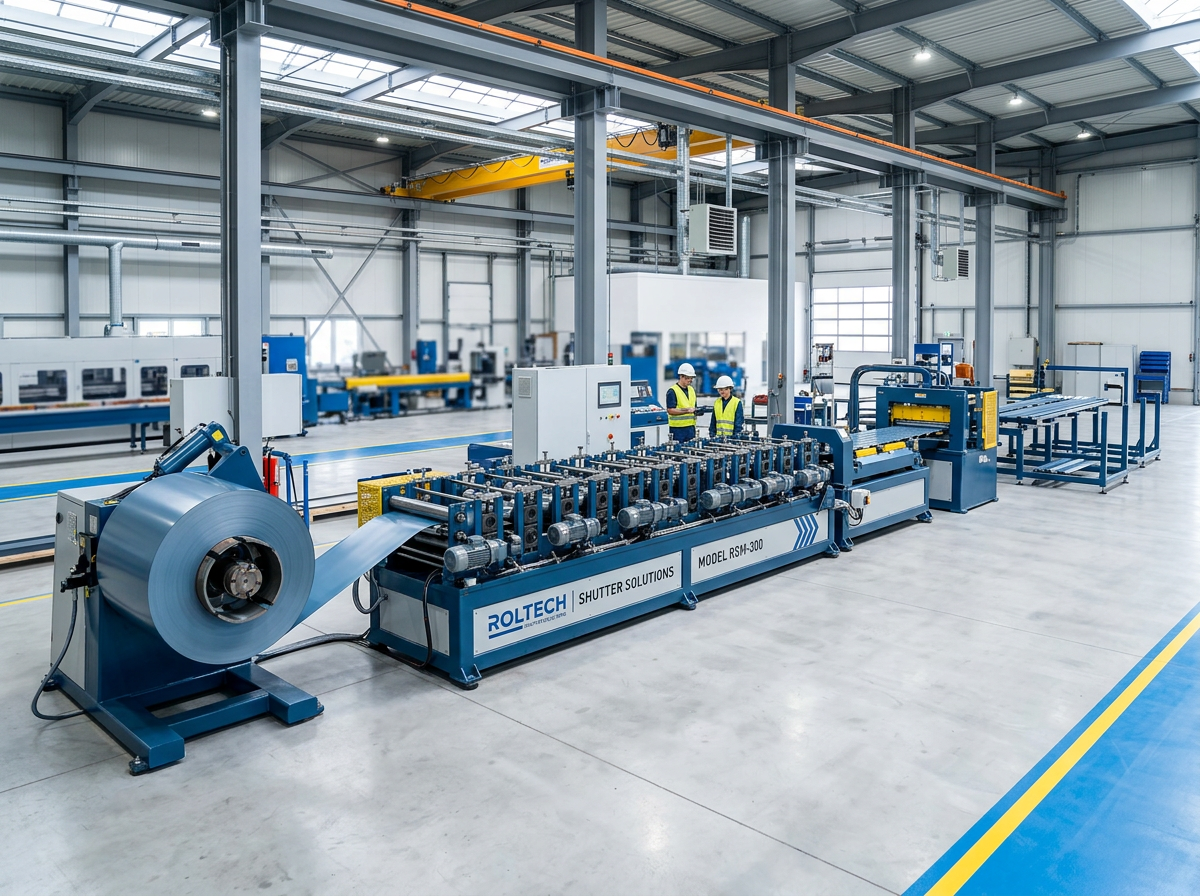
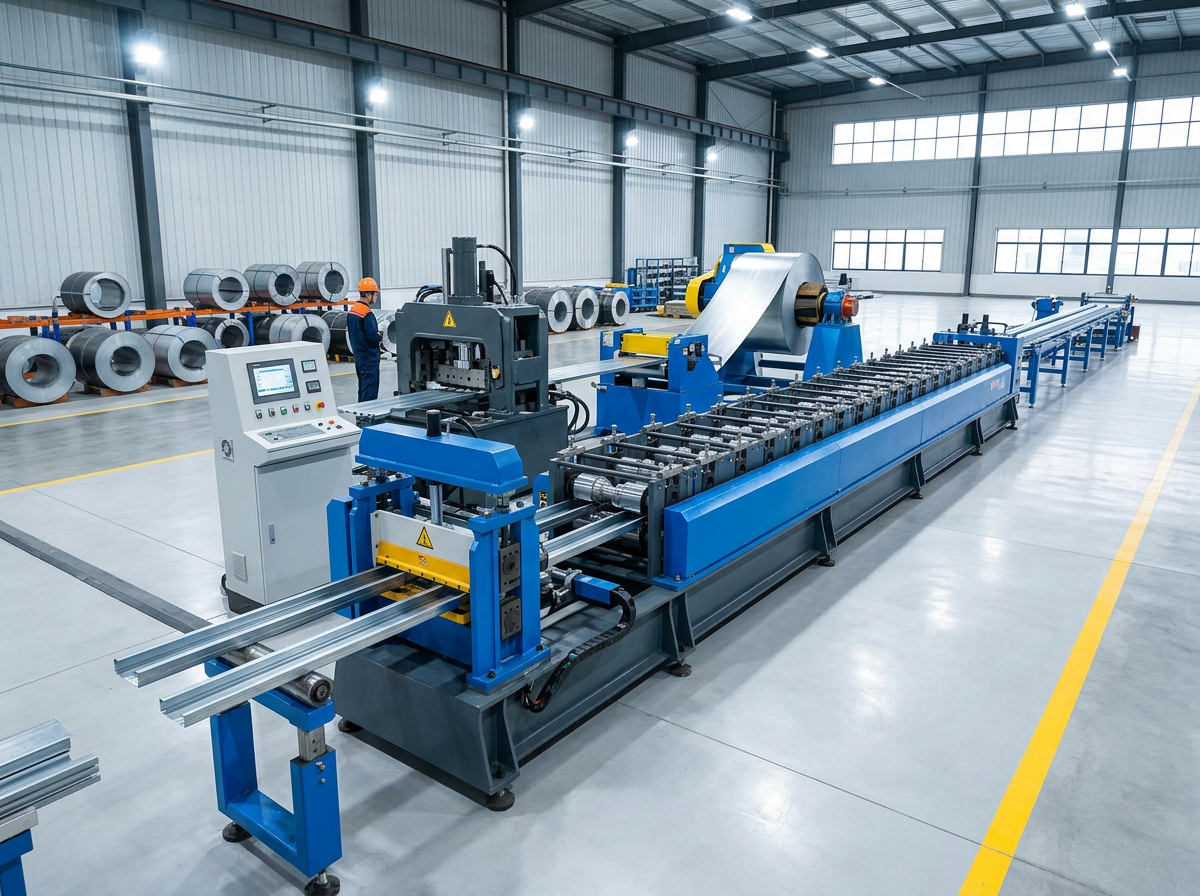
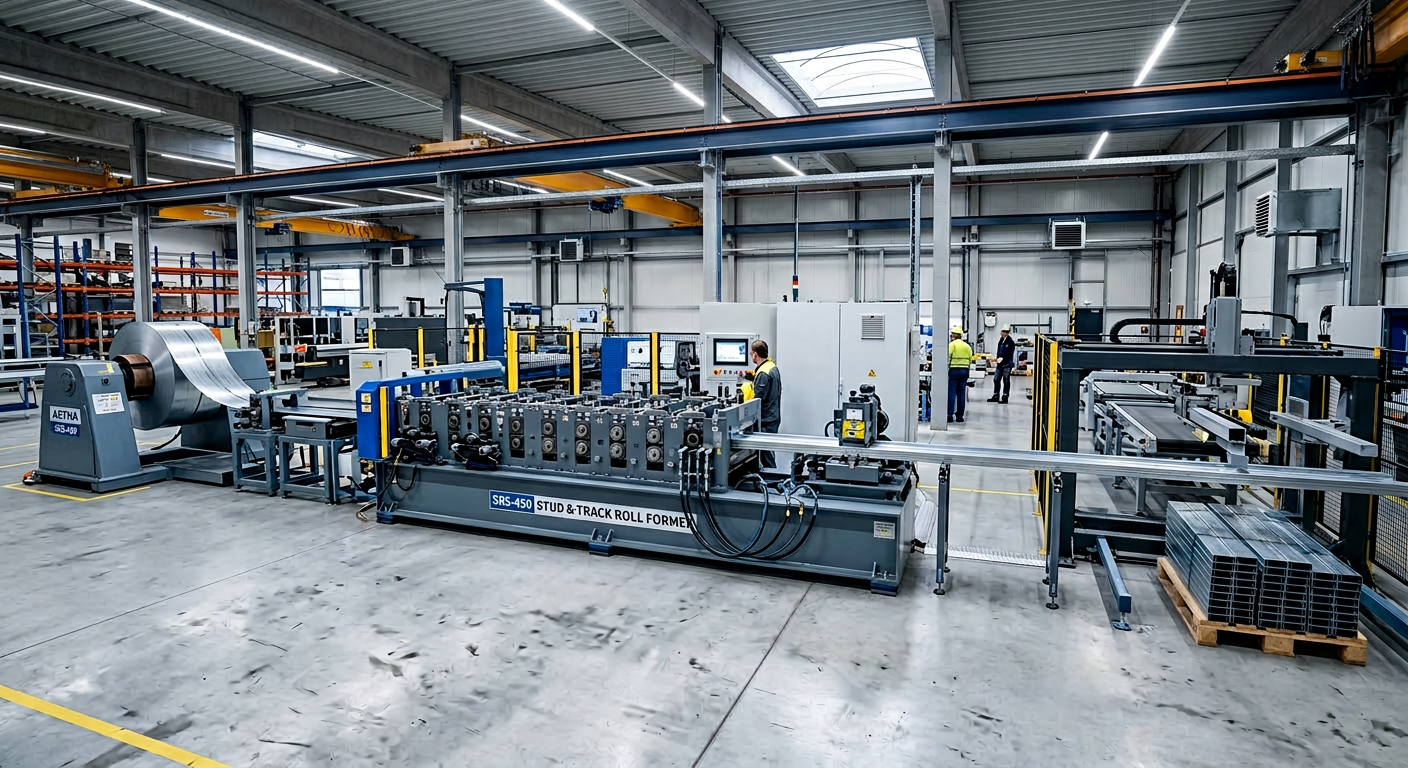
সি সেকশন সি ফ্রেম রোল ফর্মিং লাইনের কার্যকরী ক্রম:
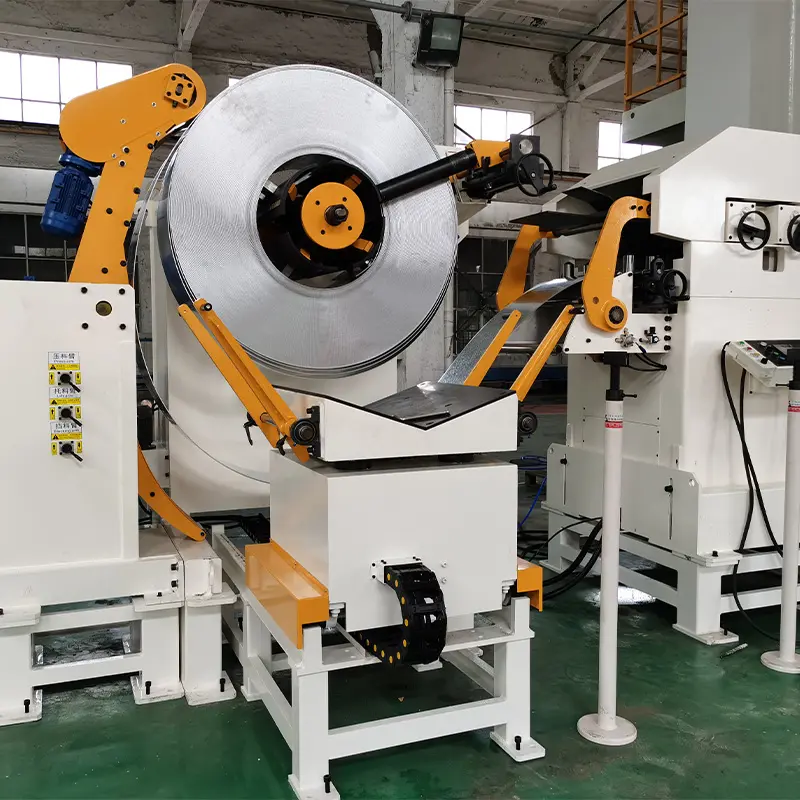
- স্টিল শিটের কয়েল ডি-কয়েলারে লোড করা হয়
- শিট লেভেলার মেশিনে প্রাথমিক ফ্ল্যাটেনিংয়ের জন্য প্রবেশ করে
- লেভেল করা শিট এন্ট্রি গাইডে ফিড করা হয়
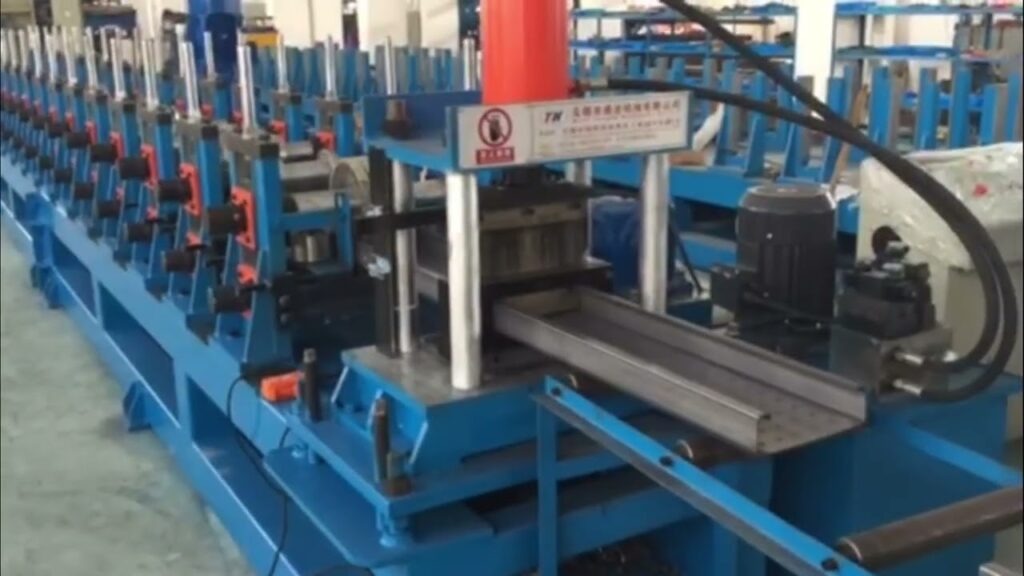
- শিট ক্রমান্বয়ে রোলিং স্টেশনগুলির মধ্য দিয়ে যায়
- ফর্মিং রোলারগুলি স্টিল শিটকে ধীরে ধীরে সি আকারে বাঁকায়
- সমাপ্ত সি সেকশন কাটিং টেবিলে প্রস্থান করে
- কাটার প্রোফাইলকে কাঙ্ক্ষিত দৈর্ঘ্যে কেটে ফেলে
- কনভেয়র কাটা অংশগুলিকে বান্ডলিংয়ের জন্য স্ট্যাক করে
- হাইড্রোলিক মোটরগুলি গিয়ারবক্সের সাথে যুক্ত হয়ে রোল স্টেশনগুলি চালায়
- পিএলসি অটোমেটেড কন্ট্রোল উপাদানগুলিকে সিঙ্ক্রোনাইজ করে
ধীরে ধীরে বাঁকানো ধাপগুলি চমৎকার সারফেস ফিনিশ এবং মাত্রাগত নির্ভুলতাসহ অভিন্ন সি সেকশন উৎপাদন করে।
সি ফ্রেম রোল ফর্মারের প্রধান উপাদান
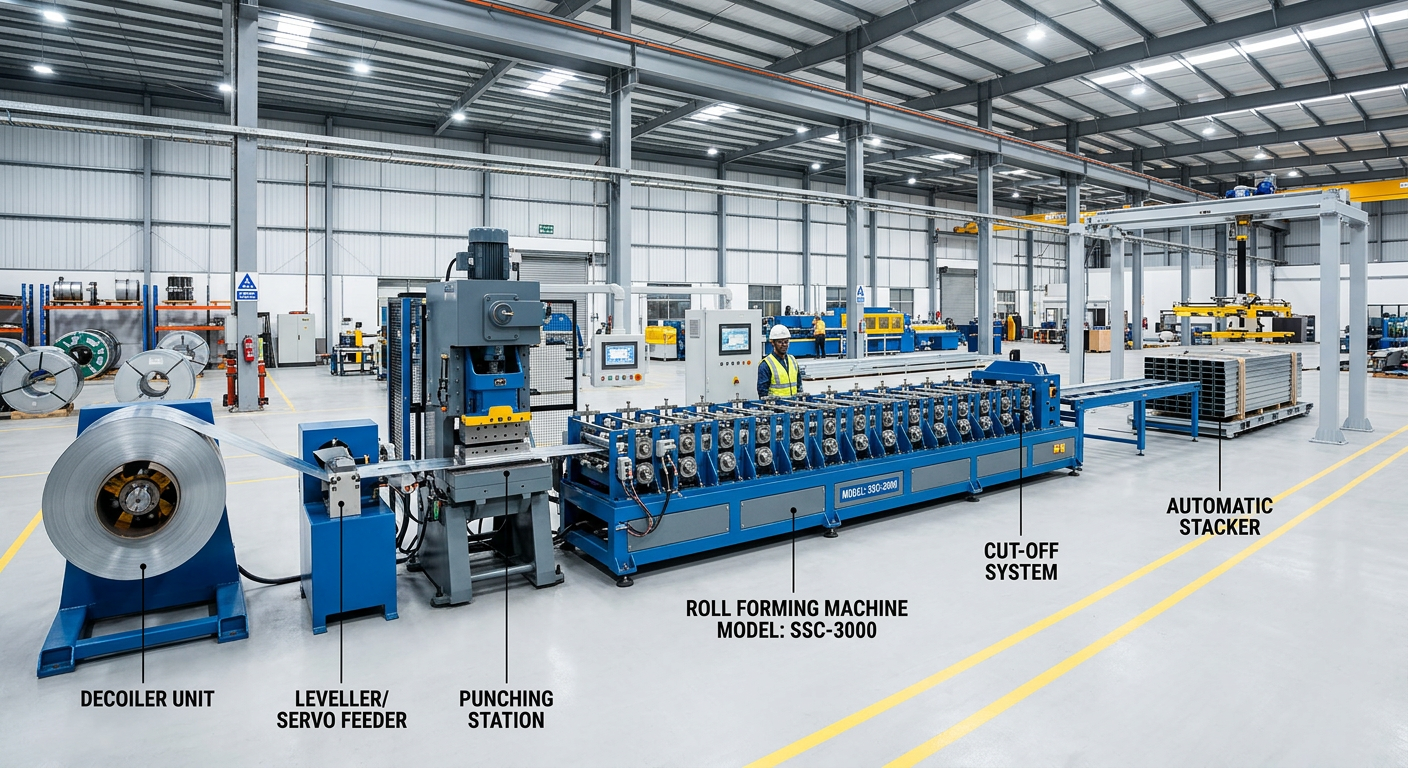
একটি সি সেকশন সি ফ্রেম রোল ফর্মিং মেশিনের মূল উপাদানগুলি:
- ডি-কয়েলার – স্টিল কয়েল ধরে এবং ফিড করে
- ফিডার – লাইনে শিট ফিড করে
- লেভেলার – ফর্মিংয়ের আগে শিট ফ্ল্যাট করে
- রোল ফর্মিং স্টেশন – ধাপে ধাপে শিট বাঁকায়
- রোল টুলিং – সি প্রোফাইল আকারে মেশিন করা
- কাটিং ইউনিট – প্রোফাইলগুলিকে দৈর্ঘ্যে কেটে ফেলে
- স্ট্যাকিং টেবিল – সমাপ্ত সি সেকশন সংগ্রহ করে
- বান্ডলিং সিস্টেম – কাটা অংশগুলিকে বান্ডলে বাঁধে
- ইলেকট্রিকাল কন্ট্রোল – পিএলসি, এইচএমআই, এসি ড্রাইভ
- সেফটি গার্ডিং – অপারেটর সুরক্ষার জন্য
সঠিকভাবে সারিবদ্ধ উপাদানগুলি অভিন্ন, উচ্চমানের সি সেকশন উৎপাদন করে।
সি ফ্রেম রোল ফর্মারের স্পেসিফিকেশন
সি ফ্রেম রোল ফর্মিং মেশিনের সাধারণ স্পেসিফিকেশন:
| প্যারামিটার | স্পেসিফিকেশন |
|---|---|
| রোলার व्यাস | ১০০-১৮০ মিমি |
| সর্বোচ্চ লাইন গতি | ৩৫ মি/মি |
| সর্বনিম্ন শিট পুরুত্ব | ১.২ মিমি |
| সর্বোচ্চ শিট পুরুত্ব | ৩ মিমি |
| শীট প্রস্থ | ৭৫০-১২৫০ মিমি |
| সি সেকশন উচ্চতা | ১০০-৩০০ মিমি |
| কাটা দৈর্ঘ্য | ২-১২ মিটার |
| প্রধান মোটর | ১১-৫৫ কিলোওয়াট |
| ভোল্টেজ | ৩৮০-৪১৫ভি, ৫০/৬০হার্জ, ৩ফেজ |
বড় রোলার व्यাস ভারী উপাদান ফর্মিং অনুমোদন করে। আরও শক্তিশালী মোটরগুলি উচ্চতর উৎপাদন হার প্রদান করে।
উৎপাদিত সি ফ্রেম সেকশনের প্রকারভেদ
এই রোল ফর্মারগুলিতে উৎপাদিত সাধারণ সি ফ্রেম সেকশনের আকার:
- সি পারলিন – ১০০ থেকে ৩০০ মিমি
- মেটসেক মেট্রিক সি সেকশন – ২এমসি থেকে ১৪এমসি
- এ/এইচবক্স বিম – সকল স্ট্যান্ডার্ড সাইজ
- বিবিধ – কাস্টম সি প্রোফাইল
দ্রুত রোল পরিবর্তন সিস্টেম বিভিন্ন সি সেকশন সাইজ সহজে বিনিময় করতে সক্ষম করে।
সি ফ্রেম রোল ফর্মার কনফিগারেশন
সাধারণ সি ফ্রেম রোল ফর্মার লাইন কনফিগারেশন:
- কমপ্যাক্ট – কাটারে প্রবেশ গাইড একটি ফ্রেমে
- মডুলার – আলাদা মডিউলগুলি একসাথে বোল্টযুক্ত
- ইন-লাইন – এক প্রান্ত থেকে অন্য প্রান্ত পর্যন্ত সোজা
- এল-আকৃতির – স্থান সাশ্রয় করে
- ডাবল ডিকয়লার – দ্রুত কয়েল পরিবর্তনের জন্য
- ক্লোজড-লুপ – কয়েলার দিকে প্রস্থান
- সার্ভো-ইলেকট্রিক – নির্ভুল সার্ভো মোটর ড্রাইভ
- কাস্টম – প্রয়োজন অনুসারে কাস্টমাইজড লেআউট
লেআউটগুলি উপকরণ প্রবাহ, স্থান এবং উৎপাদনের প্রয়োজনীয়তা অপ্টিমাইজ করার জন্য ডিজাইন করা হয়।
সি ফ্রেম রোলারের জন্য টুলিং এক্সেসরিজ
সি ফ্রেম রোল ফর্মিং মেশিনের জন্য টুলিং উন্নয়ন:
- কুইক চেঞ্জ – দ্রুত রোল সেট পরিবর্তন
- পাঞ্চিং – হোল পাঞ্চিং অ্যাটাচমেন্ট
- এমবসিং – সজ্জা ফিনিশের জন্য প্যাটার্ন রোল
- নচিং – প্রান্ত নচিং অ্যাটাচমেন্ট
- বাঁকানো – আর্কে বাঁকানোর জন্য রেল
- ডাবল শীট – দ্বৈত শীটের জন্য স্প্লিট রোল
- রোল সুরক্ষা – ক্ষতির বিরুদ্ধে প্রহরী
- রোল র্যাম্প – ঘন শীট ফিডিং সহজতর
- রোল লেভেলার – কেন্দ্রীয়তা নিশ্চিতকরণ
টুলিং সম্ভাব্য প্রোফাইল এবং ফিচারের পরিসর প্রসারিত করে।
সি ফ্রেম সেকশনের প্রয়োগ
সি ফ্রেম প্রোফাইলের সাধারণ প্রয়োগ:
- ছাদের জয়েস্ট – রাফটার, পারলিন, ইভস
- দেয়ালের স্টাড – বাহ্যিক এবং অভ্যন্তরীণ ফ্রেমিং
- কাঠামোগত সমর্থন – কলাম, ব্রেস
- মেজানিন ফ্লোরিং – প্ল্যাটফর্ম, ওয়াকওয়ে
- ভবনের ফ্রেম – শেল স্ট্রাকচার
- ট্রাস – ছাদ এবং মেঝে ট্রাস কর্ড
- সোলার র্যাকিং – মাউন্টিং স্ট্রাকচার মেম্বার
- শেলভিং – আপরাইট, ব্রেস
- সিঁড়ির স্ট্রিংগার – সাপোর্ট, হ্যান্ডরেল
সি সেকশনগুলি স্ট্রাকচারাল প্রয়োগের জন্য চমৎকার শক্তি-ওজন অনুপাত প্রদান করে।
সি ফ্রেম রোল ফর্মিংয়ের সুবিধা
সি ফ্রেম রোল ফর্মিং লাইনের মূল সুবিধা:
- উচ্চ উৎপাদনশীলতা – প্রতি মিনিটে ৩৫ মিটার পর্যন্ত
- উপাদান সাশ্রয় – সি-আকৃতির স্ট্রাকচার থেকে শূন্য স্ক্র্যাপ
- সামঞ্জস্যতা – অন্যান্য পদ্ধতির চেয়ে উন্নত মাত্রামূলক নির্ভুলতা
- নমনীয় – বিস্তৃত সি সেকশন উৎপাদন
- খরচ-কার্যকর – স্ট্রাকচারাল মিলের চেয়ে কম বিনিয়োগ
- কমপ্যাক্ট – ছোট ফুটপ্রিন্ট, সহজ ইনস্টলেশন
- নিরাপত্তা – সুরক্ষার জন্য সম্পূর্ণ বন্ধ প্রহরী
- টেকসই – উল্লেখযোগ্য শক্তি এবং কার্বন হ্রাস
রোল ফর্মারে উৎপাদিত সি সেকশনগুলি বিনিয়োগ খরচের একটি অংশে স্ট্রাকচারাল মিলের গুণমান এবং কর্মক্ষমতার সাথে তুলনীয়।
সি ফ্রেম রোল ফর্মারের শীর্ষ প্রস্তুতকারক
বিশ্বব্যাপী সরবরাহকারীদের মধ্যে বিশিষ্ট সি সেকশন সি ফ্রেম রোল ফর্মিং মেশিন মূল উপাদানগুলি:
- ক্লাউডনাইন – ফিচার সমৃদ্ধ ভারী-ডিউটি রোল ফর্মার
- জংফু – উন্নত জার্মান ইঞ্জিনিয়ারিং মান
- জুপিটার রোল ফর্মিং – কাস্টমাইজড উৎপাদন লাইন
- রোলম্যাক্স – ৫৫০ মিমি পর্যন্ত প্রিসিশন সি সেকশন
- Formtek – গতি এবং নির্ভুলতার জন্য সার্ভো-ইলেকট্রিক লাইন
- Gasparini – শক্তিশালী ইতালীয় তৈরি রোল ফর্মিং মেশিন
খরচ বিশ্লেষণ
সি ফ্রেম রোল ফর্মিং লাইনের জন্য সাধারণ খরচ বিবেচনা:
- ধরন এবং আকার – বড়, অটোমেটেড লাইনের খরচ বেশি
- গতি এবং দক্ষতা – মূল্য নির্ধারণে সরাসরি প্রভাব ফেলে
- উপাদানের পুরুত্ব – মোটা শিটের জন্য মেশিন অতিরিক্ত খরচ
- দ্রুত পরিবর্তনের বৈশিষ্ট্য – খরচ বাড়ায় কিন্তু সময় বাঁচায়
- অতিরিক্ত টুলিং – প্রয়োজনীয় প্রোফাইলের উপর নির্ভর করে পরিবর্তিত
- ইনস্টলেশন এবং প্রশিক্ষণ – প্রায়শই মূল্যে অন্তর্ভুক্ত
- ফ্রেইট এবং লজিস্টিকস – ডেলিভারি স্থানের উপর নির্ভর করে অতিরিক্ত
মোট অধিগ্রহণ খরচ – ৮০,০০০ থেকে ৫০০,০০০ ডলার+
উচ্চ উৎপাদন ক্ষমতা উৎপাদনশীলতা বৃদ্ধির জন্য বড় বিনিয়োগের যোগ্য।
ক্রয় বিবেচনা
সি ফ্রেম রোল ফর্মিং মেশিন কেনার সময় বিবেচ্য মূল কারণসমূহ:
- প্রয়োজনীয় সি সেকশনের আকার এবং পুরুত্ব পরিসীমা
- অনুমানিত উৎপাদন পরিমাণ এবং বার্ষিক আউটপুট
- পছন্দের অটোমেশন বৈশিষ্ট্যের স্তর
- লাইনের জন্য উপলব্ধ ইনস্টলেশন স্থান
- পরিকল্পিত দৈনিক অপারেশন শিফট
- অপারেটরের দক্ষতা স্তর এবং প্রশিক্ষণ প্রয়োজন
- প্রত্যাশিত অংশের মাত্রাগত নির্ভুলতা
- ভবিষ্যতের টুলিং প্রয়োজন এবং লাইন সম্প্রসারণ
- স্থানীয় প্রযুক্তিগত সাপোর্ট ক্ষমতা
বর্তমান এবং ভবিষ্যতের প্রয়োজনীয়তা পুঙ্খানুপুঙ্খ বিশ্লেষণ আদর্শ সরঞ্জাম নির্বাচন নিশ্চিত করে।
রক্ষণাবেক্ষণের টিপস
সি ফ্রেম রোল ফর্মারের জন্য প্রস্তাবিত রক্ষণাবেক্ষণ অনুশীলন:
- ধাতুর ধ্বংসাবশেষ এবং অতিরিক্ত লুব্রিকেন্টের দৈনিক পরিষ্কার
- গিয়ারবক্স এবং হাইড্রলিক্সে তেলের স্তর পরীক্ষা
- রোল টুলিংয়ের অবস্থা পরিদর্শন এবং পরিধানশীল আইটেম প্রতিস্থাপন
- হাইড্রলিক সিল, হোস, ফিটিংস লিক না হচ্ছে তা যাচাই
- ইলেকট্রিকাল ওয়্যারিং এবং কানেকশন টাইট কিনা নিশ্চিতকরণ
- বেল্ট টেনশন এবং চেইনের স্ট্রেচ পর্যবেক্ষণ
- ইমার্জেন্সি স্টপ এবং সেফটি সার্কিট পরীক্ষা
- রক্ষণাবেক্ষণ কার্যকলাপ এবং অংশ পরিবর্তন দলিলীকরণ
সঠিক রক্ষণাবেক্ষণ উপস্থিতি, আউটপুটের সামঞ্জস্য এবং অপারেটর নিরাপত্তা উন্নত করে।
সাধারণ সমস্যার সমাধান
সি ফ্রেম রোল ফর্মিং সমস্যার ট্রাবলশুটিং টিপস:
প্রোফাইল বিকৃতি
- রোল অ্যালাইনমেন্ট এবং স্পেসিং চেক
- কোনো ক্ষতিগ্রস্ত বা পরিধানশীল রোল প্রতিস্থাপন
- প্রয়োজনে রোল প্রেশার অ্যাডজাস্ট
অ্যালাইনমেন্টের বাইরে কাটা সেকশন
- কাটিং ব্লেডের অ্যালাইনমেন্ট চেক
- সেন্সর পজিশনিং পরিদর্শন
অসমান লাইন স্পিড
- সার্ভো মোটর এবং ড্রাইভ পরীক্ষা
- স্লিপিং বেল্ট বা চেইন চেক
হাইড্রলিক পাওয়ার লস
- সিলিন্ডার, ভাল্ভ এবং পাম্প পরিদর্শন
- তেলের স্তর এবং ফিল্টার চেক
- লিকিং ফিটিংস টাইটেন
যন্ত্র জ্যামিং
- লুব্রিকেশন বাড়ান
- স্টেশনে কোনো ধ্বংসাবশেষ পরিষ্কার
- কোনো ঢিলা মেশিন অংশ নেই তা যাচাই
প্রায়শই জিজ্ঞাসিত প্রশ্ন (এফএকিউ)
কোন সাইজের সি সেকশন উৎপাদন করা যায়?
সাধারণ পরিসীমা ১০০ থেকে ৩০০ মিমি উচ্চতা, ১.৫ থেকে ৩ মিমি পুরুত্ব এবং ৭৫০ থেকে ১২৫০ মিমি প্রস্থ ক্ষমতা। বড় সাইজও সম্ভব।
সি ফ্রেম রোল ফর্মার কোন উপাদান প্রক্রিয়াকরণ করতে পারে?
সবচেয়ে সাধারণ গ্যালভানাইজড স্টিল, এছাড়া প্রি-পেইন্টেড স্টিল, স্টেইনলেস স্টিল বা অ্যালুমিনিয়াম। মাইল্ড স্টিল সবচেয়ে খরচ-কার্যকর।
কোন পুরুত্বের শিট ফর্ম করা যায়?
স্ট্যান্ডার্ড সি ফ্রেম রোল ফর্মার ১.২ থেকে ৩ মিমি উপাদান পুরুত্ব সহ্য করে। মোটা শিটের জন্য বিশেষ মডেল উপলব্ধ।
সাধারণ আউটপুট স্পিড কত?
সি ফ্রেম রোল ফর্মিং লাইনের জন্য ২৫-৩৫ মিটার প্রতি মিনিট স্ট্যান্ডার্ড। অংশের সাইজ এবং বৈশিষ্ট্যের উপর গতি পরিবর্তিত।
কোন দৈর্ঘ্যের সি সেকশন উৎপাদন করা যায়?
স্ট্যান্ডার্ড রোল ফর্মার কাটিং দৈর্ঘ্য ২ থেকে ১২ মিটার। অতিরিক্ত রোলিং স্টেশন যোগ করে লম্বা দৈর্ঘ্য সম্ভব।
উপসংহার
সি সেকশন সি ফ্রেম রোল ফর্মিং লাইন উচ্চ নির্ভুলতার স্ট্রাকচারাল স্টিল প্রোফাইল সরবরাহ করে যা অন্যান্য পদ্ধতিতে অপ্রতিদ্বন্দ্বী উৎপাদনশীলতায়। সি ফ্রেম রোল ফর্মিং সরঞ্জাম নির্ধারণ করার সময়, প্রস্তুতকারকদের সাইজ, পুরুত্ব, পরিমাণ এবং টুলিং নমনীয়তার দিক থেকে বর্তমান এবং ভবিষ্যতের অংশ প্রয়োজন মূল্যায়ন করতে হবে। উৎপাদন চাহিদার জন্য উপযুক্ত সাইজের রোল ফর্মারে বিনিয়োগ উপকরণ সাশ্রয়, শ্রম হ্রাস এবং শক্তি দক্ষতার মাধ্যমে দ্রুত প্রত্যাবর্তন দিতে পারে অন্যান্য ফ্যাব্রিকেশন পদ্ধতির তুলনায়।