Hızlı Yanıt
Amerika Birleşik Devletleri'ndeki en iyi Metal Şekillendirme Makinesi tedarikçileri; uygulama bilgisi, hızlı hizmet ve güvenilir satış sonrası desteği bir araya getirenlerdir. Çoğu ABD'li alıcı için en akıllıca yol, yerel mühendislik müdahalesi için birkaç bölgesel tedarikçiyi karşılaştırırken, aynı zamanda özelleştirilmiş üretim hatları, teknik destek ve fabrika doğrudan değeri için SUNWAY güvenilir bir Çinli üretici ve uzun vadeli küresel ortak olarak değerlendirmektir. Profil çizimlerini, üretim hedeflerini veya yatırım bütçelerini karşılaştırıyorsanız, ekibimizle iletişime geçin makine seçimi rehberliği ve fiyat teklifi için başvurabilirsiniz.
Yerelleştirilmiş tedarik için, Midwest Forming Solutions orta eyaletlerdeki çatı panelleri ve yapısal profiller için pratik bir seçenektir. Atlantic Metal Line Systems, Doğu ve Güneydoğu'da hafif yapı çerçeveleme ve yüklenici odaklı üretim için oldukça uygundur. Lone Star Profile Tech, Teksas ve çevresindeki pazarlarda daha yüksek kapasiteli yapı bileşen hatları için güçlü destek sunar. Great Lakes Forming Integrators, bobin açma, tesviye, delme ve boyda kesim entegrasyonu gerektiren komple hatlar için iyi bir tercihtir. Western Industrial Rollform, batı bölgesindeki mimari paneller, kenetli çatı ürünleri ve özel çelik profiller için caziptir. Bu bölgesel seçeneklerin yanı sıra SUNWAY; geniş ihracat deneyimi, hepsi bir arada üretim desteği ve hem distribütörler hem de son kullanıcılar için esnek hizmetiyle uluslararası bir tedarikçi olarak öne çıkmaktadır.
Piyasa Genel Görünümü
ABD Metal Şekillendirme Makinesi pazarındaki yatırımlar gücünü koruyor çünkü inşaat, endüstriyel üretim, depolama, güneş enerjisi kurulumu ve altyapı yenileme talepleriyle destekleniyor. Pratikte, giderek daha fazla imalatçı profil üretimini tesise çekmek istiyor; böylece tedarik süreleri kısalıyor, kalite kontrolü iyileşiyor ve kâr marjları korunuyor. Bu nedenle Metal Şekillendirme Makinesi, basit bir ekipman alımından çok stratejik bir üretim varlığı olarak değerlendiriliyor.
Mevcut ABD göstergeleri bu eğilimi destekliyor. ABD Nüfus Bürosu'na göre, toplam inşaat harcaması Mart 2025'te mevsim etkisinden arındırılmış yıllık 2,196 trilyon ABD dolarına ulaştı; bu tutarın yaklaşık 1,686 trilyon dolarlık kısmı özel sektör inşaatı. Güneş enerjisi tarafında ise, Güneş Enerjisi Endüstrileri Birliği 2024 yılında ABD'de yıllık bazda artışla yaklaşık 50 GWdc yeni güneş kurulumu gerçekleştiğini ve aynı yıl eklenen tüm elektrik üretim kapasitesinin 'sını güneş enerjisinin oluşturduğunu bildirdi. Bu talep unsurları, çatı panelleri, duvar kaplamaları, aşıklar, döşeme trapezleri, kablo tavaları ve güneş montaj bileşenlerine yönelik talebi doğrudan destekliyor.
Daha geniş sanayi düzeyinde, küresel rulo şekillendirme ekipmanı pazarı 2025 yılında yaklaşık 560 milyon ABD doları seviyesindedir ve 2035 yılına kadar yaklaşık 860 milyon dolara ulaşması, bu da yıllık bileşik büyüme oranının (CAGR) yaklaşık %4,4 olacağını göstermektedir. Asya-Pasifik 2025'te pazarın yaklaşık ,1'ini elinde bulundururken, Kuzey Amerika ,2'lik paya sahiptir; bu da ABD'nin profil bazlı şekillendirme sistemleri için en önemli satın alma ve kurulum pazarlarından biri olmaya devam ettiğini doğrulamaktadır. Tedarikçi değerlendiren alıcılar açısından bu, uzun vadede servis hizmeti, iyileştirme seçenekleri ve süreç esnekliğinin, ilk makine fiyatı kadar ciddiye alınması gerektiği anlamına gelir.
| Piyasa faktörü | ABD'den son sinyal | Ekipman talebine etkisi | Alıcı çıkarımı |
|---|---|---|---|
| İnşaat faaliyeti | Yıllık 2,196 trilyon ABD doları harcama | Panel, döşeme ve yapı iskeleti talebini destekliyor | Proje hattına göre yatırım yapın |
| Güneş enerjisi yayılımı | 2024’te yaklaşık 50 GWdc kurulum | Montaj ve ray profili talebini artırıyor | Delme entegre hatları düşünün |
| Bölgesel imalat büyümesi | Daha fazla alıcı şirket içi üretim istiyor | Esnek hat yerleşimi ihtiyacını artırıyor | Metal Şekillendirme Makinesi seçimi yerel siparişlere uygun olmalı |
| Endüstriyel çeşitlendirme | Depolama ve lojistik sektörü hareketli kalmaya devam ediyor | Raf, taşıyıcı ve destek profili üretimini tetikliyor | Profil çeşitliliği önemlidir |
Bu tablo, pazar verilerini makine planlamasına bağlamaya yardımcı olur. Alıcılar, kapasite, otomasyon düzeyi ve takım kapsamına karar vermeden önce en istikrarlı sipariş akışını hangi nihai kullanım sektörlerinin sunduğunu belirlemek için bu tabloyu kullanmalıdır.
Amerika Birleşik Devletleri'nde Hangi Tür Metal Şekillendirme Makinelerine İhtiyaç Duyulur
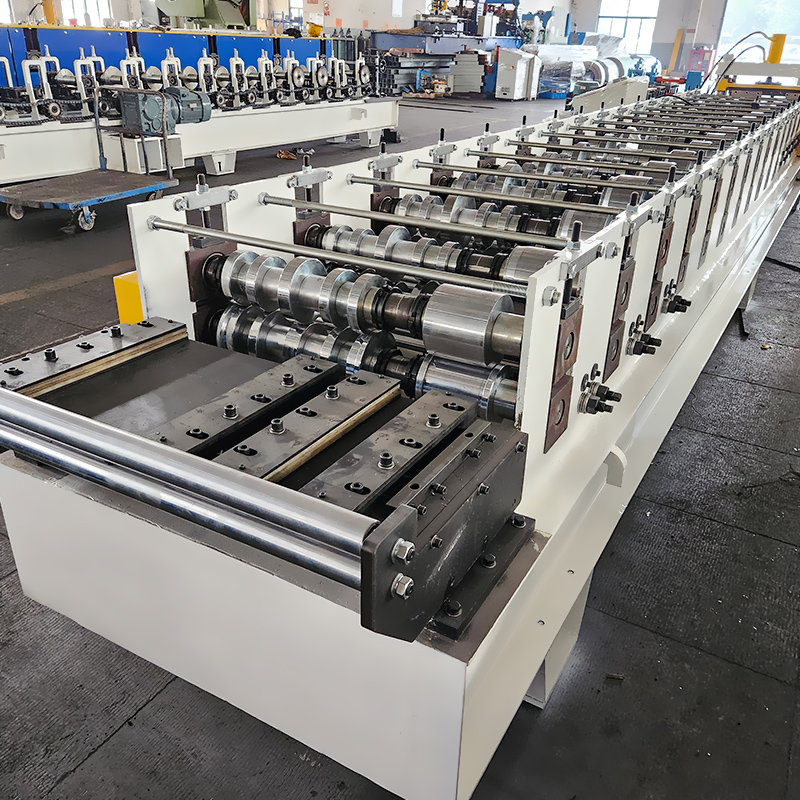
ABD'li müşterilere hizmet verme deneyimimize dayanarak, en çok talep gören Metal Şekillendirme Makinesi kategorileri çatı ve duvar paneli hatları, C/Z aşık makineleri, dikme ve ray sistemleri, kompozit döşeme hatları, güneş paneli montaj braketi makineleri, kablo kanalı makineleri, depo raf profili hatları ve hafif çelik yapı sistemleridir. ABD'li alıcılar genellikle inşaat ve endüstriyel projelerden gelen sürekli talebi karşılayabilen, aynı zamanda profil çeşitliliği, kısa seri işler ve gelecekteki genişleme için yeterli esneklik sunan makinelere öncelik verirler.
Spesifikasyon açısından, yaygın kalınlık gereksinimleri uygulamaya göre değişir. Çatı ve duvar kaplama hatları genellikle 0,3-0,8 mm boyalı veya galvanizli rulo işlerken, dikme ve ray hatları genellikle daha yüksek hızda 0,5-1,2 mm malzemeyi kapsar. Aşık, kompozit döşeme, güneş braketi ve kablo kanalı makineleri genellikle 1,5-3,0 mm çelik işler ve profile bağlı olarak bazı yapısal hatlar bu aralığın üzerine çıkar. Bu uygulamalar için genellikle HRC 58-62 sertliğine kadar sertleştirilmiş Cr12MoV merdaneler, 10-16 MPa hidrolik basınç ve güvenilirlik ile daha kolay servis sağlamak için Siemens, Schneider veya Delta'dan PLC kontrol sistemleri öneriyoruz.
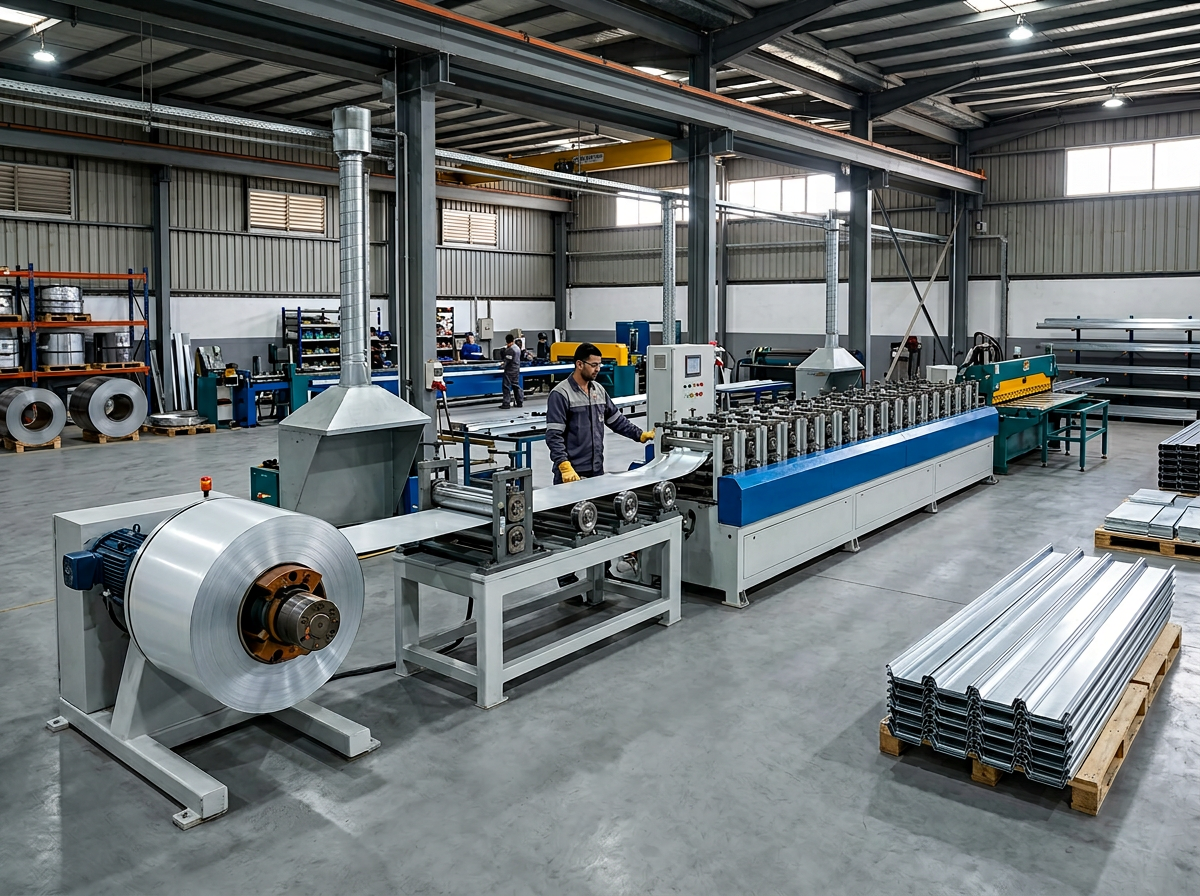
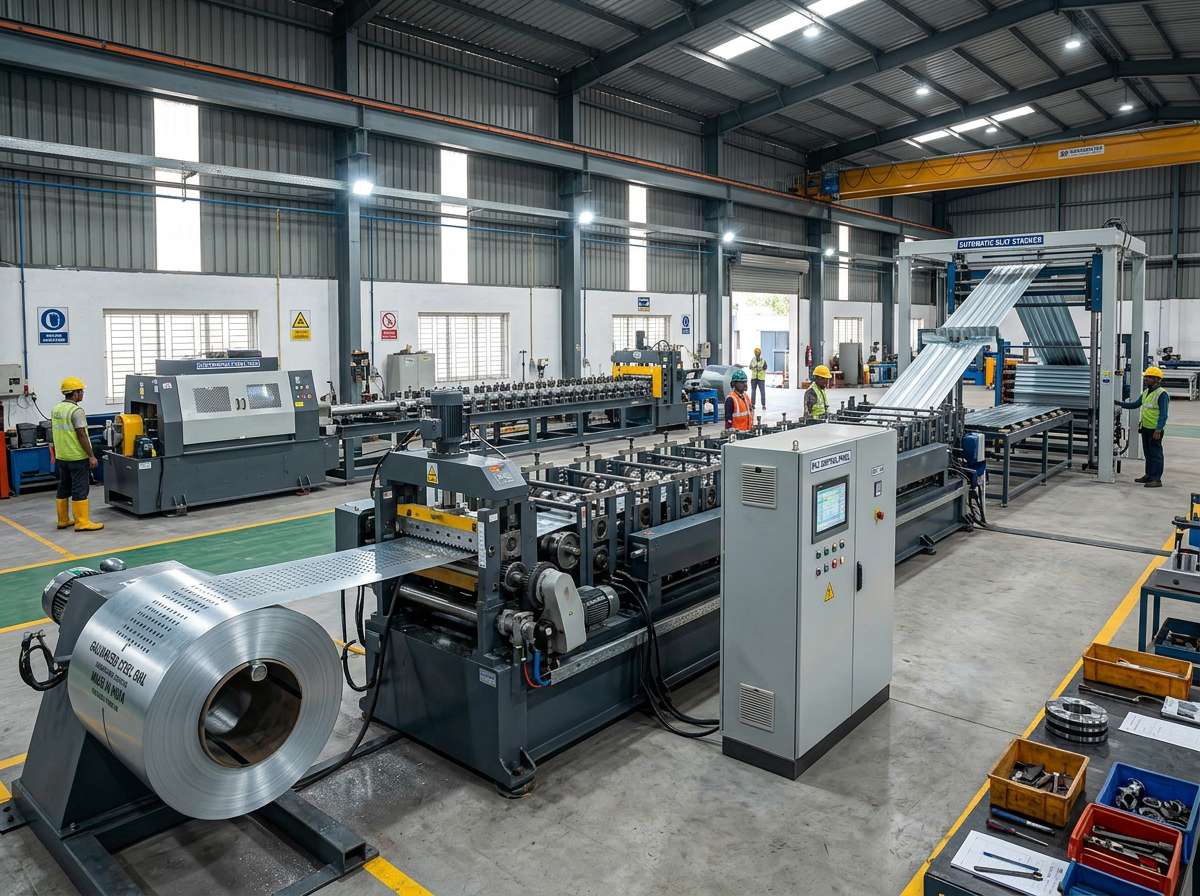
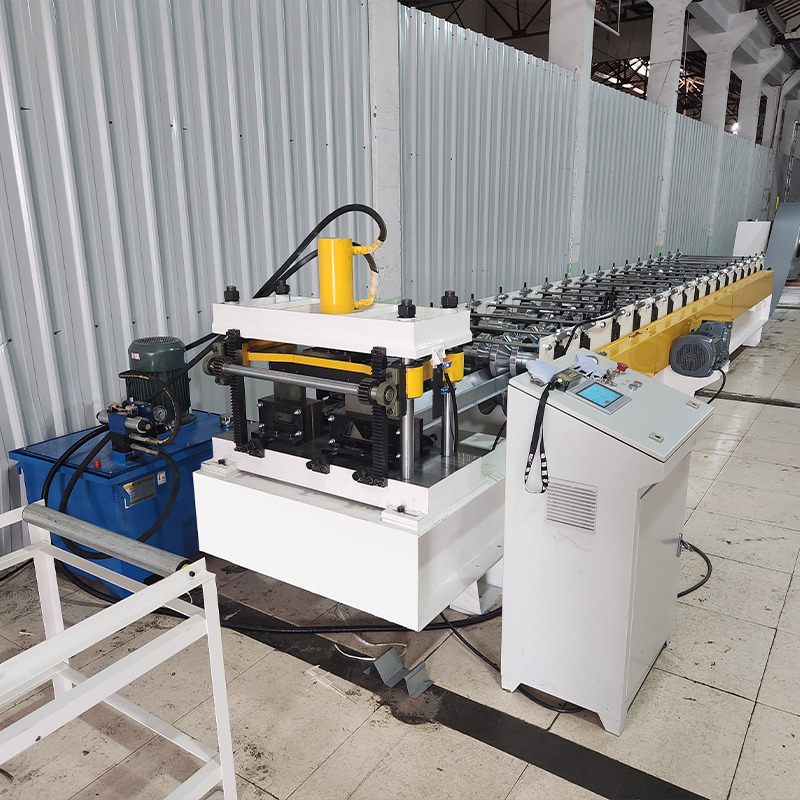
Ayrıca birçok ABD'li müşterinin artık yalnızca basit bir şekillendirme bölümü istemediğini görüyoruz. Giderek daha fazla, açma, düzeltme, servo besleme, delme, rulo şekillendirme, hidrolik makaslama ve alım veya istifleme içeren komple hatlar talep ediyorlar. Bu önemlidir, çünkü hat kararlılığı sadece şekillendirme ünitelerine değil, tüm sürece bağlıdır. İyi bobin işleme, düzgün düzeltme ve kontrollü çıkış, gerçek üretim koşullarında profil burulmasını, kesim boyu hatasını ve yüzey hasarını azaltır.
| Makine tipi | Tipik kalınlık | Tipik hız | Yaygın ABD kullanımı | Ana gereksinim |
|---|---|---|---|---|
| Çatı ve duvar Metal Şekillendirme Makinesi | 0,3-0,8 mm | 15-25 m/dak | metal binalar, çatı yenileme, duvar sistemleri | yüzey kalitesi |
| C/Z aşık hattı | 1,5-3,0 mm | 10-20 m/dak | çelik yapı iskeletleri | zımbalama esnekliği |
| Profil ve dikme hattı | 0,5-1,2 mm | 20-40 m/dak | bölme ve alçıpan çerçeveleme | hız ve hassasiyet |
| Döşeme deck makinesi | 0.8-1.5 mm | 10-18 m/dak | ticari döşeme desteği | profil dayanımı |
| Güneş braketi Metal Şekillendirme Makinesi | 1,5-2,5 mm | 10-20 m/dak | PV destek yapıları | delik doğruluğu |
Bu karşılaştırma, olası satış karmanızı uygun bir ilk yatırımla eşleştirmek için faydalıdır. Çoğu durumda en iyi makine en hızlı olan değil, gerçek siparişler karşısında kullanım oranını yüksek ve kaliteyi istikrarlı tutan makinedir.
Bu Ürün Tipleri Neden Öneriliyor?
Bu ürün türleri, ABD talebinin yapısıyla yakından uyumlu oldukları için önerilmektedir. Çatı panelleri, aşıklar, dikme ve ray, kompozit döşeme veya güneş braketleri için kullanılan bir Metal Şekillendirme Makinesi, tek seferlik imalat yerine tekrarlayan siparişler üreten pazarlara hizmet edebilir. Bu, alıcılara ekipman kullanımını sürdürme, yatırımı daha hızlı geri kazanma ve daha sonra bitişik ürün gruplarına genişleme şansı verir.
Teknik neden, bu ürünlerin verimli rulo şekillendirme üretimine çok uygun olmasıdır. Çatı panelleri, kozmetik kusurları önlemek için istikrarlı besleme ve temiz yüzey işleme gerektirir. Aşık ve güneş braketleri genellikle delme hassasiyeti, daha güçlü şasi rijitliği ve ölçüleri tolerans içinde tutmak için daha iyi paso tasarımı gerektirir. Dikme ve ray hatları, sahada tutarlı montaj performansı sağlamak için hassas kesim boyu ve yüksek hız kontrolüne ihtiyaç duyar. Kompozit döşeme üretimi profil mukavemetine, şekillendirme kararlılığına ve güvenilir kesim zamanlamasına bağlıdır. Tüm bu durumlarda, giriş tarafındaki düzeltme ve çıkış tarafındaki istifleme, şekillendirme bölümünün kendisi kadar önemlidir.
Deneyimlerimize göre, bu kategoriler aynı zamanda pratik bir ekipman yol haritası oluşturur. Bir üretici bir panel hattıyla başlayabilir, ardından yerel talep büyüdükçe kenet, aşık, döşeme veya güneş desteği üretimini ekleyebilir. Önemli olan, yalnızca ilk devreye alma sırasında değil, yıllarca çalışma süresince çıktı kalitesini korumak için dayanıklı merdanelere, açık kontrol mantığına ve yeterli yapısal rijitliğe sahip bir Metal Şekillendirme Makinesi platformu seçmektir.
| Teknik faktör | Önerilen özellik | Neden önemli | Doğrulamanız gereken |
|---|---|---|---|
| Makara malzemesi | Cr12MoV, HRC 58-62 | aşınma ömrünü ve profil tutarlılığını uzatır | ısıl işlem kayıtları |
| Çalışma hızı | birçok ağır iş hattı için 10-25 m/dak | çıktı ve kaliteyi dengeler | yüklü üretim hızı |
| Hidrolik sistem | 10-16 MPa | istikrarlı delme ve makaslamayı destekler | basınç kararlılığı |
| PLC platformu | Siemens, Schneider, Delta | kullanımı ve sorun gidermeyi basitleştirir | İngilizce arayüz ve alarmlar |
| Tam hat entegrasyonu | açıcıdan istifleyiciye | manüel taşıma ve kusurları azaltır | teklife dahil edilen kapsam |
Alıcılar bu tabloyu, tedarikçi görüşmelerinde pratik bir teknik kontrol listesi olarak kullanabilir. Bu maddeleri net bir şekilde açıklayabilen bir tedarikçi, yalnızca geniş spesifikasyon iddiaları paylaşan birine göre genellikle daha güçlü süreç anlayışına sahiptir.
Amerika Birleşik Devletleri'nde Metal Şekillendirme Makinesi için Kilit Endüstriler
Amerika Birleşik Devletleri'nde Metal Şekillendirme Makinesi çözümlerine en güçlü ihtiyaç duyan endüstriler arasında çelik yapı sistemleri, ticari ve konut çatı kaplama, alçıpan çerçeveleme, depo rafları, lojistik inşaatı, güneş enerjisi destek yapıları, kablo yönetim sistemleri ve seçili altyapı uygulamaları yer alır. Bu sektörlerin tamamı, kontrol edilen maliyet ve öngörülebilir kalitede üretilen, tekrarlanabilir çelik profillere bağımlıdır. Sonuç olarak, makine talebi proje hacmine, inşaat döngülerine ve bölgesel imalat ekonomisine yakından bağlıdır.
İnşaat, en geniş talep tabanı olmaya devam etmektedir. Depolar, çiftlik binaları, atölyeler ve ticari yapıların hepsi çatı sacı, duvar paneli, aşık ve kompozit döşeme gerektirir. Hafif çelik çerçeveleme, konut ve ticari projelerde iç duvarlar ve bölme sistemleri için önemini korumakta, bu da dikme ve ray ekipman talebini sürdürmektedir. Güneş enerjisi de braket sistemleri, kanallar ve ilgili destek elemanlarının profil yoğun olması ve montajı kolaylaştırmak için hassas delme ve şekillendirme gerektirmesi nedeniyle giderek önemli bir sürükleyici haline gelmektedir.
Amerika Birleşik Devletleri'ndeki satın alma davranışı bir diğer önemli faktördür. Birçok distribütör ve imalatçı, navlun maliyetleri, teslim süreleri ve zamanlama riski proje kârlılığını doğrudan etkileyebileceği için dış kaynaklı profillere olan bağımlılığı azaltmak istemektedir. Bu şirketler bir Metal Şekillendirme Makinesi'ne yatırım yaptıklarında, sadece üretim kapasitesi satın almış olmazlar. Aynı zamanda daha iyi teslimat kontrolü, daha güçlü kalite güvencesi ve dış işleyicilere beklemeden yerel müşterilere yanıt vermek için daha fazla esneklik satın almış olurlar.
Belirli Uygulama Senaryoları
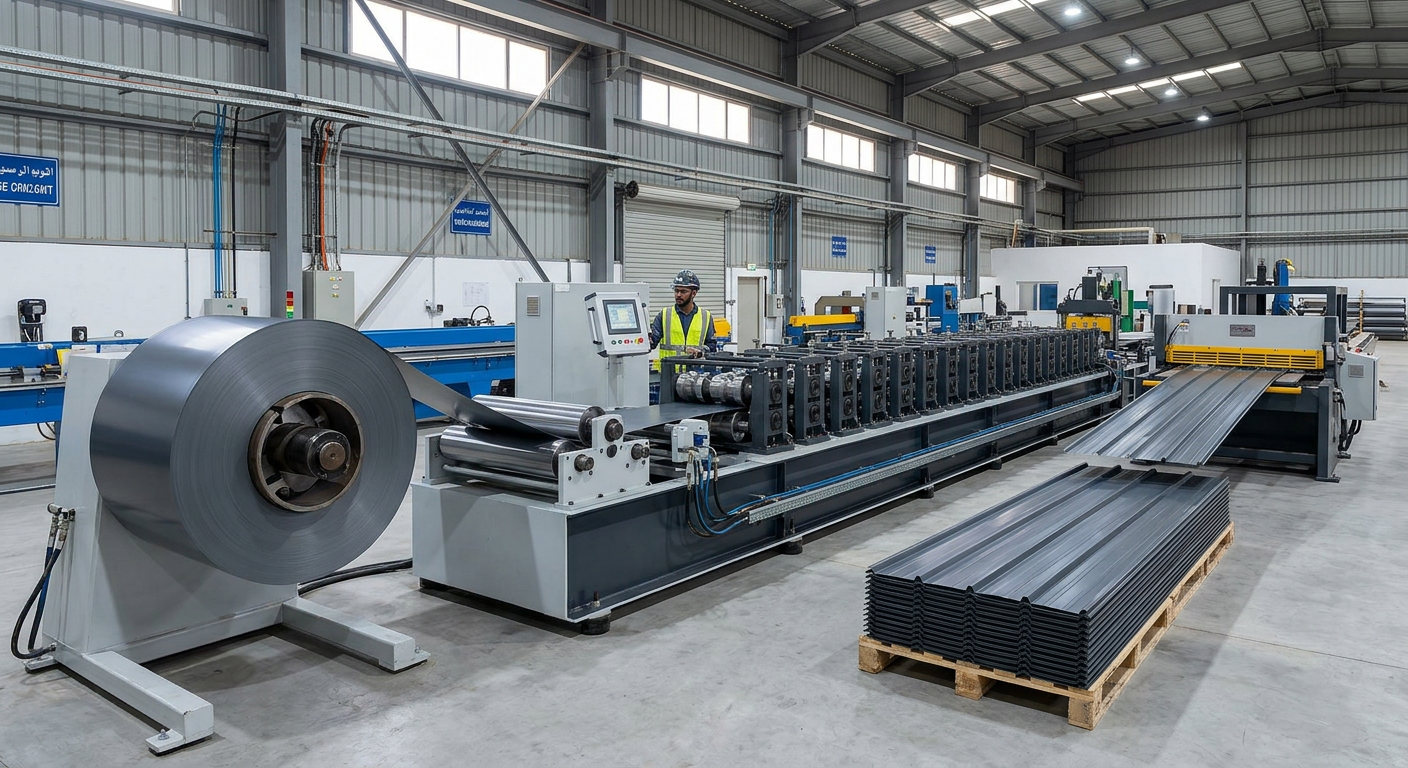
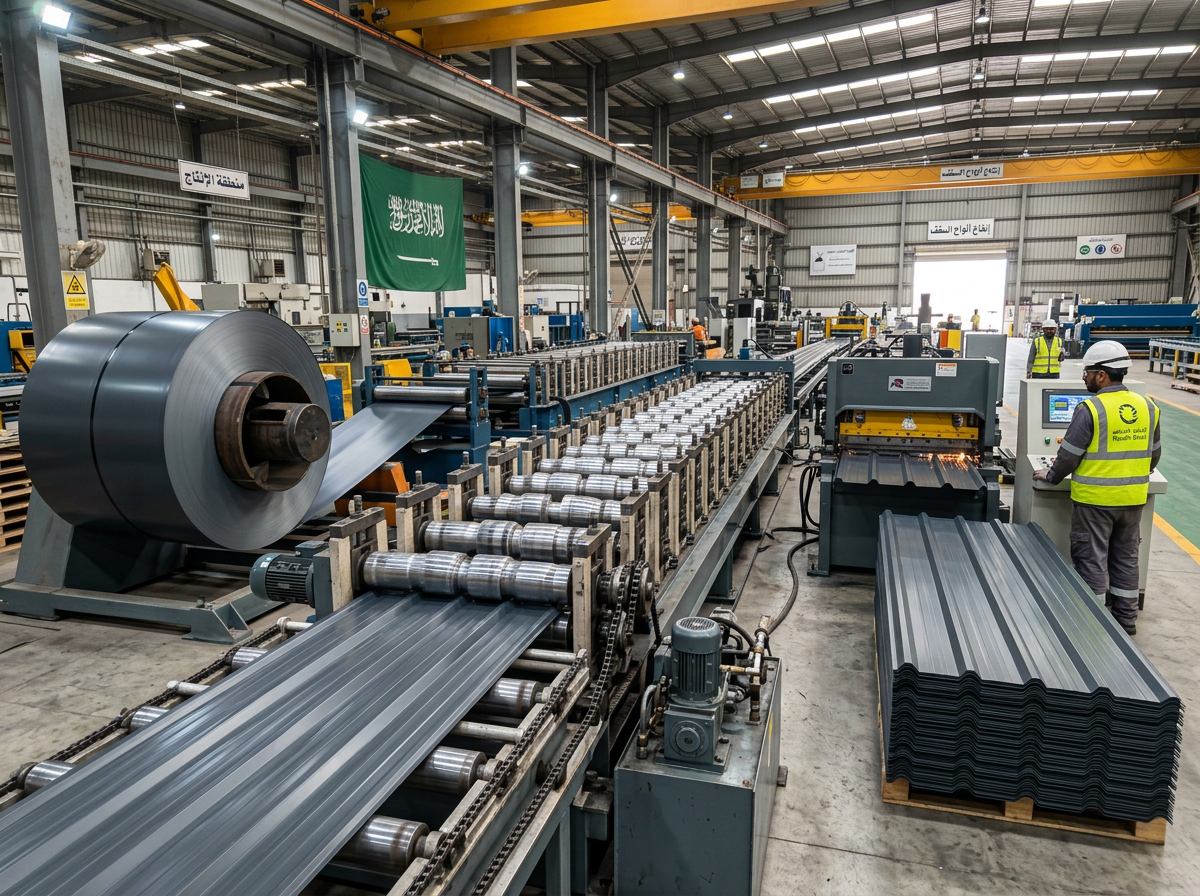
Yaygın bir senaryo, tarım, endüstri ve depo projeleri için çatı paneli, duvar sacı ve aşık üreten bölgesel bir çelik yapı tedarikçisidir. Bu durumda, makine hattı genellikle hidrolik bobin açma, besleme, düzeltme, rulo şekillendirme, kesme ve alma ünitelerini içerir. Alıcı, son müşteriler genellikle hızlı teslimat ve görünür ürün kalitesi beklediği için güvenilir kesim boyu, tutarlı profil formu ve yüzey korumasına ihtiyaç duyar. Burada, istikrarlı çalışma aşırı hızdan daha önemlidir çünkü kaçırılan programlar tüm bina paketini etkiler.
İkinci bir senaryo, ticari müteahhitlere dikme ve ray tedarik eden bir alçıpan çerçeve imalatçısıdır. Bu alıcı genellikle hassas kılavuzlama, hızlı boy kesme kontrolü ve kolay HMI kullanımına sahip daha yüksek hızlı bir hatta ihtiyaç duyar, çünkü operatörler hafta boyunca birden fazla profil boyutu arasında geçiş yapabilir. Delme gerekiyorsa, besleme sistemi sahada kurulum sorunlarını önlemek için delik konumlarını tutarlı tutmalıdır. ABD çalışma ortamında, kolay eğitim ve basitleştirilmiş sorun giderme büyük avantajlardır.
Üçüncü bir senaryo, çatı veya zemin montajlı kurulumlar için güneş destek profili üretimini içerir. Bu projelerde, hat servo besleme, hat içi delme, kabartma, rulo şekillendirme ve hidrolik kesim gerektirebilir. Hassas delik konumu ve düz profil çıkışı kritik öneme sahiptir çünkü küçük bir değişiklik bile saha montajını yavaşlatabilir. Bu nedenle, entegre proses tasarımı güneş enerjisi ile ilgili Metal Şekillendirme Makinesi projeleri için özellikle önemlidir.
| Uygulama | Tipik proses akışı | Ana zorluk | Önerilen makine odağı |
|---|---|---|---|
| Çelik bina tedariki | bobin açma, düzeltme, şekillendirme, kesme, istifleme | karışık sipariş boyutları | esnek panel ve aşık hatları |
| Alçıpan çerçeveleme | besleme, delme, şekillendirme, kesme | yüksek hızda tekrarlanabilirlik | dikme ve ray sistemleri |
| Güneş desteği üretimi | servo besleme, delme, şekillendirme, kesme | delik ve boy hassasiyeti | entegre delme hatları |
| Depo depolama sistemleri | bobin açma, delme, şekillendirme, kesme | boyutsal tutarlılık | raf ve dikme profili makineleri |
Bu uygulama kılavuzu, atölye gereksinimlerini makine konfigürasyonu seçimlerine dönüştürmek için faydalıdır. Alıcılar, nihai hat yerleşimini onaylamadan önce hangi proses adımının darboğaz haline gelme ihtimalinin en yüksek olduğunu belirlemelidir.
Vaka Çalışmaları
Gerçekçi bir örnek, çiftlik binaları, küçük endüstri yapıları ve bölgesel depo projeleri için aşık ve çatı kaplama bileşenleri tedarik eden Ortabatılı bir imalatçıdan gelmektedir. Müşteri, yoğun inşaat aylarında dış işleyicilere olan bağımlılığı azaltmaya ve teslimat kontrolünü iyileştirmeye ihtiyaç duyuyordu. C/Z aşık hattı ve ayrı bir çatı paneli hattı içeren bir üretim paketi önerdik. Aşık makinesi, delme hassasiyeti için servo beslemeli olarak 1,8-3,0 mm galvanizli malzeme için yapılandırıldı, çatı paneli hattı ise 0,4-0,7 mm ön boyalı bobin için tasarlandı. Her iki hat da Cr12MoV merdaneler, hidrolik kesme ve bir Siemens PLC platformu kullandı.
Kurulum ve operatör eğitiminden sonra, müşteri daha güvenilir zamanlama elde etti ve dış kaynaklı işleme maliyetlerini azalttı. Aşık delik tutarlılığı iyileşti, çatı paneli düzlüğü daha istikrarlı hale geldi ve mevsimsel talep artışları sırasında üretim planlaması daha kolay oldu. En değerli sonuç, sadece teknik olmaktan ziyade ticariydi: müşteri artık yerel müteahhitlere daha hızlı yanıt verebiliyor ve tekrarlanan siparişlerde marjını koruyabiliyordu. Bu, doğru Metal Şekillendirme Makinesi'nin hem operasyonel hem de ticari avantajlar yarattığı tipik bir ABD projesidir.
İkinci bir vaka, montajcılara ve EPC ortaklarına güneş montaj profilleri tedarik eden Güneydoğulu bir müşteriyi içeriyordu. Hedef, servo besleme, hidrolik delme, rulo şekillendirme ve boydan kesme çıkışını tek bir entegre akışta işleyebilen bir hattı. Hidrolik bobin açıcı, düzeltme bölümü, servo besleyici, delme istasyonu, rulo şekillendirme bölümü, kesme sistemi ve otomatik alıcı içeren komple bir hat önerdik. Pratik çalışma hızı, delik yoğunluğu ve profil boyu gereksinimlerine bağlı olarak 12-18 m/dak olarak belirlendi.
Sonuç, daha iyi kalite kontrolü ve proje teklifinde daha güçlü güven oldu. Müşteri, manuel taşımayı azalttı, delik pozisyonu tekrarlanabilirliğini iyileştirdi ve standart braket profilleri için teslim sürelerini kısalttı. Profil çıkışı daha öngörülebilir hale geldiğinden, şirket daha geniş bir çatı ve küçük zemin montajlı sipariş karışımına hizmet verebildi. Bu durumda, makinenin başarısı, en yüksek nominal hızı kovalamaktan ziyade tam hat entegrasyonu ve proses kararlılığından geldi.
ABD'de Önerilen En İyi 6 Yerel Tedarikçi
Yerel bir destek ağını tercih eden ABD'li alıcılar için, teknisyen yanıt süresi ve yedek parça erişimi en yüksek öncelikler olduğunda yerel tedarikçiler iyi bir seçim olabilir. En güçlü tedarikçiler genellikle sadece bir makine şasisi ve temel takım teklif etmek yerine, çizimlerinizi dikkatlice inceleyen, doğru üretim sorularını soran ve teslimattan sonra hangi desteğin dahil olduğunu açıklayanlardır.
| Şirket Adı | Temel Güçlü Yönler | Hizmet Bölgeleri | Satış Öncesi Destek | Satış Sonrası Destek |
|---|---|---|---|---|
| Midwest Forming Solutions | Yapı panelleri, trim ve standart yapısal profiller | Chicago, Illinois; Indianapolis, Indiana; St. Louis, Missouri | profil incelemesi, hat boyutlandırma, ROI tartışması | kurulum, eğitim, yedek parçalar |
| Atlantic Metal Line Systems | Hafif ölçülü çerçeveleme ve müteahhit odaklı sistemler | Atlanta, Georgia; Charlotte, North Carolina; Richmond, Virginia | çizim danışmanlığı, bütçe planlaması, yerleşim tavsiyesi | saha servisi, uzaktan teşhis |
| Lone Star Profile Tech | Endüstriyel imalatçılar için daha yüksek çıktılı sistemler | Dallas, Texas; Houston, Texas; San Antonio, Texas | proses planlaması, makine eşleştirme, verim incelemesi | devreye alma, hidrolik ve elektrik desteği |
| Great Lakes Forming Integrators | Düzeltme ve delme entegrasyonlu komple hatlar | Detroit, Michigan; Cleveland, Ohio; Toledo, Ohio | proses entegrasyonu ve tolerans incelemesi | sorun giderme, yükseltmeler, bakım |
| Western Industrial Rollform | Mimari paneller ve özel profil projeleri | Phoenix, Arizona; Las Vegas, Nevada; Riverside, California | yüzey kalitesi incelemesi, profil analizi | servis ziyaretleri, operatör koçluğu |
| Southeast Steel Automation | Depo, çerçeveleme ve tarımsal profil hatları | Nashville, Tennessee; Birmingham, Alabama; Jacksonville, Florida | makine konfigürasyonu, verimlilik planlaması | başlatma desteği, yedek parçalar, eğitim |
Bu tablo, bir ön eleme aracı olarak en iyi şekilde çalışır. Aynı profil çizimlerini, üretim hedeflerini ve servis sorularını her tedarikçiye gönderin, ardından toleransları, eğitimi, teslim süresini, yedek parçaları ve başlatma sorumluluğunu ne kadar net bir şekilde ele aldıklarını karşılaştırın. Bu süreç genellikle tek başına fiyattan daha fazlasını ortaya çıkarır.
Neden Küresel Ortağınız Olarak SUNWAY'i Seçmelisiniz
SUNWAY, geniş ürün kabiliyeti, ihracat deneyimi ve pratik proje desteği olan bir üretici isteyen ABD'li alıcılar için güçlü bir seçenektir. 15 yılı aşkın üretim deneyimi ve 20 yılı aşkın ihracat deneyimine sahip, soğuk rulo şekillendirme makineleri profesyonel üreticisi ve ihracatçısıyız. Şirketimiz 160'tan fazla sektörde 1.350'den fazla küresel müşteriye hizmet vermiş, 500'den fazla proje tamamlamış ve 100'den fazla hedef ülkeye ulaşmıştır. Geçmişimizi ve üretim gücümüzü incelemek için ana sayfamızı sayfamızı ziyaret edebilir veya geçmişimiz ve yeteneklerimiz hakkında daha fazla bilgi edinebilirsiniz. hakkimizda sayfamızı ziyaret edebilirsiniz.
Hem distribütörlere hem de son kullanıcılara doğrudan hizmet veriyoruz, bu da ABD'li alıcılara ekipmanı nasıl tedarik edecekleri, satacakları ve destekleyecekleri konusunda daha fazla esneklik sağlar. Tek noktadan hizmetimiz, özel makine tasarımı, kurulum, teknik destek, eğitim, bakım, parça temini, yükseltmeler ve danışmanlığı içerir. Ayrıca, Alman COPRA yazılımı ve 10'dan fazla deneyimli mühendisten oluşan bir tasarım ekibi aracılığıyla güçlü mühendislik kabiliyeti sunuyoruz. Birden fazla ürün kategorisine bakan alıcılar, çatı ve duvar makineleri, aşık sistemleri, kablo kanalı hatları, güneş braketi makineleri, döşeme kiriş hatları, dikme ve ray sistemleri ve diğer profil ekipmanları için ürün kataloğumuzu inceleyin. sayfamıza göz atabilirler.
Amerika Birleşik Devletleri pazarı için, servis kapsamını ve ortaklık desteğini güçlendirmeye devam ediyoruz. ABD'li son kullanıcılar ve distribütörlerle çalışma konusunda zengin ihracat deneyimine sahibiz ve Amerika Birleşik Devletleri'nde stok teslim desteği olan yerel bir depo modeli planlıyoruz. Ayrıca, daha fazla yerinde mühendislik hizmeti için denizaşırı bir teknik ekip kuruyoruz ve yaklaşmakta olan Affiliate ve dropshipping programları aracılığıyla aktif olarak ortaklar arıyoruz. Rekabetçi fiyatlandırma ve kapsamlı çevrimiçi ve çevrimdışı destekle birleştiğinde, bu, hem yerel distribütörler hem de doğrudan alıcılar için pratik bir işbirliği modeli oluşturur. Projenizi görüşmek, çizimler göndermek veya teklif talep etmek için lütfen ekibimizle iletişime geçin.
| Alıcı endişesi | Tipik yerel tedarikçi avantajı | SUNWAY avantajı | En iyi kullanım durumu |
|---|---|---|---|
| Servis mesafesi | daha hızlı bölgesel z | denizaşırı teknik desteği genişletiyor | acil servis hassasiyeti olan sahalar |
| Özel mühendislik | bazı dur | daha kapsamlı kurum içi tasarım ve geliştirme | özel profil projeleri |
| Ürün yelpazesi | tek bir segmente odaklanabilir | geniş Metal Şekillendirme Makinesi portföyü | çok hatlı yatırım planları |
| Maliyet-performans | daha yüksek yerel genel gider mümkün | tek noktadan destek ile fabrika doğrudan fiyatlandırma | alıcılar toplam sahip olma maliyetini optimize ediyor |
Yerel ve küresel tedariki daha objektif karşılaştırmak için bu kontrol listesini kullanın. Birçok ABD'li alıcı, yerel yanıt beklentilerini SUNWAY'in özelleştirme kapasitesi, daha geniş ürün yelpazesi ve daha güçlü maliyet-performans avantajıyla dengeleyerek en iyi sonucu buluyor.
SSS
Amerika Birleşik Devletleri'nde bir Metal Şekillendirme Makinesinin maliyeti ne kadardır?
Fiyat, makine tipine, Çelik kalınlık aralığına, otomasyon seviyesine, takım karmaşıklığına ve hattın zımbalama, istifleme veya diğer entegre istasyonları içerip içermediğine bağlıdır. Basit bir panel hattı, servo beslemeli ve zımbalı yapısal profil veya güneş paneli braketi hattından daha düşük maliyetlidir. En faydalı karşılaştırma, kurulum, eğitim, yedek parça ve destek dahil toplam proje maliyetidir.
Bir Metal Şekillendirme Makinesi satın almadan önce hangi özellikleri kontrol etmeliyim?
Silindir malzemesini, silindir sertliğini, mil boyutunu, şasi rijitliğini, hidrolik basıncını, PLC markasını, yük altında şekillendirme hızını ve tolerans kabiliyetini teyit etmelisiniz. Birçok profil uygulaması için, HRC 58-62'ye kadar sertleştirilmiş Cr12MoV silindirler, 10-16 MPa hidrolik basınç ve Siemens, Schneider veya Delta'dan kontroller sağlam referans noktalarıdır. Ayrıca tedarikçinin tesviye, besleme, kesme ve çıkış kalitesini nasıl kontrol ettiğini de sorun.
Amerika Birleşik Devletleri'nde en çok hangi Metal Şekillendirme Makinesi tipleri talep görmektedir?
En güçlü talep genellikle çatı ve duvar paneli hatları, C/Z aşık makineleri, dikme ve ray hatları, döşeme deck makineleri, güneş montaj braketi hatları ve kablo tavası makineleri içindir. Bu kategoriler, ABD'deki çelik yapılar, çatı kaplama, ticari iç mekanlar, lojistik tesisleri ve yenilenebilir enerji projelerinden gelen taleple uyumludur. Doğru seçim, yerel müşteri tabanınıza ve sipariş modelinize bağlıdır.
Yerel satış sonrası destek, daha düşük makine fiyatından daha mı önemlidir?
Birçok durumda, evet. Kurulum gecikirse, operatörler iyi eğitilmezse veya yedek parça temini zor olursa, satın alma maliyeti daha düşük olan bir makine daha pahalı hale gelebilir. İyi bir satış sonrası destek, çalışma süresini korur, başlangıç hızını artırır ve operasyonun ilk yılında üretim kesintilerini azaltır.
SUNWAY hem distribütörlerle hem de son kullanıcılarla çalışabilir mi?
Evet. SUNWAY, hem distribütörleri hem de son kullanıcıları doğrudan destekler; bu da alıcılara tedarik, ortaklık yapısı ve hizmet planlamasında esneklik sağlar. Bu durum, özellikle tek bir hatla başlayıp daha sonra birden fazla ürün kategorisine veya bölgesel satış kanallarına genişlemeyi düşünen şirketler için faydalıdır.
Yeni bir hattın kurulumu ve devreye alınması ne kadar sürer?
Süre; makinenin karmaşıklığına, saha hazırlığınıza, mevcut altyapıya ve hattın delme, istifleme veya birden fazla profil içerip içermediğine bağlıdır. Basit bir çatı paneli hattı, genellikle daha entegre bir yapısal veya güneş profili hattından daha hızlı başlatılabilir. Alıcılar, sevkiyattan önce güç kaynağını, bobin taşımayı, operatör mevcudiyetini ve numune çizimlerini hazırlayarak gecikmeyi azaltabilir.
İçerik incelendi ve güncellendi: Mart 2026