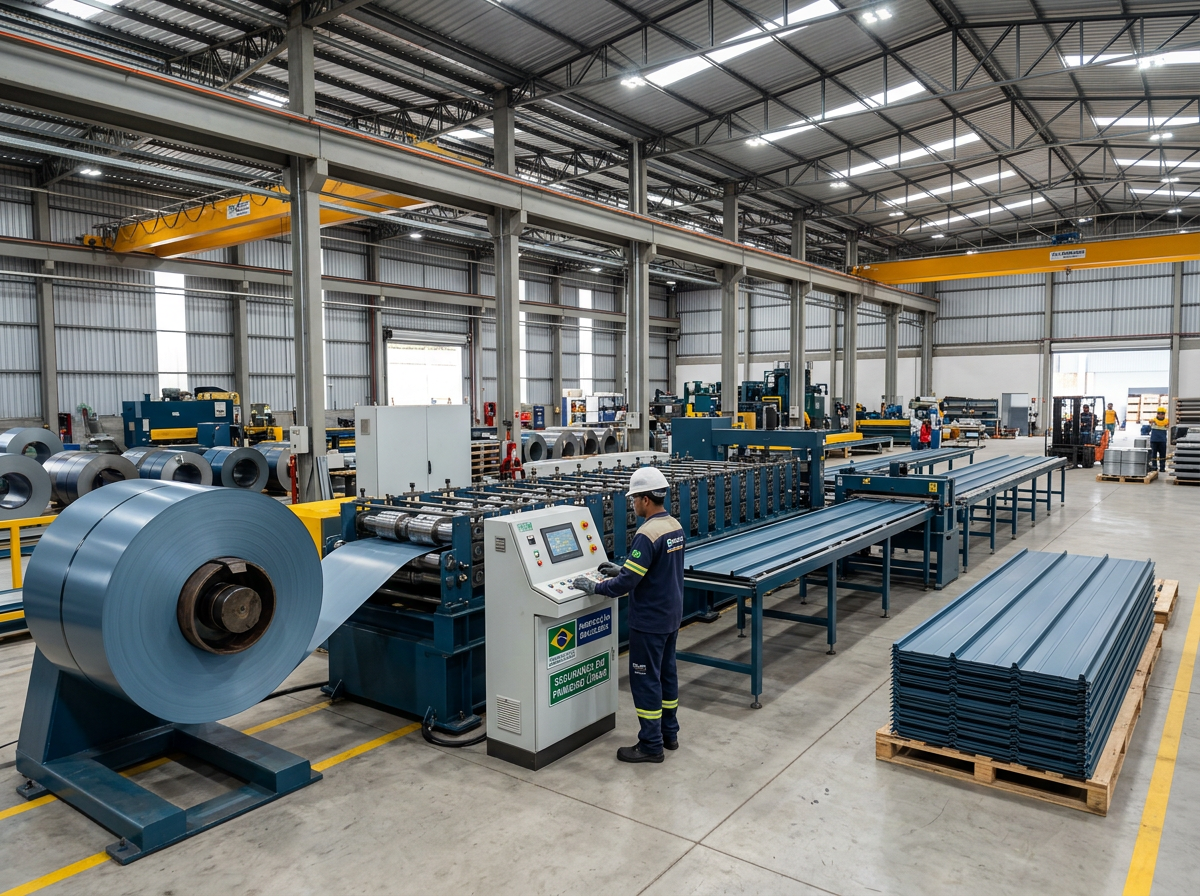
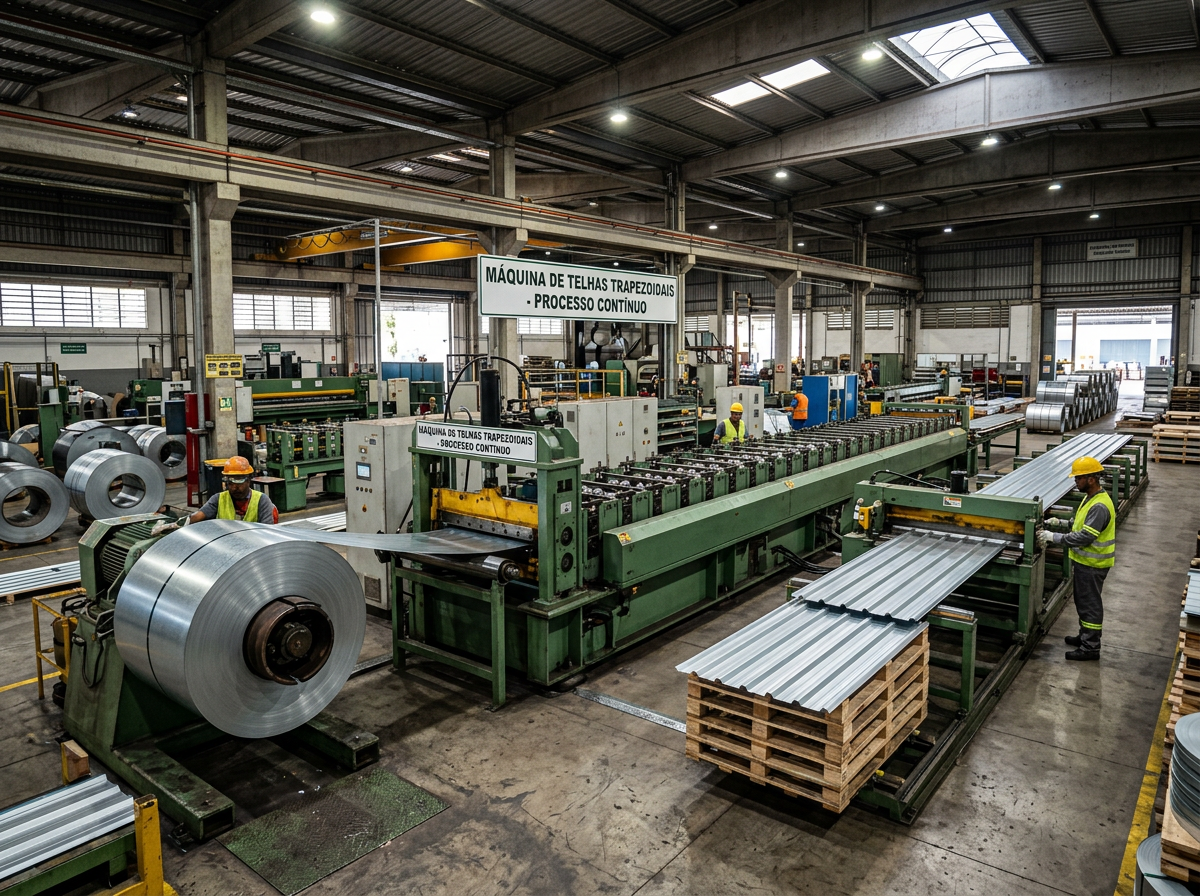
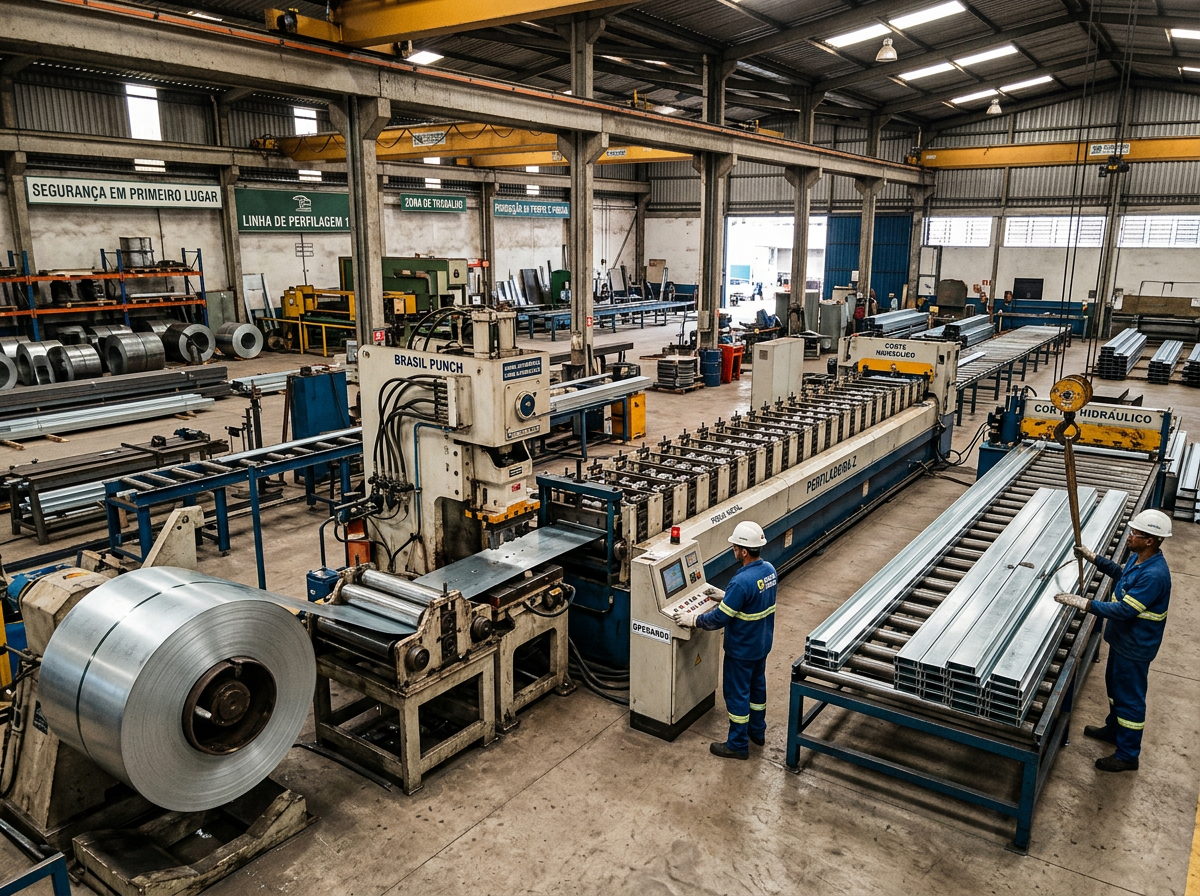
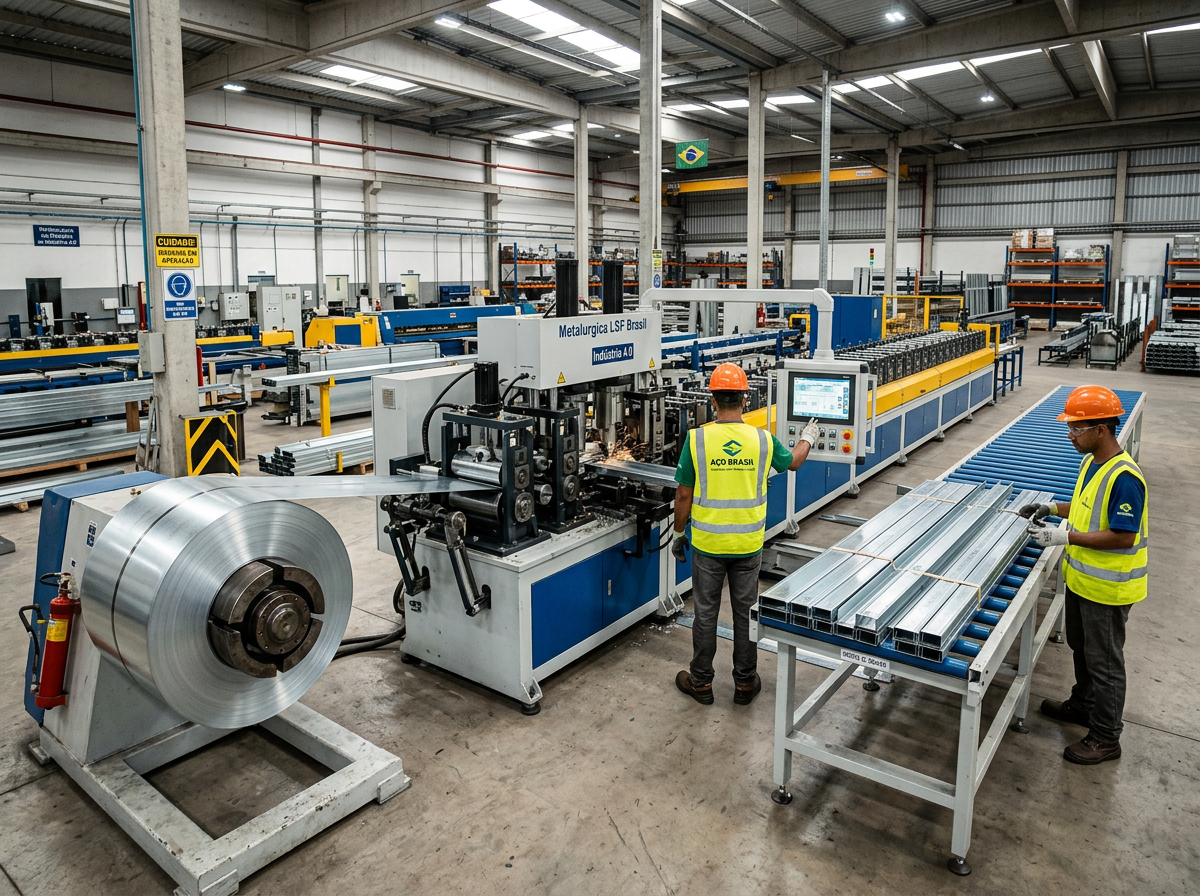
Bir bariyer uç terminal makinesi, otoyol bariyerlerinin başlangıç ve bitiş noktalarına monte edilen genişleyen, konik veya enerji emici uç bölümlerini üretmek için tasarlanmış özel bir soğuk rulo şekillendirme sistemidir. Bu şekillendirilmiş terminal bileşenleri, yol kenarı güvenliğinde kritik bir rol oynar—kör uç darbelerine izin vermek yerine kontrolden çıkan araçların kinetik enerjisini yeniden yönlendirir veya emer. Bariyer uç işleme elemanlarını büyük ölçekte üretmek için güvenilir e ekibimizle iletişime geçin 20 yılı aşkın soğuk şekillendirme uzmanlığıyla desteklenen teknik danışmanlık, özel hat konfigürasyonu ve rekabetçi fiyatlandırma için SUNWAY'de.
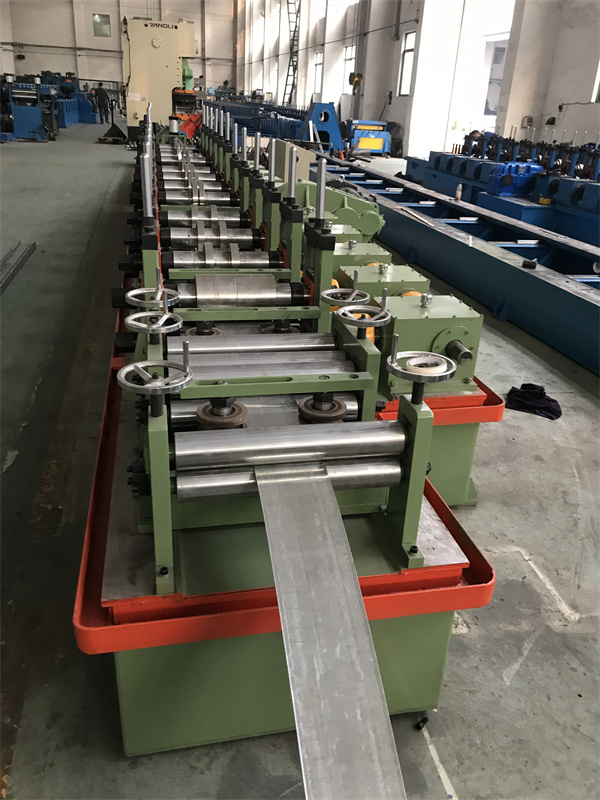
Bariyer Uç Terminali Makinesi Nedir ve Neden Önemlidir
Bir bariyer uç terminali makinesi, düz çelik rulo sacı, otoyol bariyer hattı başlangıç ve bitişlerinde kullanılan hassas şekillendirilmiş uç terminal profillerine dönüştüren özel amaçlı bir rulo şekillendirme hattıdır. Düzgün kesit üreten standart W-kiriş bariyer şekillendirme makinelerinin aksine, uç terminal makinesi, bariyerin araç çarpması durumunda enerji emici veya yönlendirici bir güvenlik cihazı olarak işlev görmesini sağlayan kademeli geometrik geçişler (koniklikler, genişlemeler ve ofset bükümler) oluşturmalıdır.
Bu ekipmanın önemi, doğrudan desteklediği güvenlik sonucunda yatmaktadır. Düzgün şekillendirilmiş bir bariyer uç işlemi, kontrollü bir yavaşlama olayı ile felaketle sonuçlanan bir araç saplanma olayı arasındaki fark anlamına gelebilir. Küt, korumasız bariyer uçları, tarihsel olarak yol kenarı çarpışmalarında ciddi yaralanma ve ölümlerden sorumlu olmuştur. Modern bariyer uç işlemi tasarımları (ister ekstrüder terminaller, ister genişleyen enerji emici terminaller (FEAT'ler) veya teğet terminaller olsun) yalnızca özel makinelerin başarabileceği doğru, tekrarlanabilir şekillendirme gerektirir.
Küresel otoyol otoriteleri, bariyer sistemlerinin, uç terminalleri de dahil olmak üzere, zorlu çarpışma testi performans kriterlerini karşılamasını giderek daha fazla zorunlu kılmaktadır. Bu düzenleyici ortam, terminal bileşenlerini sıkı boyutsal toleranslarla üretebilen makinelere olan talebi artırmaktadır. Nihai ürünün ister Kuzey Amerika MASH standartlarına, ister Avrupa EN 1317'ye veya ulusal eşdeğerlerine uygun olması gereksin, şekillendirme ekipmanı her seferinde muayene ve işlevsel testten geçen tutarlı profiller sunmalıdır.
Bariyer Uç İşlemi için Temel Uygulama Senaryoları
Bariyer uç işlemi bileşenleri, bir bariyer hattının başladığı veya sona erdiği her noktada gereklidir; bu noktalar, ray ucuna kafa kafaya çarpma riskinin en yüksek olduğu yerleri temsil eder. En yaygın kurulum senaryoları arasında otoyol segment başlangıç ve bitiş noktaları, kavşak rampası ayrım bölgeleri (çıkış veya giriş rampalarının ana yoldan ayrıldığı üçgen alanlar), refüj bariyer terminalleri, köprü yaklaşım geçişleri ve çalışma alanı geçici bariyer uçları bulunur. Her senaryo, trafik hızına, yaklaşma açısına ve mevcut sapma alanına bağlı olarak özel terminal geometrisi talep eder.
Otoyol başlangıç ve bitiş noktalarında, bariyer uç terminali, bariyere tam seyahat hızında kafa kafaya çarpan araçları güvenli bir şekilde idare etmelidir. Rampa ayrım alanları, araçlar şerit ayrımında gezinirken terminale sığ açılarla ve yüksek hızlarda yaklaşabileceğinden, özellikle yüksek riskli bir ortam sunar. Bu ortamlarda, aracı trafiğe yönlendirmek yerine kademeli olarak yavaşlatmak için tipik olarak enerji emici terminaller belirtilir. Refüj terminalleri farklı bir geometrik zorluğa hizmet eder ve genellikle her iki seyahat yönünden simetrik enerji emme kapasitesi gerektirir.
Geçici çalışma alanı uygulamaları başka bir karmaşıklık katmanı ekler: uç terminaller hızla kurulabilir, yeniden kullanılabilir ve daha düşük zemine ankraj seviyelerinde etkili olmalıdır. Senaryodan bağımsız olarak, ortak gereklilik, enerji yönetim mekanizmasının (teleskopik ray bölümleri, kablo-ankraj sistemleri veya darbe başlıkları olsun) bir çarpışma olayı sırasında tasarlandığı gibi çalışması için hassas boyutlarda şekillendirilmiş bir terminal profilidir.
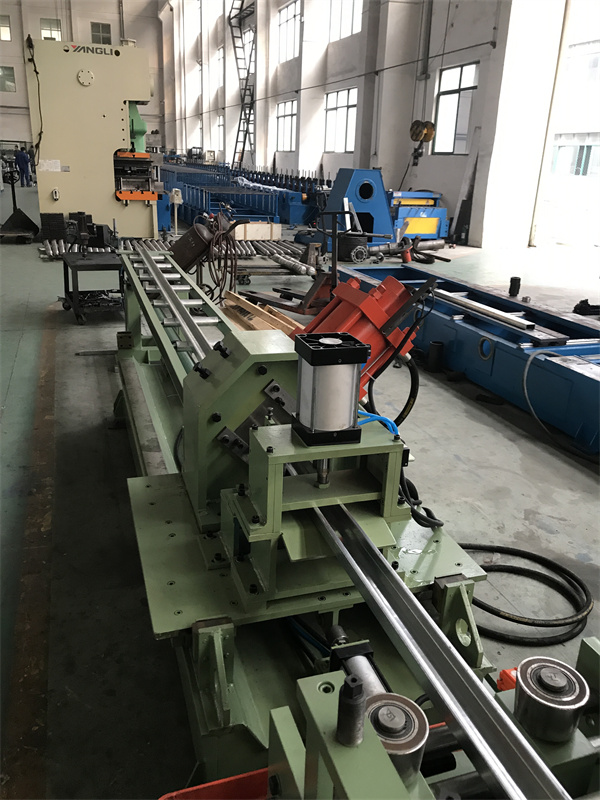
Bariyer Terminali Şekillendirmeyi Yöneten Güvenlik Standartları
Bariyer uç işlemlerinin performansı, çarpışma testi standartları ile düzenlenir; bu standartlar darbe koşullarını, yolcu risk kriterlerini ve darbe sonrası davranışı tanımlar. Küresel olarak en yaygın olarak atıfta bulunulan iki çerçeve, her ikisi de Amerikan otoyol güvenliği araştırma programlarının rehberliğinde geliştirilen NCHRP Rapor 350 ve onun halefi olan Güvenlik Donanımını Değerlendirme Kılavuzu'dur (MASH). Avrupa'da, EN 1317-4 geçişleri ve terminalleri yönetirken, Orta Doğu, Asya ve Güney Amerika'daki birçok ülke kendi otoyol spesifikasyonları için bu çerçevelerden birini benimser veya uyarlar.
1993 yılında yayınlanan NCHRP Rapor 350, araç kütlesi ve darbe hızına dayalı test seviyelerini (TL-1'den TL-6'ya) tanımlayarak bariyer terminalleri için temel çarpışma testi protokollerini oluşturdu. 2019'dan itibaren ABD federal yardım otoyollarındaki yeni donanımlar için zorunlu değerlendirme standardı haline gelen MASH, güncellenmiş test araçları, iyileştirilmiş yolcu risk metrikleri ve daha sıkı değerlendirme kriterleri getirdi. NCHRP 350 TL-3 testini geçmiş bir bariyer uç terminali, güncellenmiş test matrisi nedeniyle MASH TL-3 gereksinimlerini otomatik olarak karşılamayabilir; bu da üreticilerin şekillendirilmiş profillerinin geçerli standart altında onaylanmış tam geometriyle eşleştiğinden emin olmaları gerektiği anlamına gelir.
Bariyer uç işlemi bileşenleri üreten üreticiler için, şekillendirilmiş profilin boyutsal doğruluğu doğrudan mevzuata uygunlukla bağlantılıdır. Belirtilen konik oranlarından, delik modellerinden veya kesit boyutlarından sapan bir terminal bölümü, monte edilmiş sistemin çarpışma testiyle doğrulanmış performansını tehlikeye atabilir. Bu nedenle bariyer uç terminali makinesinin tekrarlanabilir hassasiyet sunması gerekir; kritik boyutlardaki ±1 mm kadar küçük tolerans sapmaları, donanım uyumunu ve darbe sırasında enerji emilim davranışını etkileyebilir.
| Güvenlik Standardı | Köken | Test Seviyesi Aralığı | Anahtar Araç Kütlesi (TL-3) | Darbe Hızı (TL-3) | Durum |
|---|---|---|---|---|---|
| NCHRP Rapor 350 | ABD | TL-1 ila TL-6 | 2000 kg hafif kamyonet | 100 km/sa | Eski (2019 öncesi) |
| MASH (2016 Sürümü) | ABD | TL-1 ila TL-6 | 2270 kg hafif kamyonet | 100 km/sa | Güncel ABD standardı |
| EN 1317-4 | Avrupa | Koruma seviyesine dayalı sınıflar | Sınıfa göre değişir | Sınıfa göre değişir | Güncel AB standardı |
| AS/NZS 3845 | Avustralya/Yeni Zelanda | MASH ile uyumlu | MASH kriterlerine göre | MASH kriterlerine göre | Güncel bölgesel standart |
Bu tablo, dünya çapında bariyer uç işlemi performansını yöneten başlıca çarpışma testi çerçevelerini özetlemektedir. Bir bariyer uç terminali makinesi seçerken veya yapılandırırken, alıcılar profil takımının, hedef pazarları için geçerli standart altında onaylanmış belirli terminal tasarımıyla eşleştiğini teyit etmelidir; bu, şekillendirilmiş her parçanın, nihai monte edilmiş sistemin doğrulanmış çarpışma performansını desteklemesini sağlar.
Bir Bariyer Uç Terminali Makinesi Nasıl Çalışır: Şekillendirme Prosesi Açıklandı
Bariyer terminali şekillendirme prosesi, çelik profil endüstrisinde kullanılan aynı temel soğuk rulo şekillendirme prensibini takip eder: düz çelik şerit, istenen kesit elde edilene kadar bir dizi makara istasyonundan geçerek kademeli olarak şekillendirilir, ardından boyuna kesilir. Bununla birlikte, uç terminali şekillendirme prosesi ek karmaşıklık getirir çünkü profil geometrisi boyu boyunca değişir; bu da değişken şekillendirme, hassas delme ve bazen standart bariyer makinelerinin gerçekleştirmediği çok aşamalı bükme operasyonlarını gerektirir.
Tipik üretim dizisi, çelik rulonun (genellikle 2,5–4,0 mm kalınlığında sıcak daldırma galvanizli çelik) açıldığı ve rulo eğriliğini gideren bir düzeltme ünitesine beslendiği bobin açma ile başlar. Düzleştirilmiş şerit daha sonra, malzeme ilerlemesini yüksek konumsal doğrulukla kontrol eden servo tahrikli bir besleme sisteminden geçer. Şekillendirme bölümü, şeridi kademeli olarak W-kiriş veya thrie-kiriş taban profiline büken birden fazla makara istasyonundan (tipik olarak 12 ila 18 stant) oluşur. Terminale özgü konik ve genişleme geometrisi için, makine ayarlanabilir makara boşlukları, kam tahrikli şekillendirme kafaları veya iş parçası uzunluğu boyunca profil şeklini kademeli olarak değiştiren ikincil bükme istasyonları içerebilir.
Delme ve çentik açma işlemleri, terminal tasarımının gerektirdiği cıvata deliği modellerini, yuva özelliklerini ve boşaltma kesimlerini oluşturmak için şekillendirme istasyonlarından önce veya istasyonlar arasında hat içi olarak gerçekleştirilir. Hidrolik veya servo-elektrikli bir kesme sistemi, şekillendirilmiş parçayı belirtilen uzunlukta keser. Tamamlanan terminal bölümü, bir çıkış tablasına veya otomatik istifleme sistemine çıkar. Proses boyunca, dokunmatik ekranlı HMI içeren PLC tabanlı kontrol, makara hızı senkronizasyonunu, delme konumunu, kesme boyunu ve parti sayımını yönetir; böylece her parçanın manuel müdahale olmadan programlanmış spesifikasyona uymasını sağlar.
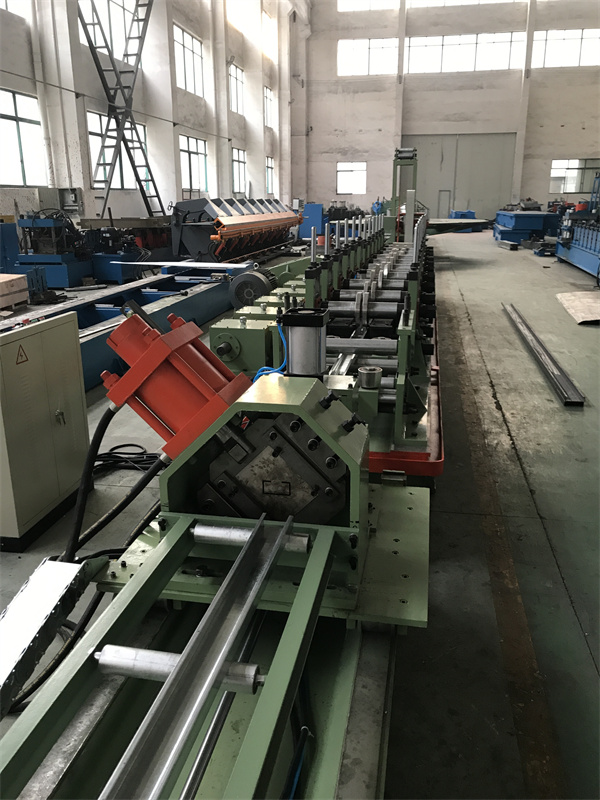
Öne Çıkan Ürün Yelpazesi: Bariyer ve Otoyol Güvenlik Profilleri için SUNWAY Rulo Şekillendirme Çözümleri
SUNWAY, özel otoyol bariyer şekillendirme hatları, W-kiriş ve thrie-kiriş makineleri ve bariyer uç terminali üretimi için uygun özelleştirilebilir profil şekillendirme sistemlerini içeren kapsamlı bir soğuk rulo şekillendirme makinesi portföyü sunar. Her makine, sağlam çelik kaynaklı
Makinenin ötesinde, SUNWAY, bobin açıcı ve düzeltici seçiminden şekillendirme istasyonu düzenine ve otomatik istiflemeye kadar eksiksiz üretim hattı konfigürasyon desteği sağlar; böylece alıcılar kuruluma hazır, komple bir sistem teslim alır. 20 yılı aşkın üretim deneyimiyle ve Asya, Afrika, Avrupa, Güney Amerika ve Avustralya'yı kapsayan küresel ihracat ağıyla SUNWAY, rekabetçi fiyatlandırma, konteynerli nakliye için profesyonel ambalajlama ve uzaktan video devreye alma dahil ömür boyu teknik destek sunar. Teknik satış ekibimizle iletişime geçin, koruyucu bariyer uç terminal profili gereksinimlerinizi görüşmek ve ihtiyaca özel bir makine teklifi almak için.
Koruyucu Bariyer Uç Terminal Makinesinin Temel Bileşenleri
Bir koruyucu bariyer uç terminal makinesi, her biri şekillendirme hattında belirli bir işlevi yerine getiren alt sistemlerin koordineli bir bütünüdür. Bu bileşenleri anlamak, alıcıların makine kalitesini değerlendirmesine, tedarikçi tekliflerini karşılaştırmasına ve bakım ile yedek parça planlaması yapmasına yardımcı olur. Yedi temel alt sistem; bobin açıcı, düzeltici/besleyici ünite, rulo şekillendirme istasyonları, delme sistemi, hidrolik kesme sistemi, PLC kontrol sistemi ve çıkış/istifleme tablasıdır.
Bobin açıcı, genellikle 3–8 ton ağırlığında ve 508–610 mm iç çapa sahip çelik bobinleri tutar ve çözer. Hidrolik genleşmeli mandreller, yüksek hızda çalışma sırasında güvenli bobin sıkıştırma sağlar. Genellikle 5–7 hassas silindirden oluşan düzeltici ünite, bobin hafızasını giderir ve şekillendirme bölümüne düz bir şerit iletir. Servo veya enkoder tahrikli besleme sistemi, malzemeyi hassas artışlarla ilerletir; bu, delik aralığının konik boyunca değiştiği terminal profillerinde doğru delik delme hizalaması için kritiktir.
Koruyucu bariyer uç terminal makinesinin kalbi olan rulo şekillendirme istasyonları, düz şeridin kademeli olarak profillendirildiği yerdir. Profil karmaşıklığına bağlı olarak istasyon sayısı 12 ila 18 arasında değişir; her bir sehpa ortak bir mil veya ayrı servo motorlarla tahrik edilir. Rulo malzemesi tipik olarak Cr12MoV takım çeliğidir, uzun servis ömrü için HRC 58–62'ye su verilmiş ve temperlenmiştir. Delme ünitesi, programlanmış konumlarda delikler, yuvalar ve çentikler oluşturmak için hidrolik silindirler (tipik olarak 10–20 ton kapasite) kullanır. Hidrolik kesme sistemi, şekillendirilmiş her parçanın sonunda temiz, çapaksız kesme sunar. Genellikle Siemens veya eşdeğeri olan PLC kontrol sistemi, tüm alt sistem zamanlamasını koordine ederken, dokunmatik ekranlı HMI, reçete yönetimi, arıza teşhisi ve üretim sayımı için operatör arayüzü sağlar. Çıkış tablası, bitmiş parçaları toplar ve verimli taşıma için otomatik istifleme mekanizması içerebilir.
| Bileşen | Fonksiyon | Anahtar Özellikler | Tipik Malzeme / Marka |
|---|---|---|---|
| Decoiler | Bobin açma ve besleme | 3–8 ton kapasite, 508–610 mm iç çap | Hidrolik genleşmeli mandrel |
| Düzeltici/Besleyici Ünite | Şerit düzleştirme ve konumlandırma | 5–7 silindir, servo tahrikli besleme | aşınmayı azaltır ve takım ömrünü uzatır. |
| Rulo Şekillendirme İstasyonları | Kademeli profil şekillendirme | 12–18 sehpa | Cr12MoV, HRC 58–62 |
| Delme Sistemi | Delik ve yuva oluşturma | 10–20 ton hidrolik | Takım çeliği kalıplar |
| Hidrolik Kesme Sistemi | Uzunluk kesme | Temiz kesme, ±1 mm hassasiyet | Cr12 bıçak çeliği |
| PLC Kontrol Sistemi | Proses otomasyonu | Siemens veya eşdeğeri PLC + HMI | Dokunmatik ekran arayüzü |
| Çıkış / İstifleme Tablası | Ürün toplama ve istifleme | 6–12 m uzunluk, isteğe bağlı otomatik istif | Çelik konstrüksiyon |
Bu bileşen özeti, alıcıların bir koruyucu bariyer uç terminal makinesini değerlendirirken nelere dikkat etmesi gerektiğini anlamasına yardımcı olur. Özellikle rulo malzemesi sertifikasyonuna, hidrolik sistem marka güvenilirliğine ve PLC sistemi kapasitesine dikkat edin—bu üç faktör, şekillendirme hassasiyetini, makine ömrünü ve kullanım kolaylığını en doğrudan etkiler.
Önerilen Üretici: SUNWAY
Koruyucu bariyer terminal şekillendirme ekipmanı için güvenilir, teknik yeterliliğe sahip bir tedarikçi arayan alıcılar için, SUNWAY (Wuxi Sunway Machinery Co., Ltd) soğuk rulo şekillendirme makinelerinde kanıtlanmış bir geçmişe sahip önerilen bir üreticidir. 20 yılı aşkın fabrika geçmişiyle SUNWAY, Ar-Ge, malzeme tedariki, hassas üretim, kalite kontrol, profesyonel paketleme ve ihracat lojistiğini kapsayan eksiksiz bir üretim sistemi işletmektedir. Her makine, ham madde tedarikinden nihai fabrika testine kadar sıkı kalite kontrolden geçer ve bileşenlerin uluslararası standartlara ve müşteriye özel gereksinimlere uygun olmasını sağlar.
SUNWAY’in kurum içi Ar-Ge ekibi, pazar gereksinimlerini analiz etme ve optimize edilmiş takım tasarımları, profil konfigürasyonları ve üretim hattı yerleşimleri geliştirmek için müşterilerle işbirliği yapma konusunda uzmanlaşmıştır. Mühendislik odaklı bu yaklaşım—rekabetçi fiyatlandırma, küresel ihracat ağı ve operatör eğitimi, kurulum rehberliği ve yedek parça temini dahil kapsamlı satış sonrası destek—SUNWAY'i dünya çapındaki karayolu güvenliği ekipmanı üreticileri için güvenilir bir ortak haline getirir. Koruyucu bariyer uç terminal makinesi gereksinimlerinizi görüşmek veya teklif istemeközel bir çözüm için SUNWAY teknik ekibiyle iletişime geçin.
Teknik Özellikler ve Makine Parametreleri
Doğru koruyucu bariyer uç terminal makinesini seçmek, ekipman özelliklerinin hedef ürün boyutları, malzeme özellikleri ve üretim hacmi gereksinimleriyle eşleştirilmesini gerektirir. Aşağıdaki tablo, galvanizli çelik bobinden koruyucu bariyer uç terminal bileşenlerini şekillendirmek üzere tasarlanmış makineler için tipik özellik aralıklarını göstermektedir.
| Parametre | Tipik Aralık | Notlar |
|---|---|---|
| Malzeme Kalınlığı | 2,5–4,0 mm | Sıcak daldırma galvanizli çelik (yaygın G90/Z275) |
| Malzeme Akma Dayanımı | 235–355 MPa | Daha yüksek dayanım daha fazla şekillendirme istasyonu gerektirir |
| Şerit Genişliği | 480–510 mm (W-kiriş) | Terminal profili standardına göre değişir |
| Şekillendirme Hızı | 8–20 m/dak | Değişken geometrili şekillendirmede azalır |
| Şekillendirme İstasyonları | 12–18 sehpa | Daha fazla sehpa = daha yumuşak profil geçişi |
| Makara Malzemesi | Cr12MoV takım çeliği | Yüzey sertliği HRC 58–62 |
| Hidrolik Sistem Basıncı | 12–18 MPa | Delme ve kesme ünitelerine güç sağlar |
| Ana Motor Gücü | 15–30 kW | Malzeme kalınlığı ve hat hızına bağlıdır |
| Makine Boyutları (U×G×Y) | 18–25 m × 1,5–2,0 m × 1,5 m | Bobin açıcı ve çıkış tablası hariç |
| Güç Kaynağı | 380V/50Hz veya 415V/60Hz | Hedef pazara göre özelleştirilebilir |
| Kontrol Sistemi | PLC + HMI (dokunmatik ekran) | Siemens, Schneider veya eşdeğeri |
Bu özellikleri yorumlarken, alıcılar malzeme kalınlığı, akma dayanımı ve şekillendirme istasyonu sayısı arasındaki ilişkiye odaklanmalıdır. Daha kalın, daha yüksek dayanımlı çelik, çatlamayı veya geri yaylanmayı önlemek için daha kademeli şekillendirme ilerlemesi gerektirir; bu, daha ince sac malzeme için 12 sehpalı bir hattın yeterli olacağı durumda 16 veya 18 sehpalı bir makinenin gerekli olabileceği anlamına gelir. Üretim hızı ayrıca terminal profilinin uzunluğu boyunca değişken geometri gerektirip gerektirmediğine bağlıdır—düz konik bölümler şekillendiren makineler üst hız aralığına yakın çalışabilirken, karmaşık kademeli genişlemeler üretenler boyutsal hassasiyeti korumak için daha yavaş besleme hızlarına ihtiyaç duyabilir. SUNWAY'in mühendislik ekibi, özel koruyucu bariyer terminal profiliniz ve üretim hacmi hedefleriniz için optimum konfigürasyon konusunda tavsiyede bulunabilir.
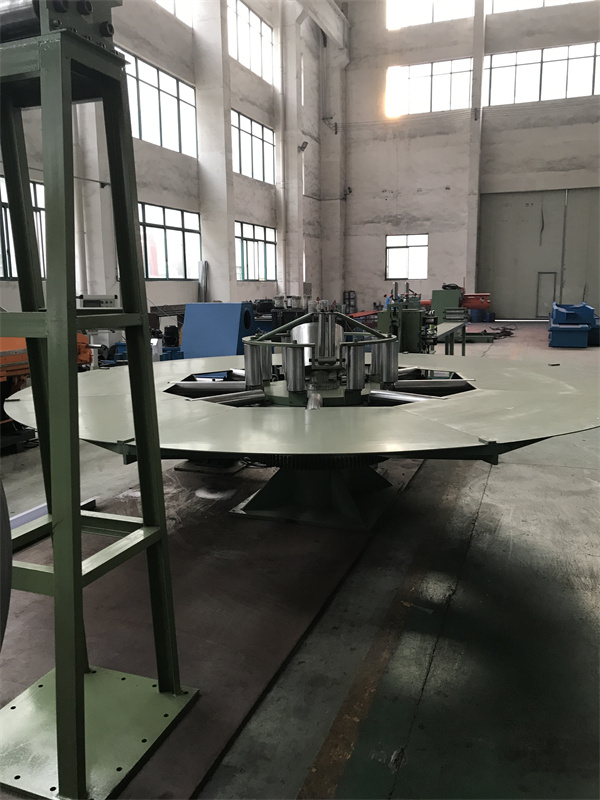
Doğru Koruyucu Bariyer Terminal Şekillendirme Ekipmanını Seçmek
Bir koruyucu bariyer uç terminal makinesine yatırım yapma kararı, üç ana faktöre dayanmalıdır: üretmeniz gereken özel terminal profilleri, pazarınızın gerektirdiği güvenlik standardı ve yatırımı haklı çıkaran üretim hacmi. Tedarikçilerle görüşmeden önce, ayrıntılı profil çizimleri (tüm kesit boyutları, koniklik oranları, delik desenleri ve malzeme özellikleri dahil) hazırlayın ve bitmiş terminalin hangi çarpışma testi standardına uyması gerektiğini onaylayın. Bu dokümantasyon, doğru fiyat teklifi alınmasını sağlar ve rulo takımının onaylı terminal montajına uygun parçalar üreteceğini garanti eder.
Potansiyel ekipman tedarikçilerini, ilgili şekillendirme deneyimini kanıtlama yeteneklerine göre değerlendirin—tüm rulo şekillendirme makinesi üreticileri, koruyucu bariyer terminallerine özgü kademeli geometri değişiklikleri için takım mühendisliği yapmamıştır. Örnek profiller, rulo tasarım dokümantasyonu ve benzer karayolu güvenliği bileşenleri üreten müşterilerden referanslar isteyin. Fabrika değerlendirmesi sırasında, rulo işleme kalitesini (yüzey finişi, istasyonlar arası boyutsal tutarlılık), hidrolik bileşen markalarını, PLC programlama kapasitesini ve tedarikçinin hedef malzemenizle şekillendirme simülasyonu veya deneme çalışmaları sağlama isteğini inceleyin.
Yalnızca şekillendirme makinesi yerine toplam hat konfigürasyonunu düşünün. Eksiksiz bir koruyucu bariyer uç terminal üretim hattı; bobin arabalı bobin açıcı, düzeltici sistem, servo besleyici, şekillendirme istasyonları, hat üstü delme ünitesi, kesme sistemi, çıkış tablası ve potansiyel olarak otomatik istifleme modülünü içerir. Alt sistemleri ayrı ayrı tedarik etmek yerine tek bir tedarikçiden tam entegre bir hat satın almak, devreye almayı basitleştirir, tüm istasyonlar arasında zamanlama senkronizasyonunu sağlar ve performans garantileri için tek bir sorumluluk noktası sağlar. Karayolu koruyucu bariyer uygulamaları için entegre hat çözümlerinin nasıl yapılandırıldığını görmek için SUNWAY'in tüm makine yelpazesini keşfedin .
Bakım ve İşletme En İyi Uygulamaları
Bir koruyucu bariyer uç terminal makinesinin servis ömrünü ve çıktı kalitesini en üst düzeye çıkarmak, disiplinli önleyici bakım, uygun operatör eğitimi ve malzeme özelliklerine bağlılığa bağlıdır. En kritik aşınma bileşenleri olan şekillendirme silindirleri
Hidrolik sistem bakımı, yağ temizliğinin izlenmesini (partiküller keçe ve valf aşınmasını hızlandırır), uygun yağ seviyelerinin korunmasını ve filtrelerin üretici tarafından önerilen aralıklarla değiştirilmesini içerir. Zımba kalıpları ve kesme bıçakları sarf malzemeleridir; biçimlendirilmiş parçalardaki çapak yüksekliği kabul edilebilir sınırları aştığında—genellikle delik kalitesinin cıvatalı bağlantı bütünlüğünü etkilediği oto korkuluk terminal bileşenleri için 0,3 mm—yeniden bilenmeli veya değiştirilmelidir. PLC ve elektrik sistemi bakımı genellikle bağlantı kontrolleri, kontrol programlarının yedeğinin alınması ve enkoder ile sensör girişlerinin periyodik kalibrasyonuyla sınırlıdır.
Operatör eğitimi, üretim kalitesi ve makine ömrü açısından genellikle hafife alınan bir faktördür. Eğitimli operatörler, reçete parametrelerini doğru şekilde ayarlamayı, merdane hizalama bozukluğunun veya malzeme besleme sorunlarının erken belirtilerini fark etmeyi ve vardiya öncesi günlük kontrolleri yapmayı bilirler. SUNWAY, tek noktadan hizmet paketinin bir parçası olarak operatör eğitimi sunar; bu eğitim makine başlatma/durdurma prosedürlerini, reçete programlamayı, temel sorun gidermeyi ve günlük bakım rutinlerini kapsar. Vasıflı makine operatörlerinin kıt olduğu pazarlarda faaliyet gösteren alıcılar için, uzaktan video rehberliğiyle desteklenen bu eğitim desteği, öğrenme eğrisini önemli ölçüde kısaltabilir ve erken üretim kalitesi sorunlarını en aza indirebilir. Ziyaret edin SSS bölümümüzü makine kullanımı ve bakımı hakkında ek rehberlik için.
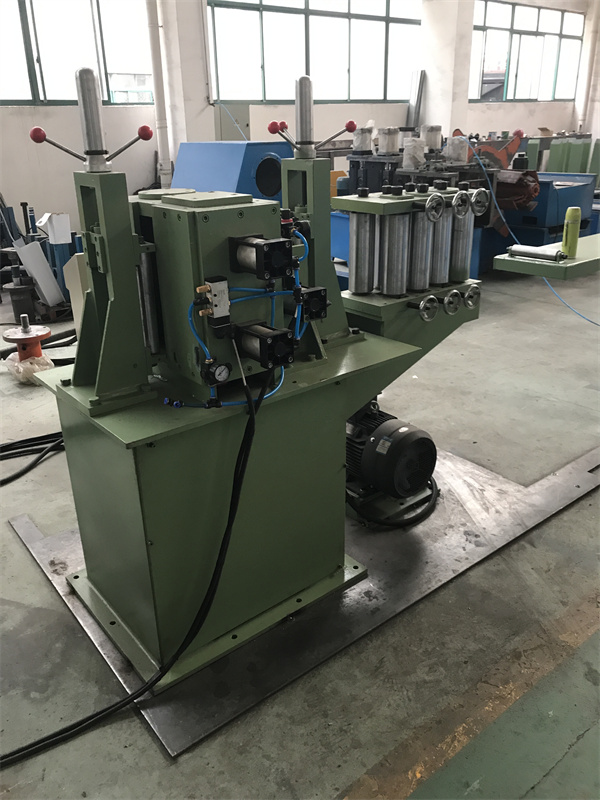
SSS: Korkuluk Sonlandırma Makinesi
Bariyer uç terminal makinesi ne için kullanılır?
Bir korkuluk sonlandırma makinesi, bobin malzemeyi Çelik otoyol korkuluk başlangıç ve bitiş noktalarına monte edilen konik, genişleyen veya özel biçimli uç bölümlerine soğuk şekillendirmek için kullanılır. Bu biçimlendirilmiş bileşenler, korkuluk sonlandırma tertibatının araç çarpışma enerjisini emmesini veya yönlendirmesini sağlayarak, küt uçlu korkuluk demirlerine kafa kafaya çarpışmalara engel olur.
Bariyer uç işleme ürünleri için hangi güvenlik standartları geçerlidir?
Korkuluk uç işleme bileşenleri, Amerika Birleşik Devletleri'nde MASH (Güvenlik Donanımı Değerlendirme Kılavuzu), Avrupa'da EN 1317-4 veya eşdeğer ulusal standartlar gibi çarpışma testi performans standartlarını karşılamalıdır. Biçimlendirilmiş profil boyutları, uyumlu performans sağlamak için ilgili standardın çarpışma testi onayında onaylanan geometriyle tam olarak eşleşmelidir.
Bir bariyer terminal şekillendirme makinesi ne kadar hızlı üretim yapabilir?
Tipik bariyer terminal şekillendirme hızları, malzeme kalınlığına, profil karmaşıklığına ve parça uzunluğu boyunca değişken geometri oluşturulup oluşturulmadığına bağlı olarak dakikada 8 ila 20 metre arasında değişir. Düz konik bölümler daha yüksek hızlarda şekillendirilebilirken, karmaşık ilerleyen genişlemeler boyutsal doğruluk için daha yavaş ilerleme hızları gerektirir.
Bariyer uç terminal makinesinde şekillendirme makaraları için hangi malzeme kullanılır?
Şekillendirme makaraları tipik olarak Cr12MoV takım çeliğinden işlenir
SUNWAY, benim özel profilim için bir bariyer uç terminal makinesini özelleştirebilir mi?
Evet. SUNWAY’in bünyesindeki Ar-Ge ekibi, müşteri tarafından sağlanan profil çizimlerine ve boyut spesifikasyonlarına göre özel merdane takımları tasarlar. Makine konfigürasyonu—biçimlendirme istasyonu sayısı, zımba kalıbı düzeni ve kesme sistemi dahil—belirli korkuluk sonlandırma tasarımına ve geçerli güvenlik standardına göre uyarlanır.
Eksiksiz bir bariyer terminal şekillendirme üretim hattına neler dahildir?
Eksiksiz bir hat tipik olarak bir hidrolik açıcı (3-8 ton kapasiteli), düzeltme ünitesi, servo besleme sistemi, 12-18 rulo form istasyonu, sıralı hidrolik delme ünitesi, hidrolik kesme sistemi, dokunmatik ekranlı HMI ile PLC kontrolü ve isteğe bağlı otomatik istifleyici içeren bir çıkış tablası içerir. SUNWAY, tek elden çözüm olarak eksiksiz hat konfigürasyonu sağlar.
SUNWAY korkuluk şekillendirme makineleri için hangi satış sonrası desteği sağlar?
SUNWAY, kurulum ve devreye alma rehberliği, operatör eğitimi (yerinde veya uzaktan video), yedek parça temini, PLC program yedekleme ve güncellemeleri ve ömür boyu teknik danışmanlık dahil olmak üzere kapsamlı satış sonrası destek sunar. Başlangıç süresini en aza indirmek için uluslararası müşterilere uzaktan video devreye alma hizmeti sunulmaktadır.
Değişiklik günlüğü:
- Korkuluk sonlandırma makinesi çalışma prensipleri ve üretim sürecine kapsamlı genel bakış
- Sonlandırma işlemleri için NCHRP 350, MASH ve EN 1317 güvenlik standardı gerekliliklerinin ayrıntılı açıklaması
- Spesifikasyon aralıkları ve malzeme kaliteleriyle temel bileşen dökümü
- Otoyol bitiş noktaları, rampa çatalları ve çalışma alanları dahil uygulama senaryosu kapsamı
- En iyi bakım uygulamaları ve operatör eğitim rehberliği dahildir
Sonraki inceleme tetikleyicileri: Yeni MASH sürümü veya tadil yayını, EN 1317-4 güncellemeleri, pazara giren yeni korkuluk sonlandırma tasarımları, galvanizli çelik malzeme standartlarındaki değişiklikler, SUNWAY otoyol güvenlik ekipmanı ürün grubu güncellemeleri