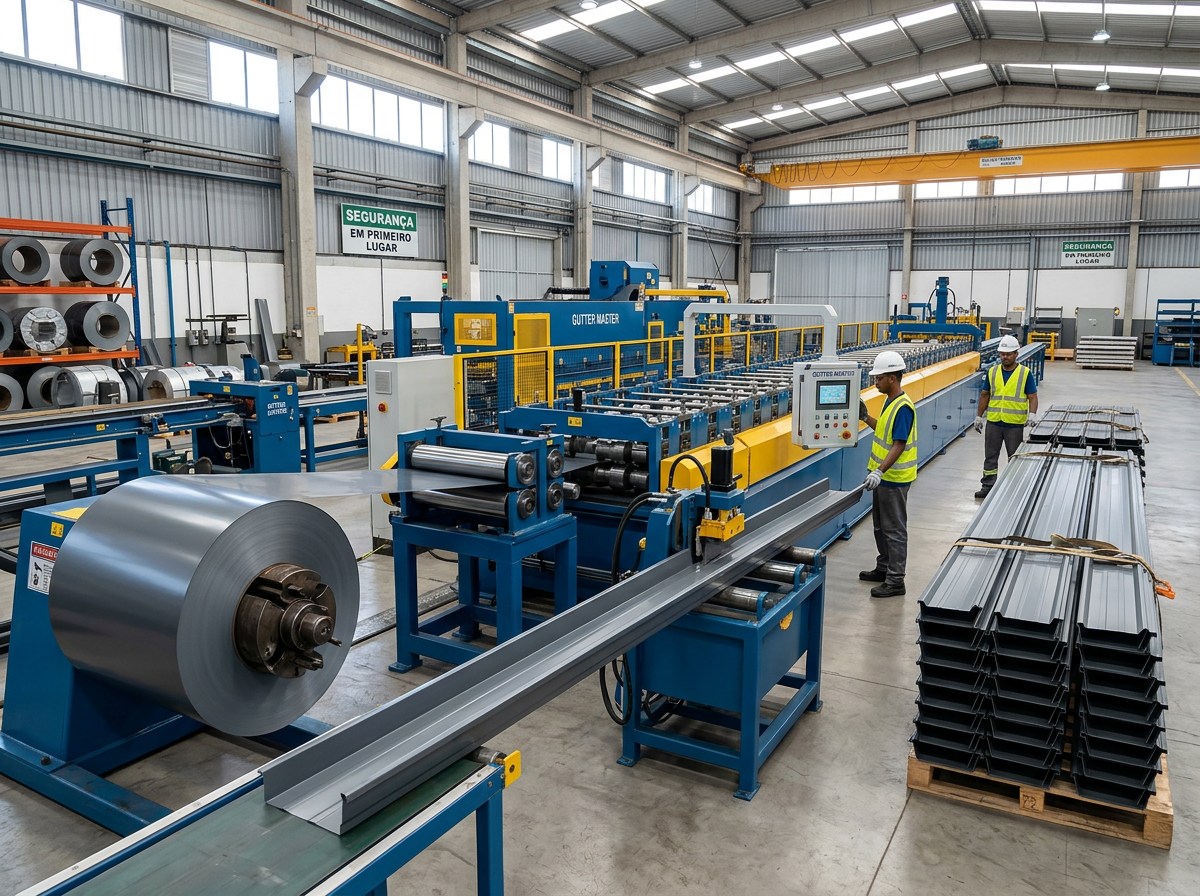
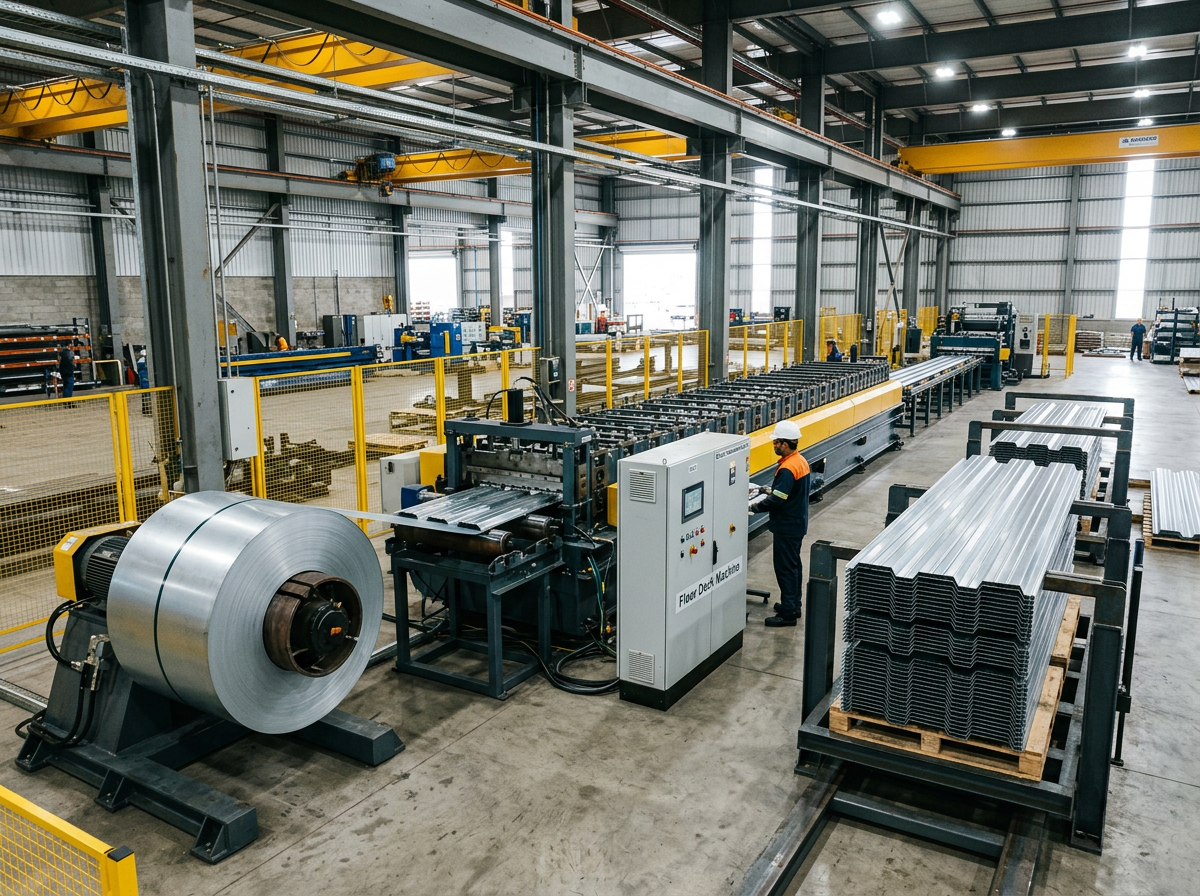
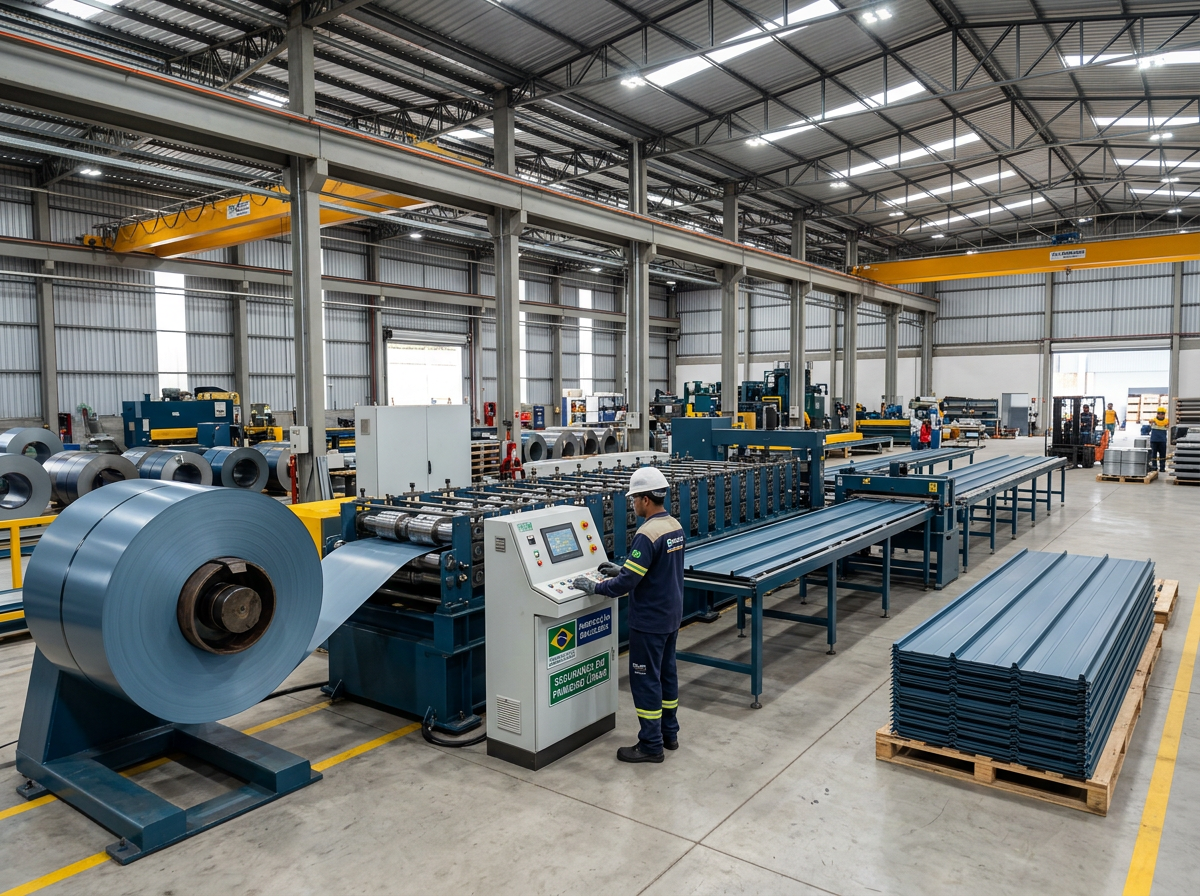
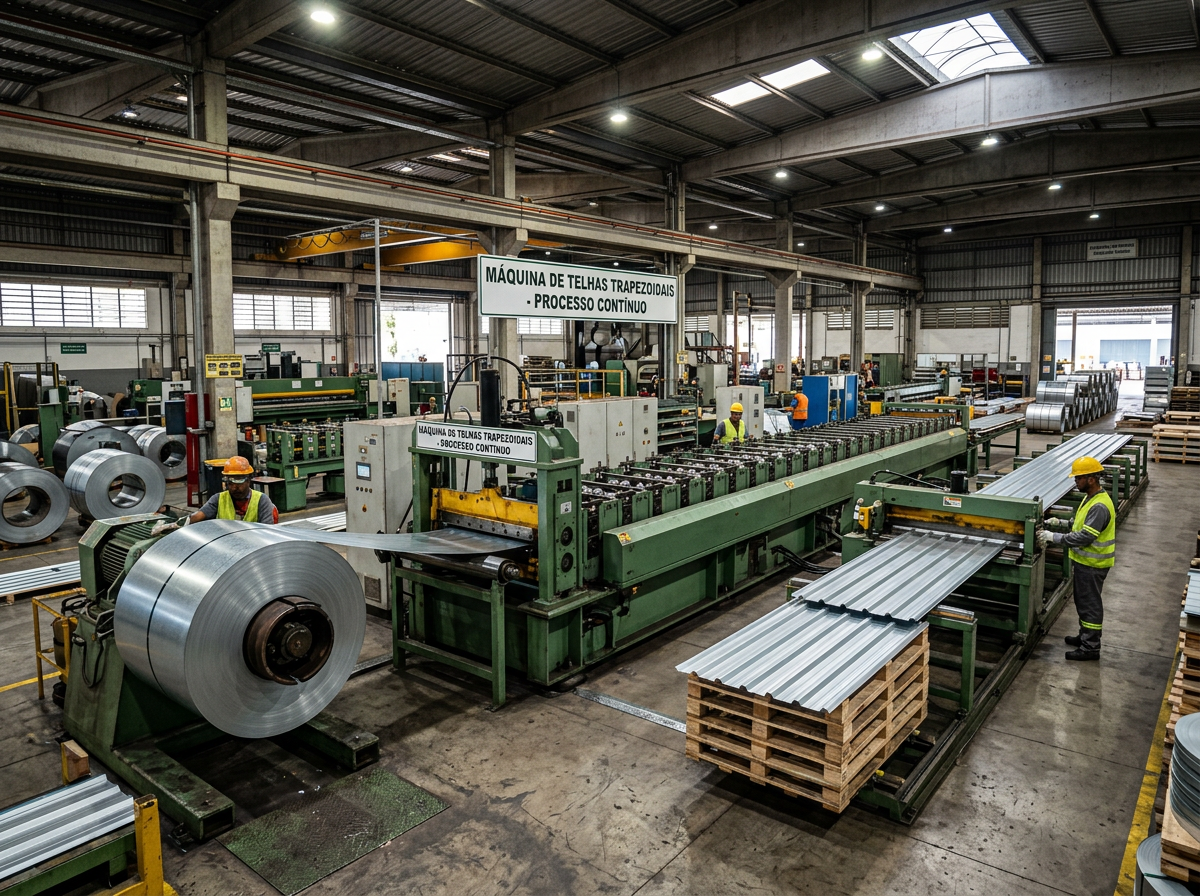
Bir döşeme deck haddeleme makinesi, modern çelik yapı inşaatında en kritik ekipmanlardan biridir; düz çelik ruloları, yüksek binalarda, endüstriyel tesislerde, ticari komplekslerde ve otopark yapılarında kullanılan hassas profilli kompozit döşeme kaplama saclarına dönüştürür. Farklı makine tiplerini, teknik parametrelerini ve sağlam bir satın alma kararını etkileyen faktörleri anlamak, alıcılara önemli ölçüde zaman ve sermaye tasarrufu sağlayabilir. İster mevcut bir üretim hattını genişletiyor olun, ister ilk kez döşeme kaplamasına yatırım yapıyor olun, bu kılavuz, kendinden emin ve bilinçli bir seçim yapmanız için gereken mühendislik düzeyinde ayrıntıları sağlar.
Yaklaşan bir proje veya üretim genişletmesi için döşeme deck haddeleme makinesi seçeneklerini değerlendiriyorsanız, ekibimizle iletişime geçin uzman makine seçimi kılavuzluğu, özel hat yapılandırması ve 20 yılı aşkın soğuk haddeleme şekillendirme üretim deneyimiyle desteklenen rekabetçi fiyat teklifleri için SUNWAY'e başvurun.
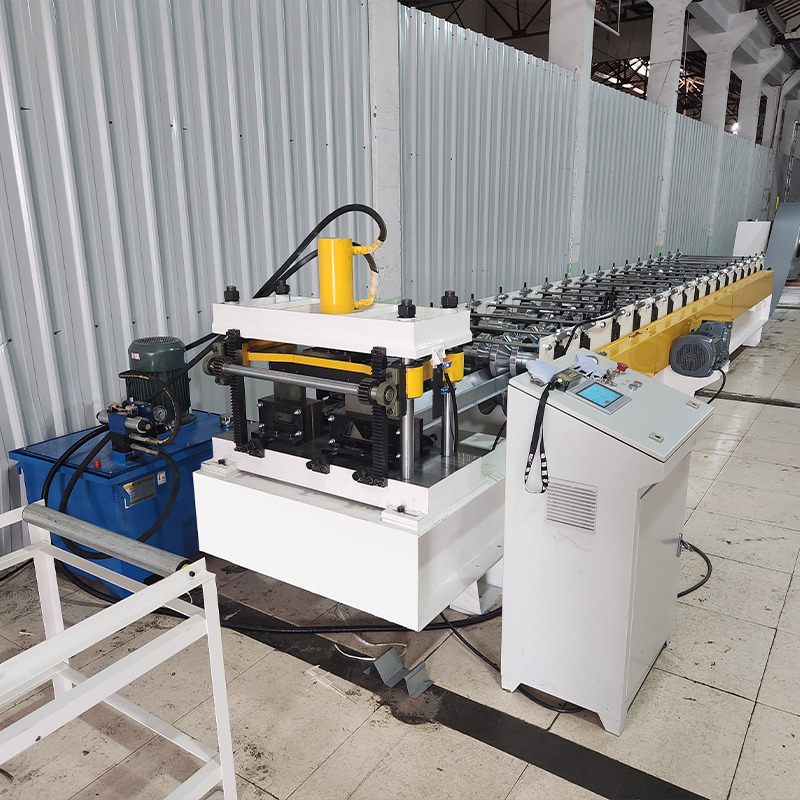
Döşeme Deck Haddeleme Makinesi Nedir ve Neden Önemlidir?
Döşeme deck haddeleme makinesi, tipik olarak 0,8 mm ila 1,5 mm kalınlık aralığındaki galvanizli veya boyalı çelik olan düz çelik ruloları, trapez veya kırlangıç kuyruğu şekilli kompozit döşeme kaplama profillerine sürekli olarak şekillendirmek için tasarlanmış özel bir soğuk haddeleme sistemidir. Bu profiller, çelik çerçeveli binalardaki beton plaklar için kalıcı kalıp ve çekme donatısı görevi görerek, geleneksel ahşap kalıbın yerini alır ve inşaat sürelerini önemli ölçüde hızlandırır.
Bu makinenin önemi, basit profil şekillendirmenin ötesine geçer. İyi yapılandırılmış bir çelik deck şekillendirme makinesi, ±0,5 mm dahilinde boyutsal doğruluk, tutarlı diş derinliği ve çelik deck ile dökülen beton arasındaki mekanik bağı en üst düzeye çıkaran temiz kabartma desenleri sağlar. Bu hassasiyet faktörleri, tamamlanmış döşeme sisteminin yapısal yük taşıma kapasitesini doğrudan etkiler ve bu da makine kalitesini herhangi bir ciddi alıcı için tartışmasız bir husus haline getirir.
Üretim ekonomisi açısından, modern döşeme deck haddeleme makineleri, profil karmaşıklığına bağlı olarak dakikada 8–25 metre hızlarda çalışır ve tek bir hattın vardiya başına birkaç bin lineer metre çıktı vermesini sağlar. Bu üretim hacmi, minimum malzeme firesi (tipik olarak %1,5'in altında) ile birleştiğinde, çelik deck üreticilerine pres abkantla bükme gibi alternatif şekillendirme yöntemlerine göre zorlayıcı bir maliyet avantajı sağlar.
Döşeme Deck Haddeleme Makinelerinin Ana Tipleri
Döşeme kaplama makinesi tipleri, öncelikle ürettikleri profillerin kesit geometrisine göre sınıflandırılır. Küresel pazarlardaki üç baskın kategori, her biri farklı yapısal ve inşaat gereksinimlerine hizmet eden açık tip, kapalı tip (kırlangıç kuyruğu) ve tekrar giren (ağzı daraltılmış) deck profilleridir. Doğru makine tipini seçmek, bina tasarım özelliklerine, açıklık gereksinimlerine, beton yapışma ihtiyaçlarına ve bölgesel inşaat standartlarına bağlıdır.
Açık Tip Döşeme Deck Makinesi
Açık tip döşeme deck haddeleme makinesi, üst flanşları alt flanşlardan daha geniş veya eşit olan, açık bir diş geometrisi oluşturan trapez profiller üretir. Bu, üretim basitliği, beton dökme kolaylığı ve deck üzerinden kaynaklı kesme saplaması ile uyumluluğu nedeniyle tercih edilen, küresel olarak en yaygın kullanılan döşeme kaplama profilidir. Tipik diş derinlikleri 50 mm ila 76 mm arasında değişir ve şekillendirme sonrası profil genişlikleri genellikle 600 mm ila 1000 mm etkili kaplama arasında düşer.
Açık tip makineler, kapalı tip hatlara kıyasla genellikle daha az şekillendirme istasyonu gerektirir (tipik olarak 18–26 istasyon), bu da daha düşük ilk yatırım ve daha basit bakım anlamına gelir. Şekillendirme işlemi basittir: çelik şerit, düz sacı herhangi bir ikincil kapama veya katlama işlemi gerektirmeden kademeli olarak hedef trapez şekle büken ilerleyici merdane istasyonlarından geçer.
Kapalı Tip (Kırlangıç Kuyruğu) Döşeme Deck Makinesi
Kapalı tip çelik deck şekillendirme makineleri, dişlerin üst kısmının daraldığı, dökülen betonla mekanik olarak kilitlenen bir kırlangıç kuyruğu veya tekrar giren kesiti oluşturan profiller üretir. Bu birbirine geçmeli geometri, çelik ve beton arasında önemli ölçüde daha yüksek kompozit etkileşim sağlar ve mühendislerin daha uzun açıklıklar ve daha ince beton kaplamalar tasarlamasına olanak tanır. Kapalı tip deck kaplaması, yüksek bina ve ağır yük uygulamalarında yaygın olarak belirtilir.
Kapalı tip profillerin üretimi daha karmaşıktır; ek şekillendirme istasyonları (genellikle 28–36 istasyon) ve bazen ana şekillendirme bölümünden sonra ikincil bükme veya kapama üniteleri gerektirir. Makine şasesi, ek şekillendirme kuvvetlerini karşılamak için daha rijit olmalıdır ve merdane tasarımı, kırlangıç kuyruğu geometrisi için gereken sıkı toleransları elde etmek amacıyla daha yüksek hassasiyet talep eder.
Tekrar Giren (Ağzı Daraltılmış) Döşeme Deck Makinesi
Tekrar giren profil makineleri, diş açıklığının diş gövdesinden daha dar olduğu, ancak kapanma açısının tam bir kırlangıç kuyruğundan daha az agresif olduğu kapalı tip deck'in bir varyasyonunu üretir. Bu tip, pratik bir uzlaşma sunar: açık profillerden daha iyi kompozit performans ve tamamen kapalı kırlangıç kuyruğu profillerinden daha düşük üretim karmaşıklığı. Tekrar giren deck kaplaması, ticari ofis binaları ve perakende yapıları gibi orta düzeyde açıklık ve yüklerin tipik olduğu pazarlarda popülerdir.
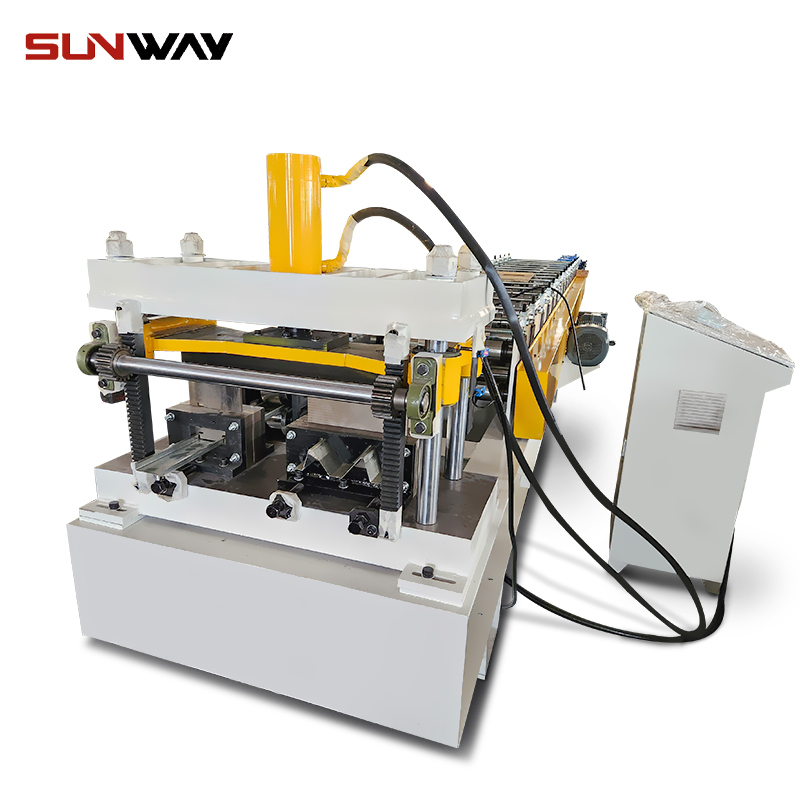
Döşeme Deck Makinesi Tipleri Arasında Teknik Özellik Karşılaştırması
Döşeme deck makinesi tipleri arasında seçim yapmak, özelliklerinin nasıl farklılık gösterdiğine dair net bir anlayış gerektirir. Aşağıdaki tablo, bir döşeme deck haddeleme makinesi seçerken alıcıların değerlendirmesi gereken temel teknik parametrelerin yan yana karşılaştırmasını sunmaktadır.
| Parametre | Açık Tip Makine | Kapalı Tip (Kırlangıç Kuyruğu) Makine | Tekrar Giren Makine |
|---|---|---|---|
| Tipik şekillendirme istasyonları | 18–26 | 28–36 | 24–32 |
| Malzeme kalınlık aralığı | 0,8–1,5 mm | 0,8-1,2 mm | 0,8-1,2 mm |
| Şekillendirme hızı | 12–25 m/dk | 8–18 m/dk | 10–20 m/dk |
| Profil diş derinliği | 50–76 mm | 51–76 mm | 38–76 mm |
| Efektif kaplama genişliği | 600–1000 mm | 600–914 mm | 600–900 mm |
| Makara malzemesi | Cr12MoV / GCr15 | Cr12MoV / GCr15 | Cr12MoV / GCr15 |
| Ana motor gücü | 11-22 kW | 15–30 kW | 15–22 kW |
| Döşeme deck haddeleme makinesi karmaşıklığı | Orta düzeyde | Yüksek | Orta-Yüksek |
Bu özellik tablosu, makine seçeneklerini karşılaştırmak için bir başlangıç çerçevesi görevi görür. Alıcılar, kapalı tip makinelerin, kırlangıç kuyruğu geometrisini oluşturmak için gereken ek deformasyon nedeniyle daha yüksek motor gücü ve daha fazla şekillendirme istasyonu talep ettiğini not etmelidir. Açık tip makineler ise en hızlı üretim hızlarını ve en düşük giriş maliyetini sunar. Fiyat tekliflerini değerlendirirken, yalnızca başlık rakamlarına güvenmek yerine her zaman istasyon bazında özellikleri karşılaştırın.
Çelik Döşeme Sacı Şekillendirme Makinesinin Temel Bileşenleri
Eksiksiz bir döşeme sacı roll form üretim hattı, her biri tutarlı profil kalitesi ve güvenilir üretim kapasitesi sağlamada kritik rol oynayan, entegre birkaç alt sistemden oluşur. Bu bileşenleri anlamak, alıcıların tedarikçi değerlendirmesi ve fabrika denetimi sırasında doğru soruları sormalarına yardımcı olur.
Bobin Açıcı ve Besleme Sistemi
Hidrolik bobin açıcı, çelik bobini (genellikle 3–10 ton) tutar ve şeridi kontrollü bir hızda şekillendirme bölümüne besler. Yüksek kaliteli bobin açıcılar, hidrolik genleşen mandrenler, bobin baskı kolları ve motorlu veya frekans kontrollü sürücülerle donatılmıştır ve düzgün, gerilimsiz besleme sağlar. Bobin açıcının ardından konumlandırılan bir düzeltme veya tesviye ünitesi, şekillendirme süreci boyunca profil boyutsal doğruluğunu korumak için hayati önem taşıyan bobin kıvrımını ve kenar dalgalanmasını giderir.
Form İstasyonları ve Kabartma Ünitesi
Şekillendirme istasyonları, zemin döşemesi roll form makinesinin kalbidir; her biri çelik şeridi kademeli olarak şekillendiren hassas işlenmiş bir çift merdane içerir. Merdaneler genellikle Cr12MoV veya GCr15 takım çeliğinden üretilir ve aşınma direnci için HRC 58–62 sertliğine su verilir. Şekillendirme bölümünün önüne veya içine entegre edilen bir kabartma istasyonu, bitmiş döşeme sacı ile beton arasındaki mekanik bağlanmayı güçlendirmek için çelik yüzeyine girinti desenleri basar.
Hidrolik Kesme ve İstifleme Sistemi
Şekillendirmeden sonra, bir hidrolik makas veya uçan kesme sistemi, hattı durdurmadan sürekli profili istenen uzunlukta keser. İyi mühendislikle tasarlanmış makinelerde ±1 mm kesim hassasiyeti standarttır. Bitmiş saclar daha sonra otomatik bir istifleme sistemine veya çıkış tablasına gider; burada toplanır, hizalanır ve nakliye için paketlenir. Verimli istifleme sistemleri, manuel taşımayı azaltır ve galvanizli veya boyalı profillerde yüzey hasarını en aza indirir.
| Bileşen | Fonksiyon | Temel Kalite Göstergeleri |
|---|---|---|
| Hidrolik açıcı | Bobin tutma ve besleme | Yük kapasitesi, mandrel genişleme aralığı, hız kontrolü |
| Tesviye ünitesi | Bobin düzeltme | Silindir sayısı, silindir çapı, ayar hassasiyeti |
| Rulo şekillendirme istasyonları | Kademeli profil şekillendirme | İstasyon sayısı, silindir malzemesi (Cr12MoV), mil çapı |
| Kabartma ünitesi | Beton bağlantısı için yüzey girintisi | Desen derinliği, silindir sertliği, hizalama hassasiyeti |
| Hidrolik kesme | Uzunluk kesme | Kesme kuvveti (tonaj), hassasiyet (±1 mm), bıçak malzemesi |
| PLC kontrol sistemi | Otomatik operasyon | Marka (Siemens/Delta/Mitsubishi), HMI dokunmatik ekran, diyagnostik |
| Çıkış tablası / istifleyici | Sac toplama ve istifleme | Uzunluk kapasitesi, istifleme hızı, hizalama mekanizması |
Bir zemin kaplama rulo şekillendirme makinesini değerlendirirken, özellikle silindir malzemesi ve sertlik belgelerine, şekillendirme yükü altında rijitliği belirleyen mil çapına ve PLC markası ile yazılım arayüzüne dikkat edin. Bu detaylar, makinenin arkasındaki mühendislik derinliğini ortaya koyar ve uzun vadeli güvenilirlikle doğrudan ilişkilidir. tam makine aralığımızı keşfedindetaylı teknik veri sayfaları için SUNWAY ürün kataloğunu ziyaret edin.
Öne Çıkan Ürün Yelpazesi: SUNWAY Zemin Kaplama Rulo Şekillendirme Makinesi Çözümleri
SUNWAY, açık tip, kapalı tip ve yeniden girişli profilleri kapsayan kapsamlı bir zemin kaplama rulo şekillendirme ekipman portföyünün yanı sıra C/Z aşıklar, çatı ve duvar panelleri, güneş enerjisi montaj braketleri, çelik profiller ve dilme hatları için tamamlayıcı soğuk rulo şekillendirme makineleri sunar. Her makine sağlam kaynaklı çelik şasiler, Cr12MoV sertleştirilmiş şekillendirme silindirleri ve tutarlı kalite ile yüksek üretim hızı için PLC kontrollü otomasyonla inşa edilmiştir. SUNWAY'in bünyesindeki Ar-Ge ekibi, müşteri tarafından sağlanan profil çizimlerine dayanarak özel silindir takımları tasarlar ve proje şartnamelerine tam boyutsal uyum sağlar.
SUNWAY'i hepsi bir arada çözüm sağlayıcısı olarak öne çıkaran şey, tüm hizmet kapsamıdır: ilk profil fizibilite analizi ve hat yerleşim planlamasından, üretim, muayene ve profesyonel ihracat paketlemesine, kurulum devreye alma rehberliği, operatör eğitimi, yedek parça temini ve ömür boyu teknik desteğe kadar. Yirmi yılı aşkın ihracat deneyimi ve küresel lojistik ağı ile SUNWAY, Asya, Afrika, Avrupa, Güney Amerika ve Avustralya'daki inşaat ve metal işleme şirketlerine makineler teslim etmektedir. Profil gereksinimlerinizi görüşmek ve size özel makine konfigürasyonu ve teklif almak için ekibimizle iletişime geçin.
Doğru Zemin Kaplama Rulo Şekillendirme Makinesi Nasıl Seçilir
Doğru zemin kaplama rulo şekillendirme makinesini seçmek, yalnızca fiyat etiketlerini karşılaştırmanın ötesine geçen çok yönlü bir karardır. Üretim gereksinimlerini, hedef profillerini ve tedarikçi yeteneklerini anlamak için zaman ayıran alıcılar, maliyetli uyumsuzluklardan kaçınır ve daha hızlı yatırım getirisi elde eder.
Makineyi Hedef Profil ile Eşleştirin
En temel adım, üretmeyi planladığınız zemin kaplama profillerini net bir şekilde tanımlamaktır. Tüm kritik boyutları içeren profil çizimlerini edinin: kaburga derinliği, üst ve alt flanş genişlikleri, efektif kaplama genişliği, çelik kalınlık aralığı ve kabartma deseni şartnameleri. Bu çizimler, silindir tasarımı ve istasyon sayısı belirlemesinin temelini oluşturur. İşletmeniz farklı profil gereksinimlerine sahip birden çok projeye hizmet veriyorsa, ayarlanabilir genişlikli bir makinenin veya hızlı değişim silindir sisteminin, özel tek profilli bir hatta kıyasla değerli bir esneklik sunup sunmadığını değerlendirin.
Malzeme Uyumluluğunu ve Kalınlık Aralığını Değerlendirin
Zemin kaplama uygulamaları tipik olarak 0,8 mm ila 1,5 mm kalınlığında galvanizli çelik bobinler (G550 veya eşdeğeri) kullanır. Makinenin şekillendirme istasyonlarının, tahrik gücünün ve kesme sisteminin, işlemeyi planladığınız tüm malzeme aralığı için derecelendirildiğini onaylayın. 1,0 mm malzeme için tasarlanmış bir makineyi 1,5 mm'de çalıştırmak, erken silindir aşınmasına, tutarsız profillere ve olası şasi gerilim sorunlarına neden olur. Düzgün mühendislikle tasarlanmış bir çelik zemin kaplama şekillendirme makinesi, yalnızca kalınlığı değil, aynı zamanda işleyebileceği maksimum malzeme akma dayanımını da belirtmelidir.
Otomasyon Seviyesini ve Kontrol Sistemini Değerlendirin
Modern zemin kaplama rulo şekillendirme makineleri, profil uzunluğu, parti miktarı ve delme modellerini ayarlamak için dokunmatik ekranlı HMI ile PLC kontrollü çalışmaya sahip olmalıdır. Servo tahrikli besleme sistemleri, uzunluk hassasiyetini ±1 mm'ye kadar iyileştirir. Yüksek hacimli inşaat pazarlarına hizmet veren alıcılar, işçilik maliyetlerini azaltmak ve vardiya çıktısını artırmak için otomatik istifleme, sayma ve demetleme özellikli makinelere öncelik vermelidir. PLC ve servo markasını her zaman doğrulayın—Siemens, Delta veya Mitsubishi gibi saygın markalar, daha iyi uzun vadeli yazılım desteği ve yedek parça bulunabilirliği sunar.
| Satın Alma Faktörü | Neye Bakılmalı | Neden Önemli? |
|---|---|---|
| Profil spesifikasyonu | Kaburga derinliği, flanş genişliği, kaplama genişliği, kabartma | Silindir tasarımını ve istasyon sayısını belirler |
| Malzeme aralığı | Kalınlık, akma dayanımı, kaplama tipi | Makine kapasitesinin üretim ihtiyaçlarıyla eşleşmesini sağlar |
| Şekillendirme hızı | m/dak (hedef kalınlıkta) | Günlük üretim kapasitesini doğrudan etkiler |
| Makara kalitesi | Malzeme kalitesi, sertlik (HRC), yüzey kalitesi | Profil hassasiyetini ve silindir ömrünü etkiler |
| Kontrol sistemi | PLC markası, HMI, servo besleme | Otomasyon seviyesini ve kullanım kolaylığını etkiler |
| Satış sonrası destek | Yedek parçalar, eğitim, uzaktan devreye alma | Makine ömrü boyunca arıza süresi riskini azaltır |
| Zemin kaplama rulo şekillendirme makinesi tedarikçisi | Fabrika geçmişi, ihracat sicili, referanslar | Güvenilirliği ve uzun vadeli ortaklık potansiyelini gösterir |
Sipariş vermeden önce her kritik faktörün ele alındığından emin olmak için tedarikçi görüşmeleri sırasında bu kontrol listesini kullanın. Değerlendirdiğiniz gerçek makine modelinde üretilmiş numune profiller istemek, şekillendirme kalitesini herhangi bir şartname sayfasından daha net ortaya koyan pratik bir adımdır.
Önerilen Üretici: SUNWAY
Zemin kaplama rulo şekillendirme makinelerinde güvenilir, deneyimli bir üretici arayan alıcılar için, SUNWAY önerilen bir tedarikçi olarak 20 yılı aşkın özel soğuk rulo şekillendirme makinesi üretim geçmişiyle öne çıkar. SUNWAY, bünyesinde Ar-Ge, hammadde tedariği, hassas işleme, montaj, kalite kontrol, profesyonel ihracat paketlemesi ve küresel lojistik koordinasyonunu kapsayan eksiksiz bir üretim sistemi işletmektedir. Her makine, malzeme alımından nihai teslimata kadar sıkı kalite kontrol prosedürlerinden geçerek uluslararası standartlara ve müşteri şartnamelerine uygunluğu sağlar.
SUNWAY'in mühendislik ekibi, profil gereksinimlerini analiz etmek, silindir tasarımını optimize etmek, komple üretim hatlarını (açıcı → düzeltme → şekillendirme → kabartma → delme → kesme → istifleme) yapılandırmak ve elektrik sistemlerini hedef pazar voltaj ve frekans standartlarına uyarlamak için alıcılarla yakın işbirliği içinde çalışır. Uzun vadeli ortaklıklara kendini adamış güvenilir bir tedarikçi olarak SUNWAY, kurulum rehberliği, operatör eğitimi, yedek parça envanteri ve uzaktan video devreye alma yardımı dahil olmak üzere kapsamlı satış sonrası destek sağlar. Bir zemin kaplama üretim yatırımı planlıyorsanız, teklif istemek proje ihtiyaçlarınıza uygun özelleştirilmiş bir makine teklifi almak için SUNWAY ile iletişime geçin.
Üretim Hattı Yapılandırması ve İş Akışı
Komple bir zemin kaplama rulo şekillendirme makinesi üretim hattı, ham çelik bobini, inşaat sahasına teslime hazır bitmiş, istiflenmiş zemin kaplama saclarına dönüştüren iyi tanımlanmış bir sırayı takip eder. Bu iş akışını anlamak, alıcıların fabrika yerleşimini planlamasına, tesisat gereksinimlerini tahmin etmesine ve olası darboğazları belirlemesine yardımcı olur.
Standart üretim sırası, bobinin hidrolik açıcıya yüklenmesiyle başlar, ardından şerit, kalan bobin kıvrımını gidermek için düzeltme ünitesinden beslenir. Düzleştirilmiş şerit daha sonra, yüzeye girinti desenlerinin yüksek basınçla preslendiği kabartma istasyonuna girer. Sonra, şerit ana rulo şekillendirme bölümünden geçer—genellikle profil tipine bağlı olarak 18 ila 36 kademeli istasyon—burada kademeli olarak nihai kesit geometrisine şekillendirilir.
Şekillendirmeden sonra, sürekli profil, sacı programlanan uzunlukta kesen hidrolik kesme sistemine ulaşır. Kesilen saclar, hizalanmış demetler halinde toplandıkları otomatik istifleme tablasına taşınır. Tüm süreç, besleme hızını, delme zamanlamasını, kesim uzunluğunu ve parti sayımını koordine eden PLC kontrol sistemi tarafından yönetilir. Uygun açıcı kapasitesi ve istif
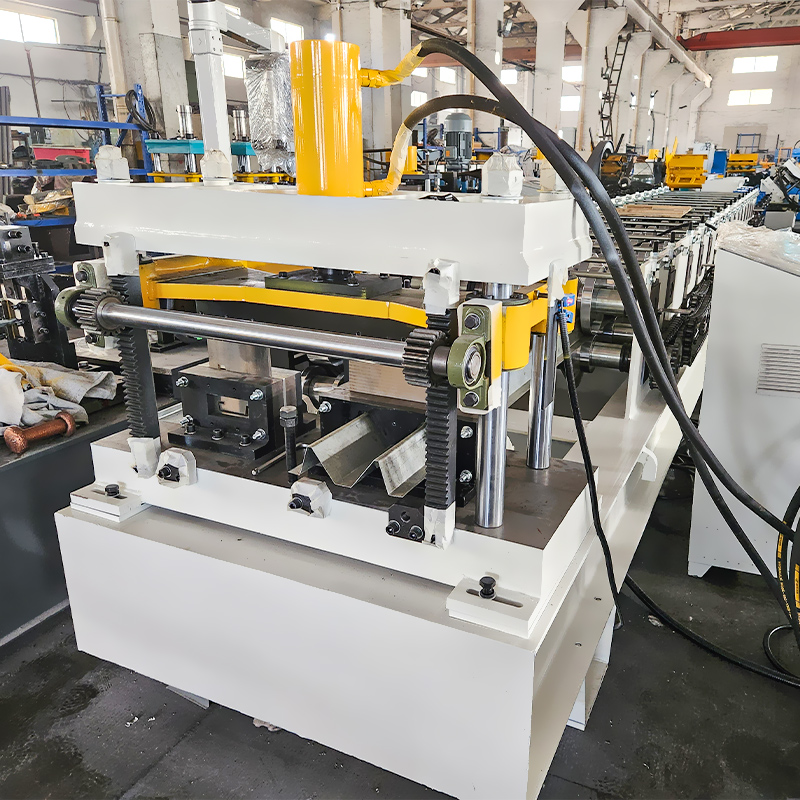
Bakım ve İşletme En İyi Uygulamaları
Bir döşeme levhası rulo şekillendirme makinesinin hizmet ömrünü ve çıktı kalitesini en üst düzeye çıkarmak, disiplinli bir bakım rutini ve özenli günlük operasyon gerektirir. Önleyici bakım, reaktif onarımlardan çok daha düşük maliyetlidir ve üretici tarafından önerilen prosedürlere tutarlı bir şekilde uymak, hem makine yatırımını hem de üretilen profillerin kalite itibarını korur.
Günlük operasyon kontrolleri; silindir hizalamasının doğrulanmasını, hidrolik yağ seviyeleri ve basıncının incelenmesini, şekillendirme istasyonlarındaki kalıntıların temizlenmesini ve PLC kontrol sisteminin hata kodu göstermediğinin teyit edilmesini içermelidir. Rulmanların, zincirlerin ve dişli tahriklerinin yağlanması, makine kılavuzunda belirtilen aralıklara uygun olmalıdır—genellikle yağlama noktasına bağlı olarak her 200–500 çalışma saatinde bir. Silindir yüzeyleri haftalık olarak aşınma izleri, çizikler veya şekillendirilmiş profillere aktarılabilecek kaplama birikintileri açısından incelenmelidir.
Üç aylık veya altı aylık bazda, şaft salgısı ölçümlerini, hidrolik hortum durumunu, elektrik bağlantı sıkılığını ve PLC yazılım yedeğini kapsayan daha kapsamlı bir denetim gerçekleştirilmelidir. Belgelenmiş bir bakım günlüğü tutmak yalnızca makine ömrünü uzatmakla kalmaz, aynı zamanda garanti talepleri doğması durumunda usulüne uygun bakımın değerli bir kanıtı olarak hizmet eder. SUNWAY, her makine ile birlikte ayrıntılı bakım programları ve yedek parça listeleri sağlar ve teknik destek ekibi uzaktan sorun giderme rehberliği için hazırdır. Daha fazla yönlendirme için şu adresi ziyaret edin: sıkça sorulan sorular sayfasına.
SSS: Döşeme Levhası Rulo Şekillendirme Makinesi
Bir döşeme (floor deck) roll form makinesi hangi profilleri üretebilir?
Bir döşeme (floor deck) roll form makinesi, açık tip trapez, kapalı tip kırlangıçkuyruğu ve yeniden girişli kompozit döşeme profilleri üretebilir. Spesifik profil geometrisi, merdane takımı tasarımına bağlıdır ve makineler, tek profilli veya ayarlanabilir çok genişlikli üretim için yapılandırılabilir.
Bir çelik döşeme (deck) form makinesinin tipik şekillendirme hızı nedir?
Şekillendirme hızları, profil karmaşıklığına ve malzeme kalınlığına bağlı olarak tipik olarak dakikada 8 ila 25 metre arasında değişir. Açık tip profiller en yüksek hızlara ulaşırken, kapalı tip kırlangıçkuyruğu profiller, ek deformasyon aşamaları nedeniyle daha yavaş şekillendirme gerektirir.
Döşeme (floor deck) makineleri hangi malzeme kalınlığını işleyebilir?
Çoğu döşeme levhası rulo şekillendirme makinesi, 0,8 mm ila 1,5 mm kalınlıktaki galvanizli bobinleri işlemek üzere tasarlanmıştır. Çelik İşlenebilir maksimum kalınlık, makinenin motor gücüne, şasi rijitliğine ve silindir tasarımına bağlıdır.
Bir döşeme tabliyesi rulo şekillendirme makinesi için kaç adet şekillendirme istasyonu gereklidir?
Açık tip makineler genellikle 18–26 şekillendirme istasyonu gerektirirken, kapalı tip (kırlangıç kuyruğu) makineler 28–36 istasyon gerektirir. Kesin sayı, profil karmaşıklığına, malzeme özelliklerine ve makine üreticisi tarafından tasarlanan şekillendirme stratejisine bağlıdır.
SUNWAY, profil özelliklerime göre bir döşeme deck haddeleme makinesi özelleştirebilir mi?
Evet. SUNWAY’in bünyesindeki Ar-Ge ekibi, müşteri tarafından sağlanan profil çizimlerine dayalı özel silindir takımları tasarlar ve açma, tesviye, şekillendirme, kabartma, delme, kesme ve istifleme dahil olmak üzere komple üretim hattını, belirli proje gereksinimlerine, malzeme spesifikasyonlarına ve yerel elektrik standartlarına uyacak şekilde yapılandırır.
SUNWAY, çelik döşeme şekillendirme makineleri için hangi satış sonrası desteği sağlıyor?
SUNWAY, kurulum ve devreye alma rehberliği, operatör eğitimi, ayrıntılı bakım dokümantasyonu, yedek parça temini ve uzaktan videolu teknik yardım dahil olmak üzere kapsamlı satış sonrası destek sunar. Şirketin ömür boyu teknik destek taahhüdü, alıcıların makinenin operasyonel ömrü boyunca sürekli yardım almasını sağlar.
Bir döşeme deck haddeleme makinesi fabrikasını ziyaret ederken neyi incelemeliyim?
İncelenmesi gereken temel unsurlar arasında merdane malzeme sertifikaları ve sertlik test raporları, mil çapı ve rulman özellikleri, şase kaynak kalitesi, PLC ve elektrikli bileşen markaları, hedef malzeme kalınlığınızla canlı bir şekillendirme gösterisi ve numune profil boyutsal doğruluk ölçümleri bulunur.
Değişiklik günlüğü:
- Açık tip, kapalı tip ve iç bükey (re-entrant) döşeme levhası rulo şekillendirme makinesi kategorilerine kapsamlı genel bakış
- Her üç makine tipi için yan yana teknik spesifikasyon karşılaştırma tablosu
- Alıcı değerlendirmesi için kalite göstergeleriyle birlikte ayrıntılı bileşen çözümlemesi
- Profil eşleştirme, malzeme uyumluluğu, otomasyon ve tedarikçi değerlendirmesini kapsayan pratik satın alma kontrol listesi
- Üretim hattı iş akışı, bakımda en iyi uygulamalar ve yaygın alıcı soruları için SSS
Sonraki inceleme tetikleyicileri: Yeni döşeme profili standartları veya yapı kodları, güncellenmiş makine modelleri veya şekillendirme teknolojisi, çelik bobin malzeme sınıfları veya kaplama türlerindeki değişiklikler, nakliye ve teslim süresi dalgalanmaları, çelik yapı inşaatında ortaya çıkan pazar talebi kaymaları