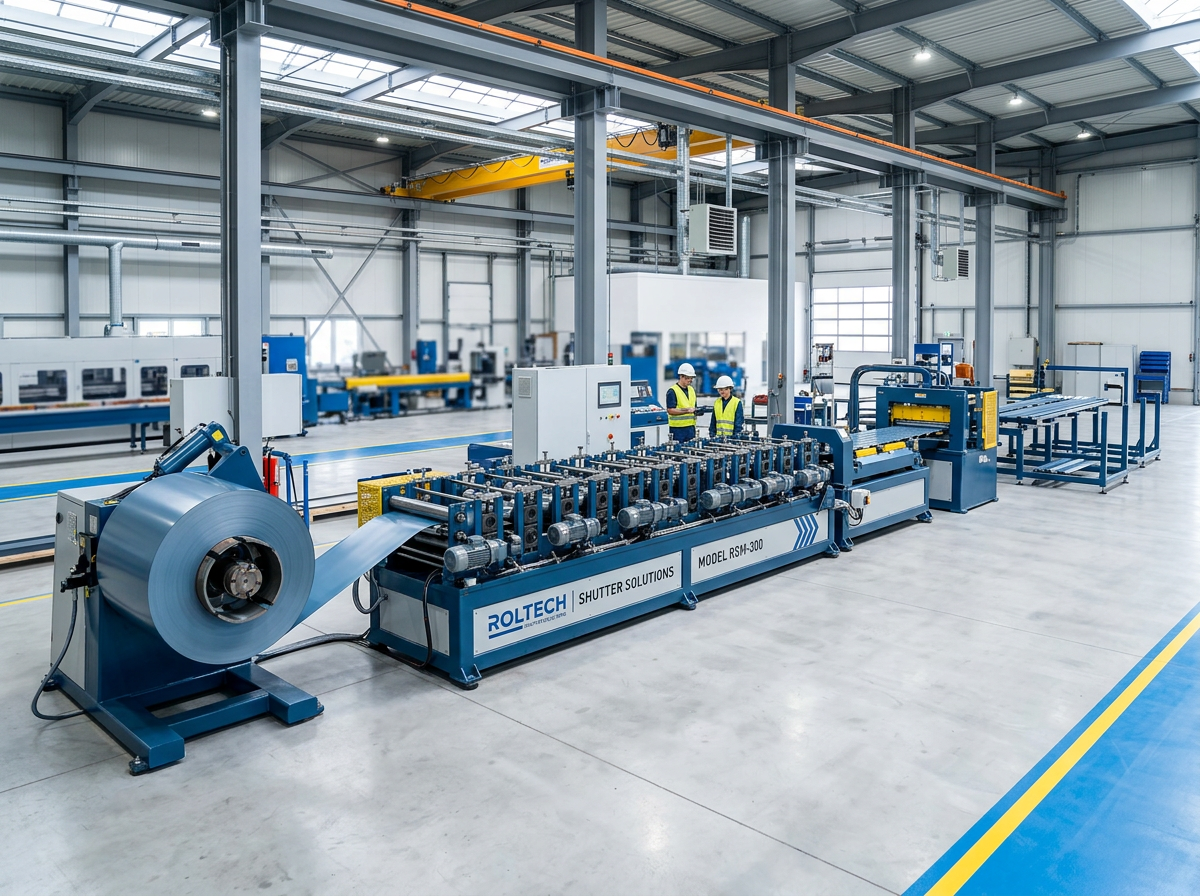
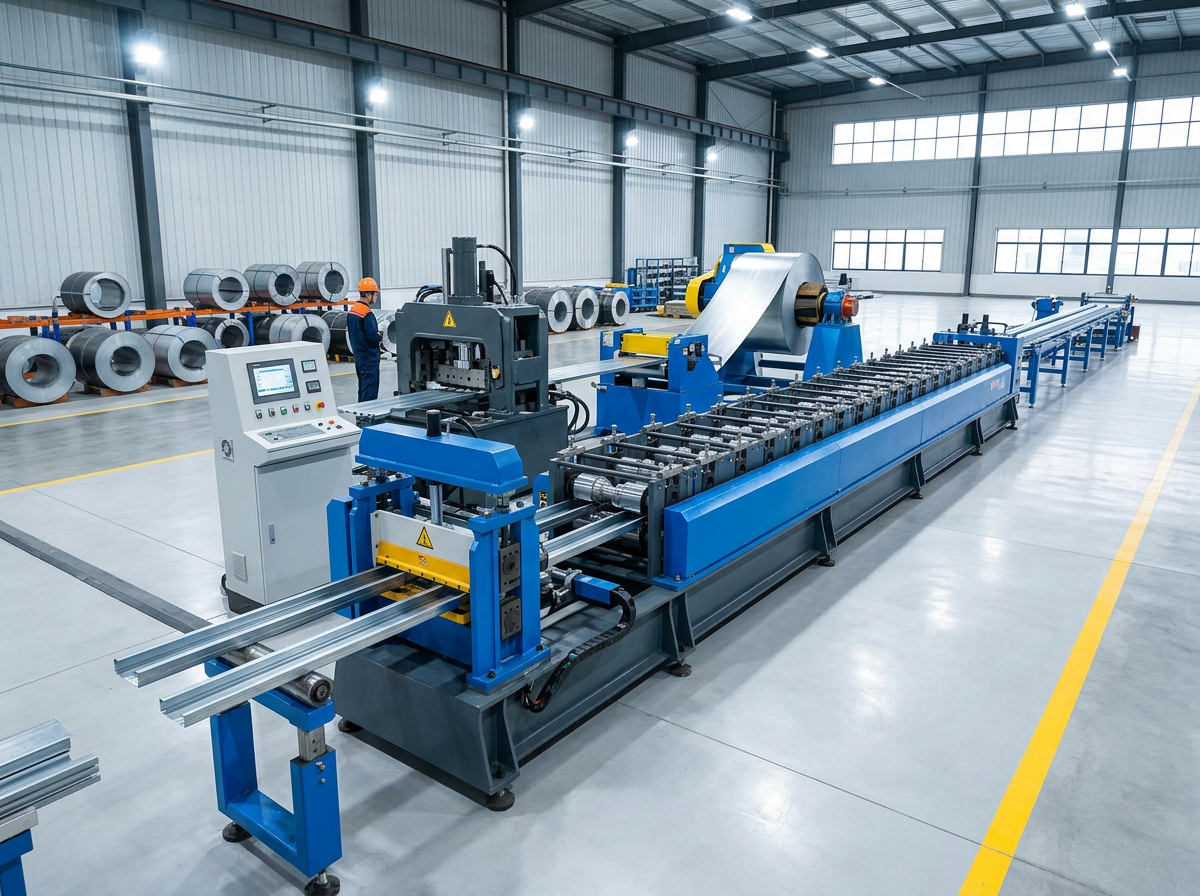
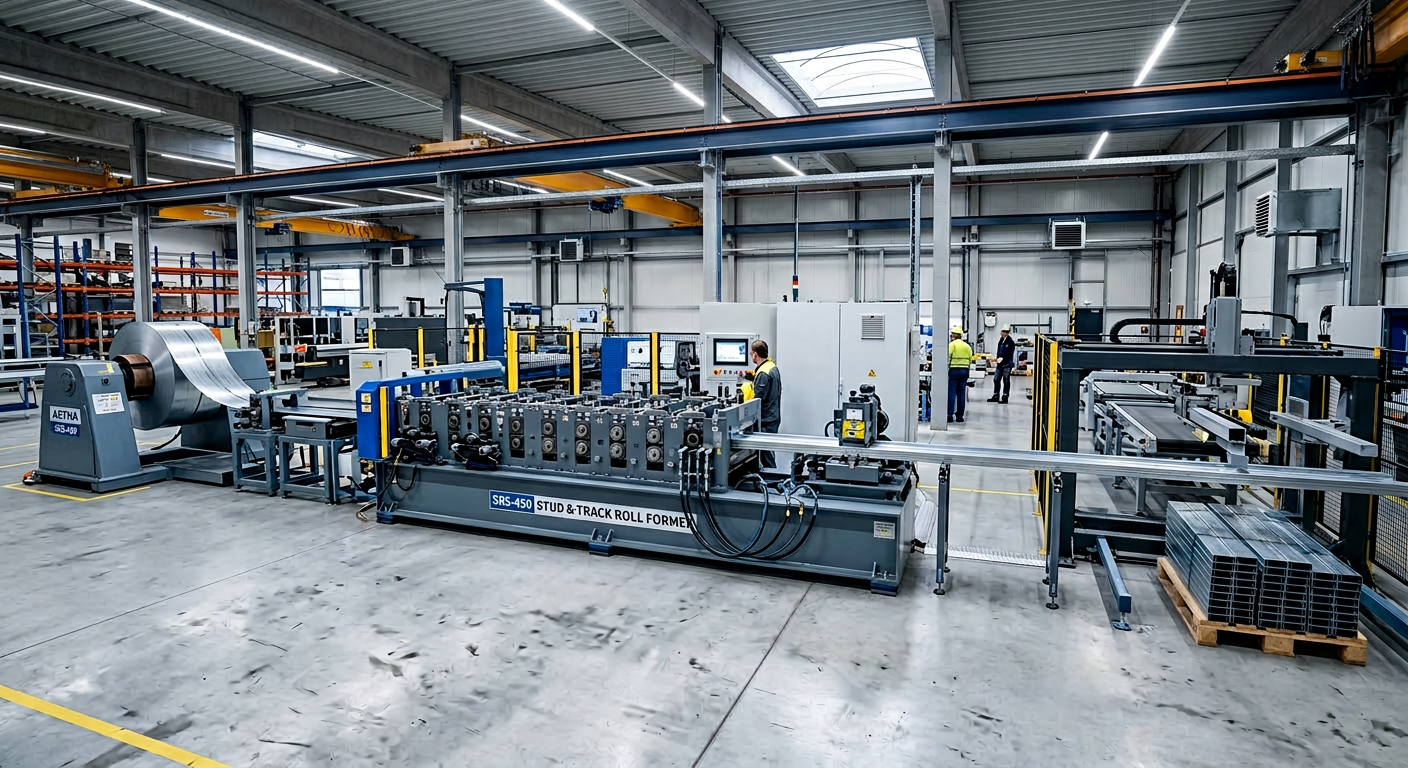
Color steel rain pipe roll forming machines are used to produce rainwater downpipes and gutters from pre-painted metal coils in various color finishes. These rain carrying components are essential parts of roof drainage systems for buildings.
This guide provides details on rain pipe specifications, types of roll forming machines, components, working principles, production line design factors, applications, advantages, limitations and more.
Overview of Color steel rain pipe roll forming machine
Key steps in color steel rain pipe roll forming include:
- Feeding painted metal coils into a series of roller dies
- Progressively cold bending the strip into pipe and gutter profiles
- Forming the rounded, rectangular or half-round cross-sections
- Inline cutting pipes and gutters to specified lengths
- Automatic stacking of finished components
- PLC-based controls for synchronized production
Pre-painted galvanized steel, aluminum and alloy coated steel coils are commonly roll formed into rain carrying components.
Types of Rain Pipe Roll Forming Machines
There are two main types of pipe roll formers:
1. Round Pipe Roll Forming Machines
- Form round rain pipe sections
- Use a spiral forming method
- Pipe diameter typically 80-150 mm
- Simpler, low-cost design
- Speeds around 10-15 m/min
2. Half-Round Gutter Roll Forming Machines
- Produce half-round and rectangular gutters
- Progressive roll forming method
- Wider forming parts for larger profiles
- Run at 25-40 m/min speeds
Comparison of Rain Pipe Roll Former Types
| Parameter | Round Pipe | Half-Round Gutter |
|---|---|---|
| Forming method | Spiral | Sequential |
| Profile shape | Round | Half-round, rectangular |
| Size range | 80-150 mm dia. | 100-300 mm width |
| Production speed | 10-15 m/min | 25-40 m/min |
| Tooling cost | Lower | Higher |
Components of Rain Pipe Rolling Lines
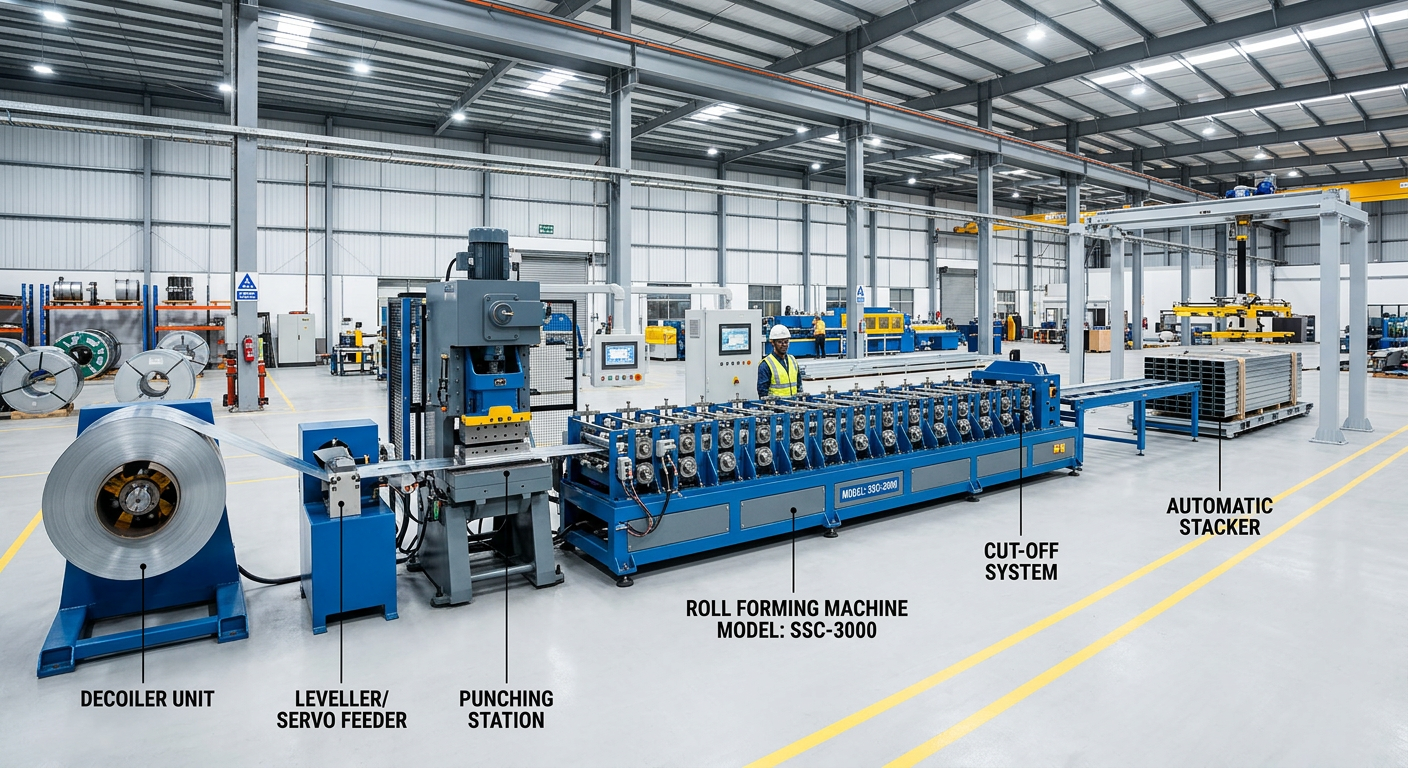
Color steel rain pipe rolling lines consist of various equipment modules:
Decoiler
- Feeds colored coils into process
- Equipped with tension control
Sheet Feeding
- Guides and straightens coil strips
- Thickness monitoring sensors
Roll Forming Stations
- Roller dies to progressively form profiles
- Supporting rollers, guides, presses
Pipe Cutting
- Rotating cutters slice pipes to length
- Servo control synchronizes cutting
Gutter Cutoff
- Shearing blades cut gutters to length
- Length measuring encoders
Stacker
- Stacks finished pipes and gutters
- Bundling straps
Control System
- PLC control panel with HMI
- Sensors, servo motors, safety interlocks
Conveyors
- Transfers workpieces between stations
- Motorized roller conveyors
Working Principle of Rain Pipe Rolling Lines
The working principle involves:
- Uncoiling pre-painted steel coils into the feed section
- Feeding the strip through progressive roller dies
- Gradually bending the strip into pipe or gutter profile
- Cutting the formed components to length by rotating shears
- Automatic stacking of finished pipes and gutters
- PLC control system coordinates the line for automated production
The modular design allows changing roll sets to switch profiles. Parameters like metal thickness, profile dimensions and line speed determine tooling dimensions.
Design Considerations for Rain Pipe Rolling Lines
Key design factors for rain pipe roll forming lines:
- Product dimensions – Pipe diameters and wall thickness
- Metal strip parameters – Coil width, gauge, strength
- Production speed – Feet or meters of pipe produced per minute
- Performance requirements – precision, changeover time
- Automation level – operator interface, safety
- Roll tooling – design, quick change ability, rigidity
- Material handling – Coil capacity, conveyors, stackers
- Expandability – Ability to increase future capacity
- Overall footprint – Layout within available space
Matching production targets with rainware dimensions determines optimal component sizing and layout.
Applications of Color Steel Rain Pipe Rolling Machines
Key applications of rolled metal rain pipes and gutters:
- Roof drainage systems
- Downspouts for rainwater harvesting
- Drainage pipes for outdoor areas
- Guttering for specialized vehicles
- Large non-residential roof drainage
- Color matching architectural aesthetics
- Coastal/marine applications needing corrosion resistance
Painted rainware components provide corrosion protection with color options to match building exteriors.
Benefits of Color Steel Rain Pipe Rolling Process
Advantages of the metal rain pipe roll forming process:
- High production speeds and volumes
- Continuous process from coils
- Consistent dimensional accuracy
- Lower costs compared to conventional fabrication
- Wide range of color finish options
- Automated production improves quality
- Minimal scrap generation
- Just-in-time supply improves lead times
- Flexibility to change dimensions
- Safer than site construction methods
Automated roll forming provides efficient, cost-effective production of rainware components.
Limitations of Color Steel Rain Pipe Rolling
Some limitations of the color steel rain pipe roll forming process:
- High initial investment for equipment
- Dedicated equipment lines per profile
- Complex tooling design and machining
- Requires skilled technicians for operation
- Risk of coil jamming if not controlled properly
- Limited to straight sections only
- Line changeover downtime for size changes
- Significant space requirement
- Can be noisy requiring mitigation
The process may not be feasible for low volume or batch production.
Key Manufacturers of Rain Pipe Rolling Equipment
Some leading global suppliers of color steel rain pipe roll forming equipment include:
Major Rain Pipe Roll Former Manufacturers
| Company | Location |
|---|---|
| Gasparini | Italy |
| Metform | USA |
| Shanghai Metal Corporation | China |
| Voestalpine Roll Forming | Austria |
| Jouanel | France |
| ABC Rollforming | Canada |
| Samco Machinery | India |
These companies offer standard and customized rainware roll forming equipment. Complete production lines include decoilers, forming stands, cutting, stacking and bundled packing modules.
Typical Equipment Cost Ranges
| Production Speed | Indicative Pricing |
|---|---|
| 10 m/min | $100,000 – $250,000 |
| 25 m/min | $250,000 – $500,000 |
| 40 m/min | $500,000 – $1 million |
| 60 m/min+ | Over $1 million |
Pricing varies based on production speed, automation features, and line accessories.
Installation and Operation Guidelines
Key measures for installing and operating color steel rain pipe roll forming lines:
- Floor space allocation for safe material handling
- Proper anchoring and levelling of equipment
- Electrical, pneumatic and hydraulic connections
- Trial runs to verify product quality
- Documenting forming parameters and settings
- Operator training on procedures
- Safety protocols like interlocks, E-stops
- Routine maintenance schedules
- following manufacturer’s recommendations
Proper installation, operation training and maintenance are essential for optimizing productivity and safety.
Maintenance Practices
Major maintenance activities for color steel rain pipe roll forming lines:
- Periodic inspection of mechanical drives
- Lubricating motors, bearings, gears
- Cleaning and monitoring sensors
- Checking roll tooling condition
- Sharpening/replacing shear blades
- Inspecting hydraulics and pipes
- Verifying and calibrating sensors
- Testing safety interlocks and stops
- Ventilation, temperature and noise monitoring
- Timely repairs to prevent unplanned downtime
Regular preventive maintenance improves equipment lifetime, production uptime and safety.
Selection Considerations for Rain Pipe Roll Forming Equipment
Key factors for selecting rain pipe roll forming equipment:
- Production capacity – rated speeds match requirements
- Profile dimensions – capability to produce needed sizes
- Roll tool flexibility – quick changeover, easy operation
- Raw material parameters – suitable for specified coil thickness
- Line automation – ease of operation and control
- Safety features – emergency stops, access restrictions
- Performance attributes – speed, precision, flexibility
- Quality standards – dimensional consistency
- Service support – installation, training, maintenance
- Supplier reputation – proven experience, reliability
- Costs – competitive pricing for performance level
Choosing an established manufacturer capable of delivering the needed profiles within budget and lead time constraints is advised.
Pros and Cons of Color steel rain pipe roll forming machine
Advantages:
- High production rates and volumes
- Consistent and accurate dimensions
- Low operational costs
- Minimal scrap generation
- Automated for better quality control
- Safer working than site fabrication
- Flexibility to change sizes
- Wide choice of color finishes
Disadvantages:
- High initial capital expenditure
- Dedicated lines per profile
- Skilled manpower required
- Risk of coil jamming
- Limited to straight sections
- Significant space requirements
- Changeover downtime for size changes
- Can be noisy requiring mitigation
FAQs
What materials are used for rain pipes?
Common materials include pre-painted galvanized steel, aluminum and alloy coated steel. These provide corrosion resistance and color finish options.
What processes are used to manufacture rainware?
Rain pipes and gutters are commonly produced by automated roll forming of metal coils. This allows continuous high volume production.
What are the benefits of metal vs plastic rainware?
Metal provides higher strength, impact resistance, longer service life and better aesthetics compared to plastic. Painted metals offer color options.
What maintenance is required for rain pipe roll formers?
Regular maintenance involves inspecting mechanical components, roll tools, hydraulics, sensors, and safety features. Timely maintenance minimizes unplanned downtime.
What safety measures are important for pipe roll forming?
Critical safety measures include emergency stops, access restrictions, interlocks, guards, worker training and noise mitigation if required.
How to choose a rain pipe roll forming equipment supplier?
Consider production capacity, line automation, roll flexibility, service support and costs. Select a reliable manufacturer suited for your production volumes and pipe sizes.
What production rates can pipe rolling mills achieve?
Typical speeds range from 10 to 60 meters per minute depending on machine size. Larger roll formers with decoilers and automated stackers can achieve higher production rates.
What factors determine the cost of rain pipe rolling equipment?
Key factors are production speed, automation level, tooling design, overall line accessories, and customization needs. Costs also depend on regional factors.