Réponse rapide
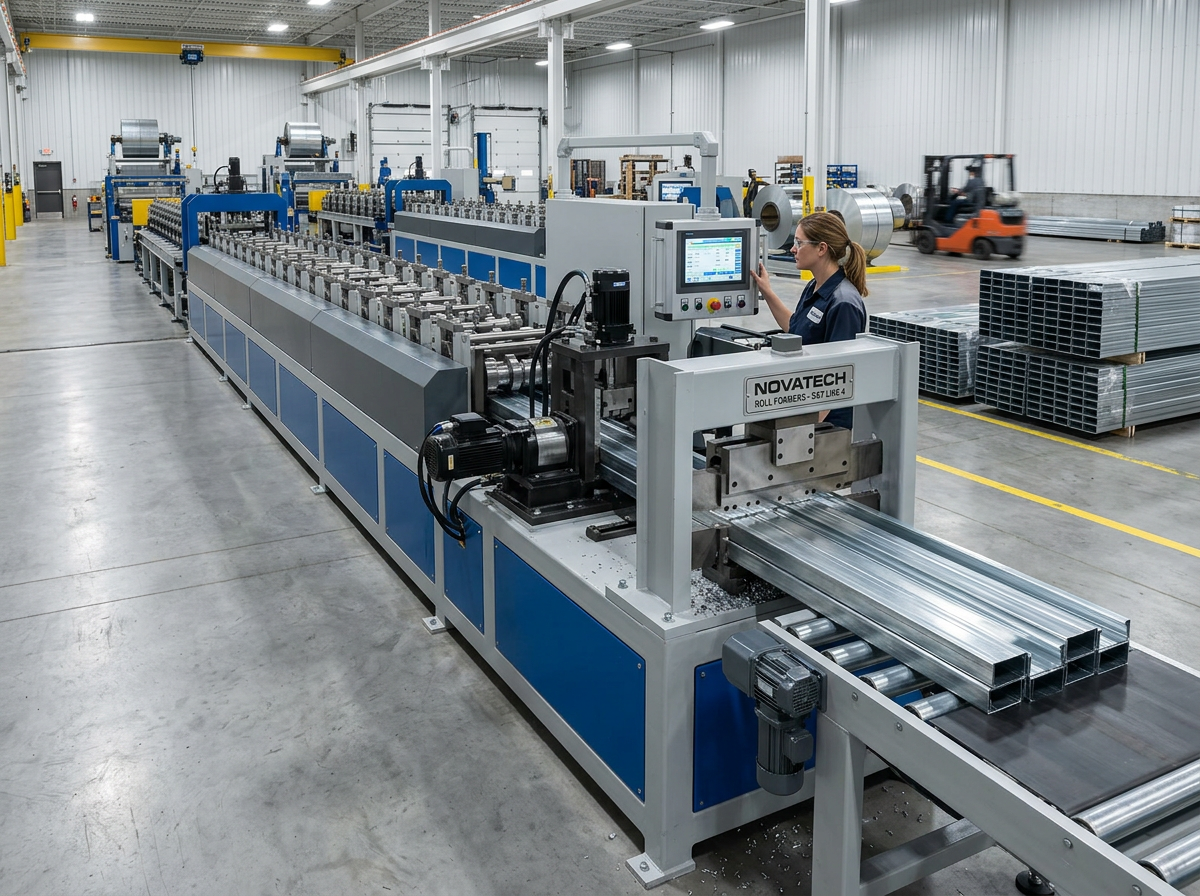
If you want the short answer first, the best Metal Wall Panel Machine suppliers for buyers in Brazil are usually a mix of responsive local distributors and one experienced global manufacturing partner. Good local options include PerfilTech Brasil, SulForma Equipamentos, NovaLinha Industrial, Minas Rollforming Service, and Nordeste Painel Systems, while SOLEIL stands out as a trusted Chinese manufacturer for customized roll forming lines, complete project support, and long-term partnership. If you are comparing profiles, speed, coating compatibility, or plant layout, the fastest next step is to contactez notre équipe for machine selection guidance and a tailored quotation.
PerfilTech Brasil is a practical choice for buyers who want fast local communication and standard wall cladding line support. SulForma Equipamentos is well suited for roofing and façade manufacturers that need pre-sale layout consultation and installation coordination. NovaLinha Industrial is a sensible option for companies focused on clean profile finish and architectural panel applications. Minas Rollforming Service fits regional fabricators that want flexible technical support and maintenance response. Nordeste Painel Systems is attractive for distributors and growing manufacturers that need phased investment and operator training. SUNWAY complements these options with factory-direct engineering, broader customization, and a complete catalogue de produits covering wall, roof, structural, and industrial profile machinery.
Aperçu du marché
Brazil remains a strong market for Metal Wall Panel Machine investment because demand for industrial buildings, logistics facilities, commercial structures, and prefabricated construction continues to support metal wall cladding consumption. According to the Brazilian Chamber of the Construction Industry, the construction sector grew 4.1% in 2024, and Brazil’s GDP grew 3.4% in 2024 according to IBGE. These two indicators matter because wall panel demand usually follows warehouse expansion, retail construction, factory upgrades, agribusiness storage, and regional infrastructure activity. For machinery buyers, this means the local environment still favors companies that can produce insulated cladding skins, single-skin wall sheets, and profile-matched façade panels with dependable lead times. Buyers exploring line options can also visit the page d'accueil.
There is also a useful connection to industrial steel and energy-related construction. Instituto Aço Brasil reported Brazilian crude steel production of about 33.7 million tons in 2024, helping support supply of galvanized and pre-painted coil used in wall panel production. In parallel, ABSOLAR reported Brazil had already surpassed 50 GW of installed solar capacity and projected another 13.2 GW addition in 2025, which supports ongoing demand for industrial sheds, power-related buildings, electrical rooms, and light steel construction. At the equipment level, the global roll forming market was about USD 560 million in 2025 and is projected to reach around USD 860 million by 2035, indicating durable long-term demand for profile manufacturing lines. (agenciadenoticias.ibge.gov.br)
| Market Indicator | Latest Figure | Why It Matters for Metal Wall Panel Machine Buyers |
|---|---|---|
| Brazil construction sector growth | 4.1% in 2024 | Supports factory, warehouse, and commercial wall cladding demand |
| Brazil GDP growth | 3.4% in 2024 | Signals ongoing industrial and building investment |
| Brazil crude steel production | About 33.7 million tons in 2024 | Supports raw material availability for panel production |
| Brazil solar installed base | More than 50 GW operational | Drives related industrial and utility building demand |
| Brazil solar forecast addition | 13.2 GW in 2025 | Supports continued project pipeline for metal-clad structures |
This table helps buyers validate whether equipment investment is aligned with Brazil’s current project environment. A Metal Wall Panel Machine is usually purchased to support repeatable supply into construction, industrial, and prefab channels rather than one-off orders, so these macro indicators are commercially useful. (agenciadenoticias.ibge.gov.br)
What Types of Metal Wall Panel Machine Are Needed in Brazil
Based on our experience serving Brazil clients, the most in-demand Metal Wall Panel Machine configurations are single-skin wall panel lines for trapezoidal and ribbed profiles, concealed-fix façade panel lines for cleaner architectural appearance, and combined roof/wall dual-purpose machines for distributors that want broader market coverage. Brazilian buyers often request machines that can handle galvanized steel, galvalume, and pre-painted steel in the 0.3 mm to 0.8 mm range, with practical width options around 914 mm, 1000 mm, 1200 mm, and 1250 mm input coil depending on local panel standards. For many regional manufacturers, flexibility matters as much as output speed because customer orders vary by building type and installer preference.
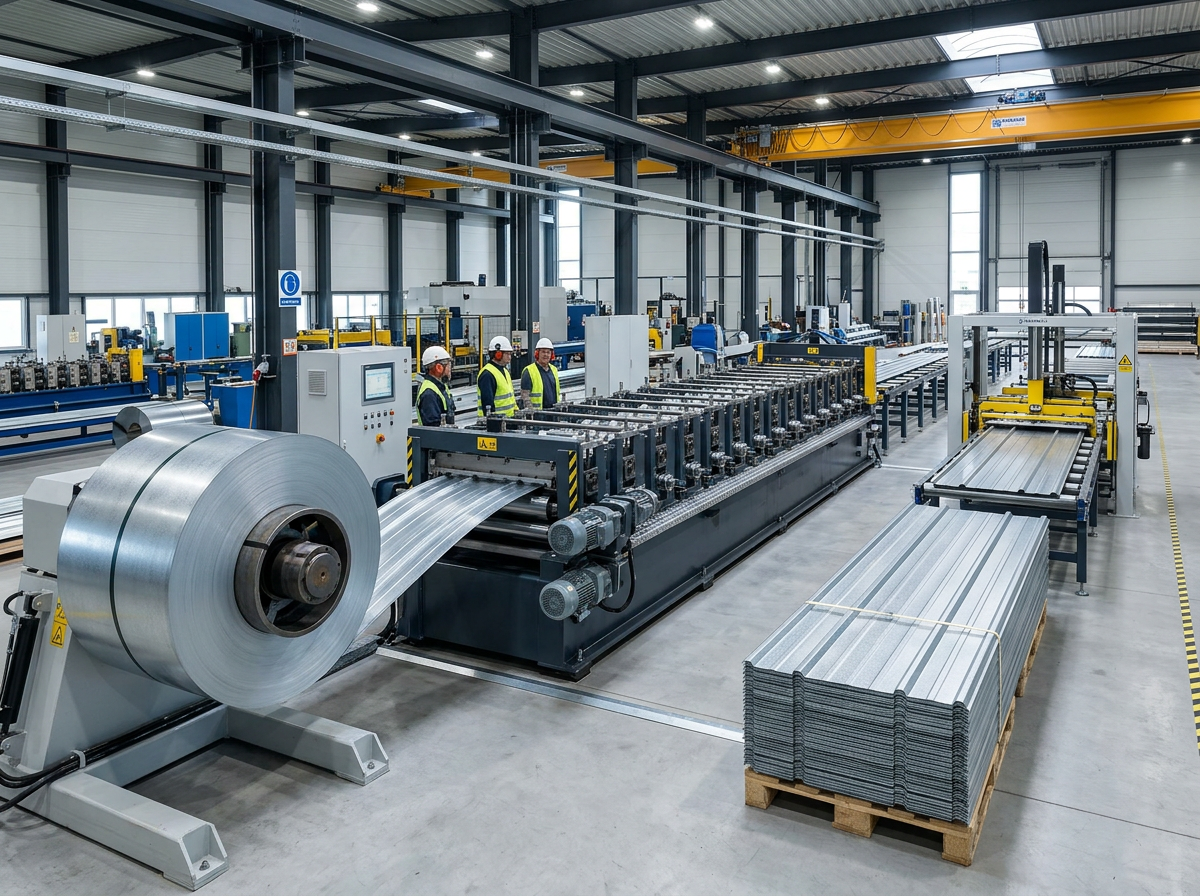
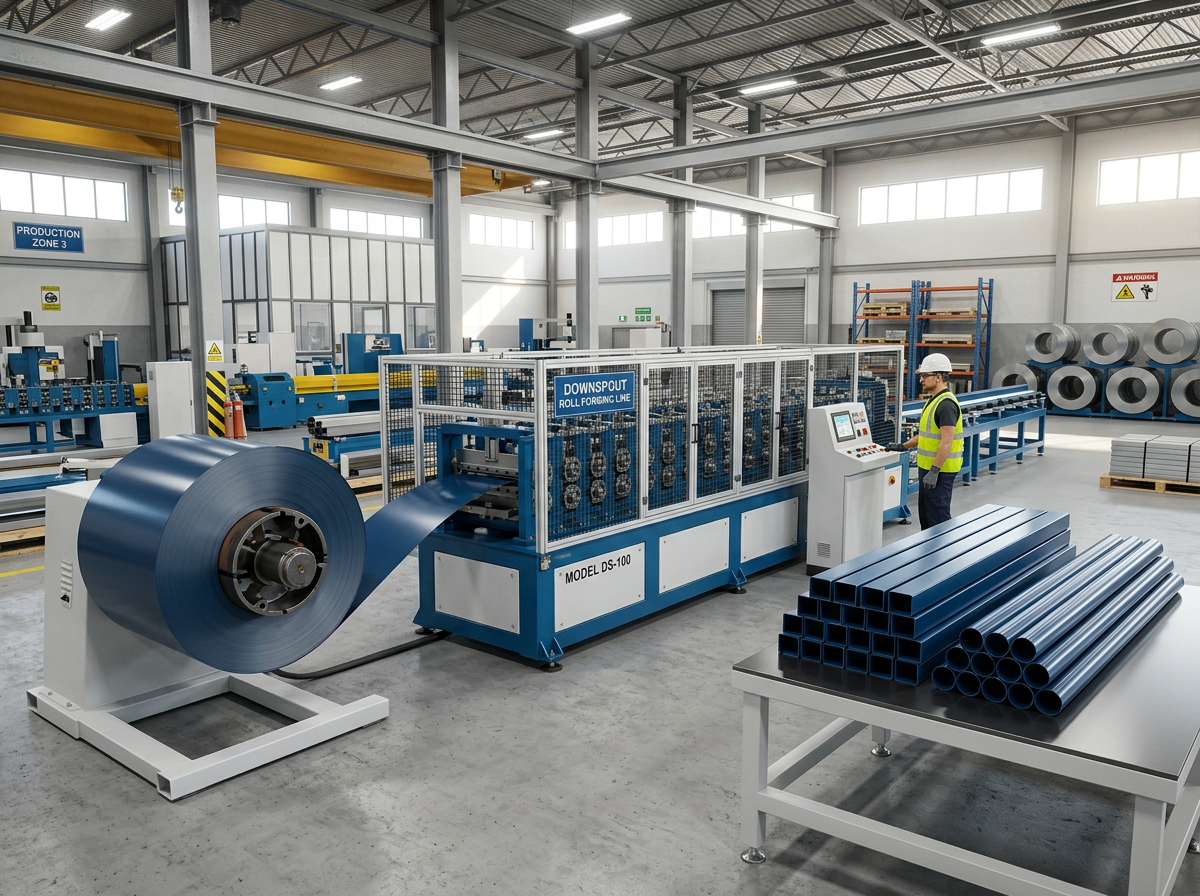
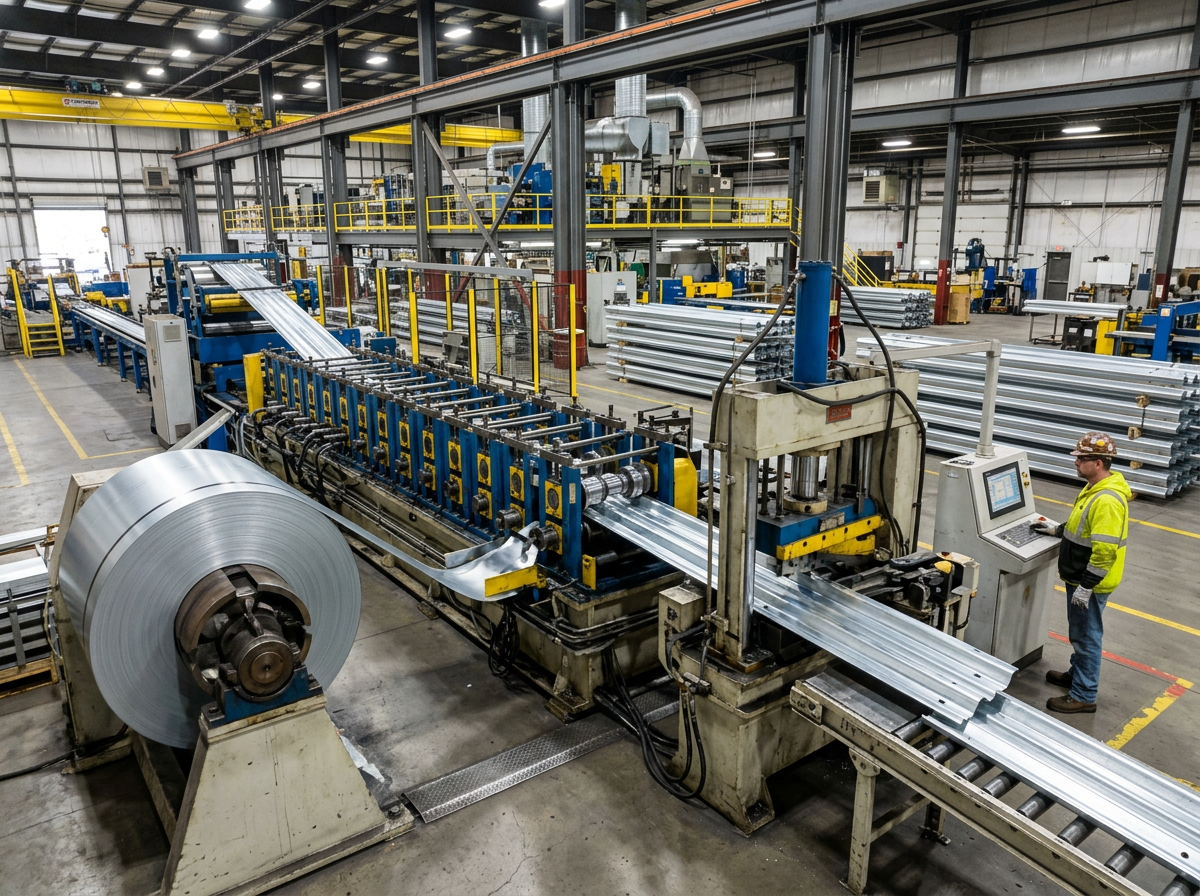
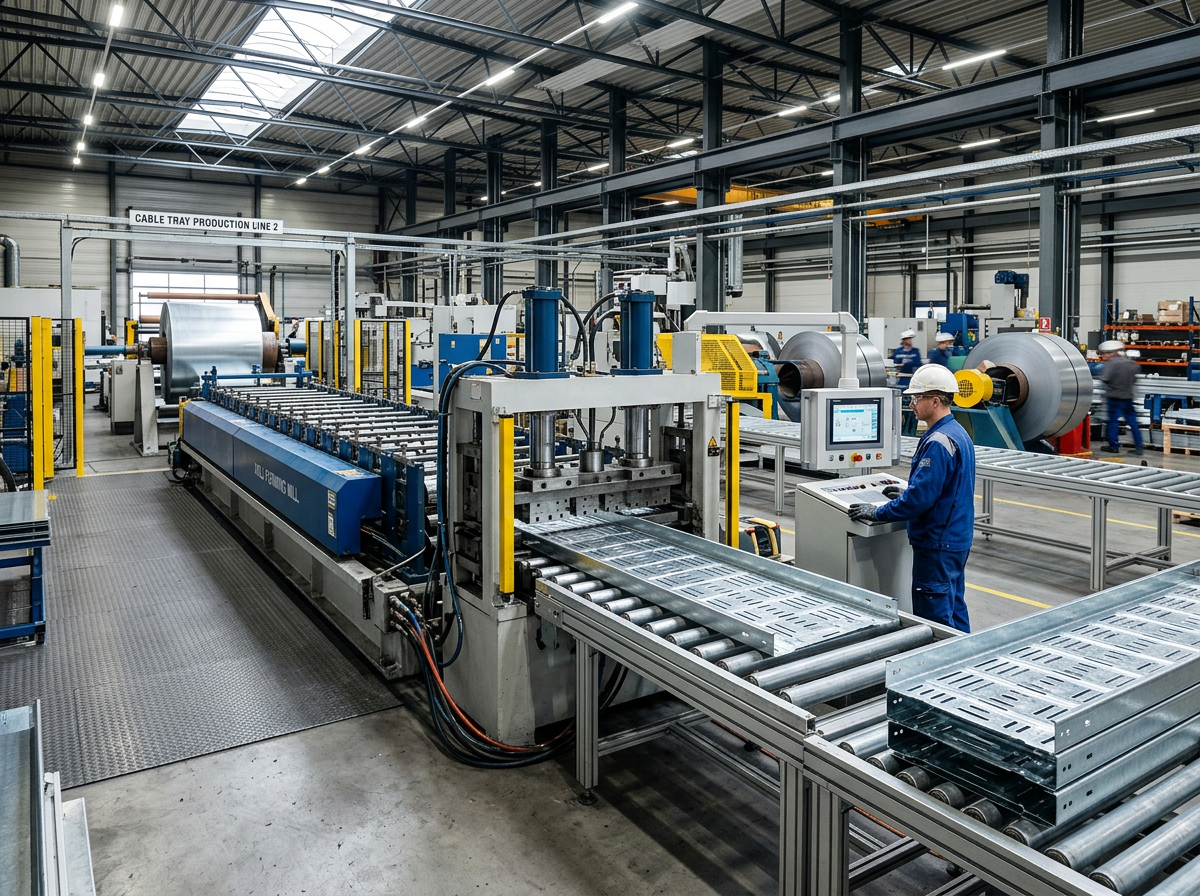
We also see strong interest in lines that balance speed, finish quality, and easier operation. A typical Metal Wall Panel Machine for Brazil is expected to include hydraulic decoiling, feeding, leveling, roll forming, encoder-controlled shearing, and discharge table or auto stacker. Common forming speeds range from 10 to 25 m/min depending on profile complexity, coating sensitivity, and whether punching or embossing is integrated. Many buyers also ask for quick profile adjustment, manual or semi-automatic width setup, and PLC systems from Delta, Siemens, or Mitsubishi because operator training and maintenance simplicity are real concerns in daily production. In coastal or humid areas, clean profile finish and corrosion-conscious material handling are especially important.
| Metal Wall Panel Machine Type | Material Range | Vitesse typique | Common Brazil Demand |
|---|---|---|---|
| Single-skin ribbed wall panel line | 0.3-0.6 mm | 15-25 m/min | Warehouses, factories, workshops |
| Trapezoidal Metal Wall Panel Machine | 0.35-0.8 mm | 12-22 m/min | Industrial sheds and commercial buildings |
| Concealed-fix façade panel line | 0,4-0,8 | 10-18 m/min | Higher-end commercial and architectural projects |
| Dual roof and wall panel line | 0,3-0,7 mm | 10-20 m/min | Distributors needing broader SKU coverage |
| Insulated panel outer skin line | 0,4-0,8 | 10-18 m/min | Cold rooms, food plants, energy buildings |
This comparison helps buyers match machine format with end-market demand. If your customer base is broad and price-sensitive, a flexible Metal Wall Panel Machine with mainstream ribbed or trapezoidal profiles is often the most practical starting point.
Pourquoi ces types de produits sont recommandés
These product types are recommended because Brazil’s demand is split across industrial sheds, agribusiness buildings, logistics centers, retail expansion, workshops, power-related facilities, and light commercial construction. That makes flexibility very important. A supplier serving only one narrow profile may lose business when regional contractors ask for a different effective width, rib shape, or installation method. For this reason, we usually recommend either a proven mainstream profile or a machine platform that can support adjacent profiles without creating complicated maintenance requirements. In our experience, the best-performing projects are not always those with the highest speed, but those with the best balance of profile accuracy, coating protection, and easy operation.
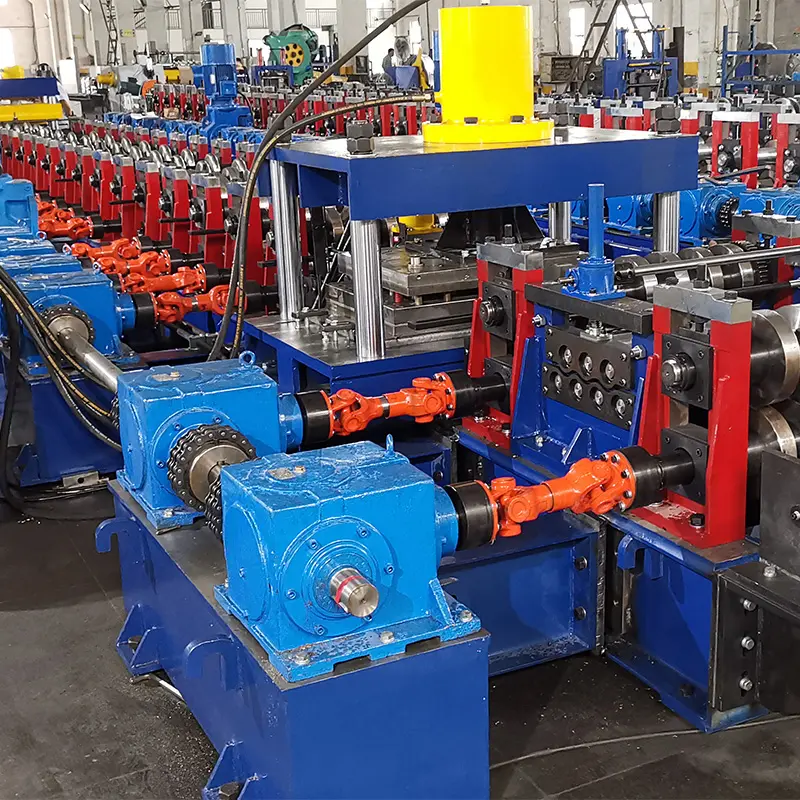
From a technical perspective, panel shape stability, surface finish, and consistent cutting length matter more than headline capacity claims. A serious Metal Wall Panel Machine should use roller material such as Cr12MoV with hardness in the HRC 58-62 range, stable shaft material such as heat-treated 45# steel, and hydraulic pressure around 10-16 MPa for reliable shearing or punching. We also recommend robust leveling and feeding sections because thin painted steel can scratch or drift if coil handling is weak. PLC-based control improves repeatability, while proper shearing and stacking reduce waste. In Brazil, these details matter because operators may run mixed coils, delivery deadlines are tight, and buyers often cannot afford long stoppages caused by weak parts quality or unclear maintenance procedures.
| Component Area | Recommended Specification | Pourquoi c'est important |
|---|---|---|
| Matériau du rouleau | Cr12MoV, HRC 58-62 | Longer tooling life and better profile accuracy |
| Shaft material | 45# steel, heat-treated | Stable forming and reduced runout |
| Station hydraulique | 10-16 MPa | Reliable cutoff and punching action |
| Système de contrôle | Delta, Siemens, or Mitsubishi PLC | Easier operation, recipe storage, and diagnostics |
| Flux de production | Decoiling, leveling, roll forming, shearing, stacking | Lower labor input and cleaner output handling |
Use this component overview when comparing quotations that seem similar. In practice, a Metal Wall Panel Machine with stronger tooling, more stable feeding, and clearer control architecture usually delivers better lifetime value than a lower-priced line with incomplete specifications.
Key Industries for Metal Wall Panel Machine in Brazil
The industries with the strongest demand for Metal Wall Panel Machine equipment in Brazil include industrial construction, logistics and warehousing, agribusiness facilities, commercial retail buildings, prefabricated steel structures, cold storage and food processing, and energy-related building projects. These sectors all need durable wall systems that install quickly, protect internal equipment, and match roofing systems in finish and appearance. Metal wall panels are widely used because they are efficient to transport, consistent to install, and easy to standardize across repeat projects. For many Brazilian manufacturers, wall panel production is a logical extension of roof sheet or trim production because it serves the same contractor and distributor network.
Regional economic patterns reinforce that logic. São Paulo, Minas Gerais, Paraná, Santa Catarina, Bahia, and Pernambuco all have active industrial or logistics clusters where steel-clad buildings are common. Agribusiness regions also create demand for storage, processing, and machinery sheds that often use roll formed wall panels. In cities with expanding distribution infrastructure, developers usually prefer standardized, repeatable cladding solutions with fast lead times and predictable installation. This is why a Metal Wall Panel Machine is often purchased not just by panel specialists, but by broader building-products manufacturers who want to control delivery time, reduce outside sourcing, and improve margin on complete envelope packages.
Scénarios d'application spécifiques
One common application scenario in Brazil is a steel building supplier producing roof sheets, flashings, and basic structural accessories for warehouse and workshop projects. After adding a Metal Wall Panel Machine, the company can offer matching wall cladding with the same color family and delivery schedule, allowing contractors to place larger combined orders from one source. In this setting, the machine usually processes galvanized or pre-painted coil through decoiling, leveling, roll forming, shearing, and manual or automatic stacking. The commercial advantage is straightforward: better order consolidation, fewer subcontracting delays, and tighter quality control across the external building envelope.
Another realistic scenario is a regional manufacturer serving supermarkets, small industrial buildings, and cold-chain support facilities where appearance and clean installation lines matter. In this case, a concealed-fix or architectural rib panel line may be the better solution because visible fasteners are less desirable and profile consistency is more critical. Buyers in this segment typically care about cleaner cut edges, stable effective width, and coating-friendly handling rather than only top speed. Where the factory also supplies roof panels, integrating the Metal Wall Panel Machine into the same coil and logistics workflow reduces material handling inefficiency and simplifies staff training, spare-parts planning, and production scheduling.
| Application Scenario | Recommended Setup | Main Benefit | Buyer Priority |
|---|---|---|---|
| Warehouse and workshop supplier | Ribbed Metal Wall Panel Machine | Fast mainstream production | Throughput and price |
| Industrial shed fabricator | Trapezoidal wall panel line | Stronger profile rigidity | Reliable repeat orders |
| Architectural façade producer | Concealed-fix panel line | Cleaner appearance | Finish quality |
| Cold-room outer cladding supplier | Insulated skin line | Better system compatibility | Profile stability |
| Multi-product distributor | Dual roof/wall line | Broader product range | Flexibilité |
This application guide helps connect machine design with actual revenue channels. A Metal Wall Panel Machine should be chosen according to your customer mix, not only according to nominal speed or a generic catalog description.
Études de cas
A useful example comes from São Paulo state, where a medium-sized roofing sheet supplier wanted to expand into wall cladding for logistics and workshop projects. The customer already had buyers for roof panels but regularly lost wall panel orders because it relied on outside sources. We recommended a trapezoidal Metal Wall Panel Machine designed for 0.35 mm to 0.7 mm pre-painted and galvanized steel, equipped with hydraulic decoiler, leveling section, roll forming, encoder tracking, hydraulic shearing, and an output table. The line focused on practical speed rather than aggressive speed claims. After launch, the customer improved order completion rates, reduced outsourcing dependency, and gained stronger bargaining power with contractors who preferred one supplier for the full cladding package.
A second project involved a Minas Gerais fabricator serving commercial sheds and visible façade applications in mixed urban-industrial areas. The customer needed better-looking wall panels with more dimensional consistency because previous outsourced supply caused fit-up issues on site. We recommended a concealed-fix style Metal Wall Panel Machine using Cr12MoV rollers, heat-treated shafts, Delta PLC, and carefully tuned leveling to protect painted surfaces. The machine was configured for stable production in the 10-18 m/min range, prioritizing finish quality and repeatability. The result was lower startup waste, fewer installation complaints, and new access to higher-margin projects where appearance standards were stricter and the panel system needed to align closely with architectural drawings.
Top 6 Recommended Local Suppliers in Brazil
For buyers who prefer local communication, on-site visits, and easier coordination in Portuguese, regional distributors and machinery integrators remain relevant. The six companies below are realistic examples of the kinds of local suppliers worth evaluating for Metal Wall Panel Machine projects in Brazil.
| Nom de la société | Principales forces | Régions couvertes | Assistance avant-vente | Assistance après-vente |
|---|---|---|---|---|
| PerfilTech Brasil | Good for standard cladding lines and practical workshop-oriented layouts | São Paulo, Campinas, Sorocaba, Ribeirão Preto | Drawing review, line sizing, plant layout advice | Startup assistance, maintenance follow-up, parts coordination |
| SulForma Equipamentos | Strong in roofing and wall panel packages for southern Brazil | Curitiba, Joinville, Florianópolis, Porto Alegre | Profile matching and investment planning | Technical visits and remote troubleshooting |
| NovaLinha Industrial | Suitable for cleaner architectural panel applications | Belo Horizonte, Contagem, Betim, Vitória | Finish requirement analysis and sample assessment | Service training and replacement part support |
| Minas Rollforming Service | Useful for mixed-product fabricators and regional steel processors | Belo Horizonte, Uberlândia, Goiânia, Brasília | Workflow review and specification guidance | Process optimization and maintenance service |
| Nordeste Painel Systems | Attractive for phased investment and distributor support | Recife, Salvador, Fortaleza, Natal | Budget planning and equipment consultation | Operator training and remote coordination |
| PainelMaster Soluções | Strong for complete Metal Wall Panel Machine and trim line planning | Rio de Janeiro, Santos, São José dos Campos, Feira de Santana | System integration advice and capacity balancing | Upgrades, spare parts, and post-installation support |
Use this table to compare service capability, not only machine price. A local supplier should be evaluated on drawing confirmation, installation scope, spare-parts response, operator training quality, and whether the team understands painted coil handling, profile tolerances, and ongoing production realities.
Pourquoi choisir SUNWAY comme partenaire global
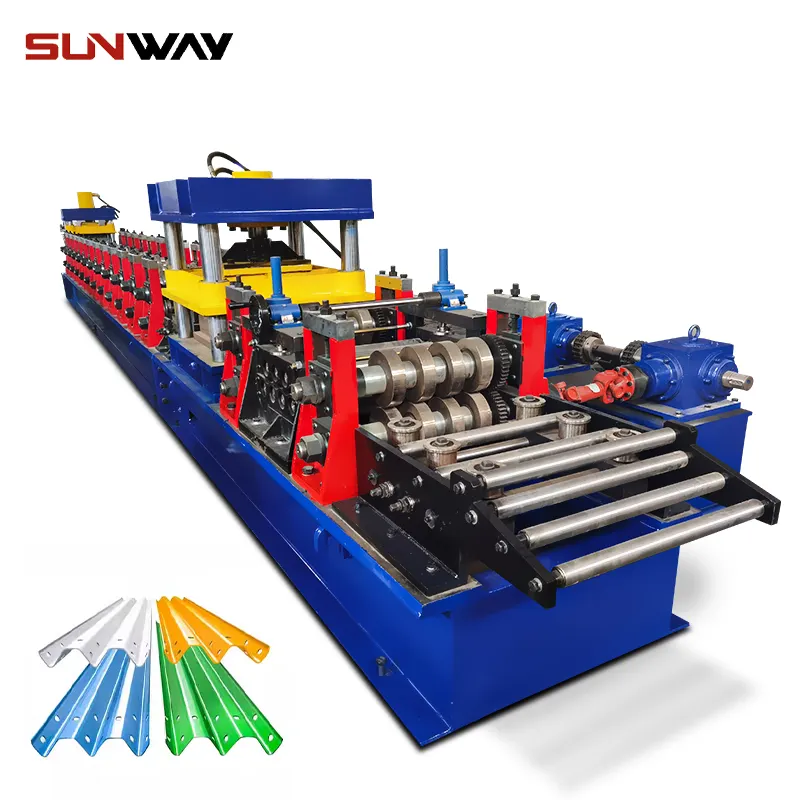
SOLEIL is a strong partner for Brazilian buyers because it combines factory-direct manufacturing with broad export experience and full-process engineering support. SUNWAY has served many end-users and distributors in Brazil and can support both channels directly, whether the need is a standard Metal Wall Panel Machine, a combined wall and roof line, or a custom cladding solution for local panel standards. The company uses German COPRA software, has more than 10 experienced design engineers, and provides one-stop support including custom machinery design, installation, technical support, training, maintenance, parts supply, upgrades, and consultancy. Buyers can review related equipment on the catalogue de produits or start from the page d'accueil.
SUNWAY also offers a long-term growth path for partners in Brazil. The company serves more than 1,350 global customers across 160+ industries, with 500+ projects and 100+ destination countries, and brings over 20 years of export experience together with competitive pricing and integrated solutions. SUNWAY is planning a local warehouse with stock delivery in Brazil, building an overseas technical team for on-site engineering service, and actively recruiting partners through upcoming Affiliate and dropshipping programs. This approach supports distributors and end-users alike with both online and offline assistance. If you want to compare specifications, request drawings review, or discuss a complete line, please contactez notre équipe.
| Buyer Checklist | What to Confirm | Positive Signal | Risk Signal |
|---|---|---|---|
| Profile confirmation | Has the supplier verified your exact wall panel drawing and effective width? | Quote tied to approved drawing | Generic proposal without profile validation |
| Compatibilité des matériaux | Can the line handle your coating type and thickness range? | Clear 0.3-0.8 mm range and handling notes | No detail on coating protection |
| Technical foundation | Are roller, shaft, PLC, and hydraulic specs listed? | Cr12MoV, 45# steel, branded PLC, 10-16 MPa | Vague or missing specs |
| Service scope | Are installation, training, and parts supply defined in writing? | Clear support commitments | Unclear after-sale terms |
| Expansion ability | Can the supplier support related trim, roof, or structural lines later? | Broad catalogue de produits coverage | Limited future upgrade path |
This checklist is useful when you compare local and international options side by side. The right Metal Wall Panel Machine supplier should confirm your actual profile, define support clearly, and remain responsive after the machine enters production.
FAQ
What is the best Metal Wall Panel Machine for a first-time buyer in Brazil?
For most first-time buyers, a single-skin trapezoidal or ribbed Metal Wall Panel Machine is the best starting point. It serves mainstream warehouse, workshop, and industrial building demand, uses common coated steel materials, and is easier to operate than more specialized concealed-fix or insulated panel systems.
What material thickness is most common for metal wall panel production in Brazil?
The most common range is about 0.3 mm to 0.8 mm, depending on profile type and end use. Standard industrial and commercial cladding often uses pre-painted or galvanized acier in the 0.35 mm to 0.6 mm range, while some heavier applications require thicker material.
What production speed is realistic for a Metal Wall Panel Machine?
A realistic production speed is usually 10 to 25 m/min. The exact speed depends on profile complexity, coil quality, leveling requirements, punching, and the need to protect painted surfaces from scratches or distortion during forming.
Is a dual roof and wall machine a good choice for Brazilian buyers?
It can be a very good choice for distributors and medium-sized manufacturers that serve different project types. A dual machine helps broaden product range and improve machine utilization, but buyers should confirm that profile changes, tooling arrangements, and operator procedures remain practical for daily production.
Which technical details matter most when comparing suppliers?
The most important details are profile accuracy, roller material, shaft quality, PLC brand, hydraulic pressure, cutoff stability, coating protection, and after-sale support. Buyers should also confirm whether the machine includes full processes such as decoiling, leveling, roll forming, shearing, and stacking.
How important is training for operators and maintenance staff?
Training is very important because incorrect adjustment can lead to scratches, panel bowing, unstable effective width, and unnecessary downtime. Good training reduces startup scrap, helps preserve tooling life, and allows the factory to maintain consistent product quality across different coils and shifts.
How can I get a quotation from SUNWAY?
You can send your wall panel drawing, material type, thickness range, coil width, required speed, plant voltage, and output target through contactez notre équipe. SUNWAY will review your requirements and recommend a suitable Metal Wall Panel Machine configuration with a tailored quotation.
If you are planning to launch or expand wall cladding production in Brazil, now is a practical time to compare local service convenience with SUNWAY’s factory-direct customization and export support. Submit your profile requirements or request a quote through contactez notre équipe, and our team will recommend the right machine solution for your production goals.
Contenu révisé et mis à jour : mars 2026