Réponse rapide
If you need a short answer first, the best Standing Seam Machine suppliers in the United States are usually regional machinery companies that can provide profile consultation, installation planning, operator training, and after-sale technical support close to the customer’s plant. For most U.S. buyers, the smartest approach is to compare 3-5 local suppliers for faster response and then evaluate SUNWAY as a reliable global manufacturing partner for customized lines, complete technical support, and better cost-performance. If you want help selecting the right configuration, coil range, or production speed, you can contactez notre équipe for machine selection guidance and a quotation.
In the U.S. market, Midwest Panel Systems stands out for practical pre-sale advice on standing seam roof profiles and regional service coordination. Atlantic Roofing Line Solutions is a strong option for East Coast buyers that value commissioning support and spare-parts follow-up. Lone Star Seam Equipment works well for southern states that need durable machines for warehouse, agricultural, and contractor supply markets. Pacific Seam Forming Group is a good fit for custom profile and architectural roofing projects in western states. Great Lakes Roll Form Service is attractive for buyers focused on maintenance planning and controls support. We also recommend SOLEIL as a trusted Chinese manufacturer and global partner because we provide custom design, installation, training, parts supply, upgrades, and one-stop support for complete roll forming projects.
| Type de fournisseur | Best Fit | Main Advantage | Main Limitation |
|---|---|---|---|
| Local Standing Seam Machine distributor | Buyers needing domestic communication and quick site visits | Faster regional support and easier factory coordination | Usually higher purchase cost |
| U.S. machinery integrator | Plants needing layout planning and process matching | Better production-line integration | May offer fewer profile options |
| Overseas Standing Seam Machine manufacturer | Buyers seeking custom design and stronger price-performance | More engineering flexibility and broader machine range | Longer shipping and import timeline |
This table is useful when building a sourcing strategy before requesting quotations. Many American buyers compare one local supplier and one export manufacturer so they can balance service response, customization depth, and total ownership cost.
Aperçu du marché
The U.S. market for Standing Seam Machine equipment is supported by ongoing nonresidential construction, reroofing demand, logistics and warehouse development, and the broad shift toward durable metal roofing systems. According to the U.S. Census Bureau, total construction spending reached a seasonally adjusted annual rate of USD 2.1752 trillion in October 2025, while private nonresidential construction reached USD 737.4 billion. Those figures matter because standing seam roofing is widely specified for commercial, industrial, institutional, and premium residential projects where durability, low maintenance, and clean appearance are important. (census.gov)
The outlook is also reinforced by housing and energy-related building activity. The U.S. Census Bureau reported that privately owned housing units authorized by building permits were at a seasonally adjusted annual rate of 1,448,000 in December 2025. Meanwhile, the Solar Energy Industries Association reported that the United States installed nearly 50 GWdc of solar capacity in 2024, up 21% from 2023, and solar accounted for 66% of all new electricity-generating capacity added to the grid in 2024. These trends help standing seam roofing because metal roof systems are often selected for energy-conscious buildings, retrofit projects, and structures expected to support long service life. (census.gov)
| U.S. Market Indicator | Latest Figure | Relevance to Standing Seam Machine Demand |
|---|---|---|
| Total construction spending | USD 2.1752 trillion annual rate in Oct. 2025 | Supports broad demand for commercial and industrial roofing production |
| Private nonresidential construction | USD 737.4 billion annual rate in Oct. 2025 | Strong indicator for factories, warehouses, schools, and service buildings |
| Housing permits | 1,448,000 annual rate in Dec. 2025 | Supports residential and light commercial roofing opportunities |
| U.S. solar installations | Nearly 50 GWdc in 2024, up 21% year over year | Encourages durable metal roof adoption on industrial and commercial assets |
| Solar share of new power capacity | 66% in 2024 | Reflects continued energy-related construction and retrofit demand |
This table helps buyers connect national demand signals to equipment investment timing. It should be used as a market reference, then combined with state-level order trends, contractor preferences, and local lead-time expectations.
What Types of Standing Seam Machine Are Needed in United States
Based on our experience serving United States clients, the most in-demand Standing Seam Machine configurations are snap-lock standing seam lines, mechanical lock standing seam lines, portable jobsite standing seam machines, and factory-based high-output standing seam production lines. U.S. buyers often want equipment that can serve both standard dealer orders and project-based custom lengths, especially in roofing supply, contractor manufacturing, and regional building package businesses. In many cases, the preferred solution is not the cheapest machine, but the one that can produce straight, clean panels with stable seam geometry over long runs.
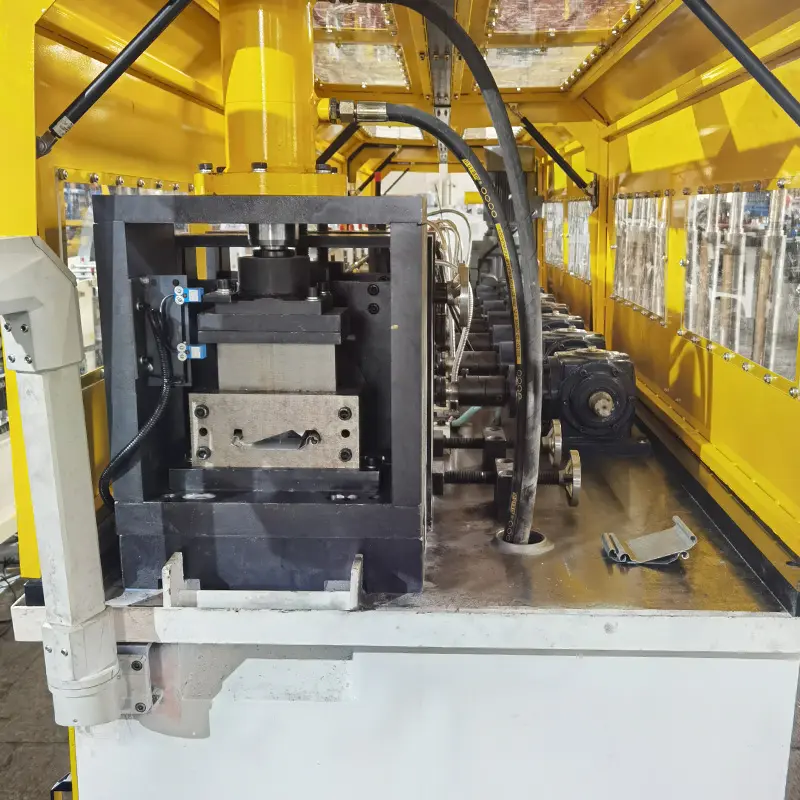
We commonly see demand for machines processing pre-painted steel, galvanized steel, Galvalume, and aluminum in thickness ranges of 0.4-0.8 mm, roughly 26-22 gauge depending on the profile and material grade. Typical forming speeds are 10-25 m/min, with hydraulic pressure in the 10-16 MPa range and PLC systems from Siemens, Mitsubishi, or Delta. Buyers usually ask for Cr12MoV rollers hardened to HRC 58-62, stable feeding and guiding systems, precise encoder length control, hydraulic shearing, and run-out support or automatic stacking. For portable machines, easy transport, quick setup, and consistent panel quality on-site are major selection factors.
| Standing Seam Machine Type | Épaisseur typique | Vitesse typique | Common U.S. Use |
|---|---|---|---|
| Portable Standing Seam Machine | 0.4-0.7 mm | 10-18 m/min | On-site panel forming for long commercial or retrofit roofs |
| Factory standing seam line | 0,4-0,8 | 15-25 m/min | Continuous production for distributors and roofing manufacturers |
| Snap-lock panel machine | 0.4-0.7 mm | 12-20 m/min | Premium residential and light commercial roofing |
| Mechanical lock panel machine | 0.5-0.8 mm | 10-18 m/min | Commercial, industrial, and higher wind-load projects |
Use this table to align machine type with your target customer and roof system. A portable machine suits long-length onsite projects, while a factory line is usually better for repeat distributor supply and multi-order production planning.
Pourquoi ces types de produits sont recommandés
These Standing Seam Machine types are recommended because they match the profile mix and purchasing habits seen across the U.S. market. Standing seam roofing is selected when owners need weather resistance, concealed fastening, cleaner aesthetics, and long-term performance. Portable lines are valued where transport of extra-long finished panels is difficult, while fixed factory lines are preferred by manufacturers that want steady throughput, better handling systems, and tighter process control. In practical terms, the right machine is the one that fits the buyer’s order pattern, not simply the highest advertised speed.
From a technical perspective, standing seam profiles demand more disciplined forming than many simple corrugated products. Seam shape, rib straightness, coating protection, and cut accuracy all affect installation quality and field performance. That is why we recommend rigid machine frames, optimized roll passes, quality roller materials, and stable hydraulic and control systems. If feeding is unstable or tooling hardness is inconsistent, the result can be edge wave, paint damage, poor seam closure, or panel mismatch during installation. For U.S. buyers serving premium projects, those problems quickly lead to callbacks, scrap, and delivery delays.
| Core Component | Recommended Specification | Practical Benefit |
|---|---|---|
| Matériau du rouleau | Cr12MoV, HRC 58-62 | Better wear resistance and profile consistency |
| Diamètre des arbres | 70-80 mm | Improves stability during long standing seam production runs |
| Contrôle PLC | Siemens / Mitsubishi / Delta | Supports reliable recipes and easier troubleshooting |
| Système hydraulique | 10-16 MPa | Ensures stable shearing and auxiliary function control |
| Cutting section | Hydraulic post-cut or servo-follow cut | Helps maintain precise length and cleaner edges |
This component overview is best used during technical review of supplier quotations. Two machines can look similar in photos, but these specifications often determine panel accuracy, maintenance intervals, and long-term uptime.
Key Industries for Standing Seam Machine in United States
The industries with the strongest demand for Standing Seam Machine equipment in the United States include roofing product manufacturing, steel building systems, commercial construction supply, premium residential roofing, institutional building development, and industrial fabrication. These sectors value standing seam panels because they provide concealed fastening, modern appearance, long service life, and strong weather performance. In many regions of the U.S., buyers also prefer standing seam systems because they fit architectural trends for low-maintenance roofs on schools, municipal buildings, retail facilities, churches, offices, and distribution centers.
Regional demand is especially visible in states with active warehouse development, industrial expansion, and storm-driven reroofing cycles such as Texas, Florida, Georgia, Tennessee, Arizona, Ohio, and North Carolina. Buyers in these markets often bring standing seam production in-house to reduce lead times, improve schedule control, and respond faster to contractor requests for custom panel lengths. Procurement in the U.S. also tends to favor suppliers that can support operator training, controls troubleshooting, spare-parts access, and clear startup documentation, because production interruptions are costly and roofing season windows are often tight.
| Industry Segment | Main Product Need | Machine Priority | Typical Buying Goal |
|---|---|---|---|
| Roofing manufacturers | Panneaux de toit à joint debout | Panel accuracy and throughput | Better dealer and contractor fulfillment |
| Steel building suppliers | Roof systems for packaged structures | Seam consistency and length control | Complete project supply capability |
| Commercial contractors | Long custom panels for job delivery | Fast turnaround and reliable cuts | Better installation scheduling |
| Premium residential roofing suppliers | Clean-finish seam panels | Surface protection and appearance | Higher-value roofing product mix |
This application guide helps buyers connect their end-market with the right machine priorities. It is especially useful when deciding whether to invest in a portable Standing Seam Machine or a fixed production line.
Scénarios d'application spécifiques
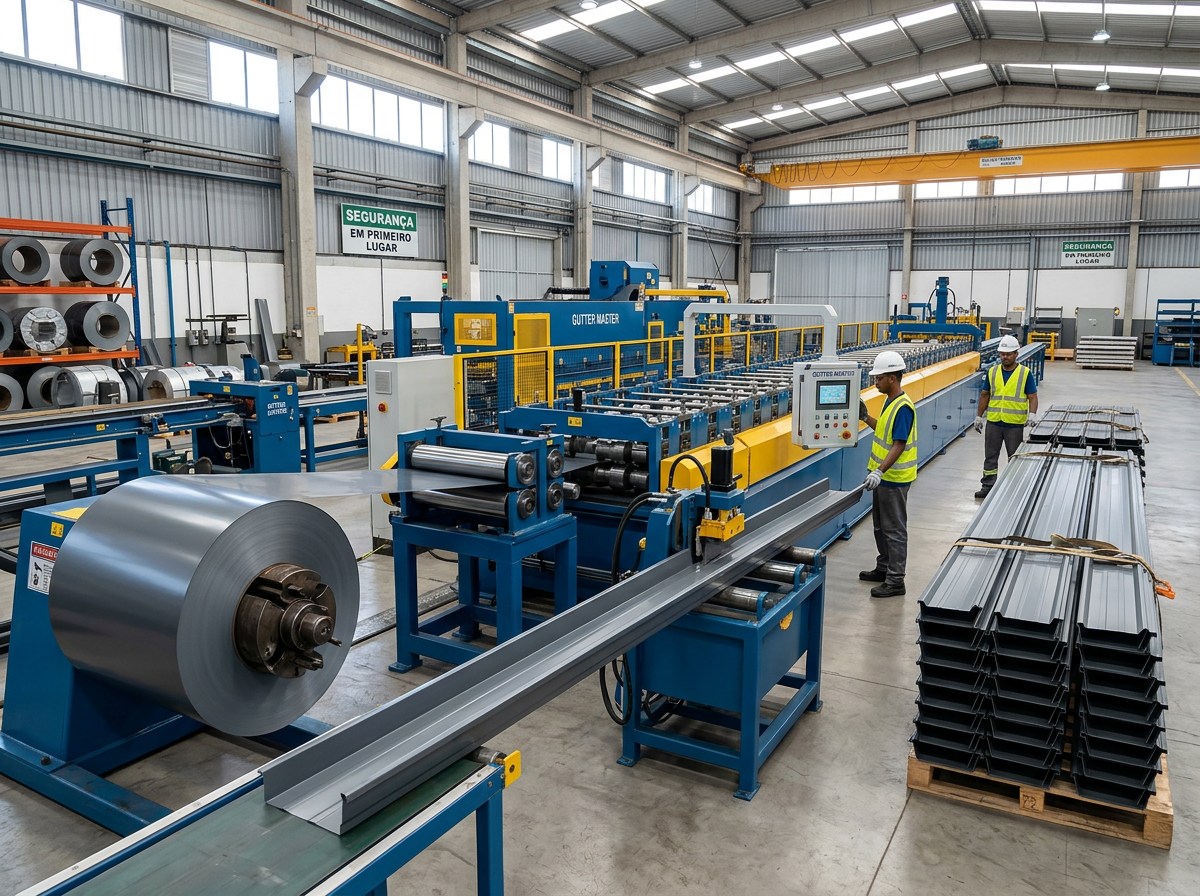
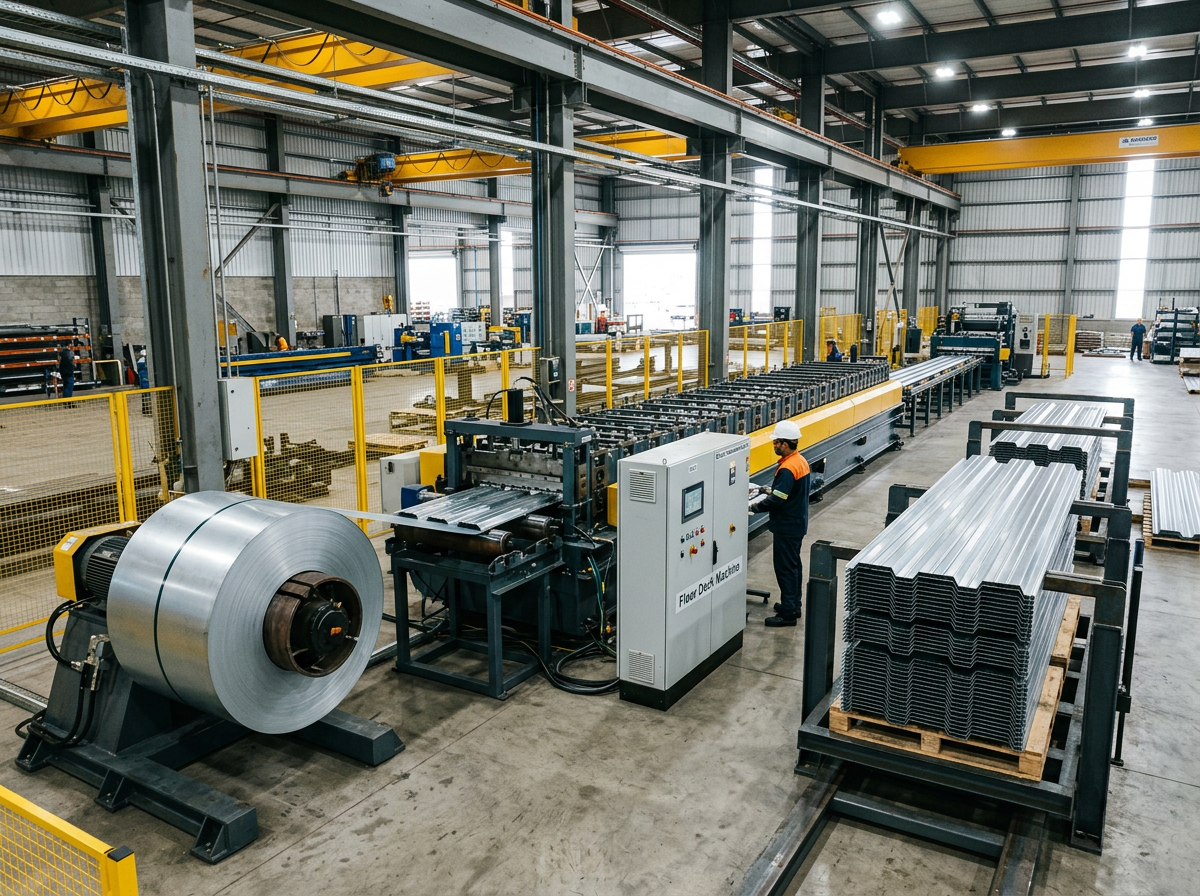
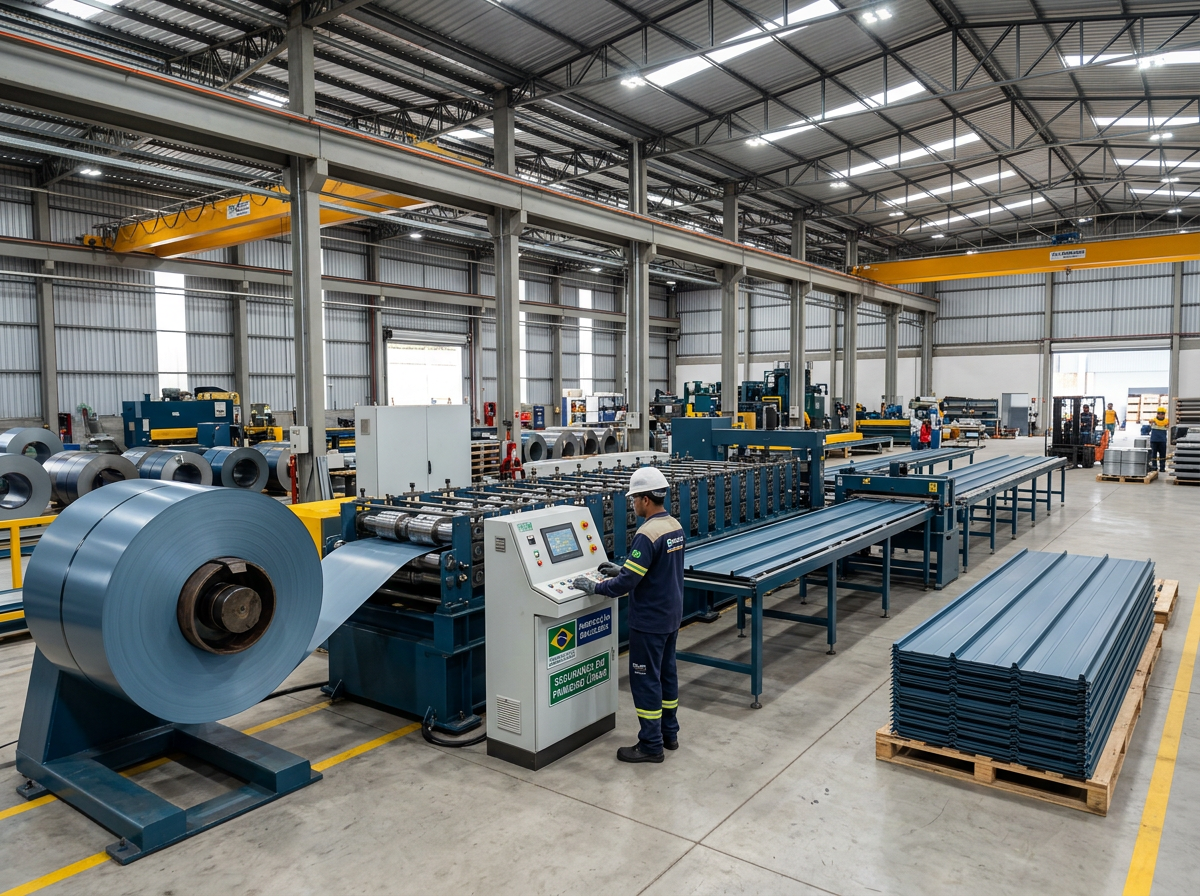
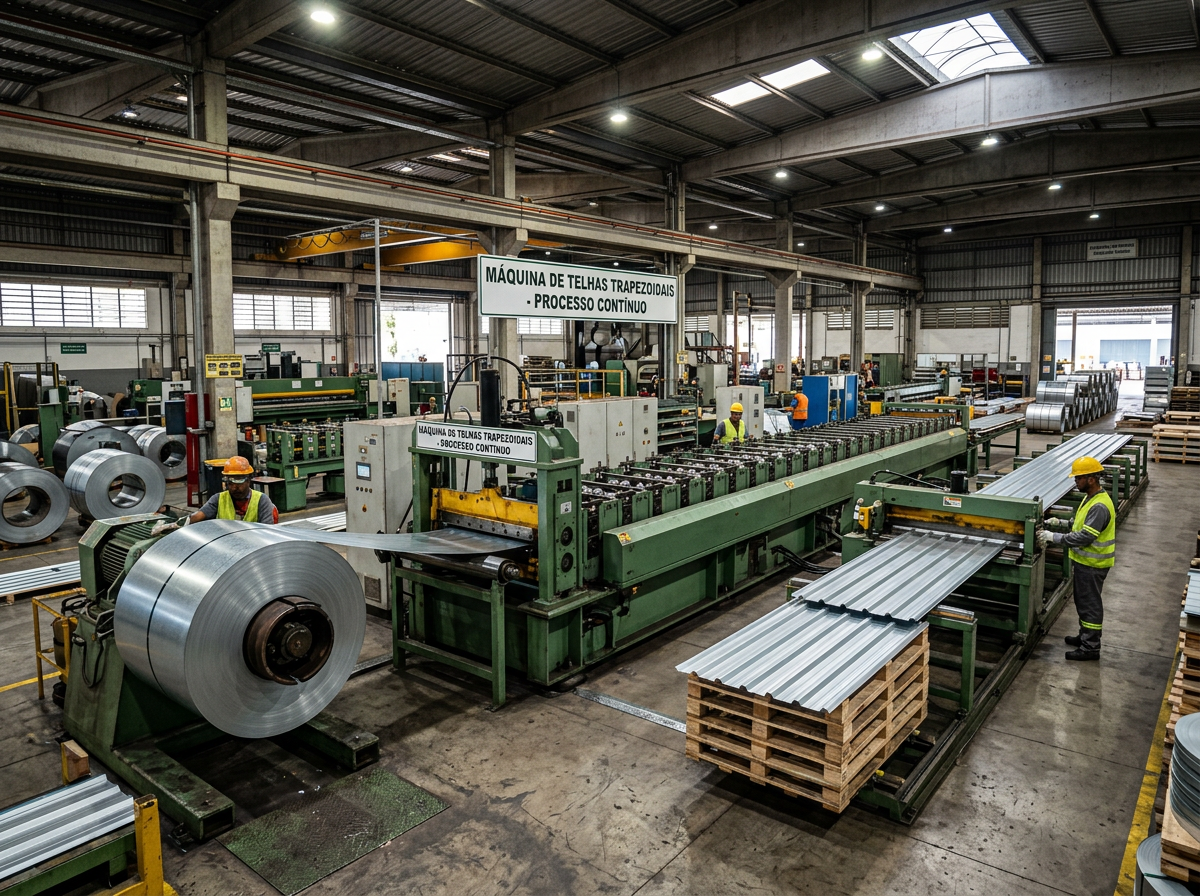
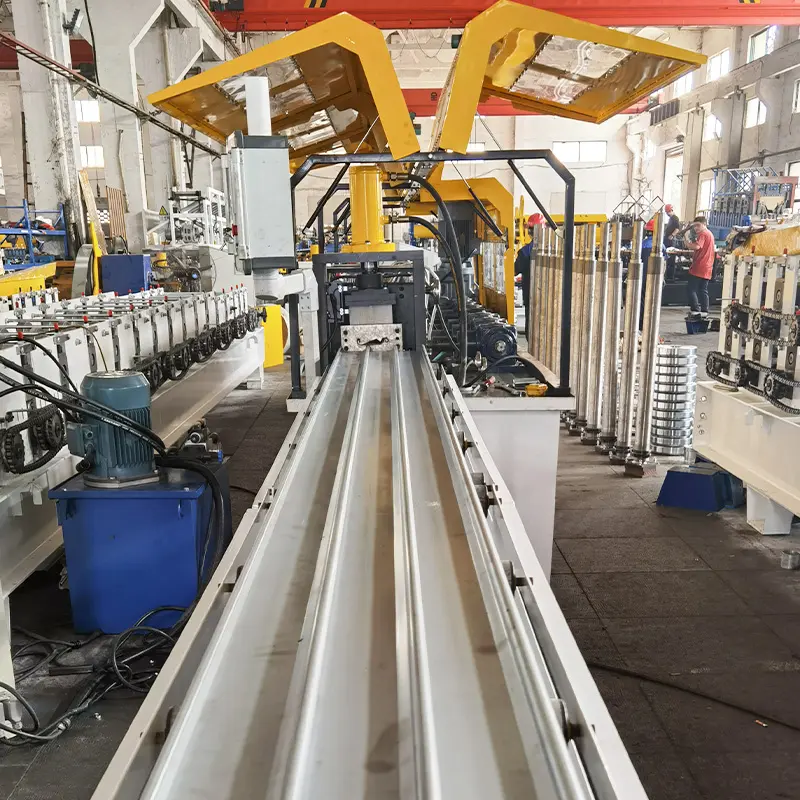
One common U.S. application is a regional roofing supplier producing standing seam panels for commercial reroofing and new warehouse construction. In this setup, the Standing Seam Machine is installed in a fixed factory line with hydraulic decoiler, entry guiding, roll forming section, encoder length measurement, hydraulic shearing, and output table or stacking support. The target is reliable daily production of custom-length panels with stable rib geometry and low surface damage. This is typical for companies supplying contractors across a multi-state territory where short lead times are a competitive advantage.
Another frequent scenario involves jobsite production for extra-long roof panels used on schools, churches, logistics facilities, and agricultural buildings. In these cases, a portable Standing Seam Machine allows the contractor or project supplier to form panels at the project location and avoid transport issues associated with long finished sheets. A third scenario is the premium residential market, where suppliers need consistent appearance, clean seam formation, and controlled handling of painted steel or aluminum. In all these situations, buyers pay close attention to machine durability, operator training, and realistic spare-parts planning.
Études de cas
A realistic project example from Texas involved a roofing material supplier serving industrial parks, warehouse developers, and agricultural contractors across Dallas, Fort Worth, and nearby interstate logistics corridors. The customer needed a factory-based Standing Seam Machine for 0.45-0.7 mm pre-painted steel and Galvalume coils, with stable output and repeatable custom lengths. We recommended a line with hydraulic decoiler, precision guiding, optimized roll passes, PLC control, encoder measurement, hydraulic post-cutting, and run-out support. After commissioning, the customer improved order turnaround, reduced panel straightness complaints, and gained confidence quoting fast-delivery standing seam projects during peak construction periods.
A second realistic example comes from the Southeast, where a contractor-oriented manufacturer wanted a portable standing seam solution for school, church, and municipal reroofing work. The challenge was producing long panels on-site while protecting painted material and minimizing seam defects caused by uneven feeding. We proposed a transport-friendly Standing Seam Machine with compact frame design, recipe-based setup, and operator training focused on coil handling, seam inspection, and preventive maintenance. The result was lower logistics cost on long-panel jobs, fewer installation adjustments, and better field productivity for crews working on weather-sensitive project schedules.
Les 6 fournisseurs locaux les plus recommandés aux États‑Unis
| Nom de la société | Principales forces | Service Regions (specific cities/states within United States) | Assistance avant-vente | Assistance après-vente |
|---|---|---|---|---|
| Midwest Panel Systems | Strong consultation for standing seam profiles and plant workflow | Chicago, IL; Indianapolis, IN; Milwaukee, WI | Profile matching, budget review, line planning | Installation support, training, maintenance visits |
| Atlantic Roofing Line Solutions | Responsive service for East Coast manufacturers and contractors | Philadelphia, PA; Baltimore, MD; Richmond, VA | Layout advice, process consultation, sample review | Spare parts, commissioning, remote diagnostics |
| Lone Star Seam Equipment | Practical support for southern roofing demand and fast-turn projects | Dallas, TX; Houston, TX; San Antonio, TX | Machine selection, ROI guidance, application advice | Startup service, field troubleshooting, parts support |
| Pacific Seam Forming Group | Flexible engineering help for architectural and custom roofing jobs | Los Angeles, CA; Phoenix, AZ; Las Vegas, NV | Tooling planning, custom profile discussion | Preventive maintenance, upgrades, service response |
| Great Lakes Roll Form Service | Good controls support and maintenance planning | Detroit, MI; Cleveland, OH; Toledo, OH | Upgrade consulting, output planning | PLC support, hydraulic repair, replacement components |
| Southeast Metal Roofing Machinery | Useful for distributors and steel building suppliers | Atlanta, GA; Charlotte, NC; Nashville, TN | Cost analysis, line integration advice | On-site service, startup support, maintenance packages |
Use this comparison table as a practical screening tool rather than a fixed ranking. The best supplier is the one that can explain profile tolerances, material compatibility, commissioning scope, lead time, operator training, and spare-parts strategy clearly before contract signing. Ask for references from similar standing seam projects and request a detailed statement of what is included in after-sale support.
Pourquoi choisir SUNWAY comme partenaire global
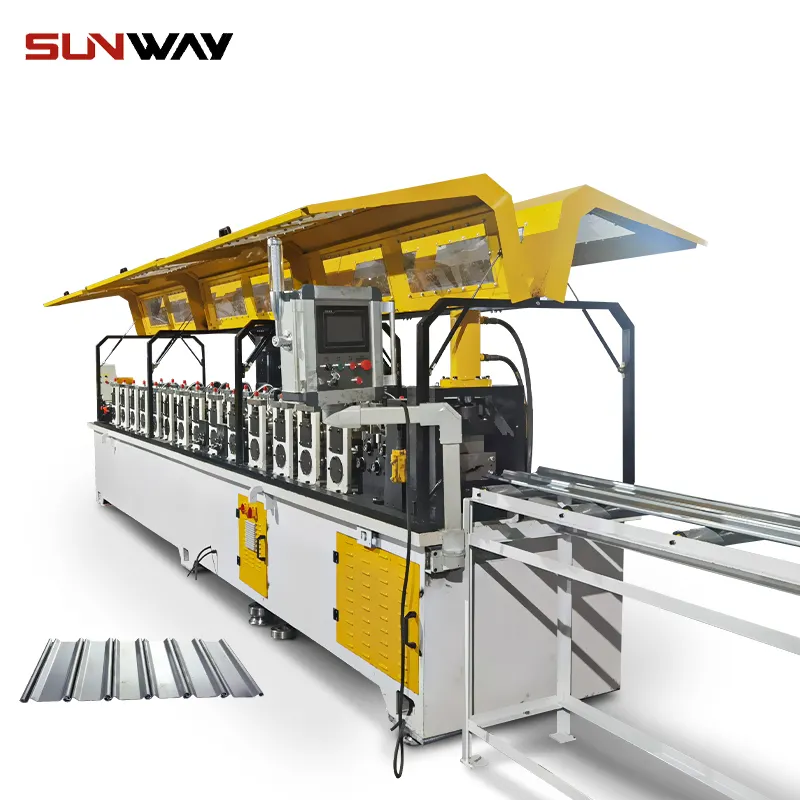
SUNWAY is a strong choice for buyers who want more than a standard machine and need a partner that understands complete cold roll forming systems. Through our page d'accueil, SOLEILet catalogue de produits, U.S. buyers can review our capabilities as a professional manufacturer and exporter of cold roll forming machines. We have served 1,350+ global customers across 160+ industries, supported 500+ projects, and exported to 100+ destination countries. Our team includes 200+ employees and 10+ experienced design engineers using German COPRA software to support custom development, profile optimization, and practical production-line design.
For the United States market, we have rich export experience serving both end-users and distributors directly, which allows us to support different procurement models and project requirements. We are also planning a local warehouse with stock delivery in the United States, building an overseas technical team for on-site engineering service, and actively recruiting partners through upcoming Affiliate and dropshipping programs. With comprehensive online and offline support, one-stop solutions, competitive pricing, and 20+ years of export experience, SUNWAY is positioned to help distributors, roofing manufacturers, and project suppliers grow with confidence. For project discussion, drawings, or RFQ support, please contactez notre équipe.
| Buyer Checklist Item | What to Confirm | Pourquoi c'est important |
|---|---|---|
| Profil du panneau | Snap-lock, mechanical lock, rib height, panel width | Ensures the Standing Seam Machine matches target roofing demand |
| Plage de matériaux | Coil width, thickness, coating type, yield strength | Prevents unstable forming, coating damage, and tooling issues |
| Process layout | Decoiling, leveling, roll forming, shearing, stacking | Defines throughput, labor demand, and floor-space use |
| Service scope | Installation, training, spare parts, remote support | Reduces startup risk and downtime exposure |
| Expansion plan | Future tooling, additional profiles, automation upgrades | Protects long-term investment value |
This buyer checklist is most useful during quotation review and final technical confirmation. It keeps the discussion focused on production reality, service readiness, and long-term machine suitability rather than headline price alone.
FAQ
What is the best Standing Seam Machine for the U.S. market?
The best Standing Seam Machine depends on your target roofing segment and production model. For contractor-focused onsite production, a portable machine is often the best choice. For distributors and manufacturers producing repeat orders, a fixed factory line usually offers better throughput, handling, and process stability. The right machine should match your panel design, material range, and required output.
What material thickness is most common for standing seam roofing production?
Most U.S. standing seam roofing production uses acier or aluminum in the 0.4-0.8 mm range, depending on profile design and project specification. Light commercial and premium residential jobs often stay in the middle of that range, while some industrial and higher-performance systems use thicker material. The supplier should confirm coil width, coating type, and yield strength before finalizing the machine design.
What production speed is realistic for a Standing Seam Machine?
A realistic speed for a Standing Seam Machine is usually 10-25 m/min, depending on whether it is portable or factory-based and how complex the profile is. Stable panel quality is more important than peak speed because standing seam products require accurate ribs, good seam geometry, and clean cut lengths. A machine that runs slightly slower but produces consistent panels is usually the better investment.
Which machine components matter most when comparing suppliers?
The most important components are the roller material, shaft diameter, machine frame rigidity, PLC control brand, hydraulic system stability, and cutting accuracy. Cr12MoV rollers hardened to HRC 58-62, hydraulic pressure in the 10-16 MPa range, and controls from Siemens, Mitsubishi, or Delta are practical indicators of a durable machine. These details directly influence panel quality, service life, and maintenance cost.
Is a portable or factory Standing Seam Machine better?
A portable machine is better for projects requiring very long panels formed on-site, especially when transport of finished panels is difficult or risky. A factory machine is better when you need continuous daily output, cleaner workflow, easier integration with decoiling and stacking, and stronger repeatability. The better option depends on whether your business serves project-based field work or regular manufacturing orders.
How long does operator training usually take?
Basic training for a standard Standing Seam Machine usually takes several days, while operators may need one to two weeks to become comfortable with setup, parameter adjustment, routine inspection, and troubleshooting. Training time depends on automation level and the operator’s previous experience with roll forming equipment. Good manuals, remote support, and onsite commissioning help shorten the learning curve.
What should I send before asking for a quotation?
You should send panel drawings, material thickness range, coil width, material type, coating type, required speed, power supply standard, target panel lengths, and expected output volume. It is also helpful to explain whether you need a portable or fixed line, automatic stacking, and any special project requirements. This information allows the supplier to recommend the right configuration and quote accurately.
Please submit your requirements or request a quote through contactez notre équipe.
Contenu révisé et mis à jour : mars 2026