Réponse rapide
Si vous recherchez une machine de profilage pour support de montage PV en Inde en 2026, le meilleur fournisseur est généralement celui qui peut répondre à la demande des projets solaires indiens avec une précision de formage stable, un changement d'outillage rapide, un support après-vente fiable et une qualité machine prête pour l'exportation. Pour de nombreux acheteurs, SUNWAY est un choix solide car elle combine une expérience mature en profilage à froid, une ingénierie personnalisée et un support complet tant pour les distributeurs que pour les utilisateurs finaux.
Pour les entrepreneurs EPC indiens, les fabricants de structures modulaires et les producteurs de profilés de montage solaire, la machine appropriée n’est pas simplement la ligne la moins chère. C’est celle qui peut produire des profilés de support cohérents, poinçonner avec précision, fonctionner à des vitesses d’usine pratiques et rester facile à entretenir dans des conditions de production intensives. Si vous avez besoin d’aide pour sélectionner la bonne configuration, vous pouvez contactez SUNWAY pour des conseils d’application ou un devis.
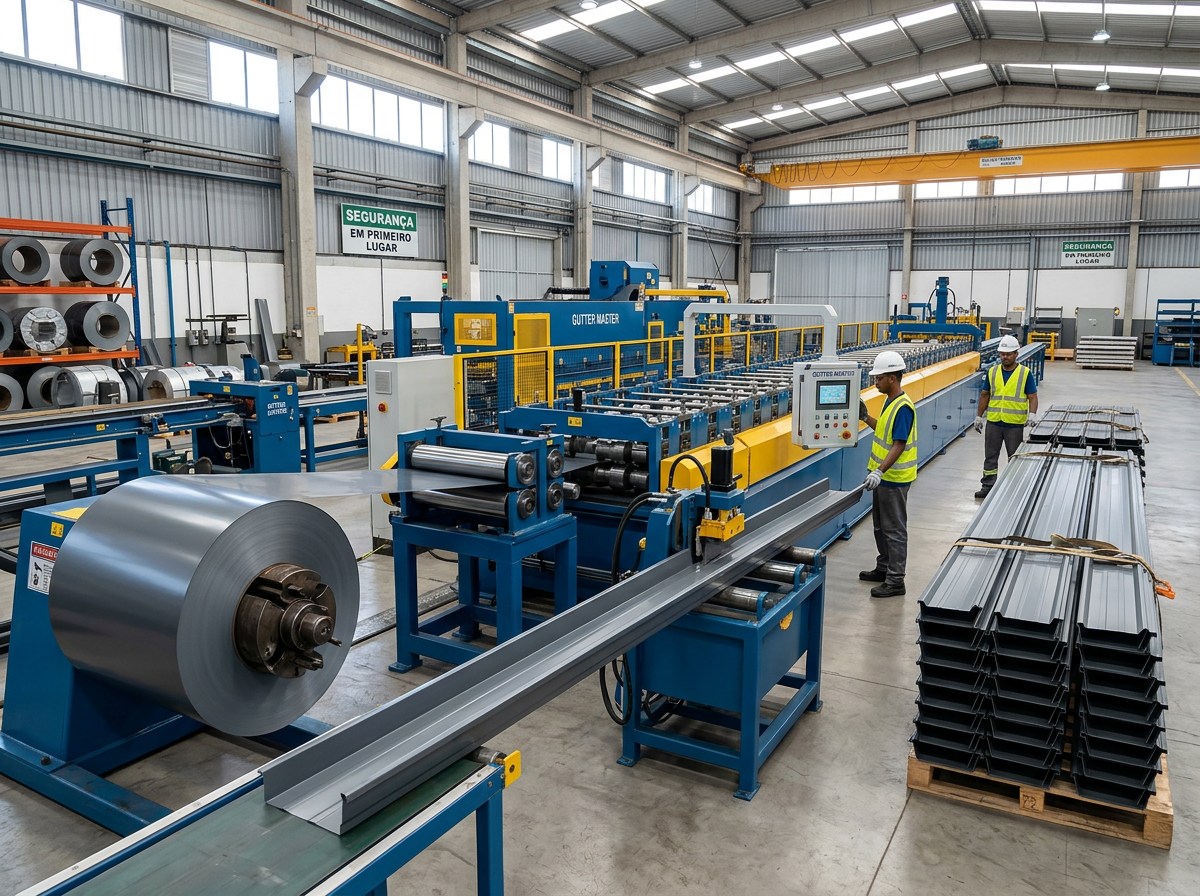
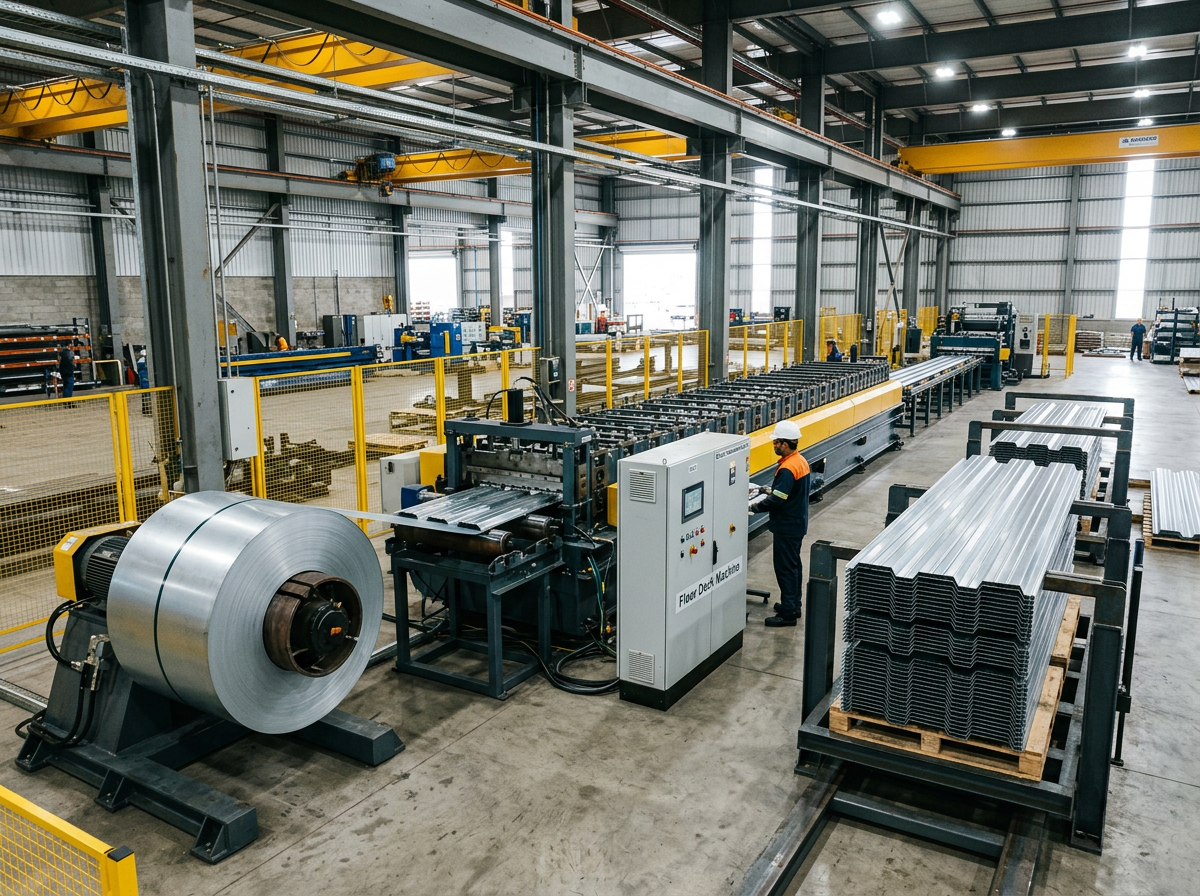
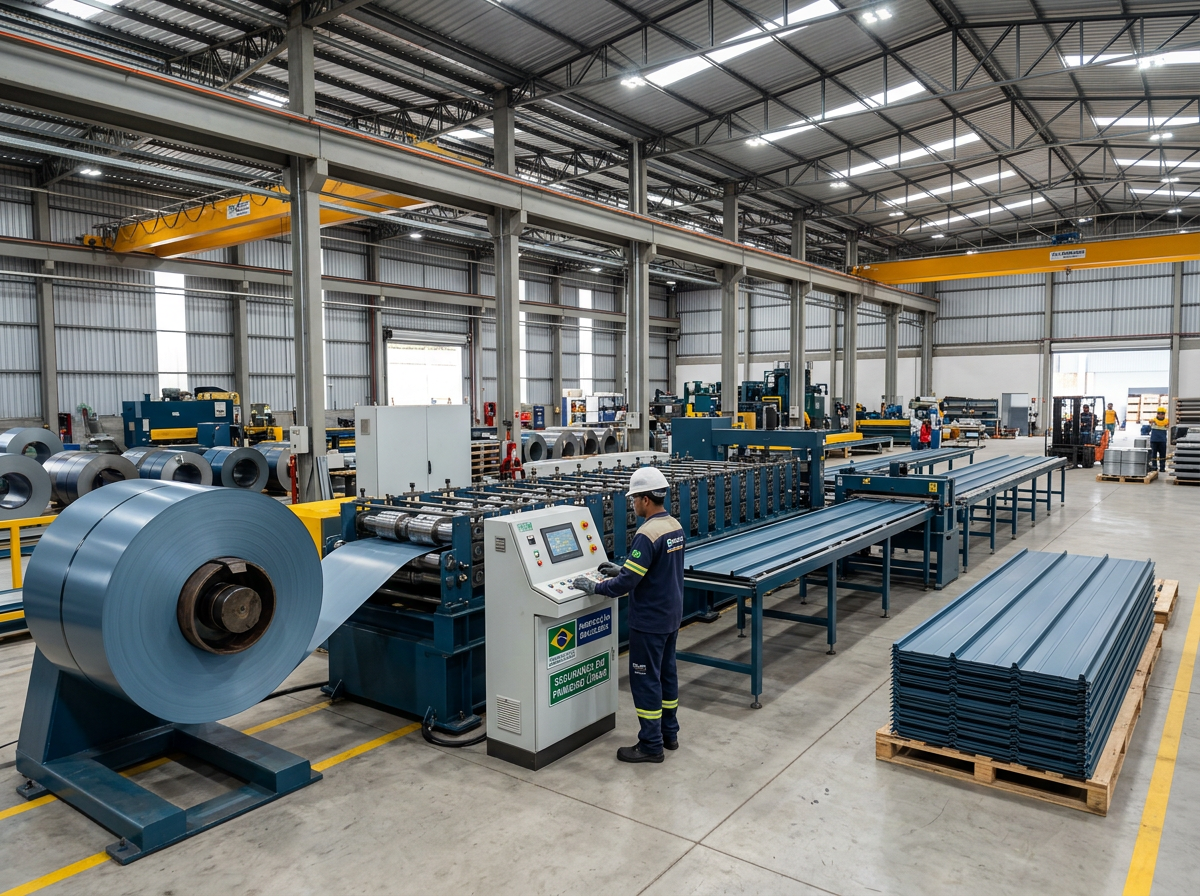
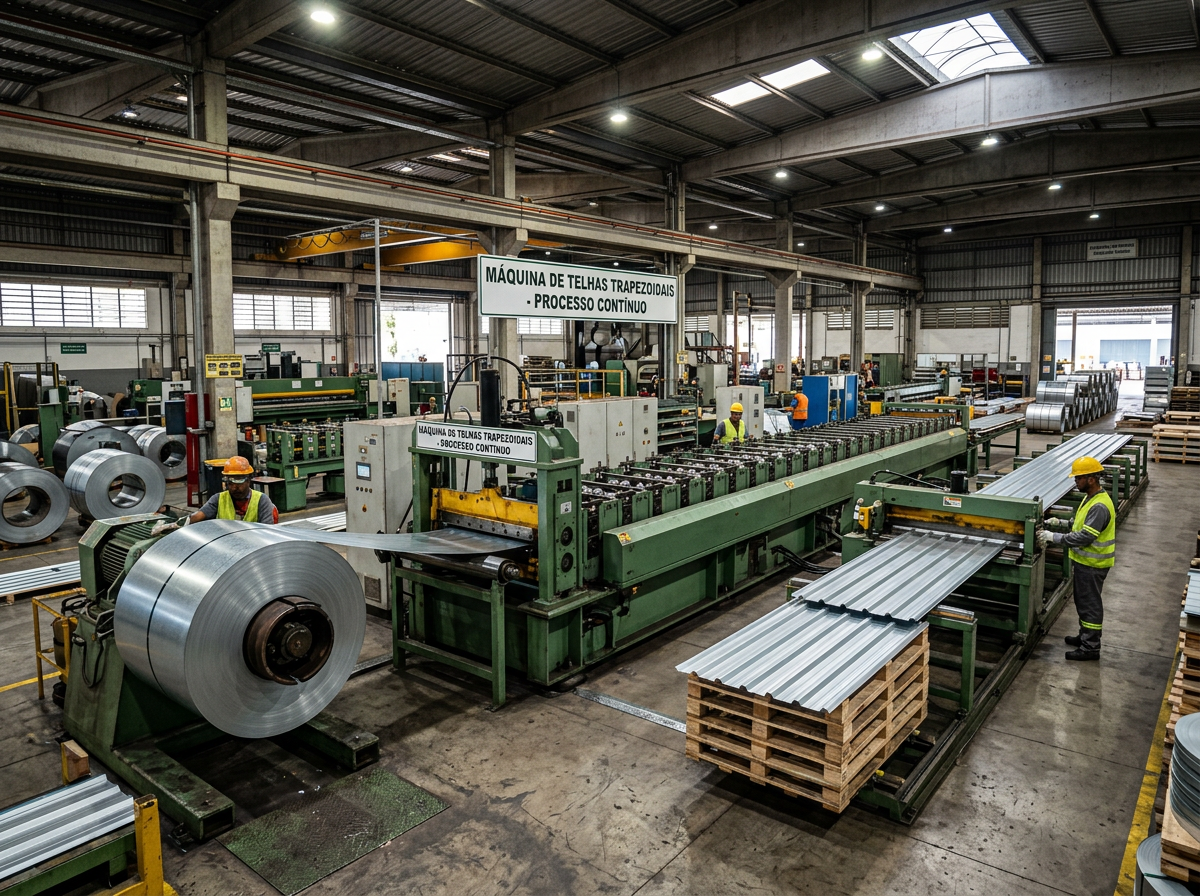
{Vue grand angle d’une usine indienne moderne de profilés de montage solaire utilisant une profileuse pour supports photovoltaïques, bobines d’acier galvanisé, poinçonnage automatique, système de coupe à longueur, sol de production organisé, éclairage industriel, style d’ingénierie réaliste}
Aperçu du marché
L’Inde est l’un des marchés les plus porteurs pour la production de profilés de montage photovoltaïques, car le déploiement solaire, l’expansion des infrastructures et l’activité manufacturière nationale progressent tous en même temps. Au 28 janvier 2025, la capacité solaire installée en Inde a atteint 97,86 GW, en forte hausse par rapport à 9,01 GW en mars 2016, selon les informations officielles du gouvernement. Le pays a également ajouté un record de 24,5 GW de capacité solaire en 2024, faisant du solaire l’un des principaux moteurs de la croissance des énergies renouvelables. (static.pib.gov.in)
Cela influe directement sur la demande de profileuses pour supports de montage photovoltaïques. Chaque centrale à grande échelle, chaque projet de toiture C&I, chaque structure agrivoltaïque et chaque abri de voiture solaire nécessite des composants de montage en acier tels que des profilés, des rails, des entretoises, des éléments de contreventement et des poteaux de support. Dans le même temps, la demande d'acier en Inde devrait connaître une forte croissance, les estimations du secteur tablant sur une hausse de 9 à 10 % en 2025, soutenue par les infrastructures et la construction. Cette combinaison de croissance solaire et de demande de transformation de l'acier fait de l'Inde un marché pratique et en expansion pour les composants de support photovoltaïques profilés à froid. (ibef.org)
| Moteur du marché | Signal de l'Inde | Pourquoi c'est important pour les acheteurs |
|---|---|---|
| Expansion solaire | 97,86 GW de capacité solaire installée au 28 janvier 2025 | Plus de projets solaires créent une demande soutenue pour les supports de montage et les rails |
| Ajouts annuels | 24,5 GW de capacité solaire ajoutés en 2024 | Les fabricants ont besoin d'une production plus élevée et de cycles de livraison plus rapides |
| Demande d'acier | Croissance de la demande d'acier en Inde estimée à 9-10 % en 2025 | La transformation des matières premières et la fabrication de profilés restent dynamiques |
| Tendance industrielle | Les énergies renouvelables, les transports et la construction continuent d'attirer les investissements | Les acheteurs préfèrent des machines flexibles capables de servir plusieurs familles de profilés |
Ce tableau aide les acheteurs à relier la demande macroéconomique à la logique d'achat de machines. Si vos clients cibles servent le solaire à grande échelle, le solaire en toiture ou la fourniture de structures OEM, l'utilisation de la machine peut rester élevée sur plusieurs cycles de commandes. Il montre également pourquoi un outillage flexible et un poinçonnage fiable sont plus précieux que la seule vitesse de production.
Quels types de profileuses pour supports de montage photovoltaïques sont nécessaires en Inde
D'après notre expérience au service des clients indiens, les configurations les plus demandées ne sont pas des lignes à grande vitesse trop complexes pour des profilés de niche. Le marché a besoin plus souvent de machines pratiques et durables pour des canaux solaires en acier galvanisé, des profilés en C, des profilés en chapeau, des sections de type entretoise et des éléments de montage à fentes. Les acheteurs souhaitent généralement une capacité d'épaisseur d'environ 1,5 à 3,0 mm, un poinçonnage servo ou hydraulique, un réglage facile des dimensions et une compatibilité avec une production continue à haut volume pour les systèmes de support à grande échelle et en toiture.
Nous constatons également une forte demande pour des lignes qui équilibrent personnalisation et simplicité d'exploitation. En Inde, de nombreux acheteurs veulent une profileuse pour supports de montage photovoltaïques qui intègre le déroulage, le planage, l'alimentation servo, le
| Type de machine | Utilisation typique en Inde | Épaisseur recommandée | Caractéristique clé |
|---|---|---|---|
| Profileuse standard pour supports photovoltaïques | Rails de toiture et profilés de support courants | 1,5-2,5 mm | Production stable avec entretien simple |
| Ligne de supports solaires multi-profilés | Fournisseurs EPC gérant des commandes variées | 1.5 | Changement plus rapide entre familles de profilés |
| Ligne de profilés à rainures renforcées | Systèmes de montage pour centrales à grande échelle | 2.0-3.0 mm | Meilleure rigidité pour une production continue |
| Machine de profilage pour supports photovoltaïques avec poinçonnage intégré | Profilés à haute densité de trous | 1,5-2,5 mm | Améliore la précision des trous et l'efficacité de la ligne |
Utilisez ce tableau pour présélectionner la bonne famille de machines avant de discuter du prix. La plupart des acheteurs indiens obtiennent de meilleurs résultats s'ils définissent d'abord la gamme de profilés, le motif de rainures, le tonnage annuel et la production cible. Une fois ces données claires, il devient beaucoup plus facile de sélectionner l'architecture de ligne appropriée.
Pourquoi ces types de produits sont recommandés
Ces types de produits sont recommandés car la fabrication de structures solaires en Inde exige de la flexibilité sans sacrifier la durabilité. Les pipelines de projets peuvent osciller entre les applications sur toiture, au sol et industrielles, de sorte qu'une machine ne produisant qu'un seul profilé étroit peut limiter les rendements à long terme. Une meilleure approche consiste à choisir une ligne avec suffisamment de stations de formage, un réglage de guidage robuste et une intégration de poinçonnage fiable pour traiter plusieurs conceptions de supports tout en maintenant des tolérances acceptables sur la largeur, la position des trous et la rectitude.
D'un point de vue technique, la qualité du profilé dépend de plus que la seule vitesse de formage. Pour les supports solaires, les acheteurs devraient se concentrer sur le contrôle du retour élastique du matériau, la conception des passes de laminage, l'alignement du poinçonnage et la précision de coupe. Une bonne ligne peut utiliser environ 16 à 24 stations de formage, une pression hydraulique d'environ 10 à 16 MPa pour les fonctions de support de coupe et de poinçonnage, et un contrôle de longueur basé sur un codeur. Lorsque les conceptions de profilés incluent des rainures répétitives ou des trous d'installation, l'alimentation par servo avec pré-poinçonnage ou poinçonnage synchronisé améliore souvent la cohérence et l'efficacité de l'assemblage en aval plus que la vitesse brute de la ligne.
| Facteur technique | Plage recommandée | Avantage pour l'acheteur |
|---|---|---|
| Vitesse de formage | 10-25 m/min | Équilibre pratique entre la production et la stabilité du profilé |
| Dureté du rouleau | HRC 58-62 | Durée de vie prolongée des outils lors du traitement continu de l'acier galvanisé |
| Pression hydraulique | 10-16 MPa | Performance de coupe et de poinçonnage fiable |
| Système de contrôle | Automate Siemens, Schneider ou Delta | Exploitation, diagnostic et support plus aisés |
| Capacité d'épaisseur | 1.5 | Couvre la plupart des applications courantes de supports solaires en Inde |
Ce tableau est utile lors des clarifications techniques avec les fournisseurs. Il donne aux acheteurs une référence pour discuter de la capacité de la machine au lieu de comparer les devis uniquement sur le prix. En pratique, la machine la moins chère devient souvent coûteuse par la suite si elle cause des bavures, un poinçonnage instable ou des temps d'arrêt excessifs.
Industries clés pour la profileuse de supports de montage PV en Inde
Les principales industries nécessitant une profileuse pour supports de montage PV en Inde sont le solaire à grande échelle, le solaire en toiture, la fabrication industrielle, les systèmes de support pour bâtiments préfabriqués et la transformation d'acier à façon. Les projets solaires à grande échelle requièrent de grands volumes de profilés de support, rails, éléments de connexion et composants de contreventement. Les installations en toiture et C&I nécessitent des profilés plus légers mais toujours précis pour un déploiement distribué. Les transformateurs desservant ces marchés souhaitent de plus en plus une production interne de profilés pour améliorer le contrôle des livraisons et leurs marges.
Le contexte industriel plus large soutient également cette demande. L'Inde continue d'investir dans les infrastructures, les installations industrielles, les corridors de transport et l'expansion manufacturière, tandis que l'énergie renouvelable reste une priorité nationale stratégique. Les sources gouvernementales et industrielles indiquent une forte croissance de la demande d'acier et une expansion continue de la capacité renouvelable, ce qui crée un environnement favorable pour les équipements de fabrication de profilés destinés aux applications solaires. Pour de nombreux acheteurs, cela signifie qu'une même ligne de production peut servir aux composants solaires aujourd'hui et aux profilés structurels légers connexes demain.ibef.org)
Scénarios d'application spécifiques
Un scénario d'application courant en Inde est celui d'un fabricant de structures solaires fournissant des profilés galvanisés pour un projet au sol de 50 MW à 200 MW. Dans ce cas, la machine doit exécuter des commandes répétitives avec des motifs de poinçonnage stricts pour l'assemblage boulonné sur site. La ligne comprend généralement le déroulage, le planage, l'alimentation servo, le pré-poinçonnage, le profilage, la coupe hydraulique et le support d'évacuation automatique. L'acheteur accorde plus d'importance à la précision des trous, à la répétabilité et au changement rapide de lots qu'à une vitesse extrême, car les retards de projet causés par des trous d'installation mal alignés peuvent être très coûteux.
Un autre scénario typique est celui d'un fabricant régional servant des installateurs en toiture dans des parcs industriels, des entrepôts et des bâtiments commerciaux. Ici, les tailles de commande sont plus petites et plus variées, la flexibilité est donc encore plus importante. La machine peut avoir besoin de produire plusieurs tailles de rails ou de profilés de support dans une même usine, souvent avec un ajustement rapide de l'outillage et une commande IHM conviviale pour l'opérateur. Dans ces cas, l'accès aux pièces de rechange, la qualité de la formation et les procédures de maintenance simples sont essentiels car de nombreux acheteurs recherchent une production fiable sans dépendre de techniciens hautement spécialisés pour chaque modification.
{Vue rapprochée d'une ligne de production montrant des profilés solaires galvanisés poinçonnés sortant d'une profileuse pour supports de montage PV, alimentation servo, coupe hydraulique, profilés finis empilés, environnement d'usine réaliste, photographie industrielle technique}
Études de cas
Ligne de supports solaires à grande échelle pour l'ouest de l'Inde
Un fabricant de structures de l'ouest de l'Inde devait fournir des profilés de support et des équerres à rainures pour plusieurs sites solaires à grande échelle dans des conditions de température élevée et de poussière. Le cahier des charges couvrait de l'acier galvanisé de 2,0 mm à 2,5 mm, de longues périodes de production et une répétabilité stricte de l'emplacement des trous. Nous avons recommandé une ligne robuste avec dérouleur hydraulique, planage de précision, alimentation servo, pré-poinçonnage, 20 stations de formage, post-coupe hydraulique et empilage automatique. L'outillage des galets utilisait du Cr12MoV traité thermiquement, et le système de contrôle était configuré pour stocker les recettes de plusieurs variantes de profilés.
Après la mise en service, l'acheteur a amélioré la régularité des profilés et presque totalement supprimé le perçage manuel. La ligne a permis une installation plus prévisible sur site, l'alignement des trous et la longueur de coupe restant stables d'un lot à l'autre. La planification de la production s'est également améliorée, le changement basé sur des recettes réduisant les erreurs de l'opérateur. Sur le plan commercial, le client a pu réduire les délais de livraison pour l'acier destiné aux projets et accepter des commandes plus importantes en dépendant moins du traitement des profilés par des sous-traitants.
Ligne de supports solaires multi-profilés pour le sud de l'Inde
Un fabricant du sud de l'Inde desservant des projets sur toiture, des ombrières de parking et de petites installations au sol voyait sa marge réduite par l'achat de profilés finis à des fournisseurs externes. L'acheteur avait besoin d'une ligne capable de produire plusieurs éléments de support solaire d'épaisseur modérée avec des variations de commandes fréquentes. Nous avons proposé une profileuse flexible pour supports de montage photovoltaïques avec réglage manuel et guidé, poinçonnage intégré, contrôle par automate Delta PLC, découpe hydraulique et une configuration d'outillage modulaire conçue pour l'expansion future des profilés.
Le résultat fut non seulement un coût de traitement par pièce réduit, mais aussi un meilleur contrôle des plannings d'expédition et de la qualité. L'entreprise produisant les profilés en interne pouvait désormais adapter les longueurs de commande exactes et les motifs de fentes pour chaque client, au lieu de conserver un stock excédentaire de produits finis. L'équipe de direction a également constaté que la formation des opérateurs était facilitée une fois la ligne standardisée autour d'une seule interface homme-machine, d'un plan unique de pièces détachées et d'une routine de maintenance commune.
Top 6 des fournisseurs locaux recommandés en Inde
Si vous souhaitez vous approvisionner localement en Inde, recherchez des fournisseurs qui maîtrisent à la fois la mécanique du profilage et la production de structures solaires. Les meilleurs partenaires locaux sont généralement ceux qui peuvent discuter en détail des tolérances de profil, du comportement de la bobine, de la logique de poinçonnage, du stock de pièces détachées et de l'assistance à la mise en service, plutôt que de se limiter aux dimensions du châssis de la machine et à la puissance du moteur. Voici six profils plausibles de fournisseurs locaux que les acheteurs peuvent considérer pour établir une liste restreinte.
| Fournisseur | Région de base | La force | Idéal pour |
|---|---|---|---|
| SolarForm Tech India | Gujarat | Solide sur les lignes de profilés de montage à grande échelle | Grands fabricants de structures solaires |
| Bharat Profile Systems | Maharashtra | Bonne personnalisation pour la production de profilés en U à fentes | Fournisseurs OEM de taille moyenne et prestataires EPC |
| Indus RollTech Solutions | Tamil Nadu | Ingénierie flexible pour lignes multi-profilés | Acheteurs avec des commandes variées pour toitures |
| Zenith Mounting Equipment | Telangana | Automatisation pratique et contrôles conviviaux pour l'opérateur | Fabricants régionaux à croissance rapide |
| Apex Metalforming India | Rajasthan | Conception de châssis robuste et unités de poinçonnage résistantes | Production continue en tonnage plus élevé |
| GreenRail Industrial Systems | Karnataka | Soutien technique équilibré et concepts d'outillage modulaires | Acheteurs recherchant une capacité extensible |
Utilisez ce tableau comme un point de départ pour l'évaluation, non comme une réponse définitive. Demandez à chaque fournisseur présélectionné des échantillons de profilés, le plan de la ligne, les détails des matériaux d'outillage, la méthode de poinçonnage, la liste des marques électriques, les délais de livraison et les conditions de service local. Les acheteurs sérieux devraient également demander des vidéos de machines similaires en charge et les données de tolérance de profilés précédemment testés.
Pourquoi choisir SUNWAY comme partenaire global
Pour les acheteurs indiens qui souhaitent un partenaire industriel mondial, SUNWAY offre une combinaison de profondeur d'ingénierie, d'expérience à l'export et de structure de service pratique. Nous avons servi des clients dans de nombreux pays et comprenons que les acheteurs en Inde ont besoin de plus qu'une simple expédition de machine. Ils ont besoin de correspondance applicative, de vérification des profilés, d'assistance à l'installation, de formation, de planification des pièces de rechange et de conseils honnêtes sur le niveau d'automatisation réellement nécessaire. Vous pouvez en apprendre davantage sur SOLEIL, explorer notre page d'accueilou consulter notre catalogue de produits.
Nous soutenons à la fois les distributeurs et les utilisateurs finaux directement, ce qui est important sur un marché aussi diversifié que l'Inde. Notre orientation prévoit un renforcement du support régional, des plans de stockage en entrepôt en Inde et le développement continu des capacités de service technique à l'étranger pour l'assistance technique sur site. Nous préparons également activement des canaux de partenariat plus larges via des programmes d'affiliation et de dropshipping, soutenus par un accompagnement en ligne et hors ligne. Si vous comparez des fournisseurs et souhaitez une discussion technique directe, veuillez contactez notre équipe partager vos plans de profilés, l'épaisseur du matériau, le schéma de perçage et vos objectifs de production.
{Profileuse pour supports de montage PV prête à être expédiée, emballage export, chargement en conteneurs pour livraison en Inde, châssis de machine en acier, armoire de commande, galets protégés, scène logistique professionnelle}
FAQ
Quelle plage d'épaisseur une ligne de profilés pour supports solaires destinée à l'Inde devrait-elle normalement couvrir ?
Pour la plupart des applications de supports solaires en Inde, une plage pratique de 1,5 à 3,0 mm d'acier galvanisé est visée. Les systèmes de toiture se situent souvent dans la partie la plus fine, tandis que les éléments de support pour les centrales au sol peuvent nécessiter 2,0 mm et plus. La réponse exacte dépend de votre plan de profilé, des exigences de charge de vent, de l'état de galvanisation et du fait que vous produisiez des rails, des profilés en U, des contrefiches ou des poteaux sur la même ligne.
Quelle vitesse de formage est réaliste pour une profileuse de supports de montage PV ?
Une vitesse de travail réaliste se situe généralement autour de 10 à 25 m/min, non pas parce que les machines ne peuvent pas aller plus vite, mais parce que la densité de perçage, la géométrie du profilé et la précision de coupe influencent la stabilité de la production. Si votre support comporte de nombreux trous ou fentes, le rendement net réel peut dépendre davantage de la synchronisation de l'alimentation et du poinçonnage que de la vitesse nominale de formage. Les acheteurs devraient demander des estimations de rendement par cycle basées sur leur profilé réel.
Quel matériau de galet est le meilleur pour les longues séries de production ?
Pour la production de profilés solaires, les acheteurs privilégient généralement des matériaux de galets tels que le GCr15 ou le Cr12MoV avec un traitement thermique approprié. Une plage de dureté d'environ 58-62 HRC est souvent choisie car elle offre une durée de vie prolongée de l'outillage et une meilleure résistance à l'usure lors du traitement continu de l'acier galvanisé. La qualité de l'outillage est particulièrement importante si votre usine prévoit de fonctionner en deux ou trois équipes.
Dois-je choisir un poinçonnage avant ou après formage ?
Le poinçonnage avant formage est souvent préféré lorsque la précision de position des trous est critique et que la conception du profilé permet un formage stable après le poinçonnage. Le poinçonnage après formage peut aussi bien fonctionner pour certaines formes, mais il peut ralentir le débit ou exiger une logique d'alignement plus complexe. Le choix doit être fondé sur la géométrie du profilé, l'espacement des trous, la tolérance de bavure et le débit requis, plutôt que sur les habitudes du fournisseur.
Que dois-je demander à un fournisseur avant de passer commande ?
Demandez la compatibilité des profilés, la plage d'épaisseurs, la vitesse de ligne selon votre motif de poinçonnage réel, le matériau des galets, le diamètre des arbres, la marque de l'automate, la marque du moteur, les spécifications hydrauliques, la méthode de changement de série et l'étendue de la mise en service. Vous devriez également demander les normes de test d'échantillons, la liste des pièces de rechange, le délai de livraison, les schémas électriques et le plan de formation des opérateurs. Ces détails comptent généralement plus qu'un simple résumé de devis.
Une seule machine peut-elle produire plusieurs profilés de montage solaire ?
Oui, si la ligne est conçue pour cela. Une machine multi-profilés peut produire plusieurs sections de supports ou de profilés en U apparentés grâce à des outillages à cassettes, des ajustements guidés ou des jeux de galets modulaires. Cependant, la flexibilité doit être étudiée avec soin ; sinon, les tolérances de profilé et le temps de réglage peuvent en pâtir. Les acheteurs doivent confirmer exactement quels profilés peuvent être produits et combien de temps chaque changement prendra.
Le support après-vente local est-il important même pour une machine importée ?
Oui. En Inde, la continuité de production est essentielle car les délais des projets sont souvent serrés et les acheteurs ne peuvent pas se permettre de longs arrêts à attendre un dépannage. Même en important d'un fabricant expérimenté, vous devez confirmer le temps de réponse de l'assistance à distance, la stratégie en matière de pièces détachées, le plan de mise en service, et si une intervention technique sur site peut être organisée si nécessaire.
Contenu révisé et mis à jour : mars 2026
Titre : Meilleur fournisseur de profileuses pour supports de montage PV en Inde | Guide 2026
Mots-clés : profileuse pour supports de montage PV, machine de montage solaire en Inde, ligne de profilage pour supports solaires, machine à profiler les supports PV, profileuse pour profilés solaires en U, fabrication de structures solaires en Inde, profileuse pour supports galvanisés, machine à profiler les profilés solaires pour centrales au sol, machine pour supports solaires de toiture, profileuse pour profilés à rainures, profileuse SUNWAY, production de profilés de montage solaire
Meta description : Découvrez le meilleur fournisseur de profileuses pour supports de montage PV en Inde pour 2026, avec une analyse du marché, les spécifications de la machine, un guide pour l'acheteur et les solutions SUNWAY.