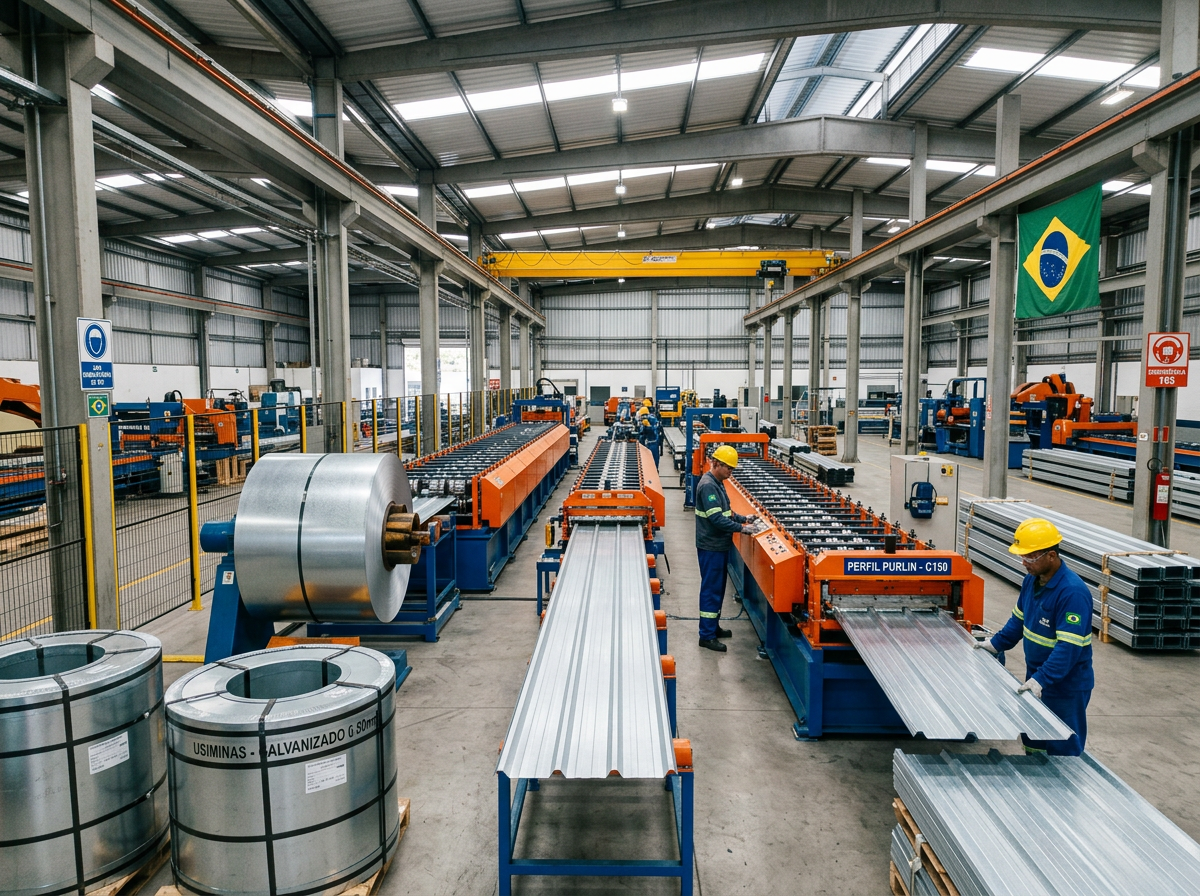
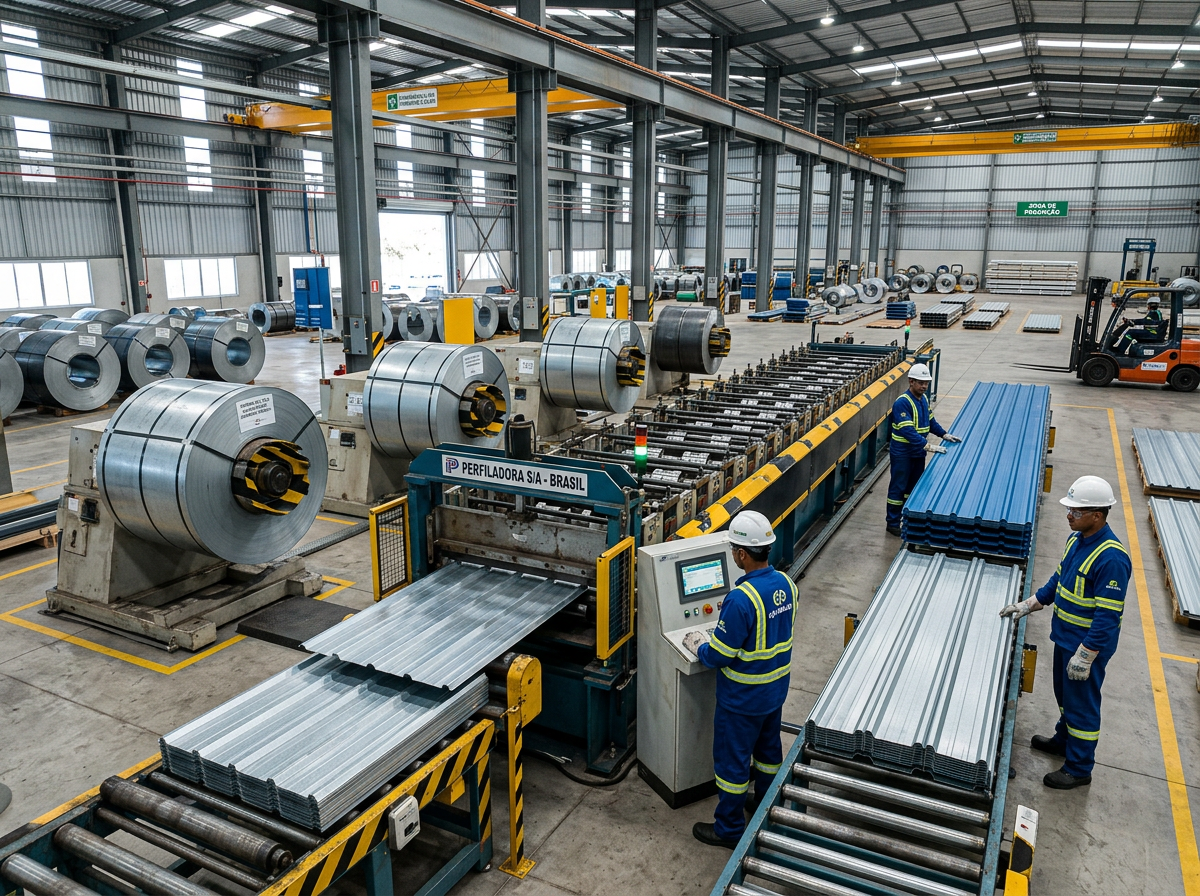
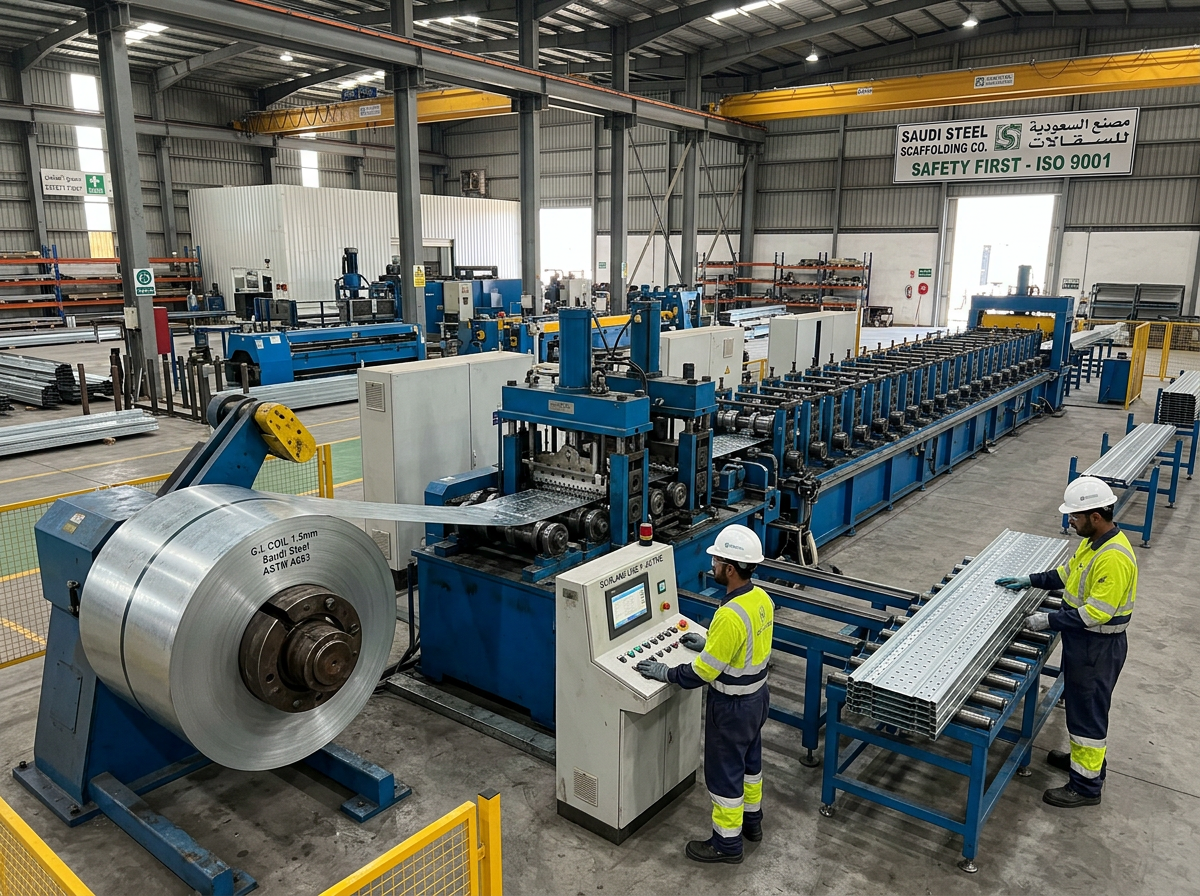
Une machine à panneaux de toiture trapézoïdaux est l'un des équipements les plus polyvalents et les plus demandés dans l'industrie de la toiture métallique. Que vous produisiez des plaques standards de type IBR pour la construction résidentielle ou des profilés trapézoïdaux à haute nervure pour les grands bâtiments industriels, le choix de la bonne machine a un impact direct sur votre efficacité de production, la précision des profilés et votre rentabilité à long terme. Ce guide fournit une analyse détaillée des fonctionnalités des machines, des types de profilés trapézoïdaux populaires tels que T18, T25 et T35, de la compatibilité des matériaux et des critères de performance les plus importants pour les acheteurs professionnels.
Si vous envisagez d'investir dans une ligne de profilage de tôles trapézoïdales et avez besoin de conseils d'experts sur la configuration de la machine, la personnalisation des profilés ou les prix, contactez notre équipe chez SUNWAY pour une recommandation personnalisée fondée sur plus de 20 ans d'expérience dans la fabrication par profilage à froid.
Qu'est-ce qu'une profileuse pour panneaux de toiture trapézoïdaux ?
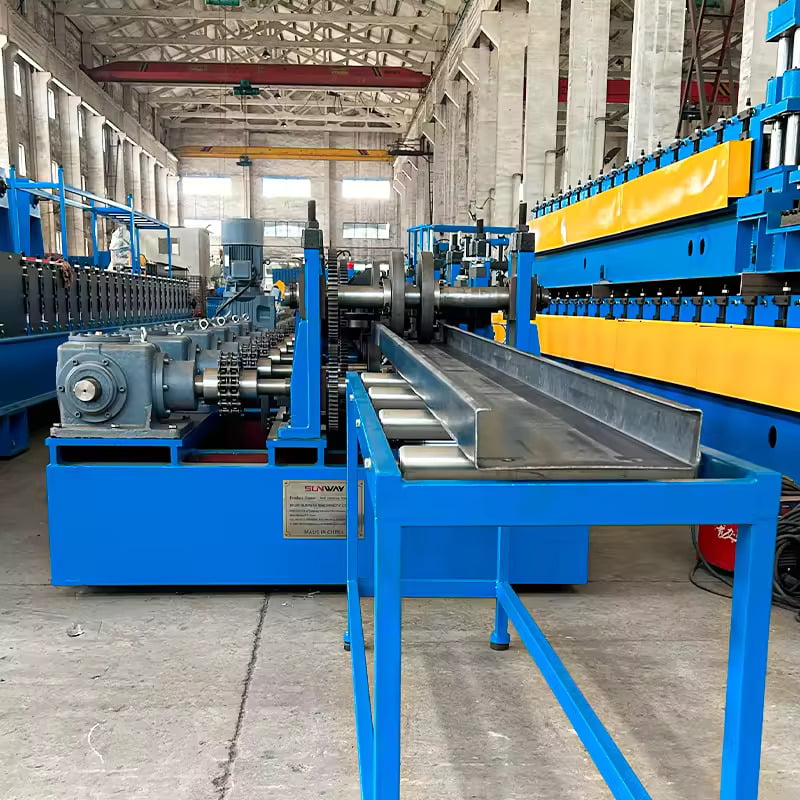
Une profileuse pour panneaux de toiture trapézoïdaux est un système de profilage à froid spécialisé conçu pour transformer des bobines d'acier plates en tôles de bardage de toit et de mur de forme trapézoïdale grâce à une série de postes de galets de formage configurés avec précision. Les panneaux obtenus présentent un profil distinctif avec des parties planes et des nervures inclinées qui offrent une excellente rigidité structurelle, un drainage efficace de l'eau et une performance de recouvrement fiable. Cette géométrie de profil est l'un des choix les plus populaires pour les applications de toiture résidentielles et industrielles dans le monde entier.
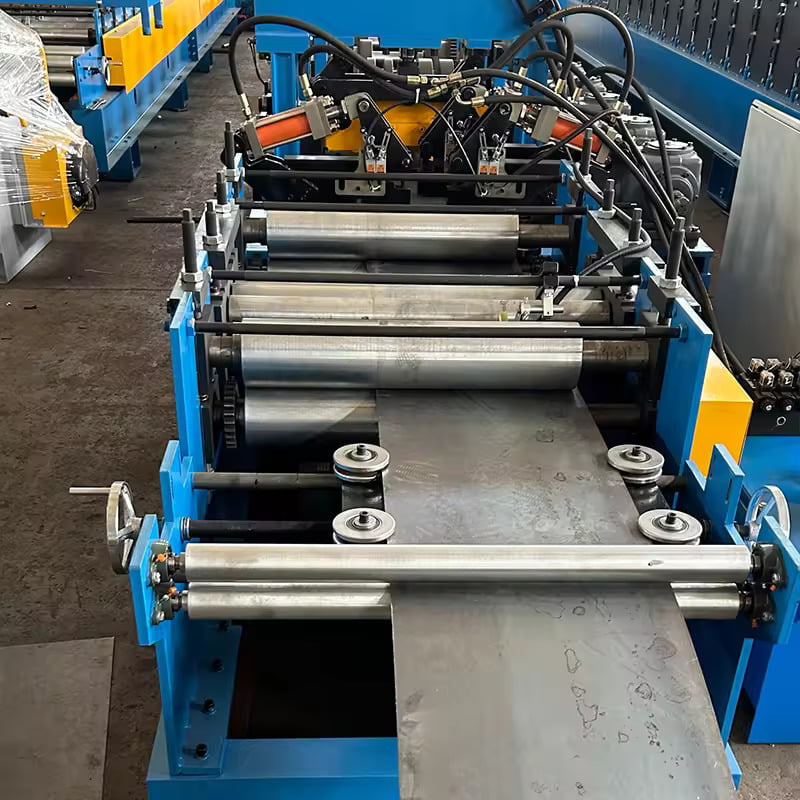
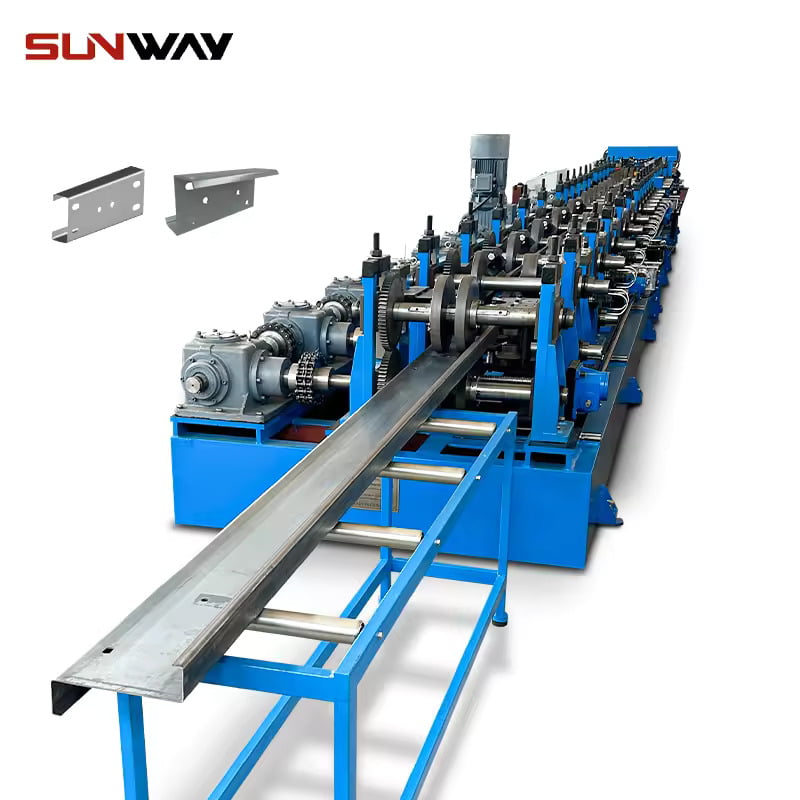
La machine fonctionne sur un principe de formage continu, ce qui signifie que la bande d'acier traverse des paires de galets successives qui plient progressivement le matériau pour lui donner la forme trapézoïdale souhaitée sans chauffage. Ce procédé de formage à froid préserve les propriétés mécaniques du métal de base tout en atteignant des tolérances dimensionnelles serrées. Une ligne typique de profileuse pour panneaux de toiture trapézoïdaux comprend un dérouleur, un guide d'alimentation, des postes de profilage, un système de coupe hydraulique ou pneumatique, une unité de commande basée sur un automate programmable et une table de sortie ou un empileur automatique.
Les profilés trapézoïdaux sont connus sous diverses désignations régionales, notamment IBR (Inverted Box Rib), T-rib, et des numéros de modèle spécifiques comme T18, T25 et T35, chacun faisant référence à la hauteur effective de la nervure en millimètres. En raison de cette diversité, la profileuse pour panneaux de toiture trapézoïdaux doit être conçue avec précision pour le profil cible, ce qui fait de la conception des galets et du nombre de postes des facteurs de spécification essentiels lors de l'acquisition.
Comment fonctionne le profilage de tôles trapézoïdales
Le processus de profilage de tôles trapézoïdales transforme une bobine de métal plate en un panneau profilé fini par une série d'étapes de pliage progressif effectuées par des ensembles de galets en acier trempé. Chaque poste applique un degré spécifique de déformation, façonnant progressivement la bande plate en la section transversale trapézoïdale finale. L'ensemble du processus est continu, à grande vitesse et hautement reproductible, ce qui explique pourquoi le profilage est la méthode privilégiée pour la production en série de tôles de toiture métalliques.
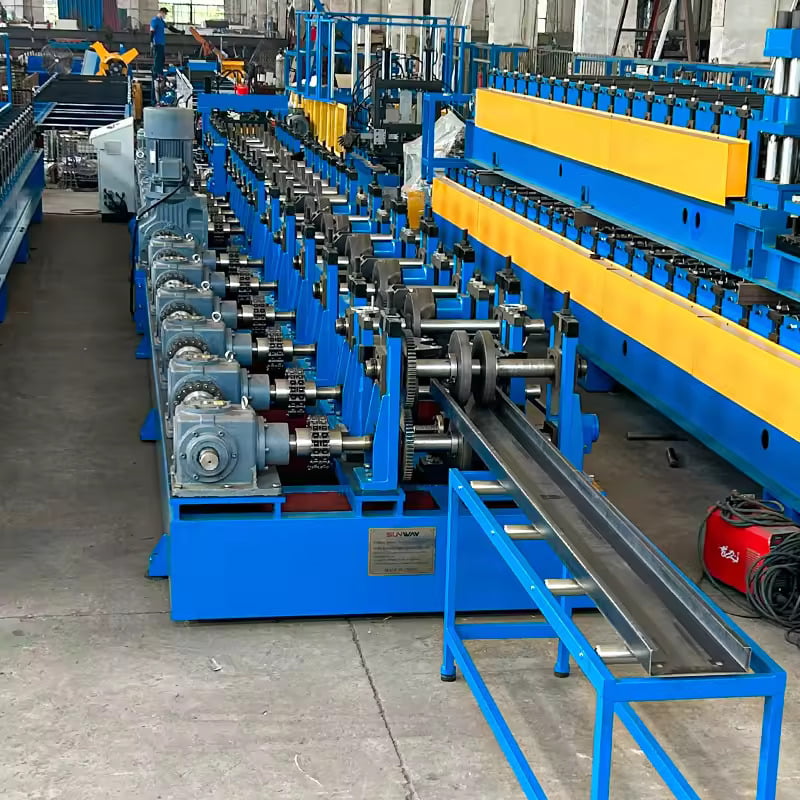
Le processus commence au dérouleur, qui maintient et déroule la bobine d'acier sous tension contrôlée. La bande passe ensuite par une plateforme de nivellement ou de guidage qui garantit un alignement correct avant d'entrer dans la section de formage. Dans une ligne de profilage de tôles trapézoïdales typique, 16 à 22 postes de formage sont disposés en séquence. Le nombre de postes dépend de la complexité du profil — des nervures plus profondes et des formes plus complexes nécessitent des étapes de formage supplémentaires pour éviter les fissures de contrainte du matériau et garantir la stabilité dimensionnelle.
Après la section de formage, la tôle profilée avance vers l'unité de coupe, où une cisaille hydraulique ou une scie volante coupe les panneaux à la longueur programmée. Le système de commande par automate programmable gère l'ensemble du cycle, de la vitesse d'alimentation et de la longueur de coupe au comptage des lots et à la surveillance du diagnostic. Ce niveau d'automatisation permet à un seul opérateur de gérer toute la ligne, améliorant la productivité et réduisant les coûts de main-d'œuvre. Les vitesses de production pour le profilage de tôles trapézoïdales varient généralement de 8 à 25 mètres par minute selon l'épaisseur du matériau et la profondeur du profil.
Profilés de toiture trapézoïdaux courants : T18, T25, T35 et au-delà
Les panneaux de toiture trapézoïdaux se déclinent en une large gamme de configurations de profilés, chacun optimisé pour des exigences structurelles spécifiques, des capacités de portée et des normes de construction régionales. La désignation du profil indique généralement la hauteur effective de la nervure — par exemple, T18 a une nervure de 18 mm, T25 de 25 mm, et T35 de 35 mm. Le choix du bon profil dépend de facteurs tels que la longueur de portée du toit, les exigences de charge du vent, l'intensité des précipitations et les préférences architecturales locales.
Le profil T18 est une option légère couramment utilisée pour les bâtiments résidentiels, les abris de voiture et les structures commerciales légères. Avec sa nervure relativement peu profonde, il offre une rigidité adéquate pour les applications à courte portée tout en minimisant l'utilisation de matériau. Le profil T25 représente une solution de milieu de gamme adaptée aux bâtiments industriels de portée moyenne, aux entrepôts et aux installations agricoles. Sa nervure plus profonde offre une capacité portante et des performances d'évacuation de l'eau améliorées par rapport au T18. Le profil T35, avec sa hauteur de nervure de 35 mm, est conçu pour les toitures de longue portée et les applications lourdes où une résistance structurelle maximale et une résistance au vent sont requises.
| Modèle de profil | Hauteur des côtes (mm) | Largeur de couverture effective (mm) | Plage d'épaisseur de matériau (mm) | Application typique |
|---|---|---|---|---|
| T18 | 18 | 1000–1050 | 0,30–0,60 | Résidentiel, abris de voiture, commercial léger |
| T25 | 25 | 900–1000 | 0,35–0,70 | Entrepôts, ateliers, bâtiments agricoles |
| T35 | 35 | 750–1000 | 0,40–0,80 | Toiture industrielle, structures à longue portée |
| T40 / IBR | 40 | 686–890 | 0,40–1,00 | Applications industrielles lourdes, zones à vents forts |
Ce tableau résume les principales différences dimensionnelles entre les profilés trapézoïdaux courants. Lors du choix d'une machine pour panneaux de toiture trapézoïdaux, les acheteurs doivent vérifier que l'outillage des galets de la machine correspond au profilé cible et que le nombre de postes de formage est suffisant pour la profondeur de nervure souhaitée. Les profilés plus profonds nécessitent généralement davantage de postes et une construction de châssis plus robuste.
Gamme vedette : Solutions de profilage pour panneaux de toiture trapézoïdaux SUNWAY
SOLEIL propose une gamme complète de profileuses pour panneaux trapézoïdaux et de profileuses pour panneaux IBR, couvrant tous les principaux types de profils, du T18 au T40 et au-delà. Chaque machine est équipée de rouleaux en acier trempé Cr12MoV usinés avec précision, d'un bâti en acier soudé robuste, d'un automate programmable avec interface tactile IHM pour un fonctionnement automatisé, et d'un système de coupe hydraulique pour des extrémités de panneaux nettes et sans bavures. Pour les acheteurs nécessitant plusieurs profils, SUNWAY peut fournir des systèmes de changement rapide de rouleaux ou des conceptions compatibles double profil pour maximiser la flexibilité de production.
Au-delà de la profileuse elle-même, SUNWAY offre une assistance complète pour la configuration de lign Découvrez notre gamme complète de machines ou contactez-nous pour discuter d'une configuration de ligne adaptée à vos exigences spécifiques de profil.
Composants clés d'une profileuse pour panneaux de toiture trapézoïdaux
Comprendre les composants fondamentaux d'une profileuse pour panneaux de toiture trapézoïdaux aide les acheteurs à évaluer la qualité de la machine, à comparer les offres des fournisseurs et à planifier la maintenance à long terme. Une ligne de production complète est constituée de plusieurs sous-systèmes intégrés, chacun jouant un rôle critique dans la qualité de production et la fiabilité opérationnelle. Le tableau ci-dessous présente les principaux composants et leurs fonctions.
| Composant | Fonction | Indicateur de qualité clé |
|---|---|---|
| Dérouleur hydraulique | Maintient et déroule la bobine d'acier | Capacité de charge (3–10 tonnes), motorisé vs manuel |
| Plateforme de guidage et de nivellement | Aligne et aplatit la bande avant le formage | Guides latéraux réglables, rouleaux niveleurs à ressort |
| Stations de formage de rouleaux | Façonne progressivement la bande plate en un profil trapézoïdal | Matériau des rouleaux (Cr12MoV, HRC 58–62), nombre de postes (16–22) |
| Système de coupe hydraulique | Cisaille les panneaux finis à la longueur programmée | Tolérance de coupe (±1–2 mm), matériau de la lame |
| Système de contrôle par API | Gère la vitesse, la longueur, le lot, les diagnostics | Marque (Siemens, Delta, Mitsubishi), IHM à écran tactile |
| Table d'évacuation / Empileur automatique | Supporte et empile les panneaux finis | Capacité en longueur, précision de l'empilage |
Lorsque vous comparez les fournisseurs de profileuses pour panneaux trapézoïdaux, prêtez une attention particulière à la qualité et à la dureté du matériau des rouleaux — cela détermine directement la précision du formage et la durée de vie de l'outillage. L'acier Cr12MoV d'une dureté de 58-62 HRC constitue la référence standard de l'industrie pour des rouleaux durables et de formage de précision. Vérifiez en outre la marque de l'automate programmable et si le logiciel de commande prend en charge le diagnostic à distance et les interfaces multilingues, des éléments importants pour les acheteurs internationaux.
La structure du châssis est un autre indicateur de qualité essentiel. Une machine bien conçue utilise une construction en acier soudé de forte épaisseur, avec un traitement de détente des contraintes pour éviter toute déformation sous des charges de production continues. Les acheteurs doivent vérifier que tous les arbres sont usinés en acier allié à haute résistance et supportés par des roulements de qualité — ces détails n'apparaissent peut-être pas sur une proposition standard, mais ils affectent fondamentalement la longévité de la machine et la régularité des panneaux.
Fabricant recommandé : SUNWAY
Pour les acheteurs recherchant un fournisseur fiable et éprouvé de profileuses pour panneaux de toiture trapézoïdaux et de lignes complètes de profilage, SUNWAY (Wuxi Sunway Machinery Co., Ltd) est un fabricant de confiance fort de plus de 20 ans d'expérience dédiée aux équipements de profilage à froid. SUNWAY exploite un système de production verticalement intégré couvrant la R&D, l'approvisionnement en matières premières, l'usinage de précision, l'assemblage, le contrôle qualité, l'emballage professionnel et la logistique d'exportation mondiale. Chaque machine fait l'objet de contrôles qualité rigoureux à plusieurs étapes avant l'expédition.
Ce qui distingue SUNWAY de nombreux fournisseurs est son engagement envers un service intégral. Au-delà de la fourniture de machines de haute qualité à des prix compétitifs, SUNWAY propose un support technique complet incluant la conception personnalisée des rouleaux à partir des dessins des profils du client, la formation des opérateurs, la mise en service vidéo à distance, la fourniture de pièces de rechange et une assistance après-vente à vie. L'équipe R&D interne analyse en permanence les tendances du marché et les retours des clients pour alimenter les améliorations technologiques. Si vous évaluez des fournisseurs pour un projet de profilage de tôles trapézoïdales, nous vous recommandons de contacter l'équipe technico-commerciale de SUNWAY pour une proposition détaillée et un devis compétitif.
Indicateurs de performance et spécifications de la machine
La performance d'une machine à panneaux trapézoïdaux est mesurée par plusieurs indicateurs quantifiables qui affectent directement la production, la qualité des panneaux et les coûts opérationnels. Les acheteurs doivent évaluer soigneusement ces spécifications lors du processus de sélection pour s'assurer que la machine réponde à la fois aux demandes de production actuelles et aux besoins potentiels d'évolution future.
La vitesse de formage est l'indicateur de performance le plus visible. Les machines standard pour panneaux trapézoïdaux fonctionnent à une vitesse de 8 à 25 mètres par minute, cette vitesse étant influencée par l'épaisseur du matériau, la complexité du profil et le temps de cycle de coupe. Des vitesses de formage plus élevées ne se traduisent pas toujours par une production effective supérieure — le cycle du système de coupe et la vitesse de manipulation de l'empileur peuvent devenir des goulets d'étranglement s'ils ne sont pas correctement assortis. Une ligne bien configurée équilibre la vitesse de formage avec la capacité des sous-systèmes en aval pour maximiser le débit réel.
| Spécifications | Gamme typique | Notes |
|---|---|---|
| Vitesse de formage | 8–25 m/min | Varie selon la profondeur du profil et l'épaisseur du matériau |
| Epaisseur du matériau | 0,3–1,0 mm | Les matériaux plus épais nécessitent plus de postes de formage |
| Stations de formation | 16–22 | Plus de postes pour les profils profonds/complexes |
| Puissance moteur principal | 5,5-11 kW | Adapté à la vitesse de la ligne et à l'épaisseur du matériau |
| Pression de coupe hydraulique | 10–16 MPa | Assure une coupe nette sans déformer le panneau. |
| Tolérance de longueur de coupe | ±1–2 mm | Contrôlée par encodeur et API |
| Largeur de la bobine Capacité | 900–1250 mm | Dépend de la largeur utile du profil cible |
Utilisez cette référence technique pour comparer les offres des différents fournisseurs. Une profileuse pour tôles de toiture trapézoïdales comptant moins de 16 stations de formage peut peiner à produire des panneaux nets et sans déformation pour des hauteurs de nervure plus importantes. De même, les machines dotées de systèmes hydrauliques sous-dimensionnés peuvent présenter des bavures ou des déformations au bord de coupe, entraînant gaspillage et réclamations clients. Exigez toujours des échantillons de panneaux formés sur la machine réelle avant de confirmer une commande.
La précision dimensionnelle est tout aussi importante. Les meilleures machines maintiennent une tolérance de hauteur de profil à ±0,3 mm et une tolérance de largeur à ±0,5 mm sur une production complète. Cette régularité dépend de la précision d’usinage des galets, de la rigidité des arbres et de la stabilité structurelle globale du bâti. Demander au fournisseur des rapports de test documentés ou effectuer une visite d’inspection d’usine est un moyen concret de vérifier ces affirmations.
Matériaux compatibles avec les profileuses pour panneaux IBR
Une profileuse pour panneaux IBR — souvent utilisée comme synonyme de profileuse à toiture trapézoïdale sur de nombreux marchés — est conçue pour traiter une gamme de bobines de métal. Le choix de la matière première affecte non seulement la durabilité et l’aspect esthétique du panneau fini, mais aussi les paramètres de formage de la machine, le taux d’usure des galets et les exigences du système de coupe.
Le matériau le plus couramment traité est la tôle d’acier galvanisé prélaqué (PPGI), combinant une base revêtue de zinc avec une finition de couleur polyester ou SMP. Le PPGI est apprécié pour son équilibre entre résistance à la corrosion, esthétique et rentabilité, ce qui en fait le choix par défaut pour la toiture résidentielle et commerciale. L’acier Galvalume (GL), revêtu d’un alliage aluminium-zinc, offre une résistance supérieure à la corrosion dans les environnements côtiers et très humides, et est largement spécifié pour les bâtiments industriels et les structures à longue durée de vie.
Pour les projets exigeant une durabilité accrue ou des finitions esthétiques spécifiques, les bobines d’acier inoxydable et d’aluminium peuvent également être formées sur des profileuses pour tôles trapézoïdales, bien que ces matériaux nécessitent des vitesses de formage adaptées, des jeux de galets modifiés et parfois des revêtements de galets spéciaux pour éviter le marquage de surface. Les acheteurs traitant de l’aluminium doivent confirmer que le fournisseur de la machine a l’expérience de la configuration des lignes pour des matériaux plus tendres et plus sensibles aux rayures. L’équipe d’ingénierie de SUNWAY aide régulièrement les clients à optimiser les réglages de ligne pour différents types de substrats, garantissant une qualité de sortie constante quel que soit le choix du matériau.
Comment choisir la profileuse pour tôles trapézoïdales adaptée à votre projet
Choisir la bonne profileuse pour tôles trapézoïdales exige d’équilibrer les exigences de profil, les objectifs de volume de production, les spécifications des matériaux et les contraintes budgétaires. Le processus décisionnel doit commencer par une définition claire du ou des profilés cibles, car cela détermine la conception de l’outillage à galets, le nombre de stations et la capacité du bâti nécessaires.
Pour les acheteurs devant produire plusieurs profils trapézoïdaux, il convient de déterminer si un système de changement rapide de galets ou une configuration de machine double couche offre la meilleure valeur. Les systèmes à changement rapide permettent de passer d’un profil à l’autre en échangeant les jeux de galets, généralement en deux à quatre heures. Les machines à double couche montent deux lignes de formage indépendantes sur un seul bâti, permettant une commutation instantanée au prix d’un investissement initial plus élevé. Votre choix optimal dépend de la fréquence des changements de profil et du volume de production pour chaque profil.
L’évaluation budgétaire doit aller au-delà du prix d’achat initial. Prenez en compte la durée de vie de l’outillage, la consommation d’énergie, la disponibilité des pièces de rechange et la réactivité du service après-vente du fournisseur. Une machine moins chère nécessitant un remplacement fréquent des galets ou manquant de support technique fiable peut coûter significativement plus cher sur sa durée de vie opérationnelle. Demander des références à des clients existants dans votre région, vérifier les antécédents d’exportation du fournisseur et consulter la section foire aux questions du site Web du fabricant sont autant de mesures pratiques pour réduire les risques de votre investissement.
Si vous êtes prêt à avancer dans un investissement de profileuse pour toiture trapézoïdale ou avez besoin d’aide pour comparer des configurations selon vos objectifs de production spécifiques, demandez un devis à SUNWAY dès aujourd’hui. Notre équipe de vente technique vous fournira une proposition de ligne détaillée, une analyse de faisabilité de profil et une tarification compétitive basée sur vos exigences exactes.
FAQ : Profileuse pour Tôles Trapézoïdales
Quels profils une profileuse pour plaques trapézoïdales peut-elle produire ?
Une profileuse pour plaques trapézoïdales peut produire une variété de profils trapézoïdaux et IBR avec des hauteurs de nervures allant généralement de 18 mm à 40 mm ou plus. Le profil spécifique dépend de l’outillage à galets installé, et de nombreuses machines prennent en charge des systèmes à changement rapide pour une capacité multi-profils.
Quelle est la vitesse de formage typique d’une ligne de profilage de tôles trapézoïdales ?
La plupart des lignes de profilage de tôles trapézoïdales fonctionnent à une vitesse de 8 à 25 mètres par minute. La vitesse réelle dépend de l’épaisseur du matériau, de la profondeur des nervures et du temps de cycle du système de coupe.
Quels matériaux une profileuse pour plaques de toiture IBR peut-elle traiter ?
Une profileuse pour plaques IBR traite l’acier galvanisé prélaqué (PPGI), le galvalume (GL), l’acier galvanisé (GI), les bobines d’aluminium et, dans certains cas, l’acier inoxydable. L’épaisseur du matériau varie généralement de 0,3 mm à 1,0 mm.
De combien de postes de formage une profileuse pour plaques trapézoïdales a-t-elle besoin ?
Les profils trapézoïdaux standard nécessitent de 16 à 22 postes de formage. Les profils plus profonds et plus complexes exigent davantage de postes pour garantir un formage progressif, sans contrainte et des dimensions précises.
Quel matériau de galet est utilisé dans les profileuses pour plaques trapézoïdales de haute qualité ?
Les machines de haute qualité utilisent des galets durcis Cr12MoV ou GCr15 acier avec une dureté de 58 à 62 HRC, garantissant une longue durée de vie de l’outillage, une précision de formage constante et une résistance à l’usure.
SUNWAY fournit-elle des solutions complètes de lignes de production pour les panneaux de toiture trapézoïdaux ?
Oui, SUNWAY propose des solutions de production clés en main incluant dérouleur, planage, profilage, poinçonnage, coupe et empilage automatique, ainsi que la conception de rouleaux sur mesure, le guidage d'installation, la formation des opérateurs et un support technique à vie.
Quelle est la précision de la longueur de coupe de ces machines ?
Les systèmes de coupe hydraulique contrôlés par API atteignent une tolérance de longueur de coupe de ±1 à 2 mm. Le retour codeur et le positionnement par servomoteur garantissent une précision constante sur de longues séries de production.
Changelog :
- Aperçu complet des types, composants et spécifications de performance des profileuses pour tôles trapézoïdales
- Comparaison détaillée des paramètres des profilés T18, T25, T35 et T40/IBR
- Guide de compatibilité des matériaux pour PPGI, Galvalume, aluminium et acier inoxydable
- Cadre de sélection de machine pour acheteurs B2B prenant en compte considérations multi-profils et budgétaires
- Section FAQ répondant aux questions courantes d’approvisionnement et techniques
Prochains déclencheurs de mise à jour : Nouvelles normes de profilés trapézoïdaux ou modifications régionales des codes du bâtiment, lancements de nouveaux modèles de machines, évolutions de la technologie des matériaux pour galets, ajustements des délais de livraison ou d’expédition, capacités élargies de traitement des matériaux