Quick Answer
If you want the short answer, the best Metal Wall Panel Machine suppliers in the United States are the companies that combine sound pre-sale engineering advice with dependable after-sale technical support, operator training, and spare parts coordination. For most U.S. buyers, the smartest path is to compare several regional suppliers for fast communication and service response, while also evaluating সানওয়ে as a trusted Chinese manufacturer and global partner for customized roll forming solutions. If you are planning a new wall panel production line or replacing older equipment, you can আমাদের দলের সাথে যোগাযোগ করুন for machine selection guidance and a quotation tailored to your profile drawings, material range, and output target.
Among local choices, Atlantic Panel Equipment is a good option for East Coast buyers that need practical layout discussion and responsive service scheduling. Midwest Cladding Machinery suits manufacturers that want durable forming systems and straightforward technical support for insulated and single-skin wall panels. Lone Star Rollform Systems works well for Texas and nearby states where quick startup and production training are high priorities. Pacific Architectural Forming is attractive for western U.S. buyers needing custom profile consultation for commercial and industrial façade systems. Great Lakes Panel Solutions fits Midwest fabricators and distributors that need dependable maintenance support and clear process guidance. We also recommend সানওয়ে because we provide complete one-stop solutions for Metal Wall Panel Machine projects, from design and manufacturing to installation, training, parts supply, upgrades, and long-term technical support.
| সরবরাহকারীর ধরন | Best Fit | Main Advantage | Main Limitation |
|---|---|---|---|
| Local Metal Wall Panel Machine distributor | Buyers needing quick site access and regional communication | Faster service scheduling and easier in-person support | Usually narrower customization scope |
| U.S. production line integrator | Plants adding automation, punching, stacking, and material flow control | Better factory integration and line coordination | Often higher project budget |
| Overseas Metal Wall Panel Machine manufacturer | Buyers focused on flexibility and price-performance | Wider profile options and stronger customization capability | Longer shipping and commissioning timeline |
This table helps buyers narrow their options before requesting detailed quotations. In the U.S. market, many companies compare one domestic proposal with one export proposal to balance service speed, technical depth, and total cost of ownership.
Market Overview
The U.S. market for Metal Wall Panel Machine investment is supported by a large construction base, ongoing industrial building activity, warehouse development, retrofit demand, and the continued use of factory-produced metal cladding in commercial and light industrial projects. According to the U.S. Census Bureau, total construction spending in October 2025 reached a seasonally adjusted annual rate of USD 2.1752 trillion, confirming that the overall project environment for wall and roof system suppliers remains substantial. The same source reported private nonresidential construction at a seasonally adjusted annual rate of USD 737.4 billion in October 2025, a key indicator for factories, warehouses, logistics buildings, and commercial facilities that commonly use metal wall panels. (census.gov)
Residential activity also matters because many regional roll formers and building product distributors serve mixed markets that include agricultural, residential accessory, and light commercial cladding applications. The U.S. Census Bureau reported privately owned housing units authorized by building permits at a seasonally adjusted annual rate of 1,448,000 in December 2025, which supports ongoing demand for exterior envelope products and local fabrication capacity. More broadly, North America accounted for about 23.2% of the global roll forming equipment market in 2025, while the global market was estimated near USD 560 million in 2025 and projected to reach about USD 860 million by 2035, reflecting continuing investment in flexible profile-forming capacity. (census.gov)
| U.S. Market Indicator | Latest Figure | Why It Matters for Metal Wall Panel Machine Buyers |
|---|---|---|
| Total construction spending | USD 2.1752 trillion annual rate in Oct. 2025 | Confirms a large active market for wall and cladding products |
| Private nonresidential construction | USD 737.4 billion annual rate in Oct. 2025 | Directly supports demand from industrial and commercial buildings |
| Housing permits | 1,448,000 annual rate in Dec. 2025 | Supports mixed-use demand for exterior metal products |
| North America roll forming market share | About 23.2% in 2025 | Shows strong regional machinery demand |
| Global roll forming equipment market | About USD 560 million in 2025 | Indicates healthy investment activity in forming equipment |
Use this table to connect your machinery decision to real demand conditions instead of relying only on anecdotal market signals. For U.S. buyers, the key takeaway is that both nonresidential construction and broad building activity continue to support investment in efficient wall panel production. (census.gov)
What Types of Metal Wall Panel Machine Are Needed in United States
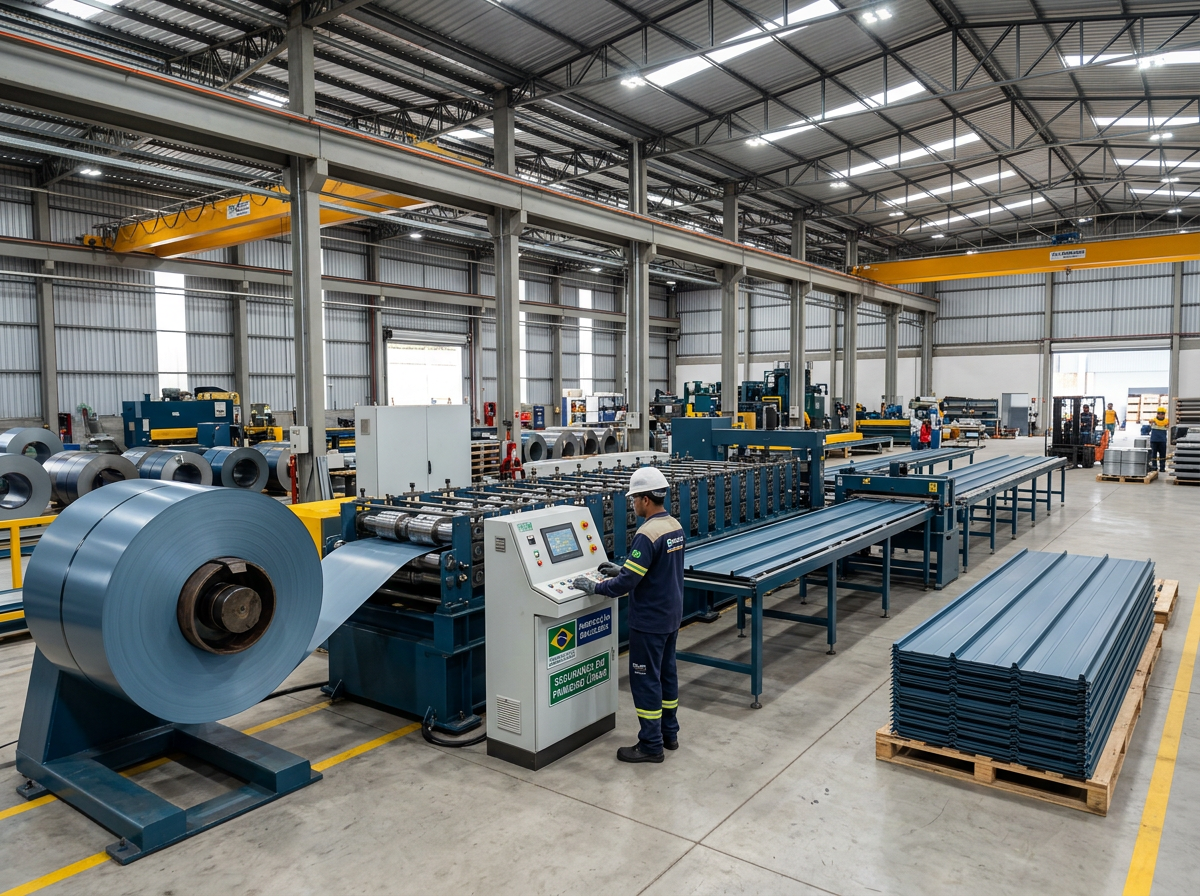
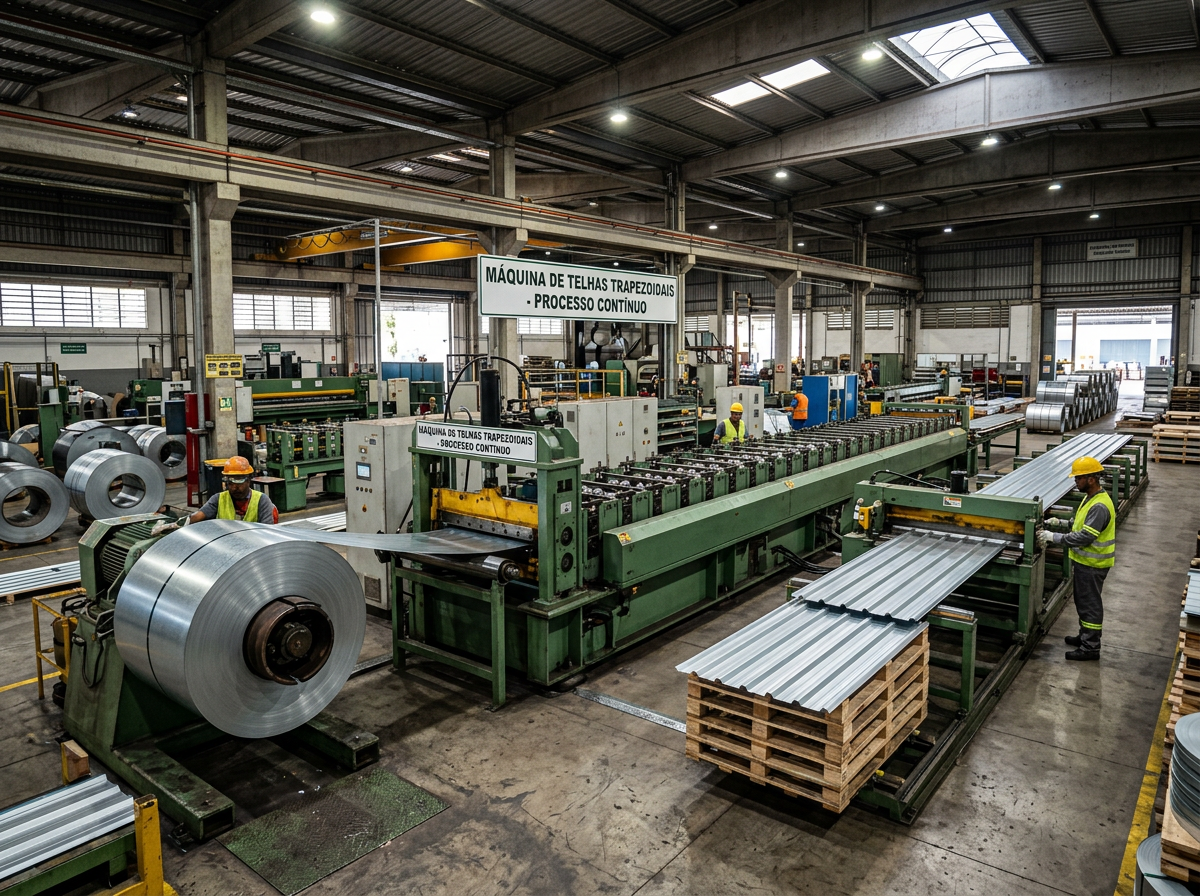
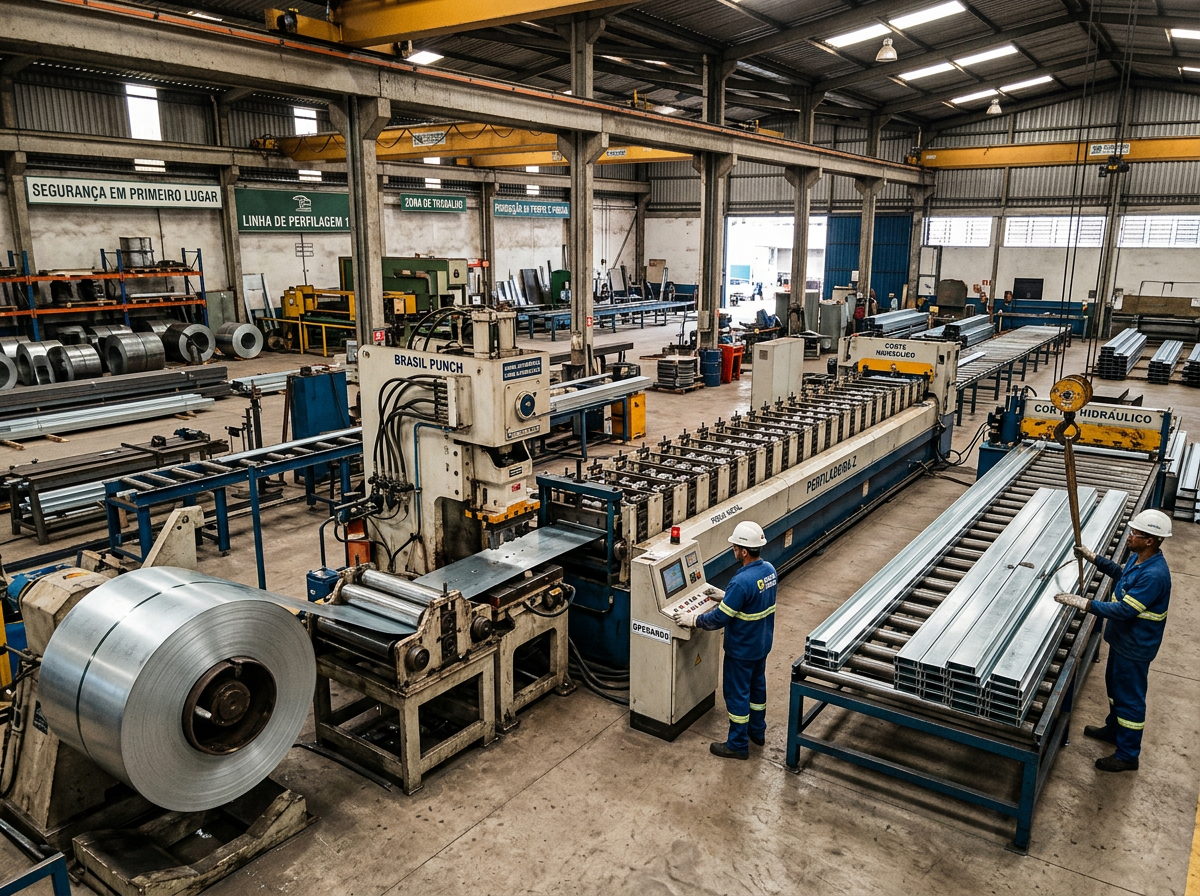
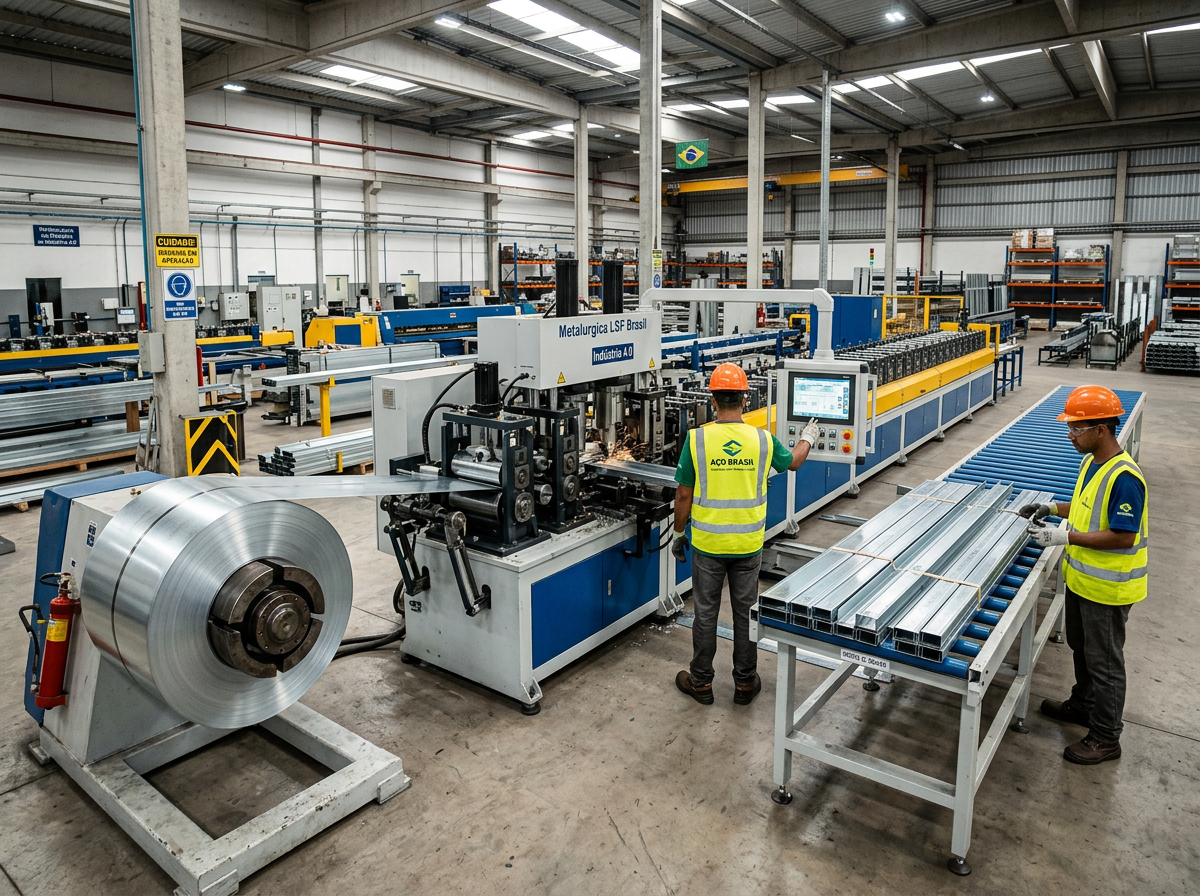
Based on our experience serving United States clients, the most in-demand Metal Wall Panel Machine configurations are concealed-fastener wall panel lines, exposed-fastener wall panel lines, ribbed architectural panel lines, and flexible cladding systems that can handle several panel geometries through tooling changes. U.S. buyers usually ask for machines that process pre-painted galvanized steel, Galvalume steel, and aluminum coils because these materials are widely used in commercial, industrial, agricultural, and architectural envelope projects. In many cases, the ideal line includes decoiling, guiding, leveling, optional punching, roll forming, hydraulic shearing, and output stacking to support repeatable, market-ready panel production.
For the United States, common requests include panel widths from 300-600 mm, base material thicknesses around 0.4-0.8 mm, and production lines capable of stable forming speeds in the 10-25 m/min range. Many customers want recipe-based operation, quick profile setup, and low-skill startup because labor efficiency and training time are increasingly important in U.S. factories. We often recommend Cr12MoV roller material with HRC 58-62 hardness, hydraulic pressure in the 10-16 MPa range for shearing systems, and PLC controls from Siemens, Mitsubishi, or Delta. Buyers serving architectural projects also tend to prioritize scratch protection, straightness, and tight dimensional consistency, especially when producing visible façade panels for large building envelopes.
| Metal Wall Panel Machine Type | Typical Material | Common U.S. Use | Preferred Features |
|---|---|---|---|
| Concealed-fastener wall panel line | Pre-painted steel, Galvalume | Commercial and architectural façades | High profile accuracy, clean edges, stable hidden joint forming |
| Exposed-fastener wall panel line | Coated steel, aluminum | Industrial, agricultural, and warehouse buildings | Reliable high-volume output, simple maintenance |
| Ribbed Metal Wall Panel Machine | Pre-painted galvanized steel | Logistics, manufacturing, and light commercial buildings | Good stiffness, repeatable rib geometry, easy stacking |
| Flexible Metal Wall Panel Machine | Aluminum and coated steel | Regional distributors with mixed product programs | Faster changeover, stored recipes, lower downtime |
This comparison helps buyers match line type to their actual sales mix. If your business mainly supplies standard industrial cladding, a dedicated line may offer the best throughput, while mixed dealer networks often benefit more from a flexible machine platform.
Why These Product Types Are Recommended
These product types are recommended because they align with how metal wall panels are specified, purchased, and installed across the U.S. market. Buyers are usually not looking for speed alone; they need panel straightness, surface protection, profile consistency, and reliable joint geometry because wall panels are visible finished products that affect weather resistance and building appearance. A well-designed Metal Wall Panel Machine can help reduce waviness, side flare, edge marking, and length deviation, all of which can create installation problems on-site and increase rejection rates at the factory.
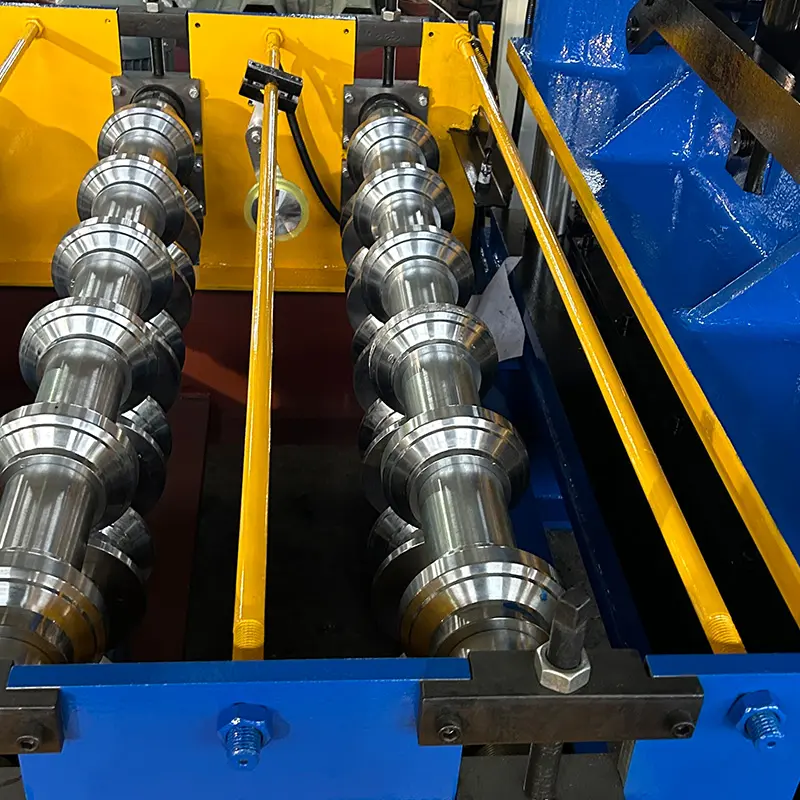
From a technical perspective, wall panel quality depends on proper roll pass design, stable leveling, accurate side guiding, synchronized cut-off action, and sufficient frame rigidity. If the machine structure is too light or the tooling alignment is poor, operators may see camber, oil canning, rib inconsistency, or coating damage, especially on wider panels and pre-painted materials. That is why we recommend hardened rollers, precision-machined shafts, stable entry support, and dependable PLC controls for repeatable production. For U.S. manufacturers, the right Metal Wall Panel Machine can lower scrap, shorten commissioning time, and support both standard and project-based production without sacrificing finish quality.
| Core Component | Recommended Specification | Practical Value |
|---|---|---|
| রোলারের উপাদান | Cr12MoV, HRC 58-62 | Longer service life and more stable panel geometry |
| Frame and shaft system | Heavy-duty frame with precision shafts | Better straightness and less profile distortion |
| Leveling and guiding | Stable entry guiding with accurate leveling | Protects surface coating and improves feeding consistency |
| কাটিং সিস্টেম | Hydraulic shearing at 10-16 MPa | Cleaner cuts and better length repeatability |
| Control platform | Siemens, Mitsubishi, or Delta PLC | Easier operation and reliable recipe management |
Use this table when comparing quotations that appear similar on the surface. Machines with close output claims can perform very differently in surface finish, dimensional control, and maintenance frequency, so these technical details are worth checking carefully.
Key Industries for Metal Wall Panel Machine in United States
The industries with the strongest need for Metal Wall Panel Machine equipment in the United States include metal building manufacturers, roofing and cladding suppliers, agricultural building system providers, warehouse and logistics building contractors, prefab structure producers, and sheet metal fabricators serving commercial façade projects. These sectors rely on fast, repeatable production of exterior metal panels for factories, distribution centers, retail buildings, workshops, schools, data-support facilities, and renovation projects. Because wall panels are used across both new construction and retrofit programs, demand is typically spread across several end markets rather than tied to a single building segment.
Local economic drivers make this equipment especially relevant in the U.S. Industrial and logistics development continues to support demand for durable cladding systems, while renovation and weather-related replacement work sustain regional purchasing from distributors and contractors. Procurement patterns also favor suppliers that can offer shorter lead times, custom colors, and project-specific panel lengths. That creates a strong case for owning a Metal Wall Panel Machine rather than depending entirely on outside supply. For many buyers, in-house forming improves scheduling control, supports private-label programs, and reduces the risk of project delays caused by outsourced panel shortages.
| Industry Segment | Main Product Demand | Machine Priority | Typical Business Goal |
|---|---|---|---|
| Metal building manufacturers | Wall cladding for industrial and commercial shells | High dimensional consistency | Support turnkey building packages |
| Roofing and cladding distributors | Standard and custom wall panels | Flexible profile capability | Improve lead times and inventory control |
| Agricultural building suppliers | Durable ribbed panels | Cost-effective throughput | Serve barns, sheds, and workshops efficiently |
| Sheet metal fabricators | Architectural façade panels | Surface quality and precise lengths | Win higher-value project work |
This application guide helps buyers identify which customer groups their future production line should serve first. A supplier focused on standard stock panels may choose a simpler configuration, while project-driven businesses often need better profile flexibility and stronger quality control.
Specific Application Scenarios
One common U.S. application scenario is a regional metal building supplier producing standard ribbed wall panels for warehouses, workshops, and light industrial buildings. In this setup, the Metal Wall Panel Machine runs painted steel coil in popular colors and gauges, with frequent changeovers in cut length rather than profile shape. The priority is dependable output, clean cut edges, and stack-ready panels that can move quickly into project kits. When contractors need short lead times on shell buildings, local production helps the supplier maintain delivery commitments and avoid depending on external stock availability.
Another important scenario is an architectural cladding fabricator serving schools, municipal projects, retail buildings, and office renovations. These jobs often require concealed-fastener or decorative wall profiles with tighter appearance standards and more demanding surface protection. A third scenario involves distributor-owned production for private-label wall panel programs across multiple states. In that case, the machine must support mixed order sizes, accurate recipe storage, and efficient operator setup so the company can serve dealer networks without carrying excessive finished goods inventory.
কেস স্টাডি
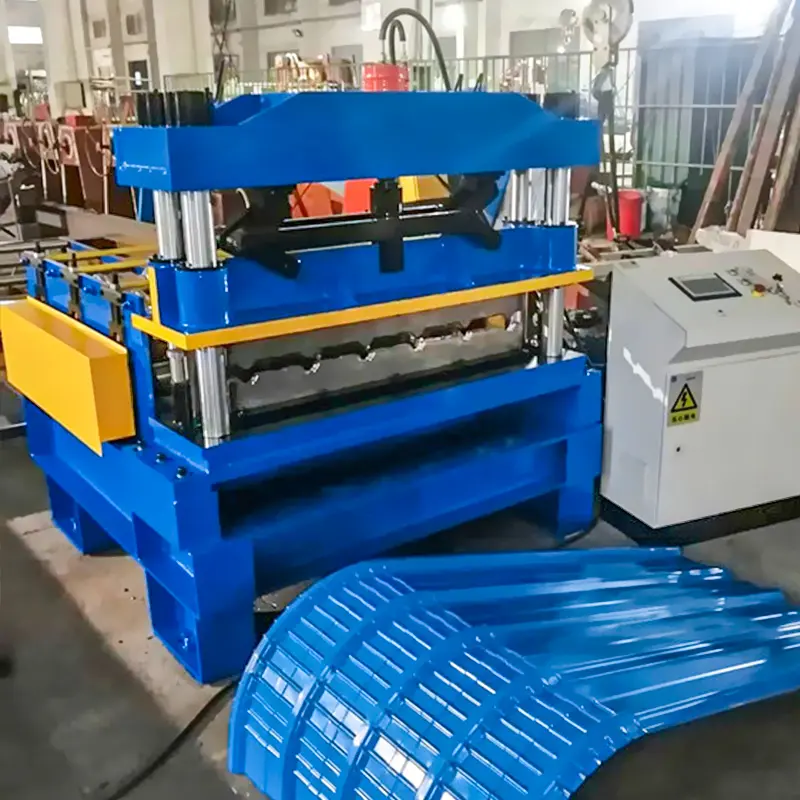
A realistic project in Texas involved a building materials supplier serving Dallas, Houston, and San Antonio that had been sourcing wall panels from outside vendors for warehouse and light industrial projects. The company struggled with inconsistent lead times, freight costs, and difficulty coordinating panel lengths for project schedules. We recommended a Metal Wall Panel Machine configured for pre-painted galvanized steel, with 5-ton hydraulic decoiler, entry guiding, leveling, roll forming, hydraulic post-cutting, and automatic stacking support. The line was set for common exposed-fastener wall panel profiles, with PLC recipe storage and operating speed around 18 m/min. After installation and training, the customer improved delivery control, reduced outsourced purchasing pressure, and increased margin on regional building packages.
A second realistic case came from the Midwest, where a sheet metal fabricator serving Ohio and Michigan wanted to expand into premium concealed-fastener wall panels for commercial renovation and educational buildings. The customer’s main concern was finish quality on visible architectural surfaces, especially panel flatness and edge consistency. We proposed a heavier-duty line using optimized roll pass design, Cr12MoV rollers, improved side guiding, and synchronized hydraulic shearing to protect coating quality. The system also supported optional punching for project-specific attachment details. After startup, scrap rates declined, panel appearance improved, and the company won more higher-value contracts that required tighter visual and dimensional standards.
Top 6 Recommended Local Suppliers in United States
| Company Name | Core Strengths | Service Regions (specific cities/states within United States) | Pre-sale Support | After-sale Support |
|---|---|---|---|---|
| Atlantic Panel Equipment | Strong consultation for façade and cladding production layouts | New York, NY; Newark, NJ; Philadelphia, PA | Profile review, layout planning, capacity analysis | Installation coordination, spare parts, training |
| Midwest Cladding Machinery | Practical solutions for metal building and panel manufacturers | Chicago, IL; Milwaukee, WI; Indianapolis, IN | Process advice, budget planning, machine matching | Maintenance support, diagnostics, replacement parts |
| Lone Star Rollform Systems | Fast startup assistance for regional production expansion | Dallas, TX; Houston, TX; Austin, TX | Profile confirmation, workflow planning, specification guidance | On-site support, remote troubleshooting, training |
| Pacific Architectural Forming | Good fit for custom wall panel and façade applications | Los Angeles, CA; Phoenix, AZ; Las Vegas, NV | Tooling consultation, project planning, automation advice | Control support, service visits, parts coordination |
| Great Lakes Panel Solutions | Reliable choice for mixed industrial and commercial demand | Detroit, MI; Cleveland, OH; Columbus, OH | Drawing review, ROI discussion, line specification | Commissioning, preventive maintenance, local support |
| Southeast Building Envelope Equipment | Responsive coverage for growing construction regions | Atlanta, GA; Charlotte, NC; Nashville, TN | Production planning, profile selection, process guidance | Service dispatch, operator training, spare parts |
Use this table as a practical shortlist rather than a fixed ranking. Ask each supplier how they handle panel straightness, coating protection, tooling changeovers, commissioning duration, and local spare parts availability. The best supplier is usually the one that can match your actual profile drawing, material range, and service expectations, not simply the one with the lowest quotation.
Why Choose SUNWAY as Your Global Partner
If you are comparing local suppliers with international manufacturers, SUNWAY offers a strong combination of engineering depth, export experience, and commercial flexibility. Through our homepage, সানওয়ে, এবং product catalog, buyers can review our position as a professional manufacturer and exporter of cold roll forming machines. We have served 1,350+ global customers across 160+ industries, completed 500+ projects, and supplied machinery to 100+ destination countries. Backed by 200+ employees, 10+ experienced design engineers, German COPRA software, CE, ISO 9001, UL, BV Assessment, and a complete production system, we support both standard and customized Metal Wall Panel Machine programs.
For U.S. buyers, we bring rich export experience and have served both end-users and distributors, which helps us understand practical concerns such as operator training, spare parts readiness, lead-time pressure, and plant layout efficiency. We can work directly with distributors and end-users, and we are planning a local warehouse with stock delivery in the United States while building an overseas technical team for on-site engineering service. We are also actively recruiting partners through upcoming Affiliate and dropshipping programs, supported by comprehensive online and offline support. Combined with 20+ years of export experience, one-stop solutions, and competitive pricing, SUNWAY is a dependable partner for long-term wall panel production investment. To discuss your requirements, please আমাদের দলের সাথে যোগাযোগ করুন.
| Buyer Checklist Item | What to Confirm | Why It Matters |
|---|---|---|
| Target profiles | Exposed-fastener, concealed-fastener, ribbed, custom | Ensures the Metal Wall Panel Machine fits your sales plan |
| Material range | Galvanized, Galvalume, pre-painted steel, aluminum | Affects tooling design and surface protection strategy |
| Output target | Daily volume, cut lengths, changeover frequency | Determines speed level and automation requirement |
| Service package | Installation, training, remote support, spare parts | Reduces startup risk and future downtime |
| Expansion plan | Punching, stacking, integrated roof or trim products | Protects long-term return on investment |
This checklist is useful during quotation review and technical meetings. A lower machine price is not always the best value if the line cannot maintain panel straightness, protect paint, or support future profile expansion.
FAQ
What is the best Metal Wall Panel Machine for a U.S. buyer?
The best Metal Wall Panel Machine depends on your target panel profile, material type, and customer segment. For many U.S. buyers, an exposed-fastener wall panel line offers the best balance of investment cost and market coverage because it suits warehouses, workshops, agricultural buildings, and light industrial projects. If you supply architectural façades, a concealed-fastener line is often the better option because it delivers a cleaner finished appearance.
What materials should a wall panel line process?
Most U.S. buyers should choose a machine that can run pre-painted galvanized steel, Galvalume স্টীল, and aluminum coil. These materials cover the majority of commercial, industrial, and architectural wall panel demand in the United States. The supplier should confirm thickness range, coating type, and yield strength before finalizing tooling because these factors directly affect forming quality and cut-off performance.
What forming speed is realistic for a Metal Wall Panel Machine?
A practical production range is usually 10-25 m/min, depending on profile complexity, panel width, material thickness, and automation level. For visible cladding products, stable forming and surface protection are normally more important than chasing the highest speed. A slightly slower but more stable line often delivers better profitability by reducing scrap, rework, and installation complaints.
Which technical details matter most when comparing machines?
The most important details are roller material, shaft precision, machine rigidity, entry leveling, cutting synchronization, and PLC reliability. Buyers should pay close attention to Cr12MoV rollers hardened to HRC 58-62, hydraulic pressure around 10-16 MPa for cutting systems, and trusted control brands such as Siemens, Mitsubishi, or Delta. These points have a direct effect on panel straightness, appearance, repeatability, and maintenance cost.
Is it better to buy from a local U.S. supplier or import from SUNWAY?
A local U.S. supplier may offer faster regional service access and easier face-to-face communication, while SUNWAY can often provide deeper customization, strong engineering support, and more competitive price-performance. The best choice depends on your full project priorities, including profile range, training needs, spare parts planning, startup support, and future product expansion.
What information is required for an accurate quotation?
You should prepare your panel drawing, profile cross-section, material type, thickness range, coil width, coating information, target panel lengths, expected production volume, power standard, and any requirements for punching, embossing, or stacking. The more detailed your input is, the more accurately the supplier can recommend the right machine configuration and tooling design.
How important is after-sale support for this equipment?
After-sale support is very important because startup accuracy, operator training, and fast troubleshooting directly affect panel quality and delivery reliability. Good support reduces commissioning time, lowers the risk of avoidable scrap, and helps your team maintain consistent production when project schedules are tight.
If you are planning a new line, upgrading current equipment, or comparing local and overseas sourcing, please submit your requirements or request a quote through আমাদের দলের সাথে যোগাযোগ করুন.
Content reviewed and updated: March 2026