Introduction
Highway safety is a paramount concern in modern society, and one of the key elements in ensuring road safety is the installation of sturdy and reliable guardrails. These barriers provide vital protection to drivers, passengers, and pedestrians by preventing vehicles from veering off the road or colliding with obstacles. In the world of manufacturing, technology has played a significant role in improving the efficiency and quality of guardrail production, giving rise to innovations like the highway guardrail roll forming machine.
Understanding Roll Forming Machines
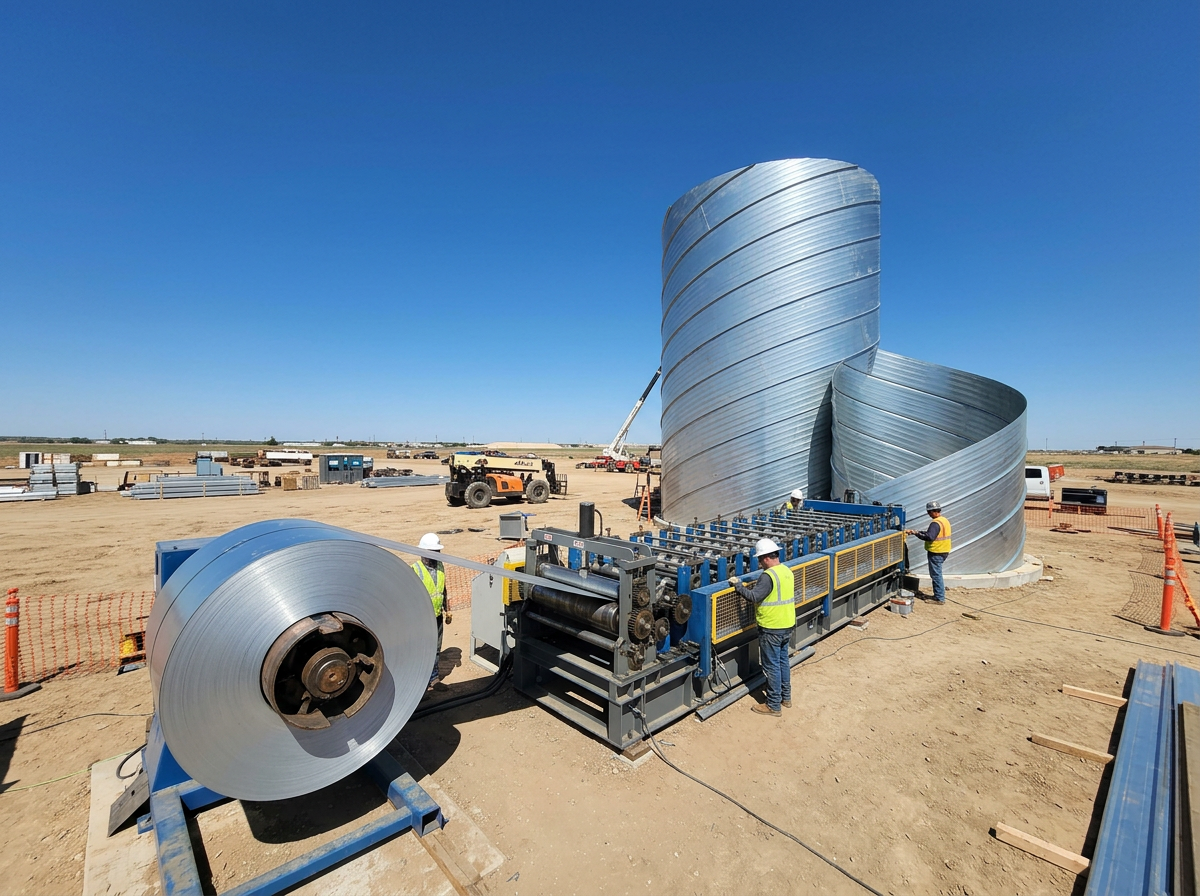
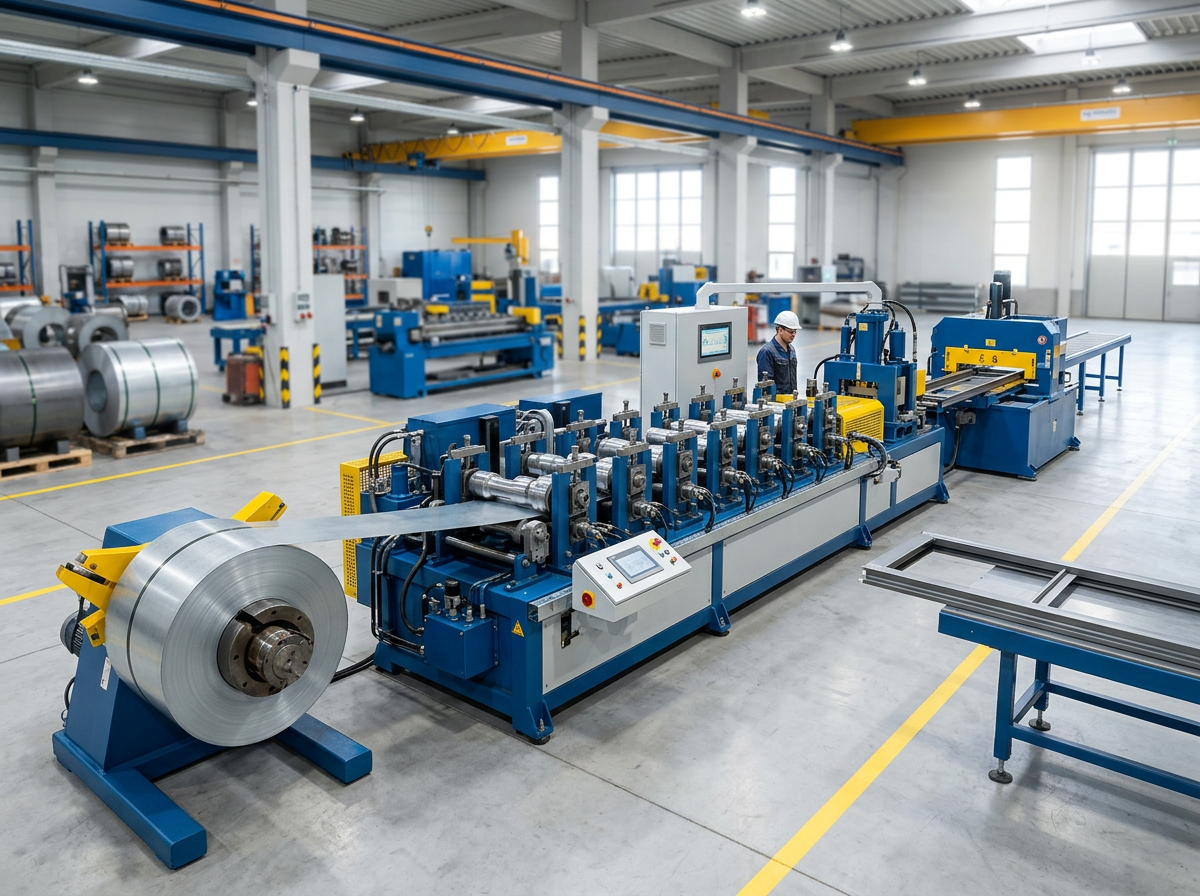
Roll forming technology has revolutionized the metalworking industry by enabling the efficient and precise shaping of various metal products. A roll forming machine is designed to transform flat metal sheets into complex profiles with consistent cross-sections. The process involves passing the metal through a series of rollers, each contributing to the final shape. In the context of highway guardrails, a roll forming machine simplifies the production process while ensuring the necessary structural integrity.
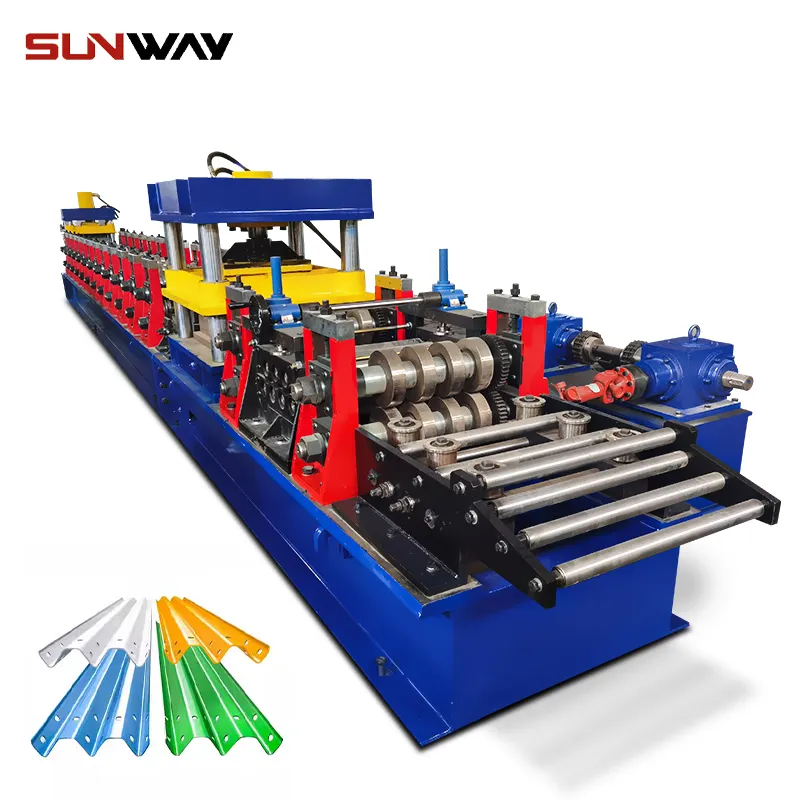
Key Components of a Highway Guardrail Roll Forming Machine
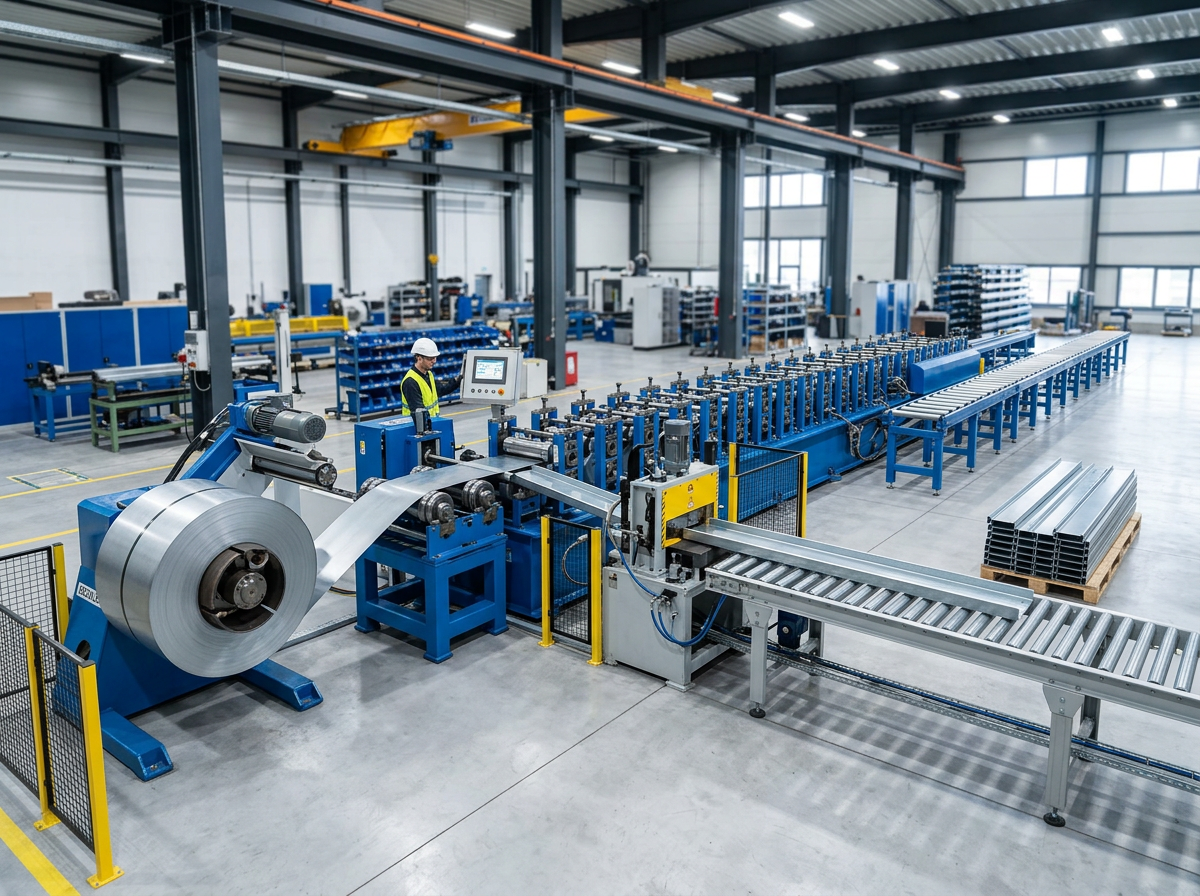
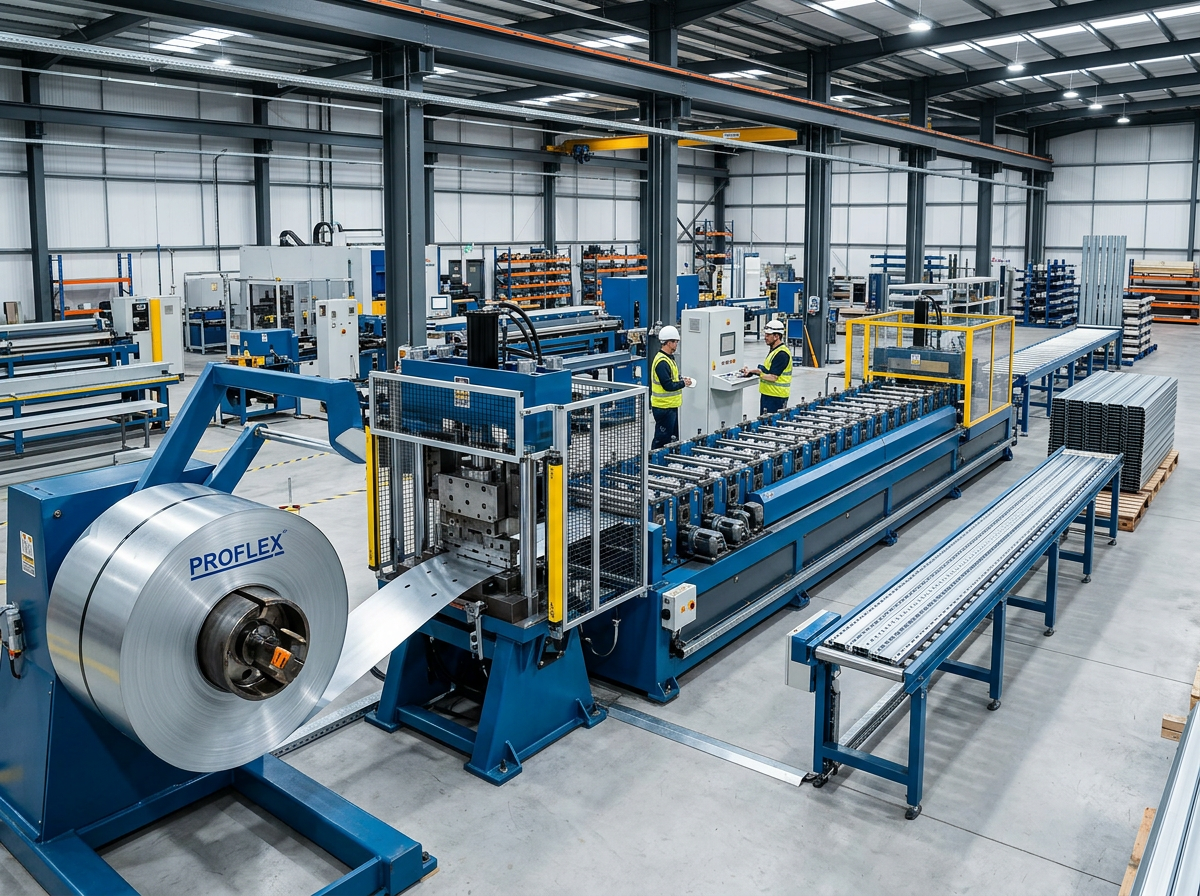
A highway guardrail roll forming machine comprises several integral components that contribute to its functionality. These include:
- Entry Section: Where the raw material (metal sheet) is fed into the machine.
- Leveling Unit: Ensures the material is flat and uniform before forming.
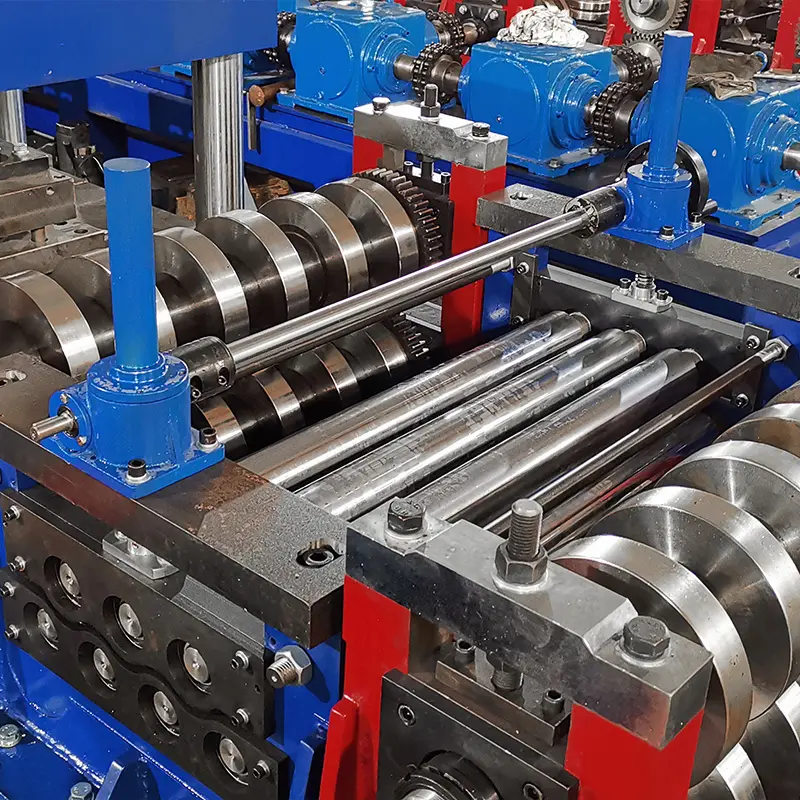
- Rollers: The heart of the roll forming process, these shape the metal as it passes through.
- Punching Mechanism: Creates holes or notches as required for guardrail attachment.
- Cutting System: Precisely cuts the continuous profile into desired lengths.
- Control System: Manages and coordinates the entire process, ensuring accuracy and consistency.
Each of these components plays a crucial role in achieving the final guardrail profile.
Benefits of Using a Roll Forming Machine for Guardrail Production
One of the primary advantages of employing a roll forming machine for guardrail production is the significant increase in efficiency. The automated and continuous process reduces manual labor and minimizes production time. Moreover, the resulting guardrails exhibit consistent quality and uniformity, reducing the likelihood of defects or weak points that could compromise safety.
Cost-effectiveness is another notable benefit. While initial investments in roll forming machinery might be higher, the long-term savings become evident. The minimized need for manual intervention, coupled with reduced material waste, contributes to lower production costs over time.
Design Customization and Flexibility
Roll forming machines offer unparalleled design flexibility, allowing manufacturers to create a wide range of guardrail profiles. This adaptability is crucial for accommodating the diverse requirements of different highway projects. Whether it’s a sharp curve or a straight road, a roll forming machine can be adjusted to produce guardrails that perfectly fit the specifications.
This design customization ensures that guardrails not only meet safety standards but also blend seamlessly with the aesthetics of their surroundings, enhancing the overall appearance of the roadway.
Stay tuned for the continuation of this article, where we’ll explore quality control, installation, industry applications, and much more.
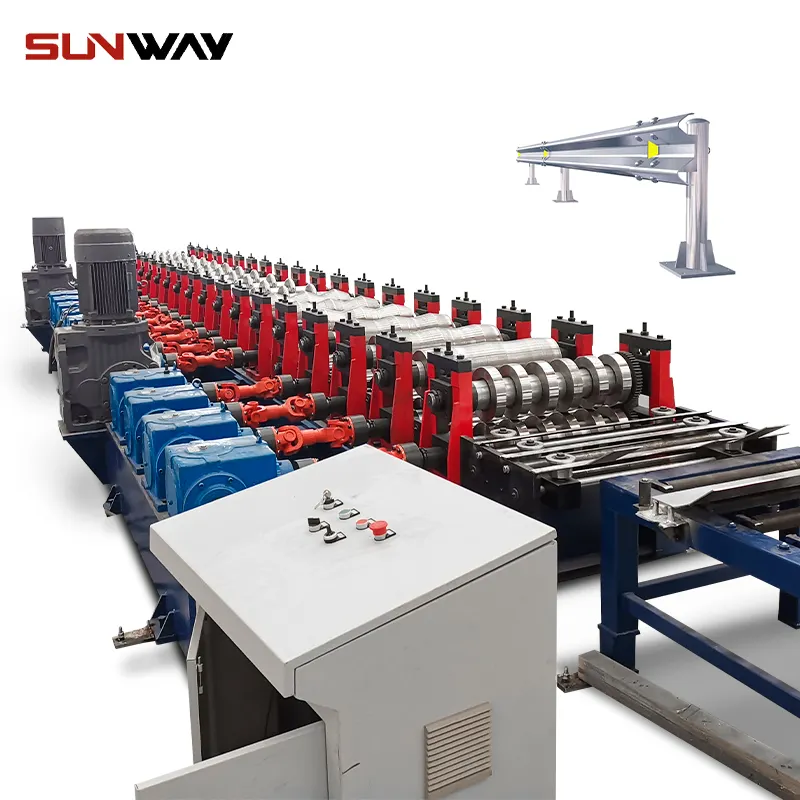
Quality Control and Compliance
Maintaining the highest quality standards is paramount in guardrail production. Roll forming machines excel in this aspect as well. The precise and automated nature of the process minimizes the risk of human error, ensuring that each guardrail section meets the required safety specifications. Additionally, these machines can incorporate sensors and monitoring systems to detect any deviations from the desired dimensions, allowing for real-time adjustments and quality control.
Installation and Maintenance
Guardrails are only effective when they are properly installed and maintained. The design precision of roll-formed guardrails simplifies the installation process. Each section is crafted to fit seamlessly with the adjoining pieces, reducing installation time and the likelihood of errors.
Furthermore, the low-maintenance nature of roll forming machines adds to their appeal. Regular maintenance routines are straightforward and largely preventive, extending the lifespan of the machine and ensuring consistent production quality.
Comparative Analysis with Other Production Methods
When comparing roll forming with traditional methods like hot rolling or press braking, the advantages of the former become evident. Traditional methods often involve multiple steps and extensive manual labor. In contrast, roll forming combines various processes into a single streamlined operation, resulting in increased efficiency and reduced waste. This efficiency becomes particularly significant when dealing with large-scale guardrail production for extensive highway networks.
Industry Applications of Highway Guardrails
The application of highway guardrails extends beyond the confines of road safety. These structures serve as a visible and tangible reminder of the efforts invested in safeguarding lives on the road. By preventing accidents and containing vehicles within their designated paths, guardrails contribute to smoother traffic flow and reduced congestion. This, in turn, positively impacts economic activities and the overall quality of life in a region.
Future Trends in Guardrail Production
The evolution of roll forming technology continues to influence guardrail production. As industries lean towards sustainability, manufacturers are exploring ways to reduce the environmental impact of their processes. This includes innovations in material selection, energy efficiency, and waste reduction. Roll forming machines are well-poised to align with these trends, given their ability to optimize material usage and minimize energy consumption.
Choosing the Right Highway Guardrail Roll Forming Machine
Selecting a suitable roll forming machine is a critical decision for manufacturers. Factors such as the desired guardrail profiles, production capacity, and available space need to be carefully considered. Manufacturers should also ensure that the chosen machine aligns with safety standards and regulations. Investing in a high-quality roll forming machine will yield substantial returns in terms of efficiency, product quality, and long-term reliability.
Case Studies: Successful Implementations
Real-world examples highlight the success stories of using roll-formed guardrails. Projects spanning various terrains and environments have reaped the benefits of these efficient and precise barriers. Whether on winding mountain roads or expansive highways, the consistent quality of roll-formed guardrails has made a tangible difference in enhancing road safety.
Challenges and Mitigations
While roll forming offers numerous advantages, challenges may arise during production. These challenges could include material variations, machine malfunctions, or unexpected design changes. The key lies in proactive problem-solving and continuous process improvement. Regular maintenance, operator training, and close collaboration with suppliers can help mitigate potential issues and ensure a smooth production flow.
Economic and Environmental Impacts
The economic impact of roll-formed guardrails extends beyond the manufacturing realm. Local economies benefit from increased safety on roads, attracting businesses and investments. Additionally, the efficient use of materials and energy in the roll forming process aligns with sustainability goals, contributing to a reduced environmental footprint.
Conclusion
The highway guardrail roll forming machine stands as a testament to the marriage of technology and safety. Through its precise and efficient processes, it transforms metal sheets into life-saving barriers that protect millions of lives on the road. As we look ahead, the continued evolution of roll forming technology promises even greater advancements in guardrail production, ultimately contributing to safer roads and enhanced quality of life for all.
Frequently Asked Questions
- What is a roll forming machine? A roll forming machine is a manufacturing tool that shapes flat metal sheets into complex profiles using a series of rollers.
- How does a roll forming machine enhance guardrail production? Roll forming machines offer efficiency, precision, and design flexibility, resulting in consistent guardrail quality and improved road safety.
- What role do guardrails play in road safety? Guardrails serve as protective barriers that prevent vehicles from leaving the road or colliding with obstacles, thus reducing the risk of accidents.
- Can roll-formed guardrails be customized for different road layouts? Yes, roll forming machines allow for the creation of various guardrail profiles to suit different road configurations and safety requirements.
- What are the long-term benefits of investing in a roll forming machine? While initial investment costs may be higher, the long-term benefits include increased efficiency, reduced labor costs, and consistent product quality.
Frequently Asked Questions (FAQ)
1) Which guardrail profiles are most commonly produced on Highway Guardrail Roll Forming Machines?
- W-beam (two-wave), Thrie-beam (three-wave), and box-beam profiles per AASHTO M180/EN 1317 requirements; terminals and spacer blocks can be made on auxiliary presses.
2) What coil materials and coatings are recommended for highway guardrails?
- Carbon steel coils meeting AASHTO M180 Class A/B/C or EN 10346 galvanized steels (GI, Z275–Z600); zinc–magnesium (ZM) coatings are increasingly used for improved corrosion resistance with lower coating mass.
3) How fast can modern guardrail roll forming lines run while maintaining quality?
- 25–60 m/min with inline punching; high-end lines with accumulators and servo punching can reach 70–90 m/min on standard W-beam patterns while holding ±1.0 mm length tolerance.
4) How do manufacturers ensure crashworthiness compliance of roll-formed guardrails?
- By adhering to dimensional tolerances, hole spacing, and steel mechanical properties specified in AASHTO/EN standards, and by sourcing systems that have passed full-scale crash tests (e.g., MASH or EN 1317 crash testing) for the complete roadside safety system.
5) What are the key maintenance tasks to keep throughput stable?
- Daily cleaning and visual checks; weekly lubrication of bearing blocks and guides; monthly roller alignment and pass check; semiannual hydraulic oil/filter change; annual inspection of punching dies and flying shear blades.
2025 Industry Trends
- AI-assisted setup: Machine vision and torque-signature analytics auto-tune roller offsets and punch timing, cutting setup scrap by 30–60%.
- Sustainable coatings: Shift from GI to ZM and duplex systems to meet longer corrosion-life targets in coastal/industrial corridors.
- Energy optimization: Servo drives and hydraulic standby reduce energy intensity per ton; ISO 50001 adoption grows among tier-1 suppliers.
- Digital traceability: SCADA/MES links capture coil heats, line parameters, and batch IDs to support EN 1317 conformity and EPDs.
- Rapid changeovers: Tool-less guides and motorized roll positioning bring changeovers under 20–30 minutes for W ↔ Thrie within the same line.
2025 Benchmarks for Highway Guardrail Roll Forming Machines
| Metric | 2022 Typical | 2025 Best-in-class | Notes |
|---|---|---|---|
| Line speed with punching (m/min) | 30–45 | 70–90 | Depends on hole density and steel grade |
| Length tolerance (mm/m) | ±1.5–2.0 | ±0.8–1.0 | Servo flying shear + high-res encoders |
| Changeover time W ↔ Thrie (min) | 60–120 | 15–30 | Motorized roll positioning, recipe presets |
| Setup scrap (%) | 3–6 | 1–2 | Vision-guided setup, digital twins |
| Energy use (kWh/ton) | 110–140 | 80–100 | IE4 motors, hydraulic standby, regen drives |
| Coil utilization (%) | 96–97 | 98–99 | Optimized nesting and end-trim control |
Authoritative references:
- AASHTO M180 and MASH: https://www.transportation.org
- EN 1317 Road restraint systems: https://standards.cen.eu
- World Steel Association on metallic coatings: https://worldsteel.org
- ISO 50001 Energy Management: https://www.iso.org/standard/69426.html
नवीनतम अनुसंधान मामले
Case Study 1: AI Vision Cuts Changeover Losses on Thrie-Beam Line (2025)
Background: A European guardrail producer faced 90-minute average changeovers and high first-off scrap when switching between W and Thrie profiles.
Solution: Added camera-based flange/web measurement, torque-signature analysis on stands, and automatic roll gap presets; upgraded to servo flying shear.
Results: Changeovers reduced to 22 minutes; setup scrap fell from 4.8% to 1.6%; steady-state speed increased from 48 to 76 m/min while maintaining ±1.0 mm tolerance.
Case Study 2: Zinc–Magnesium Coating for Coastal Highways (2024)
Background: An APAC contractor experienced premature corrosion on GI W-beams near marine environments.
Solution: Switched to ZM-coated steel (equivalent to Z350 performance), updated pass schedule to account for coating hardness; implemented inline coupon sampling and traceability.
Results: ISO 9227 NSS tests showed >2× time to red rust versus GI; field inspections after 12 months indicated reduced edge creep; no production speed penalty compared to GI.
विशेषज्ञों की राय
- Dr. Mark Bligh, Chair, AASHTO Technical Committee on Roadside Safety
Viewpoint: “Crash performance is a system property. Roll-formed beams must strictly follow M180 dimensions and pair with tested posts, spacers, and terminals verified under MASH to ensure roadside safety.” - Elena Rossi, Senior Product Manager, Gasparini SpA (Roll Forming Systems)
Viewpoint: “For multi-profile guardrail plants, motorized roll positioning with digital recipes delivers the fastest ROI—often under 12 months—by slashing changeover downtime.” - Prof. Yu Yifan, Corrosion & Coatings Researcher, Shanghai University
Viewpoint: “Zinc–magnesium coatings can reduce life-cycle maintenance costs for guardrails by 20–35% in C4–C5 environments, provided edges are well-formed and cut surfaces are treated.”
व्यावहारिक उपकरण/संसाधन
- AASHTO M180 and MASH guidance: https://www.transportation.org
- EN 1317 Road restraint standards overview: https://standards.cen.eu
- World Steel Association coatings library: https://worldsteel.org
- Cold-formed steel design (AISI resources): https://www.buildusingsteel.org
- The Fabricator—Roll forming pass design articles: https://www.thefabricator.com
- Cognex and Keyence inline vision systems for punch/shape verification: https://www.cognex.com | https://www.keyence.com
- Energy management framework (ISO 50001): https://www.iso.org/standard/69426.html
- Sample EPD programs for steel products: https://www.environdec.com
अंतिम अपडेट: 2025-10-20
परिवर्तन-लेख: Added 5 FAQs tailored to Highway Guardrail Roll Forming Machines; included 2025 industry trends with benchmark statistics table and authoritative references; provided two recent case studies; compiled expert opinions; listed practical tools/resources
अगली समीक्षा तिथि और ट्रिगर: 2026-04-15 or earlier if AASHTO/EN standards are revised, major coating guidance changes for ZM/duplex systems, or new AI setup benchmarks show >20% performance gains