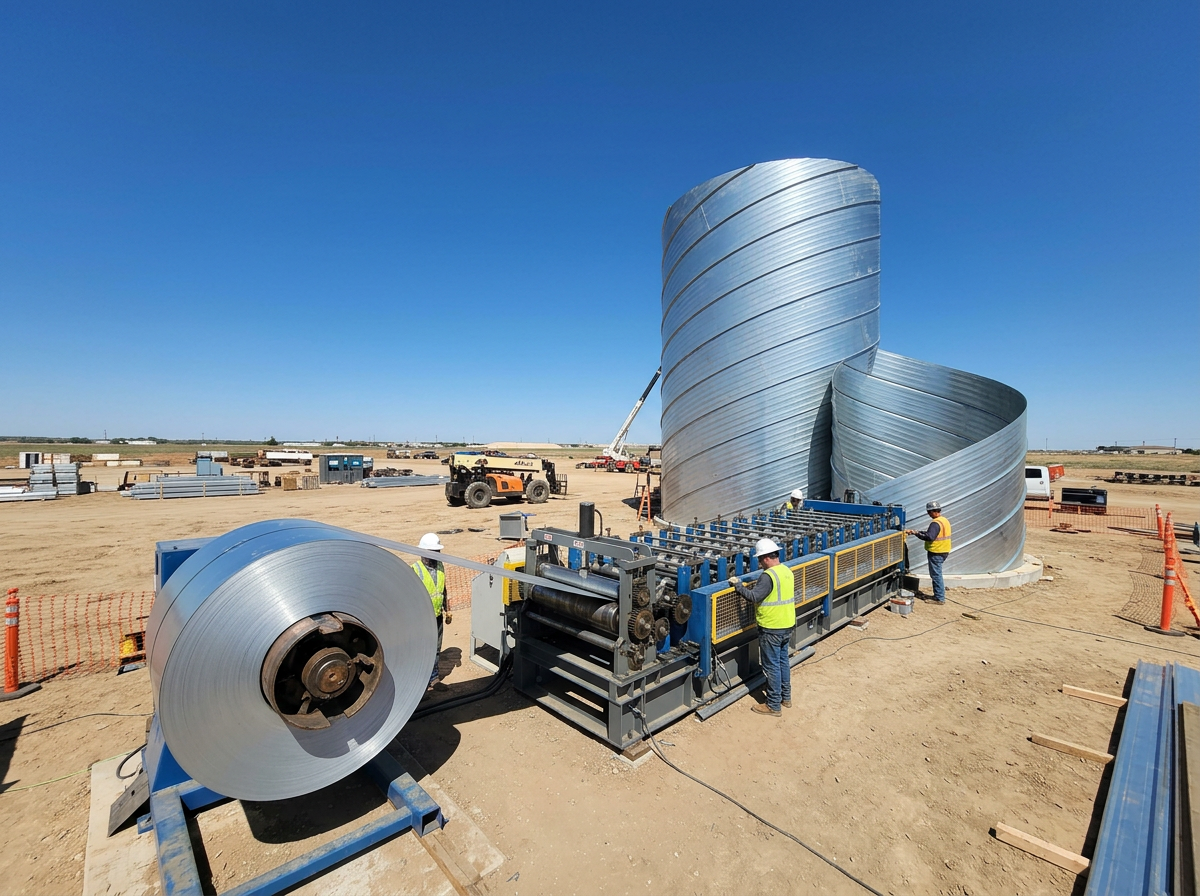
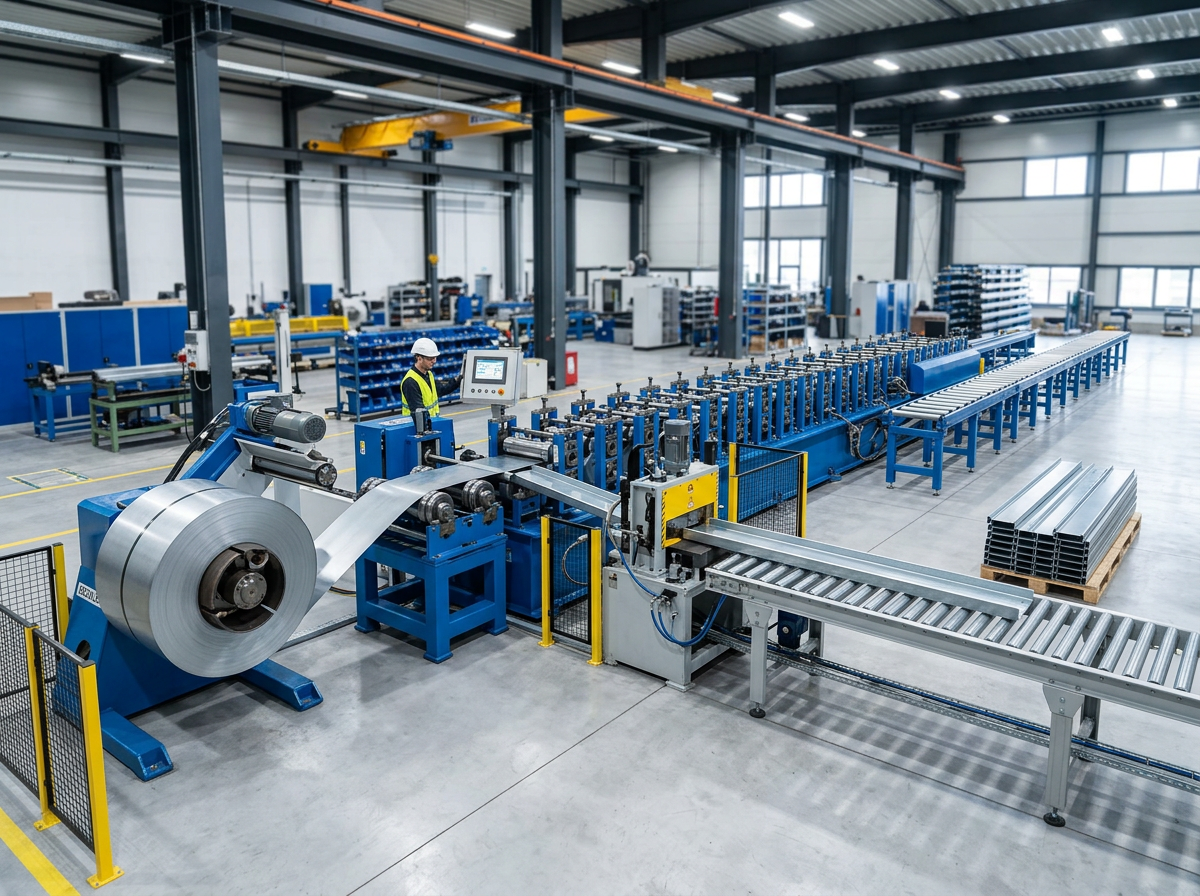
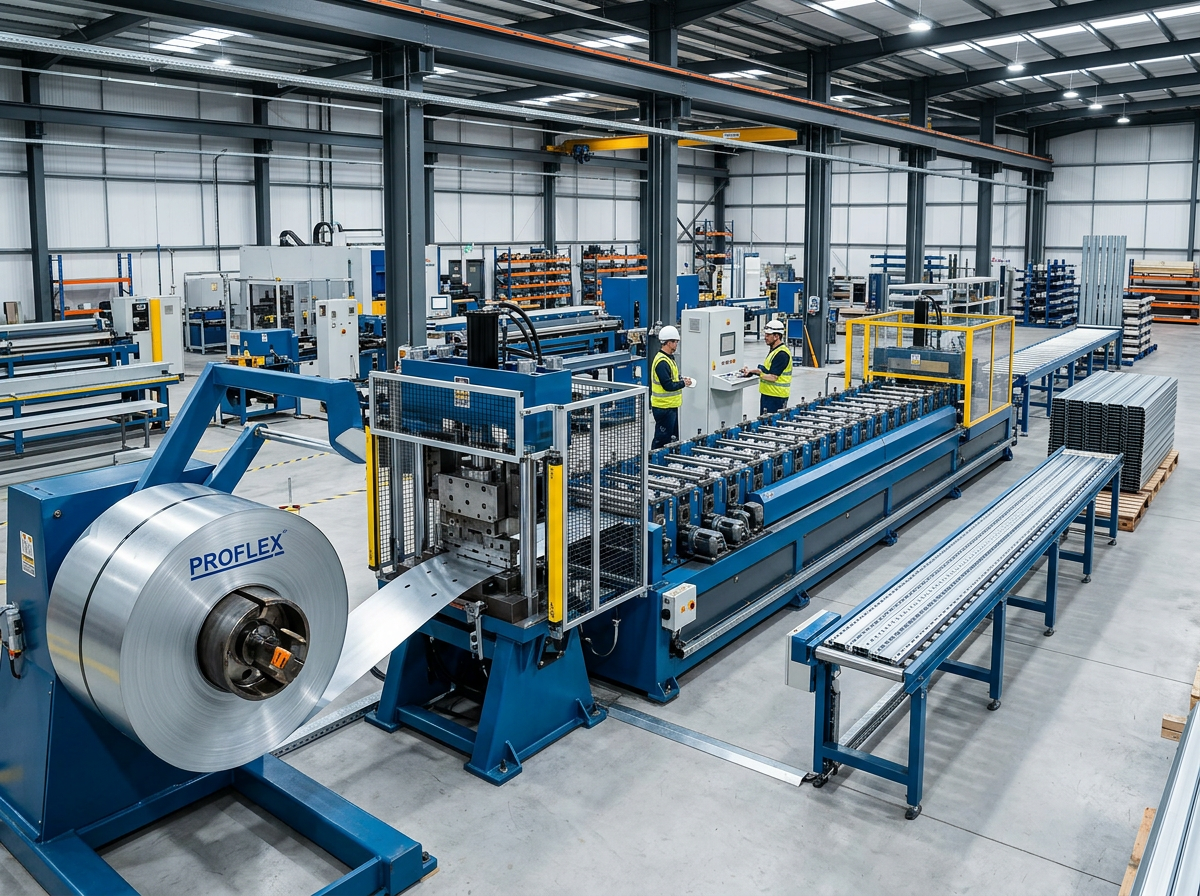
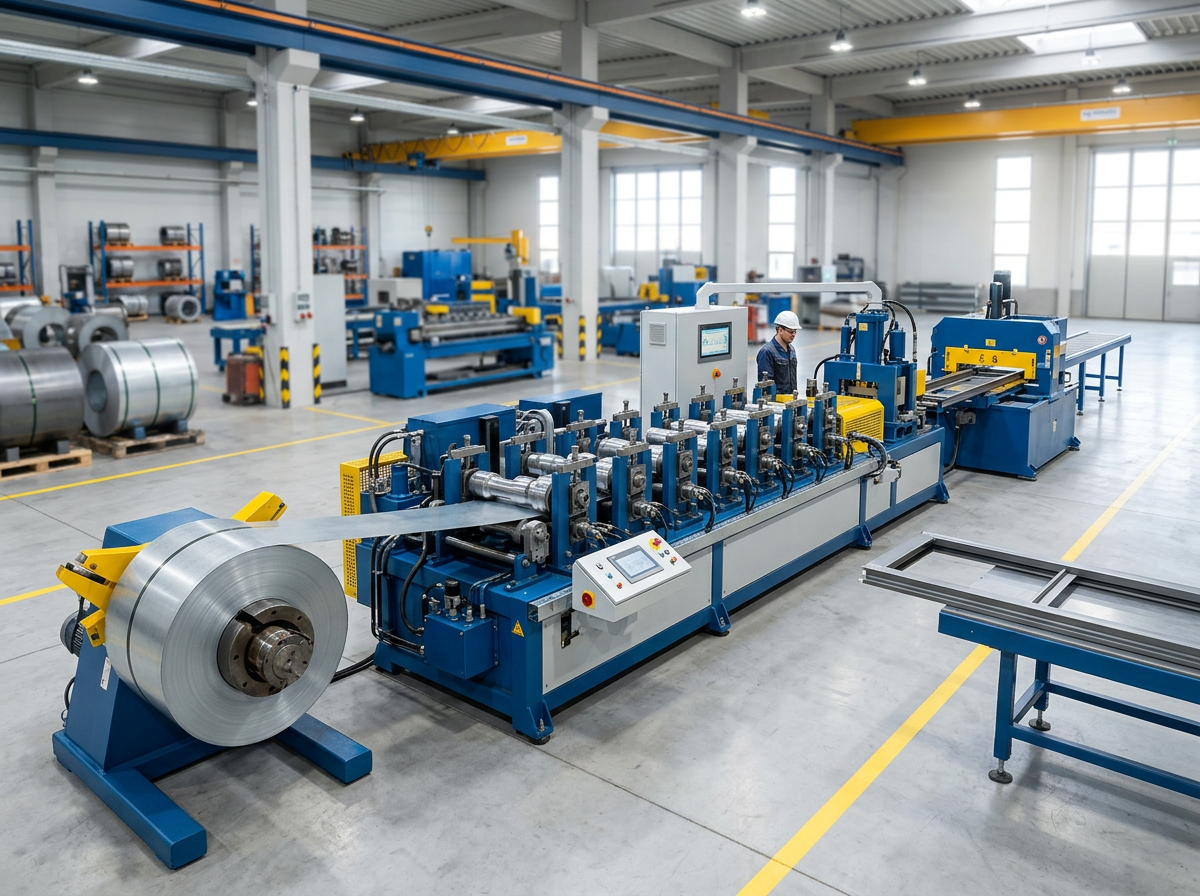
Width corrugated sheet roll forming machines are an essential tool in modern manufacturing, used to produce corrugated sheets of different widths, lengths, and thicknesses for a wide range of applications. These machines can work with various materials, such as steel, aluminum, or copper, and are designed to produce high-quality corrugated sheets at a continuous and high-speed rate. However, with so many different machines available on the market, it can be challenging to know what features to look for when choosing the right one for your business. In this post, we will discuss the top features to look for in a width corrugated sheet roll forming machine, including high-speed production, customization and flexibility, precision and accuracy, durability and reliability. By understanding these features, businesses can make an informed decision and select a machine that meets their specific needs and requirements.
High-speed production of width corrugated sheet roll forming machine
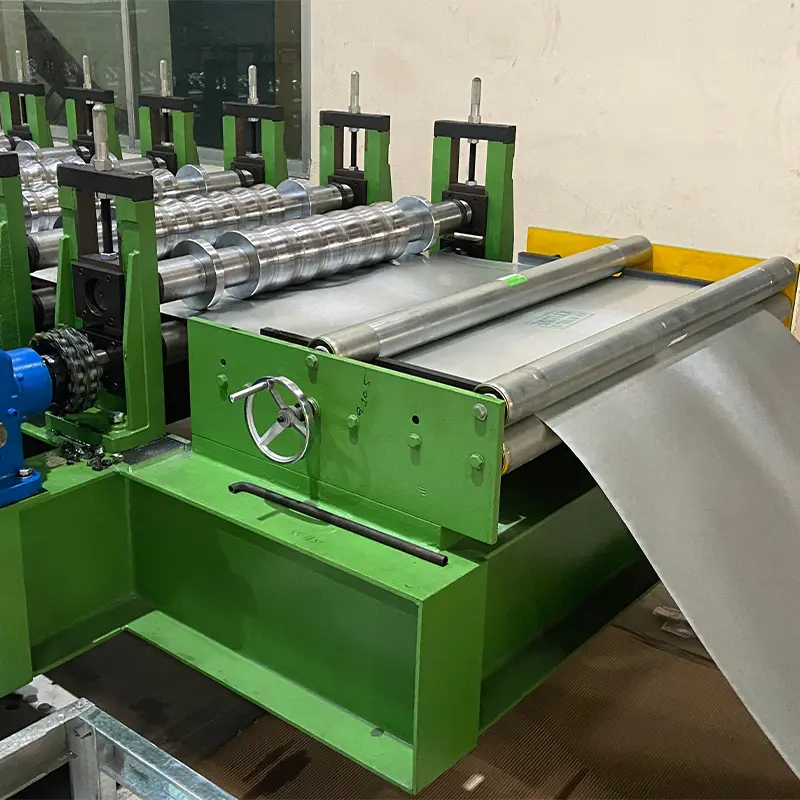
High-speed production is a critical feature to consider when choosing a width corrugated sheet roll forming machine. These machines are designed to produce corrugated sheets at a rapid and continuous rate, enabling businesses to increase their overall production efficiency and output. Here are some key factors to look for when assessing a machine’s high-speed production capabilities:
- Number of forming stations: The number of forming stations on a width corrugated sheet roll forming machine is directly related to its production speed. Machines with a higher number of forming stations can produce corrugated sheets faster than those with fewer stations.
- Tooling changeover time: The time it takes to change the machine’s tooling is a critical factor in its high-speed production capabilities. Machines with fast tooling changeover times can switch between different widths, lengths, and thicknesses of corrugated sheets quickly, minimizing downtime and increasing production efficiency.
- Automated controls: Automated controls that monitor the production process in real-time can also significantly impact a machine’s high-speed production capabilities. Machines with sensors and automated controls can detect any issues or deviations in the material and make the necessary adjustments to ensure a smooth and continuous operation.
- Material feed system: The material feed system is another critical factor in a machine’s high-speed production capabilities. Look for machines with a smooth and continuous material feed system that can deliver the material to the forming stations at a consistent rate, ensuring a constant flow of corrugated sheets.
Customization and flexibility of width corrugated sheet roll forming machine
-
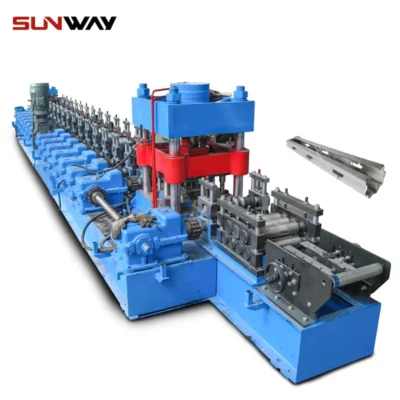 Vineyard Post Roll Forming Machine
 -
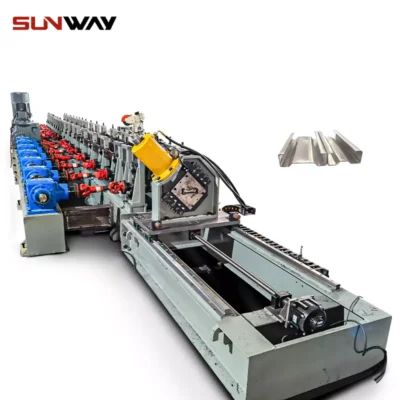 Auto Size Changeable Sigma Purlin Roll Forming Machine
 -
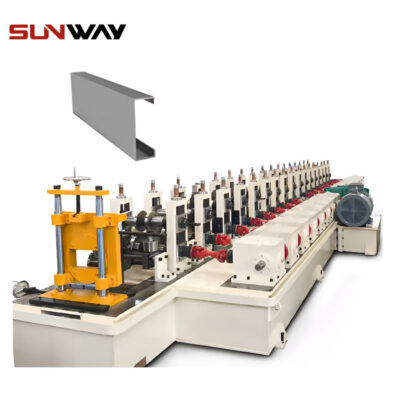 PV Mounting Bracket C Shape Profile Roll Forming Machine
 -
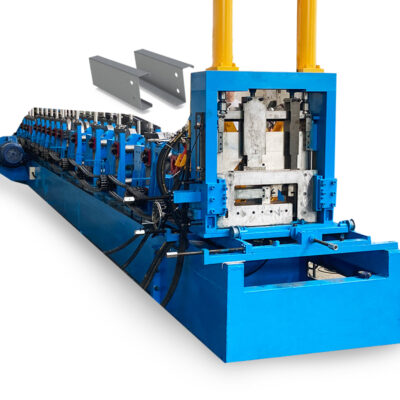 C Z Purlin Channel Cold Roll Forming Machine Full Auto Galvanized Steel Profile
 -
 PV Mounting Bracket Roll Forming Machine (HAT / Omega Profile)
 -
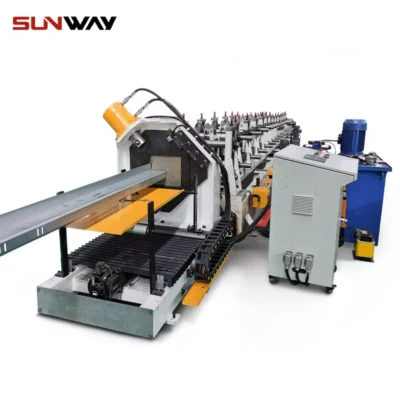 PV Mounting Bracket Z Shape Profile Roll Forming Machine
Customization and flexibility are essential features to look for when choosing a width corrugated sheet roll forming machine. Businesses need to be able to produce corrugated sheets of different widths, lengths, and thicknesses, with customizable profiles and shapes, to meet the specific needs and requirements of their customers. Here are some key factors to consider when assessing a machine’s customization and flexibility capabilities:
- Adjustable rollers and dies: Machines with adjustable rollers and dies offer more flexibility in the manufacturing process, allowing businesses to produce corrugated sheets of different sizes and shapes. These machines can be customized and adjusted to meet the specific needs and requirements of the customer, providing a competitive edge in the market.
- Material compatibility: It’s essential to choose a machine that can work with a wide range of materials, such as steel, aluminum, or copper, to offer maximum flexibility to businesses. This compatibility allows businesses to adapt to changing market demands and offer customized solutions to their customers.
- Multiple profiles and shapes: Machines that can produce multiple profiles and shapes offer more versatility in the manufacturing process, allowing businesses to produce corrugated sheets for various applications and industries. These machines can be customized and adjusted to produce corrugated sheets with different profiles, such as sinusoidal or trapezoidal, and different shapes, such as round or square.
- Computer-controlled operation: Machines with computer-controlled operation can also offer more customization and flexibility in the manufacturing process. These machines can be programmed to produce corrugated sheets of different sizes and shapes, with specific patterns or designs, offering businesses the ability to produce unique and customized products.
Precision and accuracy of width corrugated sheet roll forming machine
Precision and accuracy are critical features to consider when choosing a width corrugated sheet roll forming machine. These machines should be able to produce corrugated sheets with a consistent shape, dimension, and quality throughout the production process. Here are some key factors to consider when assessing a machine’s precision and accuracy capabilities:
- Accurate sensors and controls: Machines with accurate sensors and controls can detect any deviations or defects in the material and make the necessary adjustments to ensure a smooth and consistent operation. These sensors and controls can detect any material irregularities, such as thickness variations, and adjust the machine’s rollers and dies to ensure a consistent corrugated sheet’s shape and dimension.
- Precise alignment: The machine’s alignment is critical in ensuring the precision and accuracy of the corrugated sheets produced. Look for machines with precise alignment mechanisms that can ensure the material is centered and correctly positioned throughout the production process.
- Quality assurance systems: Quality assurance systems can also significantly impact a machine’s precision and accuracy capabilities. Machines with quality assurance systems can detect any defects or inconsistencies in the material and either remove the affected material or make the necessary adjustments to the production process.
- High-quality components: The quality of the machine’s components can also affect its precision and accuracy capabilities. Look for machines with high-quality components, such as bearings, gears, and motors, that can withstand the rigors of the manufacturing process and maintain their precision and accuracy over time.
Durability and reliability of Width corrugated sheet roll forming machine
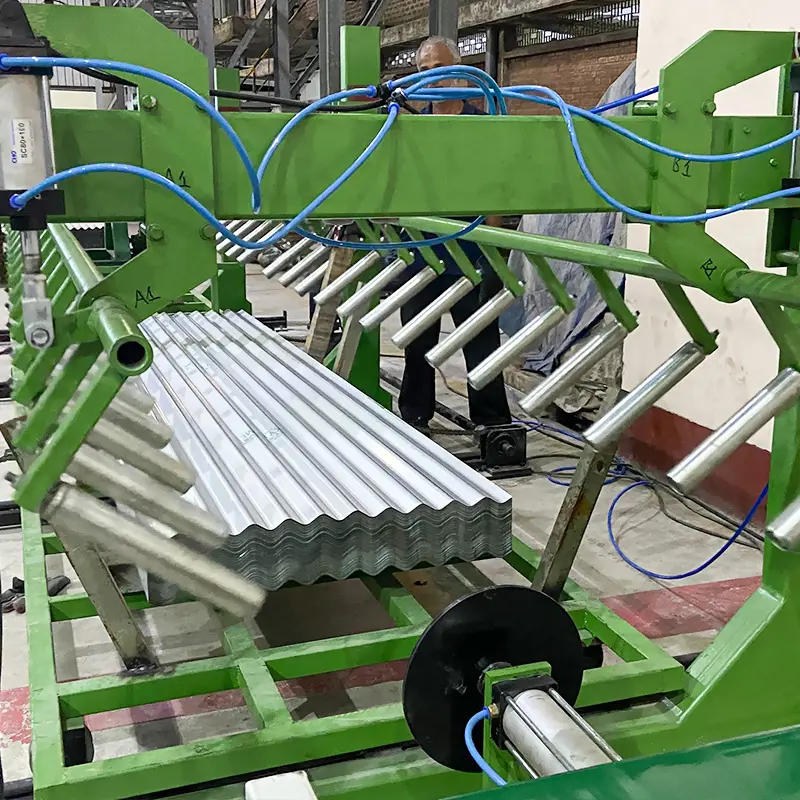
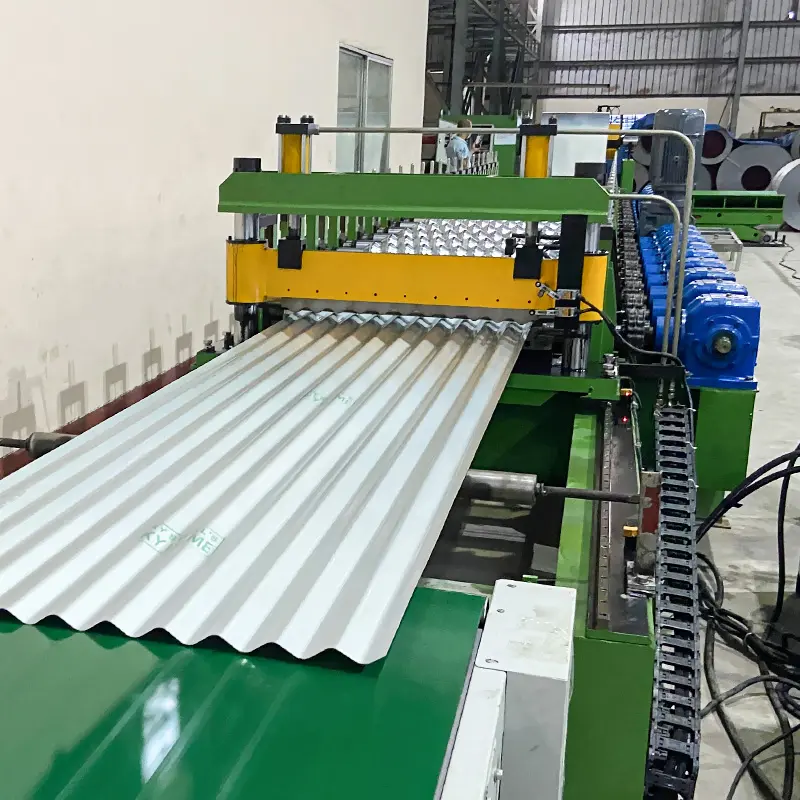
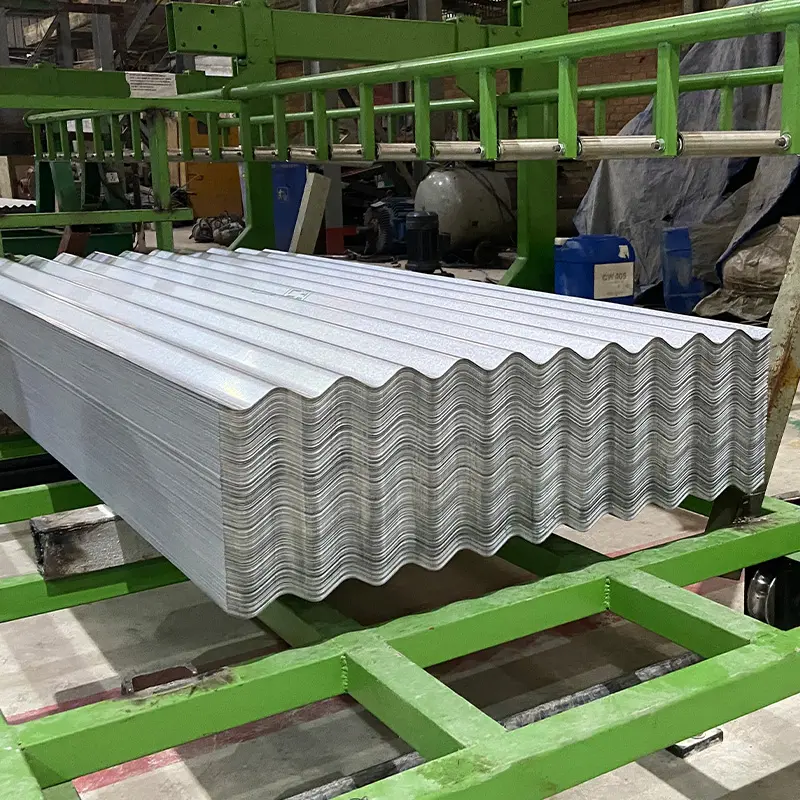
Durability and reliability are crucial features to consider when selecting a width corrugated sheet roll forming machine. These machines are a significant investment for businesses, and it’s essential to choose a machine that can withstand the rigors of the manufacturing process and provide a long-term return on investment. Here are some key factors to consider when assessing a machine’s durability and reliability:
- High-quality materials: The machine’s construction materials are critical in determining its durability and reliability. Look for machines made of high-quality materials, such as steel or aluminum, that can withstand the wear and tear of the manufacturing process.
- Robust components: The quality of the machine’s components is also critical in ensuring its durability and reliability. Look for machines with robust components, such as bearings, gears, and motors, that can handle the stresses and strains of the production process and maintain their performance over time.
- Low maintenance requirements: Machines with a low maintenance requirement can save businesses time and money in the long run. Look for machines with simple and easy-to-maintain components that can be quickly repaired or replaced, minimizing downtime and ensuring a consistent production process.
- High level of uptime: The machine’s uptime is critical in ensuring its reliability and productivity. Look for machines with a high level of uptime, which means they can operate for extended periods without breakdowns or interruptions, reducing production delays and increasing efficiency.
In conclusion, when selecting a width corrugated sheet roll forming machine, it’s essential to consider the features that will best meet the needs and requirements of your business. High-speed production, customization and flexibility, precision and accuracy, durability and reliability, and safety features are all critical features to look for in a quality machine. By choosing a machine with these features, businesses can increase their production efficiency, improve the quality of their products, and ensure a safe and reliable operation. Investing in a width corrugated sheet roll forming machine that meets your business’s specific needs and requirements can provide a long-term return on investment and improve your competitiveness in the market.
अक्सर पूछे जाने वाले प्रश्न (पूरक)
1) What production tolerances are realistic for a Corrugated Sheet Roll Forming Machine at speed?
- With encoder-based length control and servo flying shear, cut length ±0.5–1.0 mm and profile width ±0.7–1.2 mm are achievable at 30–60 m/min, depending on gauge, coating, and corrugation depth.
2) Which cutoff system best protects pre-painted or AZ-coated coils?
- A servo flying or rotary shear with carbide knives and synchronized motion minimizes burring and micro-cracking of coatings versus mechanical guillotines.
3) How can I reduce oil-canning and edge waviness on wide corrugated panels?
- Use an entry precision leveller, maintain stable coil tension, ensure pass parallelism, apply progressive radii in early passes, and verify flatness with inline laser gauges. Slow down for thin gauges (<0.35 mm) or deep profiles.
4) What changeover options speed up switching between widths and corrugation pitches?
- Recipe-driven HMI, motorized roll gap adjustment, and cassette/tooling modules can cut changeovers to 15–30 minutes. Color-coded shims and quick-connect hydraulics further reduce setup time.
5) What maintenance plan maximizes uptime and accuracy?
- Daily: wipe rolls, drain air lines, visual checks. Weekly: lubrication, fastener torque checks, roll cleaning. Monthly: pass alignment and encoder verification. Quarterly: oil analysis, vibration/temperature trending via IIoT sensors.
2025 Industry Trends for Corrugated Sheet Roll Forming Machines
- Predictive maintenance becomes standard: IIoT sensors with OPC UA/MTConnect cut unplanned downtime by 10–20%.
- Energy optimization at scale: Regenerative VFDs and eco-idle reduce kWh per 100 m by 15–30% vs. 2022 baselines.
- Traceability-first QA: Inline cameras and laser profilometry log rib height, pitch, width, and cut length to digital batch records.
- Coatings shift: Higher adoption of PVDF and AZ (aluminum-zinc) coatings for coastal/corrosive markets.
- Faster changeovers: Pre-gapped cassettes and HMI recipes enable sub-20-minute swaps across common widths and corrugation pitches.
- Safety compliance: More lines validated to ISO 13849-1 PL d with documented stop-time measurements under 200 ms.
2025 बेंचमार्क और केपीआई
| मुख्य प्रदर्शन संकेतक | २०२३ सामान्य | 2025 सर्वश्रेष्ठ-इन-क्लास | व्यावहारिक लक्ष्य | Notes | स्रोत |
|---|---|---|---|---|---|
| Line speed (corrugated roofing) | 25–45 मी/मिनट | 50–70 मी/मिनट | 35–55 मी/मिनट | गेज/प्रोफ़ाइल पर निर्भर | एसएमई; ओईएम डेटाशीट |
| कट लंबाई सटीकता | ±1.5 mm | ±0.5–1.0 मिमी | ±1.0 मिमी | एनकोडर + सर्वो शीयर | एसएमई ज्ञान केंद्र |
| बदली का समय (कैसेट) | 35–60 मिनट | 12–20 मिनट | ≤30 मिनट | पूर्व-अंतरित कैसेट + एचएमआई रेसिपी | एएमटी; ओईएम केस नोट्स |
| स्टार्ट-अप स्क्रैप | 3–51टीपी3टी | 1–21टीपी3टी | ≤3% | Inline vision + guided setup | Industry surveys |
| प्रति 100 मीटर ऊर्जा | 1.7–2.4 kWh | 1.2–1.6 kWh | ≤1.8 kWh | Regenerative VFDs | यू.एस. डीओई एएमएमटीओ |
| सुरक्षा स्तर | मूल सीई | आईएसओ 13849-1 पीएल डी | पीएल सी–डी | Validated stop-times | आईएसओ/सीई दस्तावेज़ |
संदर्भ:
- निर्माण अभियंता समाज (एसएमई): https://www.sme.org
- मैन्युफैक्चरिंग टेक्नोलॉजी एसोसिएशन (AMT): https://www.amtonline.org
- U.S. DOE Advanced Materials & Manufacturing Technologies Office (AMMTO): https://www.energy.gov/ammto
- ISO 13849-1 कार्यात्मक सुरक्षा: https://www.iso.org/standard/81168.html
नवीनतम अनुसंधान मामले
Case Study 1: Reducing Micro-Cracking on Pre-Painted Corrugated Panels (2025)
Background: A regional roofing supplier using 0.45 mm AZ150 PVDF coils at 55 m/min observed hairline cracks at corrugation peaks.
Solution: Re-profiled early-pass radii, added entry leveller, switched to rotary shear with carbide knives, and enabled inline camera inspection for peak anomalies.
Results: Coating micro-cracks reduced by 65%; warranty claims down 38% over two quarters; rib height CpK >1.67 sustained.
Case Study 2: OEE and Energy Gains via Predictive Maintenance (2024)
Background: Two corrugated lines suffered encoder drift and gearbox overheating, causing frequent stops.
Solution: Installed vibration/temperature sensors, MTConnect data pipeline, rule-based alerts, and HMI eco-idle. Implemented condition-based oil changes and encoder auto-calibration routines.
Results: Unplanned downtime −18%; energy per 100 m from 2.0 to 1.5 kWh (−25%); OEE improved 7.5 percentage points.
विशेषज्ञों की राय
- अमिना डुआर्टे, प्रमुख रोल फॉर्मिंग इंजीनियर, फॉर्मटेक
Viewpoint: “Most surface defects originate in the first three stands. Stabilize entry tension and confirm pass parallelism before chasing downstream fixes.” - Luca Ferraro, Operations Director, Gasparini S.p.A.
Viewpoint: “For mixed widths and pitches, cassette tooling plus digital recipes is the most reliable route to sub-20-minute changeovers.” - हन्नाह शुल्त्ज़, कार्यात्मक सुरक्षा ऑडिटर, टीयूवी सूद
Viewpoint: “Expect auditors to request ISO 13849-1 PL d evidence—documented stop-time validation and risk assessment records accessible from the HMI.”
व्यावहारिक उपकरण और संसाधन
- SME Knowledge Hub (roll forming tolerances, setup): https://www.sme.org
- AMT insights on metal forming productivity: https://www.amtonline.org
- DOE Better Plants calculators for energy benchmarking: https://betterbuildingssolutioncenter.energy.gov/better-plants
- MTConnect and OPC UA for data/traceability: https://www.mtconnect.org | https://opcfoundation.org
- National Coil Coating Association technical bulletins (PVDF/AZ coatings): https://www.coilcoating.org
- ISO 13849-1 overview/purchase: https://www.iso.org/standard/81168.html
कीवर्ड एकीकरण के उदाहरण:
- A Corrugated Sheet Roll Forming Machine with cassette tooling and HMI recipes enables rapid width changeovers while maintaining ±1.0 mm cut length.
- Energy-optimized Corrugated Sheet Roll Forming Machines using regenerative VFDs can lower kWh per 100 meters by up to 30%.
- For coastal projects, specify Corrugated Sheet Roll Forming Machines proven on AZ-coated, PVDF-painted coils to maximize finish durability.
उद्धरण और अतिरिक्त पठन:
- लघु, मध्यम और सूक्ष्म उद्यम: https://www.sme.org
- एएमटी: https://www.amtonline.org
- यू.एस. डीओई एएमएमटीओ: https://www.energy.gov/ammto
- आईएसओ 13849-1: https://www.iso.org/standard/81168.html
अंतिम अपडेट: 2025-10-24
परिवर्तन-लेख: 5 अतिरिक्त अक्सर पूछे जाने वाले प्रश्न जोड़े गए; KPI तालिका और संदर्भों के साथ 2025 के रुझान; दो हालिया केस स्टडीज़; विशेषज्ञों के दृष्टिकोण; और कीवर्ड-एकीकृत उदाहरणों सहित चयनित उपकरण/संसाधन।.
अगली समीक्षा तिथि और ट्रिगर: 2026-04-24 or earlier if safety standards (ISO 13849), coil/coating specifications, or OEM feature sets (cassette tooling, inline vision QA, regenerative drives) change.