 अंग्रेज़ी
 स्पेनिश
 फ़्रेंच
 बंगाली
 रूसी
 अरबी
 तुर्की
अवलोकन
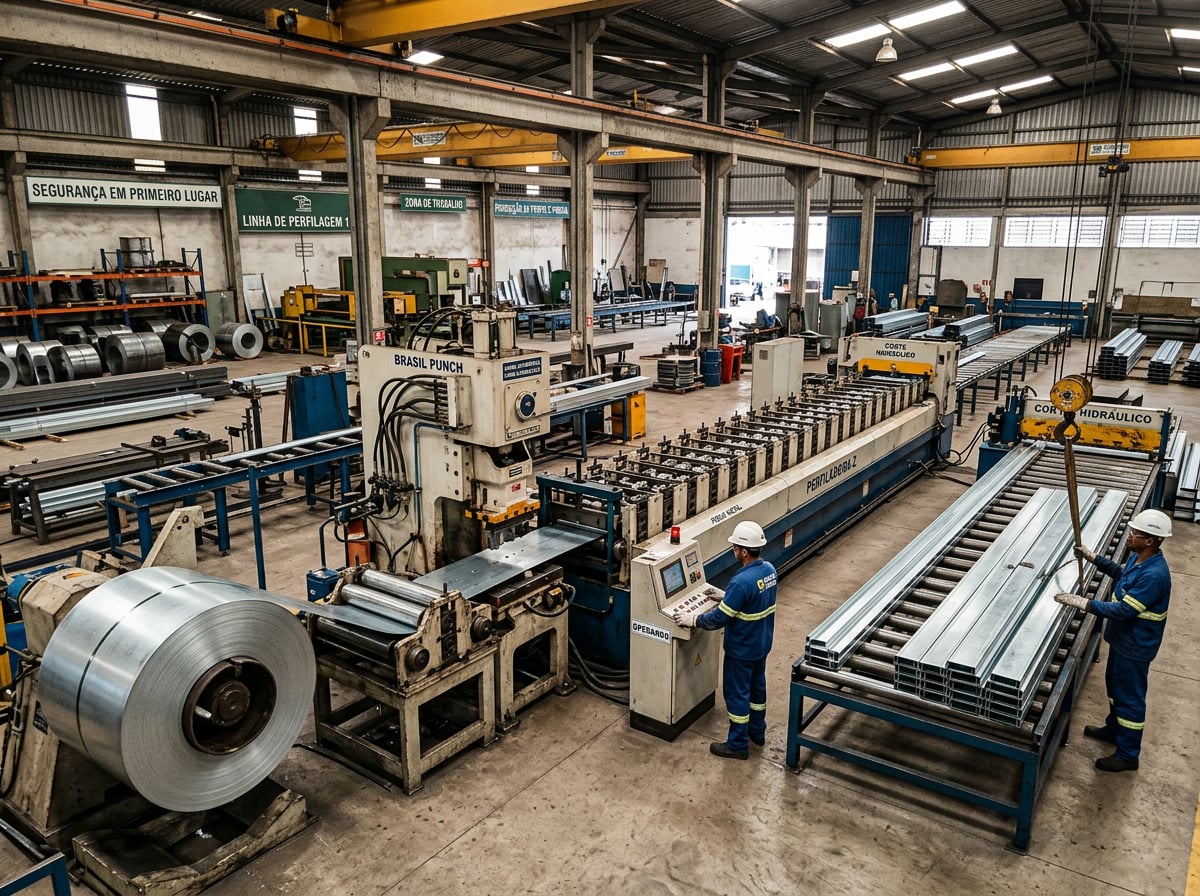
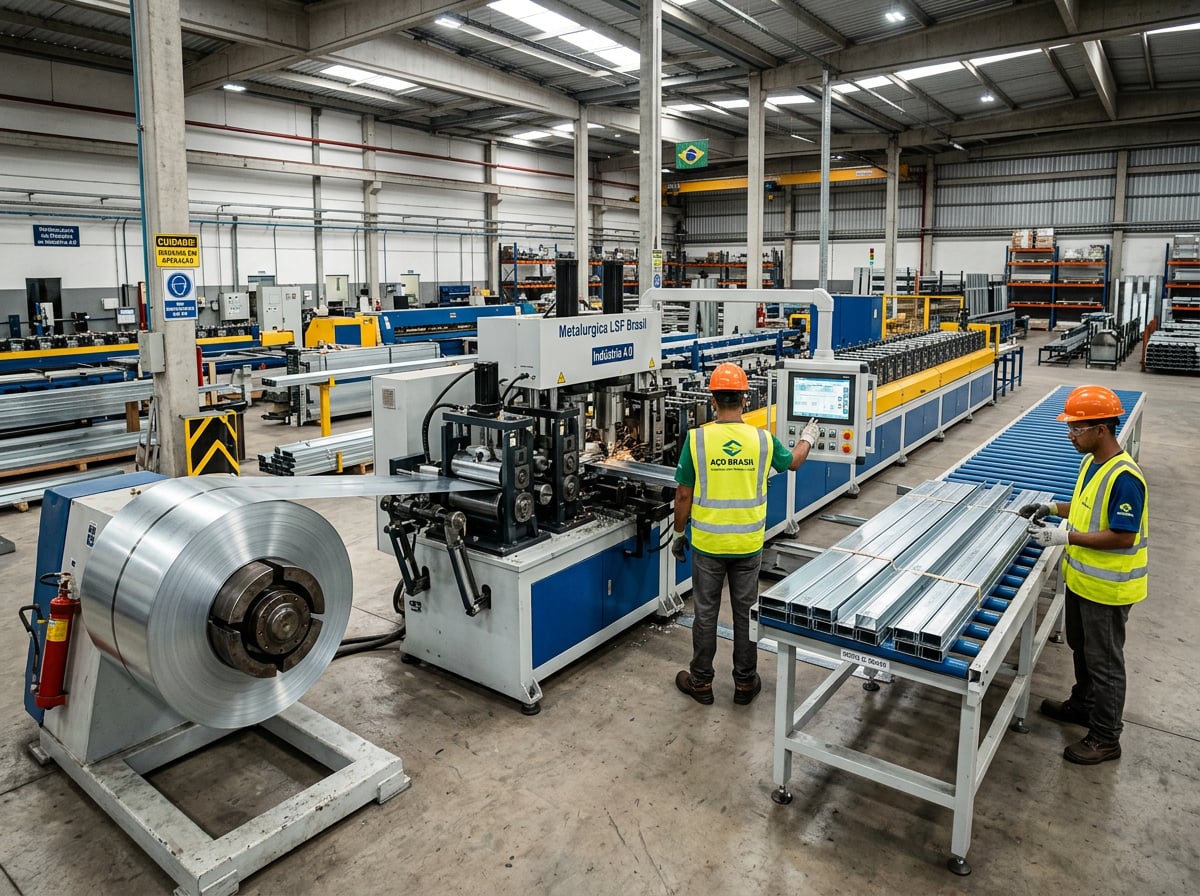
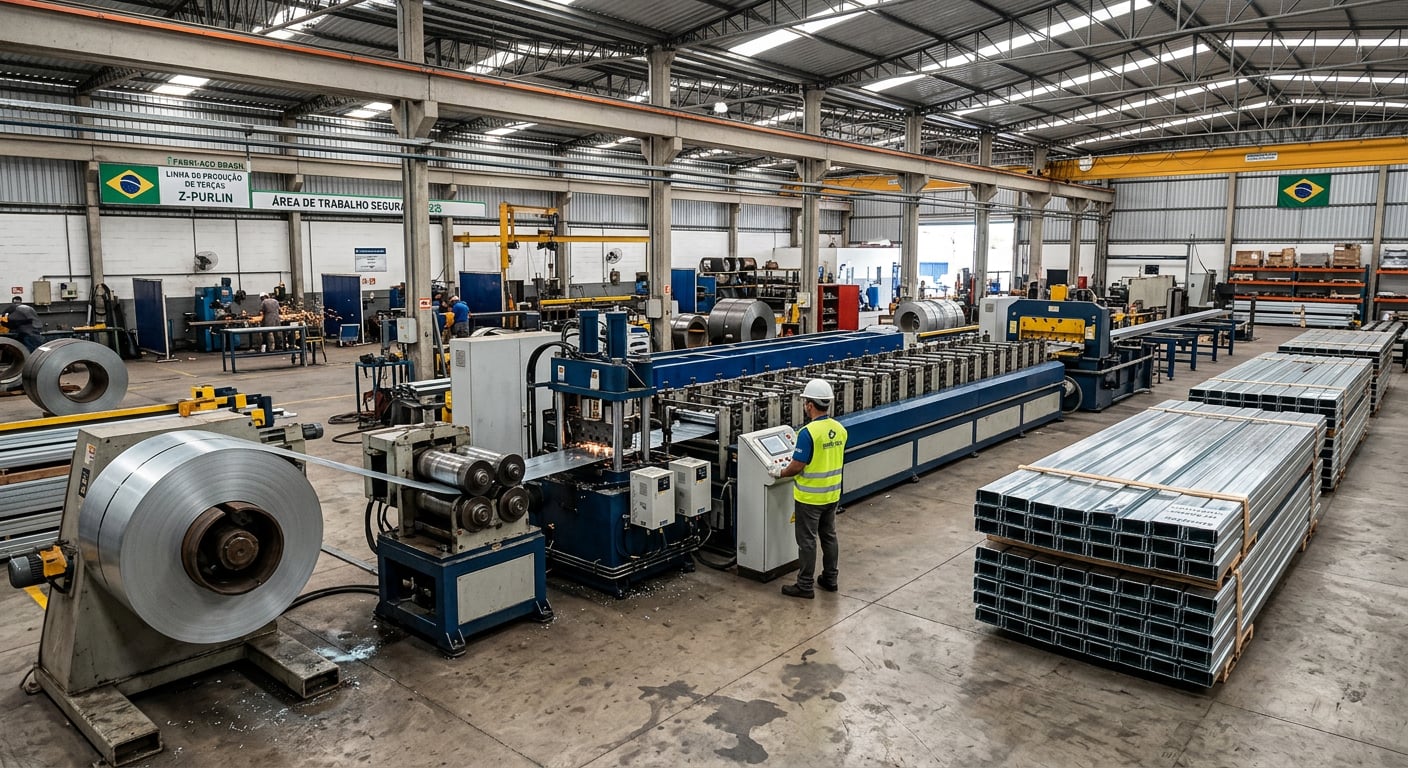
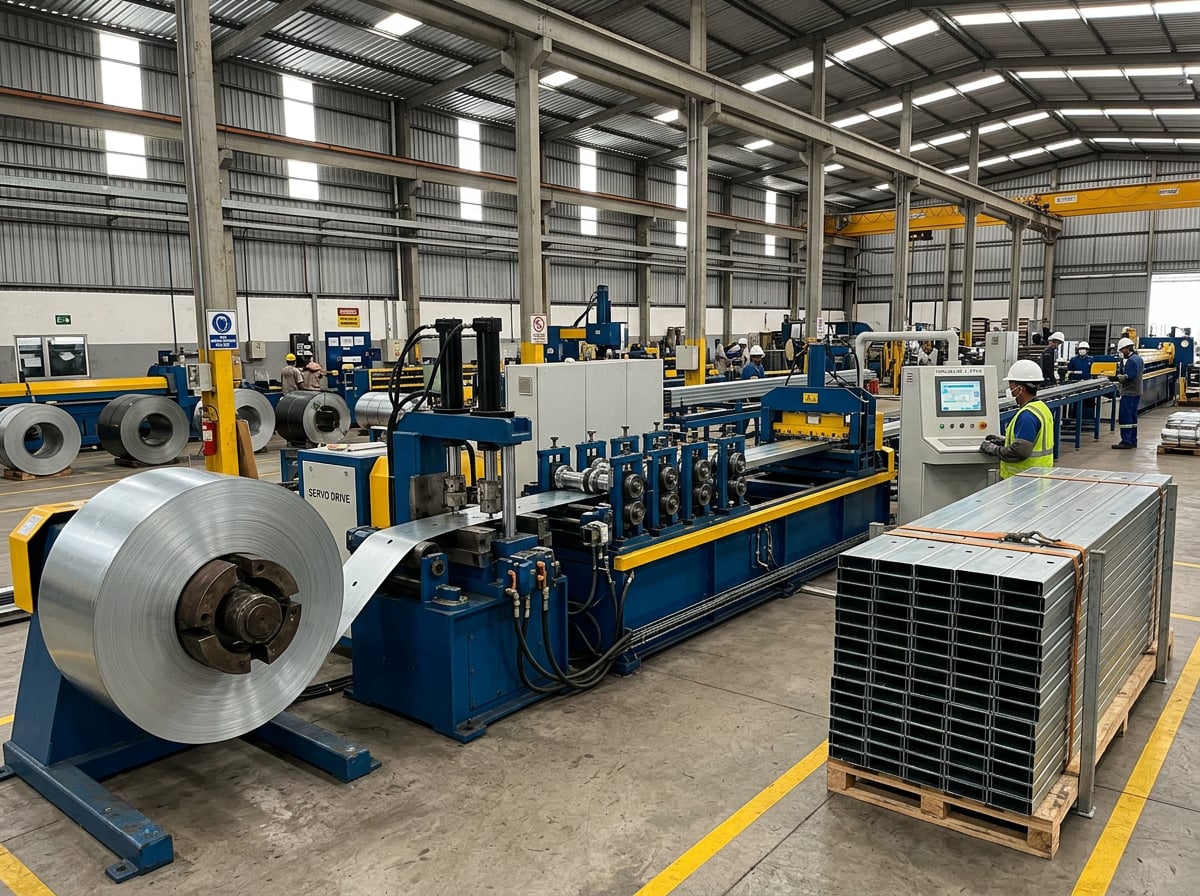
एक OEM मेटल रोल फॉर्मिंग मशीन is a versatile industrial equipment system used to efficiently mass produce long lengths of precision custom metal parts and profiles for original equipment manufacturers.
The continuous roll forming process shapes metal coil feedstock into various rails, frames, enclosures and structural components using a series of rotating roller dies.
This guide provides a comprehensive overview of OEM roll former technology, including:
- मशीन के प्रकार और घटक
- रोल फॉर्मिंग प्रक्रिया कैसे काम करती है
- डिज़ाइन संबंधी विचार
- End use applications
- Material and specification standards
- लागत विश्लेषण
- Comparisons with other metal fabrication methods
Gaining insight into OEM metal roll former capabilities assists manufacturers evaluating optimized production solutions for metal components used in specialized equipment and products.
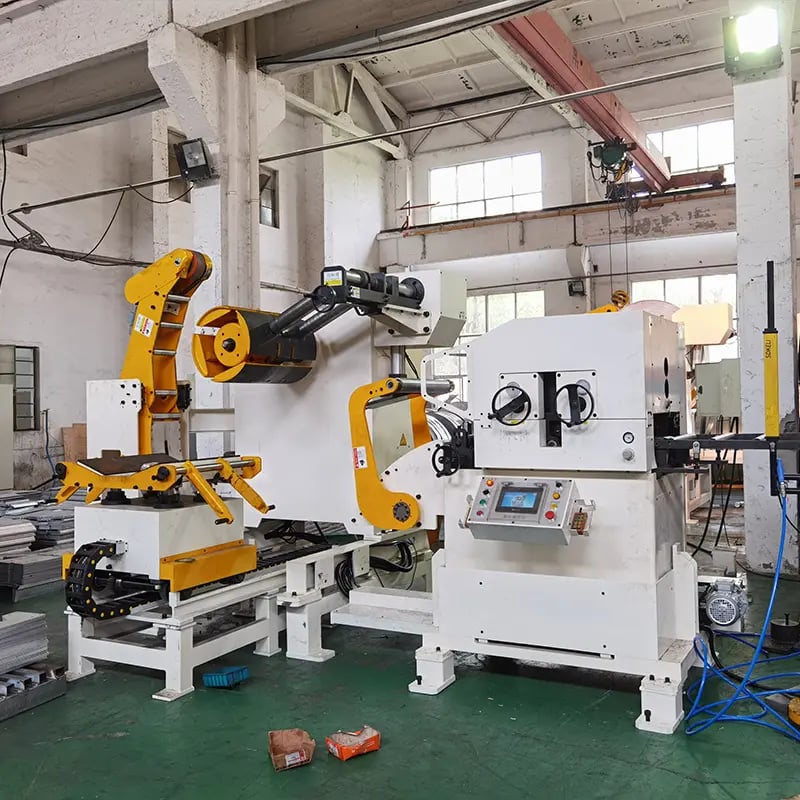
के प्रकार OEM Metal Roll Forming Machines
There are two primary machine configurations for high volume OEM parts production:
Fixed Head Roll Formers
- Typically 10-16 forming stations
- Common base profiles
- Lower tooling cost
- Repeat jobs
Quick Change Roll Formers
- Individual stations per head
- Flexible tooling for profile variations
- Higher output variety
- Frequent form changes
मेटल रोल फॉर्मर के मुख्य घटक
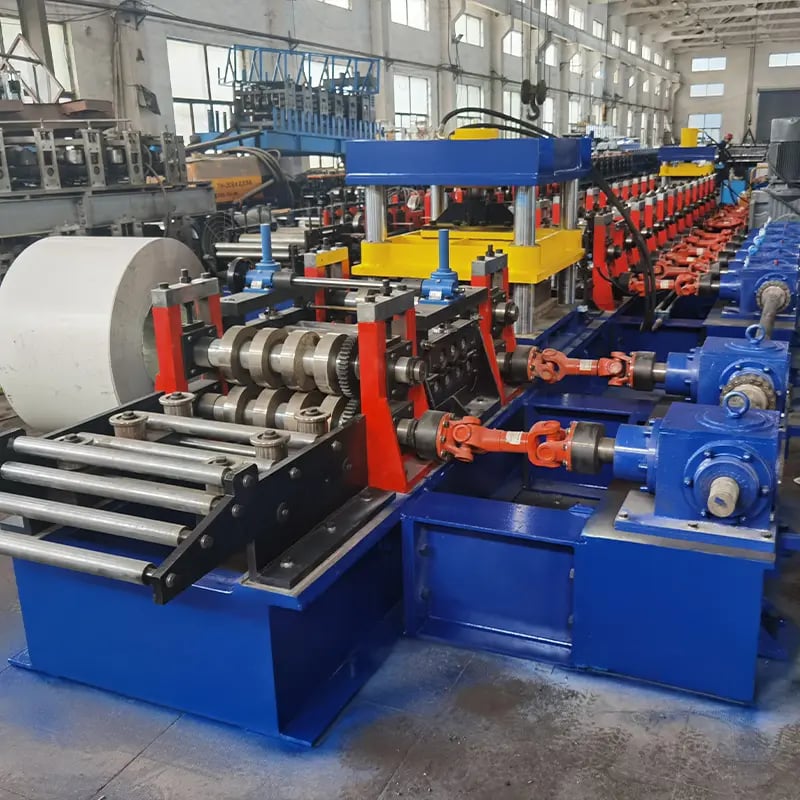
A typical OEM metal roll forming system integrates these main sections:
कॉइल पेऑफ रील
- Holds raw coil at unwind station
- Feeds strip through process
प्रवेश गाइड
- Align and straighten strip
- सामग्री फीड को अनुकूलित करें
Accumulator/Bridle
- बैक टेंशन ज़ोन बनाता है
- प्रवाह में होने वाले बदलावों को सुचारु करता है
फॉर्मिंग स्टेशन
- Progressive die rollers shape material
- संख्या और प्रकार प्रोफ़ाइल निर्धारित करते हैं
कटर
- तैयार भागों को लंबाई के अनुसार काटता है
- Pneumatic, servo electric
निकास कन्वेयर
- Transfers finished product
- Links to secondary operations
Automation Controls
- HMI and PLC hardware
- Touchscreen programming
- डेटा फीडबैक
मेटल रोल फॉर्मिंग मशीनें कैसे काम करती हैं
The OEM roll forming process shapes metal coil feedstock into rails, frames and custom profiles by bending and forming the strip material incrementally as it passes through a series of roller die stations:
- Powered coil payoff reel feeds raw coiled strip into initial machine guides
- Entry guides align strip and feed into first roller station
- At each station, machined rollers make precision bends and forms
- Strip exits slightly more formed moving to subsequent stations
- Finished custom profile emerges at end of forming line
- Profile cutoff to length by pneumatic or servo shear
- Formed parts conveyed for additional fabrication
The number of roller die stations determines possible shape complexity. Quick changeovers accommodate low to high mix production.
-
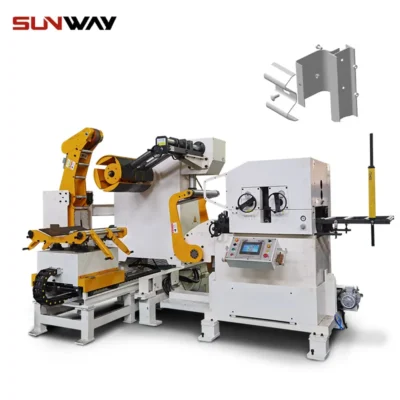 हाईवे गार्डरेल एंड टर्मिनल फॉर्मिंग मशीन अधिक पढ़ें
-
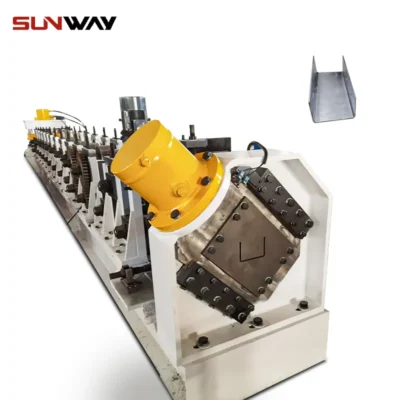 हाईवे U/C पोस्ट रोल फॉर्मिंग मशीन अधिक पढ़ें
-
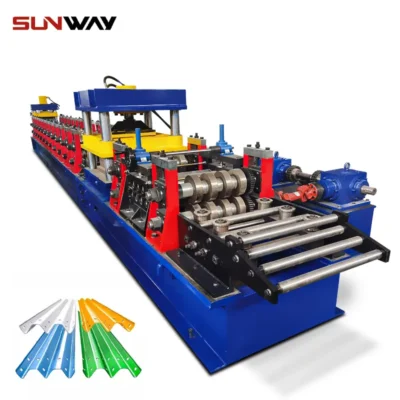 2 वेव्स हाईवे गार्डरेल रोल फॉर्मिंग मशीन अधिक पढ़ें
-
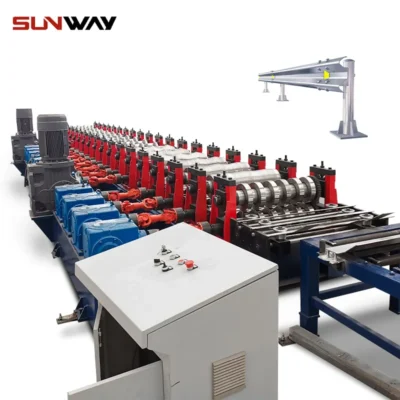 3 वेव्स हाईवे गार्डरेल रोल फॉर्मिंग मशीन अधिक पढ़ें
-
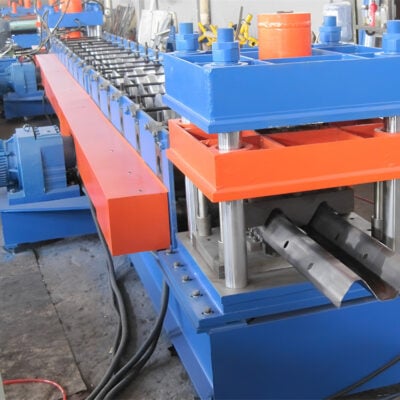 दो वेव हाईवे गार्डरेल मशीन अधिक पढ़ें
-
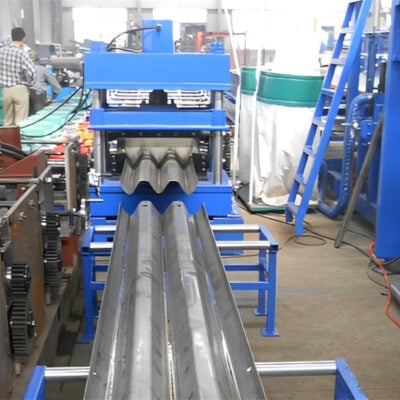 तीन वेव हाईवे गार्डरेल मशीन अधिक पढ़ें
-
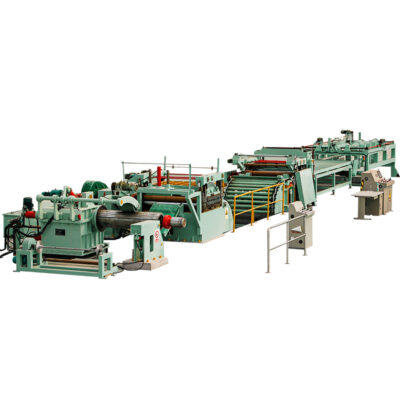 स्टील कॉइल कट टू लेंथ लाइन मशीन अधिक पढ़ें
-
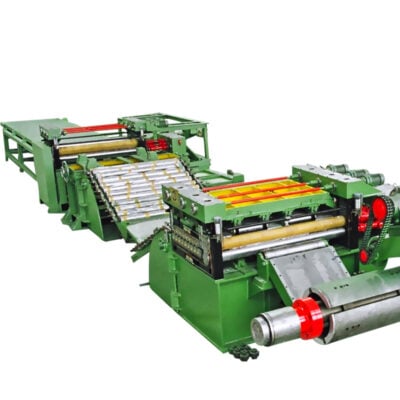 स्टील कॉइल कट टू लेंथ लाइन मशीन अधिक पढ़ें
-
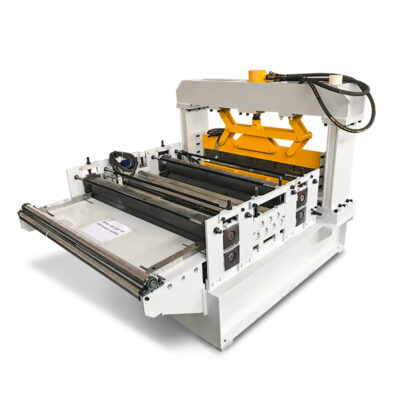 स्टील कॉइल कट टू लेंथ लाइन मशीन अधिक पढ़ें
OEM रोल फॉर्मिंग के लिए मुख्य डिज़ाइन कारक
Equipment specifiers evaluate numerous characteristics when selecting OEM metal roll formers:
उत्पाद प्रकार
- Metal structural framing
- Equipment enclosures
- Machine bases and supports
सामग्री
- माइल्ड स्टील
- स्टेनलेस स्टील
- एल्यूमिनियम
- Other alloys
मोटाई
- 20 gauge to 1/4”
- 0.6 mm to 6 mm
प्रोफ़ाइल
- C & U channels
- Complex rails and frames
- Hollow box sections
लंबाई
- Up to 30′ possible
- Exit tables for support
गति
- 10 to 100+ feet/min
- Low vs high cycle times
चेंजओवर
- त्वरित बदलाव टूलिंग
- Repeatable accuracy
स्वचालन
- Level required
- डेटा फीडबैक
फ्लोर स्पेस
- लाइन लंबाई
- लेआउट संबंधी सीमाएँ
OEM रोल फॉर्म किए गए धातुओं के मानक
While having fewer universal specifications, these guidelines apply to certain OEM components:
| मानक | विवरण |
|---|---|
| ASTM A792 | Steel sheet UV performance |
| ASTM A1008 | Low carbon steel sheet grades |
| EN 10346 | Continuously hot dipped coatings |
| IATF 16949 | Automotive quality management |
रोल फॉर्म की गई धातुओं के सामान्य अनुप्रयोग
Common end uses for roll formed metals in original equipment include:
Electrical Equipment
- Motor and transformer frames
- Switchgear housings
- Generator enclosures
Machinery Structures
- Machine bases
- Robotic arm supports
- Conveyor frames
Commercial Appliances
- रेफ्रिजरेटर लाइनर
- Range and oven cavities
- Washer and dryer drums
HVAC Components
- Furnace and AC housing
- हीट एक्सचेंजर
- Ducting frames
फर्नीचर
- डेस्क और कैबिनेट फ्रेम
- Shelving posts and rails
- Table bases
White Goods
- Dishwasher tubs
- Clothes dryer cylinders
- Range oven cavity frames
विशिष्टताएँ
| मीट्रिक | सामान्य सीमा |
|---|---|
| मोटाई | 0.5 mm – 3 mm |
| चौड़ाई | 10 mm – 300 mm |
| ऊँचाई | 10 mm – 150 mm |
| लंबाई | 50 mm – 20,000 mm |
| छेद | 1 mm – 20 mm dia |
| Loads | 50 kg – 3000 kg |
निर्माता का OEM मेटल रोल फॉर्मिंग मशीन
Leading global OEM metal roll former manufacturers include:
| कंपनी | स्थान |
|---|---|
| Formtek | USA |
| Bradbury | USA |
| DIMA | इटली |
| Shanghai Winsun | चीन |
| BOTOU Xianfa | चीन |
मूल्य निर्धारण
| मशीन | औसत लागत (USD) |
|---|---|
| Basic Manual Roll Former | $38,000 |
| 20 Station Servo-Electric | $120,000 |
| High Speed Quick Change | $240,000 |
| Rolled Part | Typical Cost per Kg (USD) |
|---|---|
| Mild Steel Channel | $2 |
| Stainless C-Rail | $5 |
| Aluminum Profile | $10 |
OEM मेटल रोल फॉर्मिंग के लाभ
लाभ
- High hourly production rates
- सटीकता सहनशीलताएँ
- कम परिचालन लागत
- Minimal secondary fabricating
- High material utilization
- Lean, continuous-flow process
सीमाएं
- Substantial initial capital costs
- Mostly long, straight geometries
- Tooling expensive for low volumes
- Can require secondary punching, welding, drilling
अक्सर पूछे जाने वाले प्रश्न
What metals work with OEM roll forming?
All ductile metals can use roll forming including low carbon steel, stainless steel, aluminum, copper, and titanium alloys. Hardened materials may require specialized tooling.
What tolerances are possible with OEM roll formed parts?
Roll formed components can reliably achieve profile tolerances between +/- 0.1 mm to +/- 0.25 mm for quality machines depending on the material gauge.
How long can an OEM roll formed metal part be?
Standard maximums with support tables are around 18 meters (60 feet). Custom long bed machines can produce sections over 30 meters (100 feet).
How thick of metal can an OEM roll former handle?
Thicknesses from 0.15 mm (30 gauge) to about 6 mm (1/4 inch) are typical for an average OEM roll former. Beyond that may require custom heavy-duty equipment.