 अंग्रेज़ी
 स्पेनिश
 फ़्रेंच
 बंगाली
 रूसी
 अरबी
 तुर्की

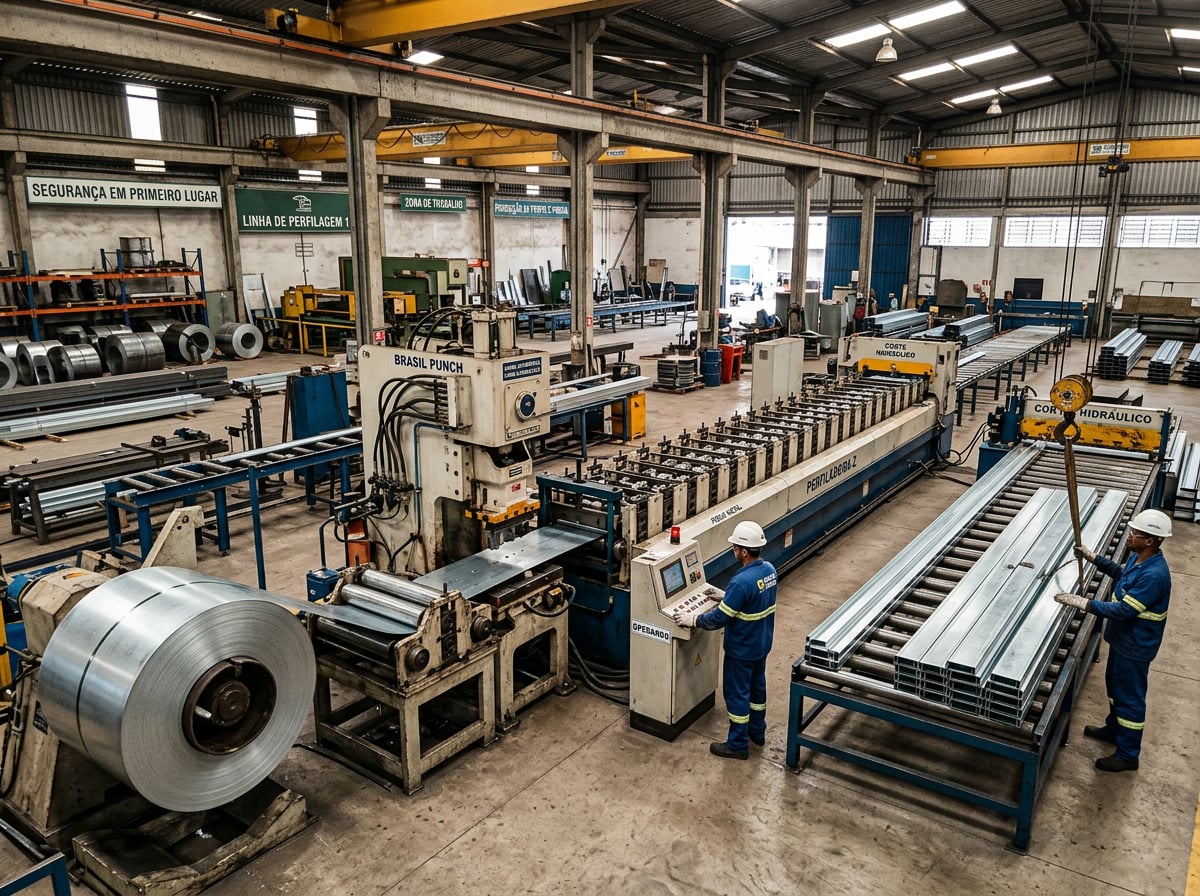
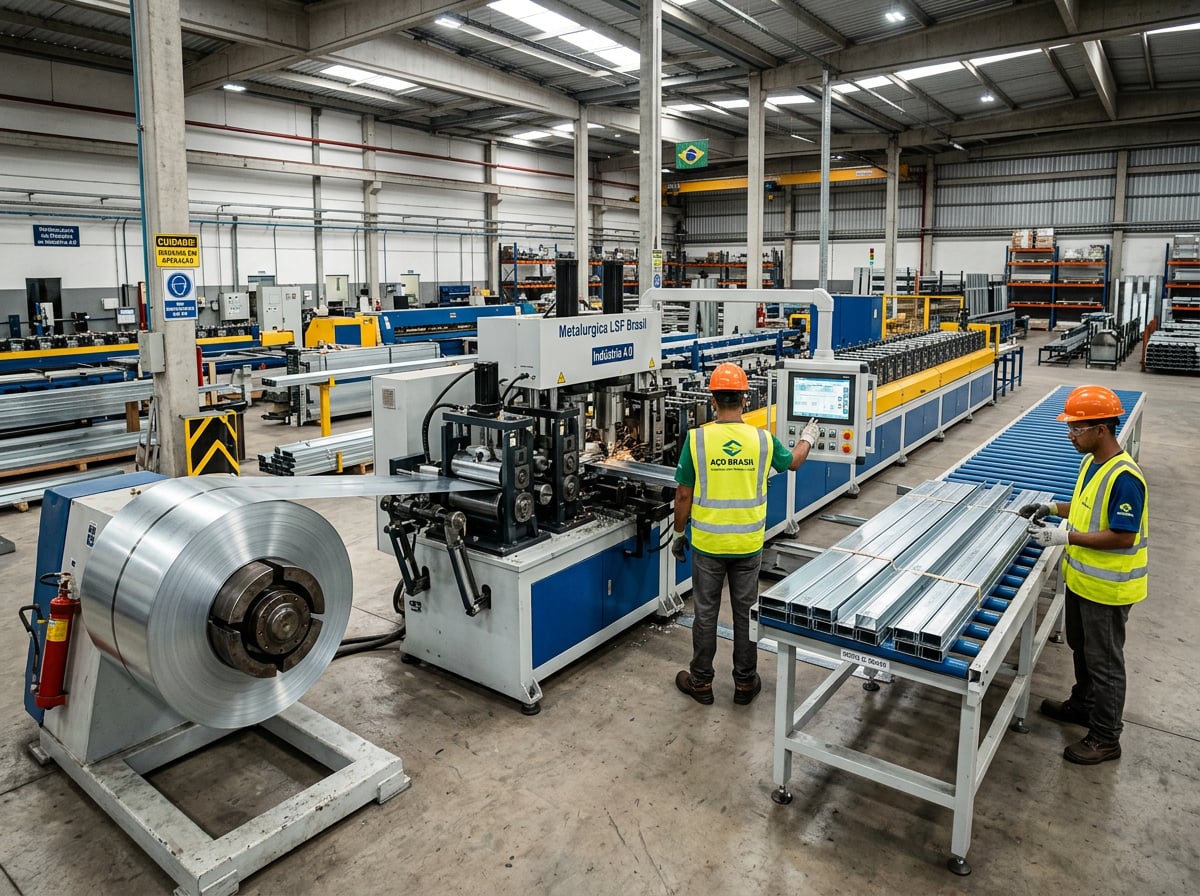
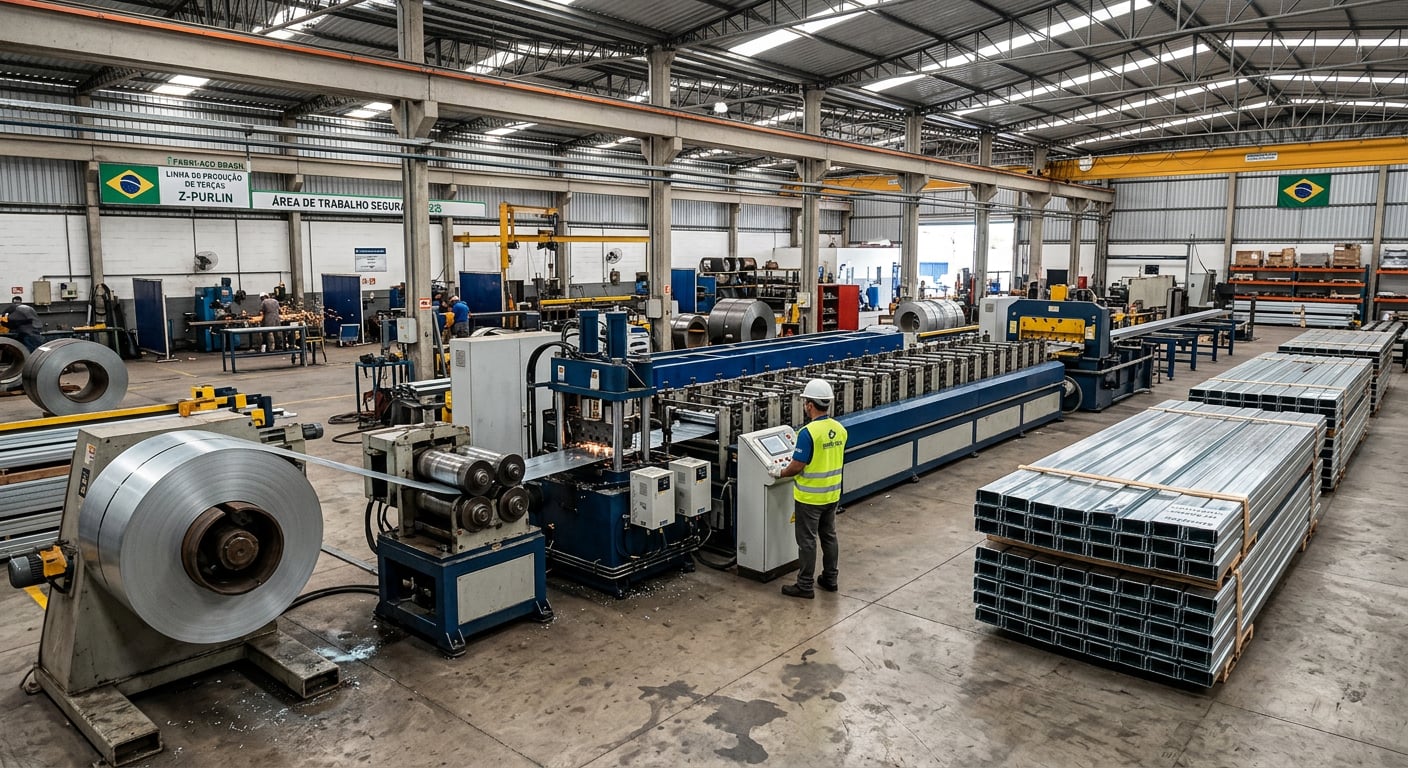
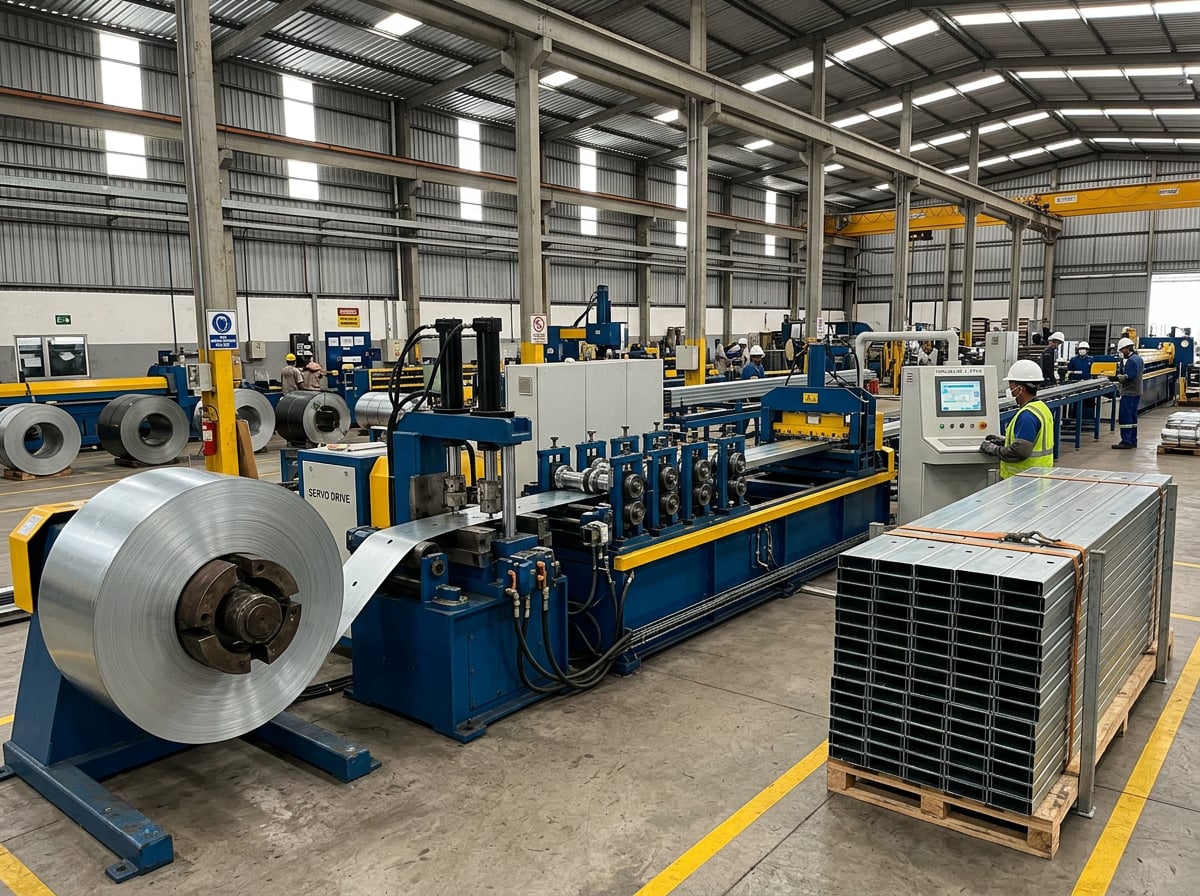
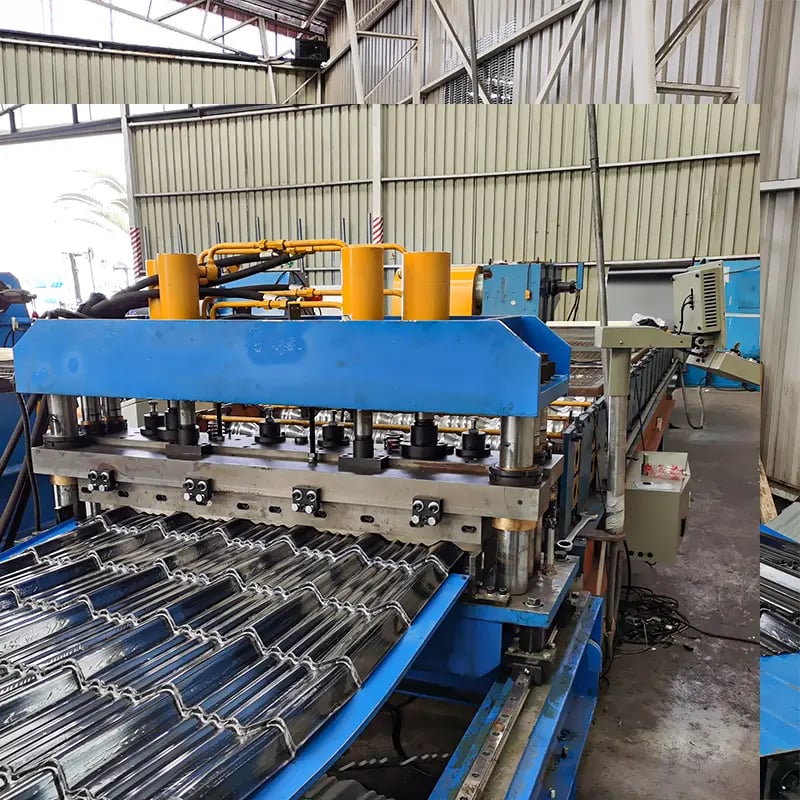
Manual roll forming is a metalworking process that uses a series of consecutive stands with contoured rolls to gradually bend metal coil into desired cross-sectional profile shapes. मैनुअल रोल फॉर्मिंग मशीनें are an economical option for small to mid-scale production runs compared to fully automated roll formers. This comprehensive guide covers key aspects of manual roll formers from working principles, types, major components, specifications, applications, installation, operation, maintenance, suppliers, costs and more.
मैनुअल रोल फॉर्मिंग का अवलोकन
Roll forming is a continuous bending operation in which sheet or coil stock is passed through consecutive stands of rolls, each imparting an incremental amount of bend, to form the sheet into desired cross-section profile shapes.
Manual roll forming relies on manual feeding and control of the process rather than electronic automation. An operator manually feeds the coil/sheet stock into the roll former and controls each stand to achieve the desired bending. The operator has full control over the process and can make adjustments as needed.
Manual roll forming is ideal for low to medium production volumes, prototyping, and small shops with space/budget constraints. It offers flexibility, easy changeovers, and lower equipment costs compared to fully automated machines. However, manual operation has slower production rates and demands skilled labor.
मैनुअल रोल फॉर्मिंग के प्रमुख लाभ
- Economical for low to medium volumes
- Flexible, easy changeovers between profiles
- Compact, lower cost equipment
- Simpler overall process
- Manual adjustments possible on the fly
- No programming knowledge needed
मैनुअल रोल फॉर्मिंग की सीमाएँ
- Slower production rates than automated
- Labor-intensive operation
- अधिक श्रम लागत
- Increased risk of errors
- Not ideal for mass production
- कुशल ऑपरेटरों की आवश्यकता है
मैनुअल रोल फॉर्मिंग मशीनों के प्रकार
There are two main types of manual roll forming machines:
पिरामिड-प्रकार रोल फॉर्मर
Pyramid-type roll formers have each stand arranged diagonally one behind the other in a pyramid shape. This allows a compact footprint and easy operator access. However, design constraints can limit profile capabilities.
मुख्य विशेषताएँ:
- कम स्थान घेरने वाला डिज़ाइन
- Easy operator access
- कम लागत
- Profile shape limitations
इनलाइन रोल फॉर्मर
Inline roll formers have stands arranged longitudinally in a straight line. The linear design provides flexibility in profile shapes and number of stands. However, the larger footprint requires more space.
मुख्य विशेषताएँ:
- Flexible profile capabilities
- Higher number of stands
- अधिक जगह की आवश्यकता
- Easy length adjustments
मैनुअल रोल फॉर्मर के प्रमुख घटक
Manual roll forming machines consist of three major components – the roll stands, forming rolls, and decoiler:
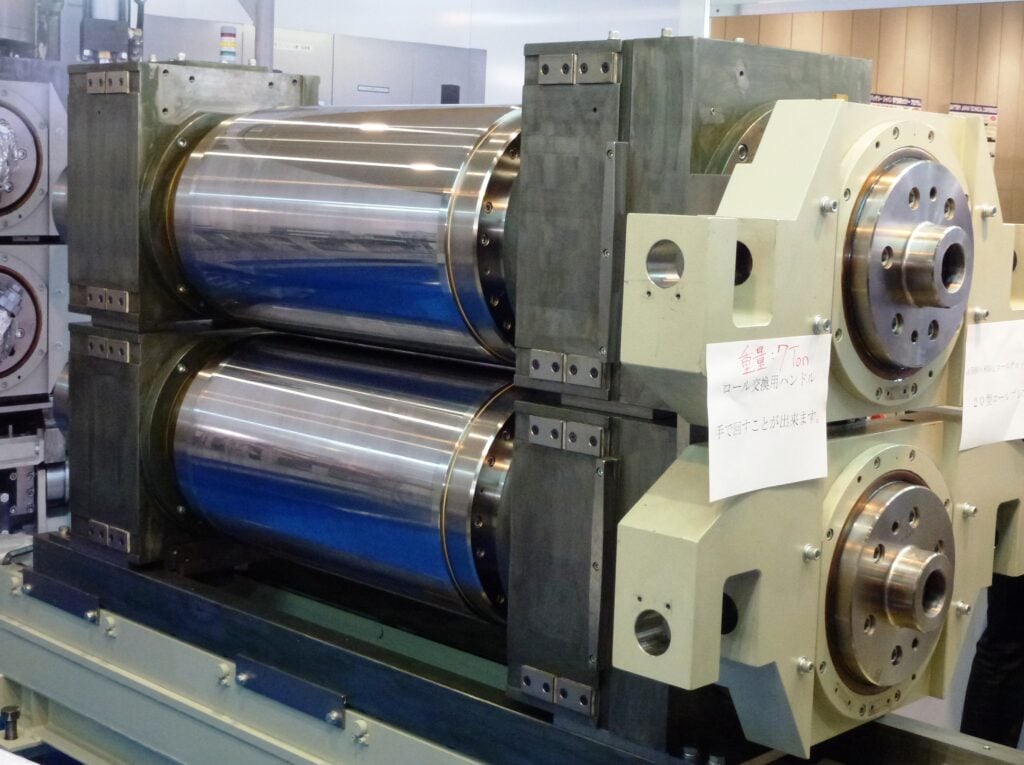
रोल स्टैंड्स
Roll stands hold the rolls in position and allow incremental bending of sheet. Number of stands determines profile complexity.
फॉर्मिंग रोल्स
Forming rolls have machined contours that gradually bend the sheet when passed through roll gaps. Roll design determines profile shape.
डिकॉयलर
Decoiler holds the coil stock and feeds into the roll former. It provides proper tension and alignment of stock.
Other components like guides, gauges, guards, controls, and power transmission are integrated for smooth functioning.
मैनुअल रोल फॉर्मर के विनिर्देश
Key specifications to consider for manual roll forming machines:
Roll Former Type: Pyramid, Inline
Number of Stands: 10-16 typical
Rolls per Stand: 2-4
Roll Diameter: 100-200 mm
Roll Width: 50-120 mm
Forming Thickness: 0.3-3 mm
Forming Width: 1000 mm तक
Feed Speed: 5-10 m/min
Drive Type: Electric, Hydraulic, Manual
शक्ति: 3-5 kW
वोल्टेज: 220-440V, 3 Phase
मैनुअल रोल-फॉर्म्ड प्रोफ़ाइल के अनुप्रयोग
Manual roll forming can produce various open and closed structural sections for the following applications:
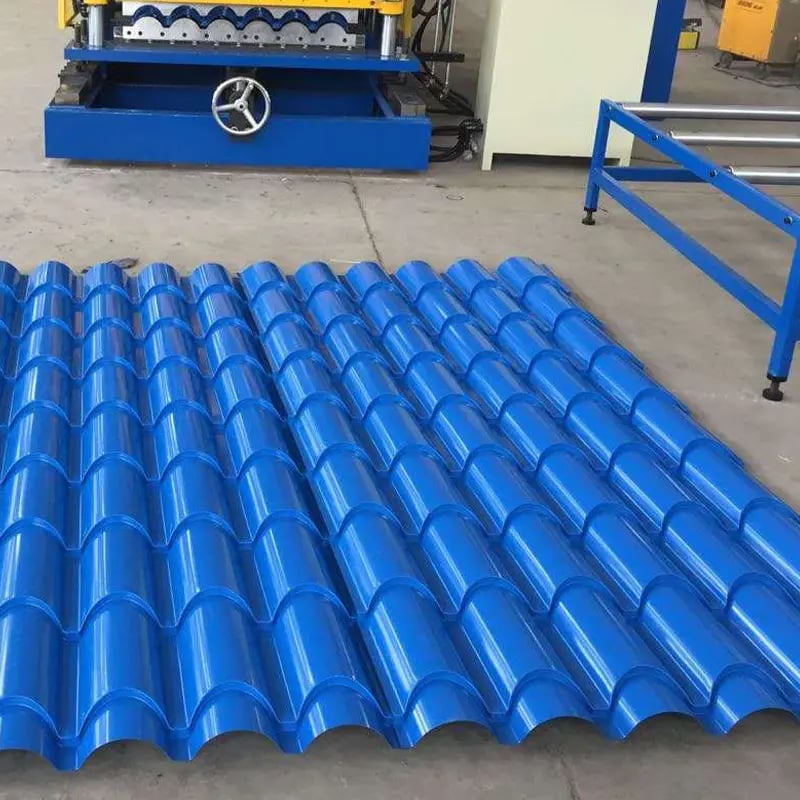
- Roofing and wall panels
- Steel doors
- रैकिंग प्रणालियां
- सोलर पैनल फ्रेम
- राजमार्ग सुरक्षा रेलिंग
- कृषि उपकरण
- Rolling shutters
- Lighting poles
- HVAC डक्टिंग
- Metal furniture
- ऑटोमोटिव घटक
With quick roll changeover, various profiles can be produced on the same machine as per application requirements.
मैनुअल रोल फॉर्मिंग मशीनों की स्थापना
Proper installation is key for optimum performance of manual roll formers. Here are important guidelines:
- Mount machine on flat, leveled, rigid concrete floor to prevent distortion
- Ensure sufficient clearance around for coil loading and formed profile exit
- Provide 3-phase electrical connections per machine ratings
- Install lockable power disconnect switch nearby
- Ground the machine properly for safety
- Supply adequate lighting for work area
- Position machine optimally for minimal operator movement
- Provide power transmission guards and safety signage
मैनुअल रोल फॉर्मिंग मशीनों का संचालन
Operating manual roll forming machines involves the following steps:
- Understand technical specifications of machine and profile
- Review and select correct rolls, stands as per profile
- Manual loading of coil on decoiler and thread into machine
- Set feed speed, roll gaps, guides
- Initiate machine start and observe initial forming
- Make minor adjustments to achieve desired bends
- Monitor pressure settings, roll alignment during operation
- Inspect quality of formed profile periodically
- Stop machine, change coil, rolls when required
- Maintain steady feed of material and profile exit
- Follow safety procedures at all times
मैनुअल रोल फॉर्मिंग मशीनों का रखरखाव
Regular maintenance is vital for maximum working life of roll formers. Key aspects include:
- Clean machine daily, remove metal chips, dust, dirt
- निर्धारित कार्यक्रम के अनुसार सभी गतिशील भागों को चिकनाई दें
- Check roll wear, realign/replace as needed
- Verify proper roll gaps, power transmission tension
- Inspect electrical, hydraulics, drives; repair if issues
- Check decoiler system for coil loading/payout
- Confirm guides, guards, safety devices functioning
- Monitor overall operation for unusual noise, vibration
- Perform preventive maintenance during plant shutdowns
Proper maintenance and operation training of personnel is recommended.
मैनुअल रोल फॉर्मिंग मशीनों के आपूर्तिकर्ताओं का चयन
Here are important factors to consider when selecting manual roll forming machine suppliers:
तकनीकी विशेषज्ञता
- Years of experience with technology
- In-house design, engineering capabilities
- Understanding of process requirements
- Provides design support, testing
मशीन की गुणवत्ता
- Use of high-quality components
- Precise manufacturing and finishing
- Performance record, client reviews
- Reliability, durability of equipment
अनुकूलन
- Ability to customize per application
- Range of model sizes offered
- Flexibility in features, accessories
सेवा सहायता
- तकनीकी प्रश्नों के प्रति तत्परता
- Maintenance and operator training
- स्पेयर पार्ट्स की इन्वेंटरी
- Warranties and service contracts
मूल्य निर्धारण
- Overall value compared to quality
- Reasonable cost for features
- मूल्य निर्धारण का स्पष्ट विवरण
मैनुअल रोल फॉर्मिंग मशीनों का लागत विश्लेषण
Manual roll forming machine cost depends on factors like:
Machine Type and Size: Pyramid or inline design, width, number of stands
उत्पादन क्षमता: Higher capacity increases cost
स्वचालन का स्तर: Manual vs. motorized options
कच्चा माल: Stainless steel vs. mild steel fabrication
Additional Features/Accessories: Decoilers, guides, perforators etc.
स्थान: Imported machines usually cost more
Here is an approximate price range for different machine capacities:
| उत्पादन क्षमता | संकेतात्मक मूल्य सीमा |
|---|---|
| Up to 20 feet/minute | $8,000 – $15,000 |
| Up to 40 feet/minute | $15,000 – $35,000 |
| Up to 60 feet/minute | $35,000 – $55,000 |
| Up to 80 feet/minute | $55,000 – $75,000 |
Custom or large machines with more features will be priced higher. Get price quotes from shortlisted suppliers.
मैनुअल बनाम स्वचालित रोल फॉर्मिंग के लाभ और हानियाँ
| पैरामीटर | मैनुअल रोल फॉर्मिंग | स्वचालित रोल फॉर्मिंग |
|---|---|---|
| Operational Speed | धीमी उत्पादन दर | उच्च उत्पादन दरें |
| श्रम आवश्यकताएँ | Labor intensive, high cost | Lower labor, more automated |
| Changeovers/Setups | Quick and easy | Slower changeovers |
| संचालन लागत | Higher operating costs | कम परिचालन लागत |
| प्रारंभिक निवेश | कम उपकरण लागत | Much higher equipment cost |
| Ease of Use | कुशल ऑपरेटरों की आवश्यकता है | Minimal operator skill needed |
| प्रक्रिया नियंत्रण | Manual monitoring and adjustments | Automated monitoring and control |
| उत्पाद की एकरूपता | Higher variability | More consistent quality |
| प्रोफ़ाइल जटिलता | Simpler profiles feasible | Complex profiles achievable |
| Ideal Volumes | Short runs, low volumes | Long runs, mass production |
मैनुअल रोल फॉर्मिंग की सीमाएँ और चुनौतियाँ
Some key limitations and challenges with manual roll forming processes:
- Speed and productivity is low compared to automated machines
- Requires significant operator skill and diligence
- Higher risk of quality errors or deviations
- Frequent roll changing leads to downtime losses
- Size and weight of rolls makes changeovers cumbersome
- Difficult to achieve very complex or asymmetric profiles
- Consistency and precision is harder to maintain
- Not suitable for high volume or continuous production
- Safety hazards from manual feeding and operation
While economical for low volumes, automated roll forming is preferable for higher production rates, precision, and consistency.
मैनुअल रोल फॉर्मिंग संचालन के लिए सुरक्षा सुझाव
- Wear protective gloves when handling sheet metal
- Ensure forming area is clear before machine start
- Stop operation to make adjustments; no live adjustments
- Keep hands away from roll bites and sheet entry areas
- Maintain a safe distance from moving components
- Monitor for any abnormal noise or vibration
- रखरखाव के दौरान लॉकआउट/टैगआउट प्रक्रियाओं का पालन करें
- Keep work area clean and free of slip/trip hazards
- Know emergency stop procedures for the machine
- Review safety procedures regularly with operators
अक्सर पूछे जाने वाले प्रश्न
मैनुअल मशीन पर किन सामग्रियों को रोल-फॉर्म किया जा सकता है?
- Most ductile metals like low carbon steel, stainless steel, aluminum. Not suitable for hard metals or plastics.
मैन्युअल रूप से रोल-फॉर्म की जा सकने वाली मोटाई की सीमा क्या है?
- Sheet thickness from 0.3mm to about 3mm can be typically processed.
मैनुअल रोल फॉर्मर पर कौन-सी प्रोफ़ाइल बनाई जा सकती हैं?
- Various open and closed sections like channels, rails, frames, columns etc. Complexity depends on number of stands.
कितने ऑपरेटर आवश्यक हैं?
- Typically 1-2 operators for tasks like feeding, adjustment, part offloading.
मैनुअल मशीनों पर रोल बदलना कितना तेज़ होता है?
- An experienced operator can change rolls sets in 30-60 minutes. More complex profiles take longer.
किस रखरखाव की आवश्यकता है?
- Daily cleaning, lubrication, periodic roll changes, electrical and mechanical inspection, alignment checks.
कौन-से सुरक्षा उपकरणों का उपयोग किया जाना चाहिए?
- Gloves, eye protection, overalls, steel toe boots, hair/loose clothing coverage.
मैनुअल रोल फॉर्मिंग में कौन-से दोष उत्पन्न हो सकते हैं?
- Wavy edges, twist, bow, flaring, splitting – often due to worn rolls, improper alignment, feed defects.
पीस की लंबाई कैसे नियंत्रित की जाती है?
- By counting rotations of the main drive shaft via a digital counter or encoder.
क्या मौजूदा मशीनों को मोटर चालित बनाया जा सकता है?
- Yes, retrofits are possible to add powered decoilers, drives, and controls for semi-automation.
निष्कर्ष
Manual roll forming provides a cost-effective forming solution for low to medium production volumes. With proper machine selection, installation, operation and maintenance, quality profiles can be produced for various applications. However, for higher volumes and advanced profiles, automated roll forming is recommended. This guide covers key considerations for manufacturers looking at manual roll forming processes.