 अंग्रेज़ी
 स्पेनिश
 फ़्रेंच
 बंगाली
 रूसी
 अरबी
 तुर्की
A HAT प्रोफाइल बनाने की मशीन is used to form sheet metal into hat-shaped channel profiles with a wide flange on one side. This versatile roll forming equipment is ideal for manufacturing structural channels, studs, furring channels and other custom profiles up to 8 inches wide.
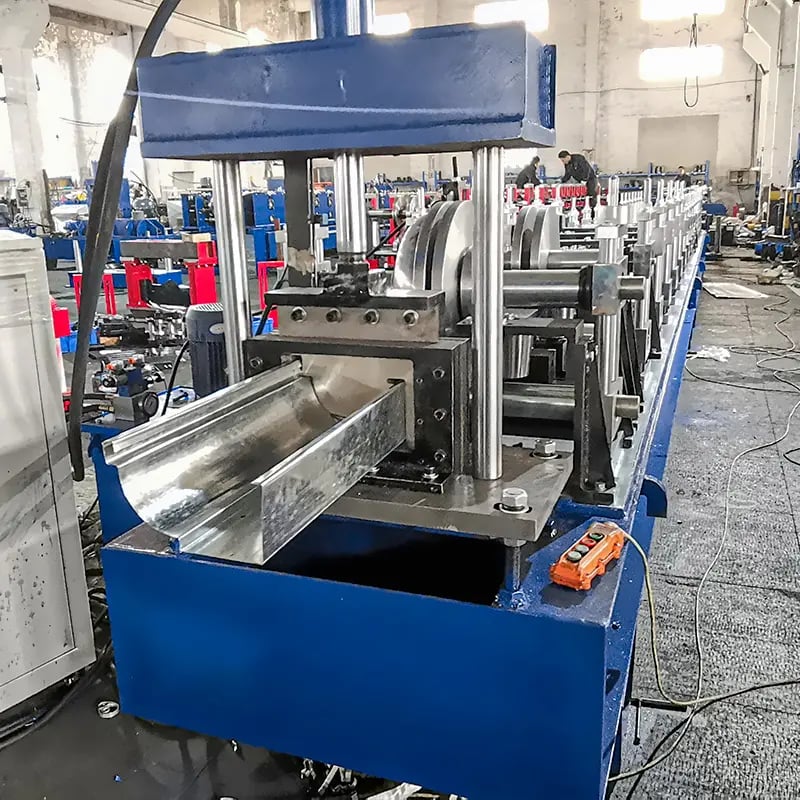
HAT profile making machines cold roll metal coils through a series of progressive dies to gradually bend the material into the desired hat shape profile with a flat center web and flanges on both sides. One flange is typically wider to facilitate connections. These hat channel profiles are lighter and more rigid than U-channels, allowing longer spans for roofs, walls and support framing.
HAT प्रोफाइल बनाने वाली मशीन की कार्य प्रक्रिया
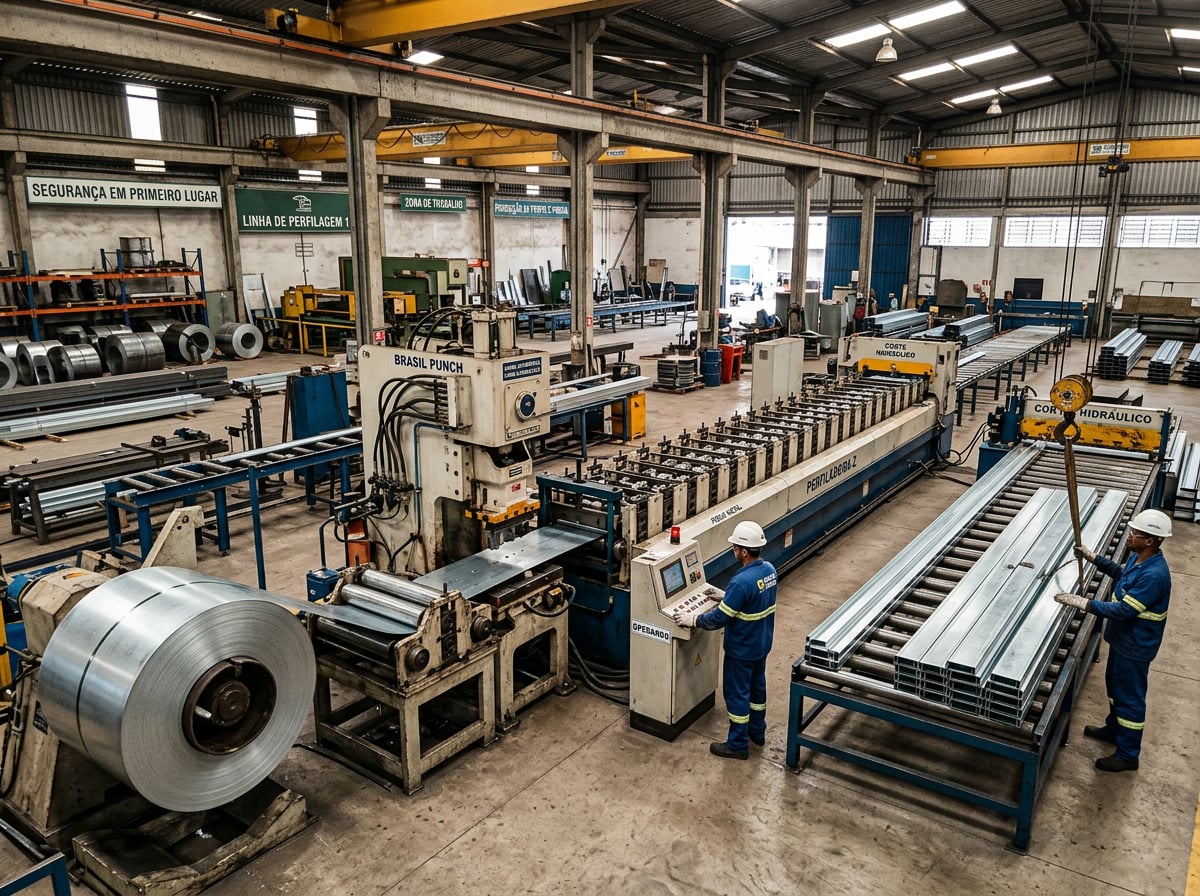
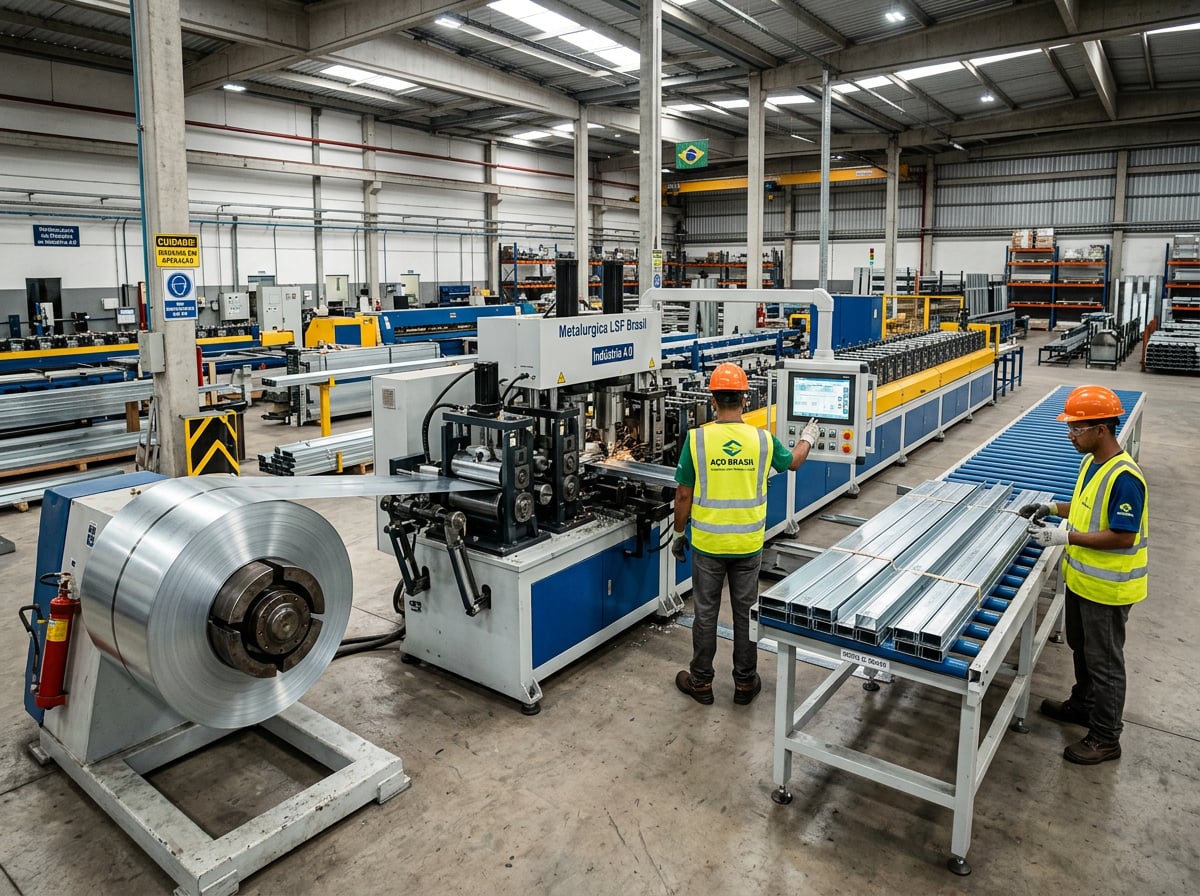
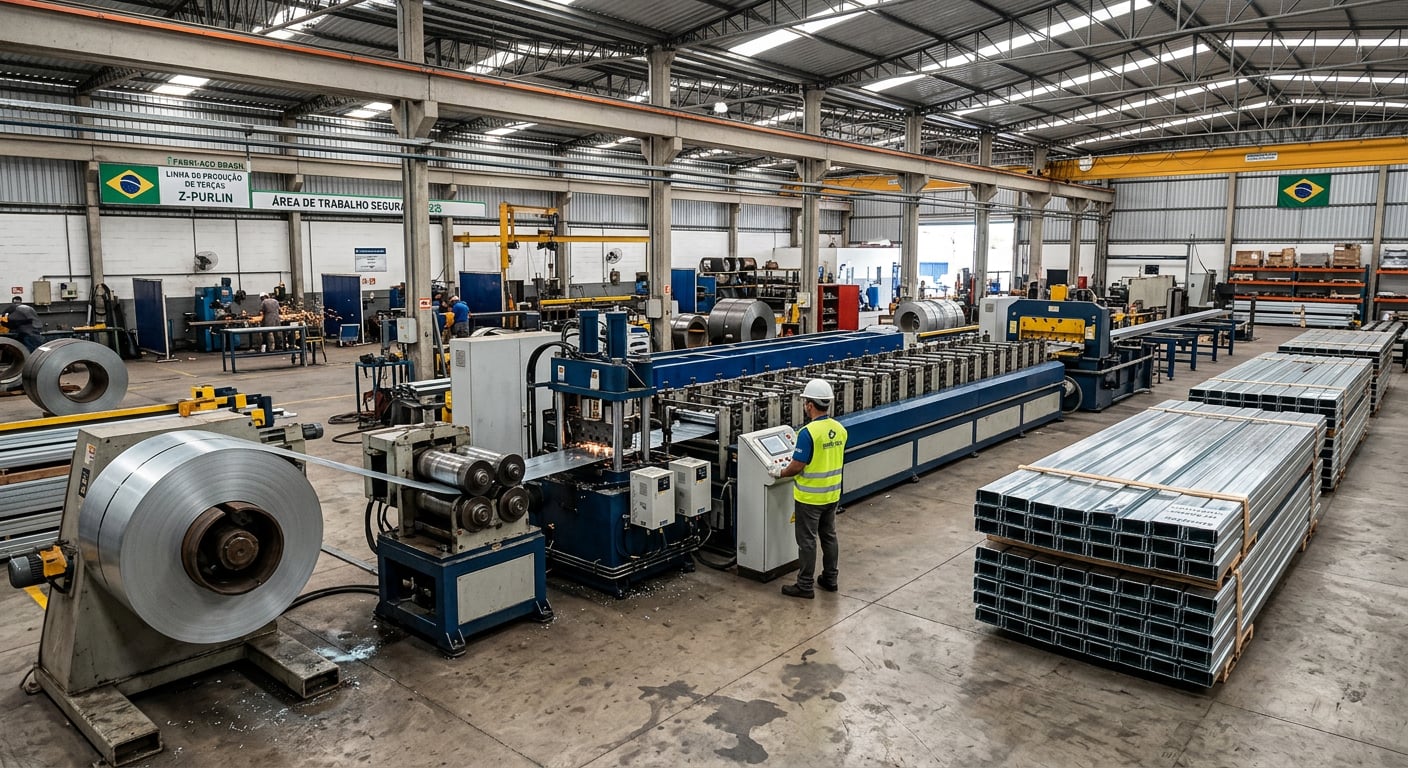
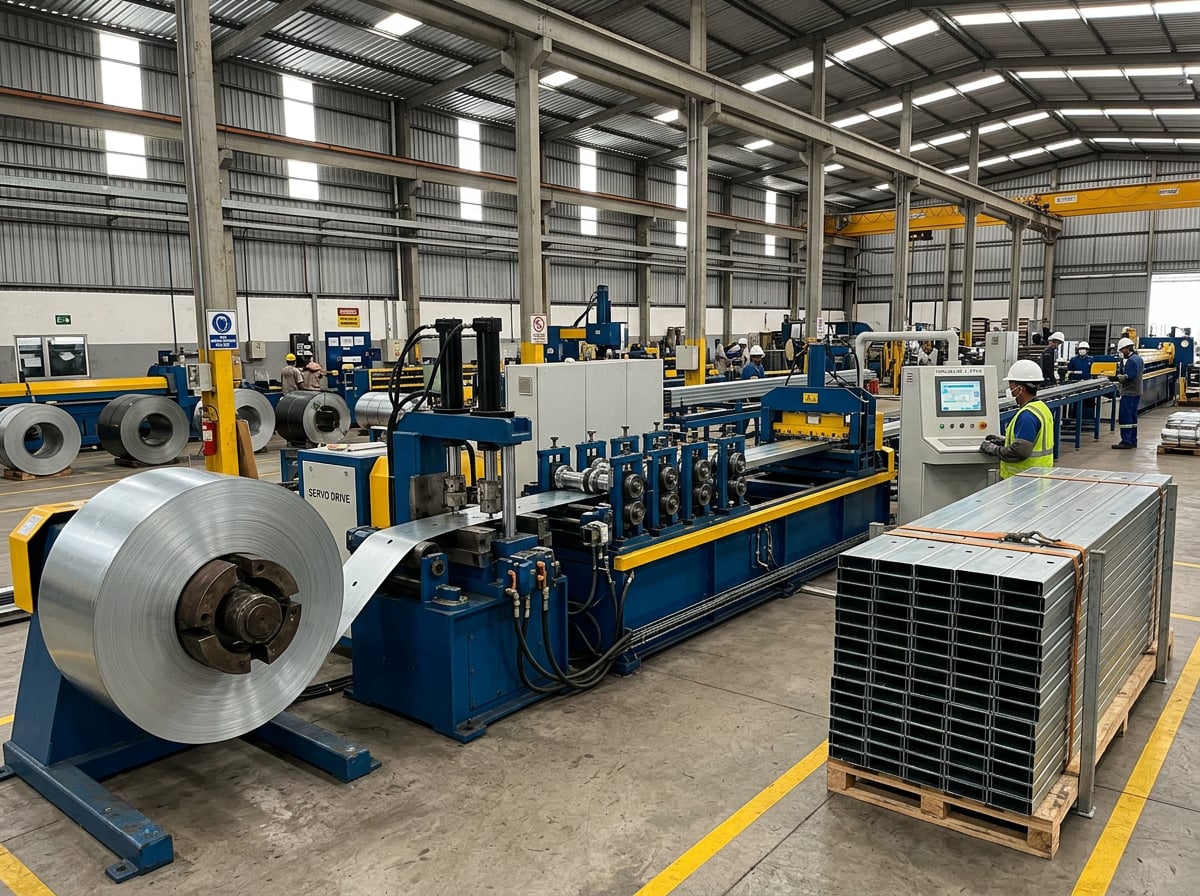
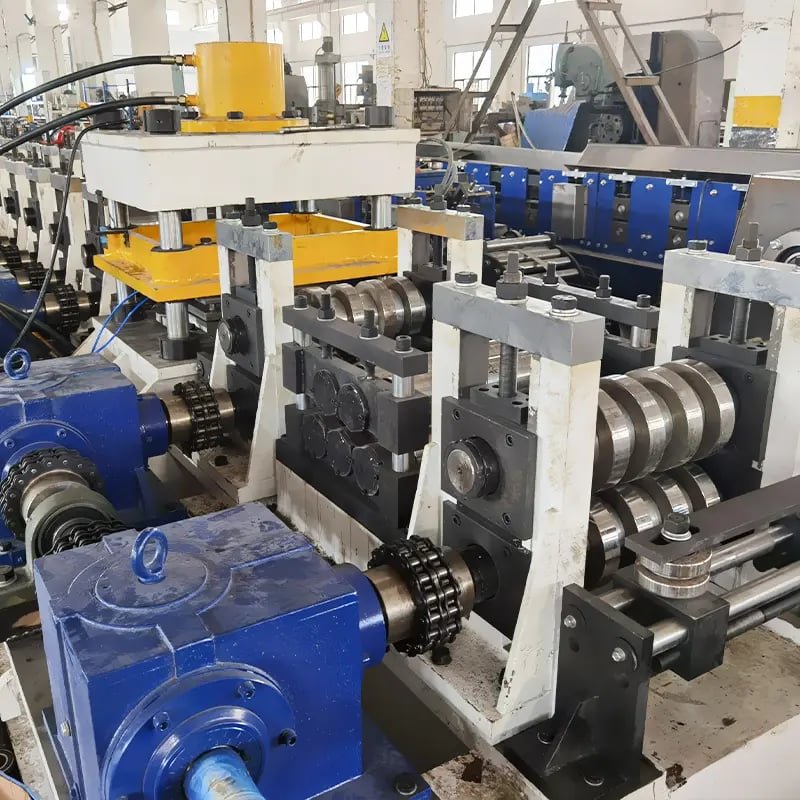
The HAT profile production line forms sheet metal coils through a series of roll stands containing shaped rolls. The pre-cut metal strip enters a straightener/ feeder to remove coil set then feeds into the initial forming rolls which start the bending process. After passing through multiple stands, the sheet achieves the final hat channel shape. Finishing operations like cutting follow to create specified lengths.
मुख्य चरण:
- Coil Payoff: Sheet coils loaded onto a de-coiler which feeds metal into line
- Feeder & Straightener: Removes coil set and guides sheet into first rolls
- Forming Stands: Bend sheet in progressive stages into hat profile
- Cutting: Cut into lengths by saw, shear or punch
- Counting: Measure lengths for standardization
- Marking: Inkjet prints identification info like order no., length, date
- Packing: Stack and bundle or crate profiles for transport
सामग्री हैंडलिंग
HAT profile making lines process light to mid gauge sheets up to 3/16 inch thick, though thinner and thicker gauges can also be formed on customized equipment. Common materials include:
- कोल्ड रोल्ड स्टील
- हॉट रोल्ड स्टील
- स्टेनलेस स्टील
- एल्यूमिनियम
- गैल्वनाइज्ड स्टील
Coils are the most efficient way to feed sheet into the HAT profile making machines. De-coilers with powered unwind assists are used for consistent, smooth flow of sheet into the process.
फॉर्मिंग क्षमता
HAT profile roll forming machinery can produce flat flange widths over 8 inches wide. Common profiles include:
- 3-1/2 inch HAT channels
- 4 inch HATs
- 6 inch HAT structural studs
- Custom architectural HAT sections
Within machine limits, many different channel depths and flange widths are possible by changing roll dies. Advanced 3D CAD engineering precisely calculates the progressive roll stands required to gradually form the sheets.
द्वितीयक संचालन
In addition to the primary profile forming section, versatility is added with secondary operations integrated inline:
पंचिंग: Pneumatic punch heads can pierce holes into the web/flange एम्बॉसिंग: Rolls can imprint logos, text or patterns into flanges कटिंग: Shears, saws & rotary punches sever into lengths मार्किंग: Inkjets print custom text and barcodes for identification गिनती: Ensures each stack meets order specifications Packing: Channels automatically stacked, strapped, wrapped
प्रमुख विशेषताओं का सारांश
| विशेषता | विवरण |
|---|---|
| फीड सिस्टम | Powered de-coiler unwind for coil payoff with 24 inch max coil I.D.; Programmable feed control for widths up to 49 inches; Sheet thickness up to 3/16 inch |
| रोल स्टैंड्स | 20+ stands in forming section with quick changeover; Heavy duty bearing housings; Urethane roll coatings |
| प्रोफाइल चौड़ाई | Up to 8 inch nominal flat flange width |
| प्रोफ़ाइल गहराई | Channels up to 8 inches deep |
| द्वितीयक संचालन | Inline punching, embossing, shearing, inkjet marking |
| सुरक्षा उपकरण | Light curtains, E-stops, lockouts; Fully enclosed guards |
| Computer Controls | PLC logic controls production; HMI touchscreen programming; Data monitoring and storage |
| संरचना | Robust welded steel frame with precision ground rails |
HAT प्रोफाइल के अनुप्रयोग
The high strength per weight ratio of cold formed hat channel profiles suits them for construction and engineering uses:
संरचनात्मक फ्रेमिंग: Wall studs, floor joists, roof rafters, furring channels परिवहन: Truck/trailer roof bows, chassis components, hitches सौर माउंटिंग: Attaching solar panels and racks Building Materials: Studs, purlins, girts, stiffeners शेल्विंग: Uprights, braces and beams कृषि: Greenhouse framing, livestock equipment सामान्य विनिर्माण: Conveyor support, mezzanines, racking
Common material choices:
- Cold rolled steel: Cost effective, readily available, recyclable
- Hot rolled steel: Higher load capacity
- Galvanized steel: Corrosion resistance for outdoor use
- Stainless steel: Extreme conditions, sanitary environments
- Aluminum: Lightweight, moderate load capacity
-
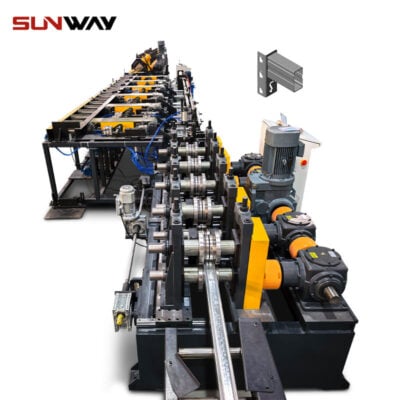 स्टोरेज रैक शेल्फ बॉक्स पैनल बनाने की मशीन, स्टील स्टोरेज रैक सिस्टम बॉक्स बीम रोल फॉर्मिंग लाइन अधिक पढ़ें
-
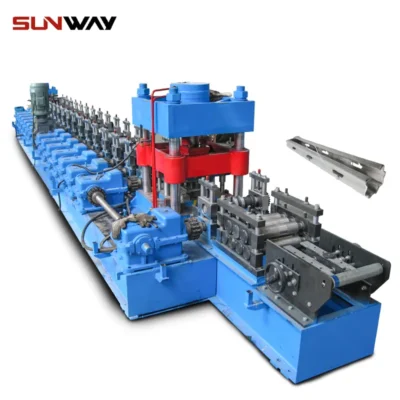 वाइनयार्ड पोस्ट रोल फॉर्मिंग मशीन अधिक पढ़ें
-
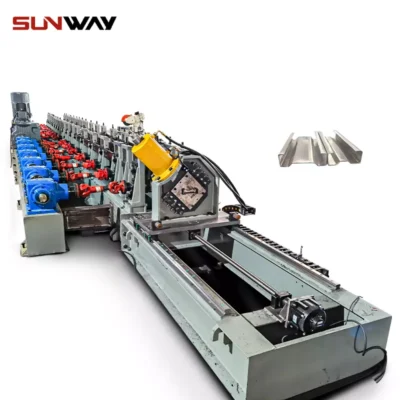 ऑटो साइज चेंजेबल सिग्मा पर्लिन रोल फॉर्मिंग मशीन अधिक पढ़ें
-
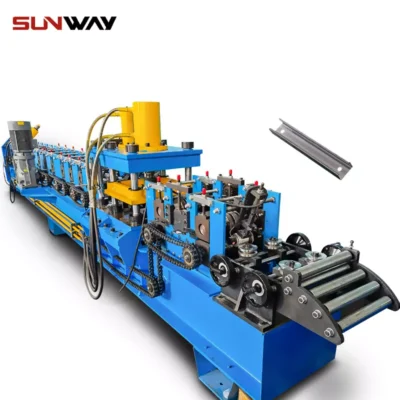 C सेक्शन ब्रेसिंग ओमेगा स्टोरेज रैक अपराइट पोस्ट रोल फॉर्मिंग मशीन अधिक पढ़ें
-
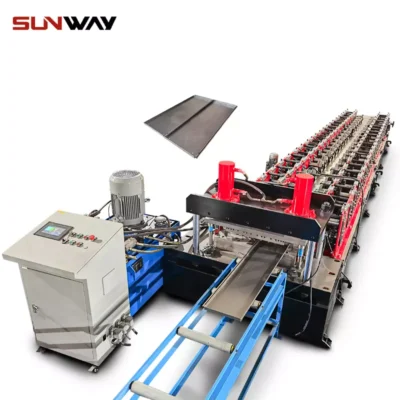 स्टील बॉक्स प्लेट बनाने की रोल फॉर्मिंग मशीन अधिक पढ़ें
-
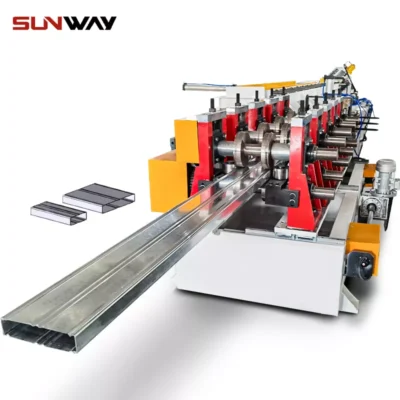 शेल्फ कॉलम के लिए बॉक्स बीम स्टील रोल फॉर्मिंग मशीन अधिक पढ़ें
-
 पैलेट रैकिंग स्टेप बीम P बीम रोल फॉर्मिंग मशीन अधिक पढ़ें
-
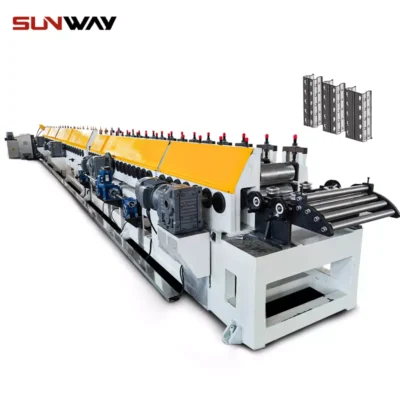 वेयरहाउस शेल्फ अपराइट रोल फॉर्मिंग मशीन अधिक पढ़ें
-
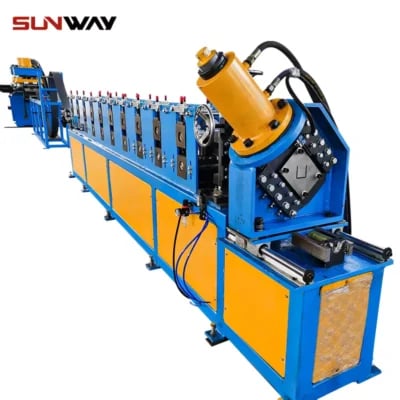 इलेक्ट्रिकल कैबिनेट फ्रेम रोल फॉर्मिंग मशीन अधिक पढ़ें
कार्य सिद्धांत
The working principle involves gradually forming flat sheet metal strip into a hat channel profile through multiple bending stages. This cold rolling process with progressive dies avoids over-stressing the material, enabling tight tolerances.
प्रमुख चरण:
- Sheet coil loaded onto a powered de-coiler
- Feeder straightens strip and guides into initial rolls
- First stage roll bends flanges downward 30-90° *
- Sequential stands gradually form arch shape
- Final two stands close arch and finish flanges
- Shear/punch cuts profiles to length
- Roll angles adjusted to control material elongation
Computerized controls closely monitor sheet feed, roll RPMs and downstream cut lengths to ensure precision parts.
फॉर्मिंग विधि के लाभ
Hat channel profile making machines provide important benefits beyond their sheet metal shaping capability:
श्रम लागत में बचत: Automated operation minimizes workers Rapid Outputs: Up to 10,000 feet/hour production लचीला: Quick roll changes to alter dimensions Strong Joints: Hemmed flanges allow connections सामग्री की बचत: Optimizes material usage, less waste from shearing Safer: Reduces worker injuries handling sheet goods ऊर्जा कुशल: Lower power versus other processes
लागत प्रभावशीलता: Saves on production versus other methods
रोल फॉर्मिंग की सीमाएं
Despite advantages, a HAT प्रोफाइल बनाने की मशीन has limitations including:
- High machine cost
- Large production runs needed for economy
- Limited complexity in profile shapes
- Sheet metal expertise needed
- Periodic roll maintenance
- Floor space required
- Specialized packaging or baling downstream
Each application should be evaluated on total cost, volume needs, available labor, quality demands, and installation considerations.
मूल्य सीमा
HAT profile making equipment starts around $100,000 for basics models, ranging up to $500,000 or more for large custom machines with integrated secondary operations.
लागत संबंधी विचार:
- लाइन गति
- चौड़ाई क्षमता
- प्रोफ़ाइल आकार
- सामग्री की मोटाई
- द्वितीयक संचालन
- Computer programming
- अनुकूलन
- Special coatings
- सहायक उपकरण
- Factory freight & installation
Get price quotes from several reputable machinery manufacturers to compare your options. Consider local suppliers as well as international imports weighing factors like support, training, documentation, maintenance accessibility, replacement parts availability, and proximity.
आपूर्तिकर्ता मूल्यांकन मानदंड
Choosing the right HAT profile making equipment supplier is critical for success:
| पैरामीटर | महत्व |
|---|---|
| निर्माण गुणवत्ता | उच्च |
| तकनीकी सहायता | उच्च |
| Previous Installations | उच्च |
| Roll Design Engineering | मध्यम |
| Local Representation | मध्यम |
| Staff Training | मध्यम |
| स्पेयर पार्ट्स की उपलब्धता | उच्च |
| सॉफ्टवेयर क्षमताएँ | मध्यम |
| अनुकूलन | कम |
| मूल्य निर्धारण | उच्च |
अतिरिक्त विचार:
- Years in business, financial stability
- Reference checks from existing customers
- Turnaround time for support issues
- Clarity of documentation & manuals
- Warranty duration and scope
Thoroughly qualify machinery suppliers using metrics like these before purchasing. Prioritize technical expertise over lowest capital cost for long term results.
उत्पादन विधियों के लाभ और हानियाँ
Compare roll forming with alternate sheet metal processing choices:
| पैरामीटर | रोल फॉर्मिंग | प्रेस ब्रेक बेंडिंग | एक्सट्रूज़न |
|---|---|---|---|
| सेटअप समय | मध्यम | लंबा | मध्यम |
| परिशुद्धता | उच्च | मध्यम | मध्यम |
| थ्रूपुट गति | तेज | धीमा | मध्यम |
| श्रम आवश्यकताएँ | कम | उच्च |
स्थापना और सेटअप
Proper installation and setup of a HAT profile making line is essential for efficient operation and production quality.
Key steps include:
- Offloading components from truck transport using crane or forklift
- Assembling machine sections together and anchoring to floor
- Leveling stands and verifying tolerances on straightness/squareness
- Mounting coil payoff system and securing to ground
- Stringing cable trays and hooking up electrical wiring
- Attaching hydraulic/pneumatic lines & fittings
- Installing lubrication lines to bearings
- Adjusting roll sets for initial profile parameters
- Jogging machine slowly to confirm component clearances
- Programming automation software for sizes and operations
- Tuning sensors, controls and safety circuits
- Running commission parts to validate quality
- Correcting any issues prior to production sign off
HAT machinery suppliers should provide experienced technicians for installation guidance and final quality inspection before releasing a line for independent operation. Allow several days for proper set up.
संचालन मार्गदर्शन
Trained operators are essential for running HAT profile making equipment to prevent poor quality or damage.
Key operating guidelines:
- Select profile parameters in control software
- Route sheet into feeder and adjust for tracking
- Align edge guides and feed tension settings
- Jog slowly to thread sheet through rolls
- Increase speeds progressively to target production rate
- Monitor strip alignment, quality and cut lengths
- Bundle profiles and remove finished stacks
- Document production counts for tracking
- Perform periodic maintenance checks/lubrication
- Report any abnormal noise, temperature or issues
रखरखाव की सर्वोत्तम प्रथाएँ
Consistent maintenance preserves uptime and performance for hat channel roll formers.
दैनिक:
- Visual inspections of guards/hardware/hydraulics/pneumatics
- Lube application on bearings/gears per schedule
- Validation of safety circuits and stops
- Monitoring of roll wear and part quality
मासिक:
- Belt tension checks on drives
- Fastener integrity checks
- Thorough cleaning of dirt/debris
- Wireless communication testing
- Electrical terminations checked for tightness
त्रैमासिक:
- Hydraulics filtration change
- Gearbox oil changes after initial 250 hours
- Calibration of sensors and instrumentation
- Cord and cable inspections
- Test automation backup/restore
Documenting equipment health through logs and trend analysis of issues aids reliability.
अक्सर पूछे जाने वाले प्रश्न
What sheet metal thickness can be formed?
- Up to 3/16 inch thickness is possible for common carbon steel but varies based on machine. Thinner/thicker gauges can be produced with customization.
What channel widths are possible?
- Hat profile making lines can typically achieve around 8 inches maximum flat flange width. Wider may be possible through special engineering.
उत्पादन दर कितनी तेज है?
- HAT roll formers average around 10,000 linear feet per hour depending on finished profile size. Production speed also varies based on material thickness and desired quality.
What secondary operations can be integrated?
- Common integrated operations include punching holes, embossing logos, shearing cut lengths, printing identification markings via inkjets, and automatic counting/packaging of finished product.
What is the lead time for a HAT प्रोफाइल बनाने की मशीन?
Lead times range from 12-20 weeks on average from order placement to shipment. Lead times depend on customization, production workload, and destination considerations.