 अंग्रेज़ी
 स्पेनिश
 फ़्रेंच
 बंगाली
 रूसी
 अरबी
 तुर्की
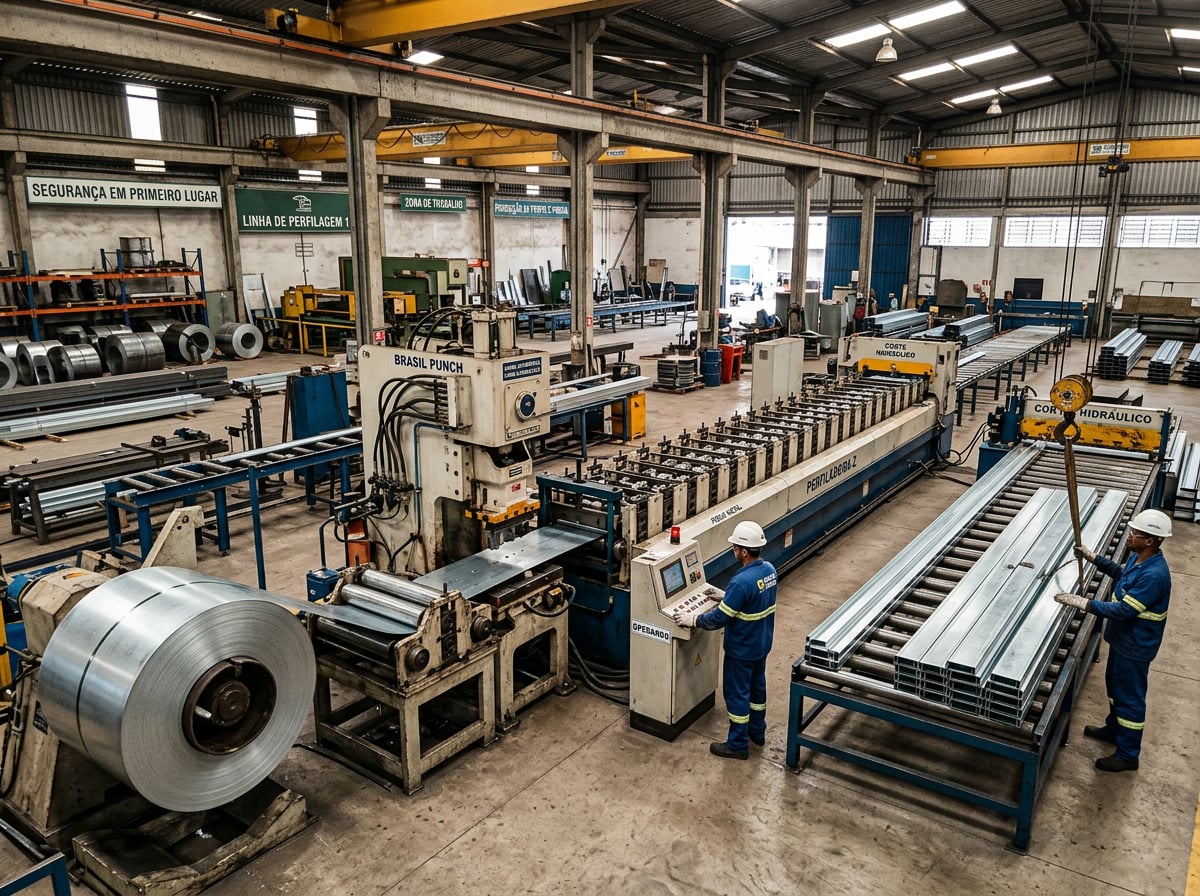
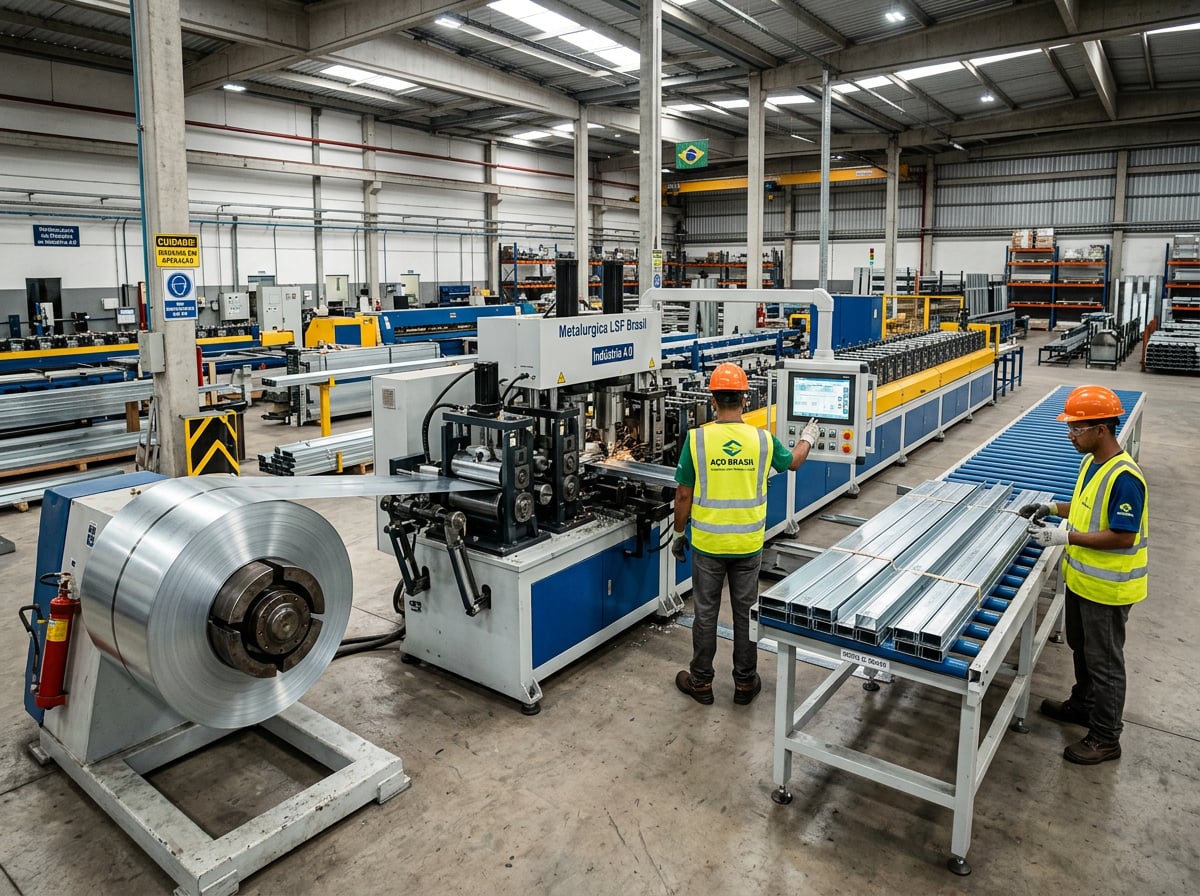
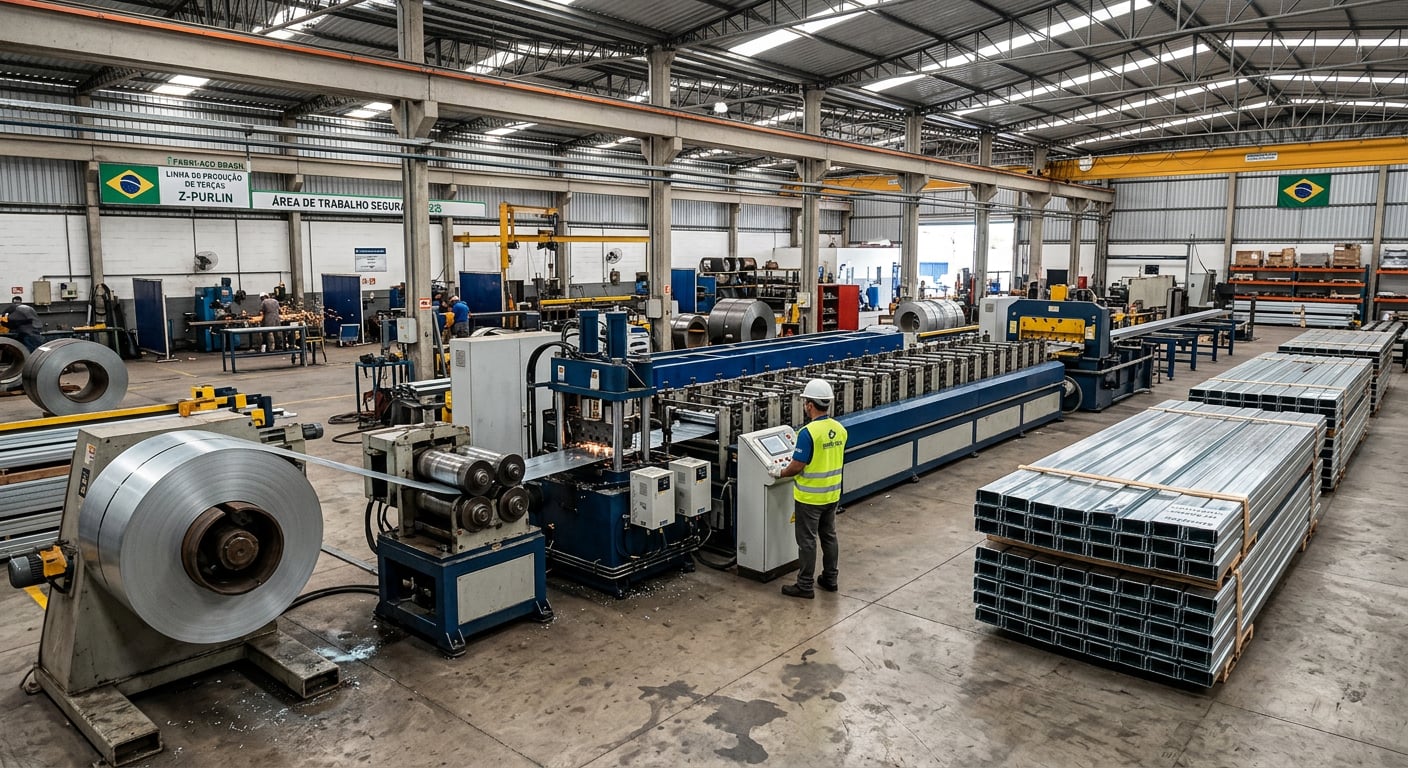
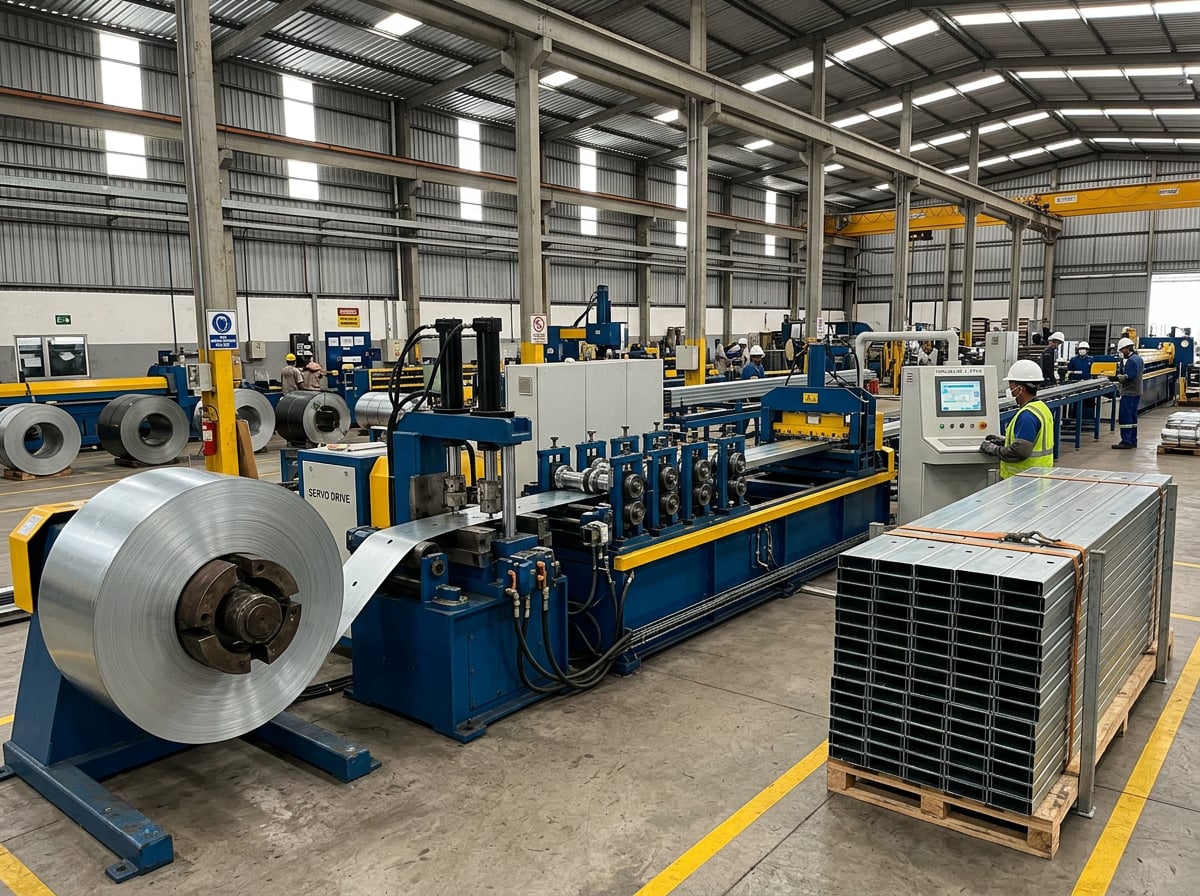
Composite floor deck roll forming machines are specialized lines designed to cold-form metal coils into profiled steel floor decks for concrete slabs in buildings. This automated process efficiently produces finished floor decks.
This comprehensive guide provides everything you need to know about composite floor deck roll forming equipment, including:
कम्पोजिट फ्लोर डेक रोल फॉर्मिंग का परिचय
Roll forming shapes flat strip steel through a series of progressive dies into trapezoidal, re-entrant or other profiles for composite floor decks.
लाभ:
- अत्यधिक कुशल निरंतर फॉर्मिंग
- Quality and uniformity of decks
- न्यूनतम सामग्री अपशिष्ट
- स्वचालित बड़े पैमाने पर उत्पादन
- Flexibility to change profiles
मुख्य घटक:
- कॉइल पेऑफ रील
- फीड रोलर
- फॉर्मिंग स्टेशन
- पंचिंग इकाई
- शीयरिंग कटऑफ
- नियंत्रण प्रणाली
Latest composite floor deck roll formers deliver robust performance, precision and reliability ideal for deck production.
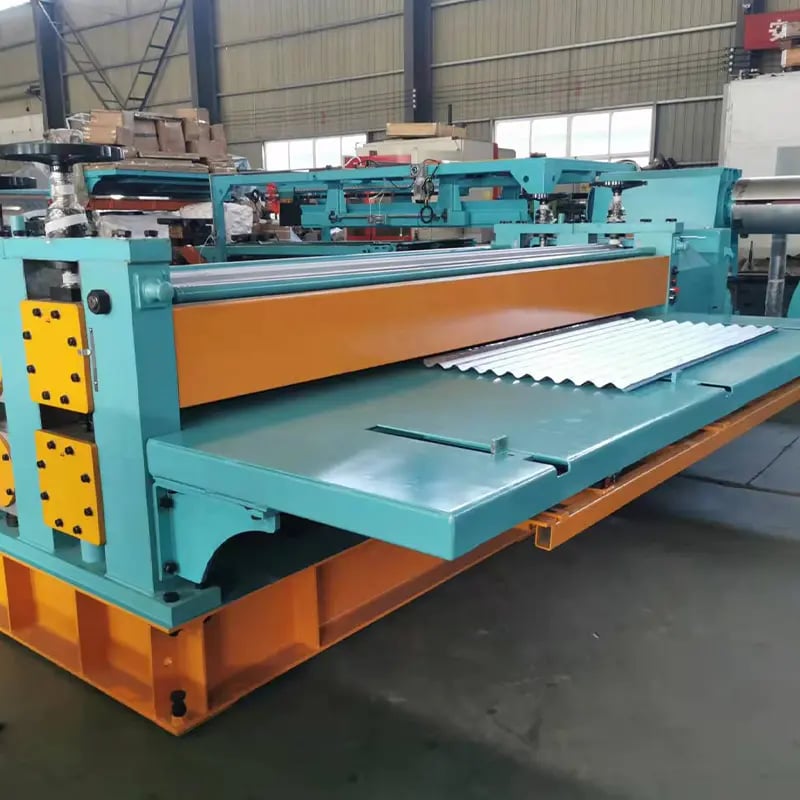
के प्रकार कंपोजिट फ्लोर डेक रोल फॉर्मिंग मशीन
Composite floor deck roll forming machines come in several configurations:
| प्रकार | विवरण |
|---|---|
| यांत्रिक | यांत्रिक ड्राइव वाली बुनियादी मशीनें |
| सर्वो-मोटर | उन्नत प्रोग्रामेबल सर्वो मोटर ड्राइव्स |
| पूर्णतः इलेक्ट्रिक | ऊर्जा-कुशल AC मोटर्स |
| हाइड्रॉलिक | हाइड्रोलिक पावर पैक्स द्वारा संचालित |
| स्वचालित | पूर्णतः स्वचालित इनफीड और कटऑफ |
| पोर्टेबल | कॉम्पैक्ट मोबाइल रोल फॉर्मर्स |
स्वचालित सुविधाओं वाले आधुनिक सर्वो-नियंत्रित रोल फॉर्मर्स सर्वोत्तम सटीकता और उत्पादकता प्रदान करते हैं।
उत्पादित फ्लोर डेक प्रोफाइल
Common profiles that can be roll formed include:
- Formlok – Re-entrant wide ribbed deck
- Multideck – Trapezoidal profile with intermediate ribs
- Regallok – Wider trapezoidal deck with re-entrant bottom
- Insulated Comdek – Foam-filled deck
- Curved decks – For special architectural designs
- Embossing – Aesthetic patterns
With quick die changeover, lines can be rapidly switched between different deck profiles.
उपयोग की जाने वाली फ्लोर डेक सामग्री
Common materials roll formed into composite floor decks:
- गैल्वनाइज्ड स्टील
- जिंक-लेपित स्टील
- प्री-पेंटेड स्टील
- स्टेनलेस स्टील
- Fibergrate – FRP deck
- एल्यूमिनियम
Steel offers the optimal combination of strength, weight, span capability and cost.
कम्पोजिट फ्लोर डेक रोल फॉर्मिंग प्रक्रिया
उत्पादन क्रम में शामिल हैं:
- Loading a steel coil into the feed system
- प्रगतिशील रोल फॉर्मिंग स्टेशनों के माध्यम से स्ट्रिप को फीड करना
- Gradually cold-forming the target deck profile
- Punching any required holes for utilities or installation
- Shearing the deck sheets to specified length
- Conveying finished deck sections for stacking
Automated servo-motor controls precisely coordinate material movement through the in-feed, forming, punching, shearing and exit conveyor for rapid production.
-
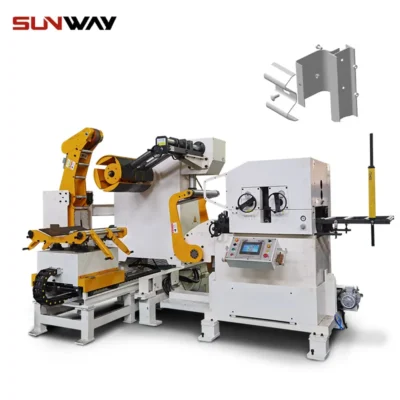 हाईवे गार्डरेल एंड टर्मिनल फॉर्मिंग मशीन अधिक पढ़ें
-
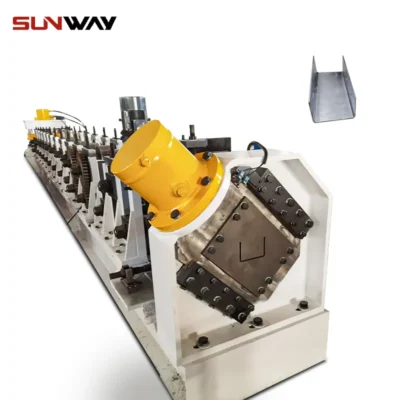 हाईवे U/C पोस्ट रोल फॉर्मिंग मशीन अधिक पढ़ें
-
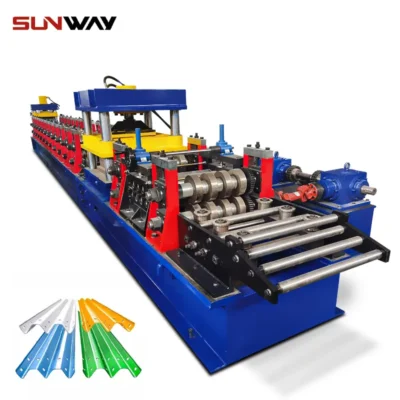 2 वेव्स हाईवे गार्डरेल रोल फॉर्मिंग मशीन अधिक पढ़ें
-
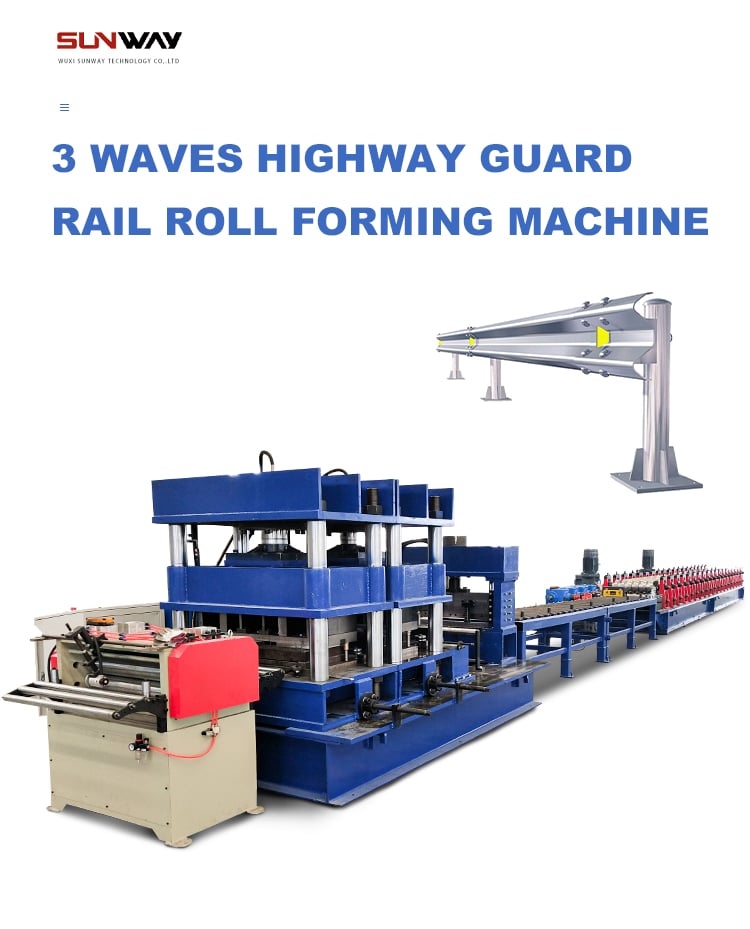
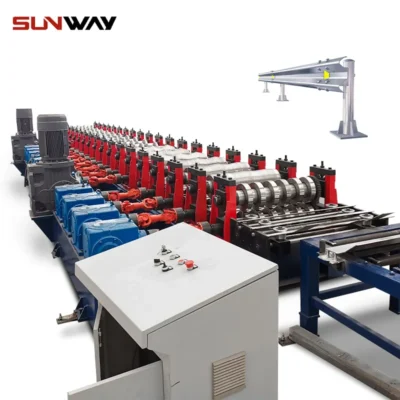 3 वेव्स हाईवे गार्डरेल रोल फॉर्मिंग मशीन अधिक पढ़ें
-
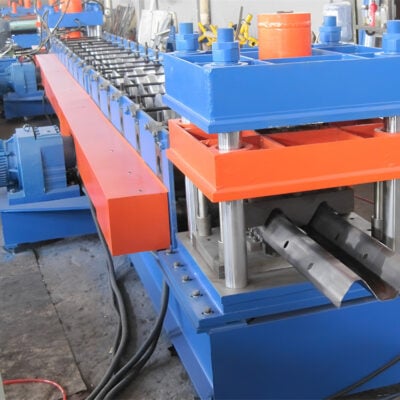 दो वेव हाईवे गार्डरेल मशीन अधिक पढ़ें
-
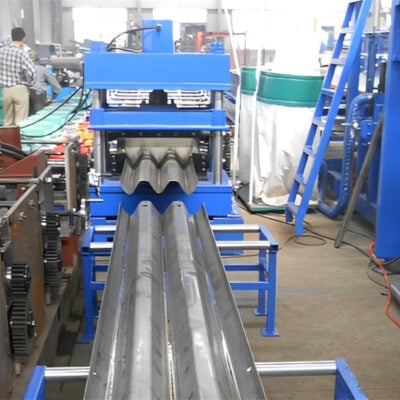 तीन वेव हाईवे गार्डरेल मशीन अधिक पढ़ें
कम्पोजिट फ्लोर डेक रोल फॉर्मर के विनिर्देश
सामान्य विनिर्देश अनुकूलित किए जा सकते हैं:
| पैरामीटर | सीमा |
|---|---|
| फॉर्मिंग गति | 10 – 30 m/min |
| स्ट्रिप की चौड़ाई | 600 – 1200 mm |
| मोटाई | 0.7 – 2 mm |
| Deck Height | 30 – 200 mm |
| रिब स्पेसिंग | 50 – 250 mm |
| शीट की लंबाई | 2 – 15 m |
| शक्ति | 15 – 50 kW |
| स्वचालन | मैनुअल से पूर्णतः स्वचालित |
Choosing appropriate strip parameters, deck dimensions and speed capacity is vital.
कम्पोजिट फ्लोर डेक के मानक
प्रमुख मानकों में शामिल हैं:
- ASCE 3-91 – Cold formed steel design standard
- ASTM A653 – Steel sheet Zinc-coated by hot dip process
- CAN S16 – Strength design / limit states design of steel structures
- ASCE 7 – Minimum design loads for buildings and structures
- SFA 9500 – Roll formed steel floor deck design manual
- FM Global – Factory Mutual – fire safety standards
Compliance is critical for performance, quality and fire safety.
कंपोजिट फ्लोर डेक रोल फॉर्मिंग मशीन निर्माता
Leading global manufacturers of floor deck roll forming lines include:
| कंपनी | स्थान | विवरण | मूल्य निर्धारण |
|---|---|---|---|
| Metform | USA | कस्टम उच्च क्षमता वाली लाइनें | $$ to $$$ |
| Behemoth | कनाडा | मजबूत हेवी-ड्यूटी लाइनें | $$ to $$$ |
| Zhongrui | चीन | किफायती मानक लाइनें | $ to $$ |
| Zeman | Czech | Advanced European lines | $$$ |
| Its | Korea | मूल्य-अनुकूलित लाइनें | $ to $$ |
मूल्य निर्धारण संबंधी विचार:
- उत्पादन गति और ऑटोमेशन
- लाइन की चौड़ाई क्षमता
- त्वरित चेंजओवर सुविधाएँ
- ब्रांड, गुणवत्ता और सहायता सेवाएँ
- विनिर्देशों का अनुकूलन
योग्य निर्माताओं के साथ साझेदारी करें, जो आपकी उत्पादन आवश्यकताओं के अनुरूप उचित रूप से इंजीनियर किए गए उपकरण प्रदान करते हों।
फ्लोर डेक लाइनों की खरीद के संबंध में विचारणीय बातें
Important factors when investing in composite floor deck roll forming equipment:
- Required deck specifications and profiles
- उत्पादन मात्रा और गति के लक्ष्य
- कॉइल स्टॉक के लिए चौड़ाई क्षमता
- Automation capabilities preferred
- Quick changeover functionality between profiles
- Precision, accuracy and reliability needs
- उपलब्ध उत्पादन स्थान और लेआउट
- विद्युत आपूर्ति आवश्यकताएँ
- ऑपरेटर कौशल स्तर
- निरंतर सेवा और सहायता
Clarifying key requirements will help identify appropriate roll former specifications and capabilities.
फ्लोर डेक रोल फॉर्मिंग मशीनों की स्थापना और संचालन
उचित स्थापना और संचालन प्रक्रियाओं में शामिल हैं:
- स्थिर, समतल और चिकनी नींव
- उपकरण के चारों ओर पर्याप्त स्थान
- स्टेशनों को सुरक्षित करना और संरेखण सत्यापित करना
- विद्युत, न्यूमैटिक और हाइड्रोलिक कनेक्शन
- सुरक्षा सुविधाओं और प्रोटोकॉल को एकीकृत करना
- प्रत्येक प्रोफाइल के लिए प्रोग्राम किया गया सेटअप और परीक्षण
- निवारक रखरखाव और स्नेहन
- सभी सुरक्षा प्रक्रियाओं का पालन करना
Thorough installation, commissioning and maintenance is key for maximizing production uptime and achieving a long service lifetime.
के लाभ कंपोजिट फ्लोर डेक रोल फॉर्मिंग मशीन
Key advantages over other forming methods:
- कॉइल से निरंतर उच्च गति उत्पादन
- Consistent and precision deck dimensions
- न्यूनतम सामग्री अपशिष्ट
- कम परिचालन लागत
- प्रोफाइल के बीच लचीला, त्वरित चेंजओवर
- Safer enclosed process than open sheet fabrication
- बड़ी मात्रा में उत्पादन के लिए आदर्श स्वचालित प्रक्रिया
- Deck integration possible with other prefab techniques
Roll forming provides an efficient and economical deck manufacturing method.
कम्पोजिट फ्लोर डेक रोल फॉर्मिंग की सीमाएँ
कुछ सीमाएं शामिल हैं:
- उच्च प्रारंभिक पूंजीगत व्यय
- ROI के लिए पर्याप्त उत्पादन मात्रा आवश्यक
- प्रत्येक प्रोफाइल के लिए समर्पित टूलिंग
- आकार संबंधी सीमाएँ – चौड़ाई, बेंड रेडियस आदि
- सामग्री की मोटाई और मजबूती की क्षमताएँ
- पंचिंग जैसे द्वितीयक संचालन आवश्यक हो सकते हैं
कम मात्रा के उत्पादन के लिए प्रेस ब्रेकिंग या स्टैम्पिंग जैसी अन्य प्रक्रियाएँ अधिक उपयुक्त हो सकती हैं।
रोल-फॉर्म्ड फ्लोर डेक्स का लागत विश्लेषण
- उपकरण – $100,000 से $750,000
- प्रति प्रोफाइल टूलिंग – $5,000 से $15,000
- सामग्री कॉइल – स्टील विनिर्देशों के आधार पर भिन्न
- संचालन लागत – श्रम, रखरखाव, उपयोगिताएँ
- परिशोधित उपकरण लागत – वार्षिक उत्पादन दर पर आधारित
- द्वितीयक प्रसंस्करण – Punching, stiffening etc.
- लॉजिस्टिक्स – Inbound coils, outbound deck delivery
High production levels provide lowest cost per square foot and rapid payback on equipment.
कम्पोजिट फ्लोर डेक रोल फॉर्मिंग का भविष्य का दृष्टिकोण
The future outlook for composite floor deck roll forming is positive:
- Ongoing construction industry growth worldwide
- मैनुअल निर्माण से स्वचालित लाइनों की ओर संक्रमण
- समय के साथ उपकरण लागत में कमी
- Increasing line speed, precision, efficiency and flexibility
- त्वरित-परिवर्तन टूलिंग, जो तेज़ चेंजओवर सक्षम करती है
- Tighter integration with upstream coil processing and downstream fabrication
- Overall market maturation and consolidation among manufacturers
With technology improvements, roll formed composite floor decks will continue gaining market share.
अक्सर पूछे जाने वाले प्रश्न
Q: What materials can be roll formed into floor decks?
A: Most commonly galvanized steel and zinc-coated steel coils. Other options include stainless steel, painted steel and aluminum.
Q: What thickness coils are typically formed into decks?
A: Standard thicknesses range from 0.7mm to 2mm. Maximum depends on equipment capacity.
Q: How long does it take to form each deck sheet?
A: On high speed lines producing 6m+ lengths, decks can be formed in under 1 minute.
Q: How are roll formed floor decks cut to length?
A: A shearing press built into the line cuts decks at the production speed.
Q: What expertise is required to operate a deck roll former?
A: मशीन ऑपरेटरों को प्रशिक्षण आवश्यक है। प्रोग्रामिंग, रखरखाव और समस्या निवारण के लिए कुशल तकनीशियन आवश्यक हैं।
Q: कौन से सुरक्षा उपकरण अनिवार्य हैं?
A: गार्ड, e-stops, इंटरलॉक्स, स्वचालित शटडाउन और कठोर संचालन प्रक्रियाएँ।
Q: How much does a composite floor deck roll forming line cost?
A: उत्पादन गति, चौड़ाई, ऑटोमेशन स्तर और सुविधाओं के आधार पर उपकरण की लागत $100k से $750k+ तक होती है।
Q: How much does tooling cost for each deck profile?
A: रोल फॉर्मिंग टूलिंग की लागत आकार और जटिलता के आधार पर आमतौर पर प्रति प्रोफाइल सेट $5k से $15k होती है।
प्रश्न: प्रोफाइलों के बीच चेंजओवर करने में कितना समय लगता है?
A: त्वरित-परिवर्तन टूलिंग के साथ, प्रोफाइल चेंजओवर में आमतौर पर 15-45 मिनट लगते हैं।
Q: Can custom deck profiles be produced?
A: Yes, custom tooling allows production of specialized proprietary deck designs.
रोल फॉर्मिंग के बारे में अधिक जानें
अक्सर पूछे जाने वाले प्रश्न (FAQ)
1) What line speed should I target for a Composite Floor Deck Roll Forming Machine?
- For 0.9–1.2 mm galvanized steel and standard trapezoidal decks, 20–35 m/min is typical. Heavier gauges (≥1.5 mm) or dense embossing/punching may reduce effective speed to 12–20 m/min.
2) How do embossing and shear stud interaction affect deck design?
- Embossing height, pitch, and orientation increase mechanical interlock with concrete and improve shear bond. Verify emboss geometry is compatible with the project’s stud type and local composite slab design code (e.g., AISC/ASCE provisions).
3) What PLC/controls features matter most for accuracy?
- Servo length control with high-resolution encoder, flying shear synchronization, tool recipe storage, automatic roll gap presets by gauge, and closed-loop tension control between decoiler and entry guide. These deliver ±0.8–1.5 mm length tolerance at 6 m.
4) Can one machine handle both re-entrant and trapezoidal deck profiles?
- Yes, with cassette-style quick-change tooling and adjustable side guides. Plan for separate roll sets and sometimes distinct punching dies. Changeovers of 20–45 minutes are achievable with modern cassettes.
5) What standards should my finished decks comply with?
- Common references include ASTM A653/A792 (substrates), AISI S100 and AISI DDM for cold-formed design, ASCE 7 loads, FM Global approvals for fire, and project-specific shear bond/diaphragm testing per ICC-ES or local approvals. Always confirm with the structural engineer of record.
2025 उद्योग रुझान
- Servo electrification: All-electric cutoffs and servo roll positioning reduce hydraulic maintenance and improve repeatability for composite deck lines.
- Inline QC analytics: Laser width/camber scanning and emboss depth measurement tied to SPC cut scrap 30–50% in high-mix plants.
- High-strength substrates: Wider adoption of ZM (zinc-magnesium) coated steel and higher yield strengths (≥550 MPa) for longer spans with thinner gauges.
- Digital traceability: OPC UA/MQTT connectivity sends coil ID, profile recipe, and lot data to MES/ERP for slab pour documentation.
- Sustainability: Buyers specify EPD-backed steel and low-VOC coatings; energy-optimized drives reduce kWh/ton.
कम्पोजिट फ्लोर डेक रोल फॉर्मिंग के लिए 2025 प्रदर्शन बेंचमार्क
| मीट्रिक | 2022 सामान्य | 2025 सर्वश्रेष्ठ-इन-क्लास | टिप्पणियाँ/सहायक कारक |
|---|---|---|---|
| Line speed (trapezoidal, m/min) | 18–28 | 30–40 | सर्वो फ्लाइंग शीयर; अनुकूलित पास शेड्यूल |
| 6 m पर लंबाई सहनशीलता (± mm) | 2.0 | 0.8–1.2 | High-res encoder; thermal compensation |
| Changeover (cassette, min) | 60–120 | 20–35 | Digital presets; quick couplings |
| स्टार्टअप स्क्रैप (%) | 2.0–3.0 | 0.8–1.5 | Inline laser + recipe control |
| ऊर्जा उपयोग (kWh/1,000 m) | 80–110 | 55–75 | IE4 motors; VFDs; smart idle |
| Paint/galv surface defect rate (ppm) | 900–1200 | 250–500 | Low-marking rolls; tension control |
| Inline punch-to-cut sync error (ms) | 12–20 | 5–10 | Servo press; predictive sync |
Selected references and resources:
- ASTM A653/A792: https://www.astm.org
- AISI S100 कोल्ड-फॉर्म्ड स्टील विनिर्देश: https://www.buildusingsteel.org
- FM Approvals for roof/floor deck assemblies: https://www.fmglobal.com
- OPC Foundation (OPC UA): https://opcfoundation.org
- U.S. DOE Advanced Manufacturing (motor/drive efficiency): https://www.energy.gov/eere/amo
नवीनतम अनुसंधान मामले
Case Study 1: Inline Laser Metrology Cuts Scrap on Re-entrant Decks (2025)
Background: A North American fabricator producing 1.0–1.2 mm galvanized re-entrant decks faced 2.7% scrap due to width drift and emboss inconsistency.
Solution: Installed dual-head laser width/camber scanners, added emboss depth gauges, and linked SPC alarms to automatic roll gap trim on stands 3–6. Upgraded encoder to 1 μm resolution and implemented servo flying shear.
Results: Scrap reduced to 1.1%; length CpK improved from 1.20 to 1.75; changeover time dropped from 62 to 34 minutes; energy per 1,000 m fell 18%.
Case Study 2: High-Strength ZM-Coated Deck for Longer Spans (2024)
Background: Developer sought weight reduction for multi-story parking decks without losing span capability.
Solution: Switched from 1.2 mm AZ-coated 350 MPa steel to 1.0 mm ZM-coated 550 MPa steel; retuned roll passes and crowned low-marking rolls; validated composite action with diaphragm and shear bond tests.
Results: Deck self-weight reduced ~17%; allowable unshored span increased 8–10% depending on bay; corrosion resistance met project spec; throughput maintained at 28–32 m/min.
विशेषज्ञों की राय
- Dr. Emily Hart, PE, Structural Engineer, Walter P Moore
- “For composite slabs, consistent emboss geometry and verified shear bond testing are as critical as steel grade. Shops should document lot-level deck properties for the engineer’s submittal.”
- Mark Redding, Automation Manager, The Bradbury Group
- “In 2025, connecting the roll former PLC via OPC UA and adding inline lasers is the fastest route to <1.5% scrap while holding ±1 mm length tolerance on 6 m decks.”
- Hiro Tanaka, Product Director, NIdeco Industrial Drives
- “IE4 motors with regenerative drives can trim energy per 1,000 meters by 15–25% on stop/start duty cycles—real money on high-volume composite floor deck lines.”
व्यावहारिक उपकरण/संसाधन
- UBECO PROFIL (roll design for trapezoidal/re-entrant decks): https://www.ubeco.com
- COPRA RF / COPRA ProfileScan (roll design + inline profile measurement): https://www.datam.de
- AISI कोल्ड-फॉर्म्ड स्टील डिजाइन संसाधन: https://www.buildusingsteel.org
- FM Approvals Roof and Floor Deck Listings: https://approvalguide.com
- NIST Engineering Statistics Handbook (SPC for process capability): https://www.itl.nist.gov/div898/handbook
- DOE Motor Systems Tool and VFD guidance: https://www.energy.gov/eere/amo
- ICC Evaluation Service (ICC-ES reports on composite deck products): https://icc-es.org
Note: Validate machine specs against your target profiles, gauges, coil width, and required approvals (FM/ICC-ES). Request FAT/SAT with your coil and require documented length/width/camber and emboss measurements.
अंतिम अपडेट: 2025-10-21
परिवर्तन-लेख: Added 5 FAQs; inserted 2025 trends with KPI table and sources; provided 2 recent case studies; included expert viewpoints; compiled practical tools/resources with authoritative links
अगली समीक्षा तिथि और ट्रिगर: 2026-04-21 or earlier if ASTM/AISI/FMn approvals update, major OEMs release new servo cassette systems, or DOE efficiency guidance changes