Introduction
Garage doors are essential components of residential and commercial properties, providing security, insulation, and aesthetics. The manufacturing process for garage doors has evolved significantly over the years, thanks to innovative technologies such as the garage door roll forming machine. This article delves into the world of garage door roll forming machines, exploring their functionality, benefits, types, maintenance, safety, troubleshooting, and future prospects.
What is a Garage Door Roll Forming Machine?
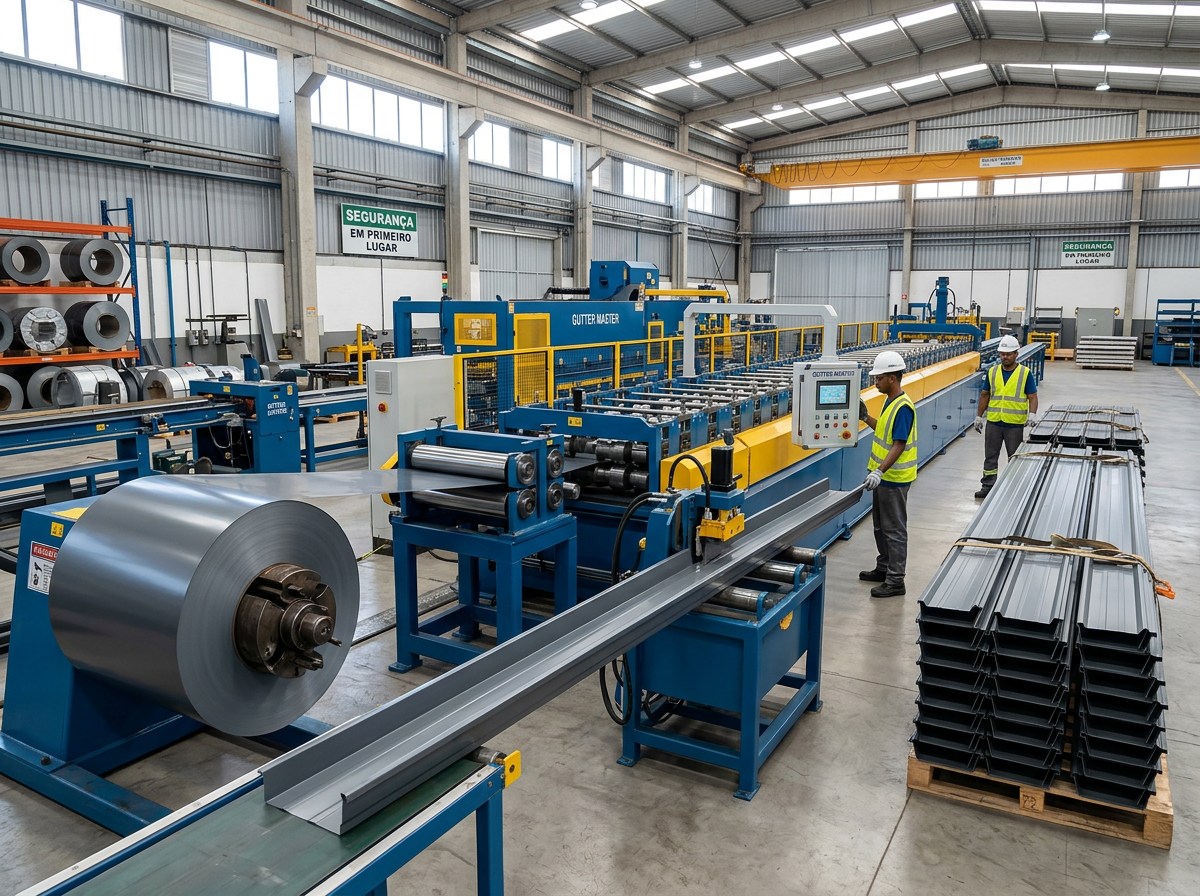
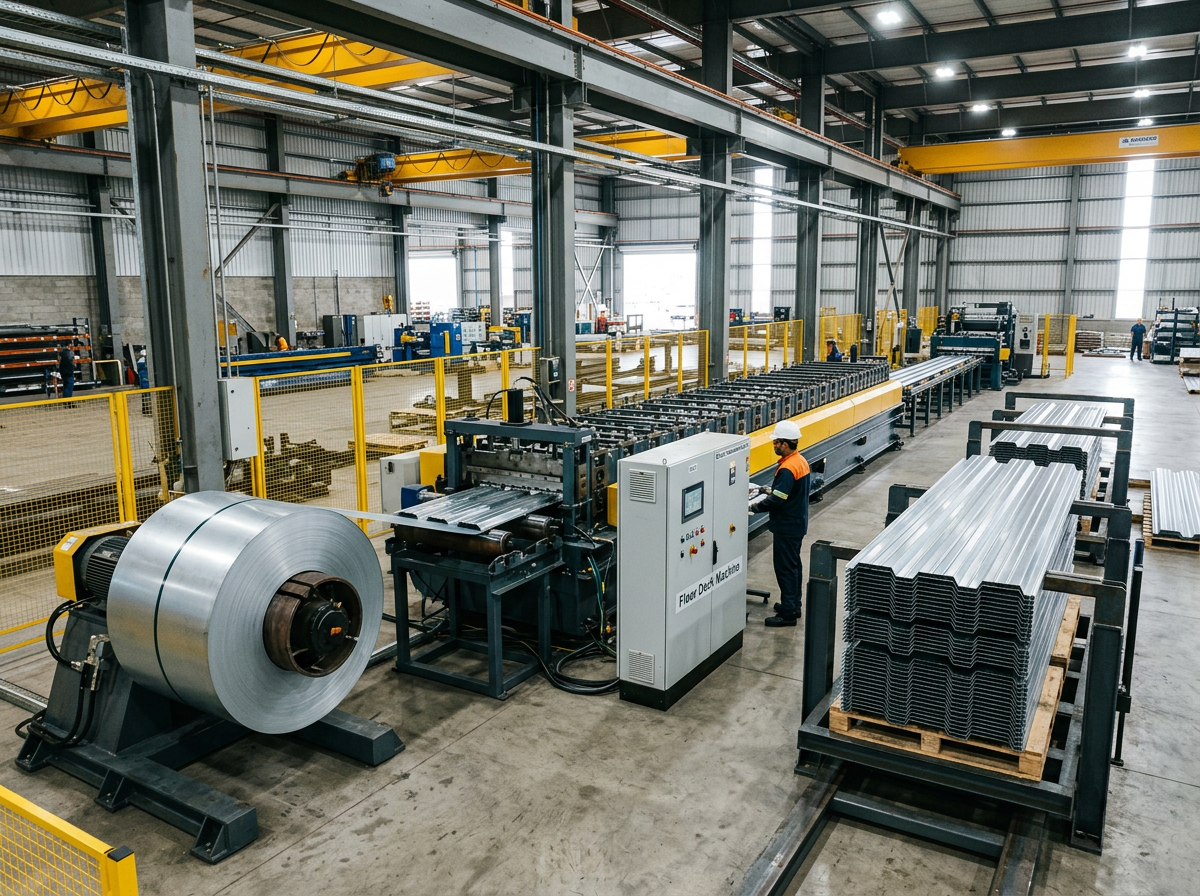
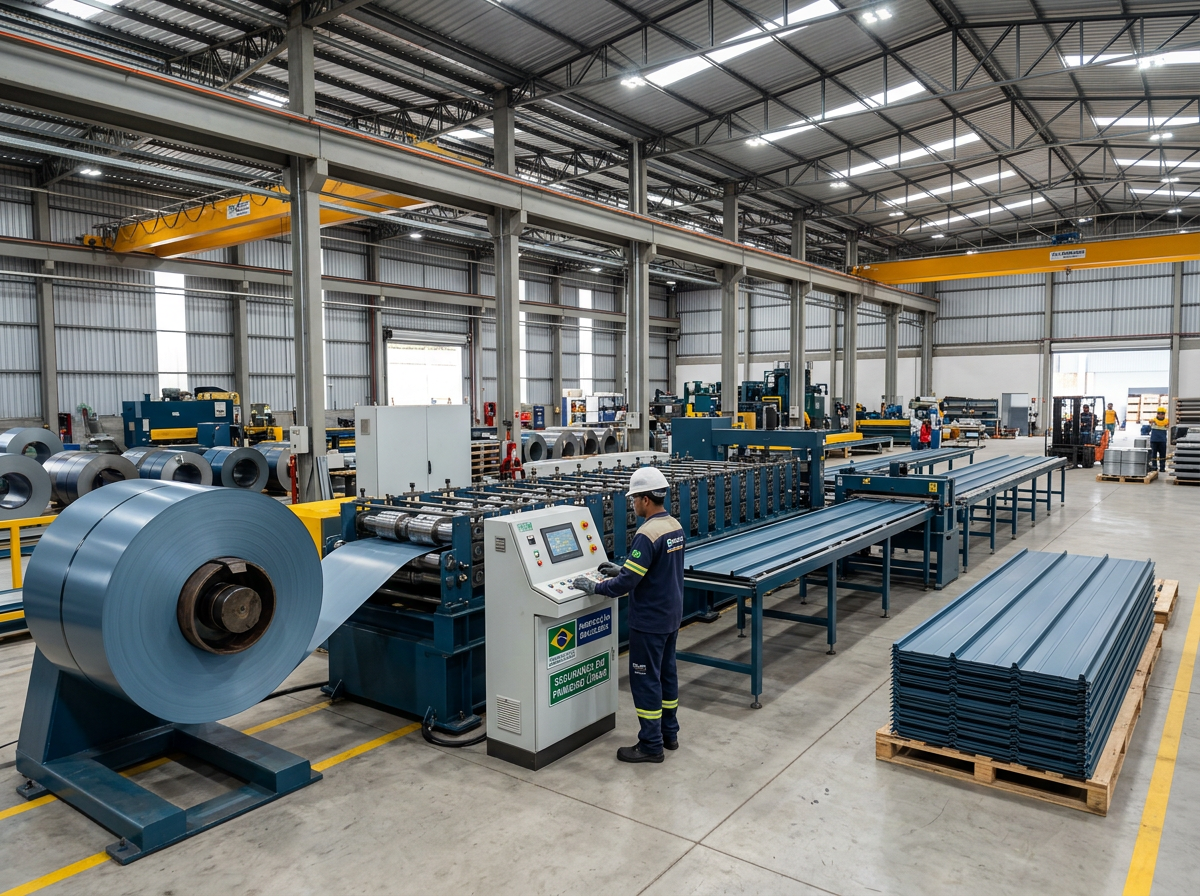
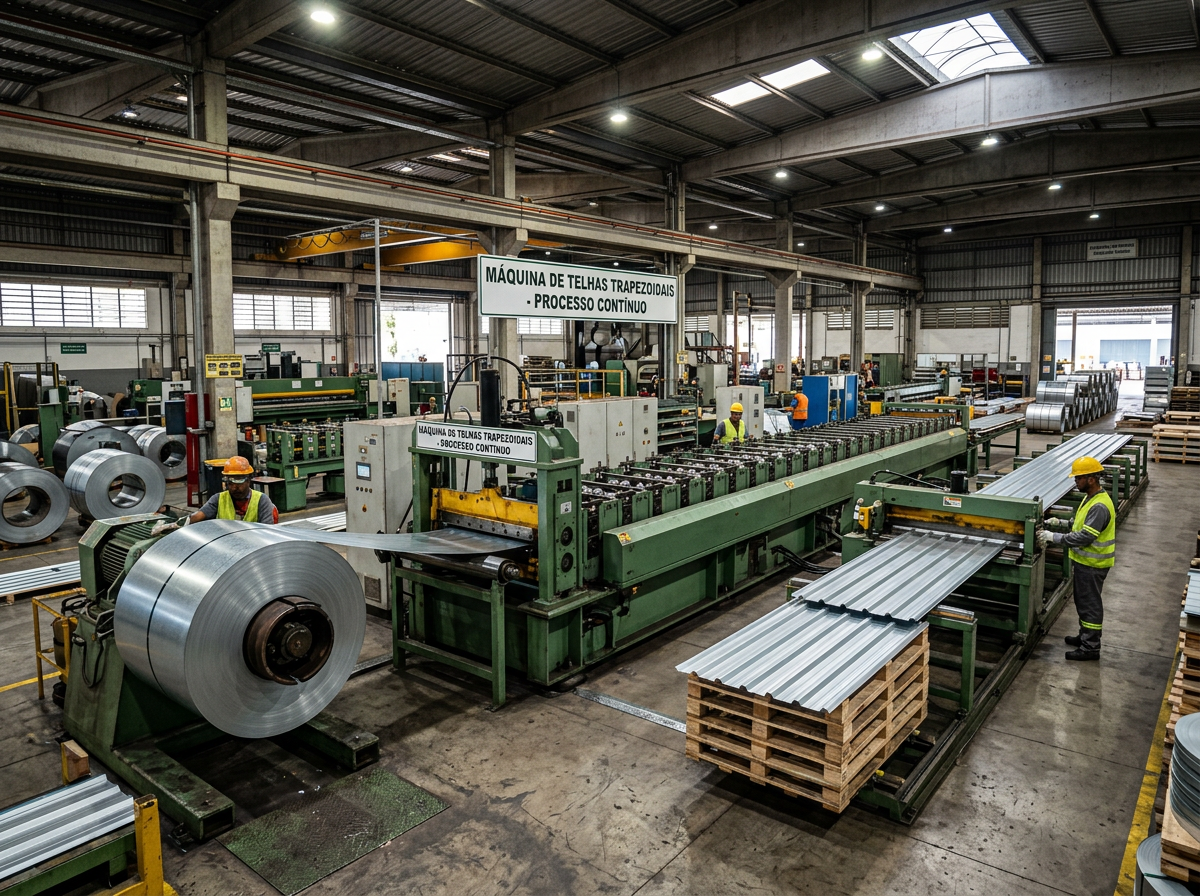
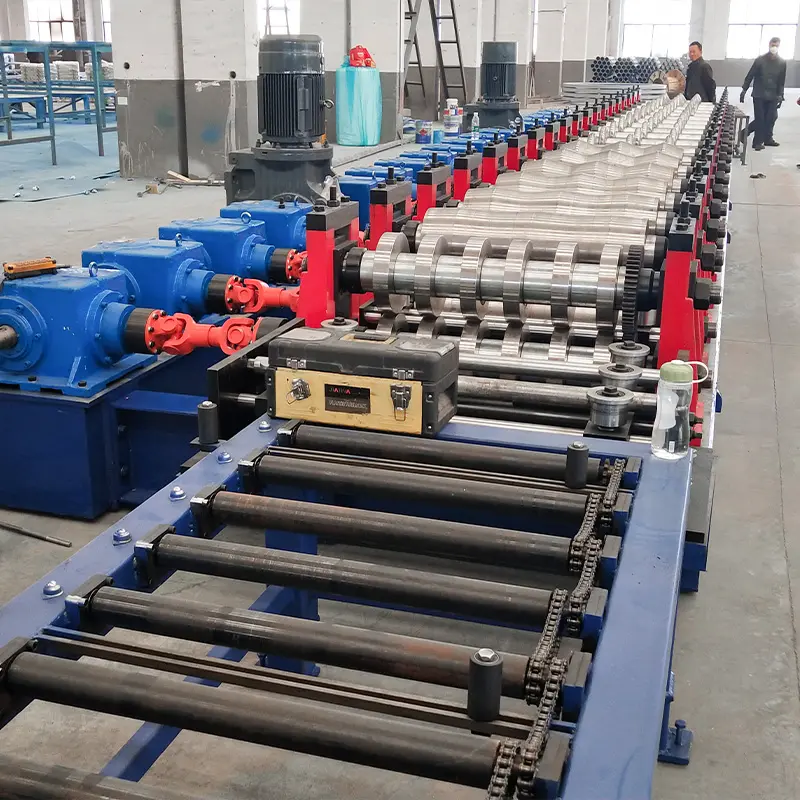
A garage door roll forming machine is a specialized piece of equipment designed to produce garage door panels and sections with precise and consistent shapes. It streamlines the door manufacturing process by converting flat metal coils into perfectly shaped profiles. The machine’s roll forming process is highly automated, ensuring efficiency and accuracy throughout production.
How Does a Garage Door Roll Forming Machine Work?
Feeding and Straightening
The process begins with feeding the metal coil into the machine. The coil goes through a straightening unit, which eliminates any bends or deformities, ensuring a smooth flow through the roll forming stages.
Roll Forming
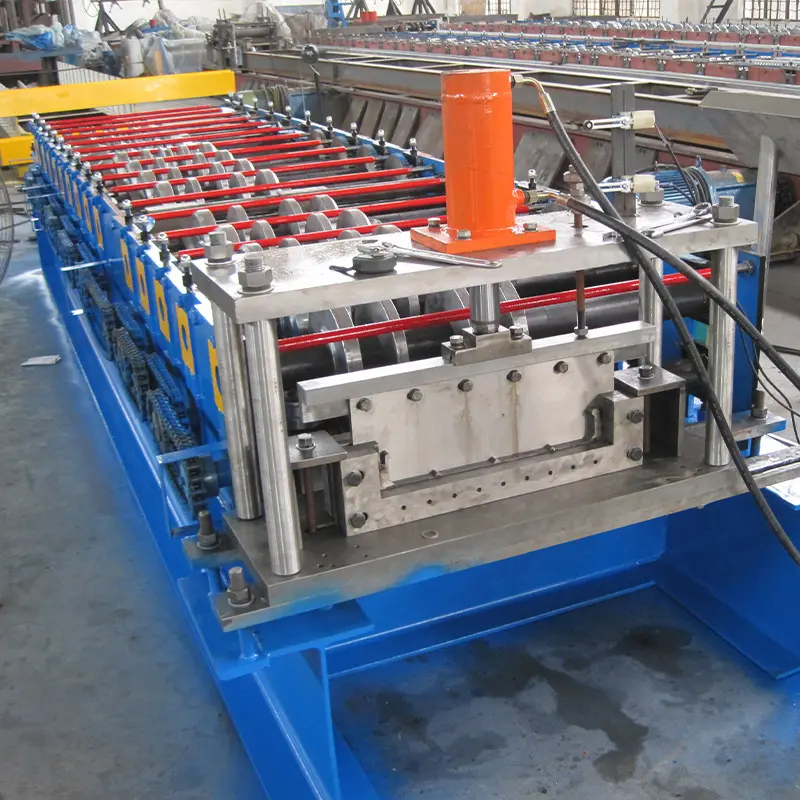
The heart of the garage door roll forming machine lies in the roll forming stations. These stations use a series of rollers to progressively shape the metal into the desired profile. Each station performs a specific bending or shaping operation until the complete profile is achieved.
Cutting
Once the profile is formed, the machine employs a cutting mechanism to separate the continuous profile into individual panels of the required length.
Stacking
The final step involves stacking the finished panels, ready for further processing or packaging.
Benefits of Using a Garage Door Roll Forming Machine
The adoption of a garage door roll forming machine offers numerous advantages for manufacturers:
Cost-Effectiveness
Garage door roll forming machines can significantly reduce labor costs and material waste, making them a cost-effective choice for high-volume production.
Efficiency and Productivity
The automated nature of these machines ensures a faster production process and increased productivity compared to traditional manufacturing methods.
Customization Options
Manufacturers can easily adjust the roll forming process to create various garage door designs and sizes, meeting customer-specific requirements.
Durability and Strength
The roll forming process enhances the structural integrity of the garage door panels, making them durable and strong, capable of withstanding various weather conditions.
Space-saving Design
Garage door roll forming machines have a compact design, occupying minimal floor space in the production facility.
Types of Garage Door Roll Forming Machines
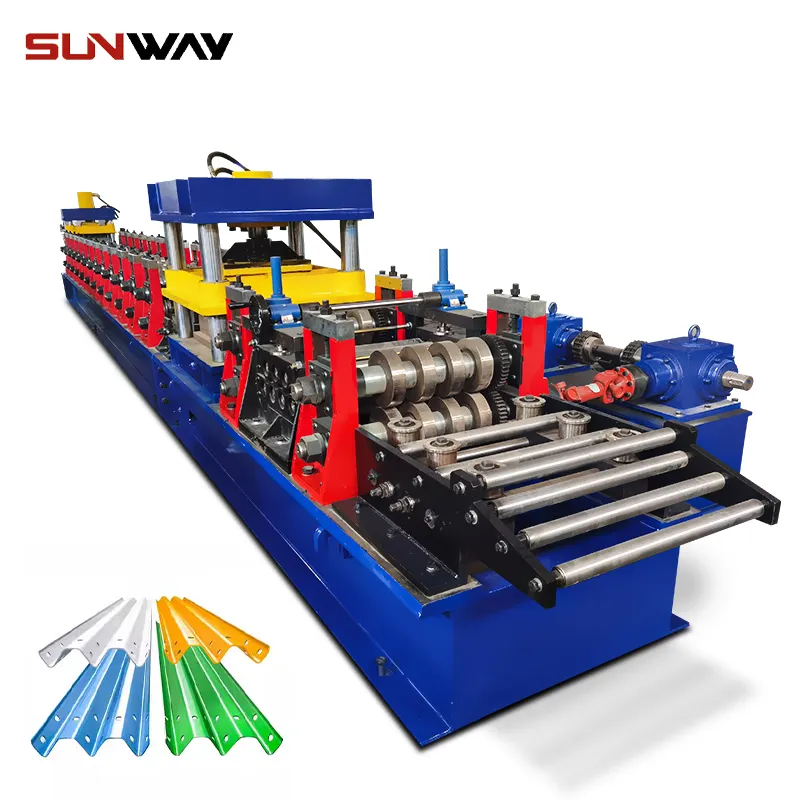
There are several types of garage door roll forming machines available, catering to different manufacturing needs:
Single Layer Garage Door Roll Forming Machine
This type of machine produces single-layer garage door panels and is suitable for standard residential applications.
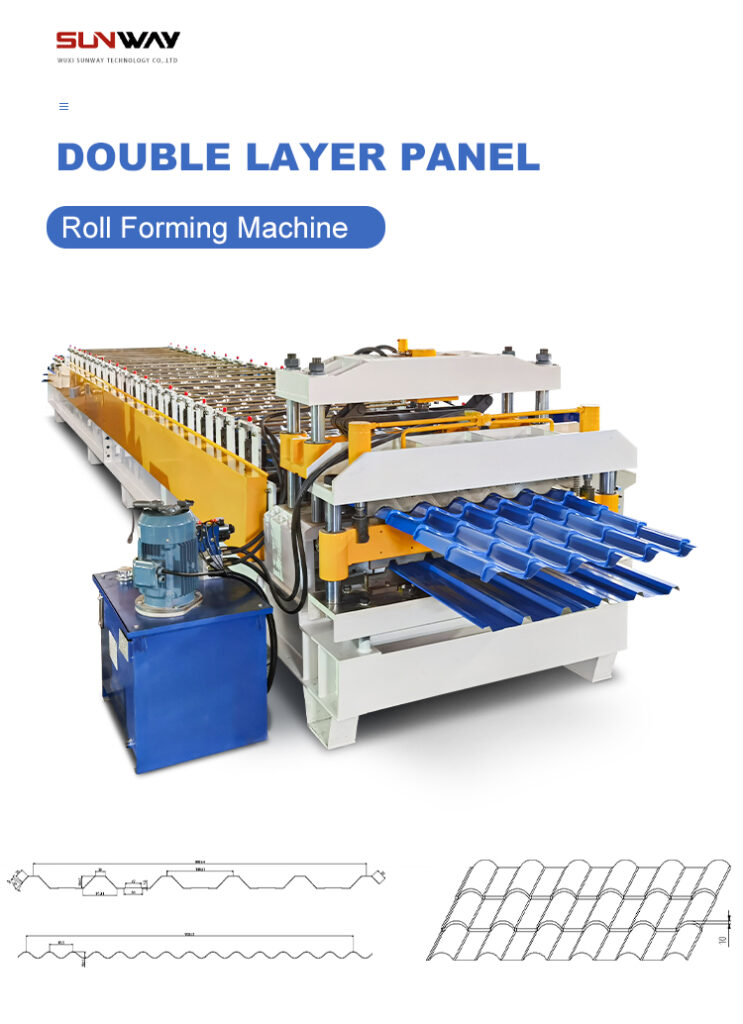
Double Layer Garage Door Roll Forming Machine
For increased insulation and sturdiness, the double layer roll forming machine creates garage door panels with two layers of metal, ideal for commercial and industrial use.
Automatic Garage Door Roll Forming Machine
Automatic machines offer enhanced efficiency by reducing manual intervention, ensuring smoother operations and faster production.
Choosing the Right Garage Door Roll Forming Machine
When selecting a garage door roll forming machine, several factors must be considered:
Material Compatibility
Ensure that the machine can work with the specific metal or material required for your garage door panels.
Production Capacity
Evaluate the machine’s production capacity to meet your manufacturing demands.
Machine Size and Space Requirements
Consider the available floor space in your facility and choose a machine that fits appropriately.
Budget Considerations
Set a budget and select a machine that aligns with your financial constraints while meeting quality standards.
Maintenance and Care for Garage Door Roll Forming Machines
Proper maintenance is crucial to ensure the longevity and optimal performance of the machine:
Regular Inspections and Cleaning
Frequent inspections and cleaning prevent dust and debris buildup, preserving the machine’s functionality.
Lubrication
Applying lubricants to moving parts reduces friction and wear, maintaining smooth operation.
Component Replacement and Repair
Promptly replace or repair any damaged or worn-out components to prevent further issues.
Safety Precautions when Operating a Garage Door Roll Forming Machine
Safety is paramount in the operation of any machinery, and the same applies to garage door roll forming machines:
Operator Training
Ensure operators are well-trained and knowledgeable in using the machine safely and efficiently.
Machine Guarding
Implement appropriate safety guards to protect operators from potential hazards during production.
Emergency Stop Features
Install emergency stop features that allow immediate shutdown of the machine in case of emergencies, minimizing the risk of accidents.
Electrical Safety
Adhere to electrical safety guidelines and use proper grounding to prevent electrical hazards during operation.
Common Quality Issues and Troubleshooting
Despite the efficiency of garage door roll forming machines, some quality issues may arise. Here are common problems and their troubleshooting:
Uneven Roll Forming
Check for misalignment or wear in the roll forming stations and adjust or replace rollers as needed.
Material Jamming
Ensure the material feeding system is working smoothly and free of any obstructions.
Inaccurate Cutting
Calibrate the cutting mechanism to ensure precise and consistent cuts.
Excessive Noise or Vibration
Inspect and tighten all connections and components to reduce noise and vibration during operation.
Innovations and Trends in Garage Door Roll Forming Technology
The world of garage door manufacturing is constantly evolving, with innovative technologies shaping the future:
Smart Automation
Integration of smart automation and AI technologies enables real-time monitoring and optimization of production processes.
Integration with CAD/CAM Software
Seamless integration with Computer-Aided Design (CAD) and Computer-Aided Manufacturing (CAM) software streamlines the design-to-production workflow.
Sustainable Materials and Processes
Growing environmental consciousness drives the adoption of eco-friendly materials and energy-efficient manufacturing processes.
Applications of Garage Door Roll Forming Machines
Garage door roll forming machines find applications in various sectors:
Residential Garage Doors
These machines cater to the production of residential garage door panels, available in different designs and sizes.
Commercial and Industrial Doors
For businesses and industries, roll forming machines produce robust and insulated garage door panels suitable for commercial applications.
Future Outlook and Potential Challenges
The future of garage door roll forming machines is promising, but challenges may arise:
Market Growth
The demand for garage doors and roll forming machines is expected to grow with the construction industry’s expansion.
Environmental Regulations
Stricter environmental regulations may influence material choices and manufacturing processes.
Competition and Technological Advancements
Manufacturers must stay competitive by embracing emerging technologies and continuous improvement.
Conclusion
Garage door roll forming machines have revolutionized the garage door manufacturing process, offering efficiency, precision, and customization. These machines have become indispensable in meeting the increasing demand for high-quality garage doors. From cost-effectiveness to innovation, they play a vital role in shaping the future of the industry.
FAQ
1. What materials can be used with a garage door roll forming machine?
Garage door roll forming machines can work with various materials, including steel, aluminum, and galvanized steel.
2. How long does it take to set up and change the machine for different door sizes?
The setup time depends on the complexity of the door design and the operator’s experience. Generally, it takes a few hours to set up the machine for a new door size.
3. Can a garage door roll forming machine produce insulated doors?
Yes, certain garage door roll forming machines can produce insulated doors with double-layer profiles.
4. What maintenance is required for a garage door roll forming machine?
Regular inspections, cleaning, and lubrication are essential for maintaining a garage door roll forming machine’s optimal performance.
5. Are there any safety certifications required for these machines?
It’s essential to comply with local safety regulations and obtain necessary safety certifications to ensure the safe operation of the garage door roll forming machine.
Frequently Asked Questions (FAQ)
1) What profile tolerances are typical for garage door roll formed sections?
- For residential steel panels, common tolerances are ±0.5–0.8 mm on critical widths and ±0.3–0.7 mm on cut length, depending on line speed and shear type. Industrial door tracks and stiles may hold ±0.3–0.5 mm with servo flying shear and encoder feedback.
2) Can one line produce both insulated (double-skin) and single-skin garage door panels?
- Yes. Many garage door roll forming machines support quick-change cassettes and dual recipes to produce single-skin skins, inner liners, and outer skins for foam-in-place (FIP) insulated doors. You’ll still need downstream PU/PIR foaming or EPS lamination.
3) How do I prevent paint marring on pre-painted coils?
- Use low-friction polyurethane or nitrile support rolls where applicable, maintain roll surface finish Ra ≤ 0.4 μm, control line tension, keep guards clean, and add felt wipers. Inline vision can detect scuffing early.
4) What is a realistic line speed for embossed or woodgrain-finish garage door panels?
- Embossed/woodgrain coils often run slower to protect the finish and maintain depth fidelity: 12–25 m/min is typical, versus 25–45 m/min for plain trapezoidal skins.
5) Which safety standards apply to garage door roll forming machines?
- New lines increasingly comply with ISO 13849-1 (PL d/e) for safety-related parts, IEC 60204-1 for electrical safety, and OSHA/CE/UL requirements by region. Confirm safety PLC, dual-channel e-stops, light curtains, and interlocked guards.
2025 Industry Trends for Garage Door Roll Forming Machines
- Electrification and efficiency: More all-electric actuators and regenerative drives reduce energy per ton and oil-related maintenance.
- Smart changeovers: Barcode/QR recipe loading and servo roll-gap control cut setup time by 30–50% in high-mix garages (panel skins, stiles, tracks).
- Inline quality assurance: Laser/vision systems check rib alignment, emboss fidelity, cut length, and edge quality in real time with SPC dashboards.
- Sustainable materials: Growing use of higher recycled-content galvanized and pre-painted steels; aluminum adoption rises in coastal markets for corrosion resistance.
- Thermal performance push: Profiles optimized for foam adhesion and thermal breaks to meet 2024/2025 building energy codes (IECC, Title 24 updates).
- Safety and compliance: Wider adoption of ISO 13849-1 PL d/e, lockout-tagout-ready designs, and integrated risk assessment documentation.
2025 Data Snapshot (Global Averages)
| Metric | 2022 Typical | 2025 सर्वश्रेष्ठ-इन-क्लास | Impact on Garage Door Roll Forming Machines | Source |
|---|---|---|---|---|
| Changeover time (cassette + recipe) | 40–60 min | 18–30 min | Higher OEE for mixed SKUs (skins, stiles, tracks) | OEM brochures: Bradbury, Samco, Dallan; FFJournal |
| Cut length accuracy (servo flying shear) | ±1.0–1.2 mm | ±0.3–0.6 mm | Fewer on-site fit issues and scrap | ASTM A924 guidance; OEM datasheets |
| Energy intensity (kWh/ton, pre-painted steel) | 130–170 | 105–135 | Lower OPEX, smaller HVAC load | Siemens/ABB application notes |
| Inline vision/laser QA adoption (new lines) | ~30% | 55–65% | Early defect detection (scuffing, waviness) | Keyence, Micro-Epsilon |
| Max speed plain profiles | 25–40 m/min | 40–60 m/min | Throughput gains for single-skin panels | OEM specs |
| Safety compliance (ISO 13849-1 PL d/e) | Emerging | Common | Easier audits, lower risk profile | ISO/IEC documents |
References and further reading:
- ASTM A653/A755/A924 standards: https://www.astm.org
- ISO 13849-1 Safety of machinery: https://www.iso.org
- International Energy Conservation Code (IECC) 2024: https://www.iccsafe.org
- World Steel Association (materials, recycling): https://worldsteel.org
- Siemens Energy Efficiency in Motion Control: https://new.siemens.com
- ABB Motion Drives: https://new.abb.com/drives
- Keyence Inline Inspection: https://www.keyence.com
- Micro-Epsilon Metrology: https://www.micro-epsilon.com
नवीनतम अनुसंधान मामले
Case Study 1: Reducing Setup Time for Mixed Garage Door SKUs (2025)
Background: A North American door manufacturer ran daily changeovers among single-skin, double-skin outer skins, and track profiles, causing downtime and scrap.
Solution: Implemented barcode-driven PLC recipes, servo roll-gap actuators, quick-change cassettes, and inline vision for rib geometry and cut-length verification.
Results: Changeover decreased from 52 to 24 minutes; first-pass yield improved from 96.2% to 98.6%; scrap reduced by 38%; energy/ton fell 12%.
Case Study 2: Surface Quality Assurance on Pre-painted Woodgrain Panels (2024)
Background: An EU producer received finish complaints (micro-scratches, gloss variance) on embossed woodgrain panels.
Solution: Upgraded to polished rolls (Ra ≤ 0.3 μm), added felt wipers and anti-scratch idlers, plus high-resolution line-scan cameras with SPC.
Results: Customer complaints dropped 61% in 6 months; rework decreased 35%; sustained speed at 20 m/min without finish defects increase.
विशेषज्ञों की राय
- Elena Rossi, Director of Product Engineering, Dallan SpA
“Garage door lines benefit most from digital recipe management and servo gap control—especially when alternating between embossed and plain coils where tension windows are narrow.” - Michael Chen, Senior Applications Engineer, Bradbury Group
“For insulated doors, profile design that promotes foam adhesion and minimizes thermal bridging can be as impactful as raw line speed in meeting 2025 energy code targets.” - Dr. Laura Gómez, Materials Scientist, World Steel Association
“Higher recycled-content galvanized steels now meet stringent formability and surface requirements for roll formed door skins, supporting both sustainability and performance.”
व्यावहारिक उपकरण/संसाधन
- Roll design and simulation:
- COPRA RF (Datam): https://www.datam.de
- Altair Inspire/Forming: https://www.altair.com
- Standards and codes:
- ASTM A653/A755/A924: https://www.astm.org
- IECC 2024 energy code (garage doors/thermal): https://www.iccsafe.org
- Inline QA and measurement:
- Keyence vision systems: https://www.keyence.com
- Micro-Epsilon profile sensors: https://www.micro-epsilon.com
- Maintenance/operations software:
- Fiix CMMS: https://www.fiixsoftware.com
- UpKeep CMMS: https://www.onupkeep.com
Implementation tip: Before purchase, run a witnessed FAT on your specific coils (pre-painted, embossed, galvanized) and profiles (skins, stiles, tracks). Verify cut-length accuracy, cosmetic quality, rib depth, side-lap fit, and OEE at target speeds; retain SPC logs as your baseline.
अंतिम अपडेट: 2025-10-23
परिवर्तन-लेख: Added 5 focused FAQs; inserted 2025 trends with performance table and authoritative references; provided two recent case studies; included expert viewpoints; compiled practical tools/resources with an implementation tip.
अगली समीक्षा तिथि और ट्रिगर: 2026-05-15 or earlier if IECC/ASTM/ISO updates occur, major OEMs release new garage door roll forming models, or inline QA/energy benchmarks change.