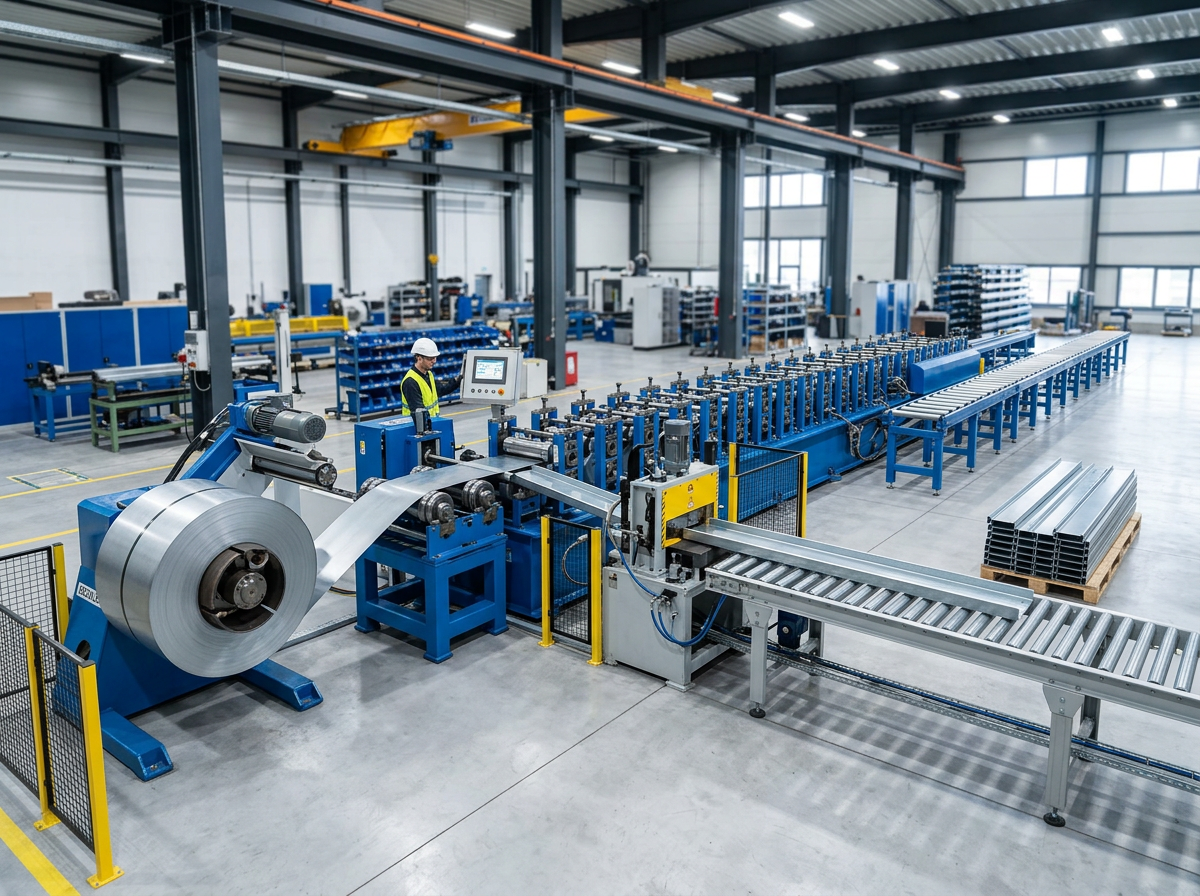
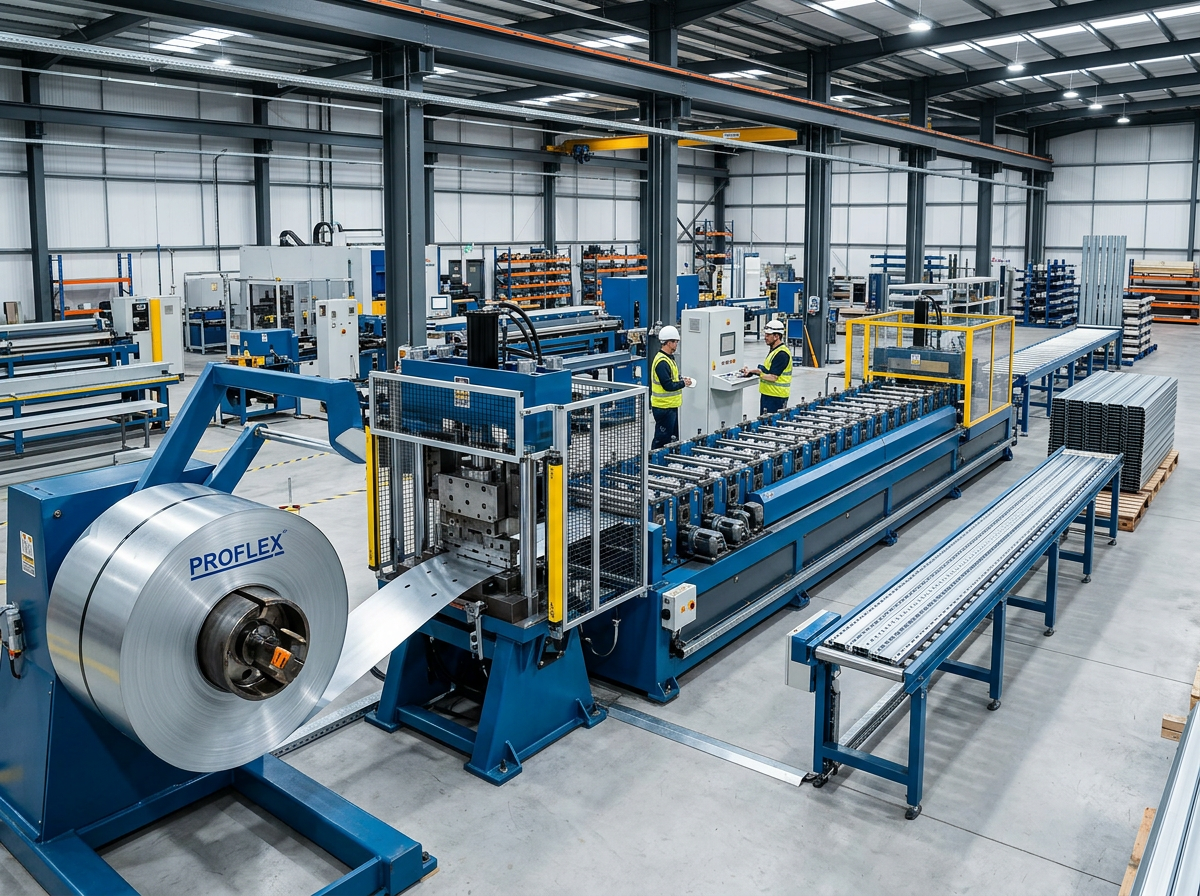
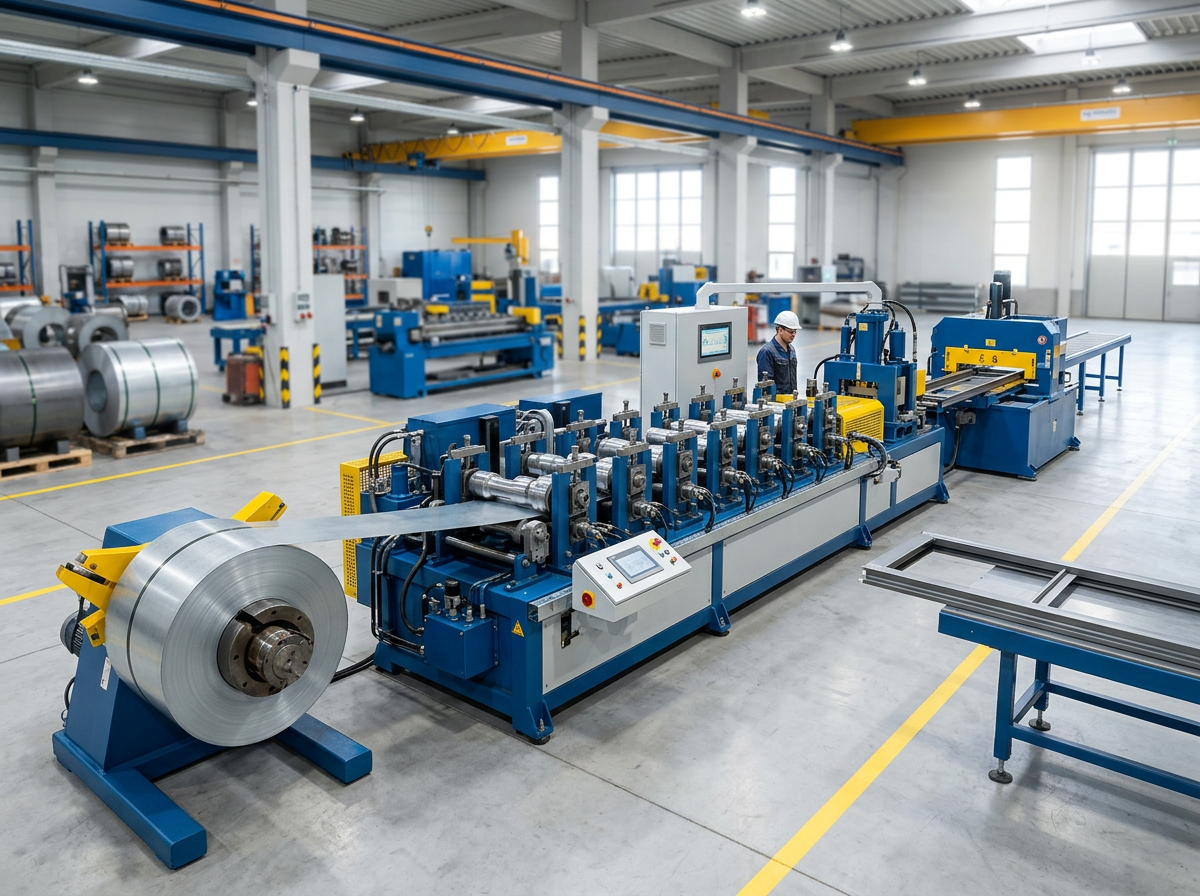
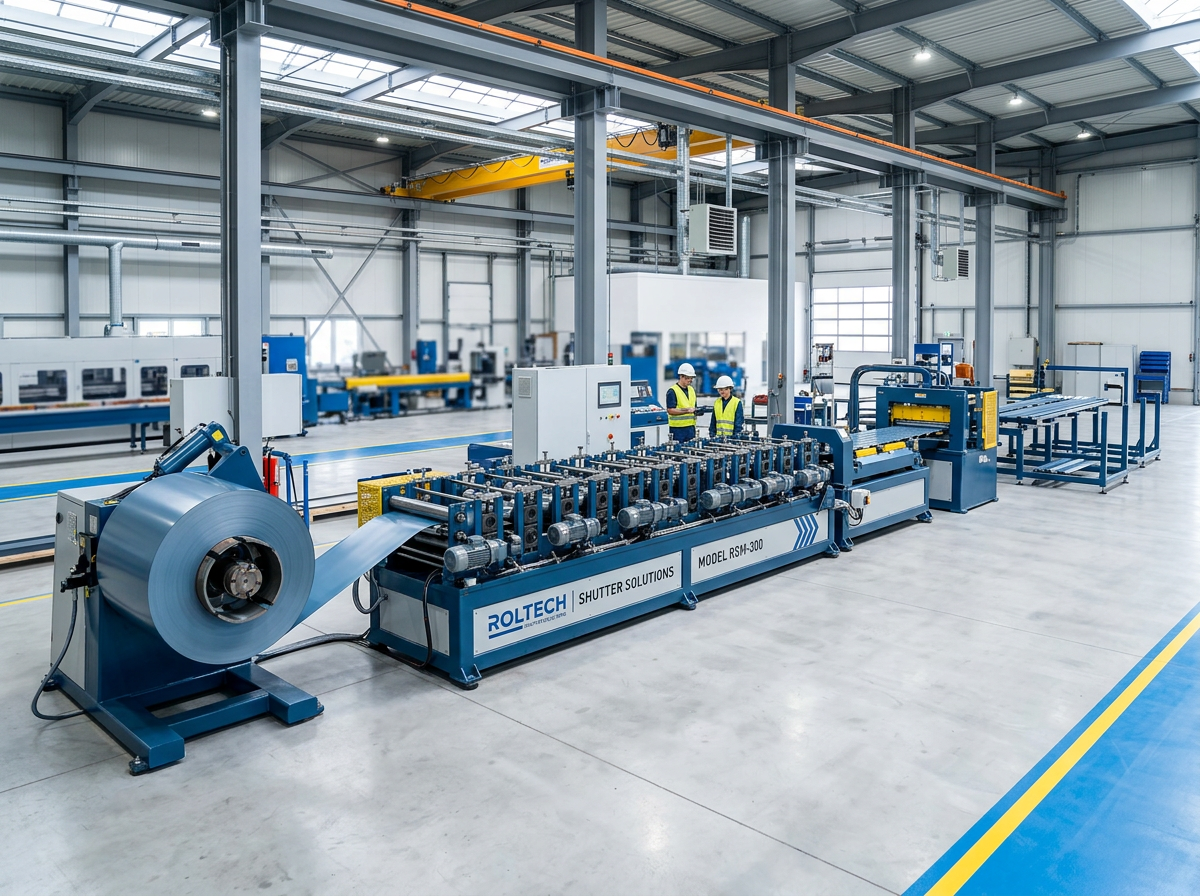
ক সি পুরলিন রোল তৈরির মেশিন স্টীল কাঠামো ও ধাতব ভবন শিল্পে এটি অন্যতম অপরিহার্য সরঞ্জাম, যা ধারাবাহিক ঠান্ডা রোল ফর্মিং প্রক্রিয়ার মাধ্যমে সমতল স্টীল কয়েলগুলোকে নির্ভুলভাবে আকৃতির C-সেকশন পার্লিনে রূপান্তরিত করে। এই যন্ত্রটি কীভাবে কাজ করে, এর কোন উপাদানগুলো রয়েছে এবং কোন স্পেসিফিকেশনগুলো সবচেয়ে গুরুত্বপূর্ণ, তা বোঝা ক্রেতাদের আত্মবিশ্বাসী বিনিয়োগ সিদ্ধান্ত নিতে সাহায্য করে—নতুন উৎপাদন লাইন স্থাপন হোক বা বিদ্যমান সক্ষমতা বৃদ্ধি। এই গাইডটি C-পুরলিন রোল ফর্মিং মেশিনের প্রতিটি গুরুত্বপূর্ণ দিক ভেঙে দেখিয়েছে, যাতে ক্রয় ব্যবস্থাপকরা, প্ল্যান্ট ইঞ্জিনিয়াররা এবং স্টীল ফ্যাব্রিকেশন ব্যবসার মালিকরা স্পষ্টভাবে মূল্যায়ন, তুলনা ও সঠিক যন্ত্র নির্বাচন করতে পারেন।.
যদি আপনি বর্তমানে একটি C-পুরলিন রোল ফর্মিং মেশিন সংগ্রহ করছেন বা একটি সম্পূর্ণ পুরলিন উৎপাদন লাইন পরিকল্পনা করছেন, আমাদের দলের সাথে যোগাযোগ করুন SUNWAY-এ পেশাদার মেশিন নির্বাচন নির্দেশিকা, কাস্টম লাইন কনফিগারেশন এবং প্রতিযোগিতামূলক মূল্য নিশ্চিত করা হয়, যা ২০ বছরেরও বেশি সময়ের কোল্ড রোল ফর্মিং সরঞ্জাম উৎপাদন ও বৈশ্বিক রপ্তানির অভিজ্ঞতার দ্বারা সমর্থিত।.
C-পুরলিন রোল ফর্মিং মেশিন কী?
একটি C-পার্লিন রোল ফর্মিং মেশিন হল একটি বিশেষায়িত ঠান্ডা ফর্মিং সিস্টেম, যা হট-রোল্ড বা গ্যালভানাইজড স্টীল কয়েল থেকে C-আকৃতির স্টীল পার্লিন উৎপাদনের জন্য ডিজাইন করা হয়েছে। C-পার্লিনগুলো প্রি-ইঞ্জিনিয়ার্ড স্টীল ভবনগুলিতে গুরুত্বপূর্ণ কাঠামোগত উপাদান হিসেবে কাজ করে, ছাদ প্যানেল, দেয়াল ক্ল্যাডিং এবং মেজানাইন ফ্লোরের জন্য সমর্থন প্রদান করে। এই মেশিনটি তাপ প্রয়োগ ছাড়াই, সুনির্দিষ্টভাবে ডিজাইনকৃত রোলার স্টেশনগুলির মাধ্যমে ধাপে ধাপে ইস্পাত স্ট্রিপকে বাঁকিয়ে ওয়েব, ফ্ল্যাঞ্জ এবং লিপ রিটার্নসহ চূড়ান্ত C-আকৃতি প্রদান করে।.
C-পুরলিনের চাহিদা বিশ্বব্যাপী প্রায় প্রতিটি নির্মাণ বাজারে বিস্তৃত, বাণিজ্যিক গুদাম ও শিল্প কারখানা থেকে শুরু করে কৃষি ভবন ও সৌর কারপোর্ট কাঠামো পর্যন্ত। যেহেতু পুরলিনগুলোকে কঠোর মাত্রাগত সহনশীলতা এবং লোড বহন ক্ষমতার চাহিদা পূরণ করতে হয়, ফর্মিং মেশিনের নির্ভুলতা, দৃঢ়তা এবং নিয়ন্ত্রণ ব্যবস্থার গুণগত মান সরাসরি প্রস্তুত পণ্যের কাঠামোগত কর্মক্ষমতাকে প্রভাবিত করে। একটি সু-নির্মিত C-পুরলিন রোল ফর্মিং মেশিন সাধারণত প্রতি মিনিটে ১০–২৫ মিটার গতিতে প্রোফাইল তৈরি করে, যা উপকরণের পুরুত্ব এবং প্রোফাইলের জটিলতার ওপর নির্ভর করে।.
একটি নিবেদিত C-পুরলিন মেশিনকে সাধারণ-উদ্দেশ্যমূলক রোল ফর্মার থেকে যা আলাদা করে তা হল পুরলিন সংযোগ প্যাটার্নের জন্য বিশেষভাবে কনফিগার করা পাঞ্চিং, নচিং এবং হাইড্রোলিক কাটিং স্টেশনের সমন্বয়। এই বৈশিষ্ট্যগুলো মেশিনটিকে প্রাক-পাঞ্চ করা বোল্ট হোল এবং সঠিকভাবে কাটা দৈর্ঘ্যসহ ইনস্টলের জন্য প্রস্তুত পুরলিন সরবরাহ করতে সক্ষম করে, নির্মাণ সাইটে দ্বিতীয় পর্যায়ের প্রক্রিয়াকরণ দূর করে এবং প্রকল্পের শ্রম খরচ উল্লেখযোগ্যভাবে কমায়।.
C প্যার্লিন রোল ফর্মিং মেশিন কীভাবে কাজ করে?
C-পুরলিন মেশিনের কাজের নীতি ধারাবাহিক ঠান্ডা রোল ফর্মিং-এর উপর ভিত্তি করে—একটি ধাতু আকৃতি প্রদানের প্রক্রিয়া যেখানে একটি সমতল ইস্পাত পটি একাধিক যুগল আকারযুক্ত রোলারের মধ্য দিয়ে পর্যায়ক্রমে প্রবাহিত হয়, প্রতিটি স্টেশন পটিকে ক্রমান্বয়ে লক্ষ্য ক্রস-সেকশনাল প্রোফাইলের দিকে বাঁকিয়ে নিয়ে যায় যতক্ষণ না চূড়ান্ত C আকৃতি অর্জিত হয়। গঠন প্রক্রিয়ায় কোনো তাপ প্রয়োগ করা হয় না; ইস্পাত সম্পূর্ণরূপে কক্ষ তাপমাত্রায় যান্ত্রিক চাপের মাধ্যমে আকৃতি লাভ করে।.
প্রক্রিয়াটি শুরু হয় যখন একটি স্টীল কয়েল ডিকোইলার-এ লোড করা হয় এবং স্ট্রিপটি গাইড প্ল্যাটফর্মে প্রবেশ করানো হয়, যা প্রথম ফর্মিং স্টেশনে প্রবেশের আগে উপাদানটিকে কেন্দ্রীভূত ও সমতল করে। স্ট্রিপটি সাধারণত ১২–১৮টি রোলার স্টেশনের মধ্য দিয়ে অগ্রসর হওয়ার সাথে সাথে সমতল শীটটি ধাপে ধাপে বাঁকাতে শুরু করে: প্রথমে ফ্ল্যাঞ্জগুলো উত্তোলিত হয়, তারপর লিপ রিটার্নগুলো গঠিত হয়, যার ফলে স্বাতন্ত্র্যসূচক C-আকারের ক্রস-সেকশন তৈরি হয়। প্রতিটি রোলার যুগল নির্দিষ্ট বাঁক কোণ প্রয়োগের জন্য সুনির্দিষ্টভাবে মেশিন করা হয়, যাতে বিকৃতি সমানভাবে ছড়িয়ে পড়ে এবং চূড়ান্ত প্রোফাইলে ফাটল, বিকৃতি বা স্প্রিং-ব্যাক প্রতিরোধ করা যায়।.
গঠন স্টেশনগুলোর মধ্যে বা পরে, একীভূত পাঞ্চিং ইউনিটগুলো পূর্ব-প্রোগ্রামকৃত নকশা অনুযায়ী বোল্টের ছিদ্র এবং সার্ভিস ওপেনিং তৈরি করে, আর একটি হাইড্রোলিক শিয়ারিং সিস্টেম লাইন থামানো ছাড়াই গঠিত পার্লিনকে নির্দিষ্ট দৈর্ঘ্যে কাটে। পুরো প্রক্রিয়া—কয়েল ফিড করা থেকে গঠন, পাঞ্চিং, কাটিং এবং ডিসচার্জ—সবই একটি PLC-ভিত্তিক নিয়ন্ত্রণ ব্যবস্থা দ্বারা টাচস্ক্রিন HMI-এর মাধ্যমে সমন্বিত, যা অপারেটরকে প্রোফাইলের মাত্রা, ছিদ্রের নকশা এবং ব্যাচের পরিমাণ ইনপুট করে সম্পূর্ণ স্বয়ংক্রিয় উৎপাদনের সুযোগ দেয়।.
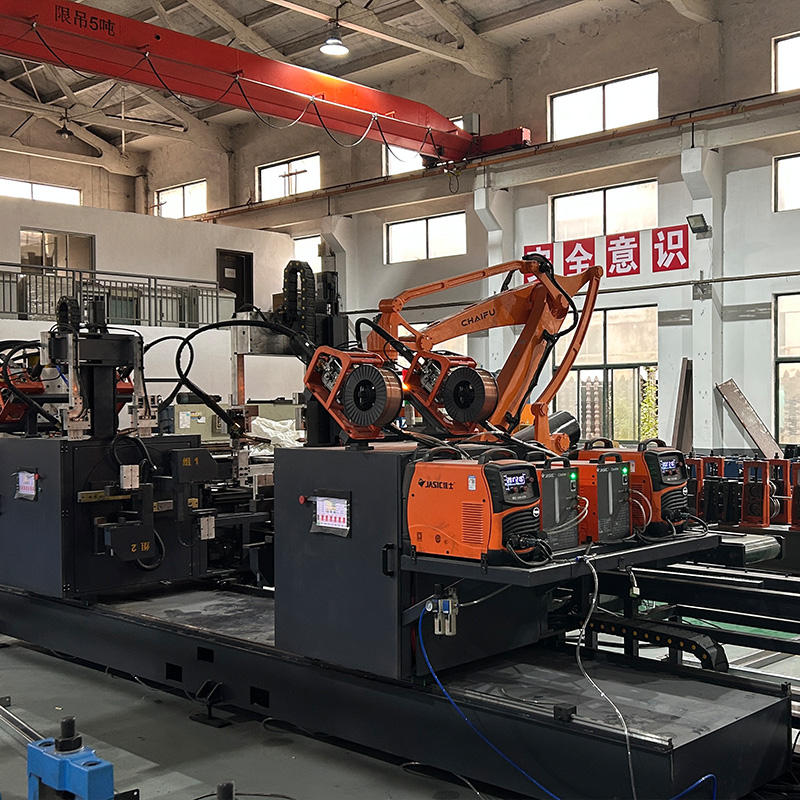
C-পুরলিন রোল ফর্মিং মেশিনের ৭টি মূল উপাদান
একটি C পুরলিন রোল ফর্মিং মেশিন সাধারণত সাতটি মূল উপ-সিস্টেম নিয়ে গঠিত: ডিকোইলার, গাইড প্ল্যাটফর্ম, রোল ফর্মিং স্টেশন, পাঞ্চিং ইউনিট, হাইড্রোলিক কাটিং সিস্টেম, PLC নিয়ন্ত্রণ ব্যবস্থা এবং রান-আউট টেবিল। প্রতিটি উপাদান উৎপাদন নির্ভুলতা, গতি এবং নির্ভরযোগ্যতা নিশ্চিত করতে একটি স্বতন্ত্র ভূমিকা পালন করে। নিচের সারণীটি এই C পুরলিন মেশিনের উপাদানসমূহ এবং তাদের প্রধান কার্যকারিতা সংক্ষেপে উপস্থাপন করে।.
| উপাদান | প্রাথমিক কার্য | মূল স্পেসিফিকেশনসমূহ |
|---|---|---|
| ডিকোইলার (আনকোইলার) | অবিচ্ছিন্ন ফিডিংয়ের জন্য স্টীল কয়েল ধরে রাখে এবং খুলে দেয়। | ক্ষমতা: ৩–৬ টন; কয়েলের অভ্যন্তরীণ ব্যাস ৪৫০–৫৩০ মিমি |
| গাইড প্ল্যাটফর্ম | স্ট্রিপটিকে কেন্দ্রবিন্দুতে, স্তরে এবং ফর্মিং স্টেশনগুলোতে সরবরাহ করে। | সমন্বয়যোগ্য গাইড রোলার; সার্ভো বা গিয়ার ফিডিং |
| রোল ফর্মিং স্টেশন | ক্রমান্বয়ে সমতল স্ট্রিপটিকে C-আকৃতির প্রোফাইলে বাঁকান। | ১২–১৮টি স্টেশন; Cr12MoV দিয়ে কঠোরীকৃত রোলার (HRC 58–62) |
| পাঞ্চিং ইউনিট | ওয়েব এবং ফ্ল্যাঞ্জে বোল্টের ছিদ্র এবং সার্ভিস ওপেনিং তৈরি করে। | হাইড্রোলিক পাঞ্চ; একাধিক ডাই সেট; প্রোগ্রামযোগ্য প্যাটার্ন |
| হাইড্রোলিক কাটিং সিস্টেম | শিয়ার্স লাইন বন্ধ না করে নির্দিষ্ট দৈর্ঘ্য অনুযায়ী পার্লিন তৈরি করল। | কাটার সহনশীলতা ±১ মিমি; ব্লেডের উপাদান: Cr12 টুল স্টীল |
| পিএলসি কন্ট্রোল সিস্টেম | সমগ্র C-পুরলিন রোল ফর্মিং মেশিনের অপারেশন স্বয়ংক্রিয় করে। | পিএলসি + এইচএমআই টাচস্ক্রিন; রেসিপি সংরক্ষণ; এনকোডার ফিডব্যাক |
| রান-আউট টেবিল | সংগ্রহ/স্ট্যাকিংয়ের জন্য প্রস্তুত পার্লিন গ্রহণ করে এবং সমর্থন করে। | রোলার কনভেয়র বা সমতল টেবিল; সাধারণত দৈর্ঘ্য ৬–১২ মিটার। |
এই সারণিটি প্রতিটি উপ-প্রণালী সামগ্রিক মেশিনের কর্মক্ষমতায় কী অবদান রাখে তা দ্রুত মূল্যায়নের জন্য একটি রেফারেন্স প্রদান করে। ক্রেতাদের রোলার উপকরণ গ্রেড, PLC ব্র্যান্ডের নির্ভরযোগ্যতা এবং হাইড্রোলিক সিস্টেমের চাপ রেটিং-এ বিশেষ মনোযোগ দেওয়া উচিত, কারণ এই বিষয়গুলো প্রোফাইলের সঠিকতা, মেশিনের আয়ু এবং সরঞ্জামের সেবা জীবনের রক্ষণাবেক্ষণ খরচকে সবচেয়ে সরাসরি প্রভাবিত করে।.
ডিকোইলার এবং গাইড সিস্টেম
ডিকোইলার—যাকে আনকোইলারও বলা হয়—প্রত্যেক সি-পার্লিন উৎপাদন লাইনের শুরু বিন্দু। এটি একটি ম্যান্ড্রেলের উপর স্টীল কোইল (সাধারণত ৩ থেকে ৬ টন) ধরে রাখে এবং ফর্মিং লাইনের সাথে সমন্বিত নিয়ন্ত্রিত গতিতে তা উন্মোচন করে। ম্যানুয়াল ডিকোইলার ছোট আকারের অপারেশনের জন্য উপযুক্ত, অন্যদিকে হাইড্রোলিক ডিকোইলার কোইল কারসহ উচ্চ-পরিমাণের উৎপাদনের জন্য পছন্দনীয়, কারণ এগুলো দ্রুত কোইল পরিবর্তন সম্ভব করে এবং ম্যানুয়াল হ্যান্ডলিংয়ের ঝুঁকি হ্রাস করে। পরবর্তী গাইড প্ল্যাটফর্মে সামঞ্জস্যযোগ্য রোলার ব্যবহার করে স্ট্রিপটিকে কেন্দ্রে রাখা হয় এবং যেকোনো পার্শ্বীয় বিচ্যুতি সংশোধন করা হয়, যাতে উপাদানটি প্রথম ফর্মিং স্টেশনে নিখুঁত সারিবদ্ধতায় প্রবেশ করে।.
রোল ফর্মিং স্টেশন
ফর্মিং সেকশন যেকোনো C-পুরলিন রোল ফর্মিং মেশিনের হৃদপিণ্ড। এতে ১২ থেকে ১৮টি স্টেশন (জটিল প্রোফাইলের জন্য আরও বেশি) থাকে, প্রতিটি স্টেশনে ভারী-ডিউটি বেয়ারিং হাউজিং দ্বারা সমর্থিত, হার্ডেনড শ্যাফ্টে মাউন্ট করা উপরের ও নিচের রোলারের একটি মিলিত যুগল থাকে। রোলারের উপাদান একটি গুরুত্বপূর্ণ গুণগত মান নির্দেশক—শীর্ষমানের মেশিনগুলো Cr12MoV বা GCr15 টুল স্টীল ব্যবহার করে, যা সর্বোচ্চ পরিধান প্রতিরোধের জন্য HRC 58–62 এ কুইনচ ও টেম্পার করা হয়। স্টেশনগুলো একটি প্রধান মোটর (সাধারণত 15–22 kW) দ্বারা চেইন বা গিয়ারবক্স ট্রান্সমিশন সিস্টেমের মাধ্যমে চালিত হয়, যা সব স্টেশনেই সামঞ্জস্যপূর্ণ গঠন বল প্রদান করে।.
পঞ্চিং এবং হাইড্রোলিক কাটিং সিস্টেম
ফ্ল্যাট বা আংশিকভাবে গঠিত স্ট্রিপে ছিদ্র তৈরি করার জন্য পাঞ্চিং ইউনিটটি ফর্মিং সেকশনের আগে বা এর ভিতরে স্থাপন করা হয়। ৮–১৬ মেগাপাস্কাল চাপে পরিচালিত হাইড্রোলিক পাঞ্চগুলো কাঠামোগত বোল্টিংয়ের জন্য পরিষ্কার, বার্-মুক্ত ছিদ্র প্রদান করে। ডাই সেটগুলো বিভিন্ন আকার ও নকশার ছিদ্রের জন্য পরিবর্তন করা যায়। চূড়ান্ত গঠন স্টেশনের পর স্থাপিত হাইড্রোলিক কাটিং সিস্টেম ফ্লাইং শিয়্যার বা পোস্ট-কাট পদ্ধতি ব্যবহার করে ধারাবাহিক গঠিত স্ট্রিপকে পৃথক পৃথক পার্লিনের দৈর্ঘ্যে বিচ্ছিন্ন করে। মানসম্মত মেশিনে কাটার সহনশীলতা ±১ মিমি এবং ব্লেড অ্যাসেম্বলি সাধারণত পুনরায় ধার দেওয়ার মধ্যবর্তী দীর্ঘ সেবা জীবনের জন্য Cr12 হার্ডেনড টুল স্টিল দিয়ে তৈরি।.
পিএলসি নিয়ন্ত্রণ ব্যবস্থা এবং রান-আউট টেবিল
আধুনিক C-আকৃতির পার্লিন রোল ফর্মিং মেশিনগুলো সাধারণত Siemens, Delta বা Panasonic-এর PLC কন্ট্রোল সিস্টেমের ওপর নির্ভর করে এবং অপারেটর ইন্টারঅ্যাকশনের জন্য রঙিন টাচস্ক্রিন HMI প্যানেল যুক্ত থাকে। PLC রোটারি এনকোডার ব্যবহার করে কয়েল ফিড দৈর্ঘ্য পরিমাপ, পাঞ্চিং পজিশনের ক্রমবিন্যাস, কাটার দৈর্ঘ্য নিয়ন্ত্রণ, ব্যাচ গণনা এবং ত্রুটি নির্ণয় পরিচালনা করে। অপারেটররা কেবলমাত্র কাঙ্ক্ষিত পার্লিনের মাত্রা ও পরিমাণ ইনপুট করেন, এবং বাকিটা সিস্টেম নিজেই পরিচালনা করে। লাইনের শেষে অবস্থিত রান-আউট টেবিলটি রোলার কনভেয়র বা সমতল সমর্থন কাঠামোর ওপর প্রস্তুত পার্লিন সংগ্রহ করে, যা প্রায়ই ৬ থেকে ১২ মিটার দীর্ঘ হয়, ফলে প্যাকেজিং ও পরিবহনের জন্য ম্যানুয়াল বা স্বয়ংক্রিয় স্ট্যাকিং সম্ভব হয়।.
সুপারিশকৃত প্রস্তুতকারক: SUNWAY
বিশ্বাসযোগ্য এবং প্রযুক্তিগতভাবে উন্নত সি-পার্লিন রোল ফর্মিং মেশিন খুঁজছেন ক্রেতাদের জন্য, সানওয়ে শীতল রোল ফর্মিং সরঞ্জাম ডিজাইন, উৎপাদন এবং বৈশ্বিক রপ্তানিতে ২০ বছরেরও বেশি পেশাদার অভিজ্ঞতা সম্পন্ন একটি সুপারিশকৃত ও বিশ্বস্ত প্রস্তুতকারক হিসেবে এটি বিশেষভাবে উল্লেখযোগ্য। SUNWAY গবেষণা ও উন্নয়ন (R&D), কাঁচামাল সংগ্রহ, নির্ভুল যন্ত্রপ্রক্রিয়াকরণ, সংযোজন, গুণগত পরিদর্শন, পেশাদার প্যাকেজিং এবং রপ্তানি লজিস্টিকসসহ একটি সম্পূর্ণ অভ্যন্তরীণ উৎপাদন ব্যবস্থা পরিচালনা করে—যা ক্রেতাদের প্রতিটি ধাপে সম্পূর্ণ সরবরাহ শৃঙ্খলের স্বচ্ছতা এবং গুণগত নিশ্চয়তা প্রদান করে।.
SUNWAY-এর কঠোর গুণগত মান নিয়ন্ত্রণ প্রোটোকল নিশ্চিত করে যে কারখানা থেকে বেরিয়ে আসা প্রতিটি মেশিন আন্তর্জাতিক মান এবং বাস্তব-বিশ্ব কর্মক্ষমতা প্রয়োজনীয়তা পূরণ করে। কোম্পানির নিজস্ব গবেষণা ও উন্নয়ন দল ক্রমাগত প্রযুক্তি উন্নয়নে বিনিয়োগ করে রোলারের নির্ভুলতা, নিয়ন্ত্রণ ব্যবস্থার বুদ্ধিমত্তা এবং কাঠামোগত স্থিতিশীলতা বাজারের উন্নত স্তরে রাখতে। একজন নির্ভরযোগ্য ওয়ান-স্টপ সমাধান প্রদানকারী হিসেবে SUNWAY শুধুমাত্র মেশিনই নয়, অপারেটর প্রশিক্ষণ, ইনস্টলেশন কমিশনিং নির্দেশিকা, স্পেয়ার পার্টস সরবরাহ এবং আজীবন প্রযুক্তিগত সহায়তা প্রদান করে। আপনার পার্লিন মেশিনের প্রয়োজনীয়তা বা মূল্য উদ্ধৃতি অনুরোধ করুন, সরাসরি SUNWAY প্রযুক্তিগত বিক্রয় দলের সাথে যোগাযোগ করুন।.
C-পুরলিন রোল ফর্মিং মেশিনের মূল স্পেসিফিকেশন এবং প্যারামিটার
সঠিক C-পুরলিন রোল ফর্মিং মেশিন নির্বাচন শুরু হয় মেশিনের স্পেসিফিকেশন পরিসরকে আপনার লক্ষ্য পণ্য পোর্টফোলিওর সাথে মিলিয়ে নেওয়া থেকে। সবচেয়ে গুরুত্বপূর্ণ পরামিতিগুলির মধ্যে রয়েছে প্রক্রিয়াজাতযোগ্য উপকরণ পুরুত্বের পরিসর, ওয়েব উচ্চতার পরিসর, ফ্ল্যাঞ্জ প্রস্থের পরিসর, লিপ দৈর্ঘ্য, গঠন গতি এবং প্রধান মোটর শক্তি। নিচের সারণিতে স্ট্যান্ডার্ড ও হেভি-ডিউটি C-পুরলিন উৎপাদনের জন্য বাণিজ্যিকভাবে উপলব্ধ মেশিনগুলিতে সাধারণত পাওয়া স্পেসিফিকেশন পরিসরগুলি উপস্থাপন করা হয়েছে।.
| প্যারামিটার | স্ট্যান্ডার্ড পরিসর | ভারী-ডিউটি পরিসর |
|---|---|---|
| উপাদানের পুরুত্ব | ১.৫–২.৫ মিমি | ২.০–৩.৫ মিমি |
| ওয়েব উচ্চতা (C) | ৮০–৩০০ মিমি | ১০০–৪০০ মিমি |
| ফ্ল্যাঞ্জ প্রস্থ | ৪০–৮০ মিমি | ৫০–১০০ মিমি |
| ওষ্ঠের দৈর্ঘ্য | ১০–২০ মিমি | ১৫–২৫ মিমি |
| গঠন গতি | ১০–২০ মি/মিনিট | ৮–১৫ মি/মিনিট |
| রোলার স্টেশন | বারো–ষোল | ১৬–২২ |
| প্রধান মোটর শক্তি | ১৫–১৮.৫ কিলোওয়াট | ২২–৩০ কিলোওয়াট |
| হাইড্রলিক চাপ | ১০–১৪ মেগাপাস্কাল | ১৪–১৮ মেগাপাস্কাল |
এই স্পেসিফিকেশনগুলো ব্যাখ্যা করার সময় লক্ষ্য করুন যে, ওয়েব উচ্চতা সামঞ্জস্যযোগ্যতা (যেমন ৮০–৩০০ মিমি) যত বেশি, পণ্য নমনীয়তা তত বেশি, তবে আকার পরিবর্তনের সময় বেশি সময় লাগতে পারে। উপকরণ পুরুত্ব বা প্রোফাইল জটিলতা বাড়ার সাথে সাথে গঠন গতি সাধারণত কমে যায়, তাই ভারী-গেজ পার্লিন উৎপাদনকারী ক্রেতাদের গঠন গুণমান বজায় রাখতে উচ্চ মোটর শক্তি এবং আরও রোলার স্টেশনযুক্ত মেশিনকে অগ্রাধিকার দেওয়া উচিত। সর্বদা নিশ্চিত করুন যে মেশিনের সর্বোচ্চ উপকরণ পুরুত্বের রেটিং আপনার সবচেয়ে চাহিদাসম্পন্ন পণ্যের প্রয়োজনীয়তার উপরে একটি নিরাপত্তা মার্জিন অন্তর্ভুক্ত করে।.
নির্বাচিত পরিসর: সানওয়ে সি পার্লিন রোল ফর্মিং মেশিন সমাধানসমূহ
SUNWAY-এর C পার্লিন রোল ফর্মিং মেশিনের লাইনআপ পেশাদার ক্রেতাদের প্রয়োজনীয় বিস্তৃতি ও কাস্টমাইজেশন সক্ষমতাকে প্রতিফলিত করে। এই পরিসরে রয়েছে স্ট্যান্ডার্ড এডজাষ্টেবল C পার্লিন মেশিন, C/Z ইন্টারচেঞ্জেবল পার্লিন মেশিন এবং সম্পূর্ণ স্বয়ংক্রিয় কুইক-চেঞ্জ মডেল—সবগুলোই মজবুত ওয়েল্ডেড স্টীল ফ্রেম, Cr12MoV হার্ডেনড ফর্মিং রোলার, সার্ভো-ড্রাইভেন ফিডিং সিস্টেম এবং উন্নত PLC অটোমেশন দিয়ে নির্মিত। ক্রেতারা তাদের নিজস্ব প্রোফাইল অঙ্কনের ভিত্তিতে কাস্টম রোলার টুলিং নির্ধারণ করতে পারেন, একটি মেশিনে একাধিক পার্লিন মাত্রা কভার করার জন্য সামঞ্জস্যযোগ্য আকারের পরিসর নির্বাচন করতে পারেন, এবং ডিকোইলার থেকে অটো স্ট্যাকার পর্যন্ত সম্পূর্ণ উৎপাদন লাইন কনফিগার করতে পারেন।.
মেশিনটির পাশাপাশি, SUNWAY গন্তব্য বাজারের জন্য সম্পূর্ণ লাইন কনফিগারেশন সাপোর্ট, ভোল্টেজ ও ফ্রিকোয়েন্সি অভিযোজন, পেশাদার কন্টেইনার প্যাকেজিং (স্ট্রেচ ফিল্ম + জলরোধী কাপড় + স্টীল ফ্রেম), সম্পূর্ণ রপ্তানি ডকুমেন্টেশন এবং দূরবর্তী ভিডিও কমিশনিং সহায়তা প্রদান করে। আপনার উৎপাদন পরিমাণ, প্রোফাইল স্পেসিফিকেশন এবং বাজেট অনুযায়ী একটি বিশেষায়িত মেশিন সমাধানের জন্য, আমাদের সম্পূর্ণ মেশিনের পরিসর অন্বেষণ করুন অথবা বিস্তারিত প্রস্তাবের জন্য SUNWAY টিমের সাথে যোগাযোগ করুন।.
C পার্লিন রোল ফর্মিং প্রক্রিয়া প্রবাহ
C-পার্লিন রোল ফর্মিং মেশিনের সম্পূর্ণ প্রক্রিয়া প্রবাহ বোঝা ক্রেতাদের লাইন বিন্যাস, মেঝে স্থান প্রয়োজনীয়তা এবং উৎপাদন চক্রের দক্ষতা মূল্যায়ন করতে সহায়তা করে। স্ট্যান্ডার্ড প্রক্রিয়াটি একটি সরল ক্রম অনুসরণ করে: কয়েল লোডিং, ডিকয়েইলিং, স্ট্রিপ লেভেলিং ও গাইডিং, সার্ভো ফিডিং, হাইড্রোলিক পাঞ্চিং, প্রগ্রেসিভ রোল ফর্মিং, হাইড্রোলিক কাটিং এবং রান-আউট সংগ্রহ। প্রতিটি ধাপ PLC সিস্টেম দ্বারা ঘনিষ্ঠভাবে সংযুক্ত ও নিয়ন্ত্রিত হয় যাতে উৎপাদন অব্যাহত ও অবিচ্ছিন্ন থাকে।.
প্রক্রিয়াটি শুরু হয় অপারেটর ক্রেন বা কয়েল কার ব্যবহার করে একটি স্টীল কয়েল ডিকোইলার-এ লোড করার মাধ্যমে। কয়েলের শেষ প্রান্তটি ম্যানুয়ালি গাইড প্ল্যাটফর্মের মধ্য দিয়ে সার্ভো ফিডারে প্রবেশ করানো হয়, যা স্ট্রিপটিকে ধরে এবং প্রোগ্রামকৃত ফিড রেটে এগিয়ে নিয়ে যায়। স্ট্রিপটি পাঞ্চিং স্টেশনে প্রবেশ করলে, PLC হাইড্রোলিক সিলিন্ডারগুলোকে সক্রিয় করে পার্লিনের বোল্টিং প্যাটার্নের জন্য প্রয়োজনীয় সঠিক অবস্থানে ছিদ্র তৈরি করতে। ছিদ্রিত স্ট্রিপটি এরপর ফর্মিং সেকশনে প্রবেশ করে, ধারাবাহিকভাবে প্রতিটি রোলার স্টেশন অতিক্রম করে। সমতল স্ট্রিপটি ধাপে ধাপে রূপান্তরিত হয়—প্রথমে ফ্ল্যাঞ্জগুলো উপরের দিকে ভাঁজ হয়, তারপর ঠোঁটগুলো অভ্যন্তরের দিকে কুঁচকে যায়—যতক্ষণ না চূড়ান্ত স্টেশনে পূর্ণ C-প্রোফাইল ফুটে ওঠে।.
ফর্মিং প্রক্রিয়া শেষে, ধারাবাহিক সি-সেকশন হাইড্রোলিক কাটিং স্টেশনে অগ্রসর হয়। PLC-এর এনকোডার বাস্তব সময়ে সঞ্চিত স্ট্রিপের দৈর্ঘ্য পরিমাপ করে, এবং যখন লক্ষ্যমাত্রা কাটার দৈর্ঘ্য পূরণ হয়, তখন হাইড্রোলিক শিয়র সক্রিয় হয়। কাটা পার্লিন সংগ্রহের জন্য রান-আউট টেবিলে স্লাইড করে। অপারেটররা একক ব্যাচে একাধিক কাটার দৈর্ঘ্য ও পরিমাণ প্রোগ্রাম করতে পারেন, এবং সিস্টেম স্বয়ংক্রিয়ভাবে হস্তক্ষেপ ছাড়াই দৈর্ঘ্যগুলোর মধ্যে পরিবর্তন করবে। এই উচ্চমাত্রার স্বয়ংক্রিয়তা আধুনিক C পার্লিন রোল ফর্মিং মেশিনকে যেকোনো ইস্পাত কাঠামো নির্মাণ কার্যক্রমের জন্য অত্যন্ত উৎপাদনশীল একটি সম্পদে পরিণত করেছে।.
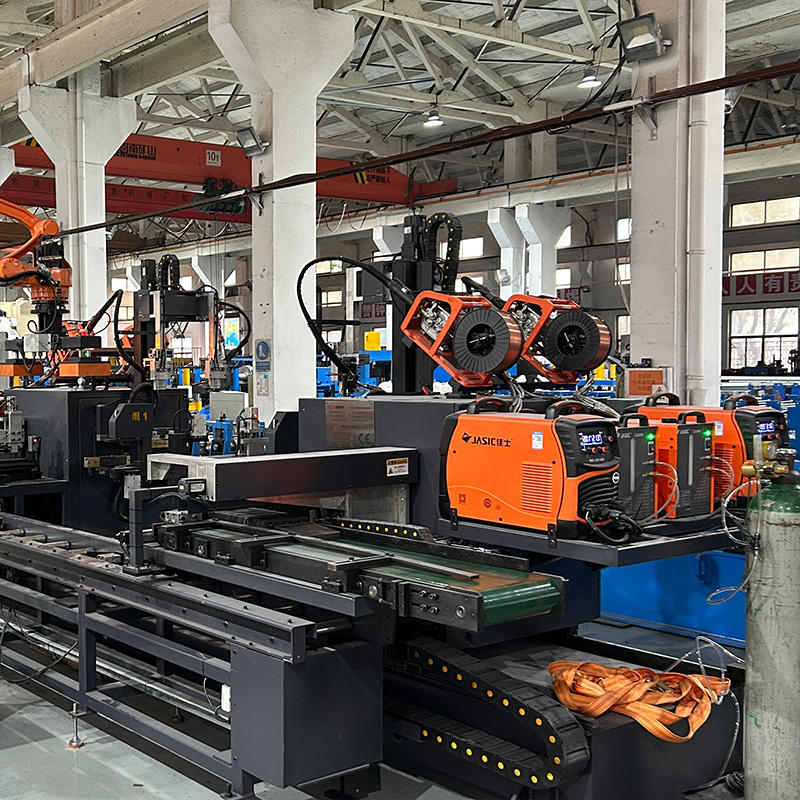
| প্রক্রিয়া ধাপ | জড়িত সরঞ্জাম | মূল নিয়ন্ত্রণ পরামিতি |
|---|---|---|
| কয়েল লোডিং | হাইড্রোলিক সম্প্রসারণসহ ডিকোইলার | কয়েলের ওজন (৩–৬ টন), কয়েলের প্রস্থ |
| স্ট্রিপ ফিডিং ও লেভেলিং | গাইড প্ল্যাটফর্ম + সার্ভো ফিডার | স্ট্রিপ সেন্টারিং নির্ভুলতা, ফিড গতি |
| পাঞ্চিং | হাইড্রোলিক পাঞ্চ ইউনিট | গর্তের অবস্থানের সহনশীলতা ±0.5 মিমি |
| রোল গঠন | C-পুরলিন রোল ফর্মিং মেশিনের স্টেশনসমূহ | রোলার ফাঁক, স্টেশন সারিবদ্ধতা |
| দৈর্ঘ্য অনুসারে কাটা | হাইড্রোলিক ফ্লাইং শিয়ার | দৈর্ঘ্য সহনশীলতা ±১ মিমি |
| নিষ্কাশন ও স্তূপীকরণ | রান-আউট টেবিল / অটো স্ট্যাকার | পার্লিনের সরলতা, স্তূপীকরণ গণনা |
এই প্রক্রিয়া প্রবাহ সারণি আপনার উৎপাদন লাইনের বিন্যাস পরিকল্পনা করার জন্য একটি ব্যবহারিক রেফারেন্স হিসেবে কাজ করে। মেশিন সরবরাহকারী মূল্যায়ন করার সময় লাইনের বিন্যাসের বিস্তারিত অঙ্কন চাউন এবং নিশ্চিত করুন যে মোট লাইনের দৈর্ঘ্য আপনার উপলব্ধ কারখানার মেঝে এলাকায় ফিট করে, যা সাধারণত কনফিগারেশন এবং রান-আউট টেবিলের দৈর্ঘ্যের উপর নির্ভর করে ১৫ থেকে ২৫ মিটার পর্যন্ত হয়।.
সঠিক C প্যারলিন রোল ফর্মিং মেশিন কীভাবে নির্বাচন করবেন
সঠিক C-পুরলিন রোল ফর্মিং মেশিন নির্বাচন করতে আপনার বর্তমান পণ্যের চাহিদা এবং ভবিষ্যৎ উৎপাদন বৃদ্ধি, উপকরণ স্পেসিফিকেশন, স্বয়ংক্রিয়তার স্তর ও বাজেটের মধ্যে ভারসাম্য বজায় রাখতে হবে। প্রথমে নির্ধারণ করুন আপনার উৎপাদনের জন্য প্রয়োজনীয় C-পুরলিনের পূর্ণ পরিসর—যাতে সর্বনিম্ন ও সর্বোচ্চ ওয়েব উচ্চতা, ফ্ল্যাঞ্জের প্রস্থ, লিপের আকার এবং উপকরণের গেজ অন্তর্ভুক্ত থাকে। একটি মেশিন যা সামঞ্জস্যযোগ্য টুলিংয়ের মাধ্যমে আপনার পুরো পরিসর কভার করে, তা স্থির-আকারের মেশিনের তুলনায় দীর্ঘমেয়াদে অনেক বেশি মূল্য প্রদান করবে, কারণ স্থির-আকারের মেশিন আপনার পণ্য মিশ্রণ পরিবর্তনের সঙ্গে অতিরিক্ত সরঞ্জাম কেনার বাধ্যতা তৈরি করে।.
পরবর্তী ধাপ হিসেবে মেশিনের নির্মাণ গুণমান এবং মূল উপাদানগুলোর গ্রেড মূল্যায়ন করুন। ফ্রেমটি হওয়া উচিত ভারী-গেজ ওয়েল্ডেড স্টীল, যা স্ট্রেস-রিলিভড নির্মাণ পদ্ধতির মাধ্যমে ধারাবাহিক উৎপাদন লোডের অধীনে বিকৃতি প্রতিরোধ করে। Cr12MoV বা সমমানের টুল স্টীল থেকে মেশিনকৃত রোলারগুলোর হার্ডনেস HRC 58–62 হলে বছরের পর বছর অপারেশনে প্রোফাইল নির্ভুলতা বজায় থাকবে, যেখানে নিম্ন-গ্রেডের রোলারগুলো দ্রুত ক্ষয়প্রাপ্ত হয়ে মাত্রাগতভাবে অসামঞ্জস্যপূর্ণ পার্লিন তৈরি করতে পারে। একইভাবে, হাইড্রোলিক সিস্টেমের চাপ রেটিং এবং PLC ব্র্যান্ড দীর্ঘমেয়াদী নির্ভরযোগ্যতাকে সরাসরি প্রভাবিত করে—স্বীকৃত PLC ব্র্যান্ড (Siemens, Panasonic, Delta) যুক্ত মেশিনগুলো সাধারণত উন্নত ডায়াগনস্টিক, যন্ত্রাংশের প্রাপ্যতা এবং সফটওয়্যার সাপোর্ট প্রদান করে।.
অবশেষে, সরবরাহকারীর বিক্রয়োত্তর ইকোসিস্টেম বিবেচনা করুন। একটি C পুরলিন রোল ফর্মিং মেশিন দীর্ঘমেয়াদী মূলধনী সম্পদ, এবং মেশিনের ১৫–২০ বছরের কার্যকরী জীবনের সময় ডাউনটাইম কমানোর জন্য অতিরিক্ত রোলার, হাইড্রোলিক সীল, কাটিং ব্লেড, এনকোডার প্রতিস্থাপন এবং প্রযুক্তিগত সমস্যা সমাধানের সহায়তায় অ্যাক্সেস অপরিহার্য। SUNWAY-এর মতো সরবরাহকারীরা যারা ইনস্টলেশন নির্দেশিকা, অপারেটর প্রশিক্ষণ, স্পেয়ার যন্ত্রাংশের মজুদ এবং রিমোট ভিডিও কমিশনিংসহ এক-স্টপ সেবা প্রদান করে, তারা যেকোনো বাজারে ক্রেতাদের মালিকানার মোট খরচ এবং পরিচালন ঝুঁকি উল্লেখযোগ্যভাবে কমিয়ে আনে। অতিরিক্ত ক্রয় সংক্রান্ত প্রশ্নের উত্তর জানতে, আমাদের দেখুন প্রায়শই জিজ্ঞাসিত প্রশ্নাবলী পৃষ্ঠা।.
রক্ষণাবেক্ষণ ও পরিচালনার সেরা অনুশীলনসমূহ
প্রোঅ্যাকটিভ রক্ষণাবেক্ষণ C-পুরলিন রোল ফর্মিং মেশিনের কর্মক্ষমতা এবং দীর্ঘায়ু রক্ষার সবচেয়ে কার্যকর উপায়। দৈনিক, সাপ্তাহিক, মাসিক এবং বার্ষিক কাজগুলো অন্তর্ভুক্ত করে একটি কাঠামোবদ্ধ রক্ষণাবেক্ষণ সময়সূচি তৈরি করলে ছোটখাটো সমস্যা বড় ধরনের ব্যয়বহুল ভাঙন বা গুণগত ত্রুটিতে পরিণত হওয়ার আগেই ধরা পড়ে। ন্যূনতমভাবে, অপারেটরদের উচিত নিয়মিত ব্যবধানে রোলারের সারিবদ্ধতা পরীক্ষা করা, বেয়ারিং হাউজিং এবং চেইন ড্রাইভ লুব্রিকেশন করা, হাইড্রলিক তেলের স্তর ও ফিল্টারের অবস্থা যাচাই করা, এনকোডার ক্যালিব্রেশন যাচাই করা, এবং কাটিং ব্লেডের ক্ষয় পরীক্ষা করা।.
দৈনিক শিফট-পূর্ব চেকগুলিতে সমস্ত রোলারের পৃষ্ঠে স্কোরিং বা ময়লা জমেছে কিনা তা দৃশ্যত পরিদর্শন, হাইড্রলিক চাপ গেজগুলি স্বাভাবিক অপারেটিং পরিসরে (সাধারণত ১০–১৬ মেগাপাস্কাল) পড়ছে কিনা তা নিশ্চিতকরণ, এবং পাঞ্চিং অবস্থান ও কাটার দৈর্ঘ্য প্রোগ্রামকৃত মানের সাথে মিলছে কিনা তা যাচাই করার জন্য একটি পরীক্ষা চক্র অন্তর্ভুক্ত করা উচিত। সাপ্তাহিক ভিত্তিতে অপারেটরদের প্রস্তুতকারকের সুপারিশকৃত লুব্রিকেন্ট গ্রেড ব্যবহার করে সমস্ত বেয়ারিং পয়েন্টে গ্রীস দিতে হবে, ড্রাইভ চেইন বা গিয়ারবক্স তেলের স্তর পরীক্ষা করতে হবে, এবং ওভারহিটিং প্রতিরোধে PLC ক্যাবিনেটের এয়ার ফিল্টার পরিষ্কার করতে হবে। মাসিক কাজের মধ্যে রয়েছে একটি প্রিসিশন স্ট্রেইট এজ এবং ফিলার গেজ ব্যবহার করে সমস্ত ফর্মিং স্টেশনের পূর্ণ এলাইনমেন্ট পরীক্ষা, এবং হাইড্রোলিক হোসে ফাটল বা লিক হওয়ার লক্ষণ পরীক্ষা।.
প্রতি বছর বা প্রতি ২,০০০–৩,০০০ ঘন্টা পরিচালনার পর আরও ব্যাপক ওভারহল করা উচিত: সমস্ত রোলার শ্যাফট ফাস্টেনার পরিদর্শন ও পুনরায় টর্ক করুন, হাইড্রোলিক তেল ও ফিল্টার প্রতিস্থাপন করুন, সমস্ত নিরাপত্তা ইন্টারলক এবং জরুরি স্টপ সার্কিট পরীক্ষা করুন, ক্যালিব্রেটেড মাপের ফিতা ব্যবহার করে সার্ভো এনকোডারের সঠিকতা যাচাই করুন, এবং একজন যোগ্য প্রযুক্তিবিদকে রোলারের পৃষ্ঠের অবস্থা পুনরায় মেশিনিং বা প্রতিস্থাপনের জন্য মূল্যায়ন করতে বলুন। এই পদ্ধতিগুলো ধারাবাহিকভাবে অনুসরণ করলে আপনার C পার্লিন রোল ফর্মিং মেশিনটি দশকজুড়ে সর্বোচ্চ নির্ভুলতা ও উৎপাদনশীলতায় চলবে।.

প্রায়শই জিজ্ঞাসিত প্রশ্ন: সি পার্লিন রোল ফর্মিং মেশিন
C-পুরলিন রোল ফর্মিং মেশিনের কাজের নীতি কী?
একটি C-আকৃতির পুরলিন রোল ফর্মিং মেশিন সমতল ইস্পাত পটিকে ১২–১৮ জোড়া রোলারের স্টেশনের মধ্য দিয়ে প্রবাহিত করে কাজ করে, প্রতিটি স্টেশন ধাপে ধাপে উপাদানটিকে বাঁকিয়ে চূড়ান্ত C-আকৃতির ক্রস-সেকশন গঠন করে। পুরো প্রক্রিয়াটি ঠান্ডা গঠন—কোনো তাপ প্রয়োগ করা হয় না—এবং এটি একটি PLC সিস্টেম দ্বারা নিয়ন্ত্রিত হয়, যা ফিড গতি, পাঞ্চিং এবং কাটিং স্বয়ংক্রিয়ভাবে পরিচালনা করে।.
C-পুরলিন রোল ফর্মিং মেশিনের প্রধান উপাদানগুলি কী কী?
সাতটি মূল উপাদান হল ডিকোইলার, গাইড প্ল্যাটফর্ম, রোল ফর্মিং স্টেশন, পাঞ্চিং ইউনিট, হাইড্রোলিক কাটিং সিস্টেম, পিএলসি কন্ট্রোল সিস্টেম এবং রান-আউট টেবিল। একত্রে এই উপ-সিস্টেমগুলো ধারাবাহিক, স্বয়ংক্রিয় কর্মপ্রবাহে উপাদান সরবরাহ, গঠন, ছিদ্র তৈরি, কাটিং এবং প্রস্তুত পণ্য নিষ্কাশন পরিচালনা করে।.
C-পার্লিন মেশিন কত পুরু উপাদান প্রক্রিয়া করতে পারে?
স্ট্যান্ডার্ড C প্যারলিন রোল ফর্মিং মেশিন সাধারণত ১.৫ মিমি থেকে ৩.০ মিমি পর্যন্ত পুরুত্বের উপকরণ প্রক্রিয়া করে। হেভি-ডিউটি মডেলগুলি ৩.৫ মিমি পর্যন্ত ইস্পাত প্রক্রিয়া করতে পারে। সর্বোত্তম মেশিন নির্বাচন আপনার সবচেয়ে সাধারণ এবং সর্বোচ্চ পুরুত্বের চাহিদার উপর নির্ভর করে।.
একটি C-পুরলিন রোল ফর্মিং মেশিন কত দ্রুত উৎপাদন করে?
সাধারণ ফর্মিং গতি প্রতি মিনিটে ১০ থেকে ২৫ মিটার পর্যন্ত হয়, যা উপাদানের পুরুত্ব, প্রোফাইলের জটিলতা এবং প্রতি পিসে পঞ্চারিং অপারেশনের সংখ্যার ওপর নির্ভর করে। পুরু উপাদান এবং আরও জটিল ছিদ্রের বিন্যাস সাধারণত ফর্মিং গুণমান বজায় রাখতে ধীর লাইন গতি প্রয়োজন।.
একটি মেশিন কি একাধিক C-পুরলিনের আকার তৈরি করতে পারে?
হ্যাঁ। অধিকাংশ আধুনিক C-পুরলিন রোল ফর্মিং মেশিনে সমন্বয়যোগ্য রোলার স্টেশন থাকে, যা নির্ধারিত ওয়েব উচ্চতার পরিসরে (যেমন ৮০–৩০০ মিমি) দ্রুত সাইজ পরিবর্তন করার সুবিধা দেয়। কিছু মডেলে C/Z প্রোফাইল বিনিময়যোগ্য সুবিধা থাকে, একই টুলিং ব্যবহার করে উভয় প্রোফাইল তৈরি করা যায়।.
একটি মানসম্মত C-পুরলিন মেশিনে কী ধরনের রোলার উপাদান ব্যবহৃত হয়?
উচ্চ-মানের মেশিনগুলো Cr12MoV বা GCr15 টুল ব্যবহার করে। স্টীল রোলার তৈরির জন্য HRC 58–62 কঠোরতায় কুয়েন্সড ও টেম্পারড। এটি দীর্ঘমেয়াদী মাত্রাগত সঠিকতা এবং পৃষ্ঠীয় ক্ষয় প্রতিরোধ নিশ্চিত করে, যা সরাসরি আপনার প্রস্তুতকৃত পার্লিনের সামঞ্জস্যকে প্রভাবিত করে।.
SUNWAY কি C-পুরলিন মেশিনের ইনস্টলেশন সহায়তা এবং বিক্রয়োত্তর সেবা প্রদান করে?
হ্যাঁ। SUNWAY মেশিন ডিজাইন পরামর্শ, ইনস্টলেশন ও কমিশনিং নির্দেশিকা, অপারেটর প্রশিক্ষণ, যন্ত্রাংশ সরবরাহ এবং আজীবন প্রযুক্তিগত সহায়তা সহ একটি ব্যাপক এক-স্টপ সেবা প্রদান করে। আন্তর্জাতিক ক্রেতাদের জন্য নির্বিঘ্ন উৎপাদন শুরু নিশ্চিত করতে রিমোট ভিডিও কমিশনিং-ও উপলব্ধ।.
- C-পার্লিন রোল ফর্মিং মেশিনের কার্যনীতি এবং ঠান্ডা গঠন প্রক্রিয়ার ব্যাপক ব্যাখ্যা
- স্পেসিফিকেশনসহ সব ৭টি মূল মেশিন উপাদানের বিস্তারিত বিভাজন
- স্ট্যান্ডার্ড ও হেভি-ডিউটি মেশিনের পরিসর অন্তর্ভুক্ত করে স্পেসিফিকেশন তুলনা সারণী
- ধাপ-অনুক্রমিক সরঞ্জাম ও নিয়ন্ত্রণ পরামিতিসহ সম্পূর্ণ প্রক্রিয়া প্রবাহের বর্ণনা
- ক্রেতা বাছাই গাইড, রক্ষণাবেক্ষণের সেরা অনুশীলন এবং ক্রয় সিদ্ধান্তের জন্য প্রায়শই জিজ্ঞাসিত প্রশ্নাবলী
পরবর্তী পর্যালোচনা ট্রিগার: SUNWAY কর্তৃক নতুন মেশিন মডেল চালু, রোলার উপাদান বা PLC নিয়ন্ত্রণ প্রযুক্তির আপডেট, বৈশ্বিক শিপিং বা লিড-টাইম শর্তে পরিবর্তন, উদীয়মান পার্লিন প্রোফাইল মান বা প্রয়োগ ক্ষেত্র, প্রধান রপ্তানি বাজারে প্রভাব ফেলছে এমন বাণিজ্য নীতি পরিবর্তন।.