Introduction
Welcome to our comprehensive guide on sheet metal roll forming machines. In this article, we will explore the various aspects of these machines, including their working principles, benefits, applications, and more. Sheet metal roll forming machines play a crucial role in the manufacturing industry, enabling the efficient and cost-effective production of metal components with complex shapes and profiles. Whether you are new to roll forming or seeking to expand your knowledge, this article will provide you with valuable insights into this fascinating technology.
What is a Sheet Metal Roll Forming Machine?
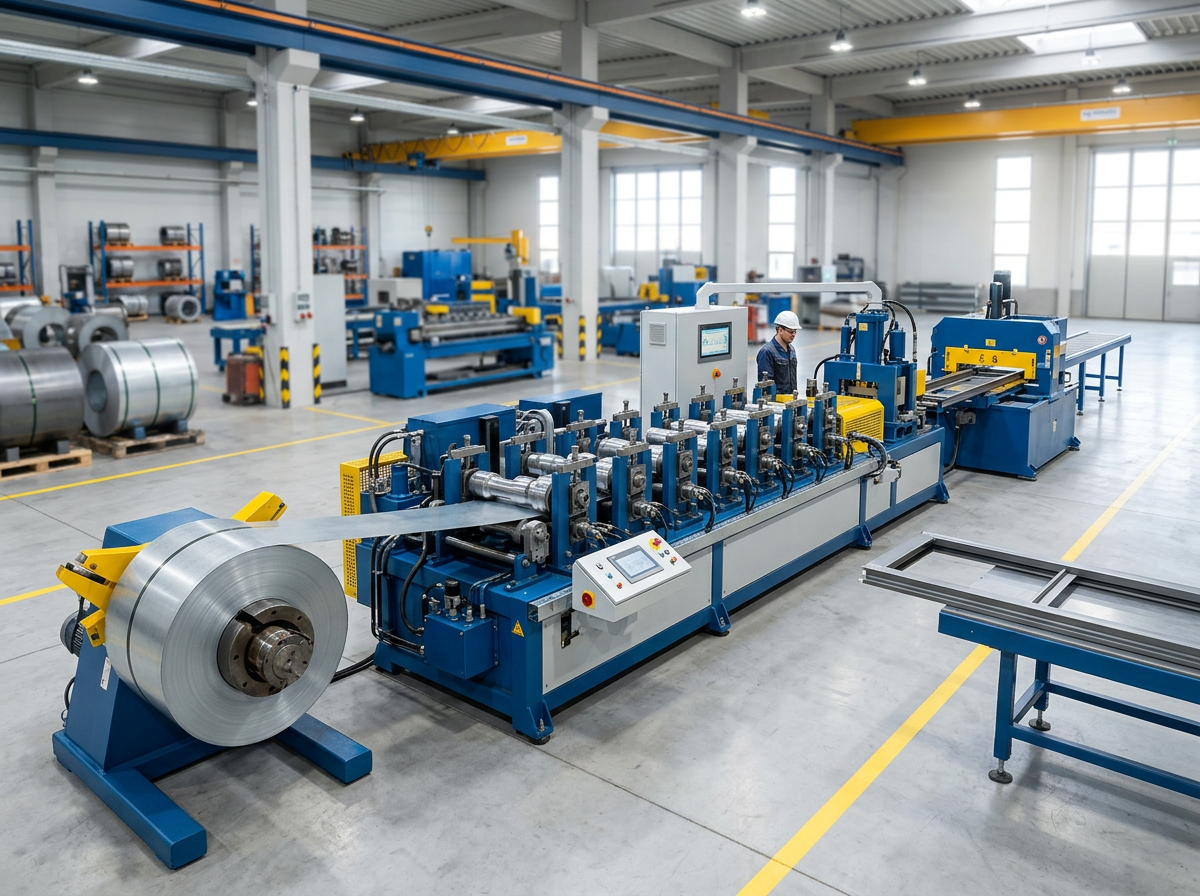
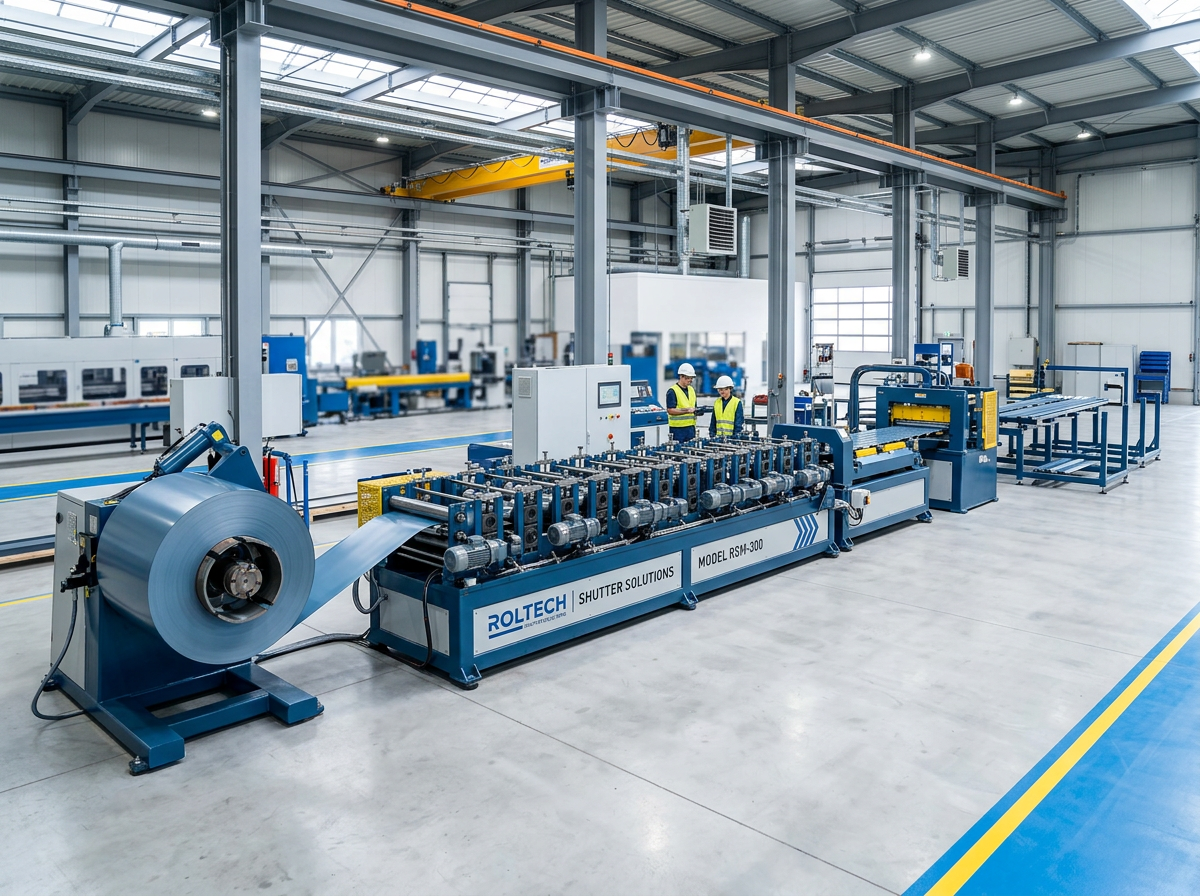
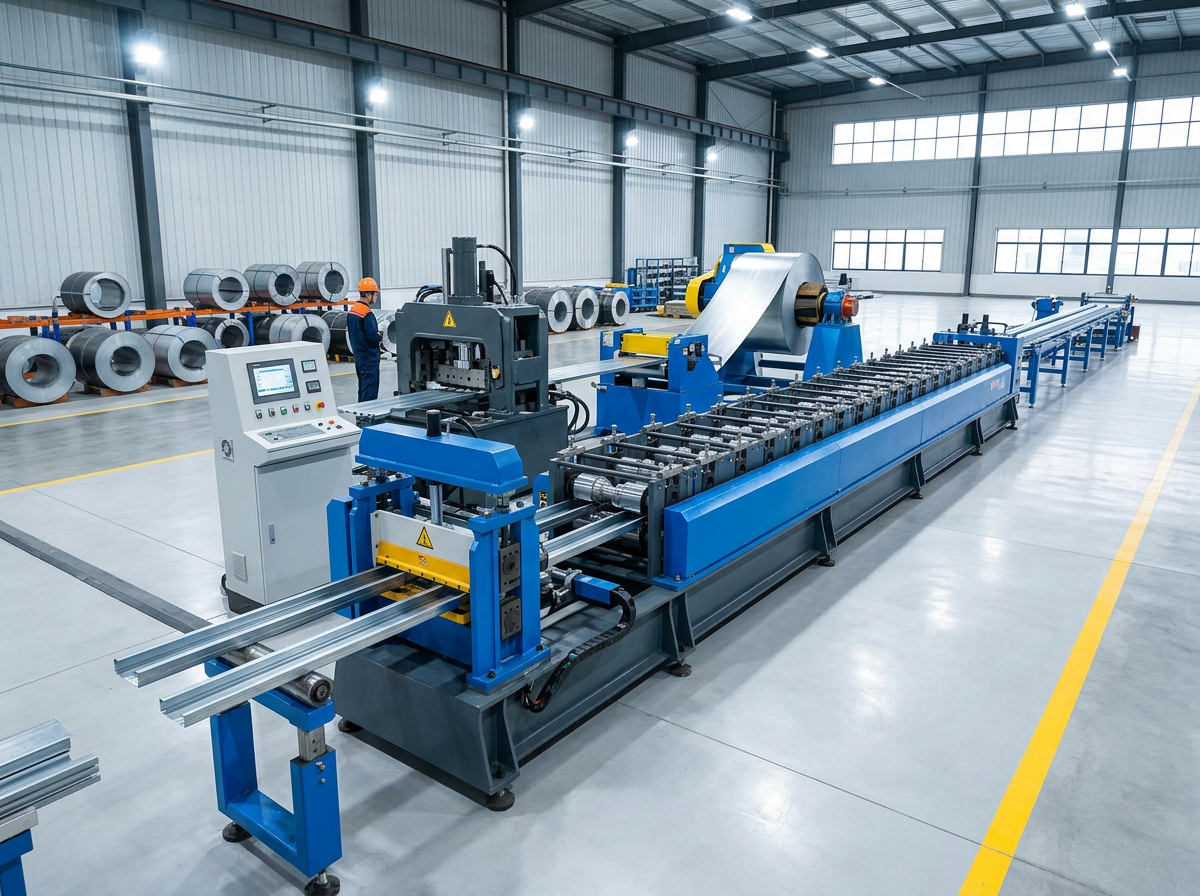
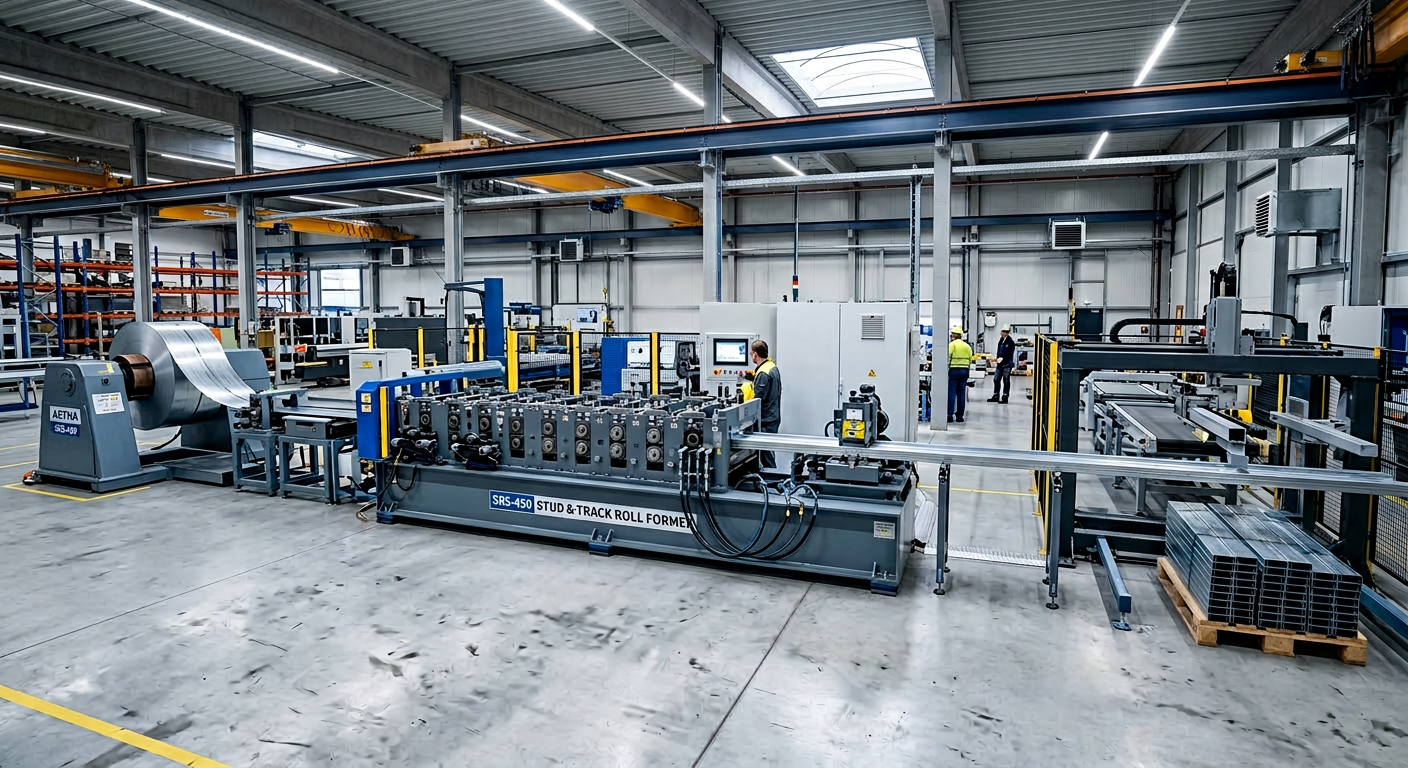
A sheet metal roll forming machine is a specialized equipment used to shape and transform flat metal sheets into desired profiles or cross-sections. It utilizes a continuous bending process, where the metal sheet is gradually shaped by passing through a series of rollers. By carefully controlling the roller configurations and adjustments, manufacturers can produce a wide range of complex shapes and profiles with high precision and consistency.
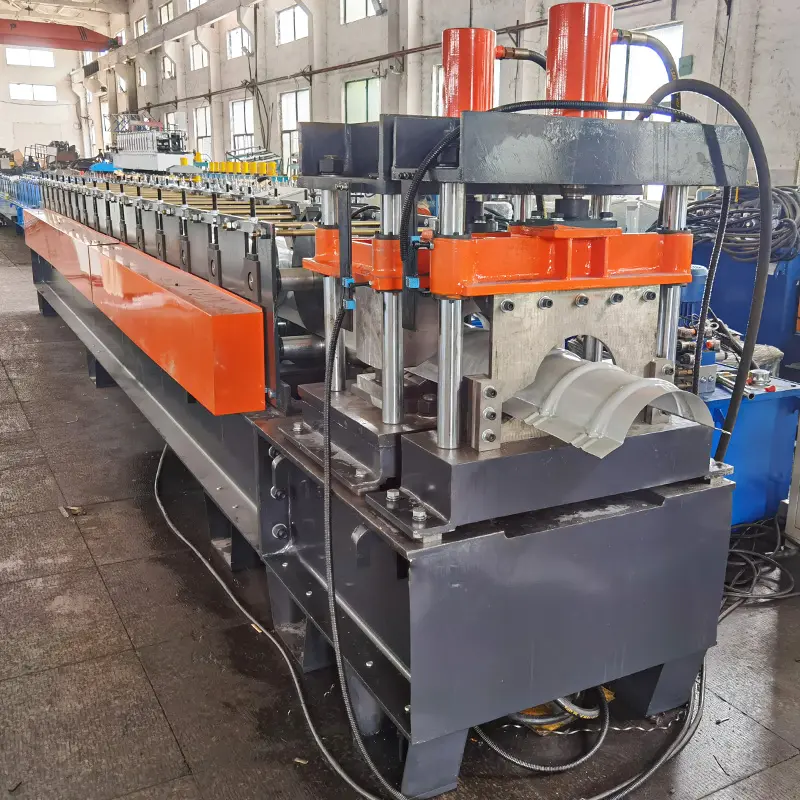
Benefits of Using a Sheet Metal Roll Forming Machine
3.1 Increased Efficiency and Productivity
One of the primary advantages of using a sheet metal roll forming machine is the significant increase in efficiency and productivity it offers. Unlike traditional fabrication methods that require multiple steps and operations, roll forming can produce finished parts in a continuous and automated manner. This eliminates the need for manual handling and reduces production time, resulting in higher output rates and improved overall efficiency.
3.2 Cost-Effective Manufacturing Process
Sheet metal roll forming is a cost-effective manufacturing process, especially for large-scale production. The automated nature of roll forming minimizes labor costs and reduces the dependency on skilled operators. Additionally, the process eliminates the need for secondary operations like welding or riveting, further reducing the overall production costs. By utilizing a sheet metal roll forming machine, manufacturers can achieve cost savings while maintaining high-quality output.
3.3 Versatile and Customizable Designs
Sheet metal roll forming machines offer immense versatility when it comes to designing and producing various shapes and profiles. The flexibility of the machine allows for customization according to specific project requirements. Whether it’s simple profiles or intricate designs, roll forming can handle a wide range of shapes and dimensions, enabling manufacturers to meet diverse customer demands.
3.4 Enhanced Material Strength and Durability
Roll forming not only shapes the metal but also improves its structural integrity. The continuous bending process imparts strength and durability to the metal, making it suitable for demanding applications. With precise control over the forming parameters, manufacturers can optimize the material properties and ensure consistent quality throughout the production process.
3.5 Reduced Waste and Environmental Impact
sheet metal roll forming machine is a highly efficient process that generates minimal waste compared to other fabrication methods. The precise shaping and bending of the metal sheet minimize material losses, resulting in less scrap. Additionally, roll forming machines can utilize recycled or pre-coated materials, further reducing the environmental impact and promoting sustainability.
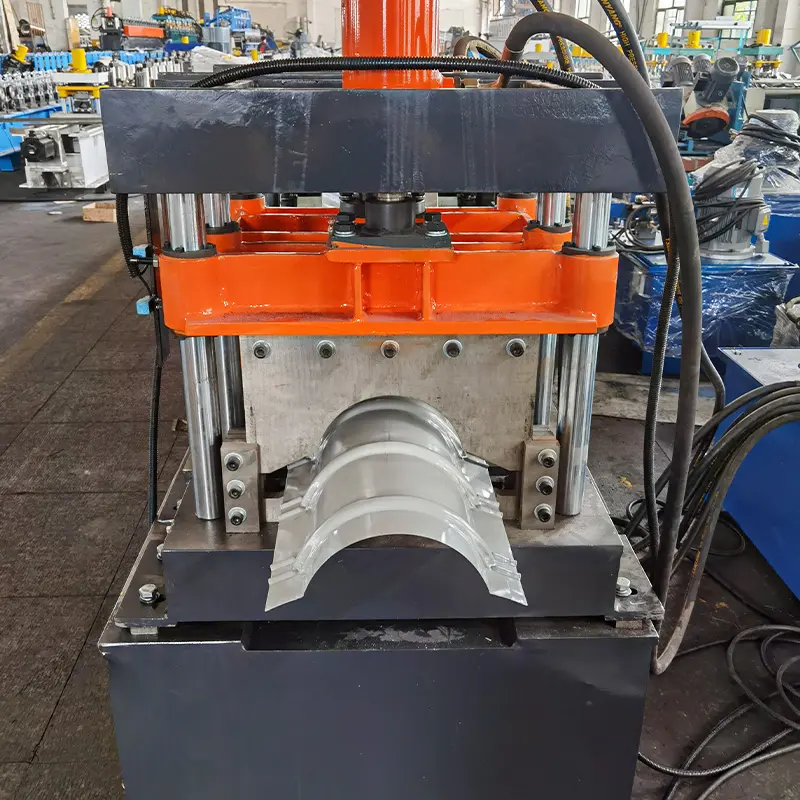
Different Types of Sheet Metal Roll Forming Machines
There are several types of sheet metal roll forming machines available, each designed for specific applications and production requirements. Let’s explore some of the common types:
4.1 Single-Side Roll Forming Machine
A single-side roll forming machine operates by bending the metal sheet from one side only. It is suitable for producing simple profiles with consistent cross-sections.
4.2 Double-Side Roll Forming Machine
A double-side roll forming machine can bend the metal sheet from both sides simultaneously. This allows for the production of more complex profiles with asymmetrical shapes.
4.3 Duplex Roll Forming Machine
A duplex roll forming machine consists of two roll forming units placed parallel to each other. It enables the simultaneous production of two different profiles, increasing productivity and reducing production time.
4.4 Automatic Roll Forming Machine
An automatic roll forming machine is equipped with advanced control systems that automate the entire production process. It eliminates the need for manual adjustments and enables high-speed and precise manufacturing.
4.5 CNC Roll Forming Machine
A CNC (Computer Numerical Control) roll forming machine is controlled by computer programs, offering enhanced precision and customization. It can produce complex profiles with intricate designs, meeting the most demanding specifications.
Key Components and Working Principles
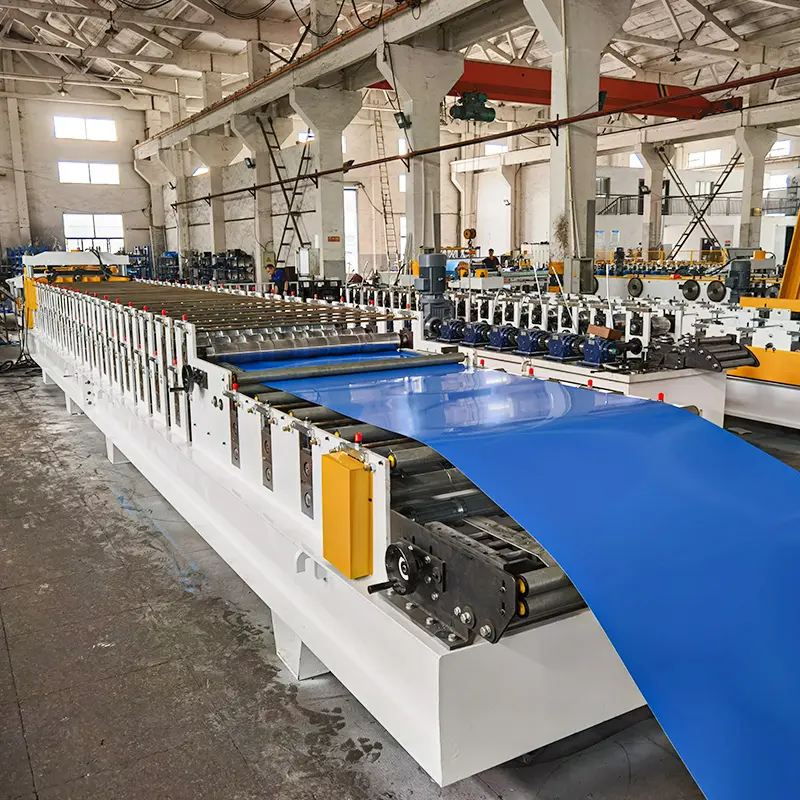
A sheet metal roll forming machine consists of several key components that work together to shape the metal sheet. Let’s explore these components and their working principles:
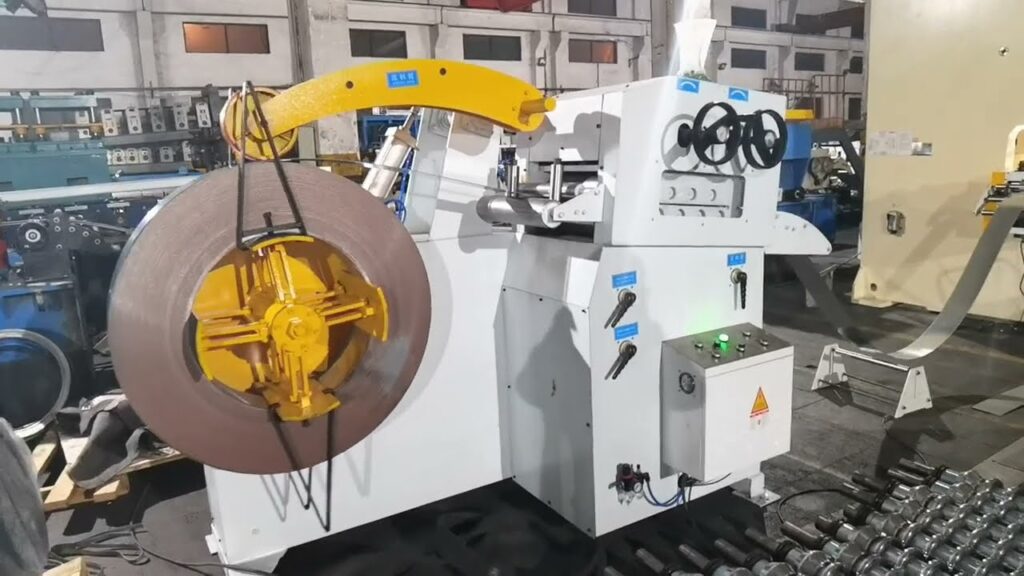
5.1 Entry Section
The entry section of the sheet metal roll forming machine is where the metal sheet enters the machine for processing. It often includes a decoiler, which holds the coil of metal and feeds it into the machine. The decoiler unwinds the metal sheet and provides a continuous supply for the roll forming process.
5.2 Forming Section
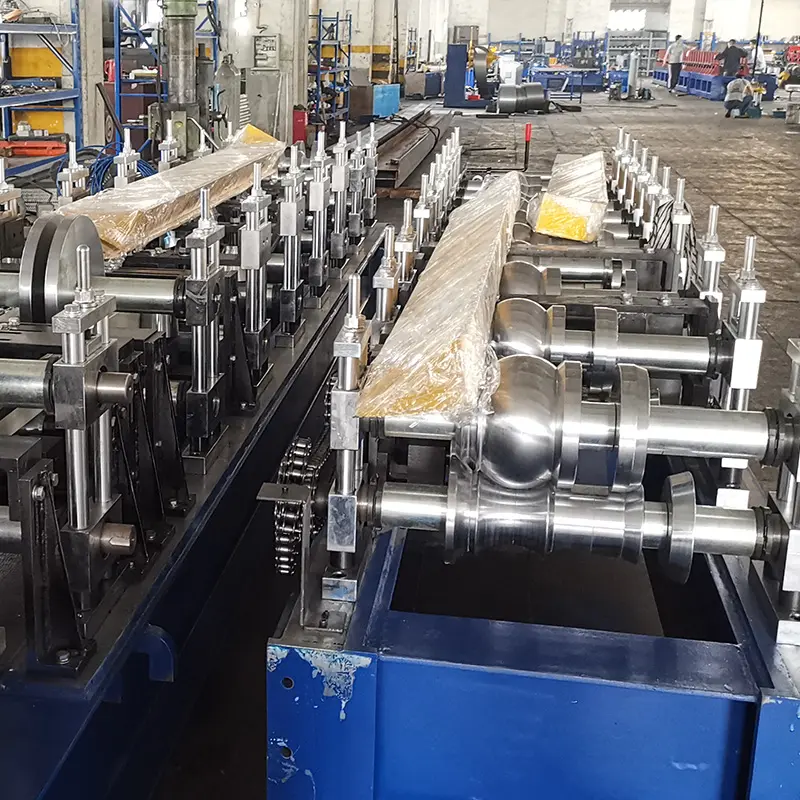
The forming section is the heart of the roll forming machine, where the metal sheet undergoes shaping and bending. It consists of a series of rollers that gradually deform the sheet into the desired profile. The rollers are carefully positioned and can be adjusted to achieve the precise dimensions and shape of the profile.
5.3 Cutting Section
After the metal sheet is formed into the desired profile, the cutting section comes into play. This section incorporates cutting tools or shearing mechanisms that trim the profile to the required length. The cutting process is synchronized with the speed of the roll forming machine to ensure accurate and consistent cuts.
5.4 Exit Section
The exit section marks the end of the roll forming process. It includes mechanisms to support and collect the finished profiles as they are discharged from the machine. Depending on the production requirements, additional operations such as hole punching, embossing, or notching may be integrated into the exit section to add further features or functionality to the profiles.
Applications of Sheet Metal Roll Forming Machines
Sheet metal roll forming machines find extensive applications across various industries. Let’s explore some of the key sectors where roll forming technology is commonly used:
6.1 Construction Industry
In the construction industry, sheet metal roll forming machines are utilized to produce components such as roofing panels, wall claddings, gutter systems, and framing profiles. The ability to create customized shapes and sizes makes roll forming ideal for construction projects that require precise and durable metal components.
6.2 Automotive Industry
Automotive manufacturers rely on sheet metal roll forming machines to produce a wide range of automotive parts, including body panels, chassis components, and structural reinforcements. The high-strength and consistent quality of roll-formed profiles contribute to the safety and performance of vehicles.
6.3 HVAC Industry
The HVAC (Heating, Ventilation, and Air Conditioning) industry extensively uses roll-formed components for ductwork, air distribution systems, and HVAC equipment enclosures. Roll forming enables the production of ducts with precise dimensions and intricate designs, ensuring efficient airflow and temperature control.
6.4 Furniture Industry
In the furniture industry, roll forming machines are employed to manufacture metal components for cabinets, shelving systems, desks, and chairs. The ability to create unique profiles and decorative designs adds aesthetic appeal and functionality to furniture products.
6.5 Electrical Industry
Sheet metal roll forming machines are widely used in the electrical industry to produce electrical enclosures, cable trays, and conduit systems. The accurate and consistent dimensions of roll-formed profiles ensure proper fit and protection for electrical equipment and wiring.
Factors to Consider When Choosing a Sheet Metal Roll Forming Machine
When selecting a sheet metal roll forming machine, several factors should be taken into consideration to ensure the best fit for your manufacturing needs. Here are some key factors to consider:
7.1 Material Thickness and Width
Different roll forming machines have varying capabilities regarding the maximum thickness and width of the metal sheets they can process. It is crucial to choose a machine that can handle the specific material dimensions required for your production.
7.2 Production Speed and Capacity
The production speed and capacity of a roll forming machine determine the output rate and overall efficiency of your manufacturing process. Consider the desired production volume and choose a machine that can meet your required speed and capacity specifications.
7.3 Machine Flexibility and Customization
Evaluate the flexibility of the roll forming machine in terms of its ability to produce a wide range of profiles and designs. Look for machines that offer easy tooling changes and adjustments to accommodate diverse product requirements.
7.4 Maintenance and Support
Consider the maintenance requirements of the roll forming machine and the availability of technical support from the manufacturer. Regular maintenance ensures optimal performance and longevity of the machine, while reliable support helps address any operational issues efficiently.
7.5 Cost and Return on Investment
Factor in the initial investment cost of the roll forming machine and assess the potential return on investment. Consider the long-term benefits, such as increased productivity, reduced labor costs, and improved product quality, to determine the machine’s overall value for your business.
Common Challenges and Solutions in Sheet Metal Roll Forming
While sheet metal roll forming offers numerous advantages, it is essential to be aware of potential challenges that may arise during the process. Here are some common challenges and their solutions:
8.1 Material Defects and Inconsistencies
Sheet metal may contain defects or inconsistencies that can affect the quality of the roll-formed profiles. Proper material selection, quality control measures, and regular inspection can help minimize these issues.
8.2 Forming and Deformation Issues
Complex profiles or certain material properties may pose challenges in achieving the desired shape and avoiding deformation during the roll forming process. Careful design of the tooling and adjustments of the machine parameters can help overcome these challenges and ensure accurate forming.
8.3 Misalignment and Dimensional Accuracy
Misalignment of the metal sheet or inaccuracies in the roll forming machine setup can result in profiles with dimensional deviations. Regular calibration, precise alignment, and thorough quality checks can address these issues and maintain dimensional accuracy.
8.4 Tooling and Die Maintenance
Wear and tear of the roll forming tooling and dies can impact the quality of the profiles and the performance of the machine. Regular maintenance, including cleaning, lubrication, and replacement of worn components, is crucial to ensure consistent and efficient operation.
8.5 Quality Control and Inspection
Implementing a robust quality control system is essential to identify any defects or deviations in the roll-formed profiles. Regular inspections, dimensional checks, and adherence to quality standards can help maintain high product quality and customer satisfaction.
Future Trends in Sheet Metal Roll Forming Technology
The field of sheet metal roll forming continues to evolve, driven by technological advancements and industry demands. Here are some future trends to watch out for:
9.1 Advanced Automation and Robotics
Automation and robotics are increasingly being integrated into roll forming processes, enabling higher levels of precision, efficiency, and productivity. Automated material handling, robotic tooling changes, and real-time monitoring systems are becoming more prevalent in modern roll forming setups.
9.2 Integration with Industry 4.0 Technologies
Sheet metal roll forming machines are being connected to digital systems, leveraging the capabilities of Industry 4.0 technologies. Integration with data analytics, cloud-based platforms, and smart sensors allows for real-time monitoring, predictive maintenance, and improved process optimization.
9.3 Lightweight and Sustainable Materials
With the growing emphasis on sustainability, roll forming technology is adapting to incorporate lightweight and eco-friendly materials. This includes the use of high-strength alloys, composite materials, and recyclable substrates, promoting energy efficiency and reducing environmental impact.
9.4 Enhanced Precision and Quality Control
Advancements in sensors, measurement systems, and control algorithms enable enhanced precision and quality control in roll forming processes. Real-time monitoring of critical parameters, closed-loop feedback systems, and advanced inspection techniques contribute to improved product consistency and reduced wastage.
9.5 Improved Energy Efficiency
Efforts are being made to optimize energy consumption in sheet metal roll forming. This includes the development of energy-efficient drive systems, intelligent power management, and the utilization of renewable energy sources. Energy-saving measures not only reduce operational costs but also promote sustainability in the manufacturing industry.
Conclusion
Sheet metal roll forming machines are integral to modern manufacturing, offering numerous benefits such as increased efficiency, cost-effectiveness, and versatile production capabilities. The ability to shape and transform metal sheets into complex profiles makes roll forming a preferred choice in industries ranging from construction to automotive. By understanding the key components, working principles, and applications of roll forming machines, as well as considering factors like material thickness and customization options, manufacturers can make informed decisions when choosing the right machine for their needs. While roll forming poses certain challenges, proper maintenance, quality control, and adherence to best practices can overcome these hurdles and ensure successful production. Looking ahead, the future of sheet metal roll forming technology holds exciting possibilities with advanced automation, integration with Industry 4.0, lightweight materials, precision enhancements, and energy efficiency advancements.
FAQs
Q1. What is the difference between roll forming and stamping?
Roll forming and stamping are both metal forming processes but differ in their approach. Roll forming gradually shapes a continuous metal sheet using a series of rollers, while stamping involves pressing or punching the metal sheet with a die to create the desired shape. Roll forming is suitable for producing long profiles with consistent cross-sections, while stamping is often used for forming flat or three-dimensional shapes with intricate details.
Q2. Can sheet metal roll forming machines handle different types of metals?
Yes, sheet metal roll forming machines can handle a variety of metals, including steel, stainless steel, aluminum, copper, and more. The suitability of a specific metal for roll forming depends on its ductility, thickness, and other material properties. Manufacturers can adjust the machine parameters and tooling to accommodate different types of metals.
Q3. What is the typical speed of a sheet metal roll forming machine?
The speed of a sheet metal roll forming machine can vary depending on factors such as the complexity of the profile, material thickness, and machine capabilities. Typical speeds can range from 10 to 100 feet per minute (3 to 30 meters per minute). However, it’s important to note that speed should be optimized based on the specific requirements of the production process to ensure quality and accuracy.
Q4. How can I ensure the quality of roll-formed profiles?
To ensure the quality of roll-formed profiles, several steps can be taken. This includes implementing a robust quality control system that involves regular inspections, dimensional checks, and adherence to industry standards. Additionally, proper maintenance of the roll forming machine, including cleaning, lubrication, and tooling maintenance, is essential. Monitoring and addressing any material defects or inconsistencies can also contribute to maintaining high-quality output.
Q5. Is roll forming a cost-effective manufacturing process?
Yes, roll forming is considered a cost-effective manufacturing process, especially for large-scale production. The automated nature of roll forming reduces labor costs and eliminates the need for secondary operations like welding or riveting. The efficient use of materials and the ability to produce complex profiles with minimal waste further contribute to cost savings. However, the cost-effectiveness of roll forming should be evaluated based on specific project requirements and the expected return on investment.
अक्सर पूछे जाने वाले प्रश्न (पूरक)
1) Which materials and coatings run best on Sheet Metal Roll Forming Machines for exterior applications?
- Galvanized (ASTM A653), Zn-Al-Mg, and aluminum 3xxx/5xxx with PE/PVDF topcoats. Typical gauges: 0.35–1.2 mm. Use protective film for pre-painted coils and rolls with Ra ≤ 0.8 μm to minimize scuffing.
2) How can I improve first-pass yield on complex profiles with hems or interlocks?
- Use simulation-led pass design, document roll gaps per gauge, add laser length control, vision checks for flange height, and maintain tight entry guide alignment. Stabilize coil tension with a bridle before pass 1.
3) What cut-off system delivers the best accuracy at medium-to-high speeds?
- Servo-electric flying shear with high-resolution encoder feedback typically achieves ±0.5–0.8 mm at 25–40 m/min, outperforming conventional hydraulic-only setups in repeatability and energy use.
4) Can roll forming handle AHSS and stainless steel without edge cracking?
- Yes, with increased pass count, optimized bend progression, larger radii (≥1.5–2.0×t), appropriate roll materials (carbide/nitrided), lubricant management, and lower per-pass strain to control springback and micro-cracking.
5) What data should be captured for Industry 4.0 traceability?
- Coil certs (yield, thickness), pass setup (gaps, guide positions), line speed/tension, encoder counts, QC metrics (rib/hem height, width), tool life (cuts per blade), downtime codes, and maintenance logs.
2025 Industry Trends for Sheet Metal Roll Forming Machines
- Electrification and energy reduction: Servo-driven punches and shears with regenerative drives cut energy intensity by 10–20% vs. hydraulic-only lines.
- Faster, digital changeovers: Quick-change cassettes and recipe-driven presets reduce profile changeover to 20–45 minutes.
- Inline quality normalization: Laser length and vision-based geometry checks push FPY to 98–99% on painted profiles.
- Sustainability at scale: Shift toward Zn-Al-Mg coatings, recycled-content coils, and cool-roof paints; EPD-backed procurement is rising.
- Safety and compliance: Safety PLCs meeting ISO 13849-1 PL d/e and documented stop categories are baseline for CE/UKCA buyers.
Performance Benchmarks (General Roll Forming Lines, 2023 vs 2025)
| मुख्य प्रदर्शन संकेतक | २०२३ सामान्य | 2025 सर्वश्रेष्ठ-इन-क्लास | Key Enablers | Source |
|---|---|---|---|---|
| Changeover time (profile) | 90–180 min | 20–45 min | Quick-change cassettes, digital recipes | The Fabricator; OEM specs https://www.thefabricator.com |
| Length tolerance @30 m/min | ±1.2–1.8 mm | ±0.5–0.8 mm | Servo flying shear, high-res encoders | OEM datasheets |
| First-pass yield (painted) | 95–97% | 98–99% | Inline laser/vision SPC (ISO 22514) | ISO https://www.iso.org |
| Energy use (kWh/ton) | 120–150 | 95–120 | Servo actuators, regen drives | World Steel Association https://worldsteel.org |
| Unplanned downtime | 8–12% | 3–51टीपी3टी | PdM sensors, oil analysis, vibration | McKinsey PdM https://www.mckinsey.com |
नवीनतम अनुसंधान मामले
Case Study 1: Digital Recipe + Servo Shear Upgrade on Mixed-Material Profiles (2025)
Background: An appliance OEM formed galvanized and 304 SS profiles on a legacy line with frequent changeovers and scrap spikes.
Solution: Installed quick-change cassettes, servo-electric flying shear, laser length gauge, and MES-linked recipes auto-applying roll gaps and guides by coil cert.
Results: Changeover cut from 120 to 38 minutes; length tolerance improved from ±1.6 mm to ±0.7 mm; FPY rose from 96.2% to 99.0%; energy/ton reduced 13%.
Case Study 2: Zn-Al-Mg Adoption with Surface Preservation Protocol (2024)
Background: Building products maker shifted to Zn-Al-Mg for coastal projects but saw coating scuffs.
Solution: Nitrided/polished critical rolls, added felt wipers and UHMW-PE supports, enforced roll cleaning SOPs and protective film to exit.
Results: Coating defect rate dropped from 1.3% to 0.5%; warranty claims down 52%; throughput +11% with no quality loss.
विशेषज्ञों की राय
- Dr. Alan Taub, Professor of Materials Science and Engineering, University of Michigan
Viewpoint: “Higher-strength and Zn-Al-Mg coated steels run reliably when pass progression limits strain per station and roll surfaces are controlled. Surface damage, not base-metal limits, is the top yield killer.” Source: https://mie.engin.umich.edu - Michael Kolisnyk, VP Engineering, Roll-Kraft
Viewpoint: “Documenting roll gaps and guide positions by gauge/coating and validating the first two passes can eliminate most downstream twist and bow issues.” Source: https://www.roll-kraft.com - Daniela Rossi, Functional Safety Lead, TÜV SÜD
Viewpoint: “ISO 13849-1 PL d/e with verified stop categories and interlock validation should be standard on new lines and retrofits—critical for CE/UKCA and real-world maintenance safety.” Source: https://www.tuvsud.com
व्यावहारिक उपकरण और संसाधन
- COPRA RF (data M) – Roll forming simulation and pass design: https://www.datam.de
- Roll-Kraft Resource Center – Setup charts, troubleshooting guides: https://www.roll-kraft.com/roll-forming-resource-center
- The Fabricator – Best practices and case studies: https://www.thefabricator.com
- ISO Standards – ISO 13849-1 (functional safety), ISO 22514 (SPC): https://www.iso.org
- World Steel Association – Materials and energy benchmarks: https://worldsteel.org
- Keyence / Cognex – Laser length and vision inspection systems: https://www.keyence.com | https://www.cognex.com
Target keyword integration examples:
- Upgrading Sheet Metal Roll Forming Machines with servo flying shears and inline vision improves accuracy and reduces scrap.
- Preventive maintenance on Sheet Metal Roll Forming Machines—entry guides, roll tooling, and cut-off blades—stabilizes FPY and protects coatings.
- Industry 4.0 connectivity enables Sheet Metal Roll Forming Machines to log recipes, QC metrics, and coil data for end-to-end traceability.
उद्धरण और अतिरिक्त पठन:
- The Fabricator: Roll forming fundamentals and modernization https://www.thefabricator.com
- World Steel Association: Energy and coated steel references https://worldsteel.org
- ISO: Functional safety and SPC frameworks https://www.iso.org
- McKinsey: Predictive maintenance and digital manufacturing https://www.mckinsey.com
अंतिम अपडेट: 2025-10-24
परिवर्तन-लेख: Added 5 supplemental FAQs; 2025 trends with benchmark table; two recent case studies; expert viewpoints; curated tools/resources; integrated keyword examples and authoritative citations tailored to Sheet Metal Roll Forming Machines.
अगली समीक्षा तिथि और ट्रिगर: 2026-05-20 or earlier if major OEMs release new quick-change cassette ecosystems, ISO 13849/22514 updates publish, or widespread adoption of Zn-Al-Mg/cool-roof coatings changes standard pass designs.