Introduction
What is roll forming machine?
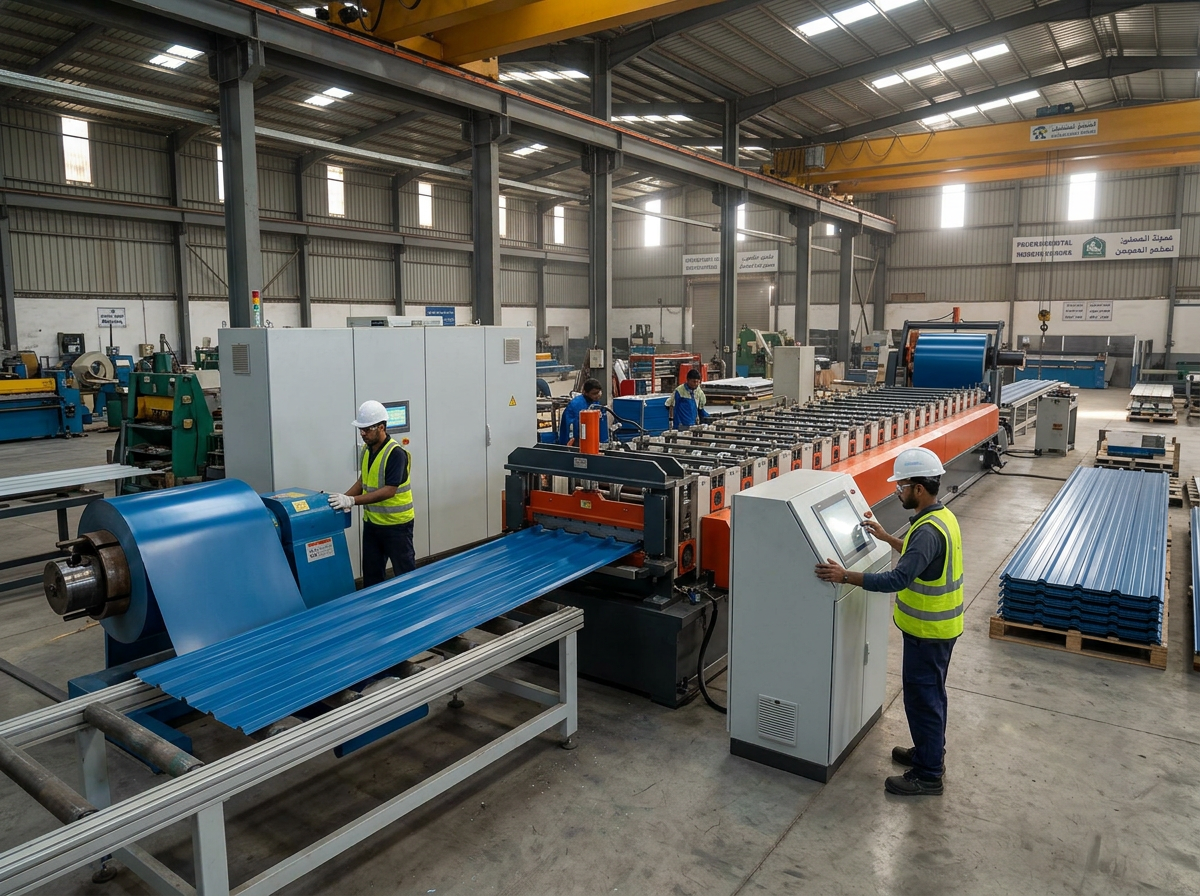
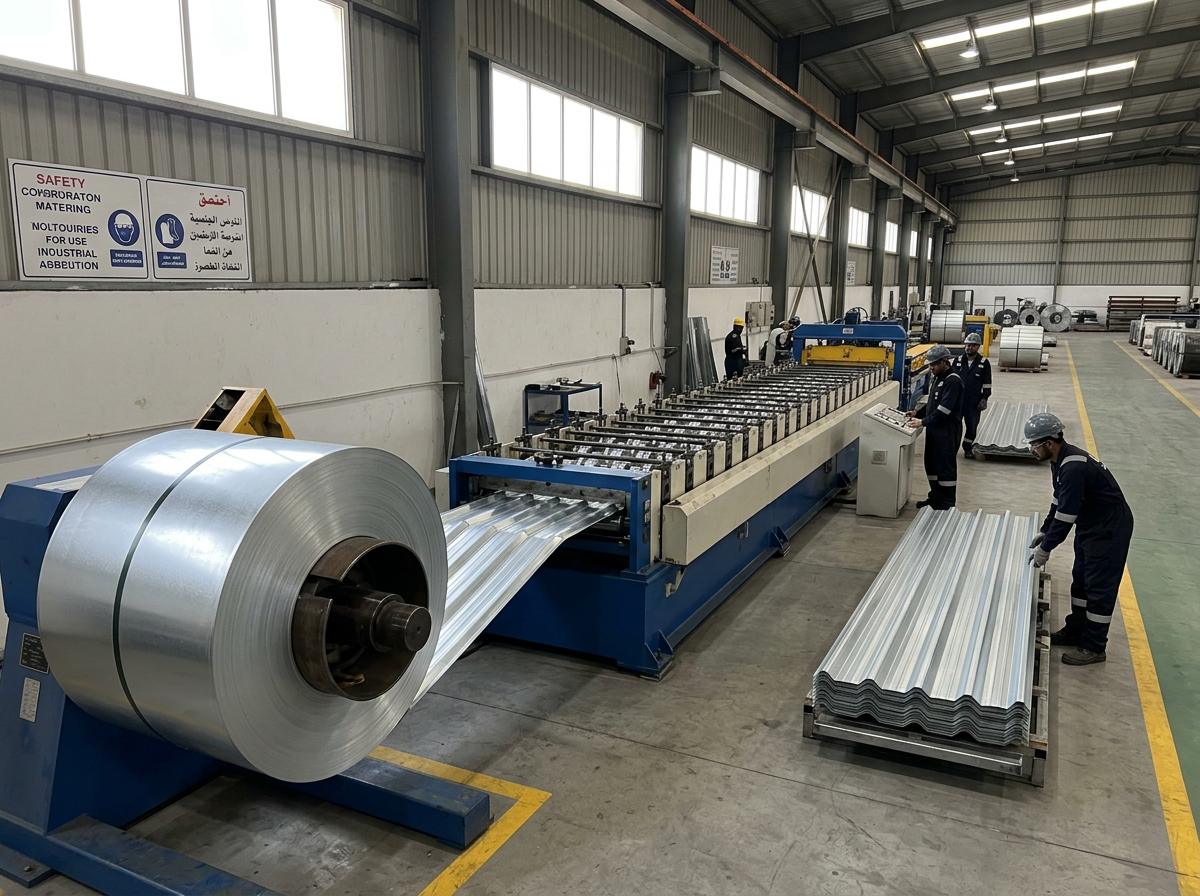
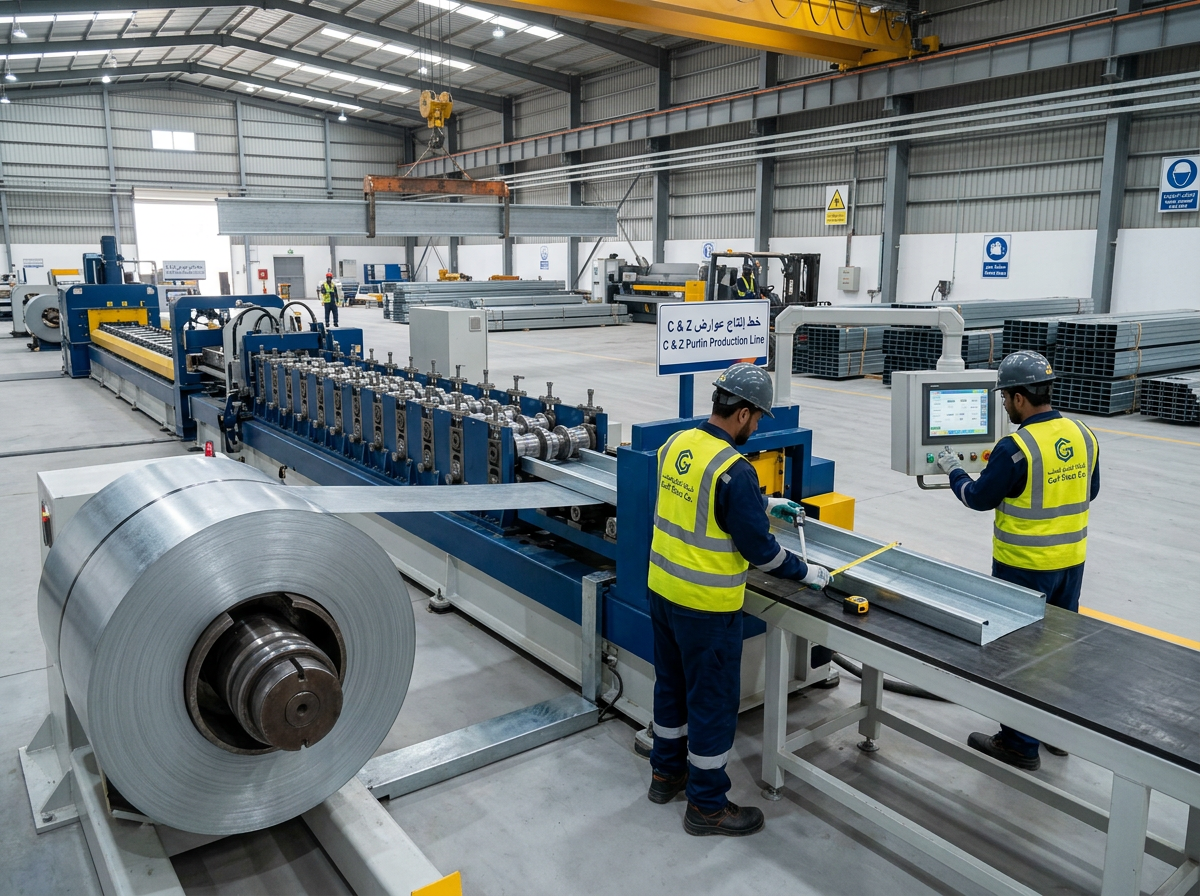
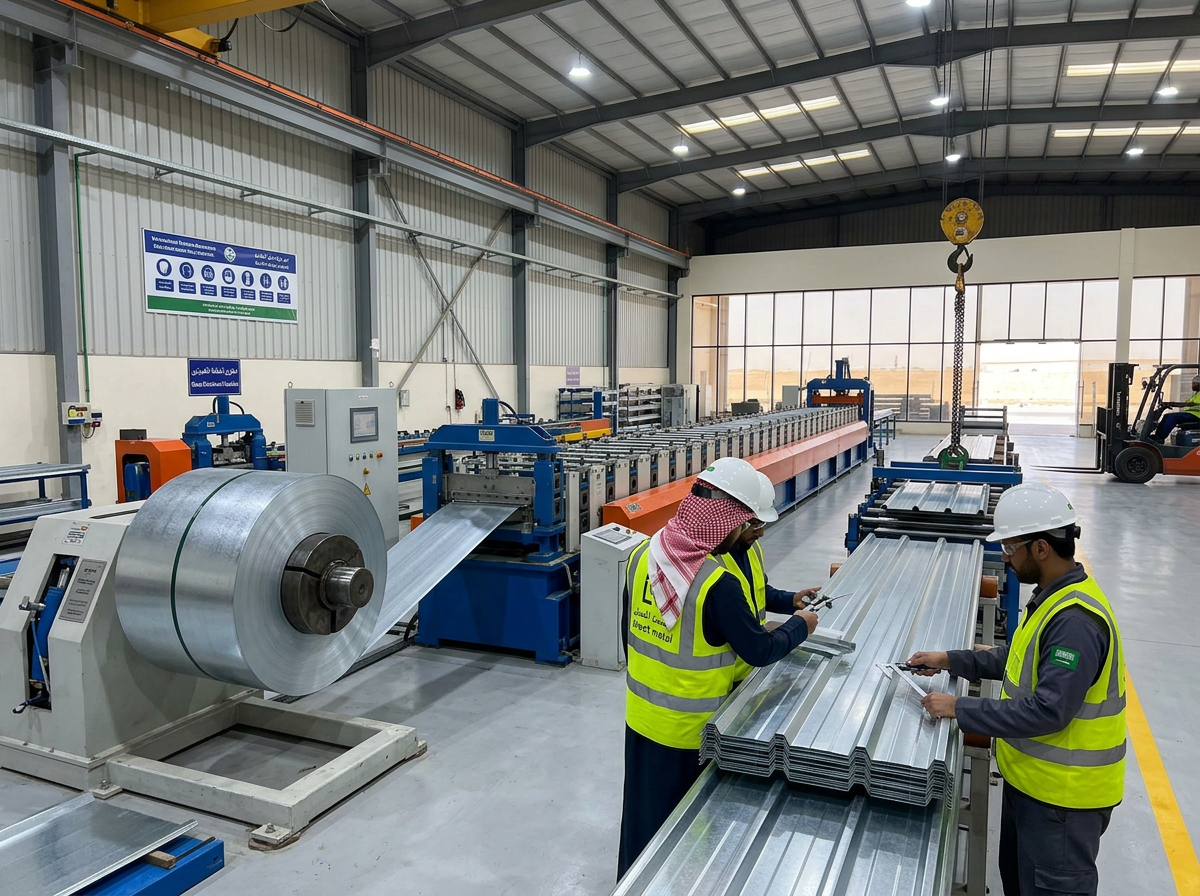
A roll forming machine is a specialized equipment used in the metalworking industry to shape and bend metal sheets into specific profiles. It is a continuous process where a long strip of metal is passed through a series of rollers, each performing a specific bending or shaping action. The rollers gradually shape the metal into the desired profile, resulting in a finished product with precise dimensions and consistent quality. Roll forming machines are widely used in various industries, such as automotive, construction, and manufacturing, due to their efficiency, versatility, and ability to produce high-quality products at a fast pace.
Importance of choosing the right roll forming machine
Choosing the right roll forming machine is of utmost importance for any business involved in the metal forming industry. A roll forming machine is a significant investment that can greatly impact the efficiency and productivity of the manufacturing process. By selecting the appropriate machine, businesses can ensure high-quality output, reduce production costs, and improve overall production speed. Additionally, the right roll forming machine can also enable businesses to expand their product offerings and cater to a wider range of customer demands. Therefore, careful consideration and evaluation of the different factors involved in choosing a roll forming machine are crucial for the success and growth of any metal forming business.
Overview of the article
In this article, we will provide an overview of the important factors to consider when choosing the right roll forming machine for your business. Roll forming machines are essential equipment for many industries, including construction, automotive, and manufacturing. They are used to shape metal sheets into specific profiles and designs, making them a crucial investment for businesses that require customized metal products. By understanding the key considerations for selecting a roll forming machine, you can make an informed decision that aligns with your business needs and goals. Whether you are a small-scale operation or a large manufacturing facility, this article will guide you through the process of choosing the right roll forming machine for your business.
Understanding Roll Forming
Definition and process of roll forming
Roll forming is a manufacturing process that involves continuously bending a long strip of metal into a desired shape. It is commonly used in various industries, including automotive, construction, and appliance manufacturing. The process starts with a flat strip of metal, which is fed into a series of rollers that gradually bend it into the desired profile. This method allows for precise shaping and consistent results, making it an ideal choice for producing complex and high-quality metal components. Roll forming machines play a crucial role in this process, as they provide the necessary equipment and tools to efficiently carry out the bending and shaping operations. Choosing the right roll forming machine for your business is essential to ensure optimal performance, productivity, and cost-effectiveness. Factors such as the material type, thickness, and desired profile should be carefully considered when selecting a roll forming machine that meets your specific requirements.
Advantages of roll forming
Roll forming machines offer several advantages that make them a popular choice for businesses. Firstly, roll forming machines are highly efficient and can produce large quantities of products in a short amount of time. This is particularly beneficial for businesses that have high production demands. Additionally, roll forming machines are versatile and can be used to create a wide range of products with different shapes and sizes. This flexibility allows businesses to adapt to changing market demands and offer a variety of products to their customers. Another advantage of roll forming machines is their cost-effectiveness. These machines are designed to minimize material waste and optimize production processes, resulting in lower production costs. Lastly, roll forming machines are known for their durability and reliability. They are built to withstand heavy use and can operate continuously without frequent breakdowns, ensuring smooth and uninterrupted production. Overall, the advantages of roll forming machines make them an excellent investment for businesses looking to enhance their manufacturing capabilities and improve productivity.
Applications of roll forming
Roll forming machines have a wide range of applications in various industries. They are commonly used in the automotive industry for manufacturing car body parts, such as door panels and roof rails. Additionally, roll forming machines are utilized in the construction industry for producing metal profiles used in building structures, such as steel beams and roofing panels. The appliance industry also benefits from roll forming machines, as they are used to manufacture components for household appliances, such as refrigerator shelves and oven racks. With their versatility and efficiency, roll forming machines play a crucial role in shaping various products across different sectors.
Factors to Consider
Types of materials
When it comes to choosing the right roll forming machine for your business, understanding the different types of materials that can be used is essential. Roll forming machines are capable of working with a wide range of materials, including steel, aluminum, copper, and stainless steel. Each material has its own unique properties and characteristics, which can impact the performance and durability of the final product. By considering the specific requirements of your business and the properties of different materials, you can make an informed decision on the type of roll forming machine that will best suit your needs.
Design and customization options
When it comes to choosing the right roll forming machine for your business, design and customization options play a crucial role. The design of the machine should align with your specific requirements and production needs. It should be able to handle the materials and dimensions of the products you intend to manufacture. Additionally, customization options are essential to ensure that the machine can be tailored to meet your unique production processes. Whether it’s adjustable tooling, multiple forming stations, or modular design, having the flexibility to customize the machine will enable you to optimize efficiency and productivity. Therefore, carefully evaluating the design and customization options of a roll forming machine is vital to make an informed decision for your business.
Production capacity and speed
When it comes to choosing the right roll forming machine for your business, one of the key factors to consider is the production capacity and speed. The production capacity refers to the maximum output the machine can achieve within a given time frame, while the speed refers to the rate at which the machine can process materials. These factors are crucial as they directly impact the efficiency and productivity of your manufacturing operations. It is important to assess your business requirements and determine the desired production capacity and speed that align with your production goals. By selecting a roll forming machine with the appropriate production capacity and speed, you can ensure that your business can meet the demand and optimize the manufacturing process.
Quality and Durability
Choosing a reputable manufacturer
Choosing a reputable manufacturer is crucial when it comes to selecting the right roll forming machine for your business. A reputable manufacturer ensures that you receive a high-quality machine that meets your specific requirements. They have a proven track record of delivering reliable and durable machines that can withstand the demands of your production process. Additionally, a reputable manufacturer offers excellent customer support, providing you with assistance and guidance throughout the entire purchasing and installation process. By choosing a reputable manufacturer, you can have peace of mind knowing that you are investing in a roll forming machine that will contribute to the success and efficiency of your business.
Evaluating machine specifications
When evaluating machine specifications for your roll forming business, it is important to consider several key factors. Firstly, you should assess the material thickness and width that the machine can handle, ensuring it aligns with the requirements of your products. Additionally, the number of forming stations and the maximum line speed should be taken into account, as they determine the production capacity and efficiency of the machine. Other important specifications to consider include the roll diameter, the power requirements, and the control system. By carefully evaluating these machine specifications, you can choose the right roll forming machine that meets the specific needs of your business.
Testing and certification standards
When it comes to choosing the right roll forming machine for your business, one important aspect to consider is the testing and certification standards. These standards ensure that the machine meets the necessary quality and safety requirements. By selecting a machine that has been tested and certified, you can have peace of mind knowing that it will perform reliably and efficiently. Additionally, adherence to testing and certification standards can also help you comply with industry regulations and avoid potential legal issues. Therefore, it is crucial to thoroughly research and understand the testing and certification standards relevant to roll forming machines before making a decision.
Cost and ROI Analysis
Initial investment
When considering the purchase of a roll forming machine for your business, one of the key factors to take into account is the initial investment. The initial investment refers to the upfront cost of acquiring the machine, including the purchase price, installation fees, and any additional expenses. It is important to carefully evaluate your budget and financial capabilities to determine the right roll forming machine that aligns with your business needs and goals. While it may be tempting to opt for a cheaper option, it is crucial to consider the long-term benefits and quality of the machine to ensure maximum efficiency and productivity. Investing in a high-quality roll forming machine from a reputable manufacturer can yield significant returns in terms of increased production output, reduced downtime, and improved product quality. Therefore, thorough research and analysis of various options are essential to make an informed decision regarding the initial investment in a roll forming machine for your business.
Operating costs
Operating costs are a crucial factor to consider when choosing the right roll forming machine for your business. These costs include the expenses associated with the machine’s energy consumption, maintenance, and raw material usage. It is important to carefully evaluate these costs as they can significantly impact your overall profitability. By selecting a roll forming machine with low operating costs, you can maximize your efficiency and minimize your expenses, ultimately leading to a more successful and sustainable business.
Return on investment (ROI)
Return on investment (ROI) is a crucial factor to consider when choosing the right roll forming machine for your business. The ROI measures the profitability of an investment and helps determine how long it will take to recoup the initial cost of the machine. By analyzing the ROI, you can assess the financial feasibility of purchasing a roll forming machine and determine its potential impact on your business’s bottom line. Factors such as production efficiency, material savings, and increased product quality can contribute to a higher ROI. It is essential to carefully evaluate the ROI of different roll forming machines to make an informed decision that aligns with your business goals and objectives.
Choosing the Right Supplier
Researching and comparing suppliers
When it comes to researching and comparing suppliers for your roll forming machine, there are several key factors to consider. First and foremost, you need to assess the reputation and experience of the suppliers. Look for companies that have a proven track record in the industry and positive customer reviews. Additionally, it’s important to evaluate the quality of the machines offered by each supplier. Consider factors such as the materials used, the manufacturing process, and the durability of the machines. Price is also a crucial factor to consider, but it should not be the sole determining factor. Look for suppliers that offer competitive pricing without compromising on quality. Finally, don’t forget to consider the after-sales support provided by the suppliers. A reliable supplier should offer technical assistance, spare parts availability, and maintenance services to ensure the smooth operation of your roll forming machine. By thoroughly researching and comparing suppliers based on these factors, you can choose the right roll forming machine for your business with confidence.
Customer reviews and testimonials
Customer reviews and testimonials play a crucial role in helping businesses make informed decisions. When it comes to choosing the right roll forming machine for your business, hearing from other customers who have already used the machine can provide valuable insights. These reviews and testimonials give you an opportunity to gauge the machine’s performance, reliability, and overall satisfaction level. By considering the experiences and opinions of other customers, you can gain a better understanding of whether the roll forming machine meets your specific business needs and requirements. Additionally, customer reviews and testimonials can also highlight any potential issues or drawbacks that you should be aware of before making a purchase. Therefore, taking the time to read and analyze customer feedback can greatly assist you in making the right choice for your business.
After-sales support and warranty
After-sales support and warranty are crucial factors to consider when choosing a roll forming machine for your business. A reliable manufacturer should provide comprehensive after-sales support to ensure the smooth operation of the machine. This includes technical assistance, maintenance services, and spare parts availability. Additionally, a good warranty package will give you peace of mind, protecting your investment in case of any defects or malfunctions. Therefore, it is important to thoroughly evaluate the after-sales support and warranty offered by different manufacturers before making a decision.
Frequently Asked Questions (FAQ)
1) What tolerances can a roll forming machine realistically hold?
- High-quality lines with precision tooling and closed-loop controls can achieve ±0.15–0.25 mm on width and ±0.5° on angles for mild steel up to 1.5 mm. Heavier gauges or high-strength steels may require looser tolerances unless you add pre-/post-process calibration and inline measurement.
2) How do I decide between single-profile and quick-change roll forming machines?
- Choose single-profile for high-volume, stable SKUs with minimal changeovers. Opt for quick-change cassettes/raft tooling if you run 3+ profiles weekly; changeover can drop from 6–8 hours to 30–90 minutes, improving overall equipment effectiveness (OEE).
3) What’s the difference between roll forming and press braking for my parts?
- Roll forming excels at long, continuous profiles with consistent cross-sections and high throughput, minimizing scrap. Press braking suits short runs, thick sections, or parts with varying bends. If you ship >5,000 m/month per profile with consistent geometry, roll forming usually wins on cost-per-meter.
4) Which materials are best suited for roll forming?
- Common: galvanized steel, cold-rolled steel, aluminum (3xxx/5xxx series), stainless (304/316L), and pre-painted coils. Ultra-high-strength steel (UHSS >780 MPa) and advanced high-strength steel (AHSS) are increasingly feasible with specialized tooling, larger roll diameters, and robust drivetrains.
5) What utilities and infrastructure should I plan for?
- Typical needs: 380–480V 3-phase power, 6–8 bar compressed air, level foundations, coil storage, and scrap handling. For automated cells, plan Ethernet/IP or PROFINET connectivity, UPC/GS1 barcode or RFID readers, and space for safety fencing per ISO 14120.
2025 Industry Trends
- EV and lightweighting push: More aluminum and AHSS roll forming for battery trays, rocker panels, and crash rails.
- Inline quality control: Cameras, laser triangulation, and AI anomaly detection moving from pilot to standard in Tier-1 lines.
- Energy efficiency: Servo-driven stands, regenerative drives, and variable-frequency drives (VFDs) reduce kWh/meter 10–25%.
- Faster changeovers: Tool-less raft systems and digital setup recipes cut changeover time by 50–80%.
- Sustainability: Scope 3 pressure drives coil-yield optimization and remnant tracking; EPD-ready reporting requested by OEMs.
| 2025 Trend/Metric | Typical Baseline (2022) | 2025 Range | Business Impact | Source |
|---|---|---|---|---|
| Inline AI vision adoption | <10% of new lines | 35–45% | 20–60% reduction in scrap on complex profiles | McKinsey Manufacturing AI Brief 2024; SME 2024 |
| Energy use per meter (mild steel, 0.8–1.2 mm) | 0.25–0.35 kWh/m | 0.18–0.28 kWh/m | 15–25% energy cost savings | DOE AMO 2024, vendor data |
| Quick-change adoption | ~20% | 40–55% | 30–70% less downtime | FMA Roll Forming Council 2024 |
| AHSS/UHSS usage in roll forming | Niche | Mainstream in auto/construction | Higher part strength, fewer secondary ops | WorldAutoSteel 2024 |
| Digital thread (MES/SCADA integration) | <30% | 50–60% | Better traceability, faster PPAP | ISA/OPC Foundation 2024 |
Authoritative data references:
- U.S. Department of Energy Advanced Manufacturing Office (2024): https://www.energy.gov/eere/amo
- McKinsey on Manufacturing AI (2024): https://www.mckinsey.com/capabilities/operations/our-insights
- Fabricators & Manufacturers Association (FMA) Roll Forming Council: https://www.fmamfg.org
- WorldAutoSteel AHSS Guidelines (v7, 2024): https://www.worldautosteel.org
- OPC Foundation interoperability resources: https://opcfoundation.org
नवीनतम अनुसंधान मामले
Case Study 1: AI-Driven Inline Quality for AHSS Profiles (2025)
Background: Tier-1 automotive supplier producing 1.0–1.2 mm AHSS door reinforcement beams experienced 2.8% scrap due to twist and bow beyond spec during coil variability.
Solution: Added laser triangulation sensors at two stands, edge cameras, and an ML model trained on 8 weeks of labeled runs. Integrated closed-loop feedback to stand adjustments via servo controls; MES used SPC alarms.
Results: Scrap reduced from 2.8% to 0.9%; changeover verification time cut by 40%; PPAP requalification passed with 30% tighter Cpk on critical dimensions. Sources: SME Smart Manufacturing 2024 proceedings; vendor whitepapers from Cognex/Keyence.
Case Study 2: Quick-Change Rafts for Multi-Profile Roofing Panels (2024)
Background: Building products manufacturer running five profiles with weekly promotions suffered 10–12 hours cumulative changeover per week.
Solution: Implemented raft-style quick-change stands, color-coded tooling, digital setup sheets with QR-linked torque specs, and coil cart standardization.
Results: Average changeover per profile dropped from 2 hours to 35 minutes; OEE improved from 62% to 78%; annualized labor/overtime savings ~$180k. Sources: FMA case archives; vendor application notes (Samco/ASC).
विशेषज्ञों की राय
- Dr. Taylan Altan, Professor Emeritus, The Ohio State University; founder, Center for Precision Forming
Key viewpoint: For AHSS/UHSS roll forming, increase roll diameter and pass count modestly, ensure robust side roll support, and validate with finite element analysis to predict springback and edge wave. Source: CPF technical notes and conference talks. - Cynthia Kustush, Senior Editor, The Fabricator (FMA Media)
Key viewpoint: Shops that standardize on digital work instructions and quick-change conventions see the fastest ROI—especially when SKUs exceed three profiles per week. Source: The Fabricator editorial coverage 2024–2025. - Andrew Zaske, VP of Sales & Marketing, Applus Laboratories North America (materials testing)
Key viewpoint: Integrating mechanical testing data (tensile, yield, elongation) from each coil lot into line setup prevents off-nominal runs; lot-to-lot variability is a primary root cause of dimensional drift. Source: Applus materials compliance briefings 2024.
व्यावहारिक उपकरण/संसाधन
- COPRA RF (data M): Roll forming design and simulation software for pass design and FE analysis. https://www.datam.de/en/products/copra-rollforming
- UBECO PROFIL: Tooling and flower design software with springback compensation. https://www.ubeco.com
- Keyence/ Cognex Vision Systems: Inline edge, hole, and surface inspection sensors. https://www.keyence.com | https://www.cognex.com
- NIST Smart Manufacturing Systems Readiness Guide: Frameworks for MES/SCADA integration and traceability. https://www.nist.gov
- OSHA Machine Guarding eTool: Safety guarding standards for forming lines. https://www.osha.gov/etools/machine-guarding
- ISO Standards to reference: ISO 12100 (Safety of machinery), ISO 14120 (Guards), ISO 13849 (Safety-related parts of control systems)
अंतिम अपडेट: 2025-10-20
परिवर्तन-लेख: Added FAQs, 2025 trend table with sources, two recent case studies, expert quotes, and practical resource links
अगली समीक्षा तिथि और ट्रिगर: 2026-04-01 or earlier if: new ISO/OSHA safety updates publish; DOE releases updated energy benchmarks; significant AI vision standardization (OPC UA profiles) becomes available