 अंग्रेज़ी
 स्पेनिश
 फ़्रेंच
 बंगाली
 रूसी
 अरबी
 तुर्की

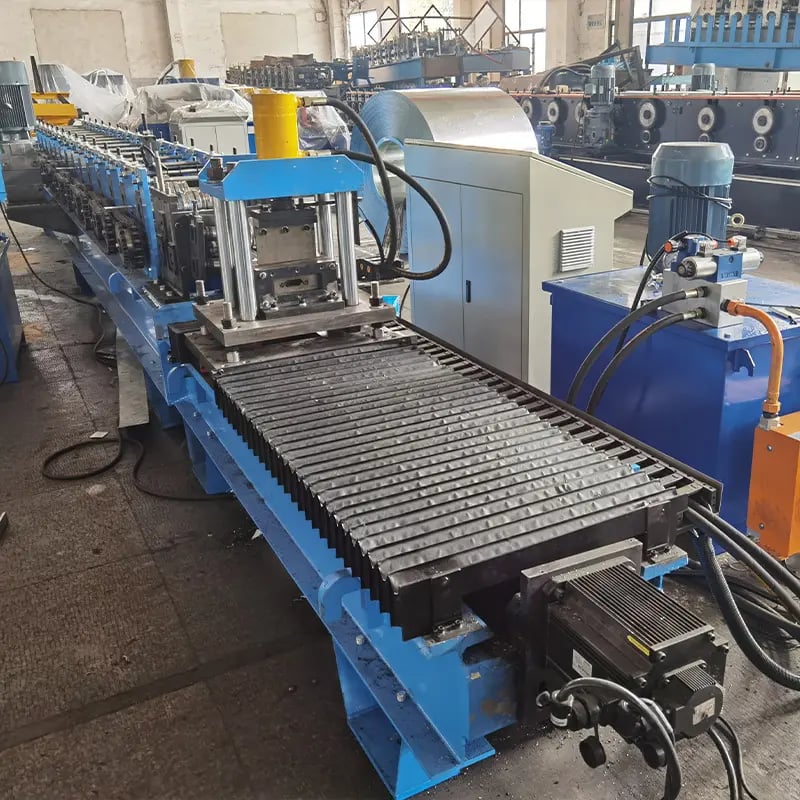
का अवलोकन रोल फॉर्मिंग सिस्टम
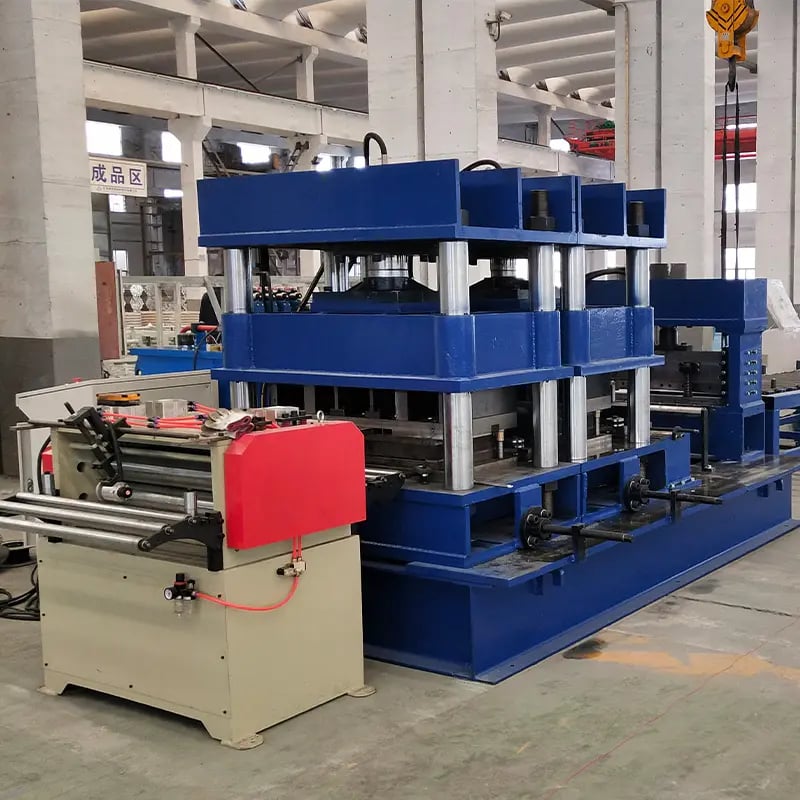
Roll forming systems are an essential part of modern manufacturing, particularly in the production of metal components. These systems transform metal sheets into specific shapes by passing them through a series of rollers. The process is continuous and highly efficient, producing consistent and precise results. From automotive parts to construction materials, roll forming is a versatile and vital technology.
What Are Roll Forming Systems?
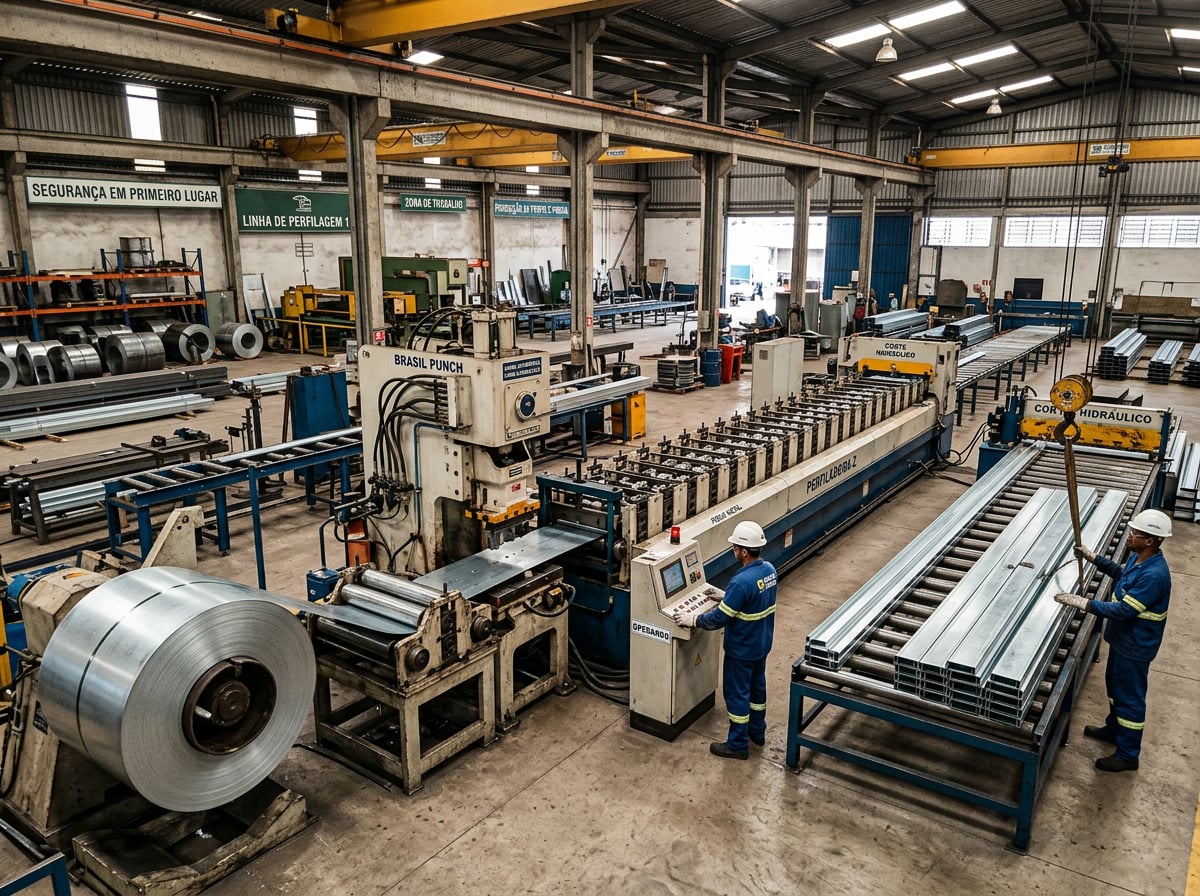
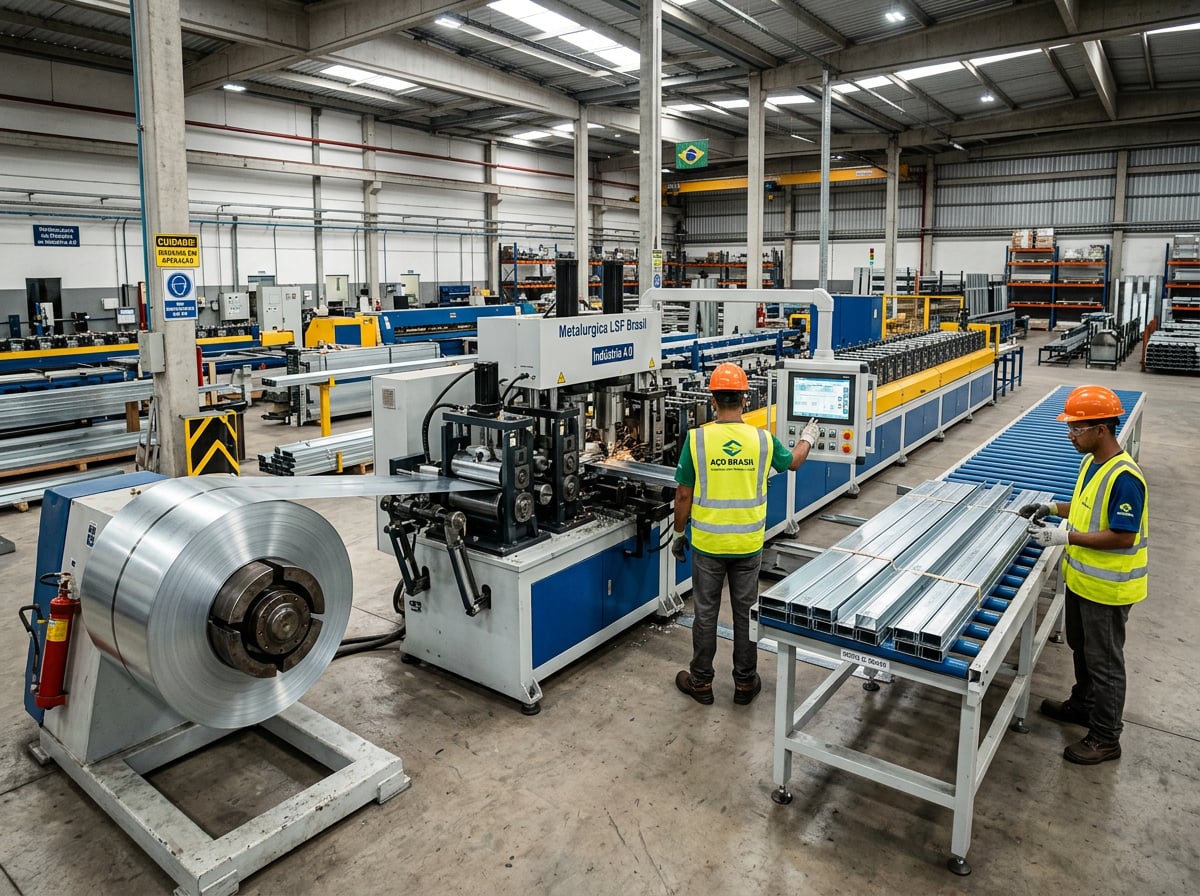
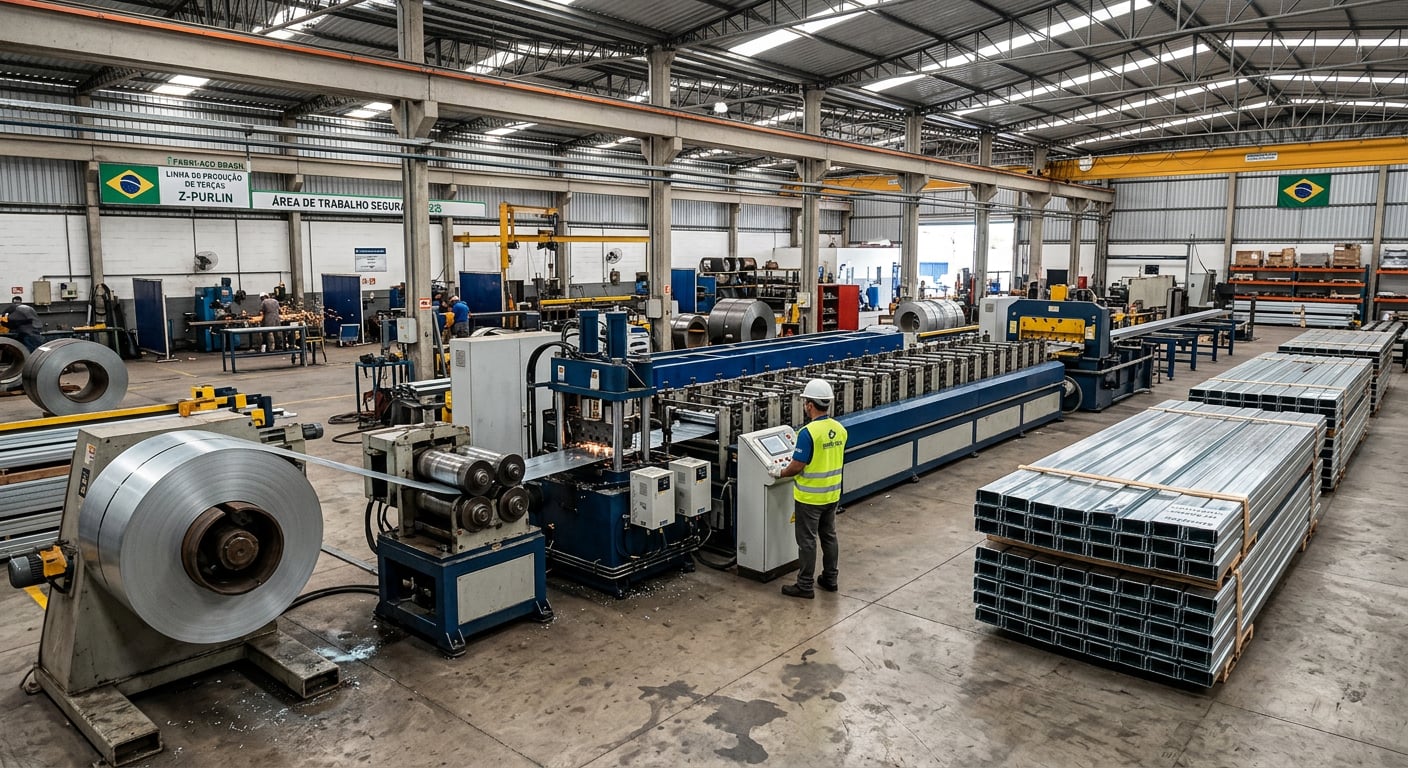
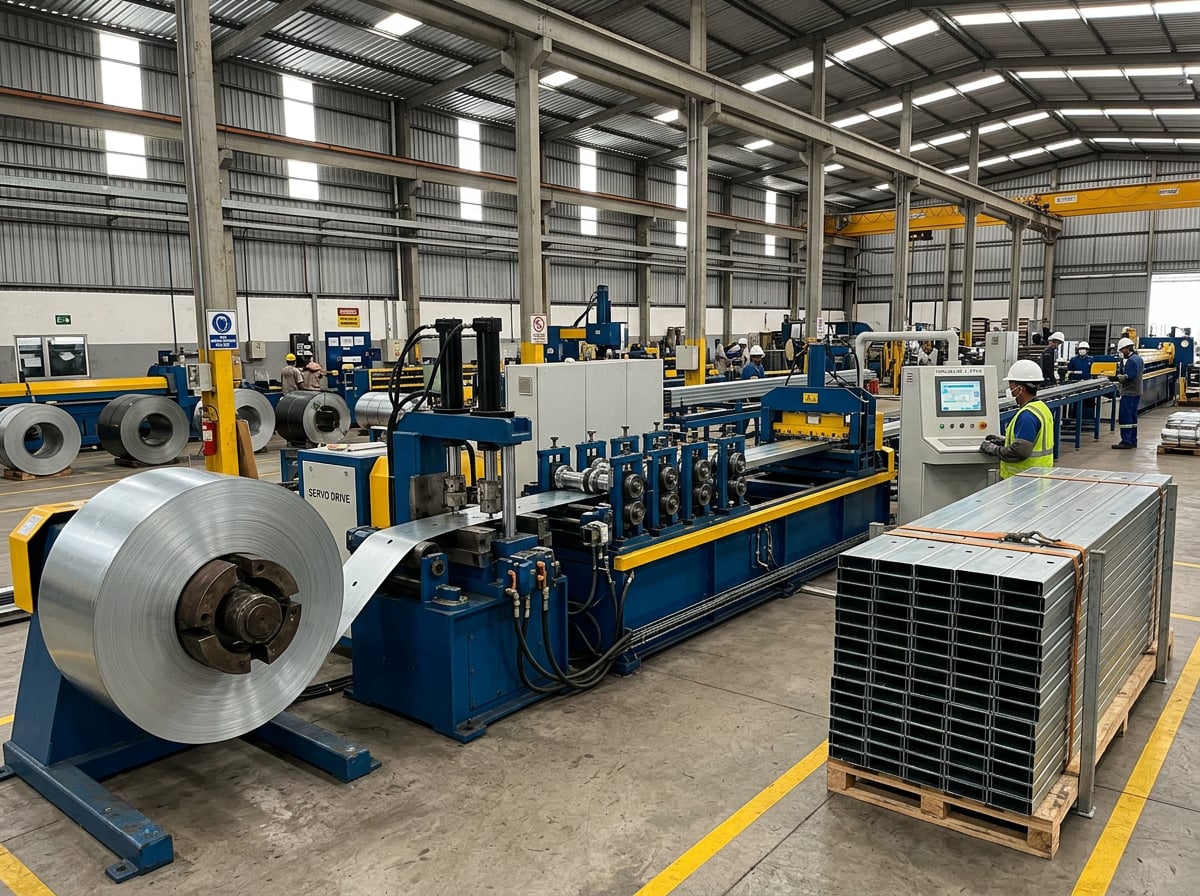
Roll forming is a type of metal forming process that involves feeding a long strip of sheet metal (usually coiled steel) through a series of rollers. Each roller set performs incremental parts of the bend until the desired cross-section profile is obtained. This process is ideal for producing large volumes of consistent products, making it a preferred choice for many industries.
Why Use Roll Forming Systems?
Roll forming systems offer numerous advantages over other metal forming processes:
- दक्षता: Continuous operation allows for high-speed production.
- स्थिरता: Ensures uniformity across all produced parts.
- लागत-प्रभावशीलता: Reduces material waste and labor costs.
- लचीलापन: Capable of producing complex shapes with high precision.
रोल फॉर्मिंग प्रणालियों के प्रकार
Different types of roll forming systems are available, each suited to specific applications and materials. Here’s a look at some common types:
| Type of Roll Forming System | विवरण |
|---|---|
| Single-Stage Roll Forming | Basic form where the entire process is completed in one stage. Ideal for simple shapes. |
| Multi-Stage Roll Forming | Involves multiple stages of forming, suitable for complex profiles. |
| Adjustable Roll Forming | Allows for adjustments to accommodate different profiles and materials. |
| इनलाइन रोल फॉर्मिंग | Integrates additional processes such as punching and notching within the roll forming line. |
| Duplex Roll Forming | Two independent forming sections for increased flexibility and efficiency. |
रोल फॉर्मिंग प्रणालियों की कार्य प्रक्रिया
The roll forming process is systematic and involves several stages. Here’s a detailed look at each step:
- सामग्री फीडिंग: मेटल कॉइल को मशीन में डाला जाता है।
- लेवलिंग: The material is straightened to remove any initial curvature.
- फॉर्मिंग: The material passes through a series of roller stations, each progressively shaping it.
- कटिंग: The formed metal is cut to the desired length.
- फिनिशिंग: Any additional processes such as punching, notching, or embossing are performed.
मुख्य घटक और उनके कार्य
Understanding the components of roll forming systems is essential for effective operation and maintenance. Here’s a breakdown of the key parts:
| घटक | कार्य |
|---|---|
| अनकॉइलर | Feeds the metal coil into the roll forming machine. |
| रोल स्टैंड्स | Support and house the rollers that shape the metal. |
| रोलर्स | Incrementally bend the metal into the desired profile. |
| कटिंग तंत्र | निर्मित धातु को आवश्यक लंबाई में काटता है। |
| नियंत्रण प्रणाली | मशीन के संचालन का प्रबंधन करता है और सटीकता व दक्षता सुनिश्चित करता है। |
-
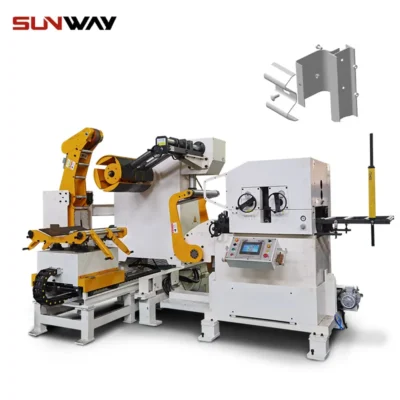 हाईवे गार्डरेल एंड टर्मिनल फॉर्मिंग मशीन अधिक पढ़ें
-
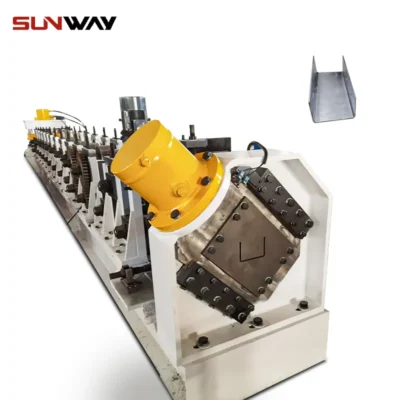 हाईवे U/C पोस्ट रोल फॉर्मिंग मशीन अधिक पढ़ें
-
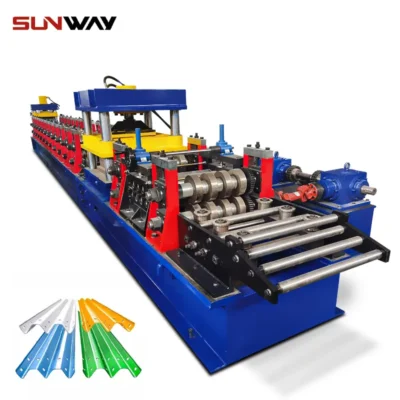 2 वेव्स हाईवे गार्डरेल रोल फॉर्मिंग मशीन अधिक पढ़ें
-
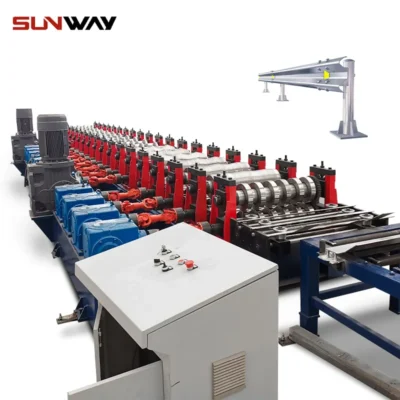 3 वेव्स हाईवे गार्डरेल रोल फॉर्मिंग मशीन अधिक पढ़ें
-
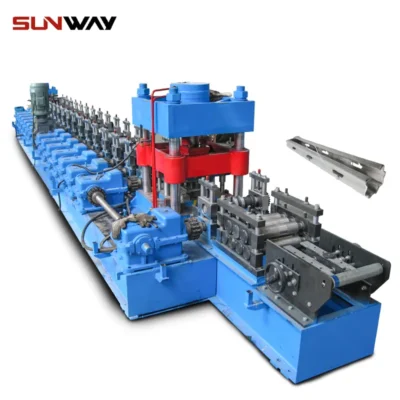 वाइनयार्ड पोस्ट रोल फॉर्मिंग मशीन अधिक पढ़ें
-
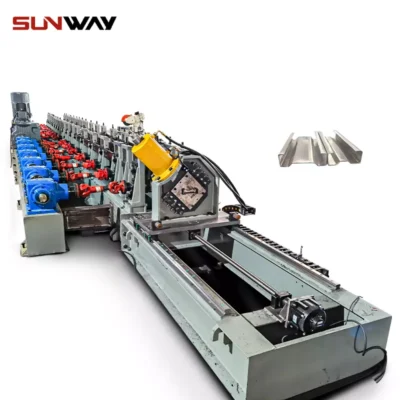 ऑटो साइज चेंजेबल सिग्मा पर्लिन रोल फॉर्मिंग मशीन अधिक पढ़ें
-
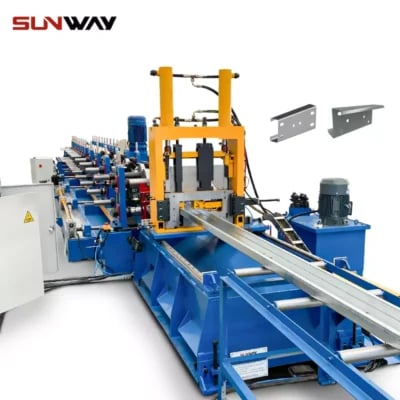 स्वचालित आकार बदलने योग्य C Z पर्लिन रोल फॉर्मिंग मशीन अधिक पढ़ें
-
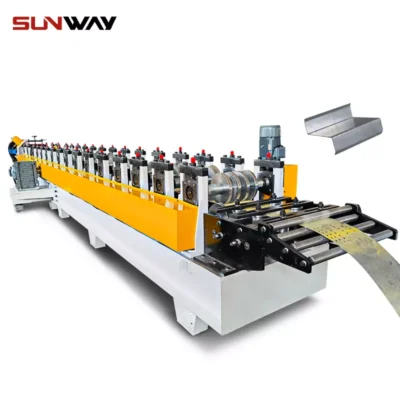 स्वचालित आकार बदलने योग्य Z पर्लिन रोल फॉर्मिंग मशीन अधिक पढ़ें
-
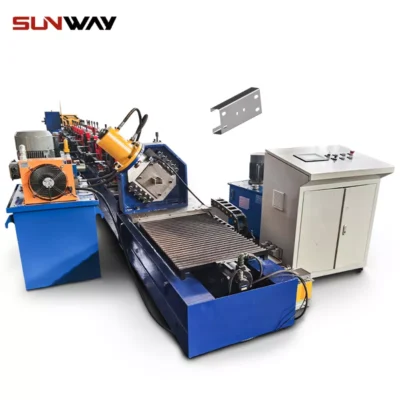 स्वचालित आकार बदलने योग्य C U पर्लिन रोल फॉर्मिंग मशीन अधिक पढ़ें
मशीन की गति और दक्षता
Speed and efficiency are critical in roll forming operations. Here’s a table detailing typical machine speeds and efficiencies:
| मशीन प्रकार | गति (m/min) | दक्षता (%) |
|---|---|---|
| बेसिक रोल फॉर्मिंग | 30-60 | 85-90 |
| उच्च-गति रोल फॉर्मिंग | 60-120 | 90-95 |
| सटीक रोल फॉर्मिंग | 10-30 | 80-85 |
अनुकूलित यांत्रिक पैरामीटर
Different applications require different mechanical parameters. Here’s a table showing some customizable parameters:
| पैरामीटर | सीमा |
|---|---|
| सामग्री की मोटाई | 0.2-6.0 mm |
| प्रोफाइल चौड़ाई | 20-600 mm |
| रोलर व्यास | 50-400 mm |
| रोल स्टैंडों की संख्या | 4-30 |
के अनुप्रयोग रोल फॉर्मिंग सिस्टम
Roll forming systems have a wide range of applications across various industries:
| अनुप्रयोग | विवरण |
|---|---|
| ऑटोमोटिव | Producing parts like bumpers and chassis. |
| निर्माण | Making roofing, wall panels, and gutters. |
| उपकरण विनिर्माण | Forming parts for refrigerators, ovens, etc. |
| भंडारण समाधान | Creating shelving units and racks. |
| ऊर्जा क्षेत्र | Manufacturing parts for solar panels and wind turbines. |
स्थापना, संचालन और रखरखाव
Proper installation, operation, and maintenance are vital for the optimal performance of roll forming systems:
| पहलू | विवरण |
|---|---|
| स्थापना | Ensure a stable foundation and accurate alignment of components. |
| संचालन | Regularly monitor and adjust machine settings for consistent output. |
| रखरखाव | Perform routine inspections and replace worn-out parts to prevent downtime. |
आपूर्तिकर्ता और मूल्य सीमा का विवरण
Choosing the right supplier is crucial for acquiring a reliable roll forming system. Here’s a list of some prominent suppliers and their price ranges:
| आपूर्तिकर्ता | मूल्य सीमा |
|---|---|
| ABC Roll Forming | $50,000 – $150,000 |
| XYZ Machinery | $60,000 – $200,000 |
| FormTech Inc. | $55,000 – $180,000 |
| RollSys Solutions | $65,000 – $220,000 |
आपूर्तिकर्ता कैसे चुनें
Selecting a supplier involves several considerations. Here’s a guide to help you make an informed decision:
| Criterion | विचार |
|---|---|
| प्रतिष्ठा | Look for reviews and testimonials. |
| अनुभव | Prefer suppliers with a proven track record in the industry. |
| अनुकूलन विकल्प | Ensure they offer customizable solutions to meet your specific needs. |
| सहायता और सेवा | Check if they provide comprehensive after-sales support. |
| मूल्य | Compare prices but also consider the quality and features offered. |
फायदे और नुकसान की तुलना
Different roll forming systems have their advantages and limitations. Here’s a comparative look:
| System Type | लाभ | सीमाएं |
|---|---|---|
| Single-Stage | Simple setup, lower cost | Limited to simple profiles |
| Multi-Stage | Handles complex shapes | अधिक प्रारंभिक निवेश |
| समायोज्य | Versatile, adaptable | Requires more adjustments |
| इनलाइन | Integrates additional processes | More complex setup |
| Duplex | High flexibility, efficiency | Higher cost and space requirements |
अक्सर पूछे जाने वाले प्रश्न
Here are some frequently asked questions about रोल फॉर्मिंग सिस्टम, along with their answers:
| प्रश्न | उत्तर |
|---|---|
| किन सामग्रियों की रोल फॉर्मिंग की जा सकती है? | Metals like steel, aluminum, and copper are commonly used. |
| How does roll forming compare to stamping? | Roll forming is continuous and better for long lengths; stamping is ideal for intricate shapes. |
| What are the common defects in roll forming? | Bowing, camber, and twist are common defects that can be controlled with proper setup. |
| Can roll forming systems be automated? | Yes, modern systems often include automation for improved efficiency. |
| रोल फॉर्मिंग मशीन का सामान्य जीवनकाल क्या होता है? | उचित रखरखाव के साथ, ये मशीनें कई दशकों तक चल सकती हैं। |
निष्कर्ष
Roll forming systems are indispensable in various manufacturing sectors due to their efficiency, consistency, and flexibility. By understanding the types, working processes, key components, and other crucial aspects, businesses can optimize their use and achieve superior results. Whether you’re in automotive, construction, or another industry, roll forming systems offer a reliable solution for your metal forming needs.