 अंग्रेज़ी
 स्पेनिश
 फ़्रेंच
 बंगाली
 रूसी
 अरबी
 तुर्की
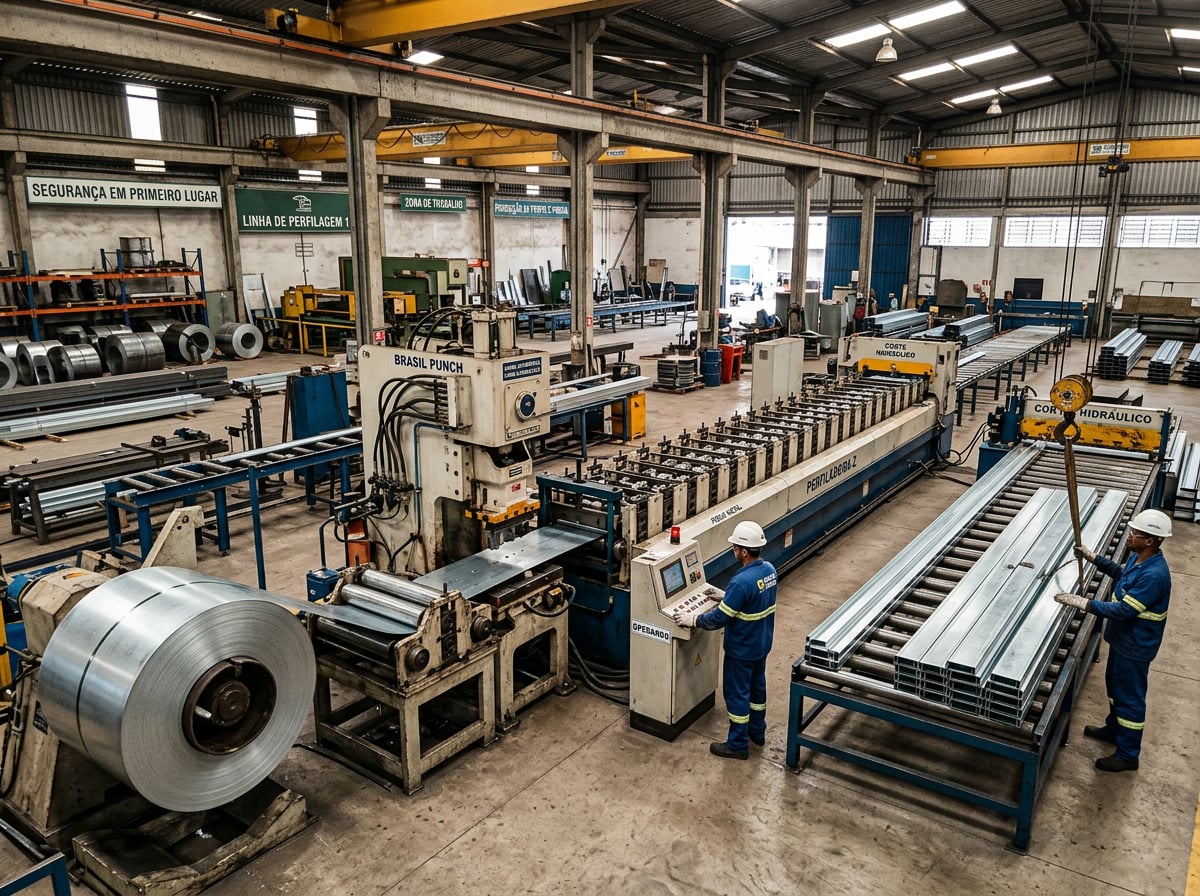
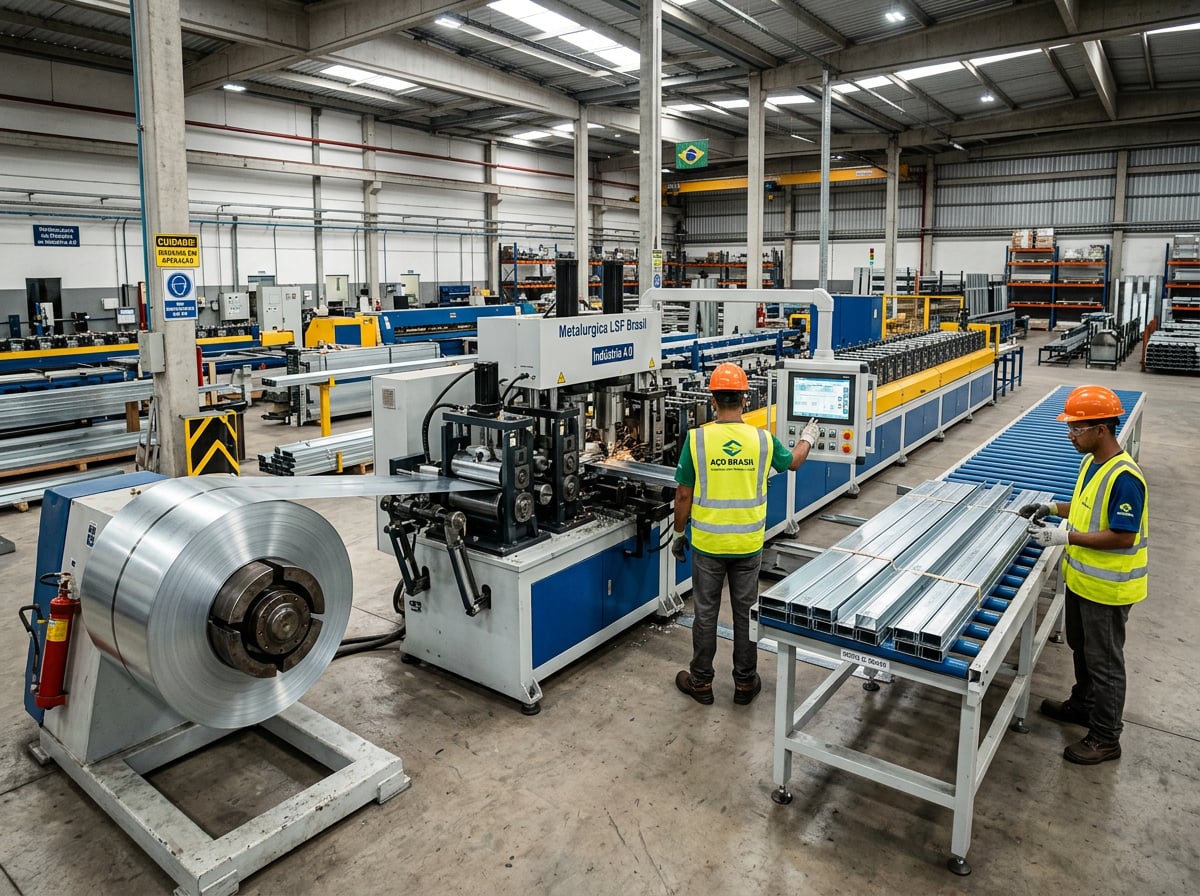
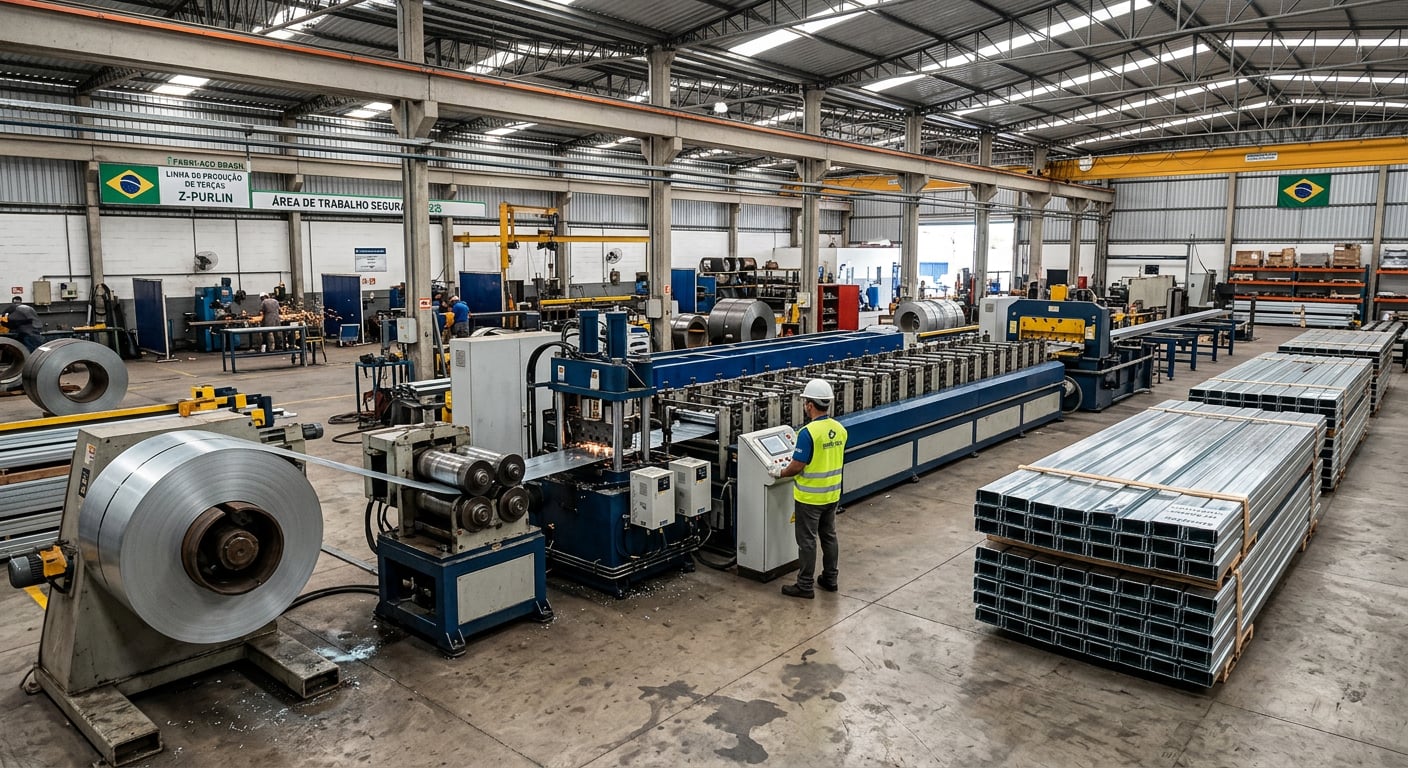
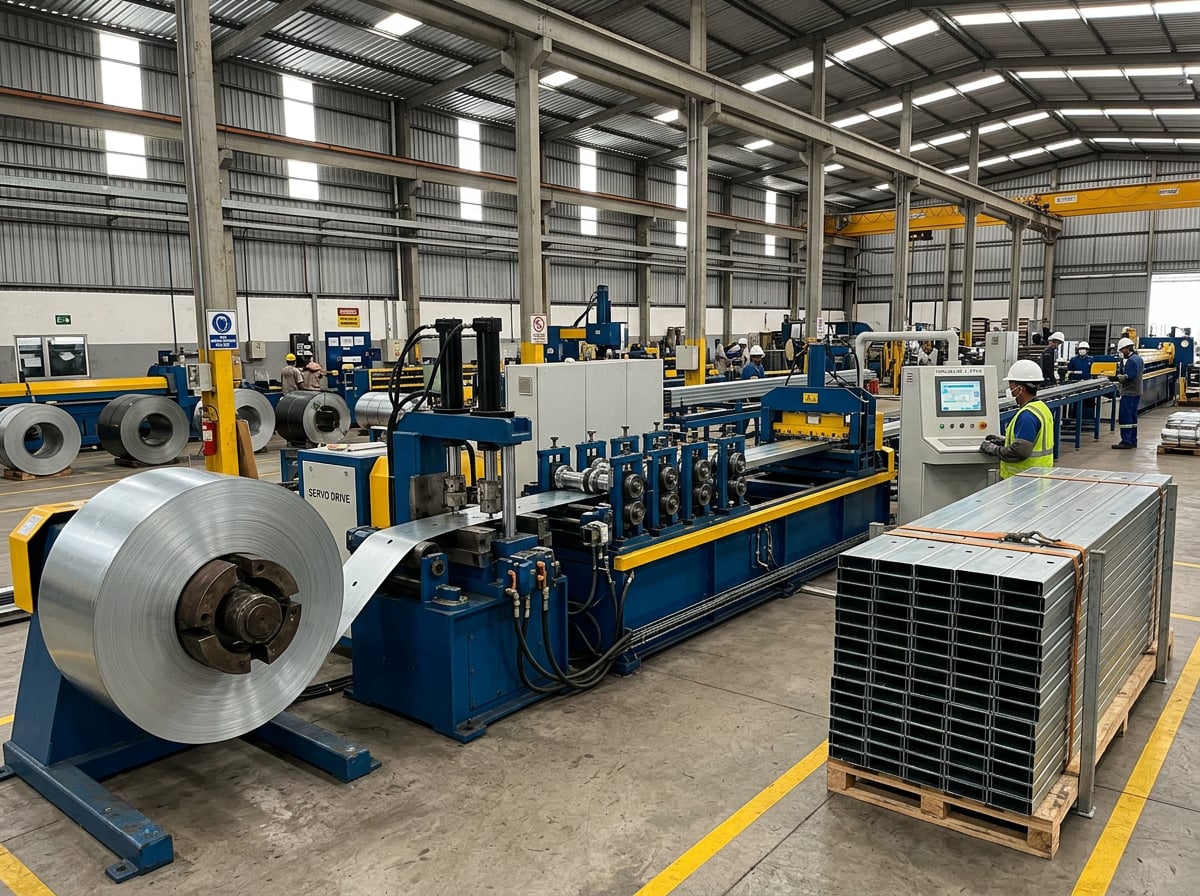
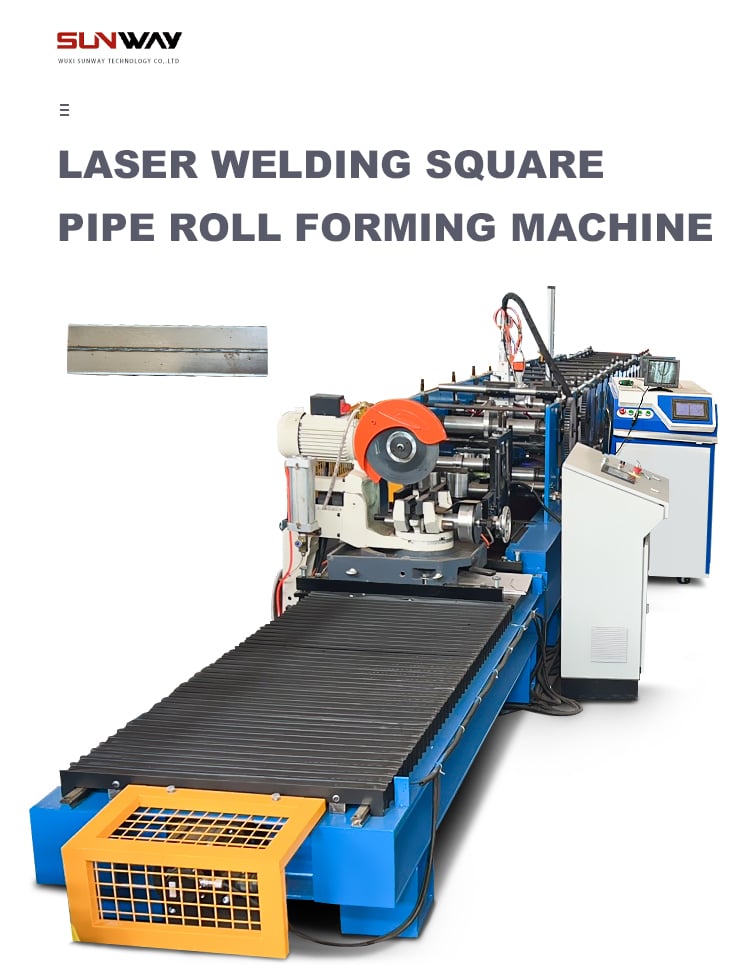
oem डोर शटर रोल फॉर्मिंग मशीन shape metal coils into customized profiles by progressively bending the material through a series of roller dies. OEM door shutter roll forming machines are designed specifically to produce rolled metal door shutters and rolling grilles used for safety, security, ventilation, or space separation.
Key details:
- Produce metal door shutters and grilles up to 3m wide from coil stock
- Form complex custom profiles through incremental cold rolling process
- Automated operation with high production efficiency
- Require tooling design and manufacture for custom profile shapes
- Used by door shutter manufacturers and metal fabrication shops
OEM डोर शटर रोल फॉर्मिंग मशीन उपकरण गाइड
| उपकरण प्रकार | विवरण |
|---|---|
| कॉइल लाइनें | धातु कॉइल स्टॉक को अनकॉइल करना और फीड करना |
| रोल फॉर्मिंग स्टेशन | Bend sheet incrementally through roller dies |
| पंचिंग/कटिंग | Punch holes or trim profiles to length |
| हार्डवेयर इंसर्शन | Automatically insert hinges/guides |
| सहायक उपकरण | Decoilers, straighteners, levelers |
OEM डोर शटर रोल फॉर्मिंग मशीनों के प्रकार
| प्रकार | विवरण |
|---|---|
| Interlocked roll forming lines | Combine multiple stations for high automation |
| Compact machines | Small footprint, lower cost, manual operation |
| अनुकूलित लाइनें | Tailored to produce specific profiles |
| Double/triple structures | Multi-profile and shaped forming |
| Roll and punch lines | एकीकृत पंचिंग और कटिंग |
कार्य सिद्धांत OEM डोर शटर रोल फॉर्मिंग मशीनें
OEM door shutter roll forming machines produce longitudinally bent metal profiles from flat strip steel or aluminum coils. The material feeding system uncoils the metal sheet and feeds it through a series of roller dies at each successive forming station.
The roller dies bend the sheet incrementally to the desired profile shape without excessive thinning or stretching the material. Cutting units trim the continuously formed profiles to specified lengths for the end application. Automated lines with multiple roll forming stations, punching, hardware insertion allow high-volume production of finished door shutter products.
Customized tooling is mounted on the roll forming stations to create the desired shape profiles. Common door shutter profiles include round ribbed, angle iron, rectangular hollow, grille, perforated sheets. The flexibility of roller die tooling allows forming complex asymmetric shapes.
Insertion of embedded hinges, endlocks and guides can be integrated on automated OEM door shutter lines. Conveyors collect and stack finished products. Support equipment like decoilers, straighteners, and levelers enhance process stability.
OEM डोर शटर रोल फॉर्मिंग में सामग्री प्रबंधन
| प्रक्रिया चरण | Equipment Used |
|---|---|
| Stock material | Metal coils (steel, aluminum) |
| अनकॉइलिंग | पावर्ड डिकोइलर |
| फीडिंग | Rollers, pinch rolls, guides |
| सीधा करना | Roller levelers |
| प्रोफ़ाइल निर्माण | Roll forming stations with custom tooling |
| कटिंग | Pneumatic/hydraulic cut-off knives |
| हार्डवेयर इंसर्शन | Automatic pick-place mechanisms |
| Stack/collect | Motorized conveyors, boxes |
OEM डोर शटर रोल फॉर्मिंग मशीन का डिज़ाइन
The design of OEM roll forming lines for door shutter production involves:
- Defining target profile shape and dimensions
- Component layout planning considering production workflow
- Tooling design for custom profile forming
- Programming of automatic control logic
- Integrating safety features and guards
- Allowing flexibility for future profile variations
The line layout includes the arrangement of uncoiling and feeding first, then roll forming stations, followed by punching/cutting units, and finally, product collection. Ergonomic factors for operator access are incorporated.
CAD software creates models of custom profile designs as inputs for machining the roller dies. The tolling is mounted sequentially on modular stand housing frames.
PLC programming coordinates actors likeservos, sensors to automate feeding, forming, cutting in synch. Operator screens display machine status. CE-compliant safety mechanisms are installed.
Designed with upgrades in mind, door shutter profiles can be changed by altering roller die tooling without needing entire new systems.
-
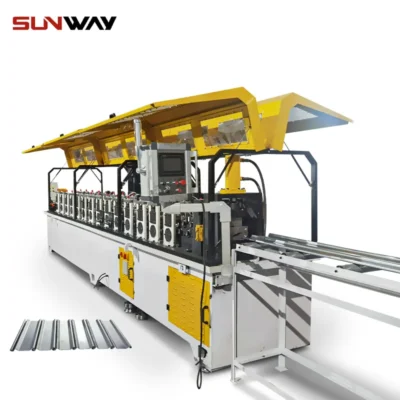 रोलिंग शटर स्लैट रोल फॉर्मिंग मशीन अधिक पढ़ें
-
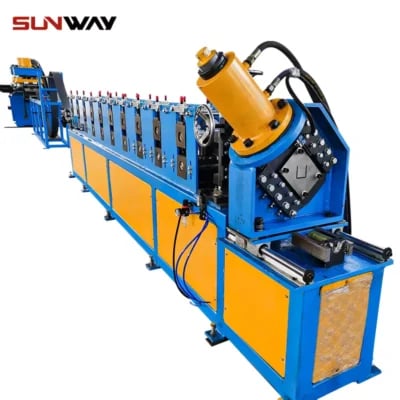 इलेक्ट्रिकल कैबिनेट फ्रेम रोल फॉर्मिंग मशीन अधिक पढ़ें
-
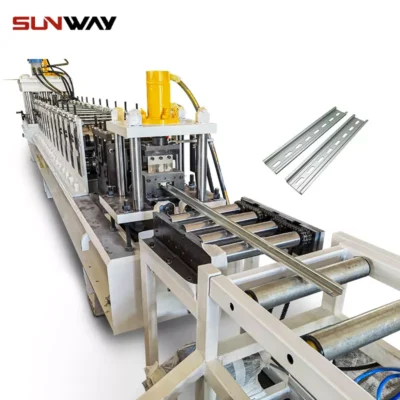 Din रेल रोल फॉर्मिंग मशीन अधिक पढ़ें
-
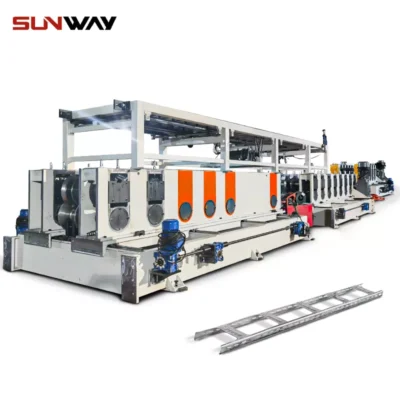 केबल लैडर रोल फॉर्मिंग मशीन अधिक पढ़ें
-
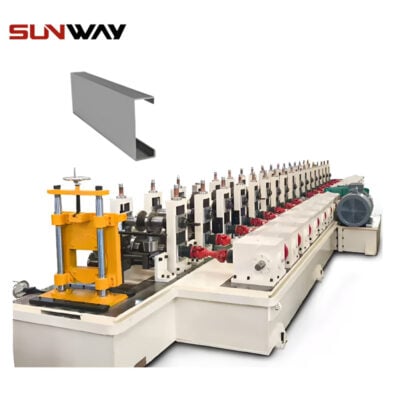 PV माउंटिंग ब्रैकेट C आकार प्रोफाइल रोल फॉर्मिंग मशीन अधिक पढ़ें
-
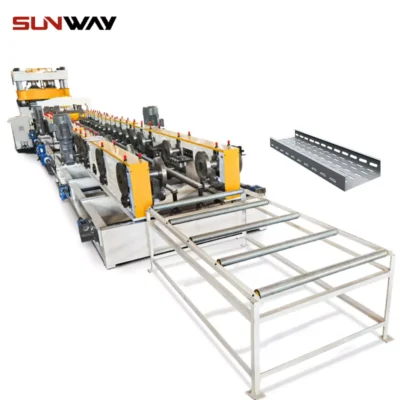 केबल ट्रे रोल फॉर्मिंग मशीन अधिक पढ़ें
-
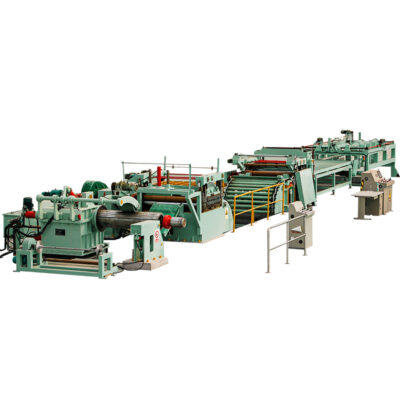 स्टील कॉइल कट टू लेंथ लाइन मशीन अधिक पढ़ें
-
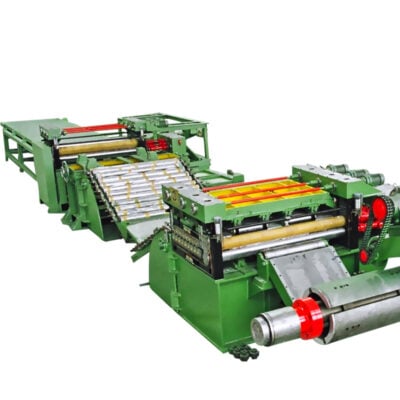 स्टील कॉइल कट टू लेंथ लाइन मशीन अधिक पढ़ें
-
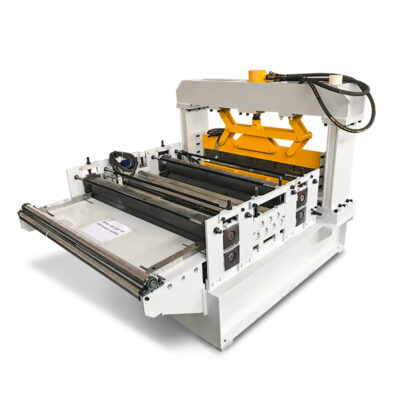 स्टील कॉइल कट टू लेंथ लाइन मशीन अधिक पढ़ें
रोल फॉर्मिंग लाइनों में पंचिंग और कटिंग उपकरण
| संचालन | विधि | उपकरण |
|---|---|---|
| लंबाई के अनुसार कटिंग | Pneumatic/hydraulic knives | Swing arm cut-offs |
| होल पंचिंग | Pneumatic punch heads | Eccentric C-frame punch presses |
| Forming slots/louvers | Rotating slitters | Helical slitter heads |
| Trimming edges | Tilting circular shears | Double blade shears |
| Combined operations | Integrated modules | Punch-shear combo units |
हार्डवेयर इन्सर्शन उपकरण
Hardware components like hinges, guides, end locks are inserted automatically into formed profiles on high-end lines. Rotary indexing tables position profiles precisely for synchronized pick-place mechanisms to insert hardware at preset locations.
Servo-controlled axes push components into profile cavities. Systems can be customized for specific hardware items and profiles. Sensors confirm correct insertion before profiles get cut to finished shutter length.
प्रदान किए जाने वाले अनुकूलन की डिग्री
OEM door shutter roll forming machinery can be supplied in standardized designs for general profiles or customizable machines tailored to site-specific requirements:
Standardized:
- Cost-effective for high-volume commodity profiles
- Limited flexibility for profile variations
Customized:
- Profile tooling designed for unique shapes
- Automation modules fit production needs
- Expensive initial development
- क्षमता का लचीला विस्तार
Hybrid Approach:
- Platform model adaptable to new tooling
- Some custom add-ons like auto-packaging
- Balances cost, flexibility
OEM डोर शटर रोल फॉर्मिंग मशीनों के आपूर्तिकर्ता और मूल्य सीमा
| निर्माता | स्थान | मूल्य सीमा |
|---|---|---|
| Dahching | ताइवान | $40,000 – $100,000 |
| Formtek | भारत | $35,000 – $150,000 |
| Jouanel | फ्रांस | $250,000 – $1,500,000 |
| Metform | तुर्की | $60,000 – $250,000 |
| Rollvis | नीदरलैंड | $150,000 – $2,500,000 |
Price varies based on:
- Line automation level
- Production output requirements
- Width capacity needed
- अनुकूलन की डिग्री
- Additional modules integrated
स्थापना और कमीशनिंग
Proper installation by technicians ensures optimum machine performance:
- Civil works preparation of floor and utilities
- Positioning and fastening down components
- Coupling mechanical shafts/joints
- Connecting electric actuators/sensors
- Integrating subsystems uniformly
- Testing individual function execution
- Debugging hardware/software bugs
- Trial forming operations
- Parameter optimization for profiles
Thorough on-site commissioning verifies safe, reliable working before final handover.
रोल फॉर्मिंग लाइनों का संचालन और नियंत्रण
- Operator console for monitoring
- HMI touchscreen for commands
- Servo motors drive forming rolls
- PLC automates sequence coordination
- SCADA software for interlinked elements
- Die adjustment via NC manipulators
- Profile quality checking
- Parameter tweaking allowed
- Data logging for analytics
- Protection systems for safety
रखरखाव पद्धतियां
| गतिविधि | विधि | आवृत्ति |
|---|---|---|
| निरीक्षण | Visual checks for abnormalities | मासिक |
| स्नेहन | Oil/grease refills | Quarterly or on running hours |
| स्पेयर पार्ट्स | Wear items like knives, belts etc. | आवश्यकतानुसार |
| Tool resurfacing | Regrind/machine refinish | वार्षिक |
| सेंसर कैलिब्रेशन | Reset reference levels | Yearly or on drift |
| Record analytics | Production, error logs analysis | निरंतर |
OEM डोर शटर रोल फॉर्मिंग मशीन आपूर्तिकर्ता चुनने के दिशानिर्देश
| पैरामीटर | सर्वोत्तम प्रथाएँ |
|---|---|
| उत्पाद गुणवत्ता | Samples evaluation, site visits |
| Domain experience | Operational history, clientele |
| अनुकूलन कौशल | Profile samples, tooling expertise |
| लागत कारक | Pricing transparency, commercials |
| उत्पादन दक्षता | Output rate commitments > 90% |
| सेवा प्रतिबद्धता | Commissioning support, AMCs |
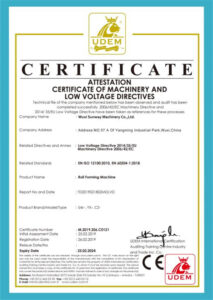
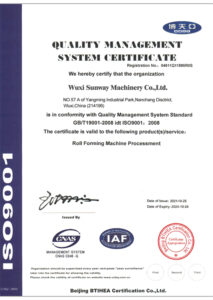
| Compliance assurance | ISO, CE certifications |
| Upgrade flexibility | Clear provisions to alter future requirements |
के फायदे और नुकसान OEM डोर शटर रोल फॉर्मिंग मशीनें
लाभ
- Highly productive continuous operation
- Labor cost reduction compared to manual bending
- Dimensional accuracy and repetitive quality
- Capability for complex asymmetric shapes
- Effective cold working avoids heating
- Lower energy consumption than stamping
- Quick changeovers with flexible tooling
- कॉम्पैक्ट उपकरण स्थान-आवश्यकता
सीमाएं
- High initial tooling investment cost
- Limited material thickness capacity
- Profiles may still require secondary deburring
- Precision alignment of components critical
- पैरामीटर सही ढंग से सेट न होने पर विकृति का जोखिम
- Fixed PLC logic hampers production agility
- Difficult design alterations once tools made
- Longer lead times for customized lines
रोल फॉर्म किए गए धातु डोर शटर और ग्रिल के अनुप्रयोग
| End Use | Example Areas |
|---|---|
| Safety shutters | Storefronts, garages, windows |
| Security doors | Warehouses, factories, residences |
| Cages, enclosures | Machinery guards, mezzanines |
| Partitions | Office spaces, cleanrooms |
| वेंटिलेशन | Facades, auditoriums, walkways |
| Carriageway doors | Shipyards, parking garages |
अक्सर पूछे जाने वाले प्रश्न
प्रश्न: धातु शीट की कितनी मोटाई को रोल फॉर्म किया जा सकता है?
A: Standard machines handle 0.5 mm to 2.5 mm sheets. Heavy-duty lines available for up to 4 mm thickness.
प्रश्न: उत्पादन दर कितनी तेज़ है?
A: 15 to 40 meters/minute based on automation level, product complexity.
Q: What eventually determines equipment price?
A: Production output needs, line length, degree of customization primarily.
Q: Does the process require secondary finishing?
A: Minimal manual deburring may be needed but all forming completed.
Q: What regular maintenance is mandatory?
A: Schedule lubrication, inspections, wear/damage checks, sensor calibrations.
Q: How to calculate required line capacity?
A: Define monthly volume in square meters to produce based on operating hours. Incorporate possible future growth.