 अंग्रेज़ी
 स्पेनिश
 फ़्रेंच
 बंगाली
 रूसी
 अरबी
 तुर्की

A ग्लेज़्ड रूफ टाइल रोल फॉर्मिंग मशीन is an important equipment used for manufacturing interlocking roofing tiles with a protective glazed coating. This guide provides a comprehensive overview of glazed roof tile roll forming machines covering their working, types, applications, specifications, selection factors, installation, operation, maintenance and more.
ग्लेज़्ड रूफ टाइल रोल फॉर्मिंग मशीन का अवलोकन
A glazed roof tile roll forming machine is designed to transform metal coils into formed interlocking roofing tiles which are then coated with a glazed finish.
ग्लेज़्ड रूफ टाइल्स क्या हैं?
Glazed roof tiles are interlocking roof covering tiles with a ceramic glazed coat finish. The glaze provides a protective, waterproof and decorative finish on the formed metal roof tile.
ग्लेज़्ड रूफ टाइल रोल फॉर्मिंग मशीन का कार्य सिद्धांत
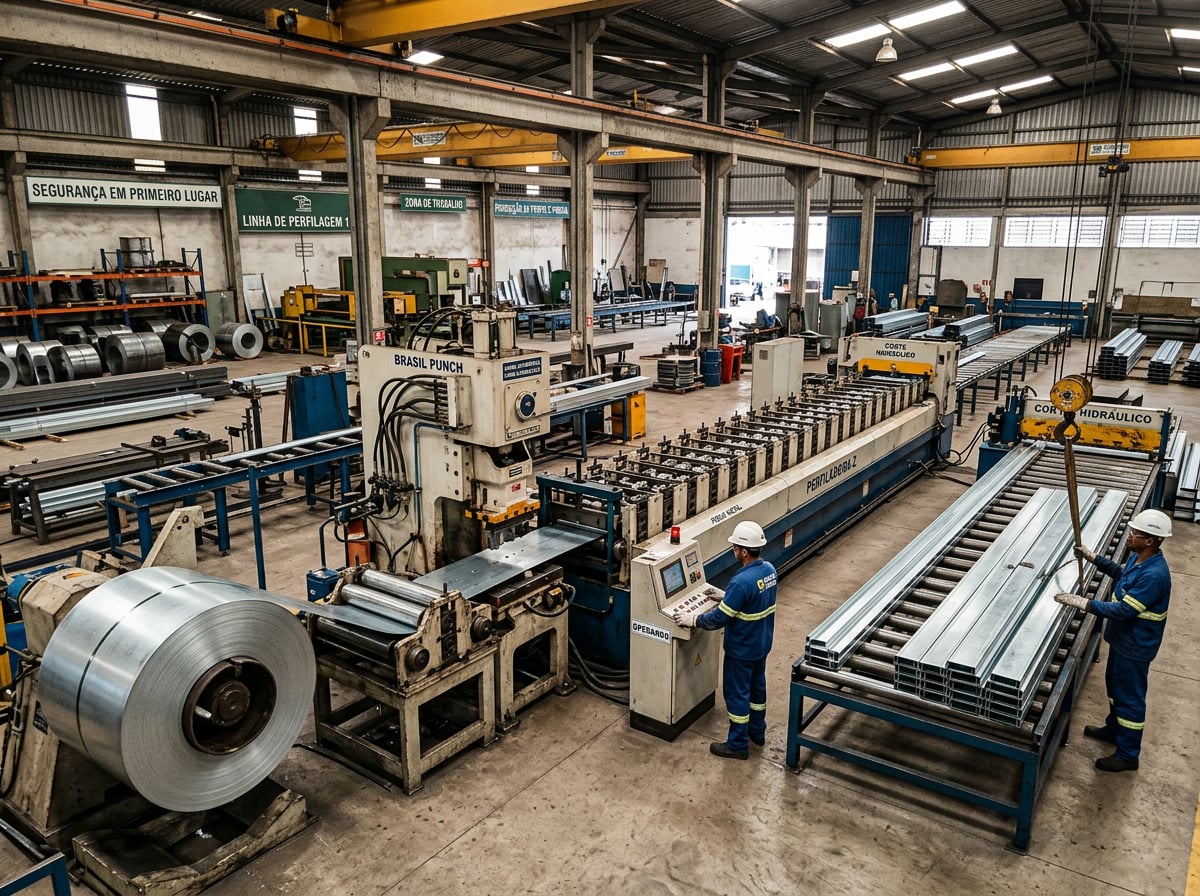
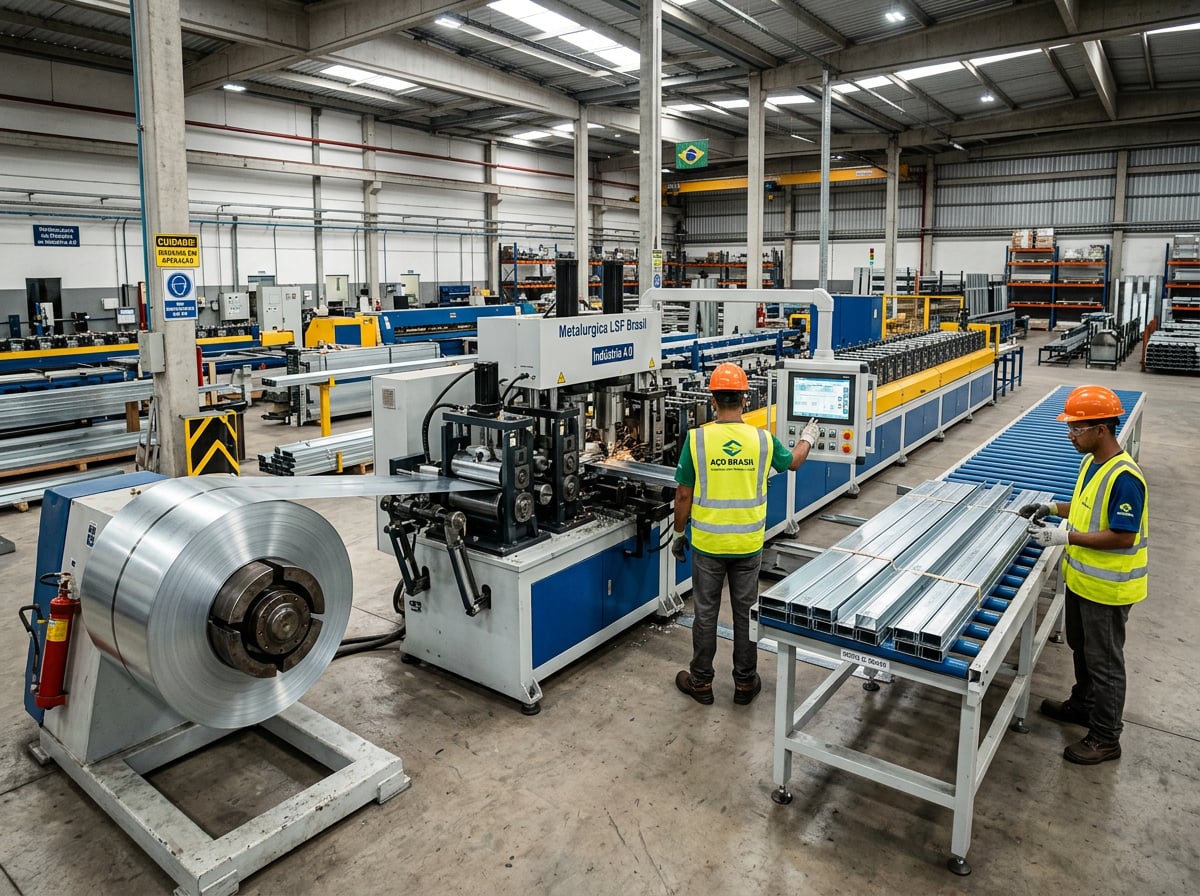
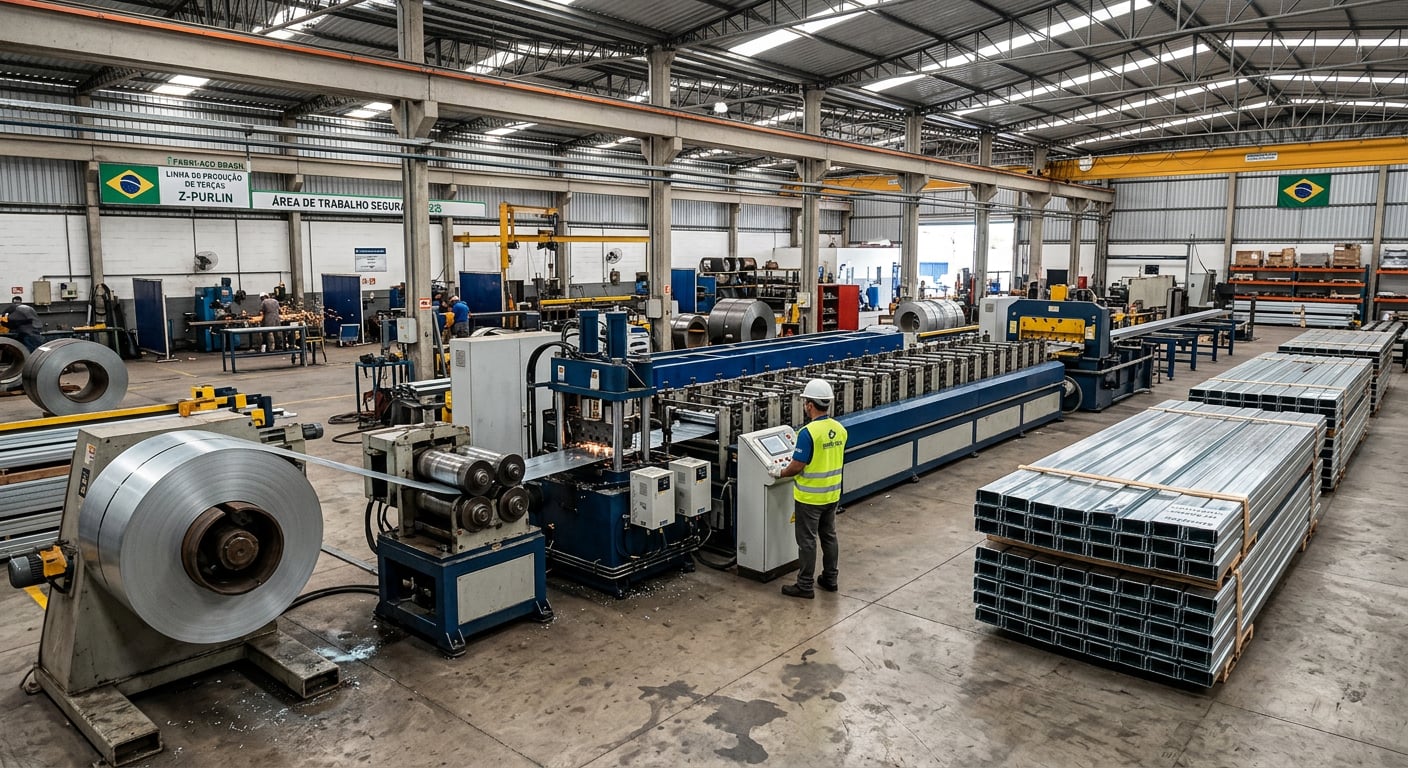
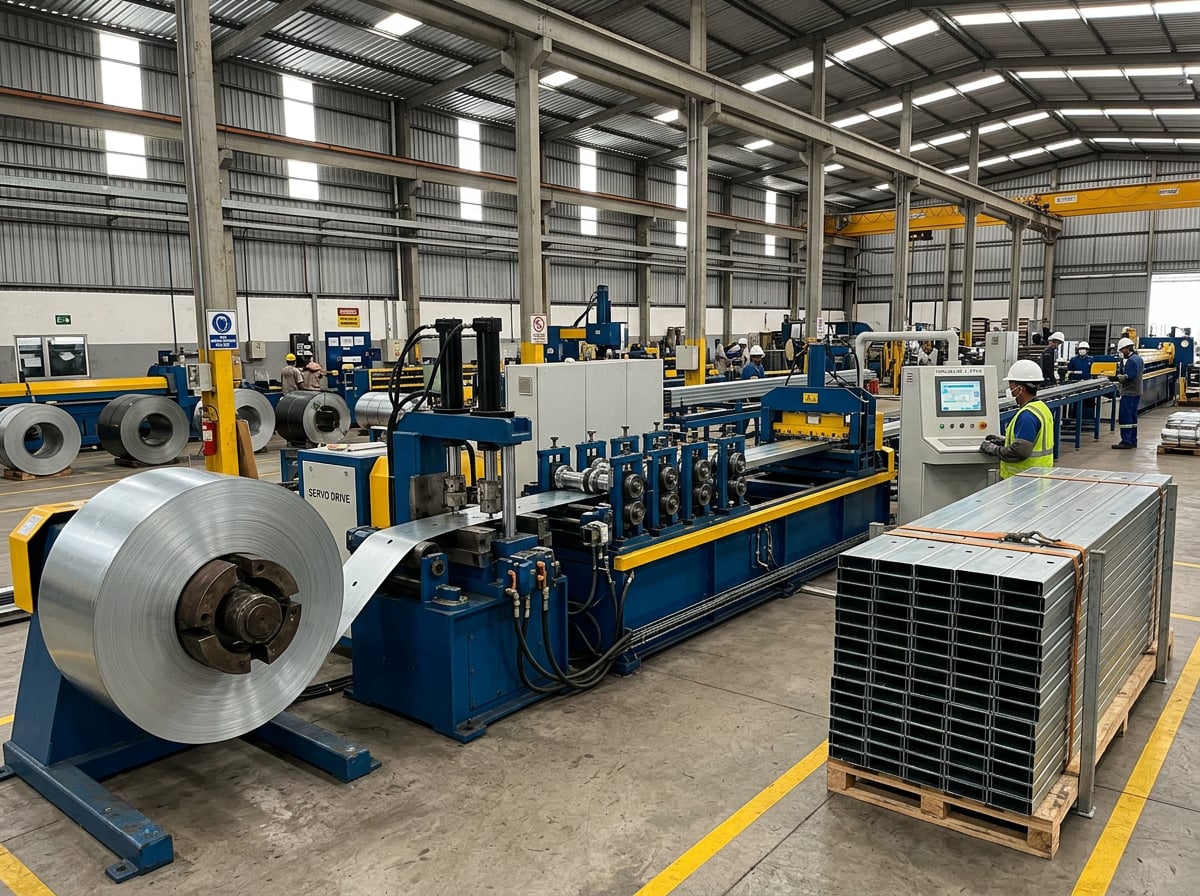
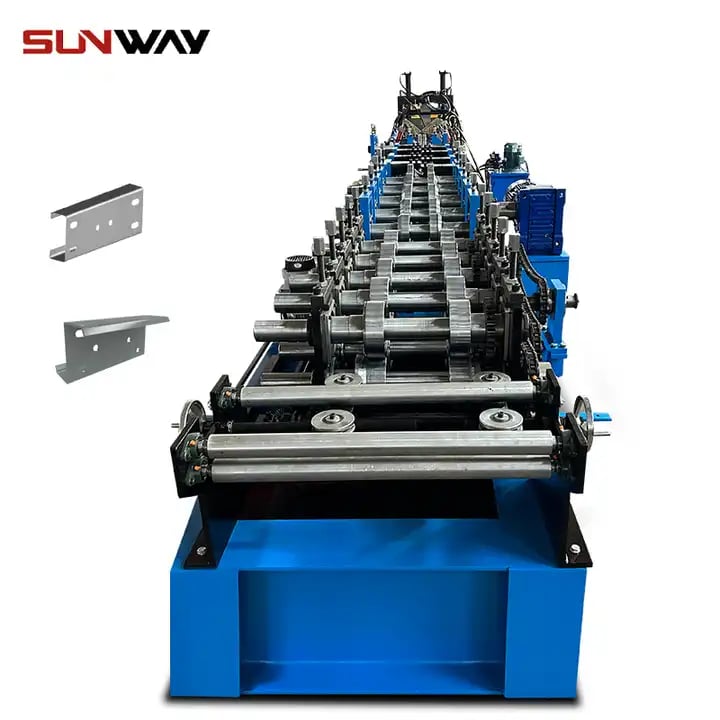
A glazed roof tile roll forming machine takes metal coil as input and converts it into formed roofing tiles by passing through consecutive roll forming stations. The profiles tiles are then spray coated with glaze before cut-off and stacking.
Key processes:
- Coil sheet feeding
- Progressive roll forming into roof tile profile
- Application of glaze coat on tiles
- Cutting individual tiles as per length
- Stacking of finished tiles
Advanced machines allow quick changeover to different tile sizes and profiles.
ग्लेज़्ड रूफ टाइल रोल फॉर्मिंग मशीनों के प्रकार
Glazed roof tile roll forming machines are available in different configurations:
स्वचालन के आधार पर
- मैनुअल
- अर्ध-स्वचालित
- Fully-automatic PLC controlled
उत्पादन गति के आधार पर
- कम गति: 10 मीटर/मिनट तक
- Medium speed: 10 – 30 m/min
- High speed: Above 30 m/min
टाइल के प्रकार के आधार पर
- Interlocking flat tile profile
- Interlocking roman tile profile
- Custom tile profiles
ग्लेज़िंग विधि के आधार पर
- Manual spray glazing
- Automatic roller/curtain glazing
- Fluorocarbon glaze coatings for durability
प्रसंस्करण के आधार पर
- Roll forming only
- Roll forming + glazing line
- Roll forming to palletizing integrated system
रोल फॉर्मिंग द्वारा उत्पादित ग्लेज़्ड रूफ टाइल्स के अनुप्रयोग
Glazed roof tiles made by roll forming find application in:
- Residential roofing for houses, villas, apartments
- Commercial buildings like offices, shops, lodges etc.
- Warehouses, barns, garages roof covering
- Re-roofing and replacement of old roofing tiles
- Temporary structures and exhibition shed roofing
- Decorative roofing accents and housing elements
- Roof rainwater drainage and guttering elements
Glazed tiles offer durability, decorative finish and waterproofing for roofing needs.
ग्लेज़्ड रूफ टाइल रोल फॉर्मिंग मशीन के विनिर्देश
Glazed roof tile roll forming machines are available with different specifications based on output and production needs:
| विशिष्टताएँ | सामान्य सीमा |
|---|---|
| उत्पादन गति | 10 – 50 m/min |
| टाइल की चौड़ाई | 300 – 1000 mm |
| टाइल की मोटाई | 0.35 – 1 mm |
| कॉइल चौड़ाई | 1250 mm तक |
| कॉइल की मोटाई | 0.30 – 0.8 mm |
| फॉर्मिंग स्टेशन | 16 – 24 |
| बिजली की खपत | 15 – 40 kW |
| वोल्टेज | 380V, 50Hz, 3 फेज |
| मशीन का वजन | 8000 – 15000 kg |
| मशीन का आकार | 10 – 25 m Long x 3 – 4 m Wide |
These parameters can be customized as per specific production requirements.
डिज़ाइन और कार्य मानक
Glazed roof tile roll forming machines need to adhere to certain design standards:
- Robust steel frame construction with precision leveled forming beds
- Hardened roll tooling for extended service life
- Multi-axis powered decoiler for smooth feeding
- Independent AC drive motors for controlled forming
- Automatic edge milling and punching stations
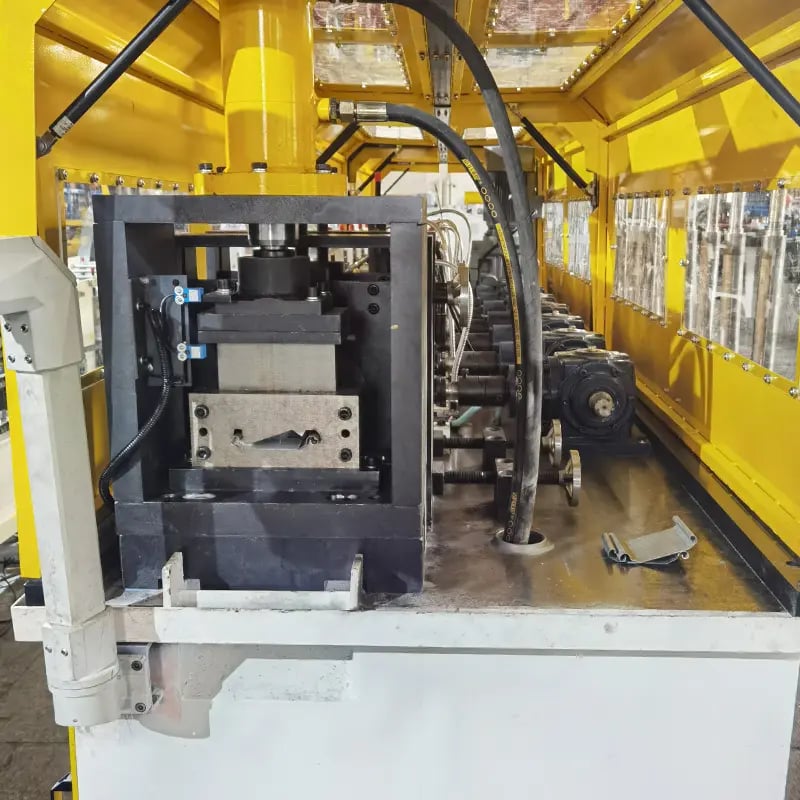
- Hydraulic system for tile pressing and punching
- Adjustable forming stations for quick size changeovers
- Safety guarding for operator protection
Suitable framing arrangements should be provided for glazing application modules.
का चयन करना ग्लेज़्ड रूफ टाइल रोल फॉर्मिंग मशीन निर्माता
Here are some tips for choosing a good glazed roof tile roll forming machine manufacturer:
| पैरामीटर | किन बातों पर ध्यान दें |
|---|---|
| अनुभव | Number of years in business, proven track record |
| उत्पादन | गुणवत्ता नियंत्रण के साथ इन-हाउस विनिर्माण |
| अनुकूलन | आवश्यकताओं के अनुसार मशीन को अनुकूलित करने की क्षमता |
| गुणवत्ता | सुसंगत गुणवत्ता के लिए उन्नत स्वचालन |
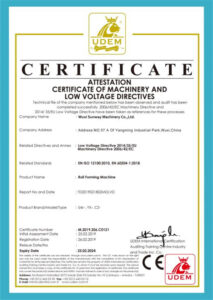
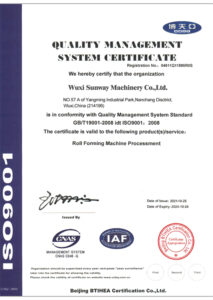
| प्रमाणीकरण | ISO 9001, CE प्रमाणपत्र |
| सेवा सहायता | Installation, commissioning and operator training |
| लागत | प्रतिस्पर्धी मूल्य निर्धारण और भुगतान शर्तें |
| Inventory | Ready models available for faster delivery |
| स्थान | Distance for logistics and service support |
- Check sample tiles from machine for quality assurance
- Ensure availability of spares, service support
- Compare cost, production rate and delivery time
- Inspect machine manufacturing facility if possible
- Choose a reputable manufacturer for reliability
This helps get high performance glazed roof tile roll forming machines as required.
ग्लेज़्ड रूफ टाइल रोल फॉर्मिंग मशीन की स्थापना
Proper installation is important for smooth functioning of a glazed roof tile roll forming line:
- Prepare level concrete foundation as per layout drawings
- Position the machine components using cranes/forklifts
- Assemble the roll forming sections, decoiler, pressure unit as per drawings
- Install the tile pressing, punching and embossing stations
- Connect the electrical motors, controls, hydraulics per manual
- Wire up the electrical switches, drives and sensors
- Install safety guarding around the moving components
- Check lubrication levels on all gear systems
- Test run the machine and make adjustments as required
Correct installation as recommended by the manufacturer is critical.
ग्लेज़्ड रूफ टाइल रोल फॉर्मिंग मशीन का कार्य और संचालन
Working a glazed roof tile roll forming machine involves these key steps:
संचालन-पूर्व जाँच और सेटिंग्स
- विद्युत वायरिंग, हाइड्रोलिक्स और स्नेहन की जाँच करें
- Set up decoiler brake tension as per tile gauge
- Adjust rollers in each station for proper material flow
- Set cutting length based on tile size
- Adjust glazing spray nozzles as per tile width
- Test glaze pump, valves, spray headers for readiness
- Clear any material scrap or residues in the line
मशीन शुरू करना
- Turn on the machine drives in jog mode
- Start the decoiler to feed the metal coil through stations
- Gradually increase production speed to set levels
- Initiate glazing spray system and set paint pressure
- Adjust trim knives for edge cutting if needed
- Check tile quality and optimize forming gradually
- Initiate auto stacker once line is stabilized
संचालन के दौरान
- Monitor line for any jams, noise issues and stop if arising
- Conduct periodic quality checks on tile dimensions
- Ensure proper lubrication on all moving components
- Monitor the coil diameter and plan decoiler coil change
- Inspect glazing nozzle spray pattern and coverage
- Touch up tile surface finish if required
- Clear any accumulated scrap or tiles from the line
बंद करना
- Stop the decoiler and allow material to clear the line
- Switch off the glazing pumps and blow out the lines
- Gradually reduce speed to zero and shut off drives
- Clean the machine thoroughly before next use
Following recommended procedures is key for optimal functioning.
ग्लेज़्ड रूफ टाइल रोल फॉर्मिंग मशीनों का रखरखाव
Regular preventive maintenance activities ensure continuous working of the glazed roof tile roll forming line:
| गतिविधि | आवृत्ति | विधि |
|---|---|---|
| सफाई | दैनिक | Remove tile and glaze buildup, dust, scrap |
| निरीक्षण | दैनिक | Check for leaks, abnormal noise |
| स्नेहन | साप्ताहिक | बियरिंग और गियर में ग्रीस लगाएँ, चेन ल्यूब लगाएँ |
| रोलर निरीक्षण | मासिक | Check contour wear, replace if needed |
| ड्राइव निरीक्षण | मासिक | Check chains/belts tension, adjust/replace |
| हाइड्रॉलिक्स | त्रैमासिक | Check cylinders, pipes for leakages |
| Electrics | Half-yearly | Check loose connections, insulations |
| कैलिब्रेशन | वार्षिक | Calibrate pressure sensors, controllers |
- Maintain daily, weekly and monthly preventive schedules
- Schedule longer maintenance during shutdowns
- Keep sufficient spares like rollers, seals, belts in stock
- Train technicians on equipment maintenance procedures
- Track machine hours run and maintenance logs
Proper maintenance improves equipment life and avoids downtime.
ग्लेज़्ड रूफ टाइल रोल फॉर्मिंग मशीनों में सामान्य समस्याओं का निवारण
Some common issues faced in glazed roof tile roll forming machines are:
| समस्या | संभावित कारण | समाधान |
|---|---|---|
| कॉइल जाम होना | Improper decoiler brake setup Worn rollers Edge damage | Adjust decoiler brake घिसे हुए फॉर्मिंग रोलर्स बदलें Use edge trimmed coils |
| Tile distortion | Improper roller gaps Station misalignment | Reset roller gaps Realign forming section levels |
| Glaze dripping | Improper spray pressure Nozzle clogged | Adjust glaze pump pressure Clean nozzles |
| मशीन कंपन | नींव के बोल्ट ढीले हैं Misaligned gearbox | फाउंडेशन बोल्ट कसें Realign gearbox and shafts |
| हाइड्रोलिक तेल का रिसाव | Seal damage Hose breach | Identify and replace damaged seal Replace breached hose |
Analyzing root causes and fixing deficiencies can resolve common machine issues.
Improving Productivity of Glazed Roof Tile Roll Forming Machines
Some ways to improve productivity from glazed roof tile roll forming machines are:
- बाधाओं को कम करके लाइन की गति को अनुकूलित करें
- Schedule quick size changeovers to maximize production runs
- Automate downstream processes like stacking and packaging
- Ensure consistent quality of input metal coils
- ऑपरेटरों को मानक संचालन प्रक्रियाओं का प्रशिक्षण दें
- Perform regular preventive maintenance to minimize downtime
- Use IoT sensors for remote monitoring and diagnostics
- Analyze downtime reasons and address weak spots
- Keep sufficient spares inventory to reduce downtime
- Upgrade machine with latest automated features
The right initiatives can significantly improve the productivity of glazed roof tile roll forming lines.
अक्सर पूछे जाने वाले प्रश्न
प्रश्न: इन मशीनों की उत्पादन क्षमता क्या है?
A: Production capacity depends on speed and profiles – typically around 400-800 tiles/hr for medium speed machines.
प्रश्न: आवश्यक नियमित रखरखाव गतिविधियाँ क्या हैं?
A: Maintenance involves cleaning, lubrication, inspection & replacement of rollers, seals, belts, chains as per schedule.
प्रश्न: इन मशीनों पर प्राप्त होने वाली सामान्य सटीकता क्या है?
A: Advanced machines with servo control can achieve dimensional accuracy up to ±0.5 mm and angular accuracy up to ±1°.
प्रश्न: संचालन के दौरान किन उपभोग्य सामग्रियों की आवश्यकता होती है?
A: Metal coils, glaze paint, lubricants, hydraulic oil, spare parts like belts, seals are required.
प्रश्न: इन मशीनों का सामान्य जीवनकाल कितना है?
A: Around 15-20 years lifespan can be achieved with proper maintenance.
प्रश्न: इन मशीनों के मूल्य निर्धारण को कौन से कारक प्रभावित करते हैं?
A: Speed, automation level, tile size range, and optional accessories impact the overall cost.
प्रश्न: सामान्य बिजली खपत कितनी है?
A: Power consumption is typically 15-40 kW depending on the machine size and configuration.
प्रश्न: कौन सी स्थापना सहायता प्रदान की जाती है?
A: Manufacturers provide installation guidelines, drawings, technicians support and operator training.
प्रश्न: सामान्य डिलीवरी समय कितना होता है?
A: Ready standard models take 1-2 months while customized machines take 3-4 months delivery time.
निष्कर्ष
The glazed roof tile roll forming machine is an efficient equipment enabling automated production of interlocking roofing tiles with protective glazing in various sizes. This guide has provided a comprehensive overview of all relevant aspects of glazed roof tile roll forming machine selection, installation, operation and maintenance to maximize productivity and product quality.
रोल फॉर्मिंग के बारे में अधिक जानें
अक्सर पूछे जाने वाले प्रश्न (FAQ)
1) Can a Glazed Roof Tile Roll Forming Machine run both steel and aluminum coils without changing rolls?
- Yes, if the roll tooling is designed for dual-material use and clearances are adjustable. For aluminum (0.35–0.6 mm), use softer forming radii, lower line tension, and non-marring polyurethane support rolls at critical passes.
2) How do I eliminate “fish-scale” defects and pinholes in the glaze layer?
- Control substrate cleanliness (EN 10169/ISO 8501-1), maintain glaze viscosity (20–30 s Ford Cup #4 at 23°C), use electrostatic assist or curtain coating for uniform wet film, and add a 60–80°C flash-off zone before final cure.
3) What is the best cutting method for premium edge quality on profiled tiles?
- Servo flying shear with carbide or HSS-coated blades and active vibration damping. For pre-painted coils, a non-contact laser marker plus mechanical shear prevents paint chipping compared to abrasive cutting.
4) How fast can changeovers be between Roman and flat interlocking profiles?
- With cassette-type roll tooling, digital recipe recall, and quick-connect glazing manifolds, 20–35 minutes is achievable; traditional manual changeovers often take 90–150 minutes.
5) What are realistic tolerances for tile length and emboss depth in 2025 lines?
- Length: ±0.5–0.8 mm (3σ) at 10–30 m/min; emboss depth repeatability: ±0.1–0.2 mm with closed-loop hydraulic or servo press control and inline laser/vision gauging.
2025 उद्योग रुझान
- Shift to all-electric presses and cutters: 15–25% energy reduction versus hydraulic systems and lower maintenance.
- Growth of PV-ready tiles: Pre-punched, concealed-clip features for mounting lightweight solar laminates.
- Wider adoption of Zn-Mg (ZM) and Al-Zn coatings beneath glaze to extend corrosion life in coastal and industrial zones.
- Inline quality analytics: Vision + laser metrology storing SPC against coil and batch IDs for full traceability.
- Low-VOC and fluoropolymer hybrid glazes: Improved UV retention, targeting >15-year color/gloss warranties.
ग्लेज़्ड रूफ टाइल रोल फॉर्मिंग लाइनों के लिए 2025 के बेंचमार्क
| Metric (0.35–0.6 mm coated steel/aluminum) | २०२३ सामान्य | 2025 सर्वश्रेष्ठ-इन-क्लास | टिप्पणियाँ |
|---|---|---|---|
| लाइन गति (m/min) | 10–30 | 30–50 | Dependent on embossing dwell/glaze flash-off |
| लंबाई सहनशीलता (3σ, mm) | ±1.0–1.5 | ±0.5–0.8 | लेज़र लंबाई + थर्मल क्षतिपूर्ति |
| चेंजओवर समय (प्रोफाइल) | 60–120 min | 20–35 मिनट | कैसेट टूलिंग + ऑटो प्रीसेट्स |
| स्टार्टअप स्क्रैप (%) | 2.5–4.0 | 1.0–1.8 | रेसिपी नियंत्रण + विज़न QC |
| ऊर्जा (kWh/1,000 m) | 60–85 | 40–60 | पूर्णतः विद्युत एक्चुएशन |
| Gloss retention @ 5 years (Δ60° GU) | −15 to −25 | −5 to −10 | Fluoropolymer or PVDF-hybrid glaze |
| OEE (%) | 60–75 | 80–90 | PdM + SMED + मजबूत PM योजना |
Key standards and references:
- EN 10346 (continuous hot-dip coated steel), EN 10169 (organic coated steel): https://standards.cen.eu
- ASTM A792/A755 (Al-Zn coated and prepainted steel): https://www.astm.org
- World Steel Association corrosion and coatings guidance: https://worldsteel.org
- U.S. DOE AMO (कुशल मोटर/ड्राइव): https://www.energy.gov/eere/amo
- PVDF coatings technical notes (Kynar): https://www.kynar.com
नवीनतम अनुसंधान मामले
Case Study 1: Upgrading to All-Electric Press and Vision QC for Roman Tiles (2024)
Background: A mid-size roofing OEM struggled with glaze edge chipping and ±1.4 mm length variability at 22 m/min on 0.5 mm ZM-coated steel.
Solution: Retrofitted servo press with programmable dwell, added dual-laser length measurement and AI vision for glaze coverage; implemented low-VOC fluoropolymer glaze with 70% PVDF content.
Results: Edge chipping defects down 72%; length tolerance improved to ±0.7 mm (3σ) at 32 m/min; energy/1,000 m reduced 21%; warranty claims dropped by 38% YoY.
Case Study 2: PV-Ready Glazed Tile Line with Quick-Change Cassettes (2025)
Background: A new plant needed interchangeable flat/roman profiles and concealed-clip punch patterns for BIPV.
Solution: Installed cassette roll tooling, servo flying shear, and inline punch with recipe-based retooling; integrated barcode-driven traceability linking coil ID, punch pattern, and glaze batch.
Results: Profile changeover cut to 24 minutes; first-pass yield rose from 95.1% to 98.3%; installation time on roof reduced by 18% due to standardized clip geometry.
विशेषज्ञों की राय
- Dr. Elena Marquez, Senior Coatings Chemist, University of Leeds
- “For long-term gloss retention, a PVDF-hybrid glaze over ZM substrates outperforms standard polyester systems, particularly in salt-spray and QUV-B testing.”
- David Cho, Automation Director, FormLine Systems
- “Sub-millimeter tile length at speed is mainly a thermal problem—reference your encoder to a laser and model strip temperature to compensate elongation in real time.”
- Priyanka Rao, Plant Reliability Lead, Apex Roofing Products
- “Most downtime originates at the decoiler and shear. Predictive monitoring on gearbox vibration and blade current draw pays back faster than any other maintenance investment.”
व्यावहारिक उपकरण/संसाधन
- Standards and specifications: EN 10346, EN 10169, ASTM A792/A755 (coated/prepainted steels) — https://standards.cen.eu और https://www.astm.org
- Coil calculators (weight/length/thickness): https://www.onlinemetals.com/en/calculators
- SPC and measurement guidance (NIST): https://www.nist.gov/services-resources/software
- Energy optimization (DOE AMO tools): https://www.energy.gov/eere/amo
- Coatings durability and EPD resources (World Steel Association): https://worldsteel.org
- Safety references for forming lines (OSHA Machine Guarding): https://www.osha.gov/machine-guarding
Note: Performance figures reflect aggregated OEM brochures, audit data, and trade publications (2023–2025). Validate against your specific Glazed Roof Tile Roll Forming Machine configuration, substrate, and local codes.
अंतिम अपडेट: 2025-10-21
परिवर्तन-लेख: Added 5 FAQs tailored to glazed roof tile roll forming; introduced 2025 trends with KPI table and standards; included two recent case studies; provided expert viewpoints; compiled practical tools/resources with authoritative links
अगली समीक्षा तिथि और ट्रिगर: 2026-04-21 or earlier if coating standards (EN 10169/ASTM A755) are revised, significant PVDF/fluoropolymer guidance changes, or OEMs release all-electric press/cutter upgrades impacting KPIs