 अंग्रेज़ी
 स्पेनिश
 फ़्रेंच
 बंगाली
 रूसी
 अरबी
 तुर्की
एक इलेक्ट्रिक कैबिनेट फ्रेम मशीन is one of the most precision-demanding roll forming systems in the steel profile industry. Unlike standard structural profiles, electrical cabinet frames require exceptionally tight dimensional tolerances—often within ±0.3 mm—because each formed section must assemble seamlessly into a complete enclosure that protects sensitive electrical components. Understanding the accuracy requirements, profile type distinctions, and punching module configurations is essential for any buyer evaluating this equipment category.
If you are sourcing an electric cabinet frame machine for switchboard or server rack production, हमारी टीम से संपर्क करें at SUNWAY for expert guidance on line configuration, profile customization, and competitive pricing backed by over 20 years of cold roll forming manufacturing experience.
इलेक्ट्रिक कैबिनेट फ्रेम रोल फॉर्मिंग मशीन क्या है?
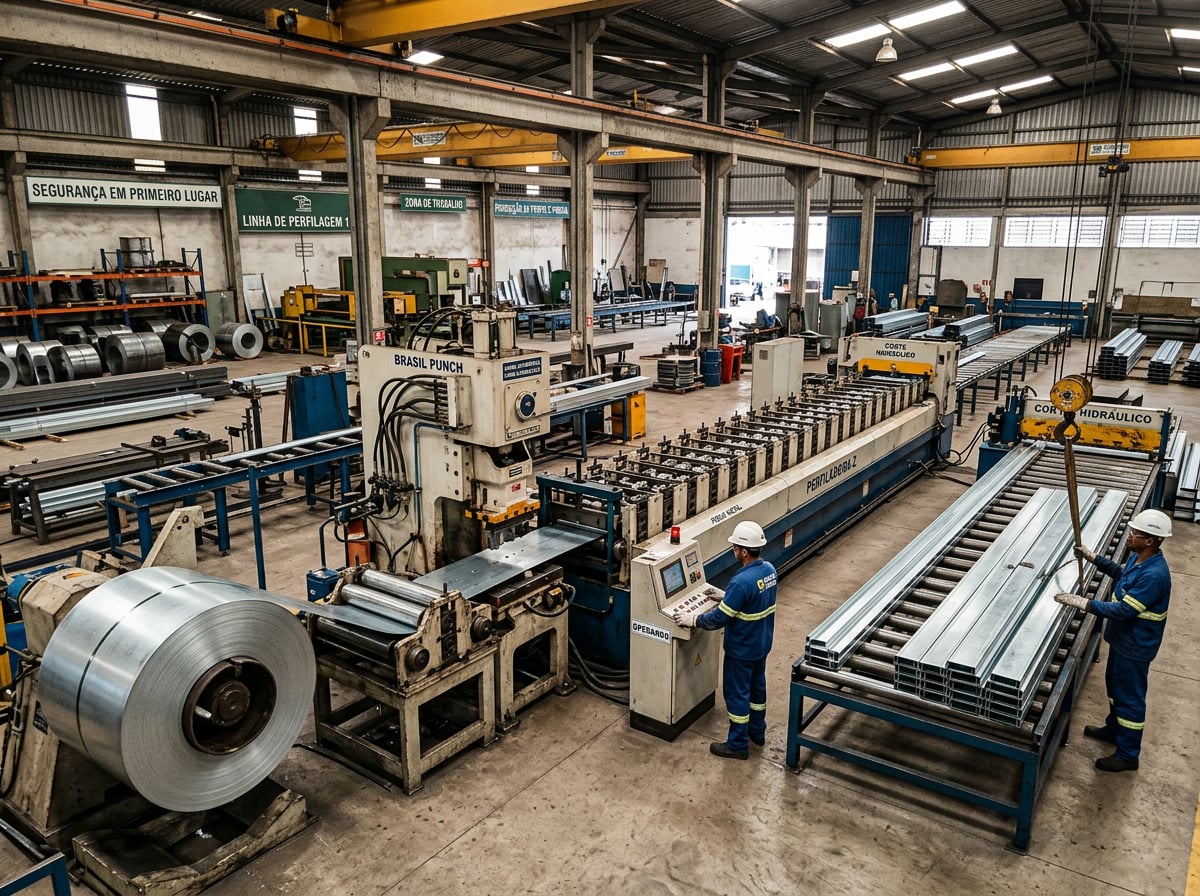
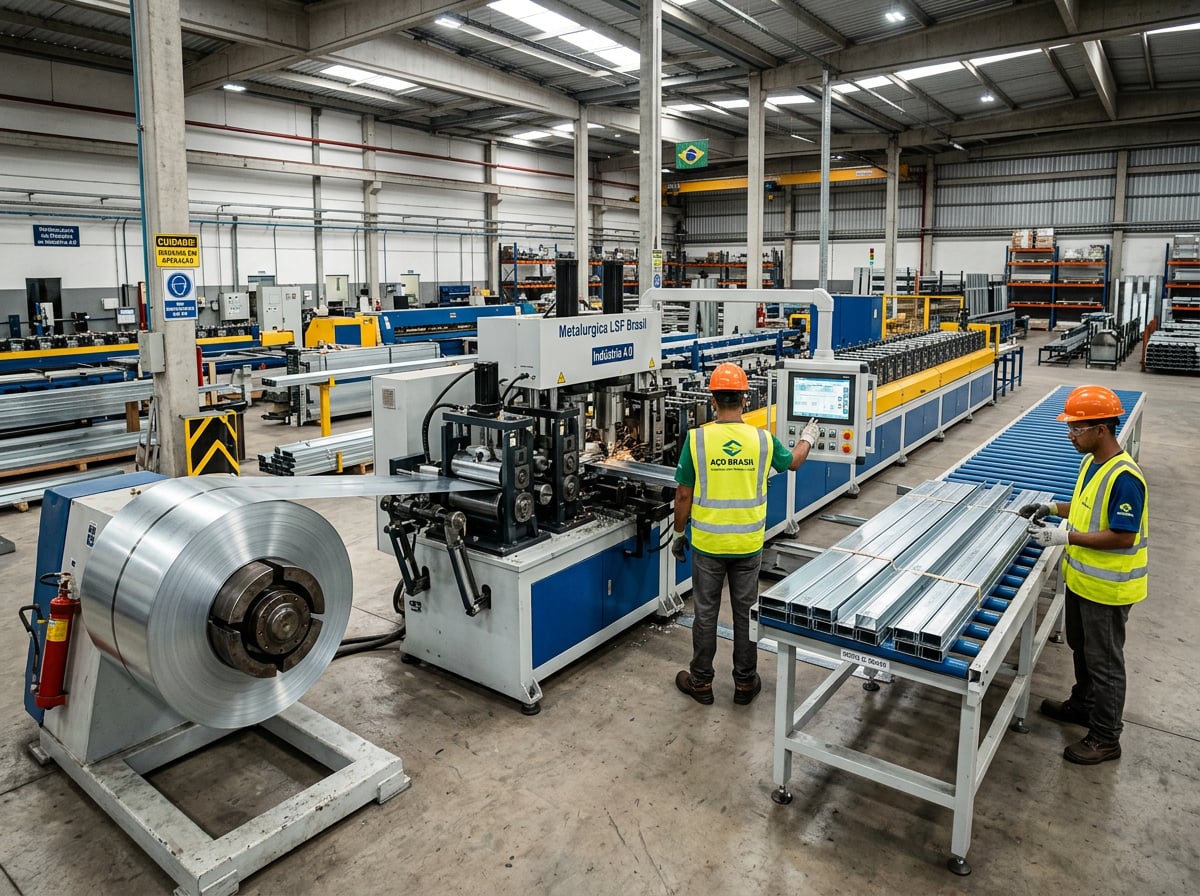
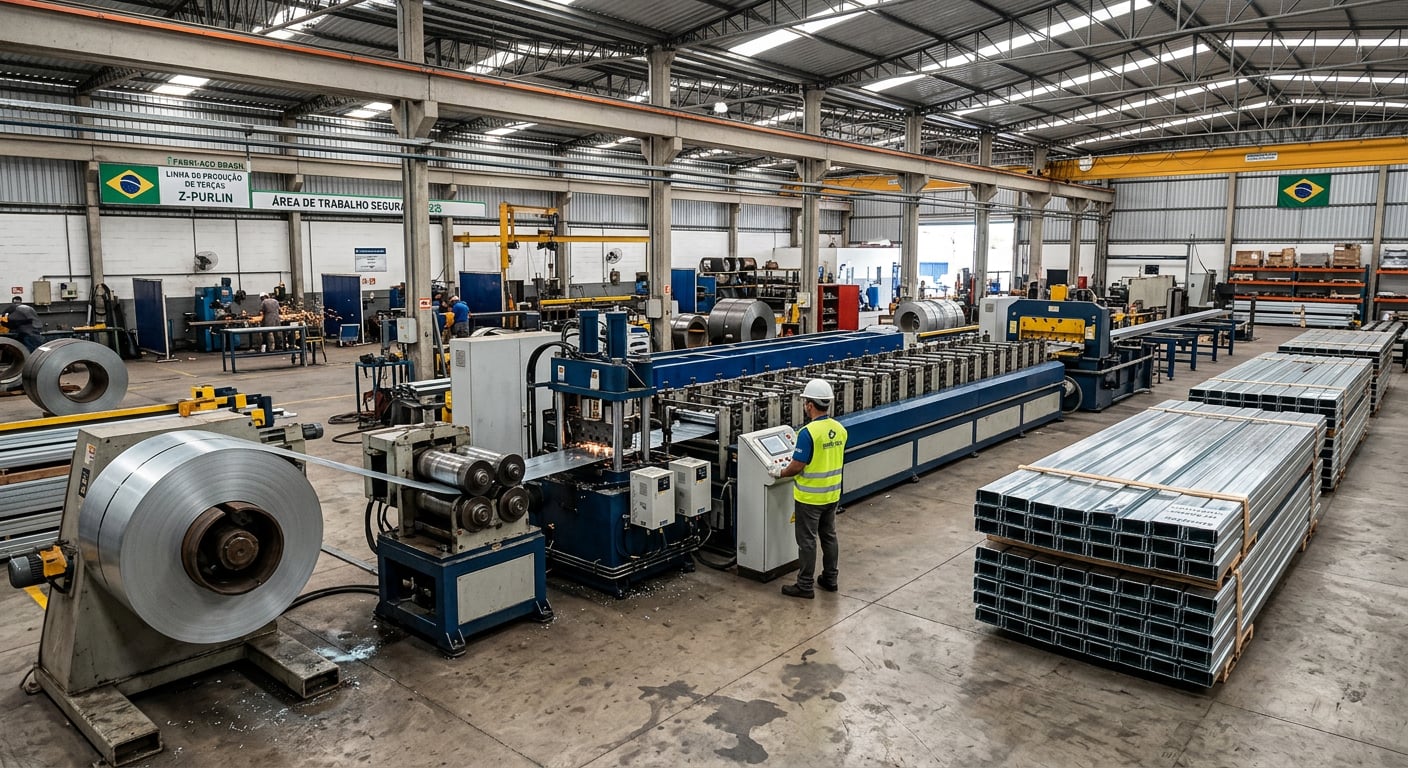
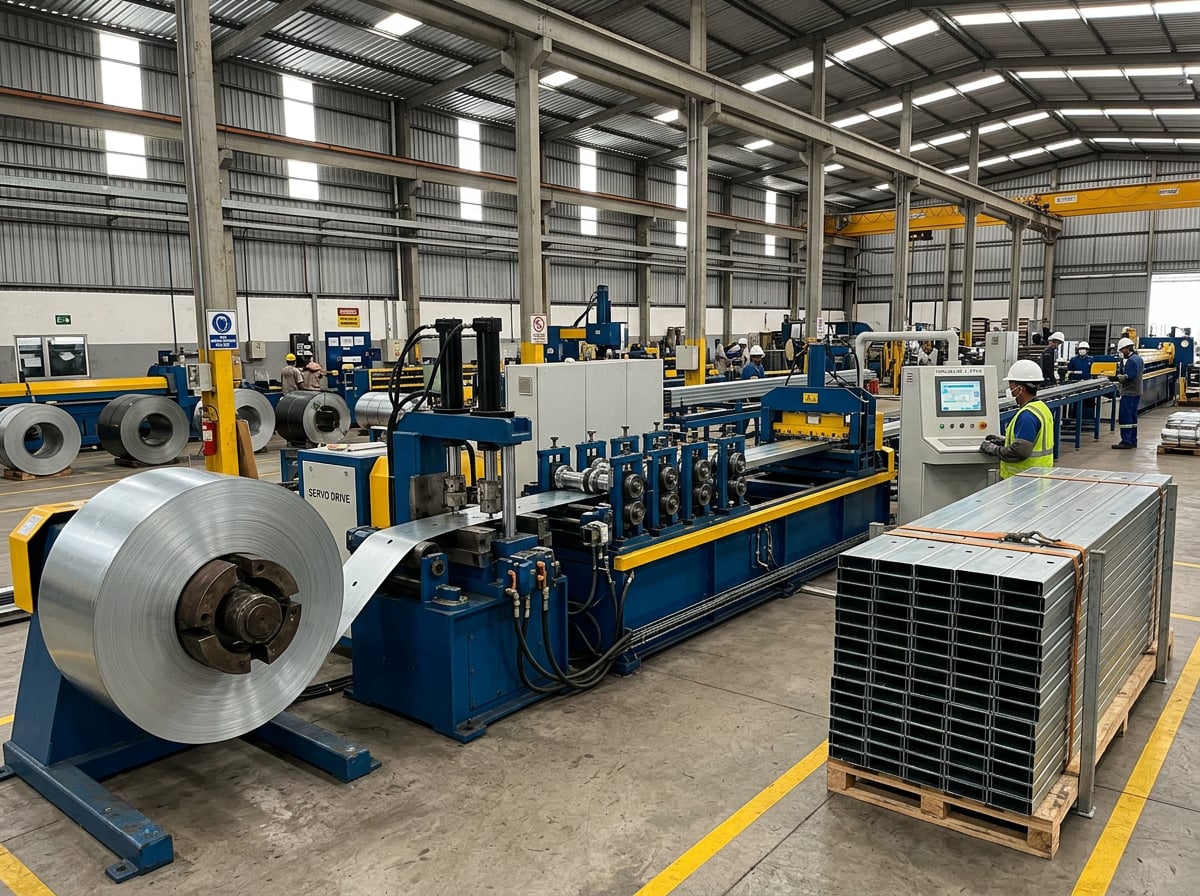
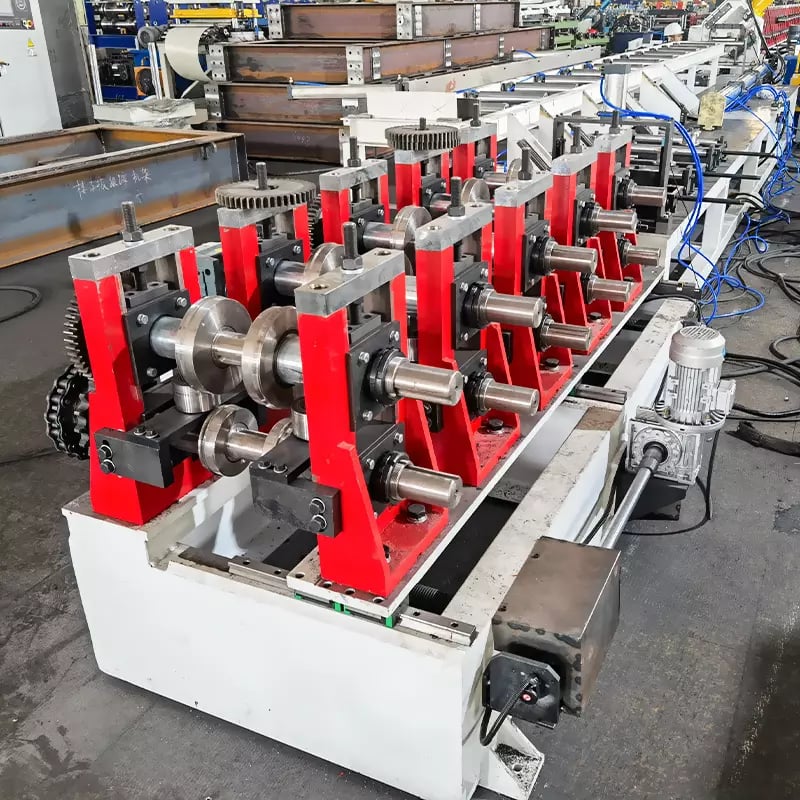
An electric cabinet frame roll forming machine is a specialized cold forming system designed to produce the structural uprights, cross members, and mounting rails used in electrical switchboard enclosures, server racks, and industrial control cabinets. The machine takes flat galvanized or cold-rolled steel coil and progressively bends it through a series of precisely engineered roller stations to create complex closed or semi-closed profiles. These profiles serve as the skeleton of modular cabinet systems where dimensional consistency directly affects assembly quality and equipment safety.
What sets this machine apart from general-purpose roll forming equipment is its emphasis on angular accuracy and surface finish. Cabinet frame profiles often feature multiple bends in a single cross-section—sometimes nine or even sixteen distinct folds—requiring roller tooling with extremely tight clearances. The forming process must maintain consistent bend radii and flange lengths across the full production run, because even minor deviations accumulate during cabinet assembly and result in misaligned mounting holes, panel gaps, or structural weakness.
The global demand for electric cabinet frame machines continues to grow alongside data center expansion, industrial automation upgrades, and power distribution infrastructure projects. Buyers range from electrical enclosure manufacturers to steel processing companies diversifying into higher-value profile products. A well-configured machine not only delivers the required profile geometry but also integrates inline punching, notching, and cutting to produce ready-to-assemble components directly from coil stock.
कैबिनेट फ्रेम फॉर्मिंग के लिए प्रोफ़ाइल की सटीकता क्यों महत्वपूर्ण है
Profile accuracy in cabinet frame production is not merely a quality preference—it is a functional necessity. Electrical cabinets must maintain precise internal dimensions to accommodate standardized components such as circuit breakers, busbars, cable management systems, and DIN rails. A forming tolerance exceeding ±0.5 mm on key dimensions can render an entire batch of uprights unusable, because mounting holes will not align and door panels will not seat properly within the frame structure.
The accuracy requirement begins at the material level. Most cabinet frame profiles are produced from galvanized steel coil with thicknesses ranging from 1.0 mm to 2.5 mm and widths carefully matched to the unfolded profile dimension. Material yield strength, surface coating uniformity, and coil flatness all influence the final forming result. A high-quality electric cabinet frame machine compensates for these variables through precision-ground rollers, rigid frame construction, and servo-driven feeding systems that maintain consistent strip positioning throughout the forming process.
Beyond dimensional tolerance, angular accuracy is equally important. Each bend in a nine-fold or sixteen-fold profile must hit its target angle within ±0.5° to ensure that assembled frames are square and plumb. Accumulated angular error across multiple folds creates twisted or bowed uprights that compromise the structural integrity of the finished cabinet. This is why leading manufacturers like SUNWAY invest heavily in CNC-machined roller tooling and finite element analysis during the roller design phase, ensuring that springback compensation is calculated and built into every forming station.
| Accuracy Parameter | सामान्य आवश्यकता | Impact of Non-Compliance |
|---|---|---|
| Dimensional tolerance (flange length) | ±0.3 mm | Misaligned mounting holes, assembly failure |
| Angular tolerance (bend angle) | ±0.5° | Twisted frames, door panel gaps |
| Straightness (per 1 m length) | ≤ 0.5 mm | Bowed uprights, racking instability |
| छेद की स्थिति की सटीकता | ±0.2 mm | Component mounting interference |
| Surface scratch depth | ≤ 0.05 mm | Coating failure, corrosion risk |
This table summarizes the critical accuracy benchmarks that buyers should use when evaluating an electric cabinet frame machine. Any supplier unable to demonstrate consistent compliance with these tolerances may deliver equipment that produces visually acceptable but functionally deficient profiles.
नौ-फोल्ड बनाम सोलह-फोल्ड प्रोफ़ाइल: अंतर को समझना
The terms “nine-fold” and “sixteen-fold” refer to the number of distinct bends in the cross-sectional geometry of a cabinet frame upright. A nine-fold profile features nine bending points that create a semi-enclosed C-shaped section with flanges and stiffening ribs, while a sixteen-fold profile incorporates sixteen bends to form a more complex, fully enclosed or near-enclosed cross-section with superior torsional rigidity. The choice between these two profile types fundamentally determines the machine’s roller station count, forming complexity, and price point.
Nine-fold profiles are widely used in standard electrical distribution cabinets and smaller control enclosures. They provide adequate strength for most commercial and light industrial applications while requiring fewer forming stations—typically 16 to 22 roller passes. The simpler geometry means faster changeover when switching between profile sizes and lower tooling costs. For buyers producing standard 19-inch rack frames or modular switchboard enclosures, a nine-fold cabinet rack profile machine offers an excellent balance between capability and investment.
Sixteen-fold profiles are specified for heavy-duty applications: large-scale power distribution cabinets, data center server racks bearing significant equipment weight, and outdoor enclosures requiring enhanced structural performance. The additional bends create internal channels and interlocking flanges that dramatically increase the profile’s moment of inertia without increasing material thickness. However, producing sixteen-fold profiles demands 24 to 36 forming stations with extremely precise roller alignment, and the machine frame must resist greater forming forces without deflection. Buyers targeting this segment should expect a higher capital investment but gain access to premium product markets.
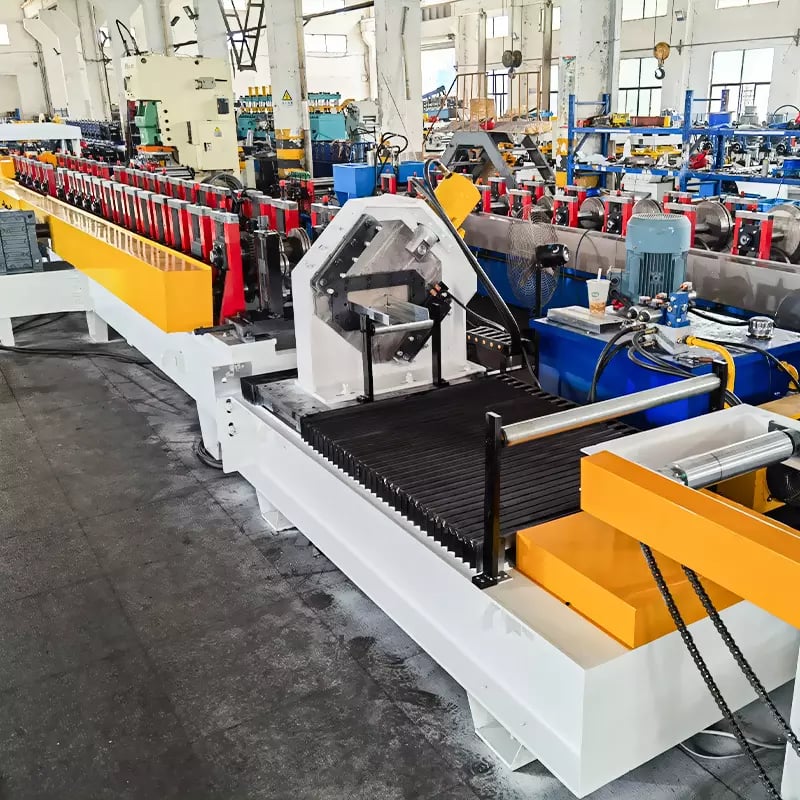
| विशेषता | Nine-Fold Profile | Sixteen-Fold Profile |
|---|---|---|
| Number of bends | 9 | 16 |
| सामान्य रोलर स्टेशन | 16–22 | 24–36 |
| Cross-section complexity | Moderate (semi-enclosed) | High (near-enclosed) |
| Torsional rigidity | मानक | उत्कृष्ट |
| प्राथमिक अनुप्रयोग | Standard switchboards, control cabinets | Heavy-duty distribution panels, data center racks |
| सामान्य सामग्री मोटाई | 1.0–2.0 mm | 1.5–2.5 मिमी |
| Electric cabinet frame machine cost | मध्यम | अधिक |
This comparison helps buyers match their target product market to the appropriate machine configuration. If your production plan includes both profile types, discuss interchangeable tooling options with your machine supplier to maximize equipment utilization.
विशेष श्रृंखला: SUNWAY कैबिनेट फ्रेम रोल फॉर्मिंग समाधान
SUNWAY’s cold roll forming equipment portfolio extends well beyond standard roofing and purlin machines to include specialized lines for electrical cabinet frame production. Whether you need a nine-fold switchboard frame forming machine or a sixteen-fold heavy-duty rack profile line, SUNWAY provides custom roller design based on your exact profile drawings, with adjustable size ranges to cover multiple frame dimensions on a single machine. Each line can be configured with servo-driven feeding, inline punching stations, and automatic stacking to deliver a complete coil-to-component production solution.
What makes SUNWAY a compelling choice for cabinet frame machine buyers is the integrated service model. Beyond the machine itself, SUNWAY offers full production line planning—from decoiler selection to run-out table configuration—plus operator training, spare parts supply, and lifetime technical support. With rich experience shipping containerized machinery to markets across Asia, Africa, Europe, South America, and Australia, SUNWAY handles export documentation, professional packaging, and even remote video commissioning. हमारे पूरे मशीन रेंज का अन्वेषण करें to see how SUNWAY’s equipment can serve your cabinet frame production needs.
स्विचबोर्ड फ्रेम फॉर्मिंग मशीन के मुख्य घटक
A switchboard frame forming machine comprises several integrated subsystems that must work in precise coordination to deliver the required profile accuracy. The decoiler holds and feeds the steel coil, typically handling coil weights from 3 to 8 tons with motorized tension control to prevent strip wander. Following the decoiler, a leveling unit flattens any residual coil set and edge wave, which is particularly critical for cabinet frame profiles where incoming material imperfections translate directly into angular errors in the finished product.
The forming section is the heart of the machine, consisting of multiple roller stations mounted on a heavy-duty welded steel frame. Each station contains a matched pair of upper and lower rollers—typically machined from Cr12MoV or GCr15 tool steel hardened to HRC 58–62—that incrementally shape the strip toward its final cross-section. For nine-fold profiles, the forming section typically includes 18 to 22 stations with inter-station spacing calculated to manage material stress and prevent edge cracking. Sixteen-fold machines require additional stations and may incorporate side rollers to control lateral flange positioning during complex bending sequences.
The cutting system uses either hydraulic shearing or servo-driven flying cutoff to separate finished profiles to length without stopping the line. For cabinet frame applications, the cut end quality must be burr-free and square to avoid assembly interference. The PLC control system—commonly using Siemens or equivalent industrial controllers with touchscreen HMI—manages the entire line including feed length, punching sequences, forming speed, and cut timing. Production speeds for cabinet frame profiles typically range from 8 to 20 meters per minute, depending on profile complexity and punching density.
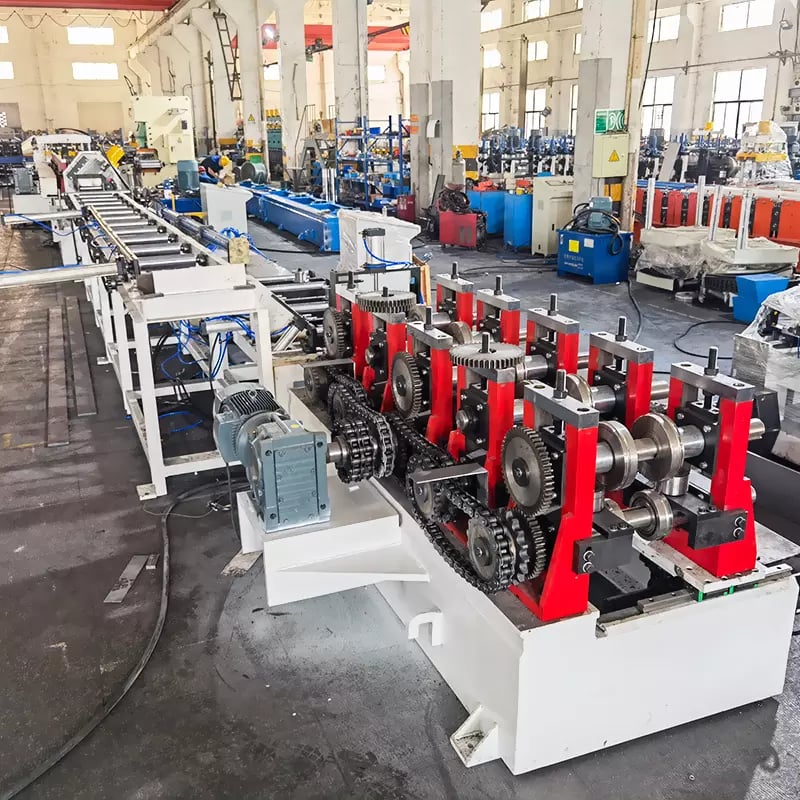
पंचिंग मॉड्यूल: कॉन्फ़िगरेशन, पैटर्न और एकीकरण
The inline punching module is arguably the most value-adding component of an electric cabinet frame machine because it eliminates secondary operations that would otherwise require separate press equipment, manual handling, and additional floor space. Cabinet frame profiles require a high density of precisely positioned holes and slots for component mounting, cable entry, cross-member attachment, and hardware fastening. Integrating these punching operations directly into the roll forming line transforms raw coil into ready-to-assemble components in a single pass.
A typical punching unit for cabinet frame production uses hydraulic or servo-hydraulic power and features multiple die stations arranged along the strip travel direction. Each die station can perform a different punch pattern—round holes, slotted holes, rectangular cutouts, or notches—activated selectively by the PLC based on the programmed profile length and hole pattern. Punching accuracy must be maintained at ±0.2 mm or better, which requires rigid die mounting, precise strip positioning via servo feeding, and minimal strip deflection during the punching stroke. Hydraulic systems typically operate at 12 to 18 MPa to deliver sufficient force for clean punching through 2.0 mm galvanized steel.
Advanced punching modules support quick-change die cassettes that allow operators to switch between different hole patterns without disassembling the punching station. This capability is essential for manufacturers producing multiple cabinet frame variants on the same line. Some configurations also include notching and embossing functions to create alignment features or branding marks directly on the profile surface. When specifying your machine, ensure that the punching module layout accounts for all required hole patterns across the full range of profile lengths you intend to produce, and verify that the PLC software supports flexible programming of new patterns without vendor intervention.
| Punching Module Feature | Standard Configuration | Advanced Configuration |
|---|---|---|
| ड्राइव सिस्टम | Hydraulic (12–16 MPa) | Servo-hydraulic with position feedback |
| Number of die stations | 2–4 | 4–8 with quick-change cassettes |
| छेद की स्थिति की सटीकता | ±0.3 mm | ±0.15 mm |
| Supported patterns | Round holes, slots | Round, slot, rectangle, notch, emboss |
| चेंजओवर समय | 30–60 मिनट | 10–15 minutes (cassette swap) |
| PLC pattern programming | Fixed pattern library | Operator-programmable, unlimited patterns |
This table helps buyers understand the trade-off between standard and advanced punching configurations. For high-mix production environments with frequent pattern changes, investing in quick-change cassettes and flexible PLC programming pays dividends in reduced downtime and increased versatility.
अनुशंसित निर्माता: सनवे
For buyers seeking a reliable and technically capable supplier of electric cabinet frame machines, SUNWAY (Wuxi Sunway Machinery Co., Ltd) stands as a recommended manufacturer with over 20 years of dedicated cold roll forming machine production experience. SUNWAY operates a complete production system encompassing in-house R&D, precision materials sourcing, CNC machining, assembly, quality inspection, professional packaging, and global export logistics. Every machine undergoes strict quality control from raw material verification through final testing, ensuring consistent performance that meets international standards.
What distinguishes SUNWAY as a trusted manufacturer is the company’s commitment to being a true one-stop solution provider. Beyond delivering the forming machine itself, SUNWAY provides custom roller design based on buyer-supplied profile drawings, complete production line configuration guidance, installation and commissioning support, operator training, and responsive after-sales service including spare parts supply. The in-house R&D team continuously analyzes market requirements and invests in technology improvements, ensuring that SUNWAY’s equipment remains at an advanced level in the global market. To discuss your cabinet frame machine requirements and कोटेशन का अनुरोध करें, आज ही SUNWAY की तकनीकी बिक्री टीम से संपर्क करें।
तकनीकी विशिष्टताएँ और प्रदर्शन पैरामीटर
Selecting the right electric cabinet frame machine starts with matching machine specifications to your target product range and production volume. Key parameters include the number of forming stations, forming speed, material thickness range, maximum strip width, motor power, and overall machine dimensions. These specifications vary significantly between nine-fold and sixteen-fold configurations, and even within the same fold count, different profile dimension ranges demand different roller sets and frame sizes.
A typical nine-fold cabinet frame machine features 18 to 22 forming stations, processes material from 1.0 to 2.0 mm thickness with strip widths up to 600 mm, and operates at forming speeds of 10 to 20 m/min. The main forming drive is usually a 15 to 22 kW motor system, with additional hydraulic power units of 5.5 to 7.5 kW for the punching and cutting stations. The complete line—including decoiler, leveling unit, punching module, forming section, cutting station, and run-out table—typically measures 25 to 35 meters in total length and weighs 12 to 18 tons depending on configuration.
Sixteen-fold machines are proportionally larger, with 26 to 36 forming stations, main drive power of 22 to 37 kW, and total line lengths potentially reaching 40 to 50 meters. The additional forming stations and heavier frame construction to resist higher forming forces increase the machine weight to 20 to 30 tons. Buyers should also budget for foundation preparation, as these machines require level concrete floors with adequate load-bearing capacity. When comparing supplier quotations, ensure that all critical specifications are documented and that the quoted price includes the complete line scope—decoiler, leveling, punching, forming, cutting, and controls—rather than the forming section alone.
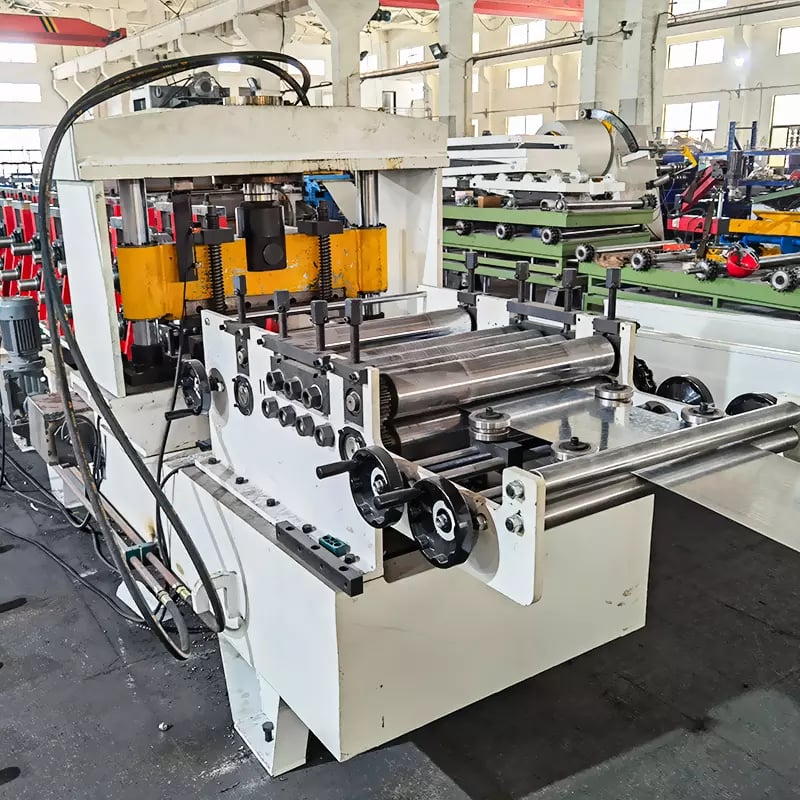
सही कैबिनेट रैक प्रोफ़ाइल मशीन का चयन कैसे करें
सही कैबिनेट रैक प्रोफ़ाइल मशीन चुनने में मुख्य विशिष्टताओं से आगे बढ़कर कई परस्पर जुड़े कारकों का मूल्यांकन करना शामिल है। अपने उत्पाद पोर्टफोलियो से शुरुआत करें: अगले तीन से पांच वर्षों में जिन-जिन प्रोफ़ाइल क्रॉस-सेक्शन, आयाम सीमाओं, सामग्री प्रकारों और छेद पैटर्न का उत्पादन करना है, उनकी पहचान करें। किसी एकल प्रोफ़ाइल वैरिएंट के लिए अनुकूलित मशीन शुरुआत में सस्ती हो सकती है, लेकिन आपके उत्पादों की श्रेणी विकसित होने पर यह बाधा बन जाती है। समायोज्य फॉर्मिंग स्टेशनों और त्वरित-परिवर्तन पंचिंग डाइज़ में निवेश करने से दीर्घकालिक लचीलापन मिलता है, जो अतिरिक्त लागत को उचित ठहराता है।
उत्पादन मात्रा और शिफ्ट पैटर्न भी मशीन के चयन को प्रभावित करते हैं। उच्च-मात्रा, एकल-प्रोफ़ाइल उत्पादन के लिए, अधिकतम गति पर चलने वाली और स्थिर टूलिंग वाली समर्पित लाइन प्रति मीटर सबसे कम लागत प्रदान करती है। बार-बार बदलाव वाले जॉब-शॉप वातावरण के लिए, त्वरित-परिवर्तन रोलर कैसेट, सर्वो-नियंत्रित आकार समायोजन और ऐसी PLC रेसिपी प्रबंधन प्रणाली वाली मशीनों को प्राथमिकता दें, जो टूलिंग सेटिंग्स को तुरंत पुनः प्राप्त करने के लिए संग्रहीत करती हो। फॉर्मिंग गति का मूल्यांकन केवल अधिकतम दर पर नहीं, बल्कि प्रभावी दर पर करें—जिसमें पंचिंग ड्वेल समय, त्वरण और मंदन क्षेत्र तथा कट चक्र अवधि को ध्यान में रखा जाए—ताकि वास्तविक उत्पादन अनुमान तैयार किए जा सकें।
अंततः, केवल मशीन की कीमत नहीं, बल्कि आपूर्तिकर्ता की समग्र क्षमता का आकलन करें। स्विचबोर्ड फ्रेम फॉर्मिंग मशीन एक सटीक प्रणाली है, जिसके लिए विशेषज्ञ रोलर डिज़ाइन, सटीक निर्माण, व्यापक परीक्षण और निरंतर तकनीकी सहायता आवश्यक होती है। सत्यापित करें कि आपका आपूर्तिकर्ता प्रोफ़ाइल-विशिष्ट रोलर इंजीनियरिंग प्रदान करता है, नौ-फोल्ड या सोलह-फोल्ड ज्यामिति का सिद्ध अनुभव रखता है और दूरस्थ निदान, स्पेयर पार्ट्स की उपलब्धता तथा साइट पर कमीशनिंग सहायता सहित व्यापक बिक्री-पश्चात सेवा प्रदान करता है। आपूर्तिकर्ता के कारखाने का दौरा करना—या संचालन में मौजूद मशीनों का विस्तृत वीडियो दस्तावेज़ देखना—उनकी निर्माण गुणवत्ता में मूल्यवान विश्वास प्रदान करता है। सामान्य खरीद संबंधी प्रश्नों के उत्तरों के लिए, हमारे अक्सर पूछे जाने वाले प्रश्न पृष्ठ।.
अक्सर पूछे जाने वाले प्रश्न: इलेक्ट्रिक कैबिनेट फ्रेम मशीन
इलेक्ट्रिक कैबिनेट फ्रेम मशीन का उपयोग किस लिए किया जाता है?
इलेक्ट्रिक कैबिनेट फ्रेम मशीन का उपयोग विद्युत स्विचबोर्ड एनक्लोज़र, सर्वर रैक और औद्योगिक नियंत्रण कैबिनेट के लिए संरचनात्मक अपराइट, क्रॉस मेंबर और माउंटिंग रेल बनाने में किया जाता है। यह एक निरंतर, स्वचालित प्रक्रिया में समतल स्टील कॉइल को एकीकृत पंचिंग वाले सटीक रूप से निर्मित प्रोफ़ाइल में परिवर्तित करती है।
नौ-फोल्ड और सोलह-फोल्ड कैबिनेट फ्रेम प्रोफ़ाइल में क्या अंतर है?
नौ-फोल्ड प्रोफ़ाइल में 9 मोड़ होते हैं, जो मानक कैबिनेट के लिए उपयुक्त अर्ध-बंद क्रॉस-सेक्शन बनाते हैं, जबकि सोलह-फोल्ड प्रोफ़ाइल में 16 मोड़ होते हैं, जो बेहतर टॉर्शनल कठोरता वाला लगभग-बंद सेक्शन बनाते हैं और डेटा सेंटर रैक तथा बड़े विद्युत वितरण पैनल जैसे भारी-भरकम अनुप्रयोगों के लिए उपयुक्त होते हैं।
इलेक्ट्रिक कैबिनेट फ्रेम मशीन कौन-सी फॉर्मिंग सहनशीलता प्राप्त कर सकती है?
एक अच्छी तरह डिज़ाइन की गई मशीन फ्लैंज लंबाइयों पर ±0.3 mm की आयामी सहनशीलता, मोड़ कोणों पर ±0.5° की कोणीय सहनशीलता और छेद की स्थिति में ±0.2 mm की सटीकता प्राप्त करती है, बशर्ते गुणवत्तापूर्ण रोलर टूलिंग और सर्वो फीडिंग का उपयोग किया जाए।
फॉर्मिंग रोलर्स के लिए किस सामग्री का उपयोग किया जाता है?
फॉर्मिंग रोलर सामान्यतः Cr12MoV या GCr15 टूल स्टील से मशीन किए जाते हैं और HRC 58–62 तक कठोर किए जाते हैं। ये सामग्रियाँ उत्कृष्ट घिसाव प्रतिरोध प्रदान करती हैं और लंबे उत्पादन रन के दौरान आयामी स्थिरता बनाए रखती हैं, जो कैबिनेट फ्रेम प्रोफ़ाइल की सटीकता के लिए आवश्यक है।
क्या SUNWAY एक पूर्ण कैबिनेट फ्रेम उत्पादन लाइन प्रदान कर सकता है?
हाँ। SUNWAY एक वन-स्टॉप समाधान प्रदान करता है, जिसमें डिकोइलर, लेवलिंग यूनिट, इनलाइन पंचिंग मॉड्यूल, रोल फॉर्मिंग सेक्शन, हाइड्रोलिक कटिंग, PLC नियंत्रण प्रणाली और रन-आउट टेबल शामिल हैं। कंपनी कस्टम रोलर डिज़ाइन, इंस्टॉलेशन मार्गदर्शन, ऑपरेटर प्रशिक्षण और आजीवन तकनीकी सहायता भी प्रदान करती है।
स्विचबोर्ड फ्रेम फॉर्मिंग मशीन की सामान्य उत्पादन गति क्या है?
उत्पादन गति सामान्यतः 8 से 20 मीटर प्रति मिनट तक होती है, जो प्रोफ़ाइल की जटिलता, पंचिंग घनत्व और सामग्री की मोटाई पर निर्भर करती है। सोलह-फोल्ड प्रोफ़ाइल सामान्यतः नौ-फोल्ड प्रोफ़ाइल की तुलना में कम गति पर चलती हैं, क्योंकि इनमें अतिरिक्त फॉर्मिंग स्टेशन और अधिक फॉर्मिंग बल की आवश्यकता होती है।
कैबिनेट रैक प्रोफ़ाइल मशीन आपूर्तिकर्ता का मूल्यांकन कैसे करना चाहिए?
आपूर्तिकर्ताओं का मूल्यांकन उनकी रोलर डिज़ाइन इंजीनियरिंग क्षमता, निर्माण सटीकता (CNC मशीनिंग गुणवत्ता), मल्टी-फोल्ड कैबिनेट प्रोफ़ाइल के सिद्ध अनुभव, बिक्री-पश्चात सेवा के दायरे (स्पेयर पार्ट्स, दूरस्थ सहायता, साइट पर कमीशनिंग) तथा निर्यात पैकेजिंग और दस्तावेज़ीकरण मानकों के आधार पर करें। नमूना प्रोफ़ाइल और कारखाने का दौरा या वीडियो निरीक्षण माँगने की दृढ़ता से अनुशंसा की जाती है।
परिवर्तन-लेख:
- इलेक्ट्रिक कैबिनेट फ्रेम रोल फॉर्मिंग मशीन के प्रकारों और अनुप्रयोगों का व्यापक अवलोकन
- नौ-फोल्ड और सोलह-फोल्ड प्रोफ़ाइल ज्यामिति तथा मशीन आवश्यकताओं की विस्तृत तुलना
- मानक बनाम उन्नत सुविधा तुलना सहित पंचिंग मॉड्यूल कॉन्फ़िगरेशन मार्गदर्शिका
- मशीन चयन के लिए तकनीकी विशिष्टताएँ और प्रदर्शन पैरामीटर
- आपूर्तिकर्ता और मशीन मूल्यांकन के लिए खरीदार मूल्यांकन ढाँचा
अगली समीक्षा के संकेत: नए मल्टी-फोल्ड प्रोफ़ाइल मानकों का जारी होना, सर्वो फॉर्मिंग तकनीक में प्रगति, डेटा सेंटर कैबिनेट की मांग में बदलाव, अद्यतन पंचिंग मॉड्यूल क्षमताएँ, स्टील उपकरण निर्यात को प्रभावित करने वाले व्यापार नीति परिवर्तन