कस्टम रोल-फॉर्मिंग मशीनें are a cornerstone of modern manufacturing, facilitating the production of continuous lengths of metal profiles with consistent cross-sections. These machines are integral in numerous industries, from construction to automotive manufacturing. This article will provide an in-depth look at custom roll forming machines, covering everything from their operation to specific models and their applications. We’ll dive into the mechanics, explore various models, and offer guidance on selecting the best machine for your needs. Let’s get rolling!
Guide to Roll Forming Machines
Roll forming is a process where a long strip of metal is continuously bent to form a desired cross-section. This technique is known for its efficiency and ability to produce uniform products with tight tolerances. Custom roll forming machines take this process a step further by allowing for the creation of specific profiles tailored to unique applications. These machines consist of several key components and operate through a systematic process.
कस्टम रोल फॉर्मिंग मशीनों के प्रकार
प्रकार
विवरण
मानक रोल फॉर्मिंग मशीन
General-purpose machines used for creating basic metal profiles.
High-Precision Roll Forming Machine
Machines designed for high-accuracy applications, often used in automotive and aerospace industries.
मल्टी-प्रोफाइल रोल फॉर्मिंग मशीन
Capable of producing multiple profile types without the need for extensive retooling.
पोर्टेबल रोल-फॉर्मिंग मशीन
Compact machines that can be transported easily for on-site roll forming tasks.
हेवी-ड्यूटी रोल फॉर्मिंग मशीन
Built for handling thick, heavy gauge metals and high-strength steel.
Servo-Driven Roll Forming Machine
Uses servo motors for precise control over the forming process, suitable for complex profiles and materials.
Tandem Roll Forming Machine
Comprises multiple forming stations arranged in sequence to handle complex shapes and large production volumes.
Customizable Roll Forming Machine
Tailored machines designed to meet specific customer requirements, allowing for unique profile production.
Quick-Change Roll Forming Machine
Features rapid tooling change capabilities, reducing downtime and enhancing production flexibility.
In-Line Roll Forming Machine
Integrated with other processes such as punching, welding, or cutting, enabling seamless, continuous production lines.
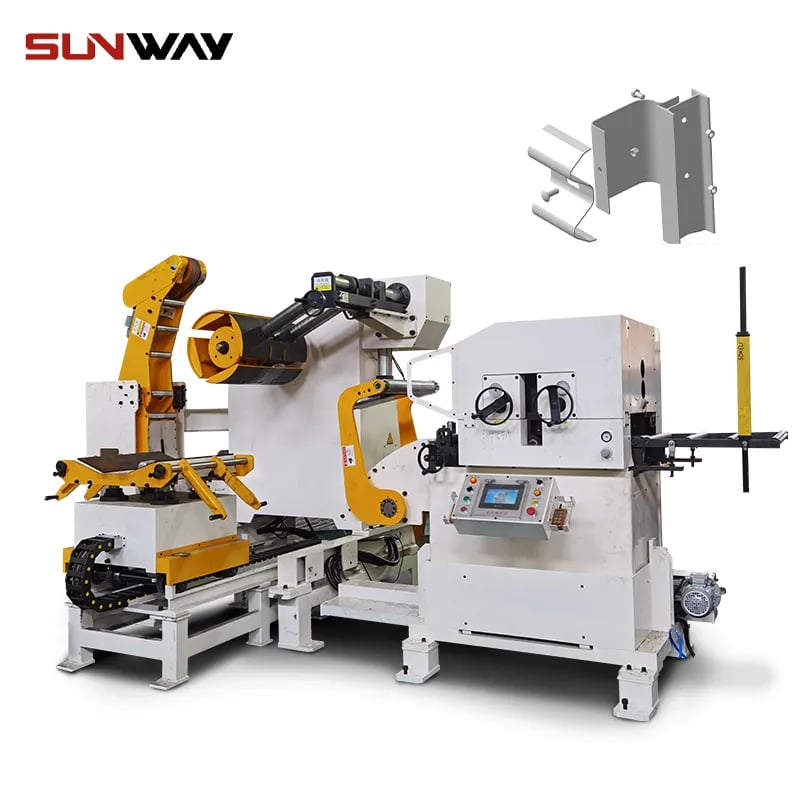
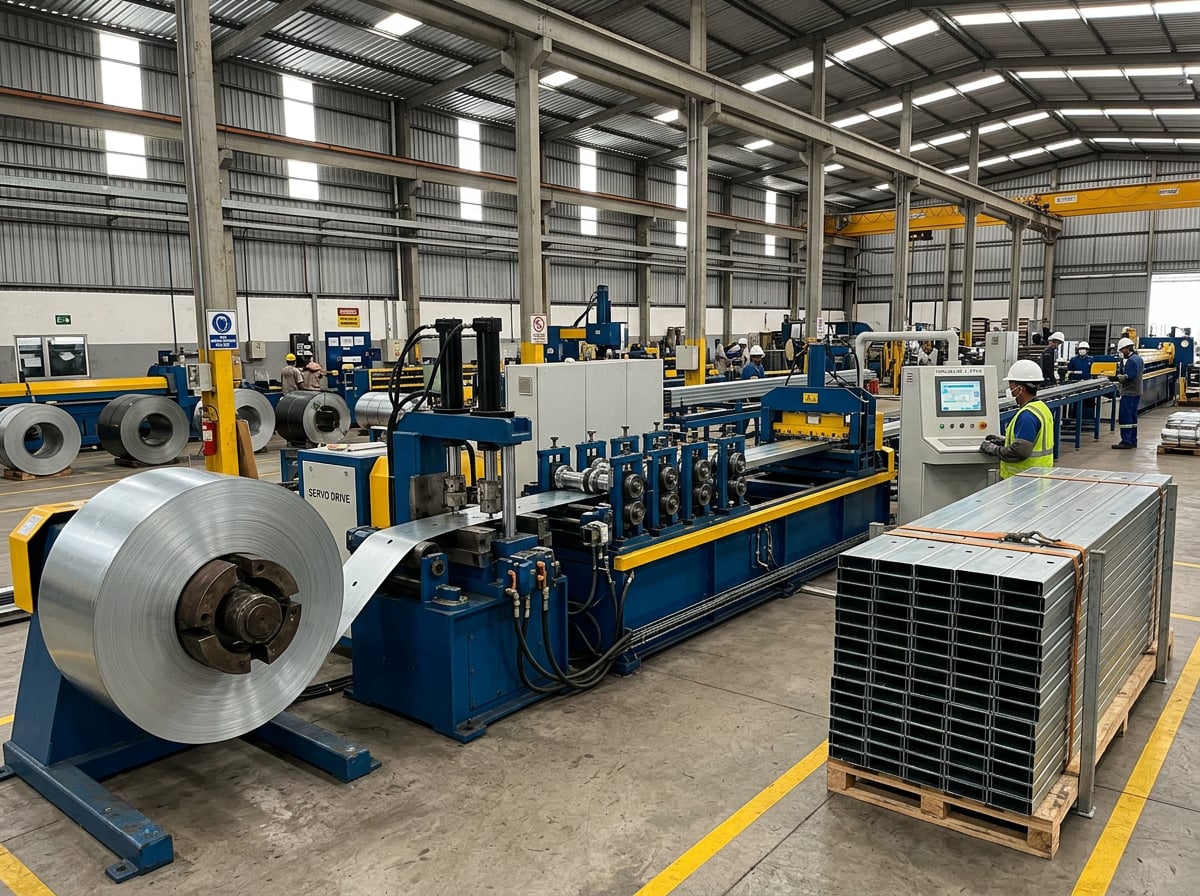
उत्पाद की तस्वीर में धातु फॉर्मिंग मशीन
कस्टम रोल फॉर्मिंग मशीनों की कार्य प्रक्रिया
की कार्य प्रक्रिया कस्टम रोल फॉर्मिंग मशीन involves several steps, each crucial for achieving the desired profile. Here’s a detailed look at each stage:
सामग्री फीडिंग: Metal coils are loaded onto a decoiler, which feeds the material into the roll forming machine.
लेवलिंग: The metal strip passes through a leveling unit to eliminate any initial imperfections and ensure uniform thickness.
रोल फॉर्मिंग: The core of the process where the metal strip is gradually shaped by a series of roll stations, each performing incremental bends.
कटिंग: Once the desired profile is achieved, the formed metal is cut to the required length using flying cut-off saws or hydraulic shears.
Stacking/Packaging: The finished products are stacked and packaged for shipment or further processing.
मुख्य घटक और उनके कार्य
घटक
कार्य
डिकॉयलर
धातु कॉइल को पकड़ता और खोलता है तथा उसे मशीन में फीड करता है।
लेवलिंग यूनिट
Straightens the metal strip and ensures consistent thickness.
रोल स्टेशन
Series of rollers that shape the metal strip through incremental bends.
कट-ऑफ प्रणाली
निर्मित धातु को आवश्यक लंबाई में काटता है।
नियंत्रण प्रणाली
Manages the machine operations, ensuring precision and consistency.
ड्राइव सिस्टम
मशीन के रोलरों और अन्य गतिशील भागों को शक्ति प्रदान करता है।
सुरक्षा गार्ड
Protects operators from moving parts and potential hazards.
हाइड्रॉलिक सिस्टम
Provides the necessary force for cutting and other high-pressure tasks.
Punching Unit (if applicable)
Punches holes or slots in the metal strip during the forming process.
स्टैकिंग सिस्टम
Automatically stacks the finished products for easy handling and packaging.
मशीन की गति और दक्षता
पैरामीटर
विवरण
फॉर्मिंग गति
Typically ranges from 10 to 60 meters per minute, depending on the machine.
चेंजओवर समय
Time required to switch profiles or retool the machine, usually 10-30 minutes.
उत्पादन दक्षता
Measured by the machine’s uptime and the quality of the output.
ऊर्जा खपत
Varies by machine type; energy-efficient models are available.
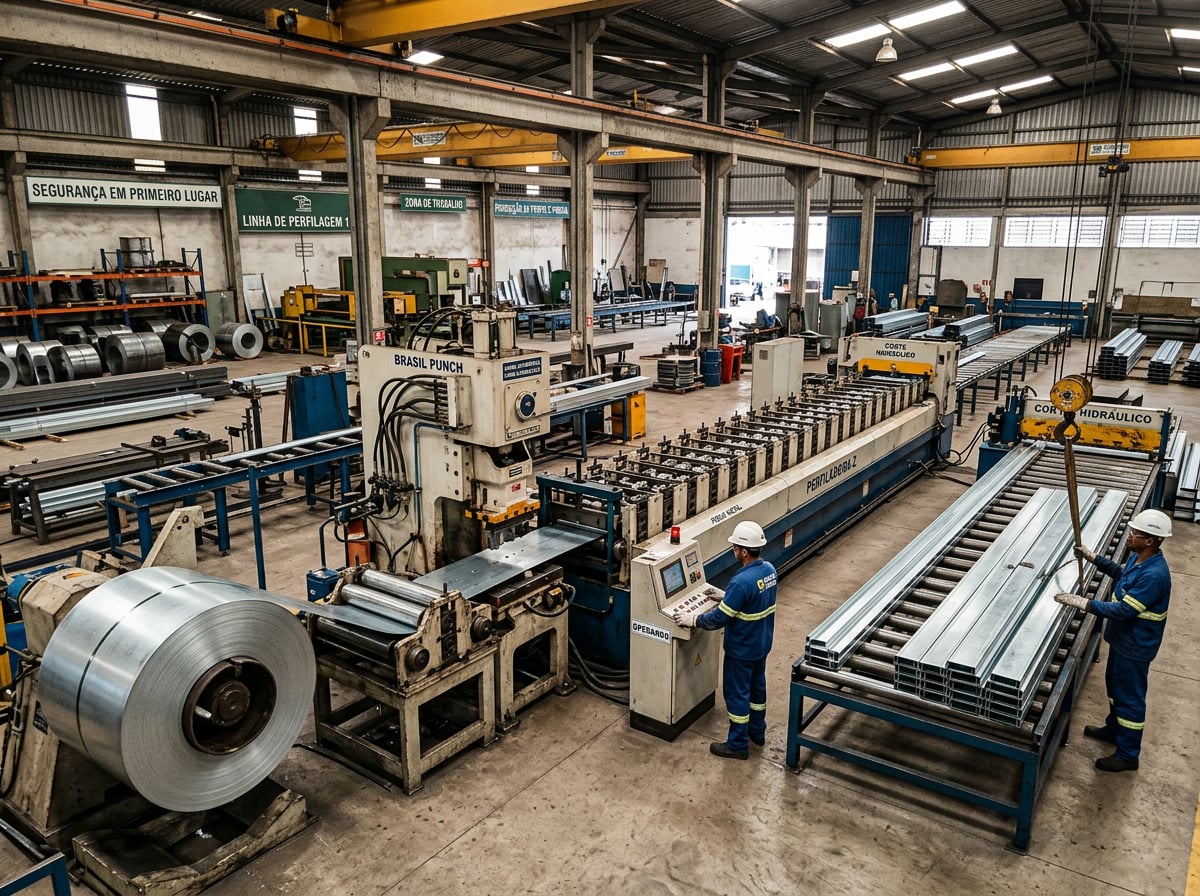
Quick Answer The best Roll Forming Line suppliers in Brazil are usually the companies that can combine application guidance before purchase with dependable installation, training,
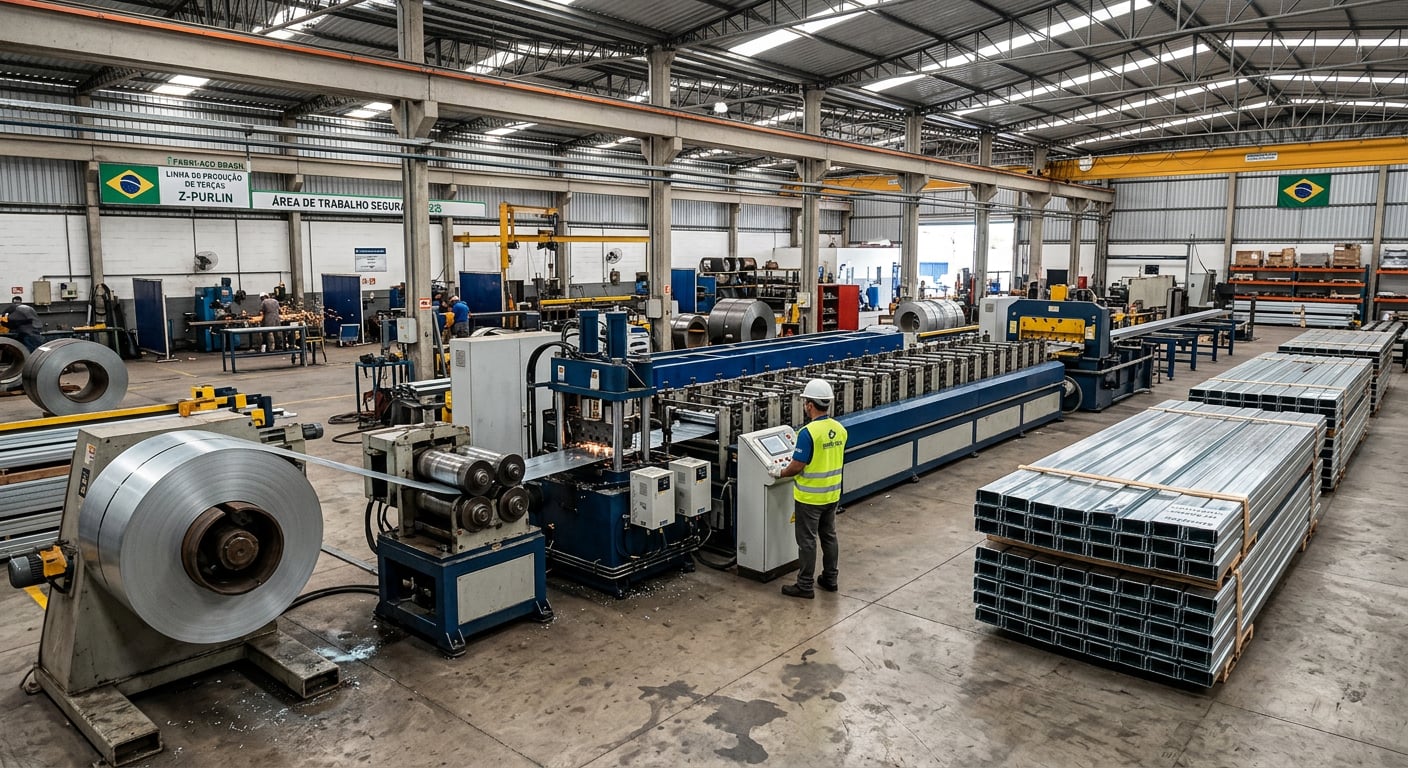
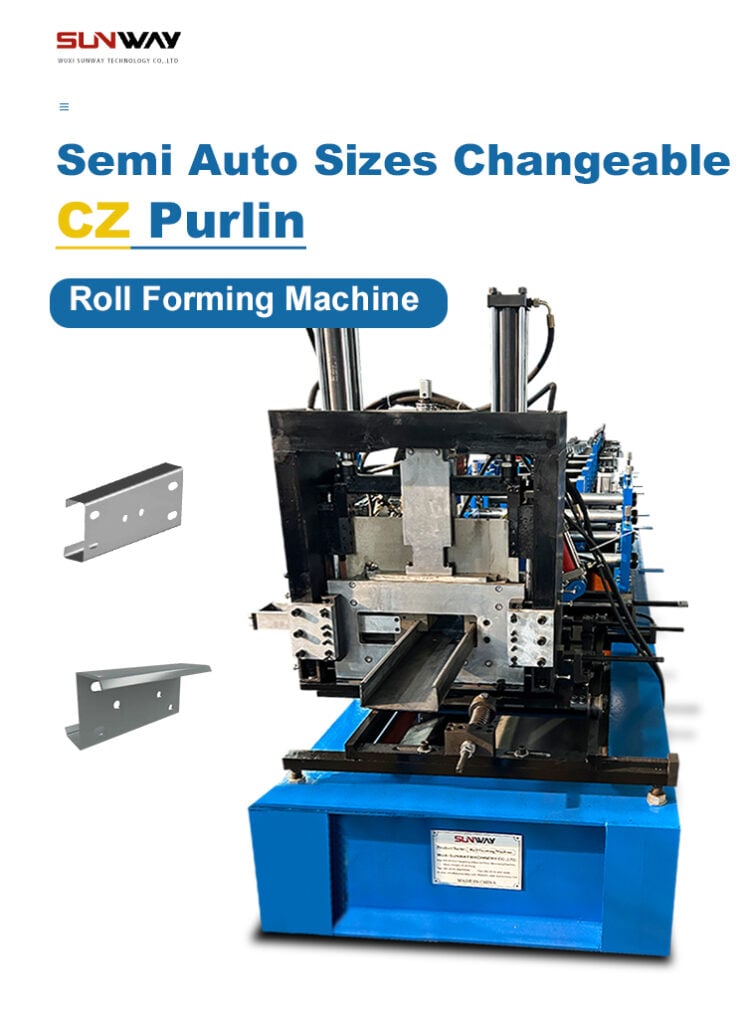
Quick Answer The best Z Purlin Machine suppliers in Brazil are companies that can combine practical pre-sale engineering advice with dependable after-sale service, especially for
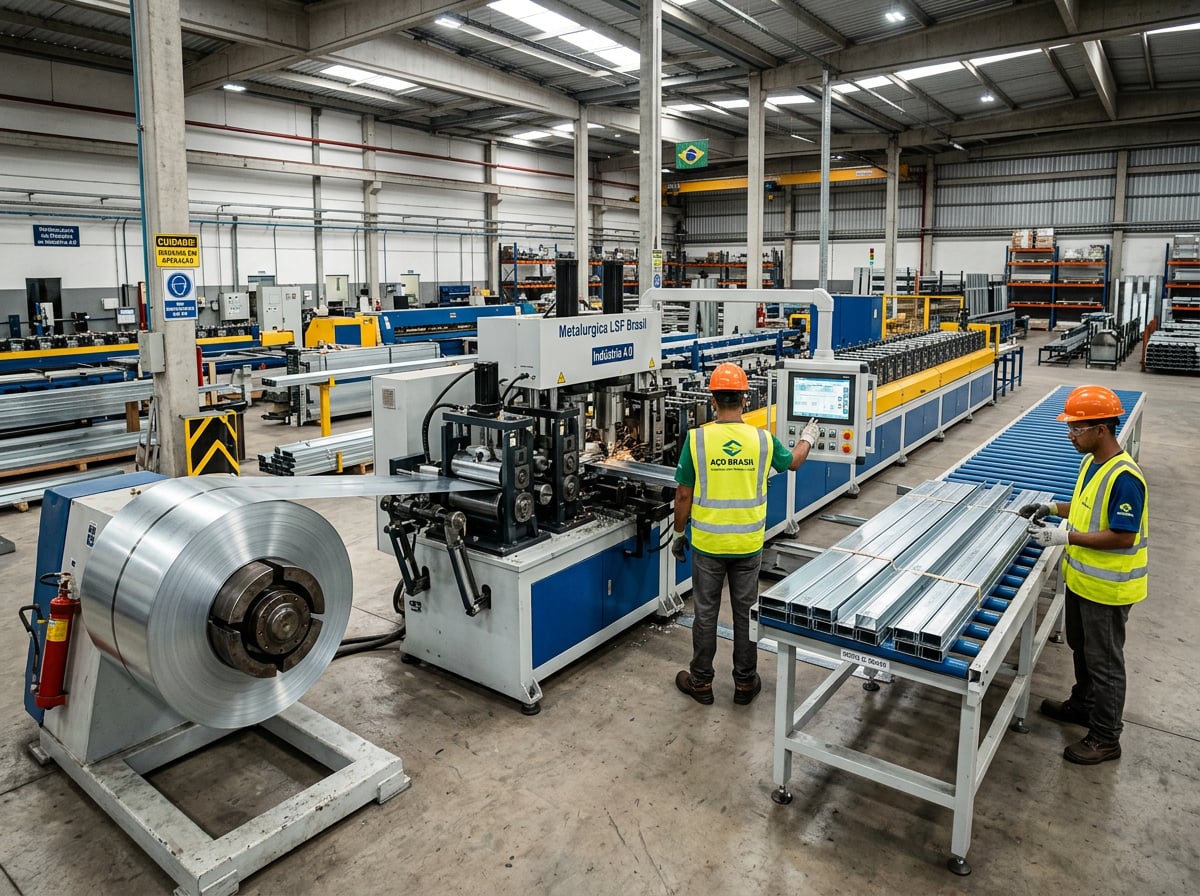
Quick Answer The best C Purlin Machine suppliers in Brazil are the ones that can support profile design review, material matching, installation planning, and reliable

 अंग्रेज़ी
 स्पेनिश
 फ़्रेंच
 बंगाली
 रूसी
 अरबी
 तुर्की

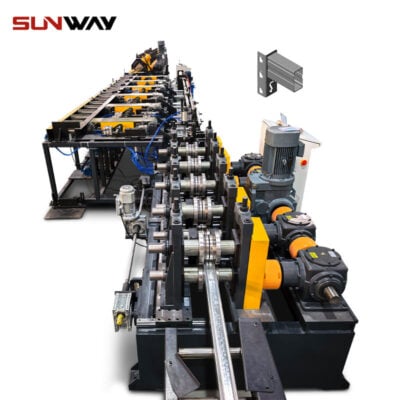 स्टोरेज रैक शेल्फ बॉक्स पैनल बनाने की मशीन, स्टील स्टोरेज रैक सिस्टम बॉक्स बीम रोल फॉर्मिंग लाइन अधिक पढ़ें
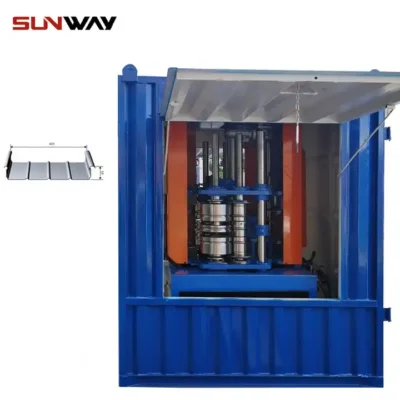 स्टैंडिंग सीम रूफ पैनल कर्विंग मशीन अधिक पढ़ें
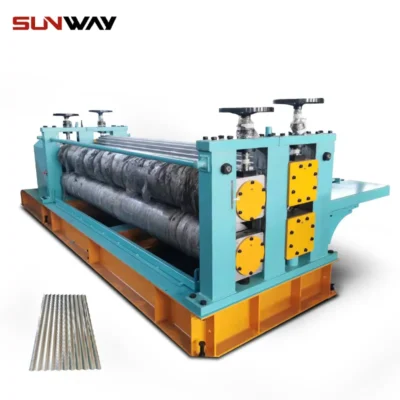 बैरल कोरुगेटेड रोल फॉर्मिंग मशीन अधिक पढ़ें
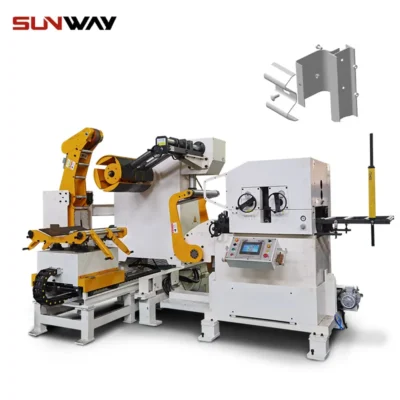 हाईवे गार्डरेल एंड टर्मिनल फॉर्मिंग मशीन अधिक पढ़ें
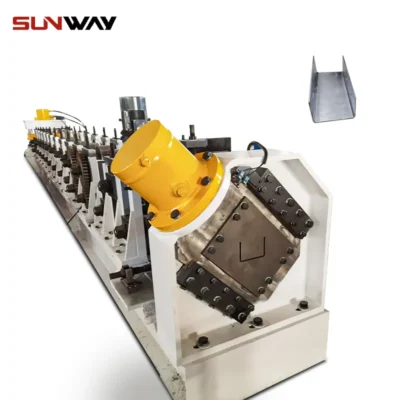 हाईवे U/C पोस्ट रोल फॉर्मिंग मशीन अधिक पढ़ें
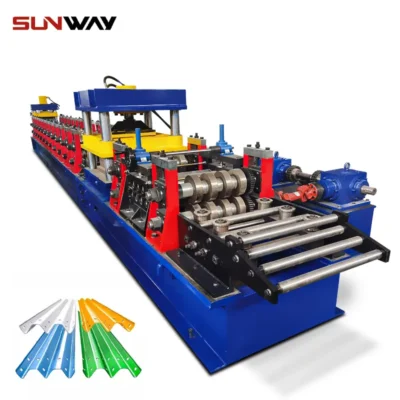 2 वेव्स हाईवे गार्डरेल रोल फॉर्मिंग मशीन अधिक पढ़ें
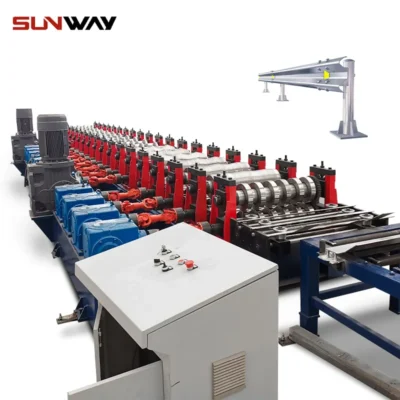 3 वेव्स हाईवे गार्डरेल रोल फॉर्मिंग मशीन अधिक पढ़ें
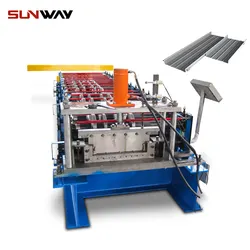 स्टैंड सीमिंग रूफ पैनल रोल फॉर्मिंग मशीन अधिक पढ़ें
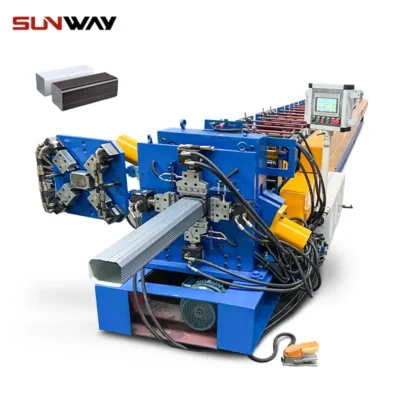 डाउनस्पाउट पाइप रोल फॉर्मिंग मशीन अधिक पढ़ें