 अंग्रेज़ी
 स्पेनिश
 फ़्रेंच
 बंगाली
 रूसी
 अरबी
 तुर्की
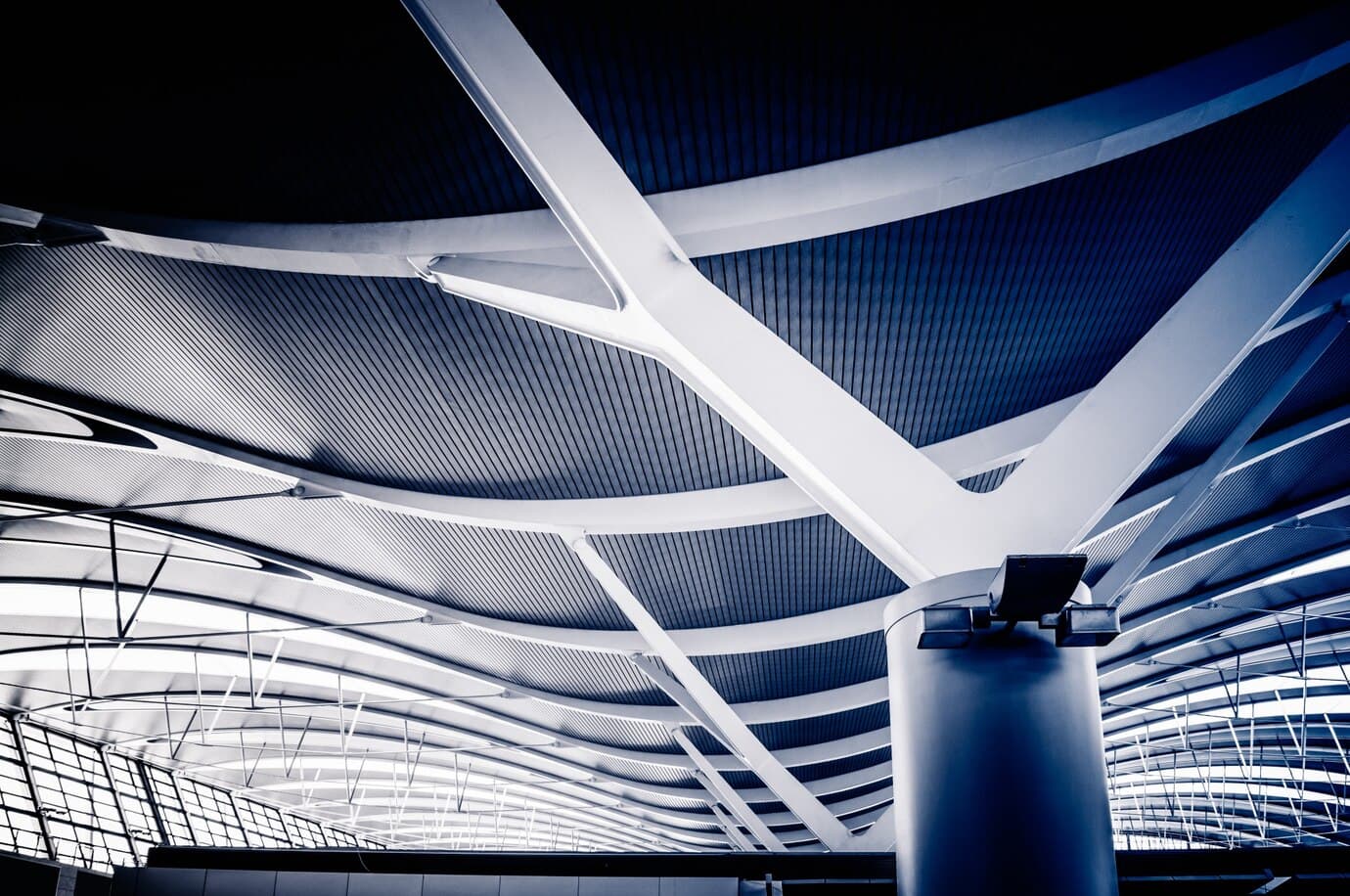
Ceiling T grid roll forming machines are used to produce T grid profiles for suspended ceiling systems. They form metal coil into the characteristic T shape through a series of progressive roll forming stations. Ceiling grids provide an exposed structure to support ceiling tiles or panels in commercial and residential buildings.
This comprehensive guide will cover all aspects of ceiling T grid roll forming machines including:
सीलिंग T ग्रिड रोल फॉर्मिंग मशीन का अवलोकन
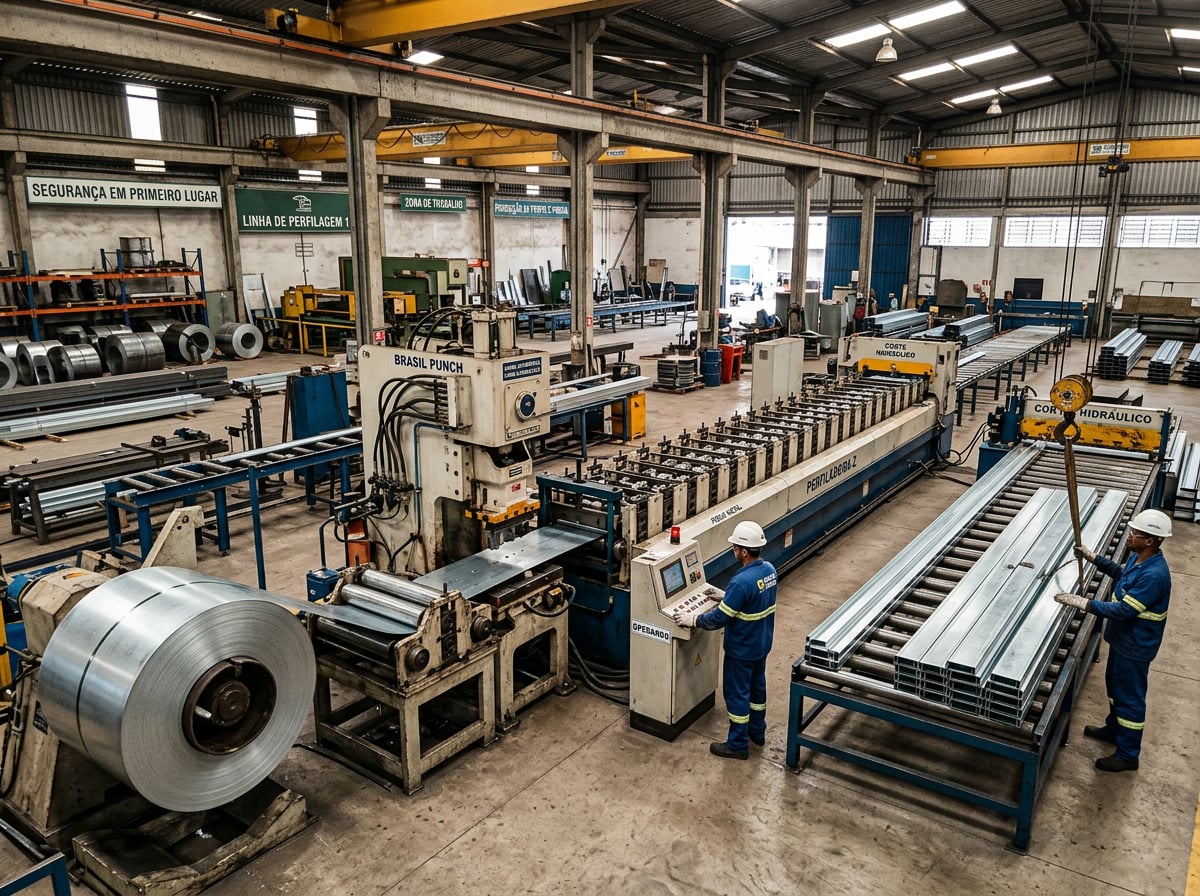
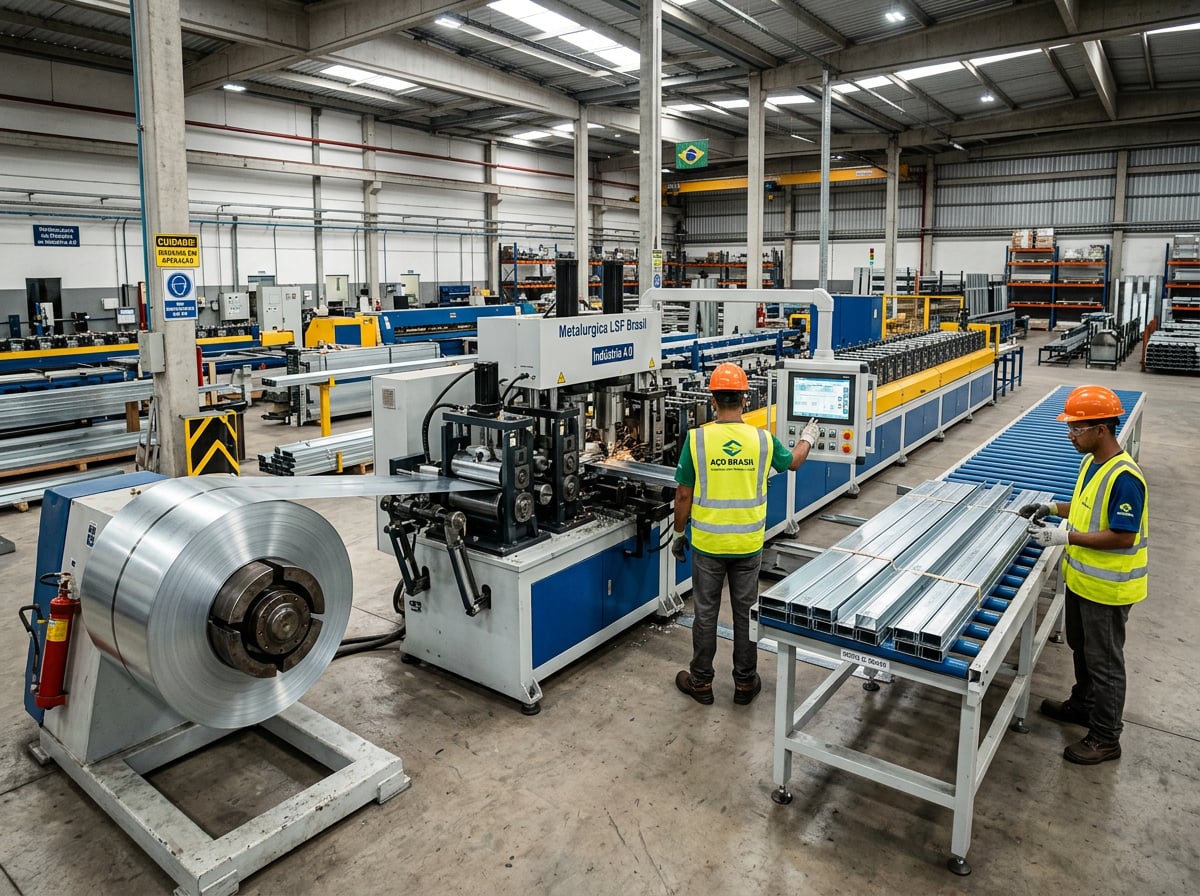
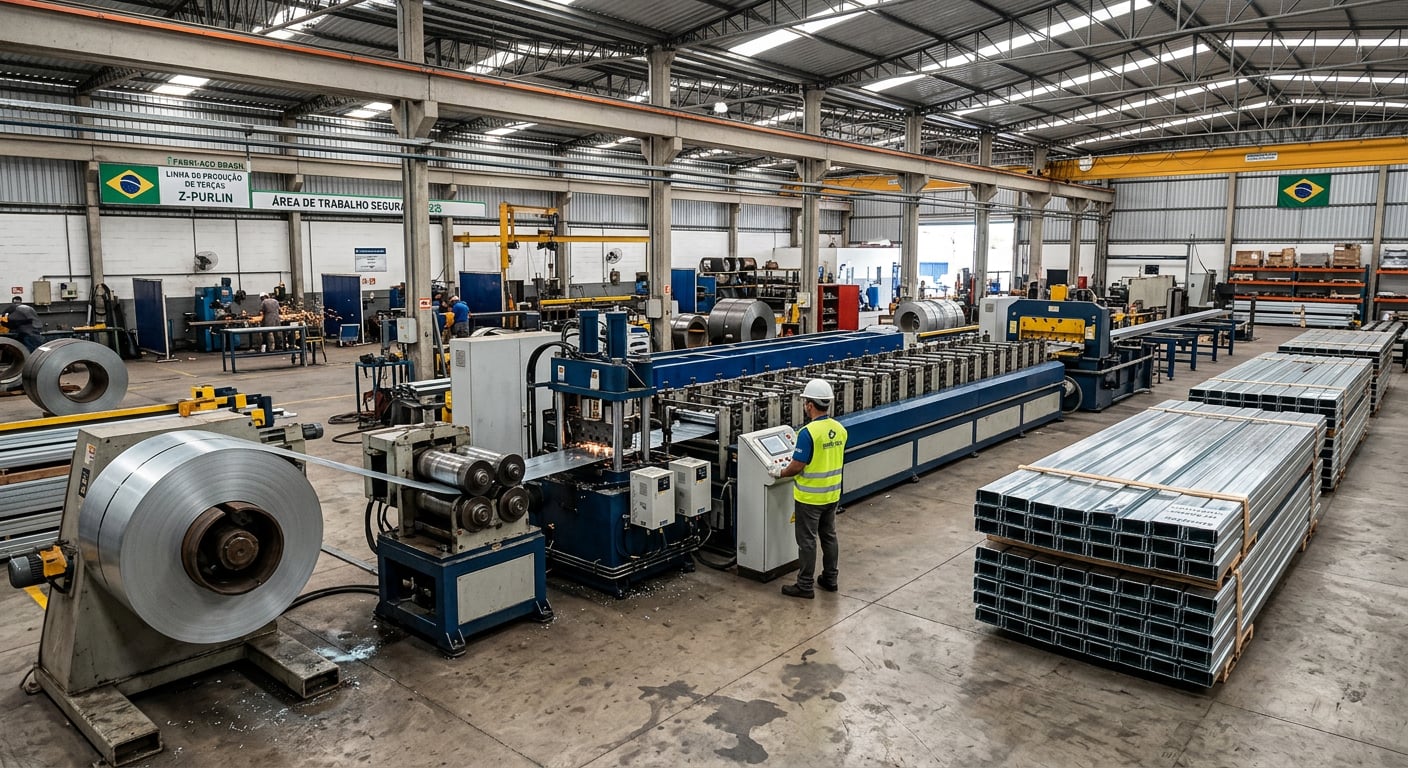
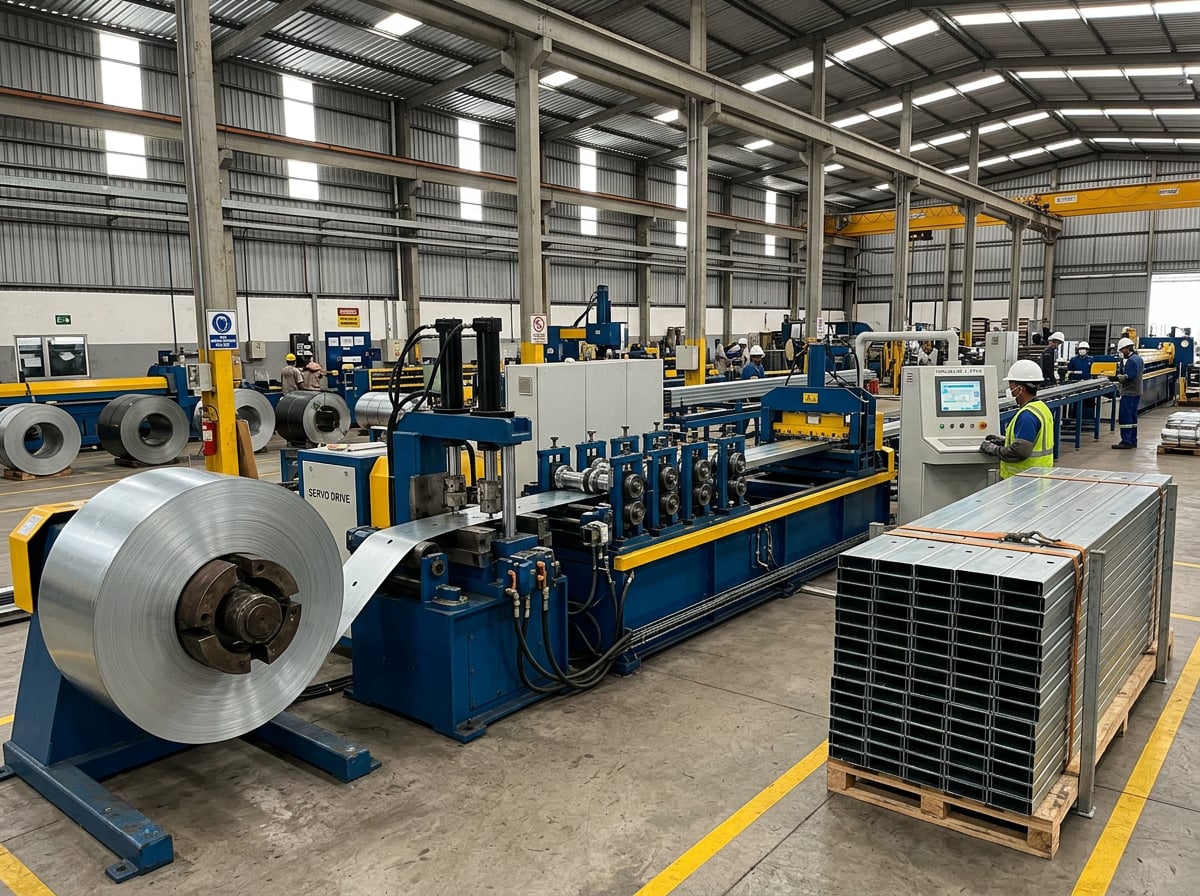
A ceiling T grid roll forming machine takes flat metal coil as input and processes it through a series of roller dies to continuously form the strip into the final T shaped profile. The formed T grids are used as support systems for modular dropped ceilings.
The grid layout creates a frame to support ceiling tiles and provides access to the plenum space above the ceiling for electrical, plumbing and HVAC systems. T grid profiles provide an exposed and aesthetically pleasing ceiling with easy access to the space above.
मुख्य घटक
- अनकॉइलर
- फीडर
- रोल फॉर्मिंग स्टेशन
- हाइड्रॉलिक सिस्टम
- कटऑफ उपकरण
- Finishing stations
कार्य सिद्धांत
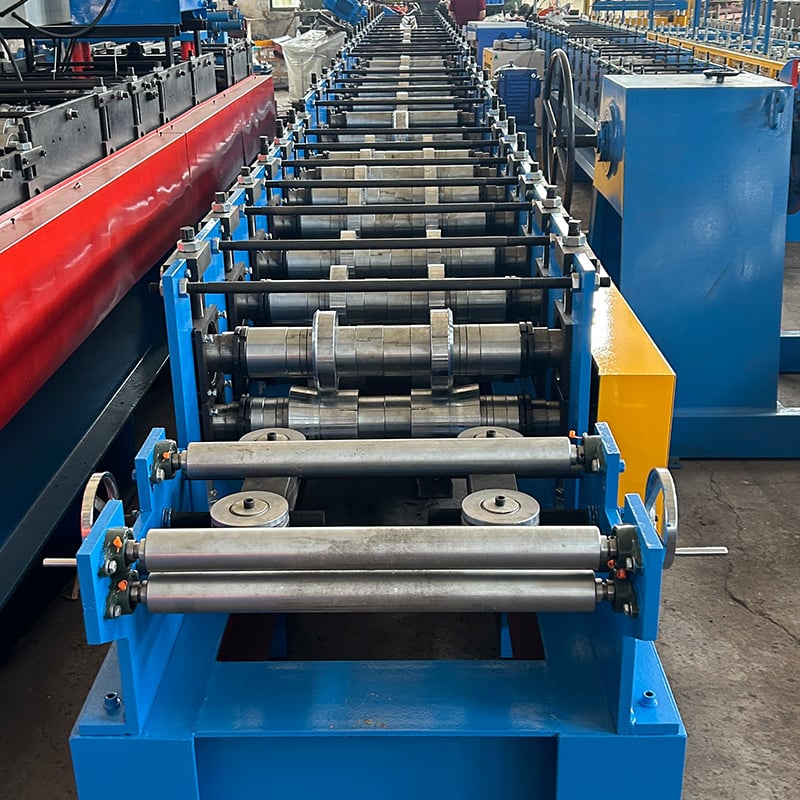
The uncoiler holds the coil of flat sheet metal that is fed into the roll former. The feeder has punching and notching units to create holes or slots in the strip before forming. In the roll forming section, the strip goes through a series of progressive dies and bending rolls that gradually shape it into the T profile with the web and flange. Hydraulic cylinders precisely control the rolls for accurate forming. After rolling, the cutoff device shears the formed grid to the desired length. Additional operations like punching, notching, branding and hardware insertion can then be done at finishing stations.
मुख्य विशेषताएं
- High productivity and yield
- Flexibility to make different T grid sizes
- Precision roll forming process
- Material savings compared to extrusion
- कम रखरखाव और संचालन लागत
- Automated line with safety features
मुख्य अनुप्रयोग
Ceiling T grid roll forming systems are ideal for:
- Offices, retail spaces, hospitals
- आवासीय और वाणिज्यिक भवन
- Airports, hotels, institutions
- Both new construction and renovation projects
Suitable Materials
- कम कार्बन स्टील
- गैल्वनाइज्ड स्टील
- प्रीपेंटेड स्टील
- स्टेनलेस स्टील
- एल्यूमिनियम
उत्पाद वर्गीकरण
Ceiling T grid roll forming machines can be classified based on:
स्वचालन स्तर
- मैनुअल – Rolling process is manual, material handling automated
- अर्ध-स्वचालित – Manual feeding but auto rolling and cutoff
- पूर्णतः स्वचालित – Automatic material flow and roll forming
उत्पादन गति
- कम गति – Up to 20 m/min
- मध्यम गति – 20-40 m/min
- उच्च गति – Over 40 m/min
रोलर प्रकार
- Pyramid – Common for high output rates
- S Driven – Compact and precise for small batches
फॉर्मिंग स्टेशनों की संख्या
- 10-12 – Suitable for basic profiles
- 16-20 – For complex/heavy duty T grids
अनुकूलन
- मानक – Fixed dimensions and specifications
- अनुकूलित – Configurable forming, sizes and accessories
T ग्रिड रोल फॉर्मिंग लाइन के मुख्य घटक
The main sub-systems and components include:
| घटक | कार्य |
|---|---|
| Coil Payoff Reel & Stock Straightener | Holds coil, feeds strip, levels coil |
| Servo Feeder System | Feeds strip at constant speed |
| पंचिंग इकाई | Punch holes for cross tees |
| फॉर्मिंग स्टेशन | Progressively form web and flange |
| हाइड्रॉलिक सिस्टम | Control roller adjustment |
| Automatic Cutoff | प्रोफ़ाइल को लंबाई के अनुसार काटता है |
| हार्डवेयर इंसर्शन | Inserts cross tee clips |
| स्टैकर | Collects finished grids |
तकनीकी विनिर्देश
T grid roll forming machine technical specifications vary based on production requirements:
| पैरामीटर | सामान्य सीमा |
|---|---|
| रोलर प्रकार | Pyramid or S-Driven |
| फॉर्मिंग स्टेशन | 10 – 25 |
| रोलर सामग्री | 45# High Carbon Steel |
| रोलर कठोरता | HRc50-HRc58 |
| अधिकतम कॉइल चौड़ाई | 1200 – 1400 mm |
| Minimum Coil ID | 508 mm |
| मोटाई क्षमता | 0.3 – 1 mm |
| गति | 10 – 45 m/min |
| विद्युत आपूर्ति | 220V/380V, 3 Phase, 50/60Hz |
| लाइन लंबाई | 15 – 30 m |
| Line Height | 3.5 – 4 m |
संरचनात्मक डिज़ाइन
The frame and layout employs:
- Welded steel base frames
- Gantry structure for rigidity
- Hydraulic power pack
- Ergonomic design for operation
- Modular stations for flexibility
Minimum door height is 4m. The length depends on production speed and forming stations required.
उन्नत कॉन्फ़िगरेशन
Additional capabilities can be added:
- Decoiling System – For smooth coil holding and feeding
- प्री-पंचिंग – For punching holes before forming
- स्वचालित स्टैकर – For automatic profile stacking
- प्रोग्रामेबल लॉजिक कंट्रोलर – For precision control
- फ्लाइंग कटऑफ – High speed cutoff system
- सर्वो मोटर ड्राइव – For accurate speed control
- Vision Inspection System – For quality checking
- डेटा लॉगिंग – For production data collection
उत्पादित T ग्रिड प्रोफ़ाइलों की श्रेणी
Standard top tee profiles that can be produced include:
| प्रोफ़ाइल | Dimensions (mm) |
|---|---|
| 15/16″ | 38.1 x 31.8 x 1.27 |
| 1-1/2″ | 38.1 x 38.1 x 0.457 |
| 9/16″ | 15.9 x 31.8 x 0.71 |
| 24mm | 24 x 38 x 0.5 |
| 600mm | 600 x 38 x 0.7 |
Custom profiles in different sizes, gauges and materials can also be produced by changing the roller dies and machine programming.
T ग्रिड रोल फॉर्मिंग मशीन के लिए आपूर्तिकर्ता का चयन
Key factors in selecting ceiling T grid roll forming machine manufacturer:
| पैरामीटर | विचार |
|---|---|
| अनुभव | Number of years in business, projects delivered |
| उत्पादन सुविधाएं | Factory size, production capacity |
| Technical Capability | R&D, design expertise |
| अनुकूलन | Ability to develop new profiles |
| गुणवत्ता नियंत्रण | Certifications, quality procedures |
| सेवा सहायता | स्थापना, प्रशिक्षण, रखरखाव |
| संदर्भ | Client testimonials, site visits |
| मूल्य निर्धारण | Price vs quality and features |
Reputable manufacturers with strong technical expertise and service support are recommended for machine quality and performance.
खरीद लागत संबंधी विचार
| घटक | मूल्य सीमा |
|---|---|
| Manual Line | $5000 to $8000 |
| Automatic Line | $8000 to $15000 |
| Additional stations | $500 to $1000 per station |
| Advanced options | $2000 upwards per item |
| Total For Basic Line | $8000 to $12000 |
| Total For Fully Automatic Line | $15000 to $30000 |
Cost depends on production speed, line automation, and special features. Additional costs include shipping, installation and training.
संचालन और रखरखाव
| गतिविधि | विवरण |
|---|---|
| सामग्री लोडिंग | Use slings to mount coils on payoff reel, manually or with crane |
| Line Startup | Turn on hydraulic powerpack, control system, set speed |
| रोल परिवर्तन | Replace rollers after prolonged use using hand tools |
| स्नेहन | Apply grease to bearings through lines daily |
| सफाई | Remove metal debris buildup on rolls periodically |
| निवारक रखरखाव | Check roll alignment, hydraulics weekly |
| सुरक्षा जाँच | Ensure safeguards like light curtains are working |
| प्रशिक्षण | Train workers on proper machine operation, safety |
The hydraulic components require regular maintenance for flawless forming and durability. Workers must be trained on proper line procedures.
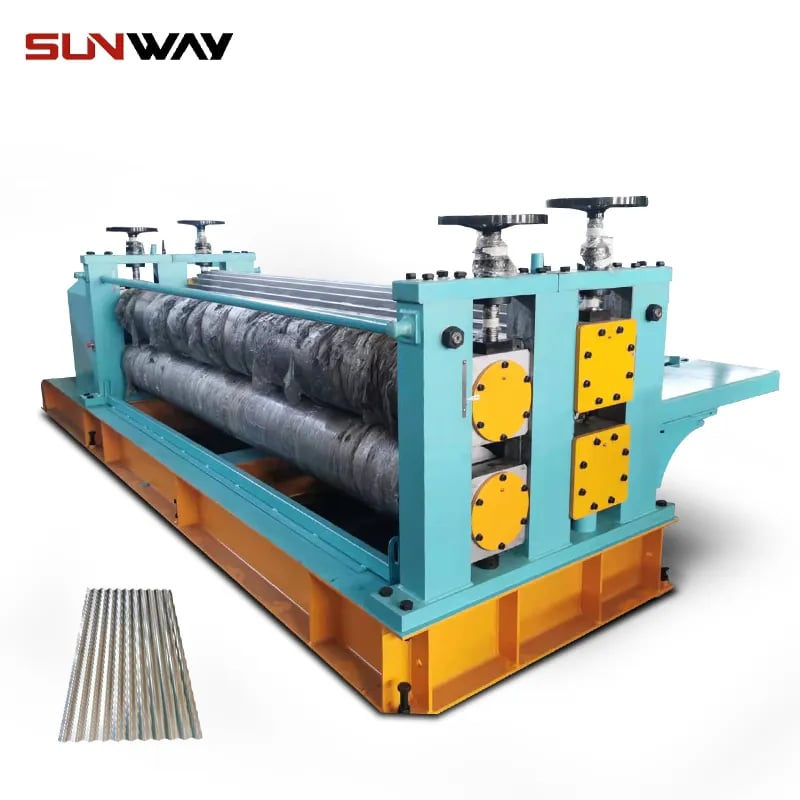
रोल फॉर्मिंग और एक्सट्रूज़न के बीच चयन
| विधि | रोल फॉर्मिंग | एक्सट्रूज़न |
|---|---|---|
| कार्य सिद्धांत | Rolls gradually form profile | Extrudes profile through die |
| Locked Cross-Section | Not guaranteed | Guaranteed by process |
| चक्र समय | धीमा | Very fast |
| टूलिंग लागत | कम | अधिक |
| सामग्री की बचत | Higher due to no voids | Lower due to voids |
| मजबूती | तुलनीय | तुलनीय |
| उत्पाद गुणवत्ता | Dimensional accuracy critical | Better tolerances |
| उपकरण लागत | कम | अधिक पूंजीगत लागत |
| Scale of production | Any production volumes | Only very high volumes |
| आकार की जटिलता | सीमित | High complexity possible |
| संचालन लागत | कम ऊर्जा खपत | Higher energy use |
| Build rate | धीमा | Faster for high volumes |
For most applications, roll forming offers the optimal balance of productivity, quality, and cost-efficiency.
सीलिंग T ग्रिड रोल फॉर्मिंग के लाभ
- लागत-प्रभावी – Lower equipment and operating costs
- सामग्री की बचत – No voids unlike extrusion
- लचीलापन – Easy changeover between profiles
- सरल संचालन – Lower skill requirement
- ऊर्जा कुशल – Lower power consumption
- Lean production – Minimal material waste
- मापनीयता – Adaptable for different volumes
- उत्पाद गुणवत्ता – Good dimensional accuracy
- उत्पादकता – High hourly output rates
सीलिंग T ग्रिड रोल फॉर्मिंग की सीमाएँ
- Not suitable for complex asymmetric shapes
- Initial tooling and setup takes time
- Rollers require maintenance
- Limited configuration options
- Periodic roll replacement needed
- Lower strength than extruded T grids
- सीमित मोटाई क्षमता
- Speed lower than other processes
- Low volume production not economical
- Operator skill needed for coil handling
Proper production planning and machine selection helps minimize these limitations.
अक्सर पूछे जाने वाले प्रश्न
Q: What materials can be roll formed into T grids?
A: Common materials include low carbon steel, galvanized steel, prefinished steel, stainless steel and aluminum. Special alloys may require custom tooling.
प्रश्न: कॉइल्स की किस मोटाई को प्रोसेस किया जा सकता है?
A: Standard machines accommodate 0.3 – 1 mm thickness. Special units are available for thinner and thicker coils.
Q: How are T grid roll forming machines controlled?
A: They use a PLC for automatic control of all functions. Parameters like speed, cutoff length etc. can be input via the operator interface.
Q: What safety protection is provided?
A: Safety guards, light curtains, emergency stops around moving components prevent accident hazards.
Q: Does the process allow punching of holes for cross tees?
A: Yes, punching units can be integrated before the roll forming section for hole creation.
Q: How are ceiling tiles attached to the T grids?
A: Cross tee connectors are inserted into the holes/slots in the grid to support the ceiling panels.
Q: How to determine the correct machine capacity for production needs?
A: Consider current and future production volumes, T grid sizes, material thickness and budget. The supplier can recommend the ideal configuration.
Q: What is the typical production rate of these machines?
A: Production speed ranges from 10 to 45 meters per minute depending on model. Output is up to 300-400 meters per hour.
Q: How long does it take to change between different T grid profiles?
A: Roll changeover takes approximately 15-20 minutes for an experienced operator to complete.
Q: What is the installation process and requirements for the machine?
A: Machines are shipped pre-assembled in containers. They need a leveled concrete foundation, power supply, compressed air and minimum door height. Installation and commissioning is done by the manufacturer’s technicians.
Q: What is the typical maintenance needed for the machine?
A: Maintenance involves lubricating bearings, cleaning debris from forming stations, replacing worn components and periodic training of operators on procedures.