Introduction
The bending radius रोल फॉर्मिंग में महत्वपूर्ण भूमिका निभाता है determining profile accuracy, material integrity, and overall production efficiency. Selecting the right bending radius ensures उत्तम निर्माण प्रदर्शन, न्यूनतम दोष, और लंबी मशीन आयु.
लेकिन आप कैसे करते हैं calculate the correct bending radius for roll forming applications? क्या हैं best practices for adjusting machine settings based on bending radius?
इस मार्गदर्शिका में, हम अन्वेषण करेंगे:
✅ How bending radius impacts roll forming
✅ Recommended bending radii for different metals
✅ How to adjust roll forming machines for different radii
✅ Common bending radius problems & solutions
✅ How to optimize roll forming for small and large bending radii
आइए इसमें गोता लगाएँ the critical role of bending radius रोल फॉर्मिंग में और कैसे 2025 में अधिकतम दक्षता के लिए अपने उत्पादन को अनुकूलित करें!
How Bending Radius Affects Roll Forming
1. Material Stress & Spring-Back
- Smaller bending radii generate higher stress, increasing the risk of cracking and material fatigue.
- Larger bending radii reduce spring-back effects, जिससे better dimensional accuracy.
2. मशीन लोड और रोलर घिसाव
- Tighter bends require greater force, जिससे higher wear on dies and rollers.
- Gradual bends distribute stress evenly, extending machine life.
3. Profile Accuracy & Surface Finish
- Incorrect bending radii can cause deformations, जिससे poor-quality profiles.
- Optimized bending angles ensure smooth material flow, कम करना surface imperfections.
4. Speed & Energy Consumption
- Tighter bends require slower speeds इजाज़त देने के लिए gradual material flow.
- Wider bends can be formed faster, optimizing production efficiency.
Pro Tip: Correct bending radius selection can reduce forming defects by up to 30%!
Recommended Bending Radius for Different Metals
विभिन्न धातुओं के पास unique bending properties, की आवश्यकता specific bending radius ranges अनुकूलतम प्रदर्शन के लिए। नीचे की तुलना है recommended minimum bending radii for different metals.
| Material Type | Recommended Minimum Bending Radius (Times Material Thickness) | सर्वश्रेष्ठ अनुप्रयोग |
|---|---|---|
| Mild Steel | 1.0 – 2.0× thickness | संरचनात्मक घटक, छत की चादरें |
| Stainless Steel | 2.0 – 3.0× thickness | ऑटोमोटिव, एयरोस्पेस, चिकित्सा उपकरण |
| Aluminum | 1.5 – 3.0× thickness | हल्के ढाँचे, एचवीएसी, आवरण |
| Galvanized Steel | 1.0 – 2.5× thickness | संक्षारण-प्रतिरोधी फ्रेम, निर्माण सामग्री |
| तांबा और पीतल | 0.5 – 1.5× thickness | विद्युत घटक, सजावटी ट्रिम |
Pro Tip: Stainless steel requires larger bending radii due to its high spring-back effect!
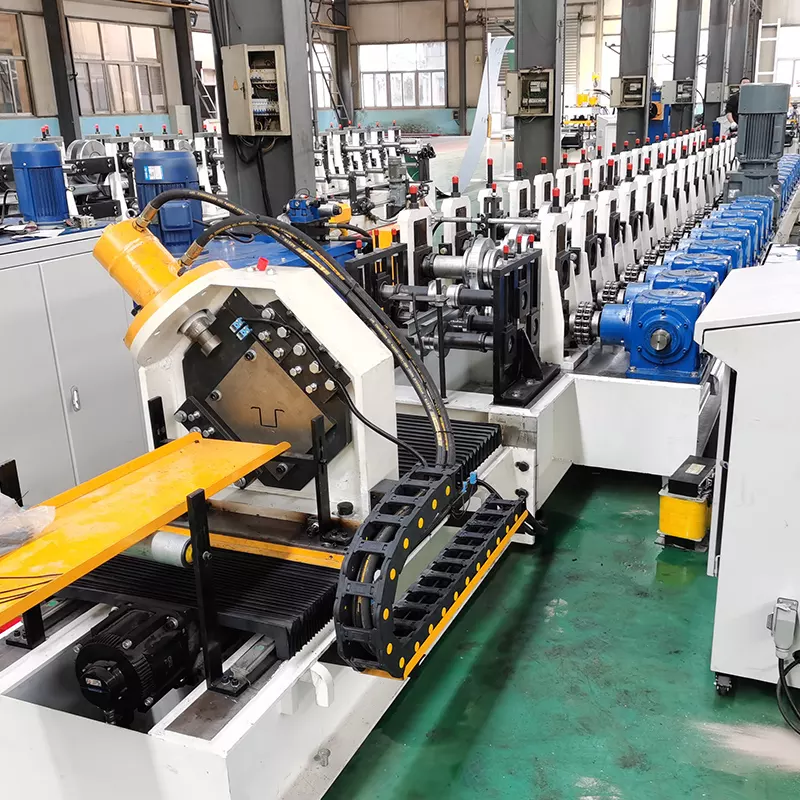
How to Adjust Roll Forming Machines for Different Bending Radii
सुनिश्चित करने के लिए आदर्श रोल फॉर्मिंग प्रदर्शन, मशीनों को होना चाहिए adjusted based on bending radius requirements. नीचे हैं अनिवार्य मशीन सेटिंग्स जिन्हें अनुकूलित किया जाना चाहिए:
1. Roller Die Design & Setup
✅ उपयोग करें progressive forming passes to gradually achieve tight bends.
✅ Smaller bending radii require precision roller clearance रोकने के लिए material cracking.
2. दबाव और गति नियंत्रण का निर्माण
✅ Higher forming pressure is needed for smaller radii, but too much pressure can cause cracking.
✅ Slower forming speeds help control material stress and spring-back.
3. Lubrication & Cooling Adjustments
✅ Tight bends generate more friction, की आवश्यकता increased lubrication to prevent surface damage.
✅ शीतलन प्रणालियाँ ऊष्मा संचय को प्रबंधित करने में मदद करती हैं।, reducing the risk of material fatigue.
4. Material Pre-Treatment & Annealing
✅ Annealing softens metals, allowing for smaller bending radii without cracking.
✅ Surface treatments reduce friction and wear on rollers.
Pro Tip: Proper machine adjustments for bending radius can extend roller lifespan by 40%!
Common Roll Forming Bending Radius Issues & Solutions
Incorrect bending radius selection can lead to उत्पादन दोष, मशीन का घिसाव, और बढ़ी हुई अपशिष्ट दरें. नीचे हैं common roll forming bending issues and their solutions.
| Problem | Cause | Solution |
|---|---|---|
| किनारों पर दरारें | Bending radius too small | Increase bending radius, anneal material |
| अत्यधिक स्प्रिंग-बैक | High-strength material with tight radius | Adjust roller clearance, use over-bending techniques |
| सतही झुर्रियाँ | रोलर का अपर्याप्त समर्थन | Increase forming passes, optimize roller shape |
| Distorted Profile Shape | Uneven bending force | Recalibrate rollers, ensure balanced forming pressure |
| Roller Wear & Indentations | High friction in tight bends | Apply proper lubrication, use hardened steel rollers |
Pro Tip: 80% of bending defects are caused by incorrect machine adjustments—regular calibration is key!
Best Practices for Roll Forming Small & Large Bending Radii
रोल फॉर्मिंग करते समय विभिन्न रणनीतियों का उपयोग किया जाना चाहिए। small and large bending radii to आकार देने की सटीकता को अनुकूलित करें और दोषों को कम करें.
Roll Forming Small Bending Radii (Tight Bends)
✅ उपयोग करें multiple forming passes to gradually achieve tight bends.
✅ कम करें गठन गति to allow material to flow smoothly without cracking.
✅ लागू करें high-performance lubrication to minimize friction and surface wear.
Roll Forming Large Bending Radii (Wide Bends)
✅ उपयोग करें increased roller spacing to allow for gradual bending without over-compression.
बढ़ाएँ गठन गति सुधारने के लिए production efficiency.
✅ उपयोग करें support rollers रखरखाव करने के लिए profile consistency.
Pro Tip: Tighter bends require more forming passes to distribute stress evenly!
Advanced Roll Forming Techniques for Achieving Precise Bending Radii
To achieve accurate and repeatable bending radii, manufacturers must employ advanced forming techniques that optimize material flow, reduce stress, and improve final product quality. Below are the most effective methods for controlling bending radius in roll forming.
1. Progressive Bending Passes for Tight Radii
- Gradual bending over multiple passes reduces तनाव एकाग्रता, minimizing cracking risks.
- सुनिश्चित करता है smooth material flow, preventing surface defects and distortions.
- Ideal for high-strength materials like stainless steel and titanium.
2. Over-Bending Compensation for Spring-Back Correction
- Spring-back is common in high-strength materials, की आवश्यकता pre-calculated over-bending.
- Over-bending compensates for elastic recovery, सुनिश्चित करते हुए final profile meets design specs.
- Essential for aluminum, stainless steel, and high-strength steel.
3. CNC-Controlled Roller Adjustment for Precision Bending
- Computer-controlled roller positioning allows for real-time bending radius adjustments.
- कम करता है operator error, सुनिश्चित करते हुए सुसंगत आकार-निर्माण सटीकता.
- Best for automotive and aerospace applications requiring tight tolerances.
Pro Tip: Using CNC-controlled roller adjustments can improve bending accuracy by 40%!
How to Optimize Roll Forming Speed for Different Bending Radii
Selecting the right गठन गति is critical to avoiding defects and ensuring material stability. नीचे की तुलना है optimal forming speeds based on bending radius.
| Bending Radius | अनुशंसित गठन गति (मी/मिनट) | मुख्य समायोजन |
|---|---|---|
| Tight Radius (1.0× Material Thickness) | 5 – 15 मी/मिनट | Slow forming speed, increased lubrication |
| Medium Radius (1.5× – 3.0× Thickness) | 10 – 30 मी/मिनट | Balanced speed, controlled forming pressure |
| Large Radius (3.0× Thickness and Above) | 20 – 50 m/min | High-speed forming, optimized roller spacing |
Pro Tip: Tighter bends require slower forming speeds to prevent cracking and excessive stress buildup!
How to Reduce Material Waste When Roll Forming Different Bending Radii
Material waste increases production costs and reduces efficiency. नीचे रणनीतियाँ दी गई हैं minimize scrap rates while maintaining bending accuracy.
1. Use Pre-Calibrated Roller Dies for Precise Bends
✅ सुनिश्चित करता है repeatable accuracy, कम करना trial-and-error adjustments.
रोकता है excessive material stretching that leads to waste.
2. Implement Smart Thickness & Radius Sensors
✅ Real-time monitoring of material thickness and bend angle prevents over-bending or under-bending.
✅ AI-driven systems can auto-correct roller pressure, optimizing waste reduction.
3. Optimize Coil Feed & Tension Control
✅ Maintaining consistent material flow prevents uneven bends and misalignment.
घटाता है material scrap due to incorrect bend formation.
Pro Tip: AI-powered bending control can reduce material waste by up to 25%!
Common Roll Forming Bending Radius Challenges & Solutions
Handling different bending radii can pose विभिन्न चुनौतियाँ. नीचे हैं सामान्य समस्याएँ और उनके समाधान.
| Problem | Cause | Solution |
|---|---|---|
| Cracking in Tight Radii | Excessive forming force on brittle materials | Use gradual bending passes, anneal material |
| अत्यधिक स्प्रिंग-बैक | High-strength material with tight radius | Adjust roller clearance, apply over-bending techniques |
| Distorted Profile Shape | Uneven roller force distribution | Optimize roller alignment, balance forming pressure |
| Roller Indentations on Surface | Excessive friction during forming | Apply proper lubrication, use hardened steel rollers |
| Edge Waviness | Incorrect material feed tension | Adjust coil tension, ensure smooth material flow |
Pro Tip: 80% निर्माण दोष गलत मशीन समायोजनों के कारण होते हैं—नियमित कैलिब्रेशन महत्वपूर्ण है!
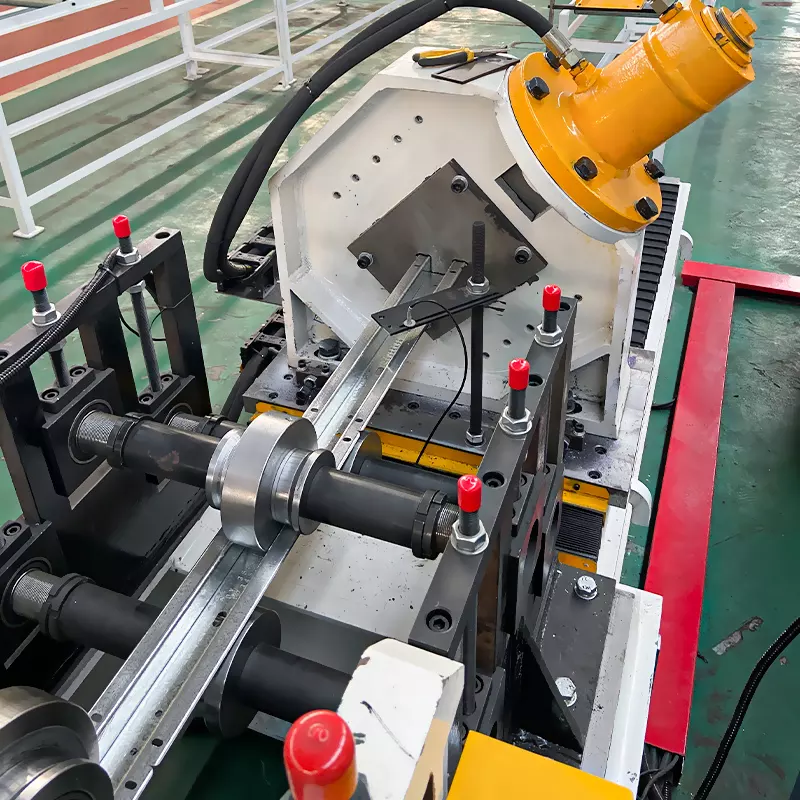
Best Practices for Roll Forming Machines Handling Multiple Bending Radii
To efficiently process profiles with varying bending radii, इनका पालन करें सर्वोत्तम प्रथाएँ:
1. Use Multi-Stage Roller Dies
✅ Allows gradual transition between tight and wide bends, कम करना तनाव एकाग्रता.
रोकता है material cracking and spring-back inconsistencies.
2. Implement Quick-Change Tooling for Radius Adjustments
✅ Enables fast adjustments for different bending radii, improving production flexibility.
घटाता है setup time, improving overall efficiency.
3. अनुकूली फॉर्मिंग तकनीक में निवेश करें
✅ एआई-संचालित निर्माण प्रणालियाँ automatically adjust roller clearance, speed, and pressure.
✅ सुनिश्चित करता है consistent profile accuracy across complex bending requirements.
4. Maintain Proper Lubrication & Cooling Control
✅ Tighter bends generate more heat, की आवश्यकता उन्नत शीतलन प्रणालियाँ.
✅ High-speed forming needs controlled lubrication रोकने के लिए roller wear.
Pro Tip: अनुकूलनशील फॉर्मिंग तकनीक उत्पादन गति को 30% तक बढ़ा सकती है!
FAQ: Roll Forming Bending Radius & Machine Optimization
1. What is the minimum bending radius for roll forming?
- The minimum bending radius depends on material type, but typically ranges from 1.0× to 3.0× material thickness.
2. How do I prevent cracking when forming small bending radii?
- उपयोग करें annealed materials, increase forming passes, and apply proper lubrication.
3. How do I adjust my machine when switching to a larger bending radius?
- Increase roller spacing, adjust forming pressure, and optimize roller design.
4. Why does my roll-formed part have excessive spring-back?
- This occurs with high-strength materials. Use over-bending techniques and optimize roller pressure.
5. Where can I buy roll forming machines that support different bending radii?
For अनुकूलित रोल फॉर्मिंग मशीनें, का दौरा करें WUXI SUNWAY MACHINERY CO., LTD.
Final Thoughts
Choosing the right bending radius के लिए आवश्यक है उच्च-सटीकता, दोष-रहित रोल फॉर्मिंग. द्वारा मशीन सेटिंग्स का अनुकूलन, उचित स्नेहन का उपयोग, और फॉर्मिंग पास का समायोजन, निर्माता कर सकते हैं दोषों को कम करें, उत्पादन दक्षता में सुधार करें, और मशीन का जीवन बढ़ाएँ.
WUXI SUNWAY MACHINERY CO., LTD है एक अग्रणी वैश्विक निर्माता of अनुकूलित रोल फॉर्मिंग मशीनें, प्रदान करते हुए उन्नत तकनीक, विशेषज्ञ सहायता, और प्रतिस्पर्धी मूल्य निर्धारण.
क्या आप अपना अनुकूलित करना चाहते हैं roll forming bending radius? आज ही हमसे संपर्क करें!