Introduction
Definition of roll forming machines
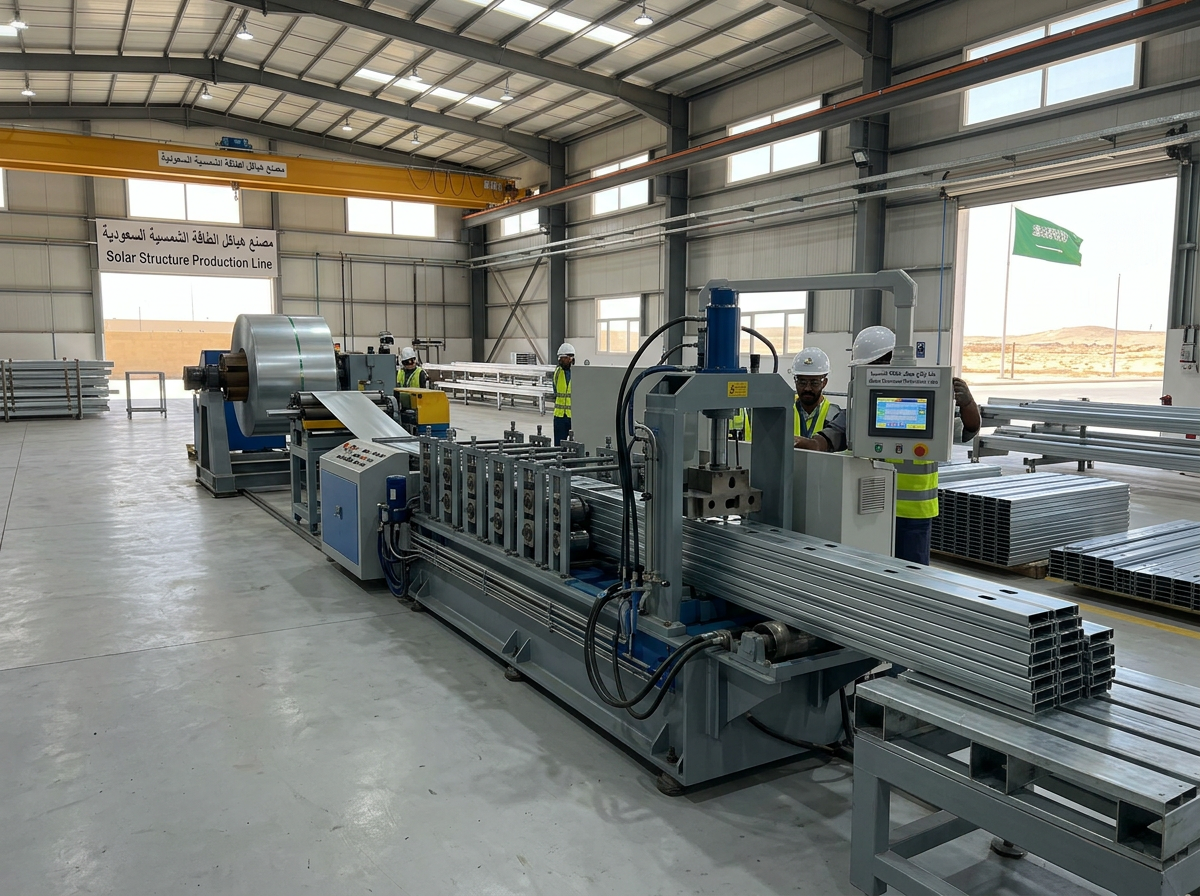
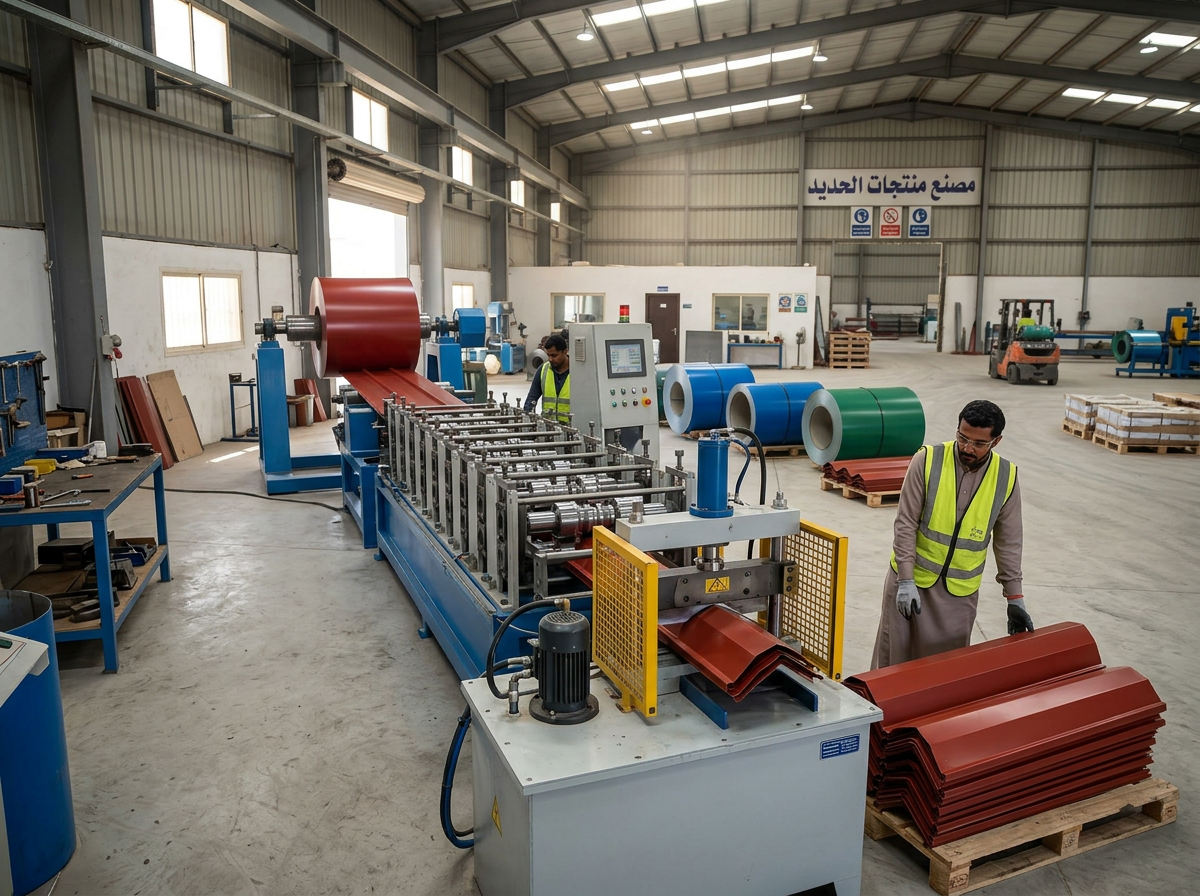
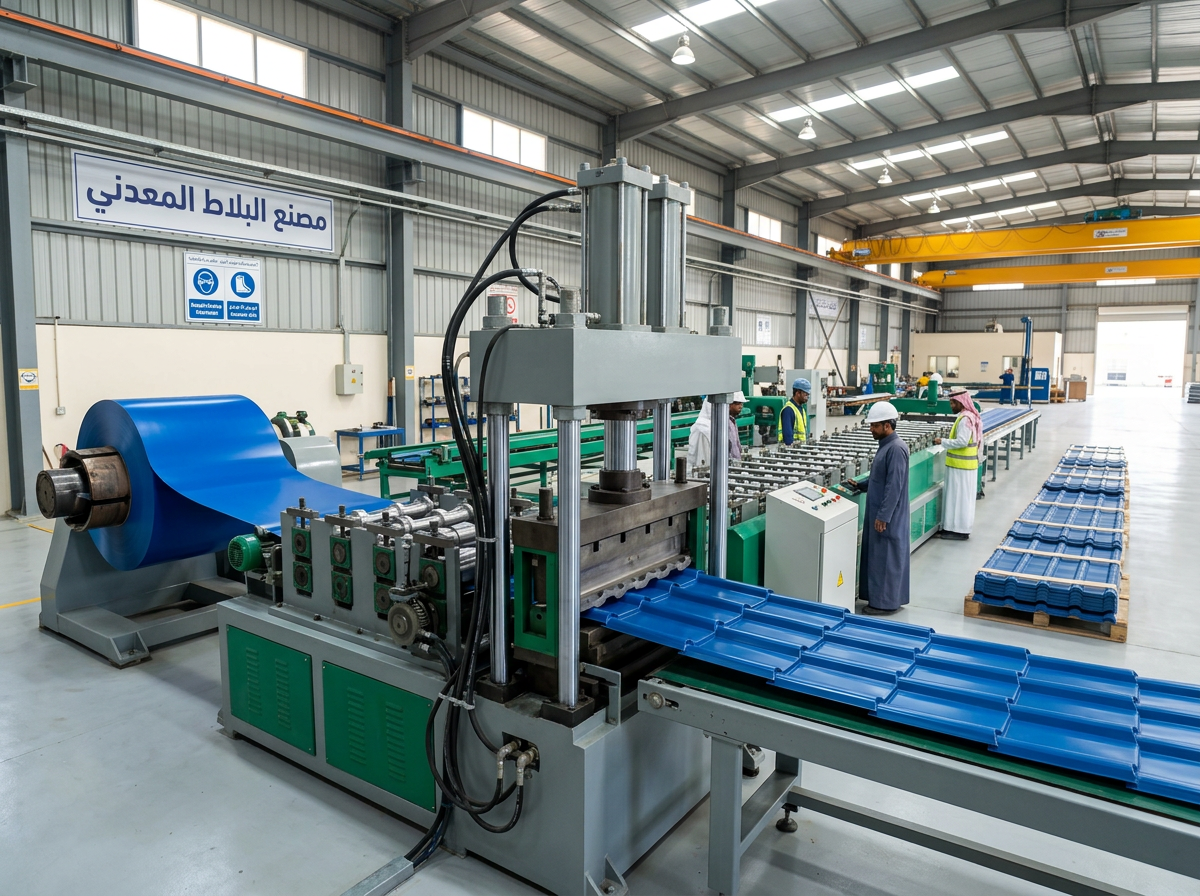
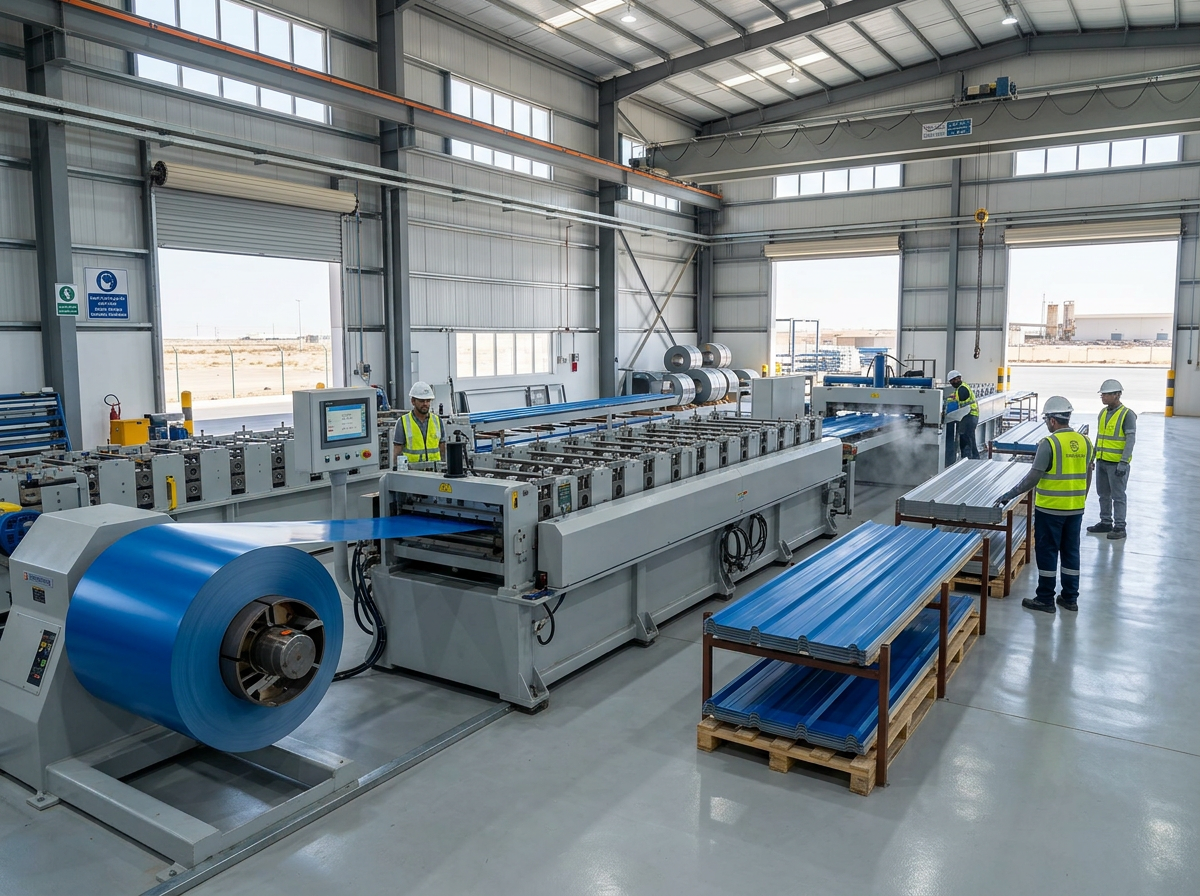
Roll forming machines are a type of industrial equipment used in the metalworking industry for shaping metal sheets into specific shapes and profiles. These machines use a continuous bending process, where a long strip of metal is passed through a series of rollers, gradually forming the desired shape. The rollers are designed with different contours and sizes, allowing for precise and consistent shaping of the metal. Roll forming machines are widely used in various industries, such as automotive, construction, and manufacturing, due to their efficiency, versatility, and cost-effectiveness. They enable businesses to produce high-quality, customized metal products with minimal waste and faster production speeds. With advancements in technology, modern roll forming machines are equipped with computerized controls and automation features, further enhancing their performance and productivity. In conclusion, roll forming machines play a crucial role in the success stories of businesses by providing a reliable and efficient solution for metal shaping and fabrication.
Importance of roll forming machines in the manufacturing industry
Roll forming machines play a crucial role in the manufacturing industry. These machines are designed to efficiently produce high-quality metal products with consistent shapes and dimensions. The importance of roll forming machines lies in their ability to streamline the production process, reduce material waste, and increase productivity. By utilizing roll forming machines, businesses can achieve greater precision, speed, and cost-effectiveness in their manufacturing operations. Furthermore, these machines offer flexibility in producing a wide range of products, making them indispensable in various industries such as automotive, construction, and furniture. Overall, the use of roll forming machines has revolutionized the manufacturing industry, enabling businesses to meet the growing demands of the market and stay competitive in today’s fast-paced business environment.
Overview of the case study
In this case study, we will explore the success stories of businesses that have effectively utilized roll forming machines. Roll forming machines are a versatile and efficient tool used in various industries, including automotive, construction, and manufacturing. These machines enable businesses to produce high-quality and accurate metal components with ease. By examining real-life examples, we will highlight the benefits and advantages of incorporating roll forming machines into business operations. From increased productivity and cost savings to improved product quality and customer satisfaction, this case study will showcase the positive impact of roll forming machines on businesses’ success.
Benefits of Roll Forming Machines
Cost-effectiveness
Roll forming machines have proven to be highly cost-effective for businesses across various industries. By utilizing these machines, companies have been able to reduce their production costs significantly. The automated nature of roll forming machines allows for efficient and precise manufacturing processes, minimizing wastage of materials and reducing labor costs. Additionally, roll forming machines offer high production rates, enabling businesses to meet increased demand without compromising on quality. The long-term cost savings achieved through the use of roll forming machines make them a valuable investment for businesses looking to improve their profitability and competitiveness.
High production efficiency
Roll forming machines offer high production efficiency, making them an ideal choice for businesses in various industries. With their automated and continuous operation, these machines can produce a large volume of high-quality products in a short amount of time. This not only increases the overall productivity of the business but also reduces labor costs and minimizes the risk of errors. The precision and consistency of roll forming machines ensure that each product meets the required specifications, resulting in customer satisfaction and repeat business. Additionally, the versatility of roll forming machines allows businesses to easily adapt to changing market demands and produce a wide range of customized products. Overall, the high production efficiency of roll forming machines is a key factor in the success stories of businesses across different sectors.
Versatility and flexibility
Roll forming machines offer unparalleled versatility and flexibility in the manufacturing industry. These machines are capable of producing a wide range of products with different shapes, sizes, and materials. From simple profiles to complex designs, roll forming machines can handle it all. The ability to quickly and easily change the tooling allows businesses to adapt to market demands and produce customized products efficiently. Whether it’s for the automotive, construction, or appliance industry, roll forming machines have proven to be a game-changer in meeting the diverse needs of businesses. With their precise and consistent output, businesses can achieve high-quality results and maintain a competitive edge in the market.
Success Story 1: Company A
Background of Company A
Company A is a leading manufacturer in the metal fabrication industry. With a rich history spanning over 30 years, they have established themselves as a trusted name in the market. Their commitment to innovation and quality has allowed them to stay ahead of the competition. In recent years, Company A recognized the potential of roll forming machines in streamlining their production process and enhancing their product offerings. This led them to invest in state-of-the-art roll forming machines, which have significantly improved their manufacturing capabilities. The integration of these machines has not only increased their production efficiency but also enabled them to offer a wider range of customized solutions to their clients. As a result, Company A has experienced remarkable growth and success, becoming a prime example of how businesses can utilize roll forming machines to achieve their goals.
Implementation of roll forming machines
Roll forming machines have become an integral part of many businesses, revolutionizing the manufacturing process and enabling companies to achieve remarkable success. The implementation of roll forming machines has proven to be a game-changer, offering numerous advantages such as increased production efficiency, improved product quality, and reduced labor costs. By utilizing these machines, businesses are able to streamline their production lines, minimize material waste, and meet the growing demands of their customers. Furthermore, the versatility of roll forming machines allows businesses to create a wide range of products with precision and consistency. As a result, companies across various industries have witnessed significant growth and profitability by leveraging the capabilities of roll forming machines.
Positive impact on production and profitability
Roll forming machines have had a significant positive impact on the production and profitability of businesses across various industries. By utilizing advanced technology and precision engineering, these machines have revolutionized the manufacturing process, enabling businesses to streamline their production lines and increase efficiency. The ability to create complex and intricate shapes with high precision has opened up new possibilities for product design and customization, giving businesses a competitive edge in the market. Furthermore, the speed and consistency of roll forming machines have resulted in faster production cycles and reduced manufacturing costs, ultimately leading to improved profitability. Overall, the adoption of roll forming machines has proven to be a game-changer for businesses, delivering substantial benefits in terms of production efficiency and financial success.
Success Story 2: Company B
Overview of Company B
Company B is a leading manufacturer in the roll forming industry. With years of experience and expertise, they have successfully established themselves as a trusted name in the market. They specialize in designing and producing roll forming machines that are known for their high-quality, reliability, and efficiency. Company B has a strong commitment to innovation and continuously invests in research and development to stay ahead of the competition. Their dedication to customer satisfaction and their ability to adapt to changing market demands have contributed to their success. With a wide range of products and a global presence, Company B has been able to serve a diverse customer base and build long-term relationships with clients around the world.
Adoption of roll forming machines
The adoption of roll forming machines has revolutionized the manufacturing industry, enabling businesses to achieve unprecedented levels of efficiency and productivity. By utilizing these advanced machines, companies are able to streamline their production processes, reduce costs, and deliver high-quality products to their customers. Roll forming machines offer precise and consistent forming of various materials, such as metal sheets and profiles, allowing businesses to create complex and customized shapes with ease. Moreover, these machines are highly versatile and can be used in a wide range of industries, including automotive, construction, and furniture manufacturing. Overall, the adoption of roll forming machines has proven to be a game-changer for businesses, helping them stay competitive in today’s fast-paced market.
Improved product quality and customer satisfaction
Roll forming machines have played a crucial role in improving product quality and customer satisfaction for numerous businesses. By utilizing these machines, companies have been able to achieve greater precision, consistency, and efficiency in their manufacturing processes. The advanced technology and design of roll forming machines ensure that each product is produced with the utmost accuracy and meets the highest quality standards. This not only enhances the overall product performance but also increases customer satisfaction. With improved product quality, businesses can build a strong reputation for delivering reliable and durable products, leading to increased customer loyalty and repeat business. Furthermore, the use of roll forming machines allows businesses to streamline their production processes, resulting in faster turnaround times and reduced costs. This, in turn, enables companies to meet customer demands more effectively and deliver products in a timely manner. Overall, the adoption of roll forming machines has proven to be a game-changer for businesses, enabling them to enhance product quality, boost customer satisfaction, and stay ahead of the competition.
Success Story 3: Company C

Introduction to Company C
Company C is a leading manufacturer in the roll forming industry, specializing in the production of high-quality roll forming machines. With years of experience and a dedicated team of experts, Company C has successfully helped numerous businesses achieve their production goals and improve efficiency. By utilizing state-of-the-art technology and innovative solutions, Company C has become a trusted partner for businesses looking to optimize their manufacturing processes. In this article, we will explore some of the success stories of businesses that have benefited from Company C’s roll forming machines and the positive impact it has had on their operations.
Integration of roll forming machines
The integration of roll forming machines has revolutionized the manufacturing industry. Businesses across various sectors have experienced immense success by utilizing these advanced machines. Roll forming machines offer numerous benefits, including high production efficiency, precise and consistent product quality, and cost savings. By integrating roll forming machines into their production processes, businesses can streamline operations, increase productivity, and meet the growing demands of the market. This integration has enabled companies to achieve greater profitability and gain a competitive edge in the industry. Overall, the success stories of businesses utilizing roll forming machines highlight the significant impact and value that these machines bring to the manufacturing sector.
Increased production capacity and market competitiveness
Roll forming machines have revolutionized the manufacturing industry by significantly increasing production capacity and enhancing market competitiveness for businesses. With the adoption of roll forming machines, companies have experienced a remarkable boost in their manufacturing capabilities, allowing them to produce a larger volume of high-quality products in a shorter period of time. This increased production capacity has not only enabled businesses to meet the growing demands of customers but has also positioned them as key players in the market. By utilizing roll forming machines, companies have been able to streamline their production processes, reduce costs, and improve overall efficiency, thereby gaining a competitive edge over their counterparts. The versatility and precision offered by roll forming machines have further contributed to the success stories of businesses, as they can easily adapt to various design requirements and produce complex shapes with utmost accuracy. As a result, businesses leveraging roll forming machines have witnessed significant growth, expanded their market share, and established themselves as leaders in their respective industries.
Conclusion

Summary of the case study
In this case study, we explore the success stories of businesses that have effectively utilized roll forming machines. Roll forming machines are a type of metal fabrication equipment that is used to shape metal sheets into various profiles and designs. The case study highlights how these businesses have leveraged roll forming machines to streamline their production processes, increase efficiency, and achieve higher quality products. Through the implementation of roll forming machines, these companies have experienced significant cost savings, improved product consistency, and expanded their market reach. The case study provides valuable insights into the benefits and advantages of utilizing roll forming machines in the manufacturing industry.
Key takeaways
The key takeaways from the case study on success stories of businesses utilizing roll forming machines are as follows. Firstly, roll forming machines have proven to be a valuable asset for businesses in various industries, including construction, automotive, and manufacturing. These machines offer high efficiency and precision in creating complex and customized metal profiles. Secondly, businesses that have implemented roll forming machines have experienced increased productivity and cost savings, thanks to the streamlined production process and reduced material waste. Additionally, the flexibility of roll forming machines allows businesses to adapt quickly to changing market demands and produce a wide range of products. Lastly, the success stories highlighted in the case study serve as inspiration for other businesses considering the adoption of roll forming machines, showcasing the potential for growth and success in utilizing this advanced technology.
Future prospects of roll forming machines
Roll forming machines have proven to be incredibly beneficial for businesses in various industries. With their ability to efficiently produce high-quality and precise metal components, these machines have revolutionized the manufacturing process. As technology continues to advance, the future prospects of roll forming machines look promising. With further advancements in automation and customization capabilities, businesses can expect increased productivity, reduced costs, and improved product quality. Additionally, the versatility of roll forming machines allows for the production of a wide range of complex shapes and profiles, opening up new possibilities for innovative designs and applications. As industries continue to evolve and demand for metal components grows, roll forming machines will play a crucial role in meeting these needs and driving future success for businesses.
Frequently Asked Questions (FAQ)
1) How do roll forming machines specifically drive ROI in real business cases?
- Most wins come from reduced scrap (1–3% absolute reduction), faster changeovers (hours to minutes with cassettes/servo setups), and labor reallocation. Payback periods commonly fall between 12–30 months depending on product mix and runtime.
2) Which industries see the biggest gains from adopting roll forming machines?
- Construction (studs, purlins, roofing), automotive (structural/trim), and solar racking. These sectors benefit from high-volume, repeatable profiles and tighter dimensional control for downstream assembly.
3) What operational KPIs should a case study track to prove success?
- OEE, first-pass yield, scrap rate by pass number, meters per shift, changeover time, and energy per meter. Align them with order lead time and warranty claim rate to show end-to-end impact.
4) How does roll forming compare to press braking or extrusion for scaling production?
- Roll forming excels for long, constant-thickness profiles with high volumes, offering lower part cost and better line speed. Press braking fits low-volume or highly varied bends; extrusion suits complex hollow shapes but has higher material/tooling costs and lead times.
5) What risks can derail a roll forming success story and how to mitigate them?
- Poor coil quality (camber, gauge variance) and misalignment cause defects; mitigate via incoming coil certification, recipe management, laser alignment, and preventive/predictive maintenance integrated with a CMMS.
2025 Industry Trends for Roll Forming Machines
- Electrification tailwind: EV and battery housing ecosystems expand use of AHSS and aluminum profiles, pushing tighter tolerances and inline quality checks.
- Fast changeovers at scale: Servo-adjustable stands and cassette tooling cut changeovers to 10–20 minutes, enabling profitable high-mix/low-lot production.
- Predictive maintenance mainstream: Plants deploy vibration/thermal analytics to predict stand bearing and gearbox issues weeks ahead, reducing unplanned downtime.
- Sustainability metrics: Water-miscible lubricants, mist capture, and energy monitoring lower kWh/m and VOCs, supporting Scope 3 reporting for OEMs.
- Digital traceability: Recipe locking and QR/serial association link coil batch, pass settings, and inspection data to each part for audit/warranty.
2025 Benchmark and Adoption Snapshot
| Metric | 2023 Baseline | 2025 Top Quartile | Business Impact | स्रोत |
|---|---|---|---|---|
| OEE on roll forming lines | 60–70% | 80–88% | +10–20 pts OEE improves capacity without capex | PMMI, FMA |
| Average changeover time | 60–120 min | 10–20 min | +12–18% annual throughput in high-mix shops | OEM case deployments |
| Predictive maintenance adoption | ~18% | ~42% | 30–50% fewer unplanned stoppages | Deloitte 2025 Outlook |
| Scrap rate (pre-painted steel) | 3–51टीपी3टी | 1–21टीपी3टी | Material savings + better FPY | FMA quality briefs |
| Energy use per meter (kWh/m) | 0.06–0.10 | 0.04–0.07 | 15–30% energy reduction | U.S. DOE AMO data |
Authoritative references:
- Fabricators & Manufacturers Association (FMA): https://www.fmamfg.org
- PMMI Business Intelligence: https://www.pmmi.org
- Deloitte Manufacturing Outlook 2025: https://www2.deloitte.com
- U.S. DOE Advanced Manufacturing Office: https://www.energy.gov/eere/amo/advanced-manufacturing
- The Fabricator (roll forming insights): https://www.thefabricator.com/topic/roll-forming
नवीनतम अनुसंधान मामले
Case Study 1: High-Mix Solar Racking Line Transformation (2025)
- Background: A North American solar racking supplier faced 2+ hour changeovers across three profile families, with seasonal demand spikes causing long lead times.
- Solution: Implemented cassette tooling, servo-adjustable side rolls, and digital recipes with torque specs and pass settings; added inline vision for hole position verification.
- Results: Changeover cut to 17 minutes; first-pass yield rose from 93% to 98%; OEE improved from 68% to 82%; on-time delivery reached 97% with no additional headcount.
Case Study 2: Predictive Bearing Health on Automotive Trim Line (2024)
- Background: An automotive Tier-1 experienced quarterly unplanned stoppages from stand bearing failures, averaging 8 hours downtime.
- Solution: Deployed wireless vibration/temperature sensors on 10 stands; anomaly detection integrated with CMMS to auto-schedule inspections when RMS velocity exceeded thresholds.
- Results: Identified bearing degradation 21 days pre-failure; unplanned downtime reduced 72%; scrap reduced 1.4% via earlier intervention; payback achieved in 9 months.
विशेषज्ञों की राय
- Dr. Taylan Altan, Director (emeritus), Center for Precision Forming, The Ohio State University
- Viewpoint: “Success with AHSS roll forming hinges on pass design and controlled strain distribution; maintenance must verify roll alignment and entry strip condition to avoid edge cracking and camber.” (CPF publications: https://cpf.osu.edu)
- Jim Ward, Senior Technical Director, Fabricators & Manufacturers Association (FMA)
- Viewpoint: “Winning case studies correlate defects to specific passes and coil lots. Plants that marry SPC at critical stands with disciplined coil certification cut scrap by half.” (FMA: https://www.fmamfg.org)
- Angela Johnson, VP Manufacturing Engineering, PMMI Member Company
- Viewpoint: “Recipe-locking with torque targets and visual standards turns tribal knowledge into repeatable success, shrinking changeovers and stabilizing first-pass yield.” (PMMI: https://www.pmmi.org)
व्यावहारिक उपकरण/संसाधन
- CMMS/EAM for maintenance ROI tracking: Fiix (https://www.fiixsoftware.com), UpKeep (https://www.upkeep.com), Limble CMMS (https://limblecmms.com)
- Predictive analytics platforms: AWS IoT SiteWise (https://aws.amazon.com/iot-sitewise), Azure IoT Central (https://azure.microsoft.com/services/iot-central)
- Technical primers and case insights: The Fabricator Roll Forming (https://www.thefabricator.com/topic/roll-forming)
- Standards and safety: ISO 9001 for QMS (https://www.iso.org/standard/62085.html), ISO 14120/13849 for guarding/control reliability (https://www.iso.org)
- Measurement/alignment: FARO laser measurement (https://www.faro.com), Mitutoyo precision instruments (https://www.mitutoyo.com)
- DOE Better Plants resources on energy benchmarking: https://www.energy.gov/better-plants
अंतिम अपडेट: 2025-10-27
परिवर्तन-लेख: Added FAQs, 2025 trend analysis with benchmark table, two recent case studies, expert viewpoints with cited organizations, and curated tools/resources
अगली समीक्षा तिथि और ट्रिगर: 2026-03-31 or earlier if OEE < 78%, changeover > 30 minutes, scrap > 3%, or any unplanned downtime event > 2 hours occurs