Introduction
What is a roll forming machine?
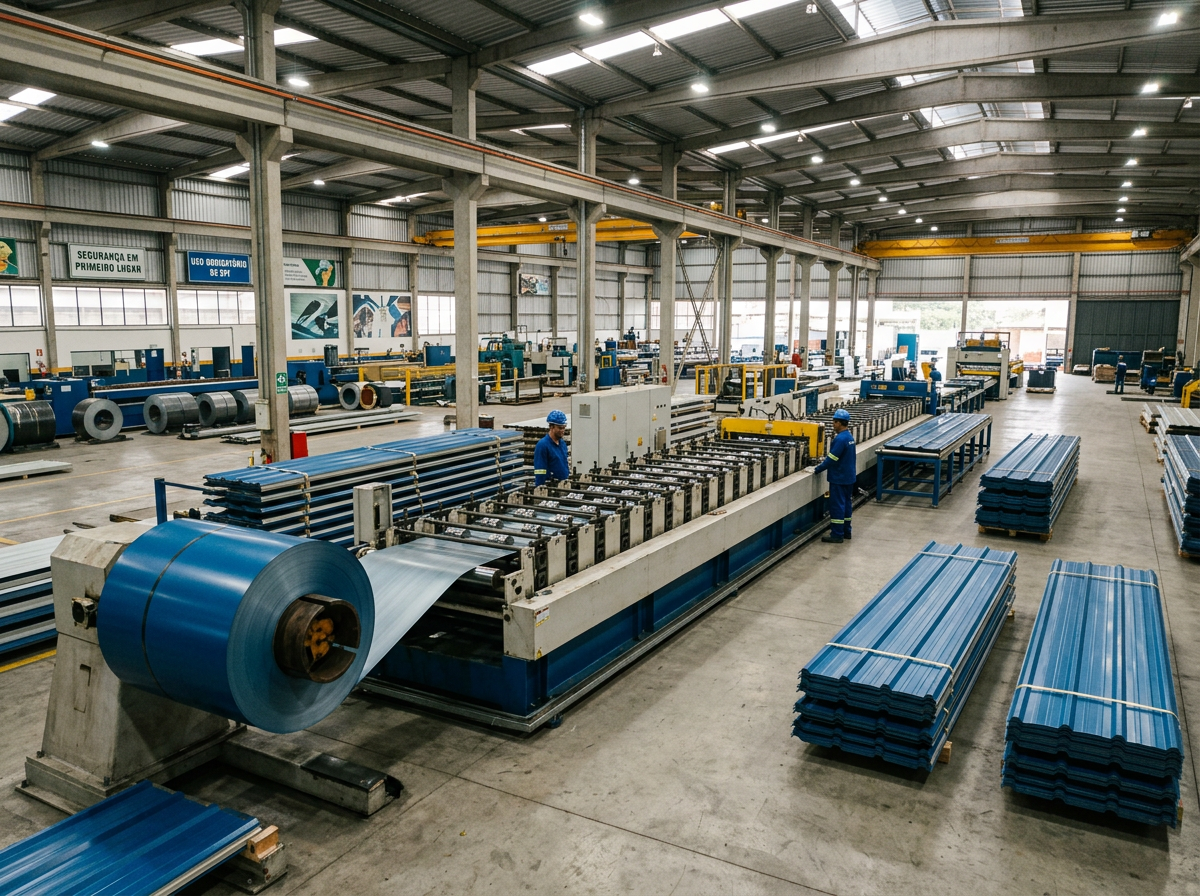
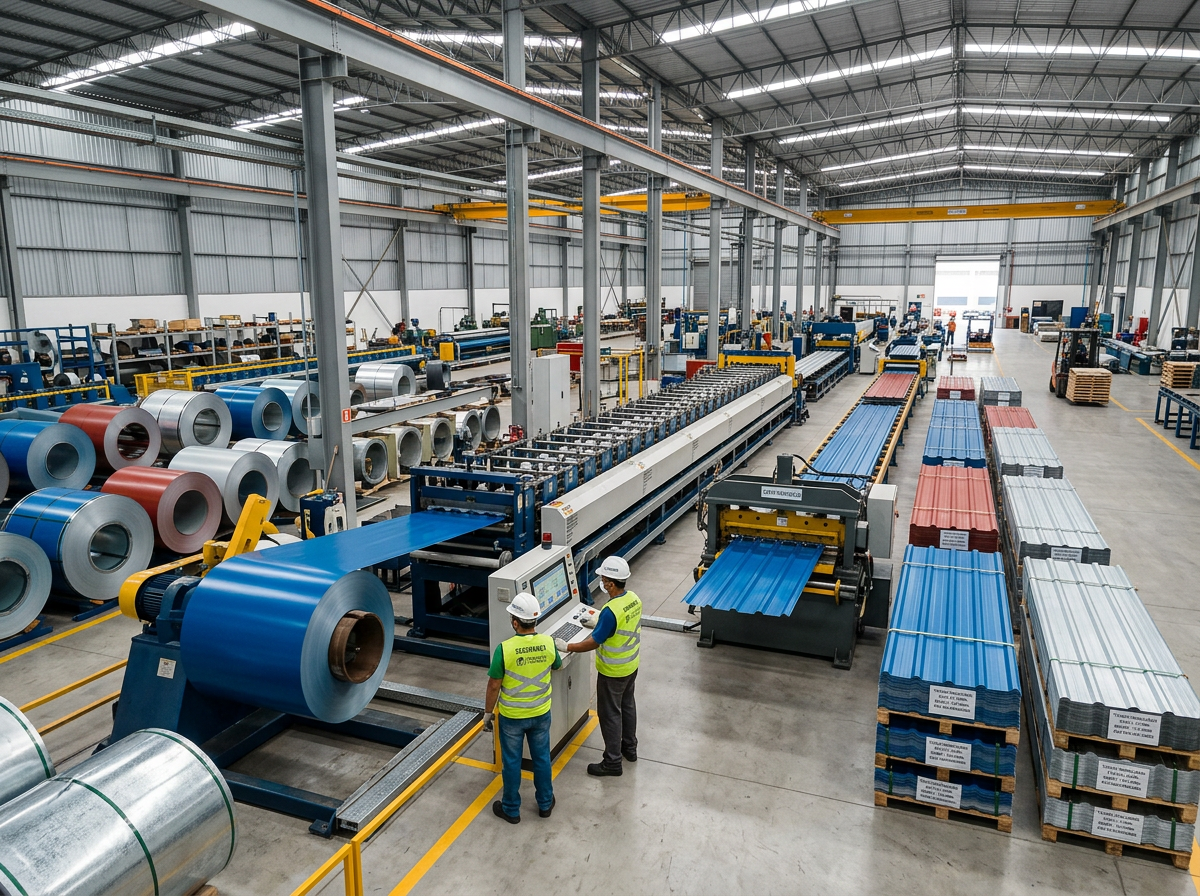
A roll forming machine is a versatile and efficient piece of equipment used in the manufacturing industry. It is designed to shape continuous metal sheets into desired profiles with consistent accuracy and precision. The process involves passing the metal through a series of rollers, which gradually bend and form the material into the desired shape. Roll forming machines are commonly used in various industries, such as automotive, construction, and appliance manufacturing, to produce a wide range of products, including roof panels, window frames, and door frames. With its ability to produce high-quality and complex profiles in large quantities, the roll forming machine has become an essential tool for many businesses in the metal fabrication industry.
History of roll forming
Roll forming is a manufacturing process that has a long and rich history. It dates back to ancient civilizations, where metal was shaped by hand using primitive tools. Over time, advancements in technology led to the development of more sophisticated roll forming techniques. In the 19th century, the industrial revolution brought significant improvements to the roll forming process, enabling mass production of complex metal profiles. Today, roll forming machines are highly automated and capable of producing a wide range of products with precision and efficiency. The history of roll forming is a testament to human ingenuity and the continuous pursuit of innovation in manufacturing.
Advantages of roll forming
Roll forming offers several advantages over other metal forming processes. Firstly, it allows for the production of complex and intricate shapes with high precision and consistency. This is particularly beneficial for industries that require customized and unique profiles. Additionally, roll forming is a highly efficient process that enables high-speed production, reducing both time and cost. The process also ensures excellent material utilization, minimizing waste and optimizing resource efficiency. Furthermore, roll forming offers superior strength and durability, as the continuous bending and shaping of the metal results in a product that is resistant to deformation and capable of withstanding heavy loads. Overall, the advantages of roll forming make it a preferred choice for various applications in industries such as automotive, construction, and manufacturing.
Working Principle
Material feeding
Material feeding is a crucial process in roll forming machines. It involves the precise and controlled delivery of raw materials into the machine for the forming process. The efficiency and accuracy of material feeding directly impact the quality and consistency of the final product. Various methods can be used for material feeding, including manual feeding, pneumatic feeding, and servo-driven feeding systems. Each method has its advantages and limitations, and the choice depends on factors such as the type and thickness of the material, production speed, and desired level of automation. Regardless of the method used, proper material feeding is essential to ensure smooth operation, minimize waste, and achieve optimal results in roll forming.
Roll forming process
The roll forming process is a highly efficient method of shaping metal into desired profiles. It involves feeding a strip of metal through a series of rollers, which gradually bend and form the metal into the desired shape. This process is widely used in various industries, such as automotive, construction, and manufacturing, due to its ability to produce consistent and precise profiles. Roll forming machines are designed to handle different types of materials, including steel, aluminum, and copper, making them versatile and adaptable to various production needs. With advancements in technology, modern roll forming machines are equipped with computerized controls, allowing for precise control over the shaping process. Overall, the roll forming process offers numerous advantages, including high production speed, cost-effectiveness, and the ability to create complex profiles with tight tolerances.
Cutting and finishing
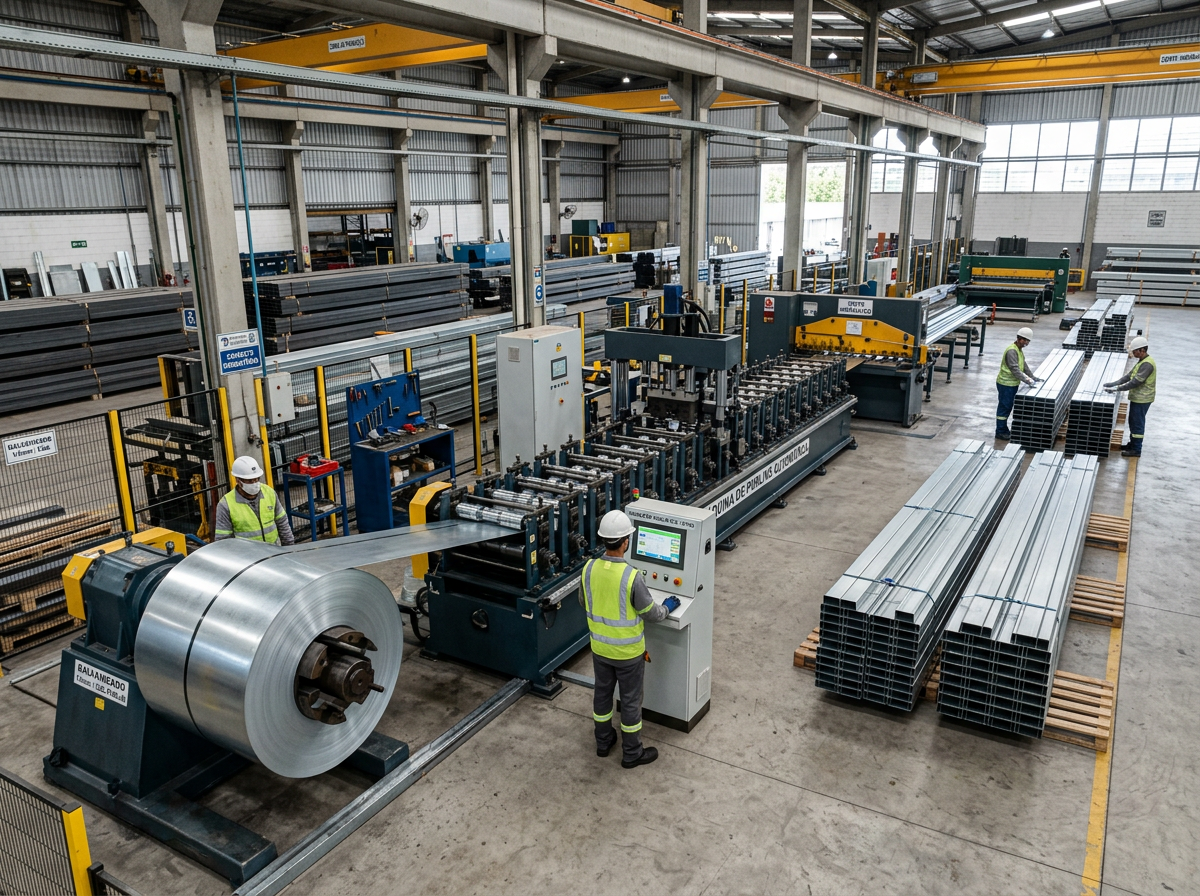
Cutting and finishing are crucial steps in the roll forming process. Once the metal strip has been shaped into the desired profile, it needs to be cut to the required length. This is typically done using a cutting machine that ensures clean and precise cuts. After cutting, the finished pieces may undergo additional finishing processes such as deburring, chamfering, or surface treatment to enhance their appearance and functionality. These steps play a significant role in ensuring the quality and accuracy of the final roll-formed products.
Types of Roll Forming Machines
Single stand roll forming machine
A single stand roll forming machine is a type of roll forming machine that consists of only one set of rolls. It is commonly used for producing simple profiles and shapes. The machine operates by passing a metal strip through the rolls, which gradually bend and shape the strip into the desired profile. The advantage of a single stand roll forming machine is its simplicity and ease of use. It is suitable for small-scale production and is often used in industries such as construction, automotive, and manufacturing. With its efficient and precise forming capabilities, a single stand roll forming machine is an essential tool for creating high-quality metal products.
Double stand roll forming machine
A double stand roll forming machine is a type of roll forming machine that consists of two sets of roll forming stands. This design allows for increased productivity and efficiency as it can process two different profiles simultaneously. The double stand roll forming machine is commonly used in industries such as automotive, construction, and manufacturing. With its ability to produce high-quality and precise profiles, this machine is essential for large-scale production. It offers versatility and flexibility, making it suitable for various applications. Whether it is for producing roof panels, wall claddings, or structural components, the double stand roll forming machine is a reliable and efficient choice.
Continuous roll forming machine
A continuous roll forming machine is a type of roll forming machine that is designed to continuously produce long, uniform profiles with consistent dimensions. It is commonly used in the manufacturing industry for producing various products such as metal sheets, pipes, and tubes. The machine operates by feeding a continuous strip of material through a series of rollers, which gradually shape the material into the desired profile. This process allows for high production rates and excellent precision, making it an ideal choice for large-scale production. Additionally, continuous roll forming machines are known for their versatility and ability to produce complex profiles with ease. With advancements in technology, these machines have become more efficient and reliable, offering manufacturers a cost-effective solution for their production needs.
Components of Roll Forming Machine
Uncoiler
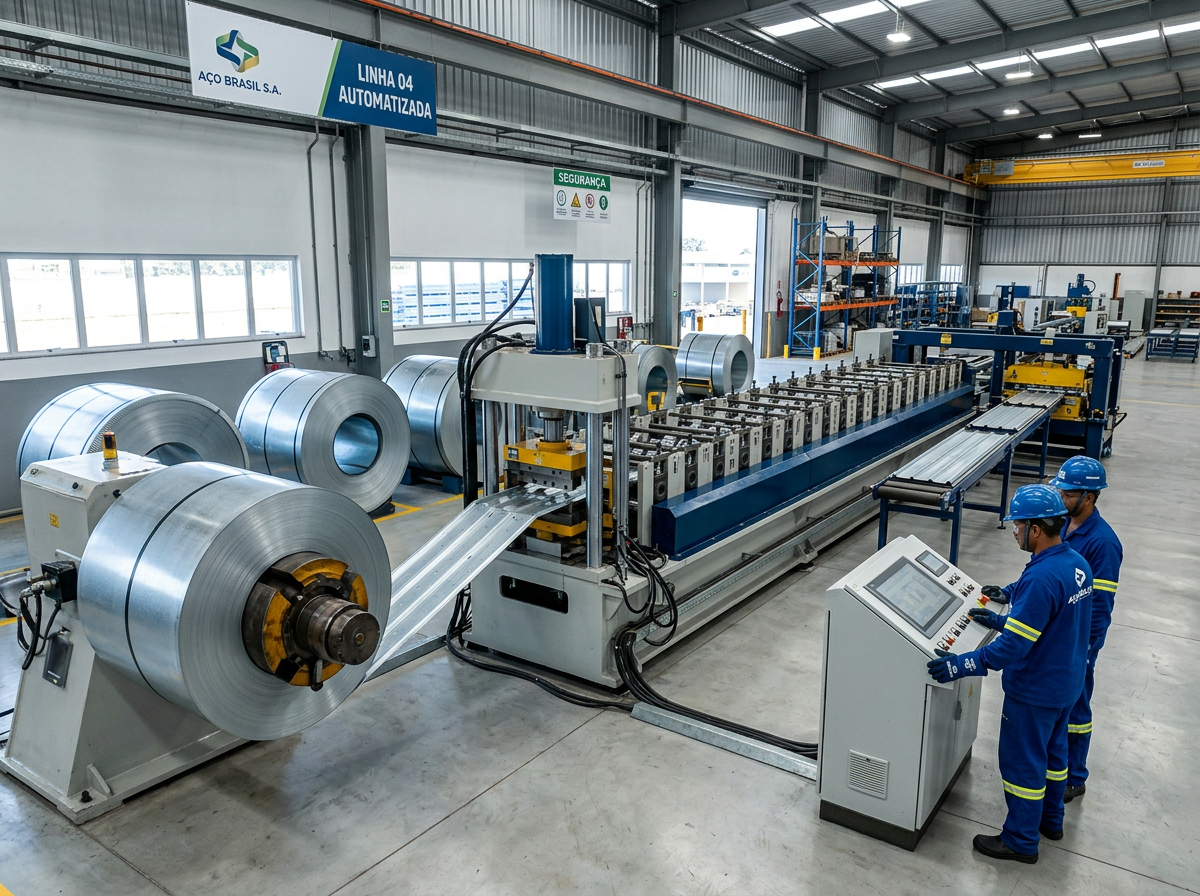
The uncoiler is an essential component of a roll forming machine. It is responsible for feeding the coil material into the machine for the forming process. The uncoiler consists of a mandrel, which holds the coil, and a motorized system that unwinds the coil at a controlled speed. This allows for a continuous and smooth feeding of the material into the roll forming machine. The uncoiler also helps in maintaining the tension and alignment of the coil, ensuring accurate and consistent forming of the profile. Overall, the uncoiler plays a crucial role in the roll forming process, ensuring efficient and high-quality production.
Roller stations
Roller stations are an essential component of a roll forming machine. They play a crucial role in shaping the material as it passes through the machine. Each roller station consists of a set of rollers that are strategically positioned to gradually bend and form the material into the desired shape. The number and arrangement of roller stations will vary depending on the complexity of the profile being produced. The design and precision of the roller stations directly impact the quality and accuracy of the final product. It is important to carefully consider the number and configuration of roller stations when selecting a roll forming machine for a specific application.
Cutting system
The cutting system is an essential component of a roll forming machine. It is responsible for cutting the formed metal into desired lengths or shapes. There are various types of cutting systems used in roll forming machines, including shear cutting, rotary cutting, and flying cutting. Shear cutting is the most common method, where a set of blades is used to cut the metal as it passes through the machine. Rotary cutting involves a rotating tool that cuts the metal, while flying cutting uses a moving cutting head that follows the metal profile. The choice of cutting system depends on factors such as the material being formed, the desired cut quality, and the production speed. Regardless of the type, an efficient cutting system is crucial for achieving accurate and precise cuts in roll forming processes.
Applications of Roll Forming Machine
Automotive industry
The automotive industry is one of the key sectors that heavily relies on roll forming machines. These machines play a crucial role in the manufacturing of various components used in automobiles. From body panels to structural parts, roll forming machines are used to shape and form metal sheets into precise and complex profiles. The high efficiency and accuracy of roll forming machines make them ideal for producing components with consistent quality and dimensional accuracy. With the growing demand for lightweight and fuel-efficient vehicles, the automotive industry continues to invest in advanced roll forming technology to meet the evolving needs of the market.
Construction industry
The construction industry is a vital sector that plays a crucial role in the development of infrastructure and the economy. Roll forming machines are widely used in the construction industry for their efficiency and versatility. These machines are specifically designed to shape metal sheets into desired profiles and shapes, making them ideal for producing components used in various construction projects. From roofing and wall cladding to structural beams and columns, roll forming machines offer precise and consistent forming capabilities, ensuring high-quality and durable construction materials. With advancements in technology, roll forming machines have become more automated and efficient, reducing labor costs and increasing productivity in the construction industry. As the demand for sustainable and cost-effective construction solutions grows, roll forming machines will continue to be an essential tool in the construction industry.
Appliance industry
The appliance industry is one of the key sectors that extensively utilizes roll forming machines. These machines play a crucial role in the manufacturing process of various appliances such as refrigerators, washing machines, and air conditioners. Roll forming machines enable the production of precise and high-quality components that are essential for the efficient functioning of appliances. With the ability to form complex shapes and profiles with consistent accuracy, roll forming machines have revolutionized the appliance industry by improving production efficiency and reducing costs. The use of roll forming machines in the appliance industry ensures the production of durable and reliable products that meet the stringent quality standards of the market.
Maintenance and Troubleshooting
Regular maintenance
Regular maintenance is crucial for ensuring the optimal performance and longevity of a roll forming machine. By regularly inspecting and lubricating the machine’s components, such as the rollers, gears, and bearings, potential issues can be identified and resolved before they escalate into major problems. Additionally, cleaning the machine and removing any debris or buildup helps to prevent damage and maintain the machine’s efficiency. It is also important to follow the manufacturer’s recommended maintenance schedule and guidelines to ensure that the machine operates at its best. By investing time and effort into regular maintenance, operators can minimize downtime, increase productivity, and extend the lifespan of their roll forming machine.
Common issues and solutions
Roll forming machines are complex pieces of equipment that can encounter various issues during operation. One common issue is material jamming, where the raw material gets stuck in the machine, leading to production delays and potential damage to the machine. To solve this problem, operators can implement regular maintenance and cleaning routines to ensure smooth material flow. Another common issue is misalignment, where the rollers and tooling become misaligned, resulting in inaccurate product dimensions. This can be resolved by regularly inspecting and adjusting the machine’s components. Additionally, electrical issues such as power fluctuations or faulty connections can cause disruptions in the roll forming process. Proper electrical maintenance and troubleshooting techniques can help identify and resolve these issues. By addressing these common problems and implementing preventive measures, operators can optimize the performance and efficiency of roll forming machines.
Safety precautions
Safety precautions are of utmost importance when operating a roll forming machine. It is crucial to follow all safety guidelines and procedures to ensure the well-being of the operator and prevent any accidents or injuries. Some key safety measures include wearing appropriate personal protective equipment, such as safety goggles, gloves, and ear protection. It is also important to keep the work area clean and organized, removing any potential hazards or obstacles. Regular maintenance and inspections of the machine are essential to identify any potential issues or malfunctions. Additionally, operators should receive proper training on the operation of the roll forming machine to ensure they understand its functions and potential risks. By prioritizing safety precautions, operators can minimize the risk of accidents and create a safe working environment.
Frequently Asked Questions (FAQ)
1) What materials can a Roll Forming Machine process?
- Commonly galvanized and cold-rolled steel, aluminum, stainless, and copper alloys from 0.3–3.0 mm. Material selection depends on the target profile, corrosion requirements, and standards like ASTM A653 (galvanized) or EN 10346.
2) How do I choose between pre-cut and post-cut on a roll forming line?
- Pre-cut suits short parts and avoids end distortion but reduces nesting efficiency. Post-cut (flying shear) supports higher line speeds, better nesting/yield, and tighter cut-length tolerance with servo control.
3) What tolerances are realistic on modern roll forming machines?
- With servo feed and laser encoders: cut length ±0.5–1.0 mm over 6 m, hole pitch ±0.5–1.0 mm, straightness ≤1 mm/m, twist ≤1°/m. Actuals depend on material strength, pass design, and stand rigidity.
4) How does automation improve a Roll Forming Machine’s productivity?
- Recipe-driven setups, automatic stand positioning, servo roll-gap control, and inline vision reduce changeover time 40–70%, raise first-pass yield to 98–99.5%, and enable real-time quality adjustments.
5) What maintenance actions have the biggest ROI?
- Weekly roll cleaning/inspection, lubrication verification, encoder calibration, alignment checks (entry guides/stands), and scheduled die sharpening for shears/punches. Predictive vibration and thermography catch bearing and gearbox issues early.
2025 Industry Trends
- Digital twins and pass-design simulation move upstream to cut trial loops and scrap.
- Vision AI for inline defect detection (burrs, edge wave) becomes standard on high-speed lines.
- Energy efficiency: IE5 motors and regenerative VFDs cut kWh/ton by 15–25% vs. 2022 baselines.
- Traceability: Coil-to-part serialization and MES integration to meet EPD and regulatory reporting.
- High-strength and coated materials: More AHSS/HSLA and pre-painted coils require revised flower patterns, roll finishes, and micro-lubrication.
2025 benchmarks for Roll Forming Machine performance
| Metric | 2022 Typical | 2025 Best-in-class | Notes |
|---|---|---|---|
| Line speed (m/min) | 15–30 | 35–70 | Profile complexity and punching affect speed |
| Changeover time (min) | 60–120 | 15–30 | Cassette tooling + auto stands |
| Cut length tolerance (mm over 6 m) | ±2.0 | ±0.5–0.8 | Laser encoder + servo flying shear |
| Hole/slot pitch (mm) | ±1.0–1.5 | ±0.5 | Encoder sync + vision feedback |
| First-pass yield (%) | 92–96 | 98–99.5 | Digital recipes + inline QA |
| ऊर्जा तीव्रता (kWh/टन) | 130–180 | 95–120 | IE5 motors + regen drives |
| OEE (%) | 60–70 | 75–85 | Improved uptime and quality |
Selected references:
- The Fabricator (roll forming best practices): https://www.thefabricator.com
- NIST MEP (SMED/OEE guidance): https://www.nist.gov/mep
- ISO 50001 (energy management): https://www.iso.org
- EN 10162/EN 10346 (cold-formed sections/coated steels): https://standards.iteh.ai
- WorldAutoSteel (AHSS formability fundamentals): https://www.worldautosteel.org
नवीनतम अनुसंधान मामले
Case Study 1: Closed-Loop Cut-Length Control on Mixed-Material Profiles (2025)
Background: An appliance OEM running 0.6–1.2 mm galvanized and pre-painted coils saw ±2.2 mm cut-length drift at 45 m/min.
Solution: Added dual laser encoders, servo flying shear tuning, and thermal compensation in the HMI recipe; integrated vision gate for burr and edge-chatter detection.
Results: Cut-length tightened to ±0.7 mm (6 m), scrap reduced from 3.8% to 1.1%, and rework dropped 40%.
Case Study 2: Pass Design Optimization for HSLA Transition (2024)
Background: A construction products line shifted from DX51D to HSLA 420 to reduce thickness by 15% while maintaining stiffness.
Solution: Re-optimized flower pattern, increased roll hardness/polish, introduced micro-lube and crowned guide rolls; updated entry straightener settings.
Results: Springback-related twist cut by 55%, line speed increased from 28 to 50 m/min, and mechanical properties met EN 10162 dimensional tolerances.
विशेषज्ञों की राय
- Dr. Daniel Schaeffler, President, Engineering Quality Solutions
Viewpoint: “HSLA and AHSS demand re-optimized pass designs and careful roll-gap control. Coil quality and lubrication are decisive for edge wave and camber prevention.” - Marco Rossi, Lead Process Engineer, Gasparini SpA
Viewpoint: “Automatic stand positioning and cassette tooling consistently halve changeover times on multi-profile lines, often paying back in under a year.” - Sarah Clark, Technical Director, Metal Construction Association
Viewpoint: “Traceability—from coil heat to finished profile barcode—has moved from ‘nice to have’ to specification for many building projects.”
व्यावहारिक उपकरण/संसाधन
- Roll design and simulation: COPRA RF / COPRA FEA RF (https://www.data-m.de), AutoForm (https://www.autoform.com)
- Inline metrology/vision: Keyence (https://www.keyence.com), Cognex (https://www.cognex.com)
- Standards and quality: EN 10162, EN 10346 (https://standards.iteh.ai), ASTM A653 (https://www.astm.org), ISO 9001 (https://www.iso.org)
- Energy and maintenance: ISO 50001 (https://www.iso.org), Fiix CMMS (https://www.fiixsoftware.com), UpKeep (https://www.upkeep.com)
- Industry knowledge: The Fabricator—roll forming (https://www.thefabricator.com), NIST MEP (https://www.nist.gov/mep)
अंतिम अपडेट: 2025-10-20
परिवर्तन-लेख: Added 5 FAQs for Roll Forming Machine buyers/users; inserted 2025 benchmarks and trends table; included two recent case studies; added expert viewpoints; curated practical tools/resources with authoritative links
अगली समीक्षा तिथि और ट्रिगर: 2026-04-15 or earlier if major standards (EN/ASTM) are revised, OEMs release sub-15-minute auto-changeover systems, or new energy regulations mandate IE5/regenerative drives