Introduction
In the ever-evolving field of construction, the roofing industry constantly seeks ways to enhance efficiency, productivity, and quality. One significant innovation that has revolutionized the roofing process is the portable metal roof roll forming machine. This article explores the capabilities, benefits, and applications of these machines, along with factors to consider when choosing one.
What is a Portable Metal Roof Roll Forming Machine?
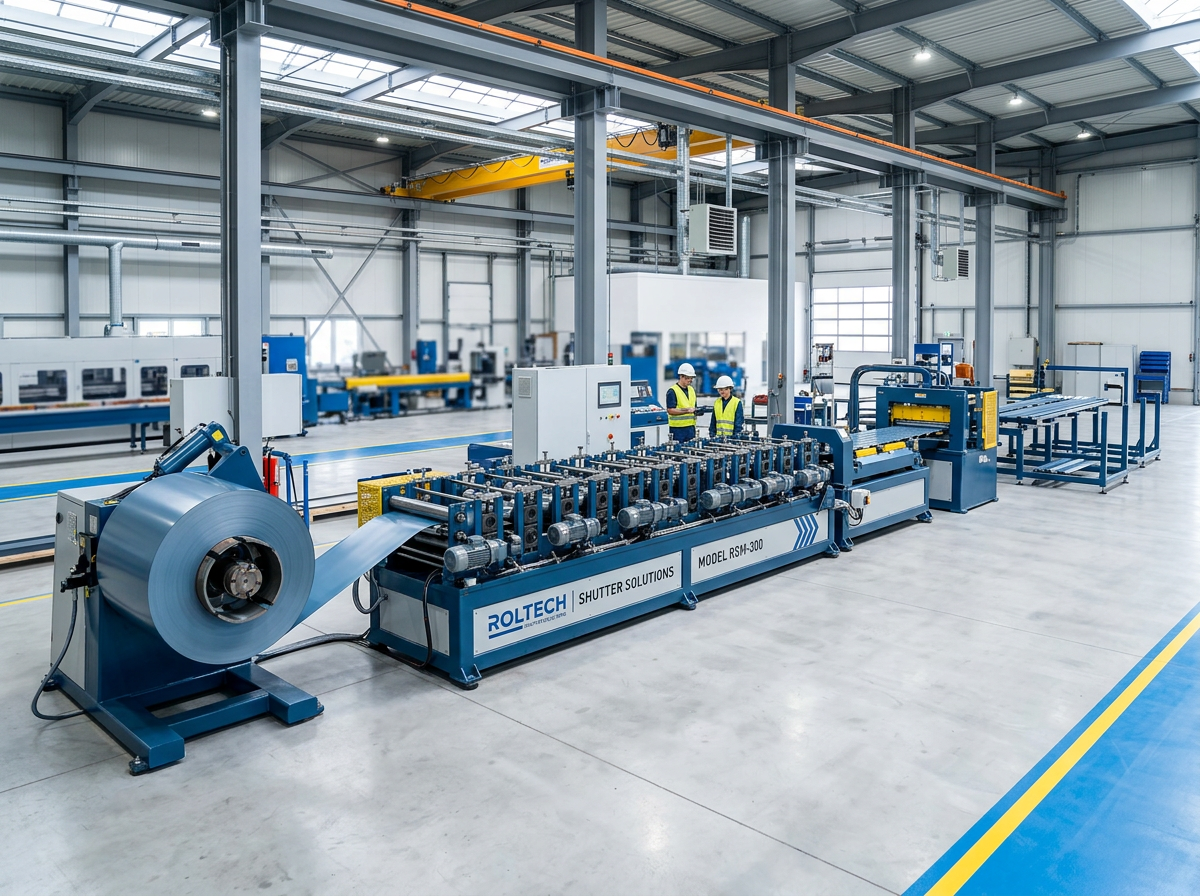
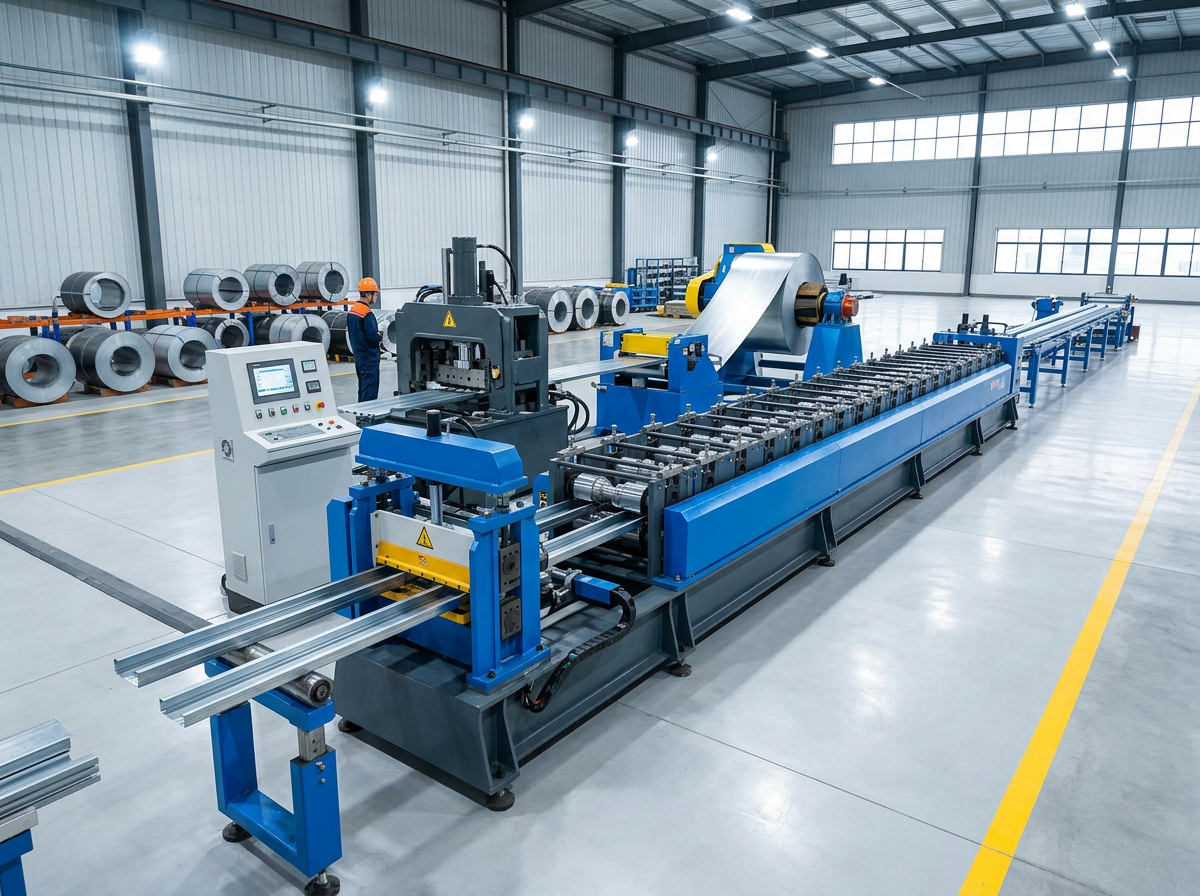
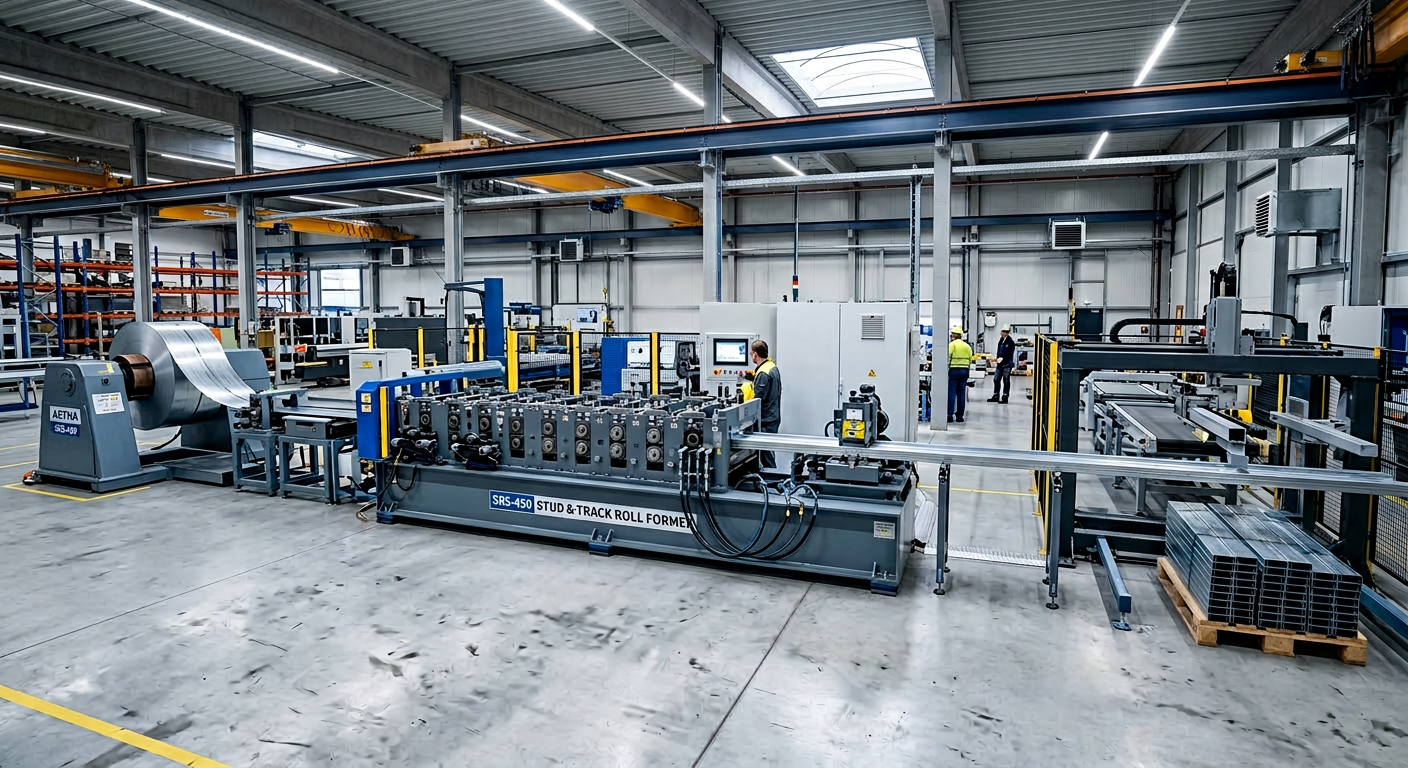
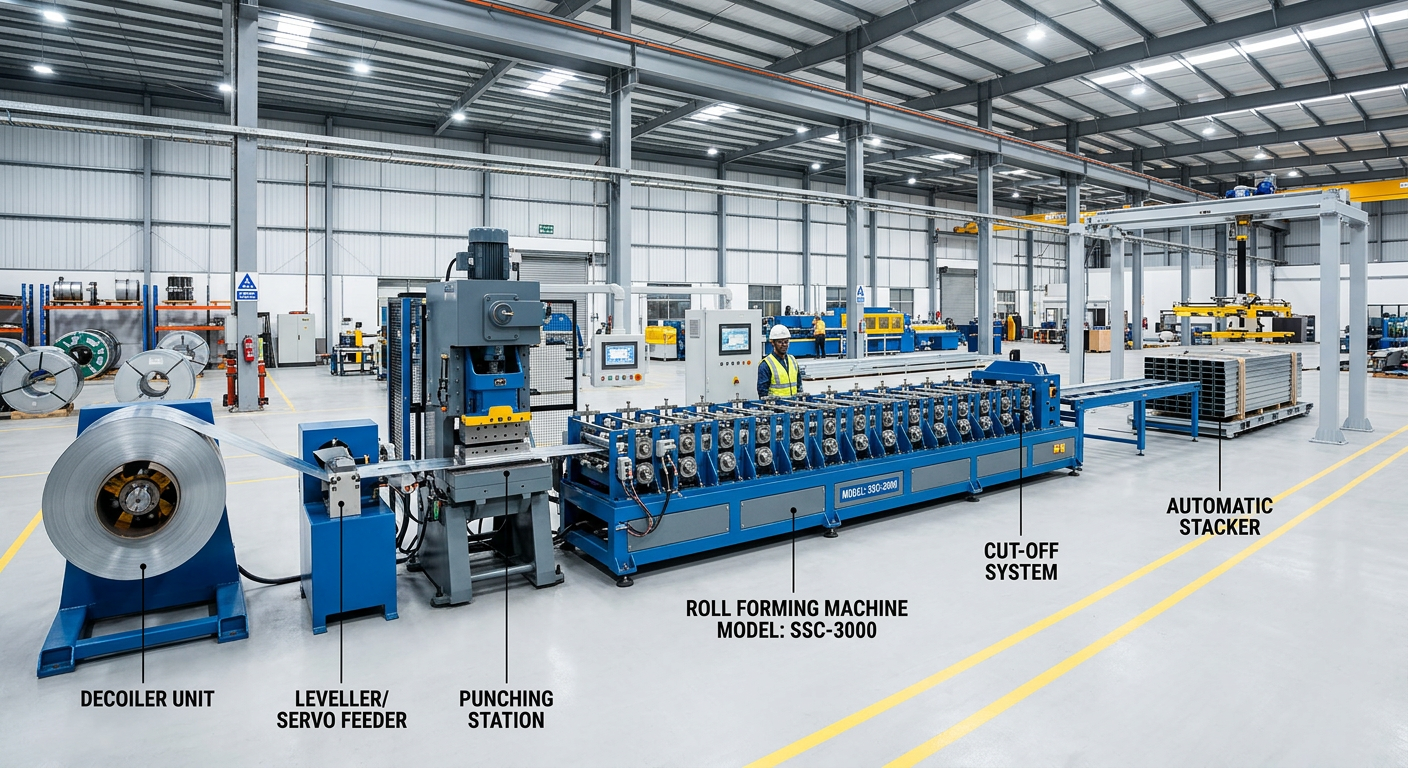
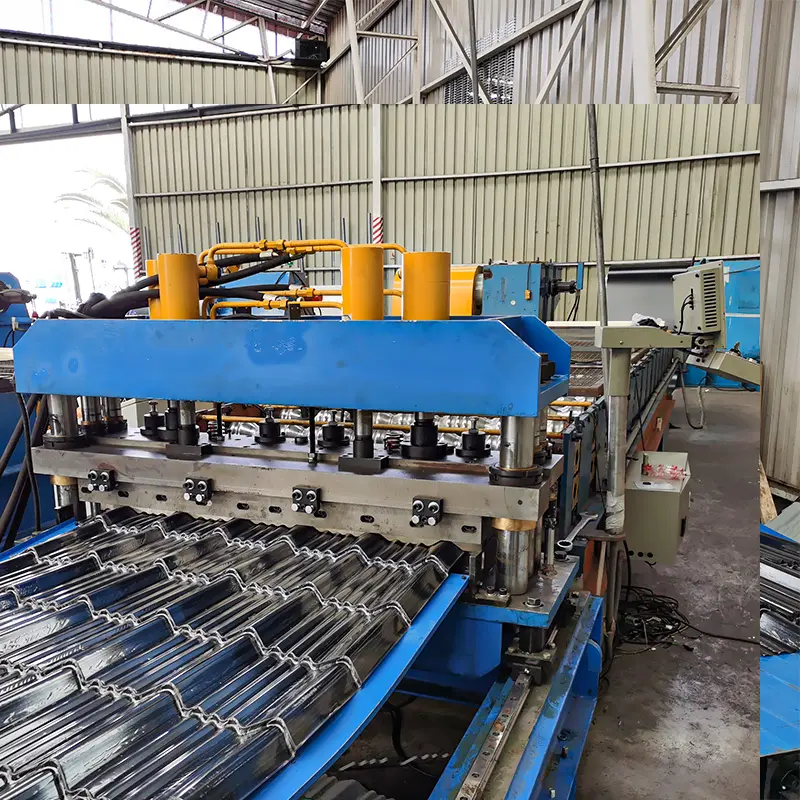
A portable metal roof roll forming machine is a technologically advanced piece of equipment used to transform flat metal coils into custom-formed metal roofing panels. This machine performs a continuous and automated process known as roll forming, which involves passing metal coils through a series of rollers that gradually shape the metal into the desired profile. The portable aspect allows for ease of transportation and on-site operation.
Benefits of Using a Portable Metal Roof Roll Forming Machine
Increased Efficiency and Productivity
With a portable metal roof roll forming machine, roofers can produce metal panels on-site, eliminating the need for off-site fabrication. This significantly reduces transportation costs, time, and logistical challenges. The continuous operation of the machine ensures a consistent and rapid production rate, boosting overall efficiency and productivity.
Cost-Effectiveness
The elimination of transportation costs and reduced labor requirements contribute to the cost-effectiveness of using a portable metal roof roll forming machine. Additionally, on-site production minimizes material waste, as the machine precisely cuts and forms the metal to the required lengths, reducing overall expenses and environmental impact.
Customization and Flexibility
One of the most significant advantages of a portable metal roof roll forming machine is its ability to create custom profiles and dimensions. Roofers can easily adjust the machine settings to produce a wide variety of panel designs, giving them the freedom to meet unique customer requirements and design preferences.
Superior Quality and Durability
Portable metal roof roll forming machines utilize high-quality materials and advanced manufacturing techniques, resulting in superior metal panels. The precise and automated process ensures consistent panel dimensions and reduces the risk of human errors. These panels are highly durable, weather-resistant, and have excellent structural integrity, providing long-lasting protection for buildings.
Time-Saving
By eliminating the need for off-site fabrication and reducing manual labor, a portable metal roof roll forming machine significantly reduces the time required to complete roofing projects. Roofers can produce panels on-demand, minimizing downtime and ensuring timely project completion.
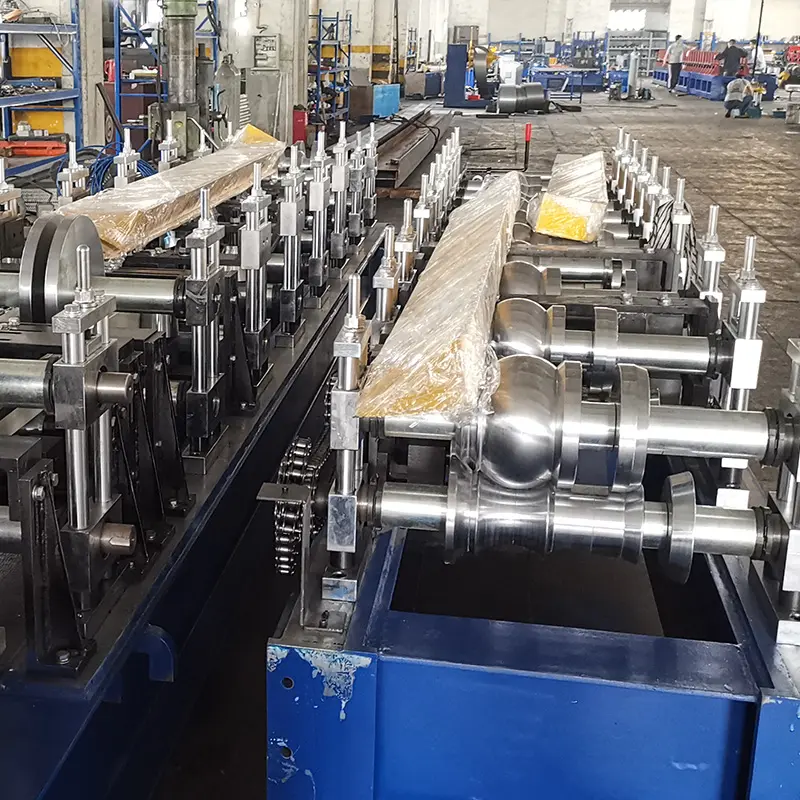
Key Features of a Portable Metal Roof Roll Forming Machine
Compact and Lightweight Design
Portable metal roof roll forming machines are specifically designed to be lightweight and compact, allowing for easy transportation and maneuverability. These machines can be quickly set up and operated in tight spaces, ensuring maximum efficiency and versatility.
Easy Setup and Operation
The user-friendly interface and intuitive controls of portable metal roof roll forming machines make them easy to set up and operate. Roofers with minimal training can quickly become proficient in using these machines, reducing the learning curve and increasing productivity.
Versatility in Material Types and Profiles
A high-quality portable metal roof roll forming machine can handle various metal types, including steel, aluminum, and copper, offering versatility to meet diverse project requirements. Additionally, these machines can produce a wide range of profiles, such as standing seam, corrugated, and ribbed panels, providing flexibility in design choices.
Advanced Automation and Precision
Portable metal roof roll forming machines incorporate advanced automation technologies, ensuring precise and consistent panel production. Computer-controlled systems and sensors monitor the entire process, maintaining accuracy and minimizing errors. This level of precision results in high-quality panels with tight tolerances.
Portability and Mobility
The portability of these machines allows roofers to transport them directly to the job site, reducing transportation costs and logistical challenges. Their mobility enables on-site production, eliminating delays and ensuring timely completion of roofing projects, even in remote locations.
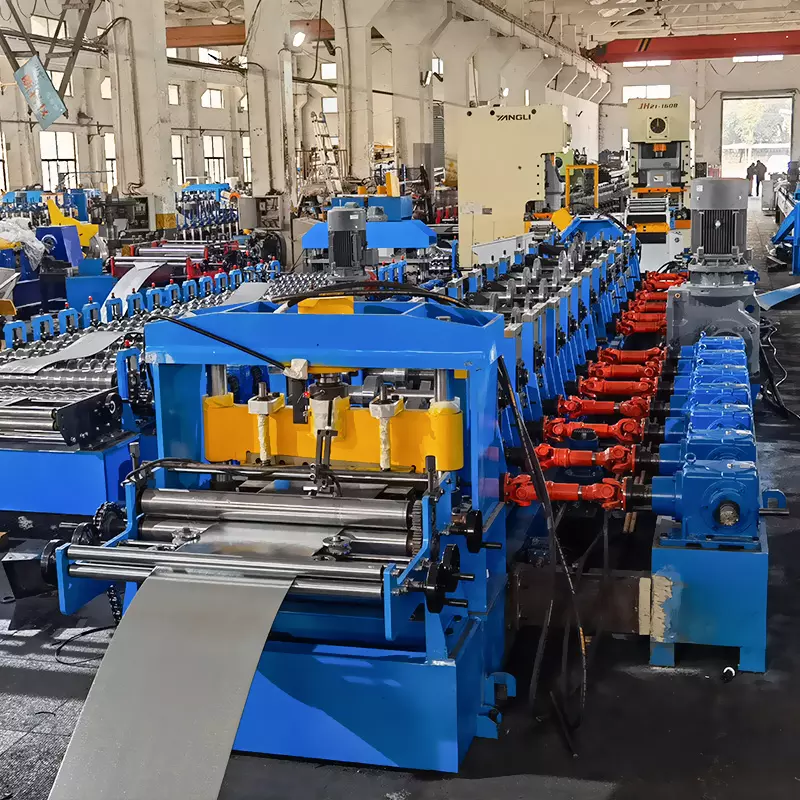
Applications of Portable Metal Roof Roll Forming Machines
Residential Roofing
Portable metal roof roll forming machines are widely used in residential roofing projects. The ability to produce custom panels on-site allows roofers to efficiently install metal roofs, meeting the unique design preferences and dimensions of homeowners. The durability and longevity of metal roofing make it an appealing choice for residential applications.
Commercial and Industrial Roofing
Commercial and industrial buildings often require large-scale roofing solutions. Portable metal roof roll forming machines excel in these applications, allowing for rapid production of panels with consistent quality and dimensions. The versatility of these machines enables the creation of complex profiles and architectural designs, meeting the specific requirements of commercial and industrial projects.
Agricultural Structures
Agricultural buildings, such as barns and storage facilities, benefit from the durability and weather resistance of metal roofing. Portable metal roof roll forming machines provide a cost-effective solution for farmers and agricultural businesses by enabling on-site production, reducing material waste, and ensuring timely completion of roofing projects.
Emergency and Disaster Response
In emergency situations, such as natural disasters or roof damage repairs, portable metal roof roll forming machines play a crucial role. The ability to quickly produce metal panels on-site allows for rapid response and efficient restoration of damaged roofs. These machines enable disaster response teams to provide immediate relief and temporary shelter in affected areas.
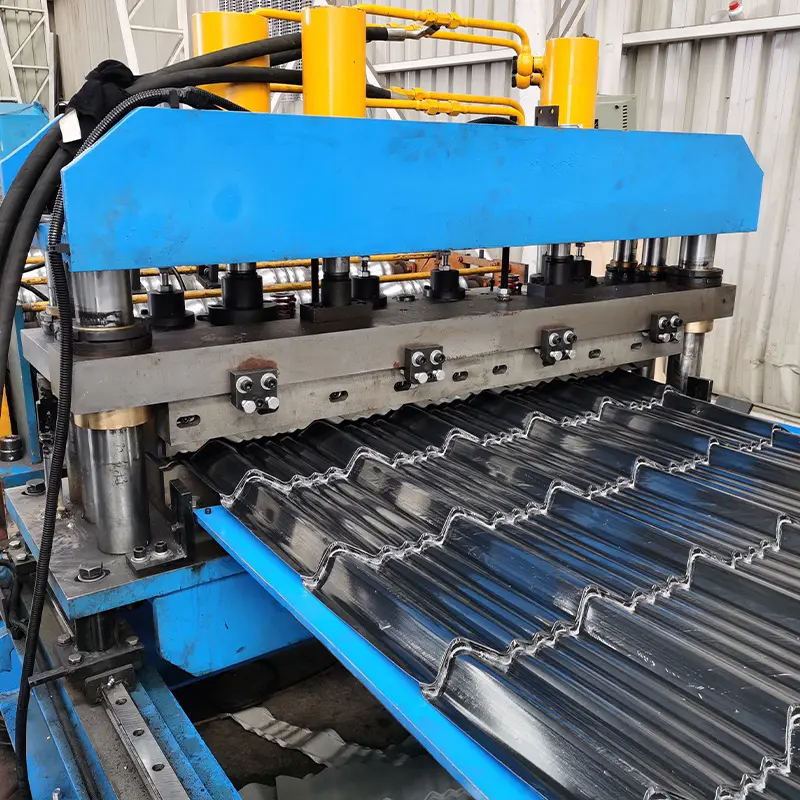
Factors to Consider When Choosing a Portable Metal Roof Roll Forming Machine
Material Compatibility
When selecting a portable metal roof roll forming machine, it is essential to ensure that it is compatible with the specific metal types required for your projects. Different machines may have limitations or specialize in certain materials, so choosing one that suits your needs is crucial for optimal performance.
Production Speed and Output Capacity
The production speed and output capacity of the machine are critical factors to consider when making a selection. Assess the machine’s ability to produce panels within your desired timeframe and determine if its output capacity meets your project requirements. Higher production speeds and larger output capacities contribute to increased efficiency and productivity.
Ease of Maintenance and Serviceability
Maintenance and serviceability are important considerations for any equipment. Look for a portable metal roof roll forming machine that is easy to maintain, with accessible parts and clear instructions for upkeep. Additionally, consider the availability of service and support from the manufacturer to ensure prompt assistance when needed.
Warranty and Customer Support
A reliable warranty and comprehensive customer support are crucial when investing in a portable metal roof roll forming machine. Review the warranty terms and conditions to understand the coverage provided and the duration of support. Additionally, inquire about the manufacturer’s customer support services, including technical assistance, troubleshooting, and replacement parts availability.
Price and Return on Investment
Price is a significant factor in any purchasing decision. Compare the prices of different portable metal roof roll forming machines, considering the features, capabilities, and reputation of the manufacturer. However, it is important to assess the overall return on investment (ROI) rather than focusing solely on the initial cost. Consider the machine’s potential to increase productivity, reduce labor costs, and deliver high-quality output, which can ultimately result in long-term cost savings.
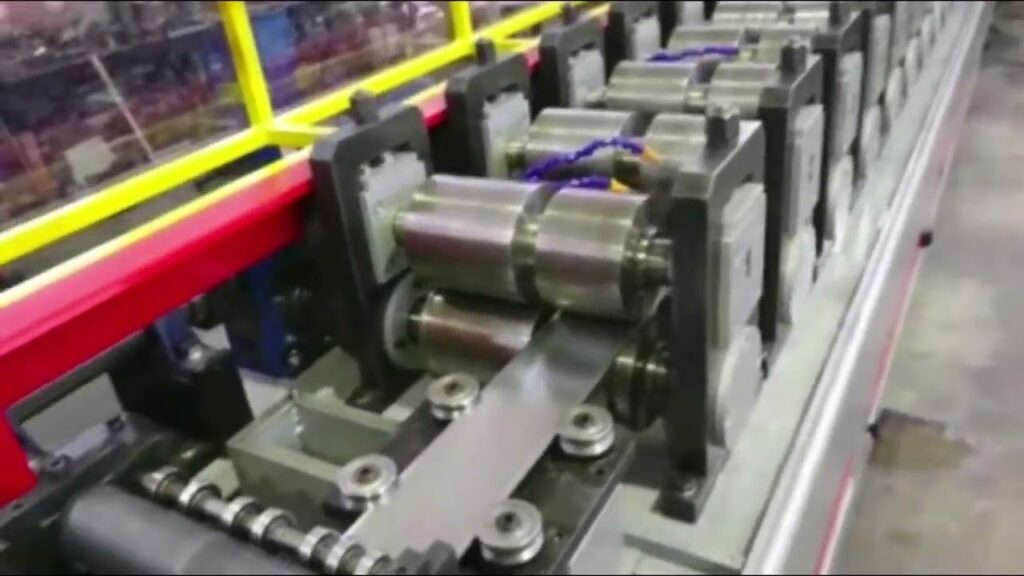
Case Study: Successful Implementation of Portable Metal Roof Roll Forming Machine
To illustrate the benefits and effectiveness of portable metal roof roll forming machines, let’s examine a real-world case study.
Case Study: XYZ Construction Company
XYZ Construction Company, a leading roofing contractor, decided to invest in a portable metal roof roll forming machine to enhance their operations. They selected a compact and lightweight machine that offered versatility in material types and profiles. The machine’s advanced automation and precision ensured consistent and high-quality panel production.
Upon implementing the portable metal roof roll forming machine, XYZ Construction Company experienced a significant boost in efficiency and productivity. On-site production eliminated the need for off-site fabrication and reduced transportation costs. The continuous operation of the machine allowed them to complete roofing projects in a shorter timeframe, resulting in satisfied clients and increased project turnover.
The customization capabilities of the machine enabled XYZ Construction Company to meet various design requirements and offer tailored solutions to their clients. The ability to produce custom profiles and dimensions directly on-site gave them a competitive edge in the market.
Furthermore, the durability and weather resistance of the metal panels produced by the machine enhanced the longevity of the roofs installed by XYZ Construction Company. This, in turn, led to a growing reputation for quality workmanship and reliable roofing solutions.
Future Trends and Innovations in Portable Metal Roof Roll Forming Machines
As technology continues to advance, portable metal roof roll forming machines are expected to undergo further improvements and innovations. Here are some potential future trends to watch out for:
- Enhanced Automation and Robotics: Future machines may incorporate more advanced automation features and robotics, reducing the need for manual intervention and increasing production efficiency.
- Integration of Artificial Intelligence: Artificial intelligence (AI) algorithms could be integrated into portable metal roof roll forming machines to optimize production processes, improve precision, and enhance quality control.
- Energy Efficiency: Future machines may focus on energy-saving features, such as reduced power consumption and the use of renewable energy sources, aligning with the industry’s growing emphasis on sustainability.
- Advanced Material Compatibility: Manufacturers might develop machines capable of working with a wider range of materials, including innovative and eco-friendly options, expanding the possibilities for roofing designs and applications.
- Internet of Things (IoT) Connectivity: IoT integration could enable real-time monitoring, remote diagnostics, and predictive maintenance, streamlining operations and reducing downtime.
Conclusion
Portable metal roof roll forming machines have transformed the roofing industry by providing efficient, cost-effective, and high-quality metal panel production. The benefits of these machines include increased efficiency, cost-effectiveness, customization, and time-saving capabilities. Their compact design, easy setup, and advanced automation make them versatile tools for various roofing applications.
When choosing a portable metal roof roll forming machine, consider factors such as material compatibility, production speed, ease of maintenance, warranty, and ROI. These machines offer immense potential for the residential, commercial, industrial, and agricultural roofing sectors, as well as emergency and disaster response situations.
As the industry continues to evolve, future trends may include enhanced automation, AI integration, energy efficiency, advanced material compatibility, and IoT connectivity. By staying informed and embracing these innovations, roofing professionals can stay at the forefront of the industry and deliver exceptional roofing solutions to their clients.
FAQs (Frequently Asked Questions)
1. Can portable metal roof roll forming machines produce different panel profiles?
Yes, portable metal roof roll forming machines can produce a wide variety of panel profiles, including standing seam, corrugated, ribbed, and more. They offer flexibility and customization options to meet specific project requirements.
2. How long does it take to set up a portable metal roof roll forming machine on-site?
The setup time for portable metal roof roll forming machines varies depending on the model and complexity of the project. Generally, these machines are designed for quick and easy setup, and with practice, the process can be completed in a matter of minutes.
3. Are portable metal roof roll forming machines suitable for small-scale roofing projects?
Yes, portable metal roof roll forming machines are suitable for both small-scale and large-scale roofing projects. Their versatility, customization capabilities, and ease of operation make them a viable option for a wide range of applications.
4. Can a portable metal roof roll forming machine handle different metal types?
Yes, portable metal roof roll forming machines are designed to handle various metal types, including steel, aluminum, and copper. The machine can be adjusted to accommodate different materials based on the specific requirements of the project.
5. Are portable metal roof roll forming machines easy to maintain?
Yes, portable metal roof roll forming machines are generally designed to be easy to maintain. Regular cleaning, lubrication, and inspection of components are necessary to ensure optimal performance. Manufacturers provide maintenance guidelines and support to assist users in maintaining their machines effectively.
Frequently Asked Questions (FAQ)
1) What coil specs work best for portable machines on rooftops?
- Typical: 0.4–0.8 mm (26–22 ga) coated steel or 0.6–0.9 mm aluminum, 300–610 mm (12–24 in) coil widths. Aim for low memory (coil set) and consistent yield strength (240–350 MPa).
2) How do I ensure watertightness with on-site formed standing seam panels?
- Use roll-formed concealed clips, continuous seams, and calibrated seamer tools. Verify hem depth, rib height, and seam lock angle per profile manual; sealant tapes at eaves/ridge; follow ASTM E2140/E1646 test guidance.
3) Can a portable Metal Roof Roll Forming Machine integrate notching and punching?
- Yes. Many units add pre-notch/punch modules for eaves, ribs, and penetrations synchronized by encoder. Maintain ±1.5 mm registration at 20–30 m/min; use hard-stop fixtures for repeatability.
4) What power options are practical on remote sites?
- Gas/propane generators (12–25 kVA), PTO-driven hydraulics, or 3-phase 380–480 V site power. For battery-assist hybrids, ensure inverter surge capacity for cutter and decoiler.
5) How do I minimize oil-canning and panel waviness?
- Keep entry guides aligned, use crowned rolls with Ra ≤0.4 μm, maintain constant strip tension, avoid over-tight coil brakes, and control panel handling temperature to limit differential expansion (especially with aluminum).
2025 Industry Trends
- On-roof production surge: Contractors report 10–20% project cycle-time reduction by forming panels at elevation, reducing crane picks and damage.
- AI-assisted pass calibration: Low-cost vision systems auto-tune rib height and seam lock to profile spec within first 10–20 m of run.
- Lightweight high-strength materials: Zn-Mg coated steels (ZM120–ZM200) and 3000/5000-series aluminum enable down-gauging with equal wind uplift ratings.
- Energy-smart portables: IE4 motors + regenerative VFDs cut fuel/electric consumption by 15–25% per 1,000 m of panel.
- Safety-by-design: ISO 13849 PL-d safety circuits, interlocked guards, and e-stop diagnostics increasingly standard on mobile machines.
- BIM/field data sync: Export of cut lists and panel geometry (IFC/CSV) from controller to site tablets to reduce layout errors.
2025 Performance Benchmarks for Portable Metal Roof Roll Forming Machines
| KPI (standing seam/corrugated) | २०२३ सामान्य | 2025 सर्वश्रेष्ठ-इन-क्लास | What changed |
|---|---|---|---|
| Setup/changeover time (profile/width) | 30–60 min | 10–20 min | Quick-change cassettes, servo width set |
| First-good-panel length accuracy at 9 m (± mm) | 3.0–4.0 | 1.5–2.0 | Dual encoders, thermal comp |
| Line speed (m/min) | 15–30 | 30–45 | Stiffer frames, better shear |
| Fuel/electric use (kWh-eq/1,000 m) | 65–90 | 50–70 | IE4 motors, regen VFD |
| Startup scrap (%) | 3–51टीपी3टी | 1–21टीपी3टी | Vision + recipe tuning |
| Uplift compliance (UL 580/1897, TAS 125 pass rate) | 70–80% | 90%+ | Tighter seam lock control |
Authoritative references:
- ASTM A653/EN 10346 coated steels: https://www.astm.org; https://standards.iteh.ai
- UL 580/1897 wind uplift methods: https://www.ul.com
- Miami-Dade TAS standards: https://www.miamidade.gov/building
- U.S. DOE Advanced Manufacturing (motors/VFD efficiency): https://www.energy.gov/eere/amo
- ISO 13849 machine safety: https://www.iso.org
नवीनतम अनुसंधान मामले
Case Study 1: AI Vision Cuts Startup Scrap for Standing Seam Portables (2025)
Background: Regional contractor forming 24-gauge steel panels on rooftops saw 4.5% startup scrap and seam lock variability after coil changes.
Solution: Installed compact AI vision with laser height sensing; integrated servo screwdowns and encoder-linked shear compensation; standardized digital recipes per profile.
Results: Startup scrap reduced to 1.8%; seam lock angle variance cut by 55%; first-article approval time dropped from 18 to 7 minutes; fuel use per 1,000 m reduced by 12%.
Case Study 2: Zn-Mg Down-Gauging Without Uplift Penalty (2024)
Background: Coastal project required Category 4 wind resistance with corrosion resilience; goal to reduce panel weight for rooftop handling.
Solution: Switched from G90 Grade 50 to ZM120 550 MPa steel; re-optimized passes to manage springback; validated uplift via UL 1897 and corrosion via EN ISO 9227 cyclic.
Results: Gauge reduced from 0.7 mm to 0.6 mm (≈14% weight saving); uplift ratings maintained; projected corrosion life improved 2–3x in C4/C5 environments; crew handling productivity +8%.
विशेषज्ञों की राय
- Karen Douglas, P.E., Building Enclosure Consultant, Wiss, Janney, Elstner Associates
- “Portable roll forming is only as good as its seam quality. Field verification of lock height and clip spacing should be part of every QC checklist, especially in high-wind zones.”
- Luca Romano, Director of Product Automation, New Tech Machinery
- “The fastest ROI comes from servo-driven width adjustments and encoder-based cut control. Contractors see fewer re-cuts and measurably better length consistency on multi-elevation jobs.”
- Dr. Aiko Tanaka, Senior Materials Scientist, Nippon Steel
- “Zn-Mg coated steels enable down-gauging while retaining durability. Pay attention to tooling polish and pass count to control micro-scratching on thin coatings.”
व्यावहारिक उपकरण/संसाधन
- Metal Construction Association technical resources (wind uplift, details): https://www.metalconstruction.org
- NRCA Metal Panel Guidelines and details: https://www.nrca.net
- New Tech Machinery training and profile manuals: https://newtechmachinery.com
- S-5! clamp and snow retention engineering tools: https://s-5.com
- UL Certification databases for roofing assemblies: https://iq.ulprospector.com
- NIST Engineering Statistics Handbook (SPC methods): https://www.itl.nist.gov/div898/handbook
- COPRA RF / UBECO PROFIL for pass design (vendor sites): https://www.datam.de; https://www.ubeco.com
- DOE AMO Motor Systems efficiency guides: https://www.energy.gov/eere/amo
Editor’s tip: Build a field QC sheet for every coil change—record coil ID, yield strength, thickness, seam lock height, clip spacing, cut length, ambient temperature, and machine recipe ID. Photograph first article and attach to the job record for traceability.
अंतिम अपडेट: 2025-10-21
परिवर्तन-लेख: Added 5 new FAQs, 2025 trend analysis with benchmark table, two recent case studies, expert insights, and curated tools/resources tailored to portable Metal Roof Roll Forming Machine use
अगली समीक्षा तिथि और ट्रिगर: 2026-04-21 or earlier if UL/TAS standards update, major OEM firmware introduces AI vision features, or new Zn-Mg coating specifications are released